

News
 By
By
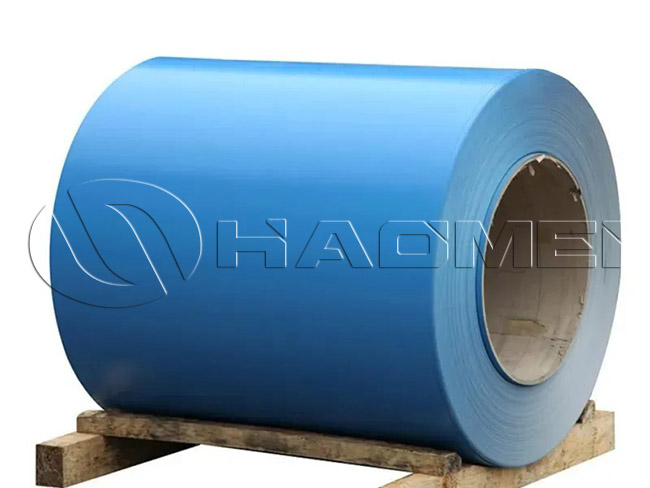
1100 H14 Color Coated Aluminum Coil
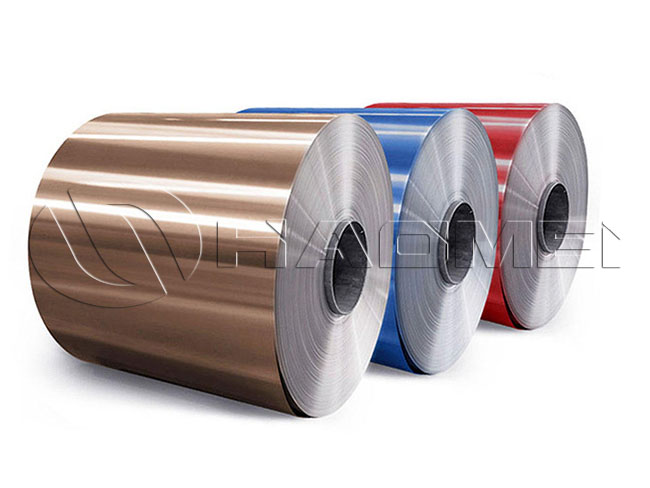
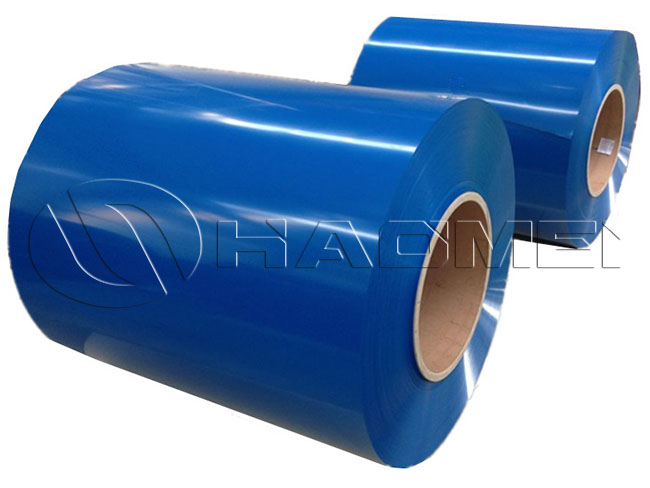
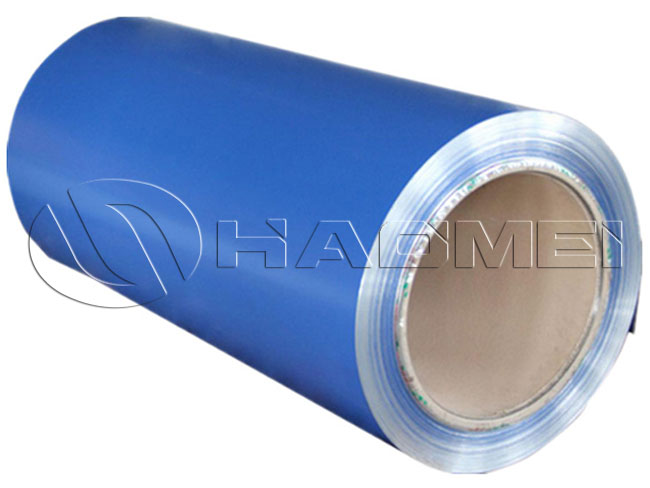
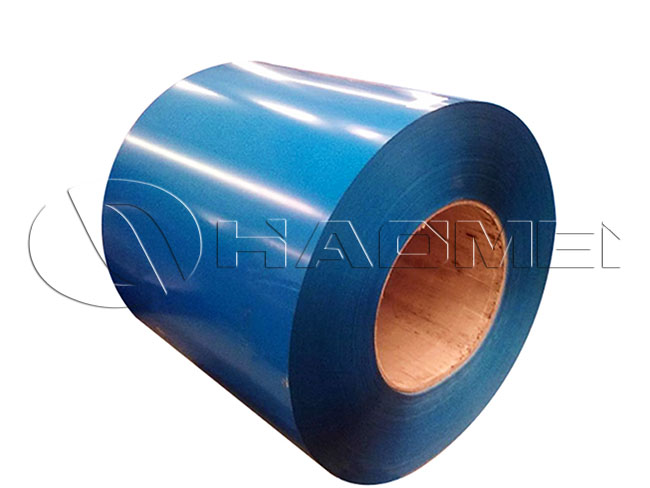
1100 H14 color coated aluminum coil is a high-purity, prepainted aluminum solution positioned for light-gauge forming and decorative protection where excellent surface quality, stable color, and reliable bendability are required. It is widely used in architectural trim and flashing, interior ceilings and wall panels, appliance and equipment covers, signage, and general formed components that prioritize appearance and corrosion resistance over high structural strength.
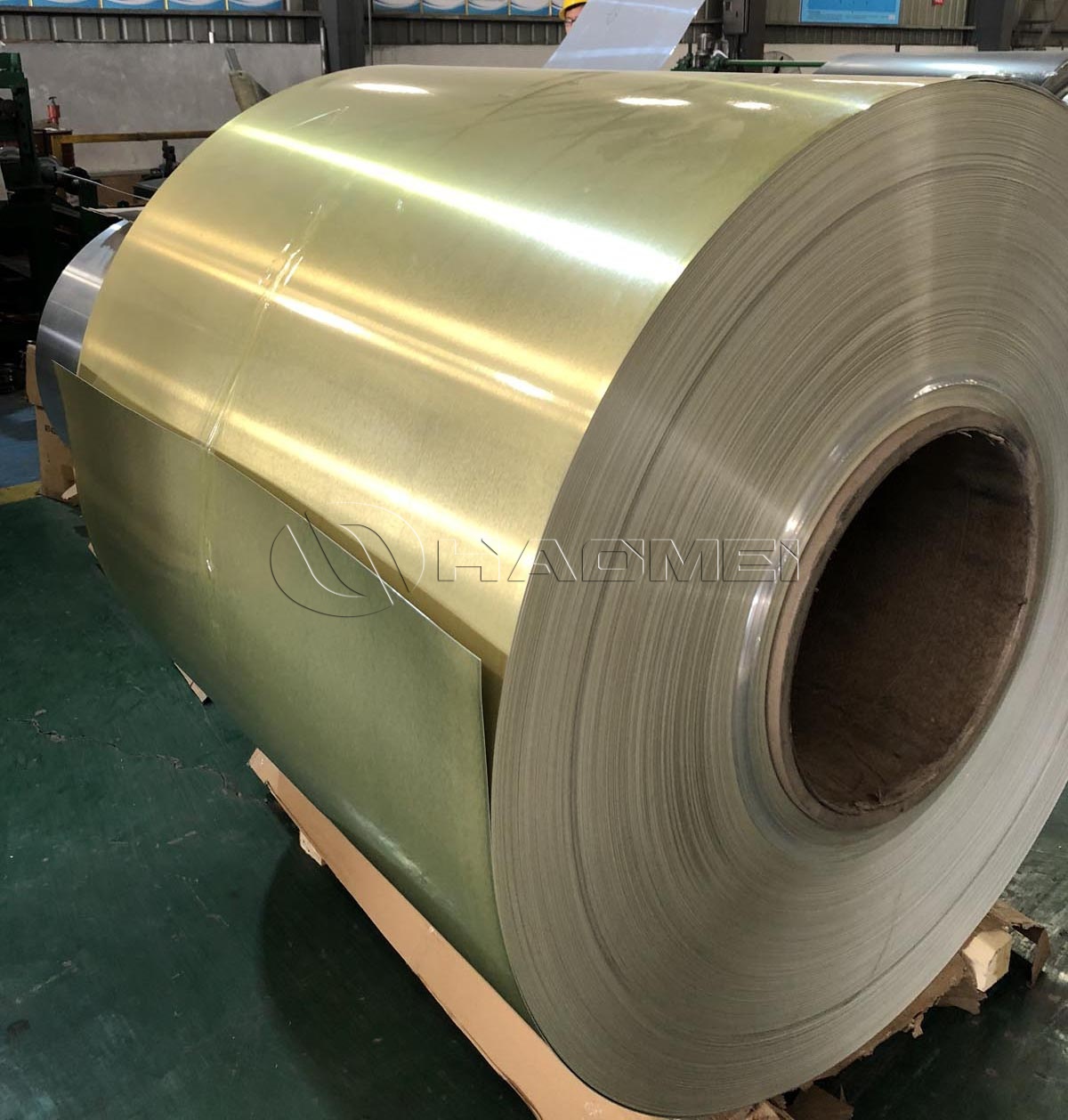
Material concept: AA1100 in H14 temper
AA1100 is a commercially pure aluminum (typically ~99.0% Al). Its key advantages for color coated products are:
Consistent substrate cleanliness and low alloying content, supporting uniform coating appearance
Good ductility for roll forming, profiling, and moderate drawing
Excellent inherent corrosion resistance in many indoor and mild outdoor environments
H14 indicates strain-hardened to a half-hard condition. In practice, 1100-H14 balances flatness and handling strength with forming performance. Compared with softer tempers (e.g., H24/H22 equivalents used in some markets), H14 typically offers better dent resistance while still supporting common bending radii when the coating system is selected appropriately.
Coating systems and where they fit
1100 color coated aluminum coil is a coil-coated product built for throughput stability and repeatable film properties. Selection mainly depends on exposure, gloss/color goals, and fabrication method.
PE coating (polyester)
PE coated aluminum coil is widely used for interior decoration and general applications.
Balanced cost and appearance
Good color availability and gloss control
Suitable for interior ceilings, partition panels, appliance skins, and signage in moderate environments
PVDF coating (polyvinylidene fluoride)
PVDF coated aluminum coil is preferred for long-term outdoor exposure and higher UV/color stability requirements.
Strong UV resistance and chalking control
Better color retention in sunlight and harsher climates
Common for exterior cladding details, fascia, soffits, and premium architectural components
Typical structure and performance logic
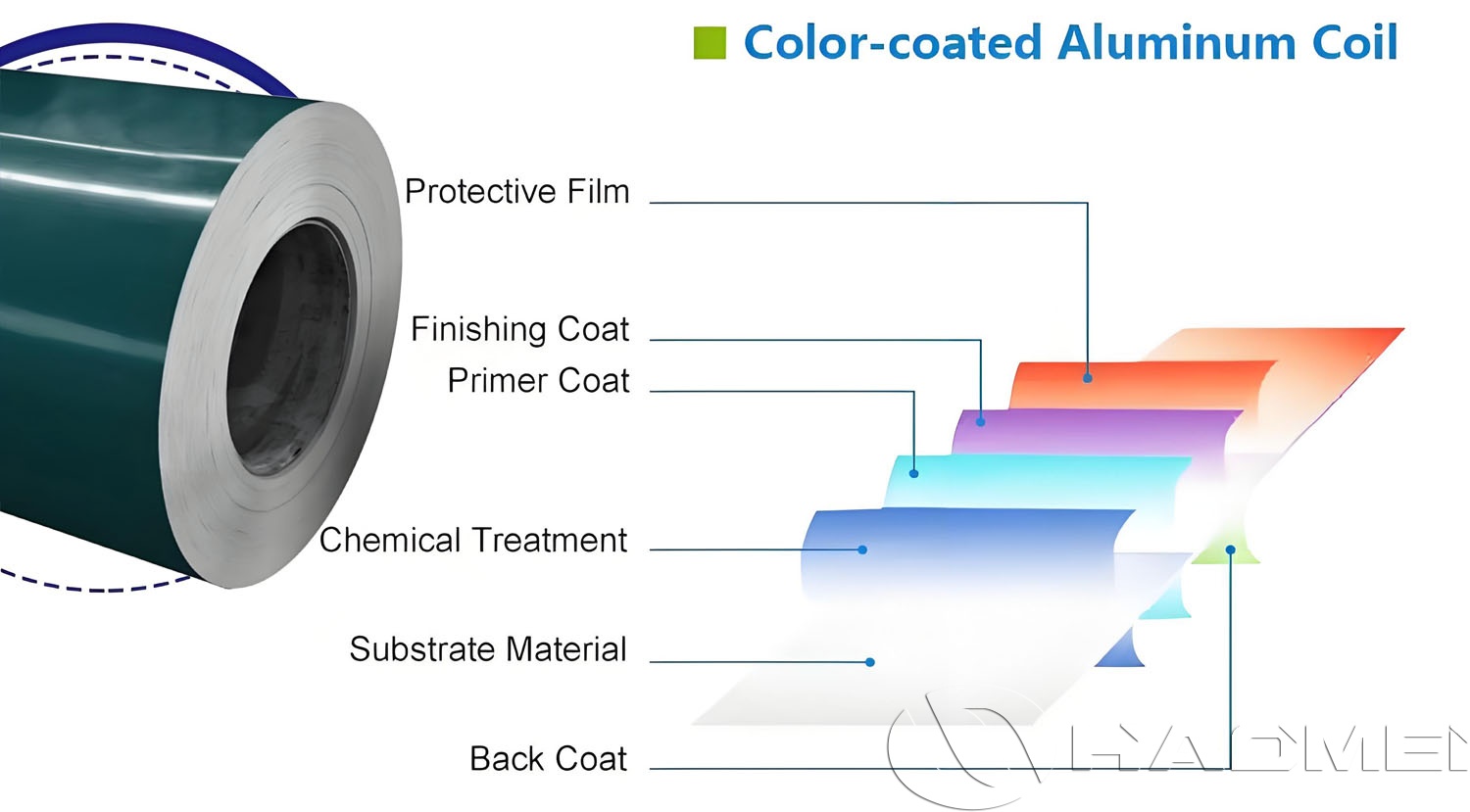
A technically robust prepainted coil is not just "paint on metal". Performance comes from the full stack:
Pretreatment (cleaning + conversion layer) for adhesion and corrosion resistance
Primer for flexibility, barrier properties, and topcoat anchoring
Topcoat (PE/PVDF and variants) for color, gloss, weathering, and stain resistance
Optional back coat for handling protection and interleaf performance
For formed parts, the primer/topcoat flexibility and cure window are as important as alloy/temper. When tight bends are expected, coating selection, film thickness, and cure control should be matched to the minimum inside radius and tooling conditions.
Advantages of 1100 H14 Color-Coated Aluminum Coil
1. Excellent Corrosion Resistance and Rust Prevention: 1100 is a pure aluminum alloy with extremely high weather resistance and corrosion resistance, allowing for long-term use in harsh weather conditions without easily rusting.
2. Excellent Formability and Machinability: The H14 temper (semi-hard) gives it excellent ductility, making it easy to bend, shear, and form, suitable for complex sheet metal processing.
3. Stable Surface Coating (Vibrant Colors): The surface is coated with PE or PVDF paint, providing UV resistance, solvent resistance, and long-lasting color retention for 15 years or even longer, with a rich variety of colors.
4. Lightweight and High Strength: Compared to steel, aluminum alloys have a lower density, but 1100 H14 maintains sufficient structural strength while being lightweight.
5. Excellent Weldability: 1100 alloy is best suited for welding and brazing, facilitating the manufacture of complex welded structural components.
6. Cost advantage: As a general grade, 1100 is cheaper than high-strength aluminum alloys (such as 3003 or 5000 series), offering high cost performance.
Forming and fabrication considerations for 1100-H14 prepainted coil
1100-H14 is frequently chosen when the part design includes bends, hems, roll-formed ribs, or light embossing.
Key technical points to keep coating integrity during forming:
Use appropriate minimum bend radii based on coating type and film build (PVDF systems may behave differently than standard PE)
Control tooling surface finish and cleanliness to prevent galling and micro-scratches
Avoid overbaking during downstream post-forming processes; elevated temperatures can affect gloss and color
Use protective film when cosmetic surfaces are exposed to multi-step fabrication
Commonly used alloys for color coated aluminum coil (and why they differ)
While 1100 is a mainstream option, coil coaters and fabricators often select among several alloys depending on strength, corrosion demands, and end-use rigidity:
1050/1060/1100 (1xxx series): high purity, best formability and corrosion resistance; ideal for decorative panels, trims, signage, insulation jacketing, and general forming where high strength is not the priority.
3003/3004/3105 (3xxx series): Mn-containing alloys with higher strength than 1xxx; used when improved stiffness and dent resistance are required for panels, roofing/ceiling systems, and general building envelopes.
5005/5052 (5xxx series): Mg-containing alloys with higher strength and good corrosion resistance; used for higher mechanical requirements, marine-influenced environments, and more demanding fabrication.
8011 (8xxx series): frequently used in packaging-related and certain industrial applications, chosen for specific forming/strength targets and supply conventions.
For projects emphasizing surface uniformity and ease of forming, AA1100 H14 aluminum remains one of the most stable and widely specified substrates.
Core specifications for 1100 H14 color coated aluminum coil
Table 1. Core Specifications: 1100 H14 Color Coated Aluminum Coil
| Item | Typical Range / Options |
|---|---|
| Alloy / Temper | 1100 H14 (AA1100 H14) |
| Product form | Color coated aluminum coil (prepainted aluminum coil) |
| Thickness | 0.20–2.00 mm (common: 0.30–1.20 mm) |
| Width | 20–1600 mm (slit to size) |
| Coil ID | 405 mm / 505 mm (typical) |
| Coil OD | Up to ~1200–1500 mm (by weight and line capability) |
| Coating type | PE / PVDF (other systems available by request) |
| Topcoat thickness | PE: ~15–25 μm; PVDF: ~20–30 μm (typical architectural builds) |
| Back coat | 5–12 μm (service coat) or as specified |
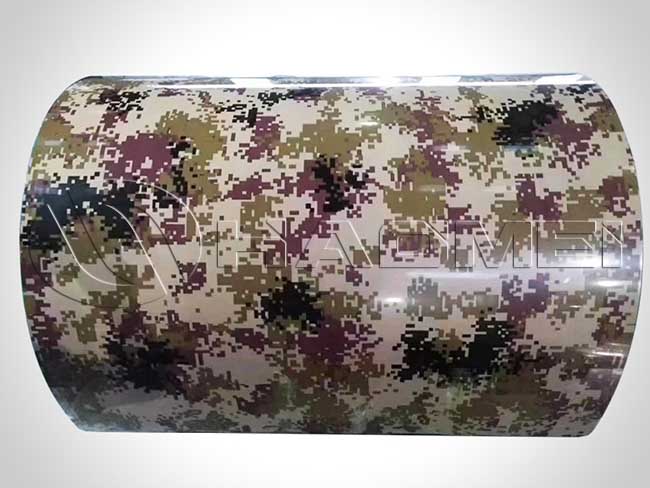
| Finish options | Solid, metallic, matte, high gloss; textured options by system |
| Color standard | RAL / Pantone / customer match |
| Surface protection | Optional protective film |
| Standards | ASTM / EN / GB or customer specification |
Note: exact coating build, primer selection, and gloss level should be confirmed against the intended forming radius and exposure class.
Application fit: where 1100 H14 color coated coil performs best
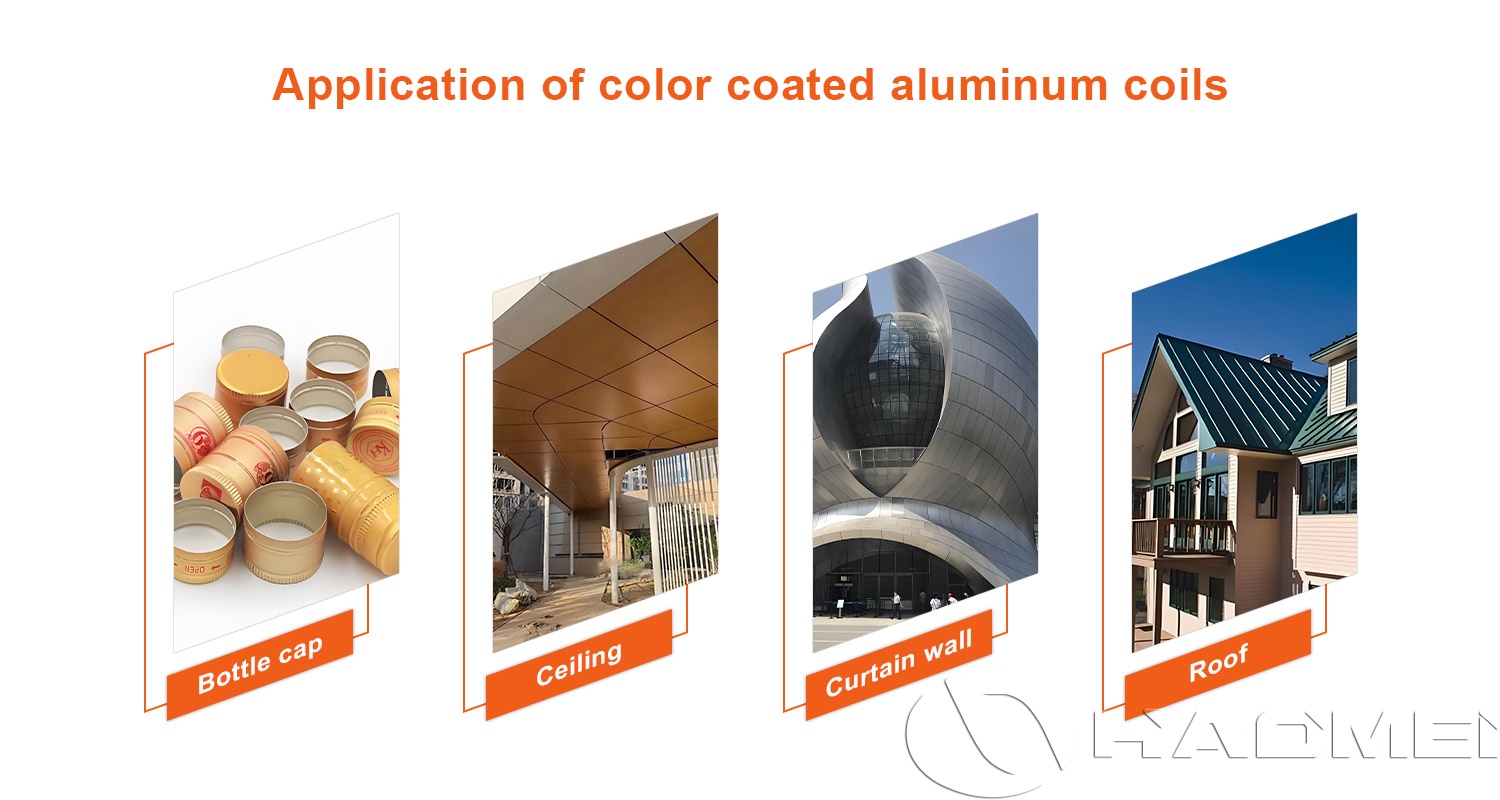
Because the substrate is high purity and the temper supports reliable fabrication, 1100-H14 prepainted coil is commonly used for:
Interior ceiling systems, baffles, and wall liners
Architectural trims, flashings, drip edges, and accessories
Signage, display panels, and decorative covers
Appliance housings and light industrial enclosures
Roll-formed profiles where appearance and corrosion resistance are critical
Quality control checkpoints commonly specified
For consistent appearance and long-term performance, technical specifications frequently include:
Color difference control (ΔE) and gloss tolerance
Film thickness verification (top and back)
Adhesion (cross-hatch / T-bend alignment to coating system)
Pencil hardness / mar resistance (by system)
Impact and flexibility (matched to forming needs)
Corrosion testing (salt spray, humidity) and, for PVDF, weathering expectations
-
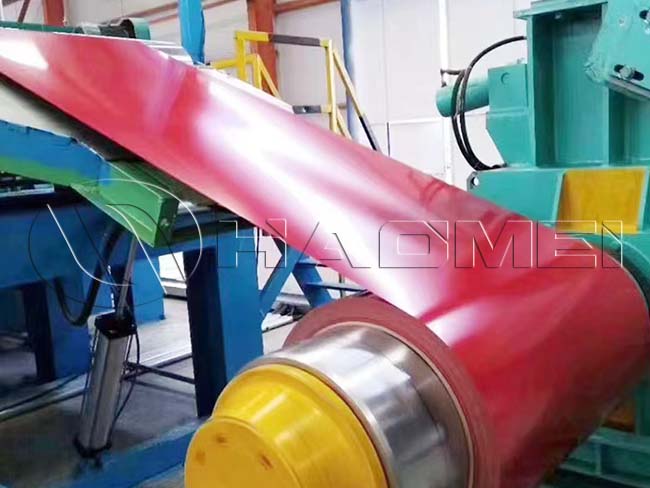
5052 PPAL Pre-Painted Aluminum Coil for Ceilings
5052 pre-coated aluminum coils combine the mechanical properties of the metal substrate with the decorative and protective functions of the coating, making them suitable for applications such as ceiling panels and building curtain walls.
2025-12-11
-
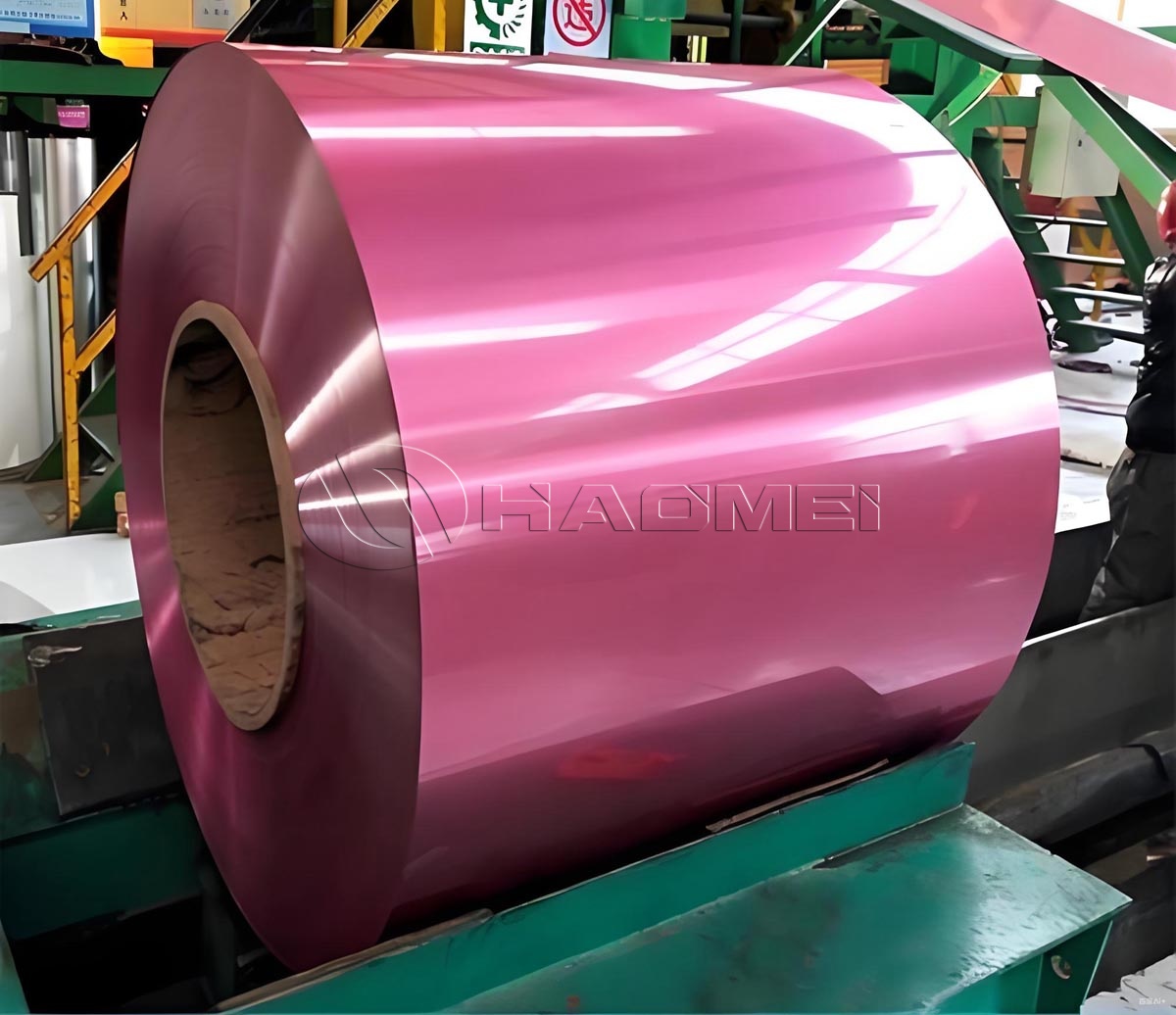
PE Coated Aluminum Coil for Cold Storage Panels
PE coated aluminum coil for cold storage panels combines a smooth, hygienic finish, corrosion resistance, formability, and stable panel-facing performance.
2026-09-08
-
3003 H14 Color Coated Aluminum Coil for Roofing
3003 H14 color-coated aluminum coil uses PE/PVDF coating and features excellent formability, high corrosion resistance, and weldability.
2025-12-17
Contact Directly
-

ADD: No.14 Waihuan Road, CBD, Zhengzhou, China
-

WhatsApp: +86-18703635966
-

E-MAIL: sales@alummc.com