

News
 By Hermione
Wood Grain Aluminum Coil For Interior Decoration
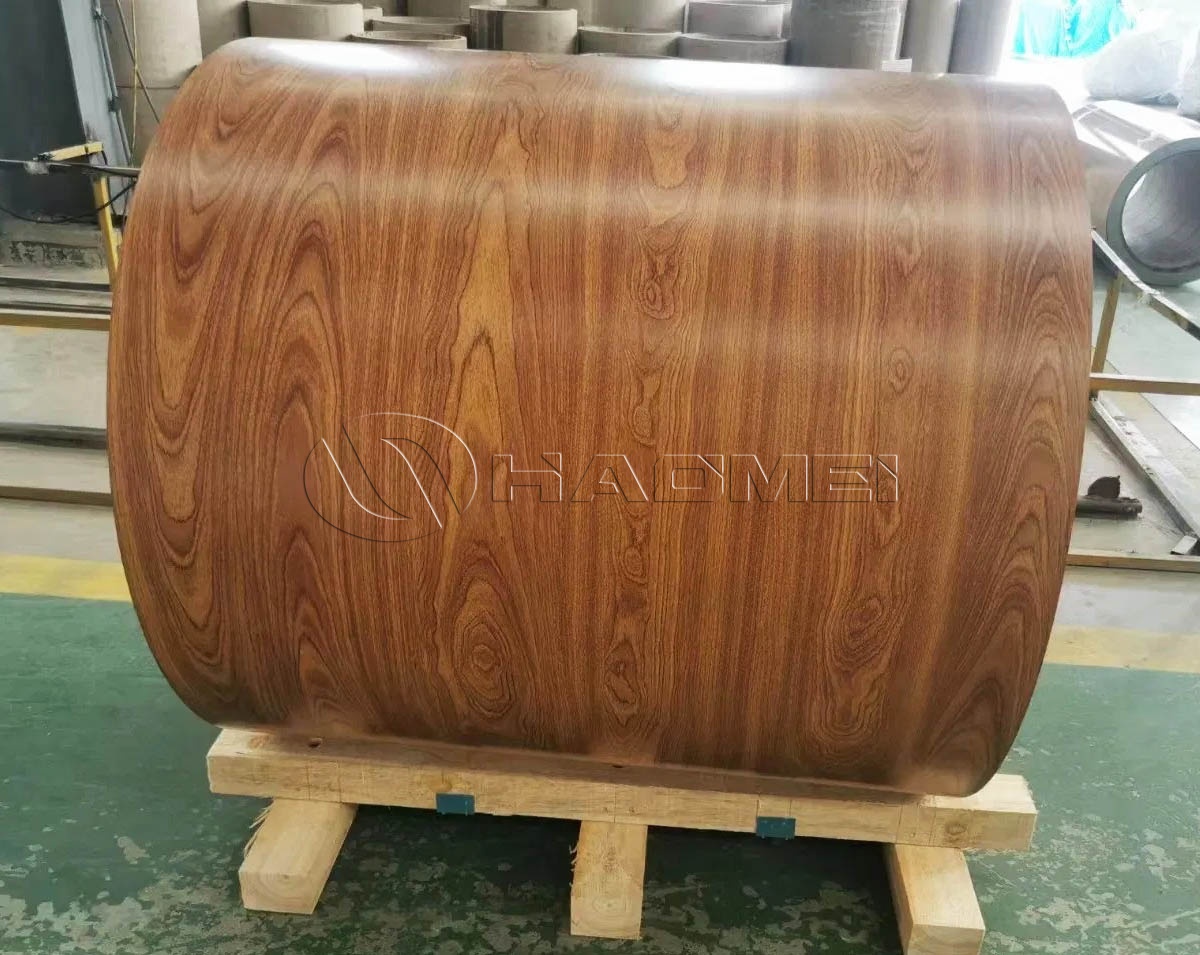
Wood grain aluminum coil for interior decoration is a prepainted aluminum coil engineered to reproduce natural timber textures while delivering the dimensional stability, fire performance, and process consistency required for modern interiors. It is typically specified for ceiling systems, feature walls, column wraps, partitions, elevator lobbies, retail displays, and furniture components where designers want a warm wood appearance with reliable batch-to-batch color control.
What the product is: a controlled wood-effect coating system on aluminum
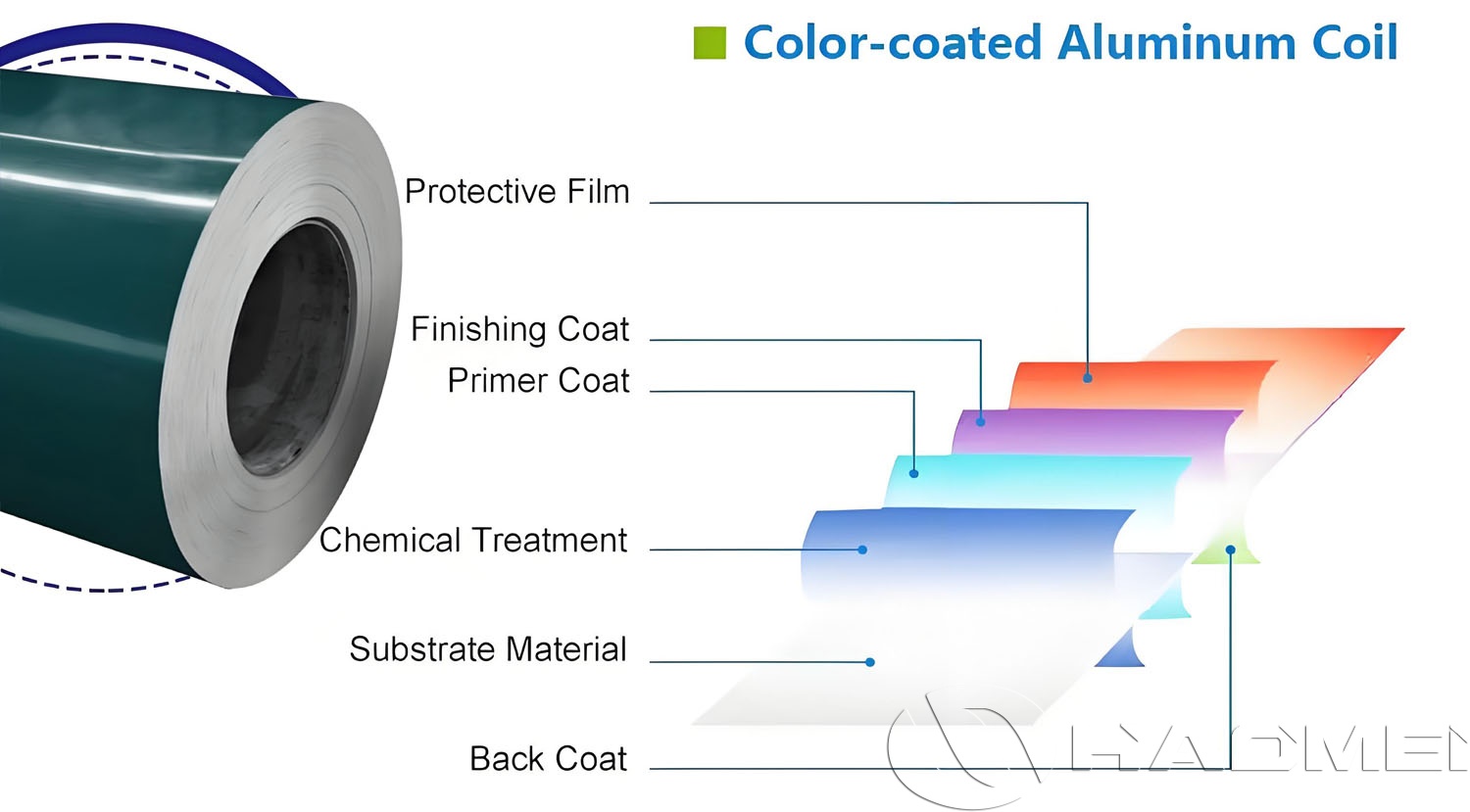
A wood grain finish is not a printed film applied after fabrication. In coil-coating, the pattern and topcoat are created on a continuously cleaned and pretreated aluminum strip, then cured under controlled conditions. This approach supports stable gloss, color tolerance, and coating adhesion before the material is slit, leveled, roll-formed, bent, or stamped into interior parts.
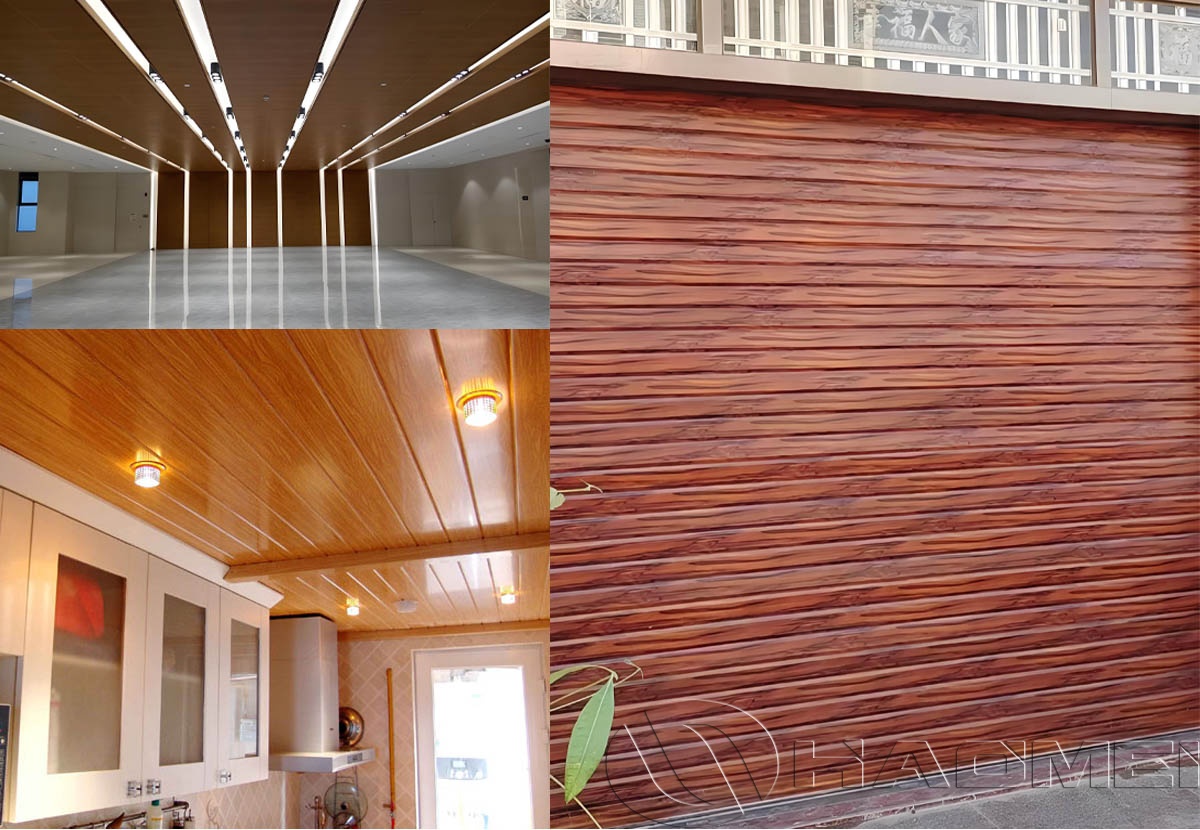
Typical interior decoration parts made from wooden grain color coated aluminum coil include:
Aluminum ceiling tiles and linear/baffle ceilings
Wall cladding panels and decorative trims
Roller shutter boxes and covers
Column covers and beam wraps
Furniture panels, cabinet frames, and display fixtures
Coating options for interior use: PE vs PVDF
The coating choice is driven by the installation environment, cleaning frequency, and service-life expectation.
PE coating (polyester): Common for indoor ceilings, partitions, and wall accents. It provides good color richness, consistent wood grain rendering, and cost efficiency, with excellent processability for bending and roll forming.
PVDF coating (polyvinylidene fluoride): Selected when interiors face higher UV exposure (atriums, sunlit lobbies), stronger chemical cleaning, or long-term color stability requirements. PVDF is also used when the same wood grain tone must match adjacent exterior elements.
In wood grain systems, gloss and texture are tuned to simulate oak, walnut, teak, or custom patterns. For interiors, medium-to-low gloss is frequently specified to reduce glare and improve perceived realism.
Alloy selection: balancing formability, flatness, and strength
Interior decoration components often require tight flatness (for wide panels), stable mechanical properties (for clip-in ceilings), and good bendability (for edge returns and hems). Common alloys include:
1060 / 1100 (1xxx series, commercially pure aluminum): Excellent formability and surface uniformity; often used for thinner gauges and parts with complex forming. Lower strength means careful design is needed for large-span panels.
3003 (Al-Mn): A widely used choice for interior panels due to a good balance of formability and strength, supporting stable roll forming and bending with reduced risk of edge cracking. It is commonly chosen for ceiling panels and wall cladding.
3105 (Al-Mn-Mg): Similar family to 3003 with slightly different strength/forming balance; frequently used for architectural trim and panel systems where a bit more strength is helpful while maintaining good workability.
5005 (Al-Mg): Known for good anodizing behavior, also used for painted interior panels where moderate strength and good corrosion resistance are desired.
5052 (Al-Mg, higher Mg): Higher strength and better fatigue resistance, useful for components requiring improved stiffness or more demanding forming parameters (within proper bend radius design). It can be selected for thicker decorative parts, column wraps, and high-traffic interior areas.
In practice:
For general interior ceilings and wall panels, 3003/3105 are common "workhorse" alloys.
For higher stiffness or more demanding structural detailing, 5052 is often specified.
For very high formability and smooth appearance at lighter loads, 1060/1100 are used.
Reasons for Choosing Wood Grain Coated Aluminum Coils for Interior Decoration Projects
1) High Fire Safety: Meets Class A fire resistance standards, far superior to flammable natural wood, and complies with stringent fire safety regulations for public places.
2) Visual Simulation and Consistency: Perfectly reproduces the texture of precious wood grain, without the color differences and knots of natural wood, ensuring visual unity in large-area decorations (such as ceilings and walls).
3) Excellent Weather Resistance and Moisture Resistance: Resistant to humid environments, it will not mold, rot, or warp, and the surface coating is scratch-resistant, resulting in extremely low maintenance costs.
4) Lightweight and Easy to Process: The lightweight material reduces the building load, has good ductility, and can be easily bent, punched, rolled, and shaped, suitable for various irregular designs.
5) Green, Environmentally Friendly, and Sustainable: Reduces deforestation, and aluminum is 100% recyclable, meeting green building evaluation standards.
Core Specifications
| Item | Typical Range / Options | Notes for Interior Decoration |
|---|---|---|
| Product form | Coil (also available as slit coil) | Suitable for roll forming, press forming, panel fabrication |
| Alloy (common) | 1060, 1100, 3003, 3105, 5005, 5052 | Selection based on stiffness, bendability, and panel span |
| Temper (common) | O, H14, H16, H18, H24 | O for maximum formability; H tempers for stiffness |
| Thickness | 0.20–1.20 mm | Ceilings often 0.30–0.80 mm; wall panels may be thicker |
| Width | 600–1600 mm | Wider coils help reduce seams on large panels |
| Coating system | PE or PVDF wood grain | PE for most interiors; PVDF for higher UV/cleaning demands |
| Topcoat thickness | 15–25 μm (typical) | Defined by durability and appearance requirements |
| Back coat thickness | 5–10 μm (typical) | Helps handling resistance and balanced performance |
| Surface finish | Wood grain pattern, custom colors | Oak/walnut/teak tones; gloss typically controlled for realism |
| Film protection | Optional PE protective film | Used to reduce handling scratches during fabrication |
| Standards reference | ASTM / EN typical practices | Final compliance depends on project and regional requirements |
Processing notes that affect finished appearance
Grain direction control: Aligning pattern direction across panels is critical for premium visual continuity.
Minimum bend radius: Driven by alloy, temper, thickness, and coating flexibility; tighter radii require softer temper or thicker coating design margin.
Edge quality and slitting: Clean slit edges reduce coating damage and improve cut-edge appearance after forming.
Protective film selection: Adhesive level must match fabrication steps (laser cutting, punching, roll forming) to avoid residue or lift.
Typical interior system integrations
Wood grain aluminum coil is commonly fabricated into:
Clip-in and lay-in ceiling tiles, linear strip ceilings, baffle ceilings
Decorative wall panels (flat, micro-perforated acoustic variants, or profiled)
Aluminum honeycomb or composite-faced decorative skins (when paired with a core)
Furniture and display elements requiring a wood look with improved dimensional stability
-
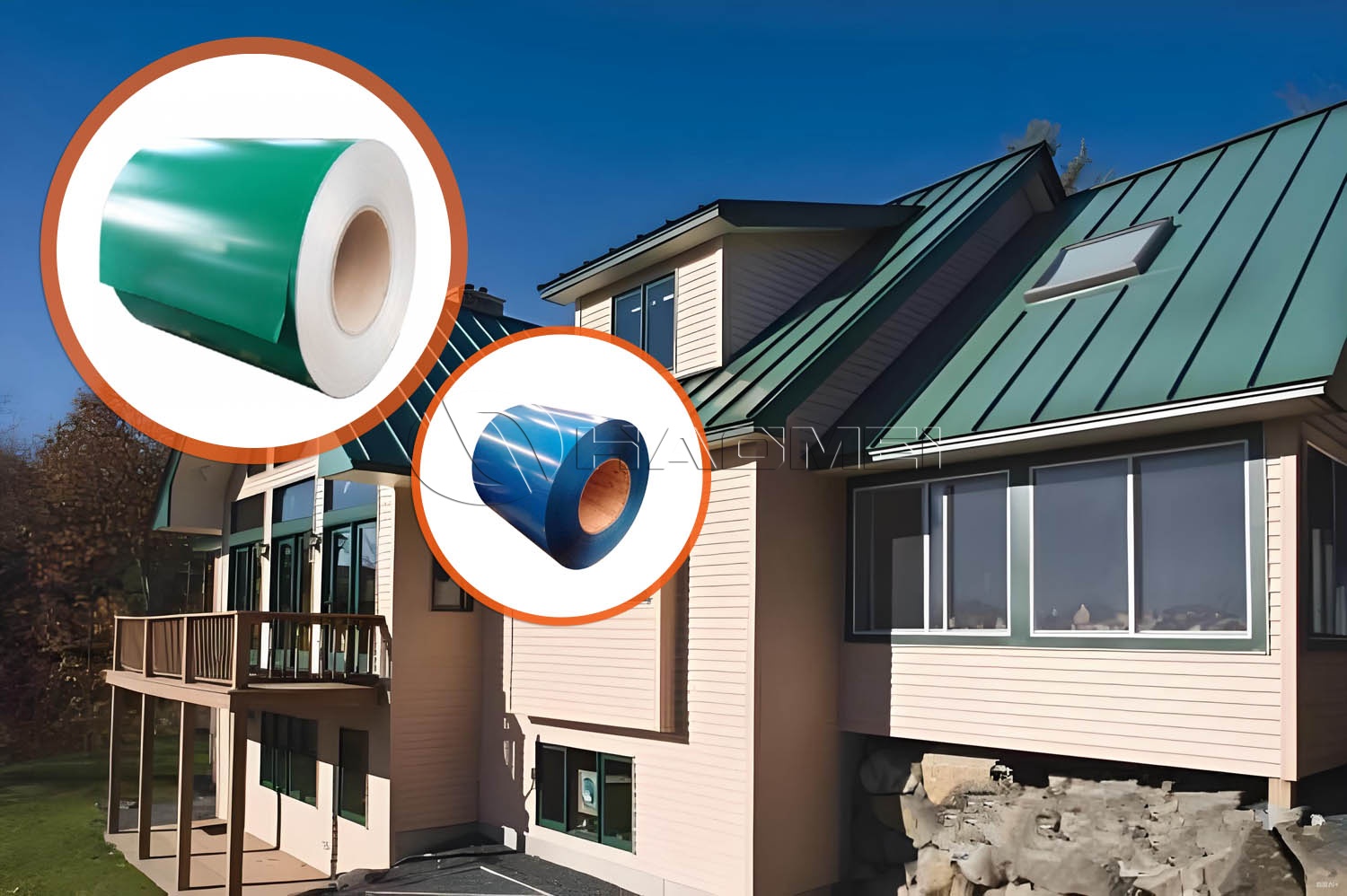
Advantages of 1100 Prepainted Aluminum Coil for Roofing
Explore the advantages of 1100 prepainted aluminum coil for roofing, including corrosion resistance, formability, coating options, and alloy selection.
2026-03-24
-
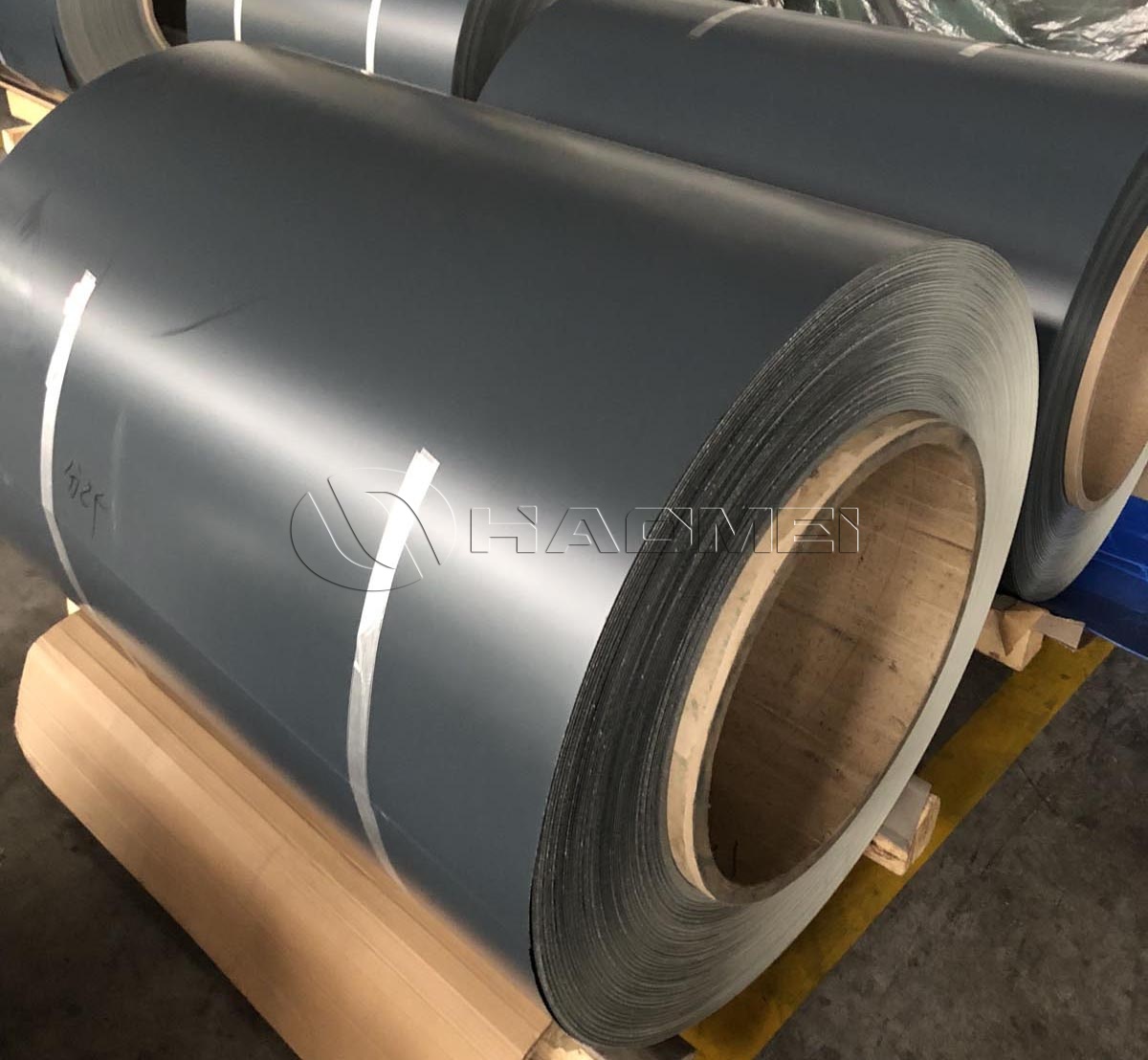
PVDF Coated Aluminum Coil Price Per Ton
Learn how PVDF coated aluminum coil price per ton is shaped by alloy, coating thickness, color, order size, and architectural performance needs.
2026-06-02
-
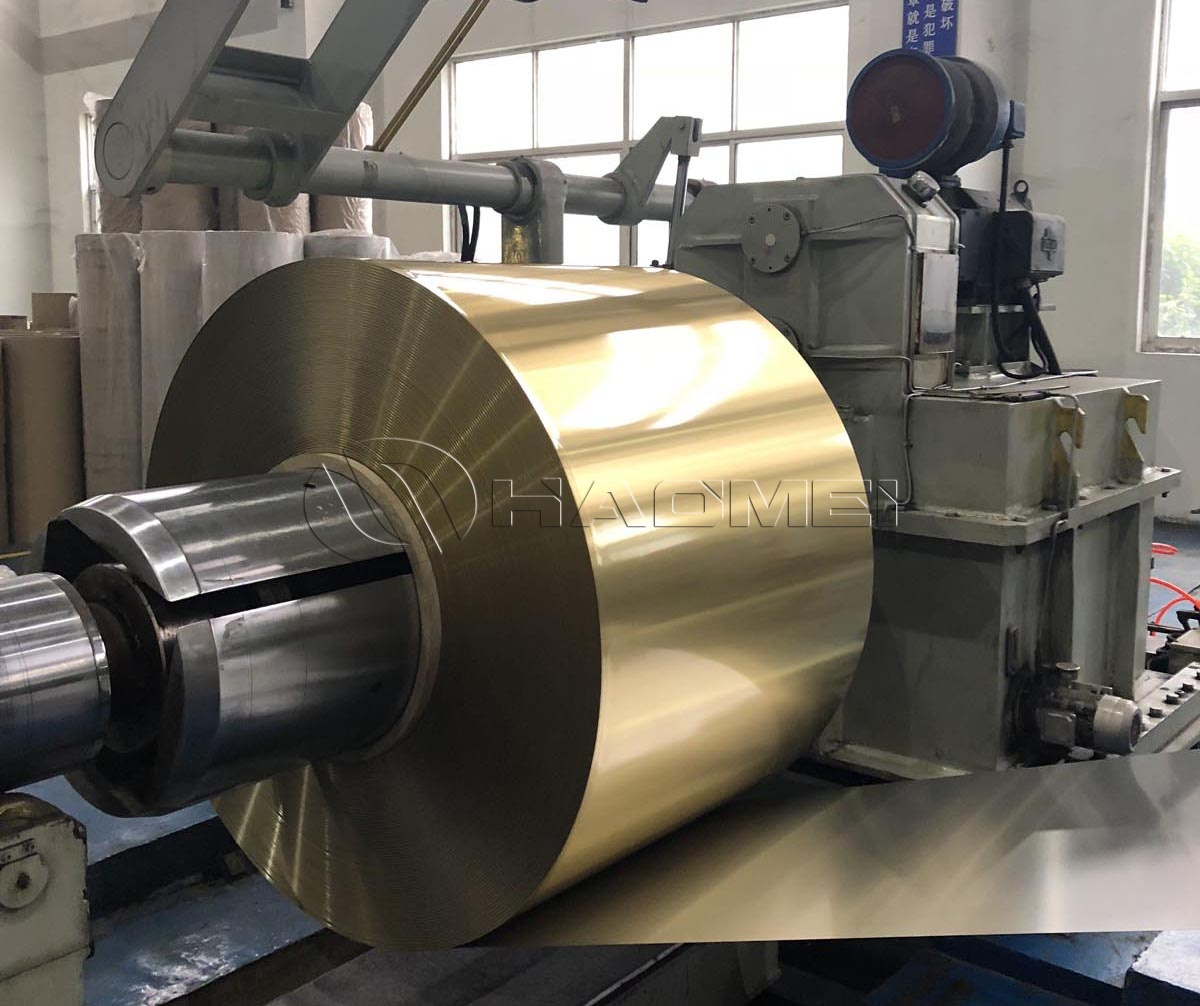
Prepainted PE Aluminum Coil for Rolling Shutters
Technical overview of prepainted PE aluminum coil for rolling shutters, covering alloys, coating structure, specs, colors, and forming performance control.
2026-05-14
Contact Directly
-

ADD: No.14 Waihuan Road, CBD, Zhengzhou, China
-

WhatsApp: +86-18703635966
-

E-MAIL: sales@alummc.com