


News
 By
By
1060 Color-Coated Aluminum Coil (Glossy / Matte) for Architectural Decoration
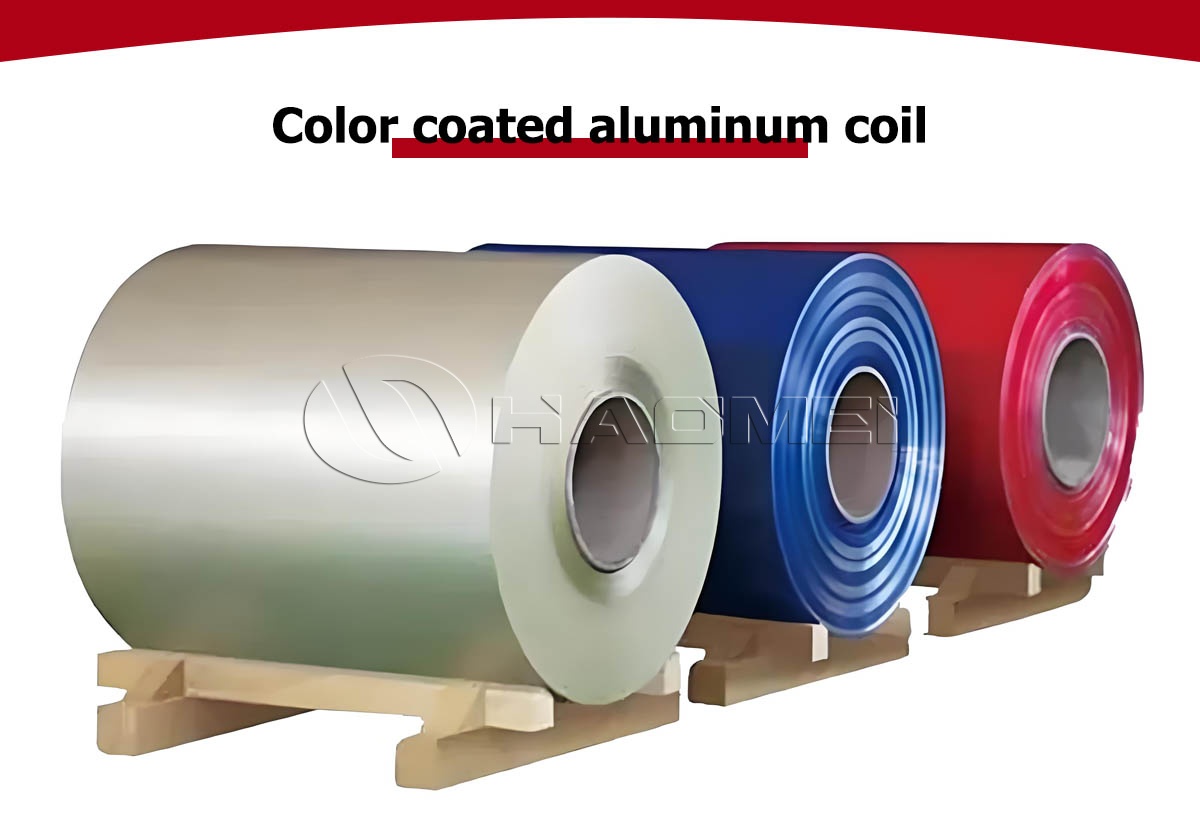
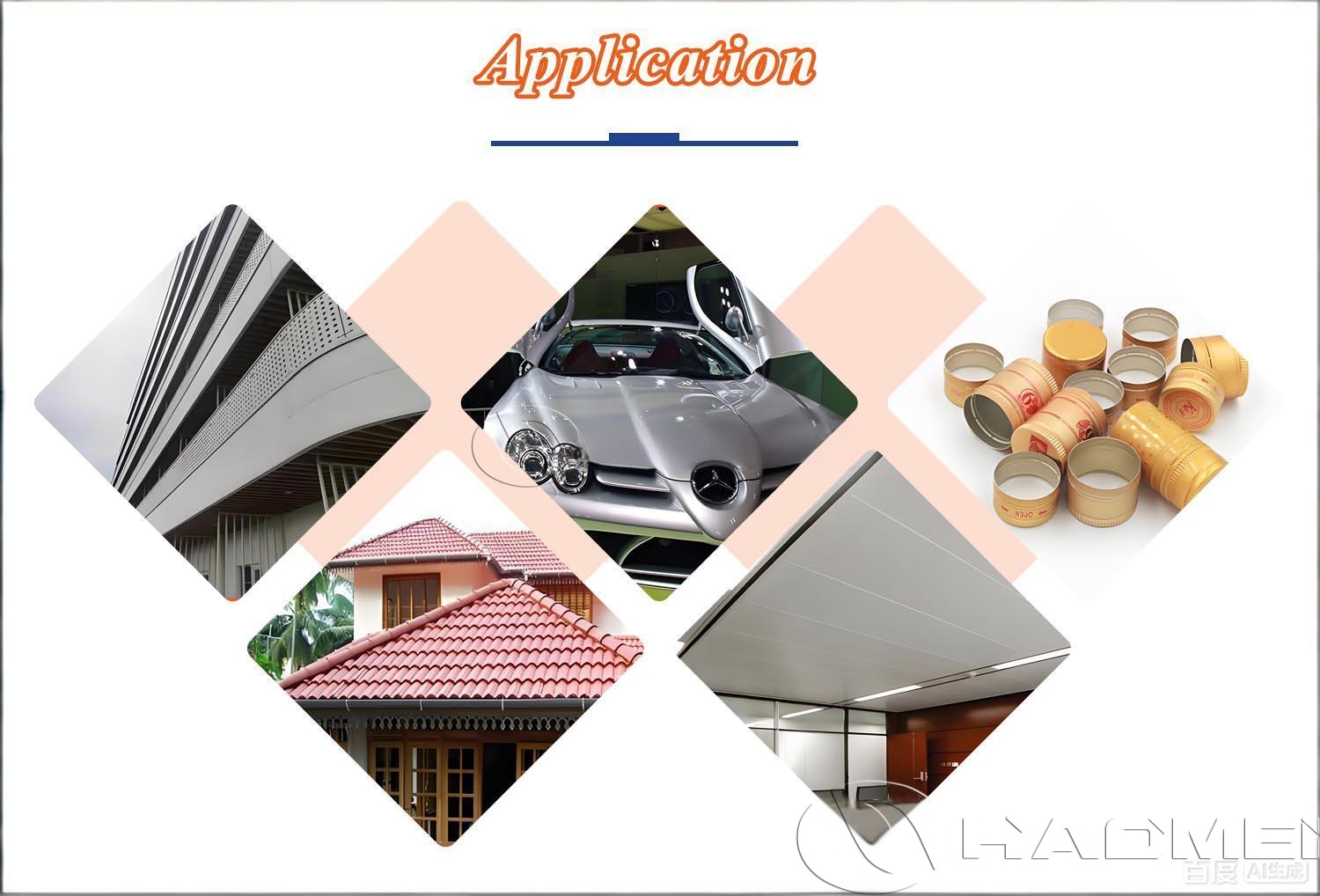
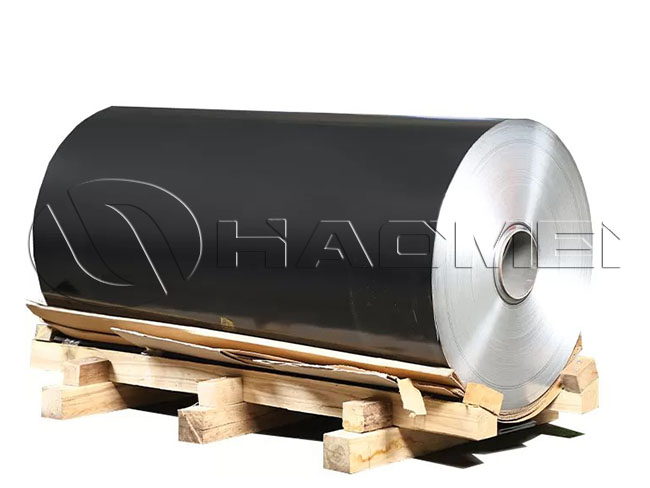
1060 color-coated aluminum coil is a lightweight prepainted material designed for architectural decoration where formability, color consistency, and surface appearance are important. Available in glossy and matte finishes, it is widely used for interior ceilings, wall panels, decorative trims, fascia boards, roller shutters, composite panel skins, and selected exterior cladding components. Its high aluminum purity and soft temper range support efficient roll forming, bending, stamping, and profiling.
Material Characteristics of 1060 Aluminum
1060 belongs to the 1000 series of commercially pure aluminum alloys and contains at least 99.6% aluminum. Compared with manganese- or magnesium-containing alloys, 1060 aluminum provides excellent ductility and corrosion resistance, while maintaining a low density of approximately 2.71 g/cm³. These characteristics make it suitable for decorative components with shallow drawing, curved profiles, folded edges, and large-area lightweight panels.
The alloy is commonly supplied in O, H14, H16, H18, or H24 tempers. Softer tempers are generally used for deep forming or complex profiles, while harder tempers provide improved handling rigidity for flat sheets, ceiling systems, and roll-formed architectural products.
Product Features of 1060 Color-Coated Aluminum Coils
Excellent processing and bending performance: As a pure aluminum grade, it is soft and highly ductile, making it easy to undergo secondary processing such as stamping, bending, and roll forming; it also features strong coating adhesion and resistance to cracking.
Superior corrosion and weather resistance: The surface polyester (PE) or fluorocarbon (PVDF) coating acts as a barrier against air and moisture, significantly enhancing resistance to oxidation, acid rain, and UV radiation, thereby extending service life.
Smooth coating and rich colors: The surface is finished with a uniform roller-coating process and offers a wide range of colors (with customizable gloss levels and patterns), resulting in an aesthetically pleasing, highly decorative finish.
Excellent thermal and electrical conductivity: It retains the inherent physical properties of 1060 pure aluminum—offering rapid heat dissipation and good electrical conductivity—making it suitable for applications requiring specific heat dissipation or electromagnetic shielding.
Cost-effective and recyclable: Compared to alloy-based color-coated aluminum coils (such as the 3000 or 5000 series), the 1060 grade offers lower costs; additionally, 1060 aluminum has high recycling value and is an environmentally friendly choice.
Core Specifications of 1060 Color-Coated Aluminum Coil
| Specification Item | Typical Range or Option |
|---|---|
| Base alloy | 1060 aluminum alloy, minimum 99.6% Al |
| Temper | O, H14, H16, H18, H24 |
| Thickness | 0.20-1.50 mm, subject to application requirements |
| Coil width | 20-1,600 mm |
| Coil inner diameter | 150 mm, 300 mm, 405 mm, 508 mm, or 610 mm |
| Surface finish | Glossy, semi-gloss, matte, textured, embossed, printed |
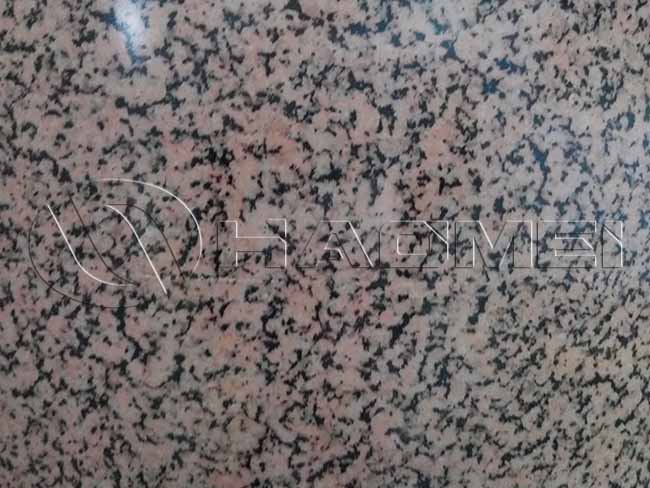
| Color system | RAL colors, custom colors, wood grain, marble pattern, solid colors |
| Top coating | PE, SMP, HDP, PVDF, or specialty decorative coating |
| Typical coating thickness | 15-25 μm for PE; 25 μm or above for PVDF systems |
| Back coating | Epoxy or polyester backing coat, commonly 5-10 μm |
| Protective film | Optional removable PE protective film |
| Main applications | Ceilings, wall panels, trims, shutters, fascia, soffits, decorative panels |
Glossy and Matte Surface Options
The visual effect of prepainted aluminum is determined not only by color, but also by gloss level, coating formulation, curing conditions, and substrate flatness.
Glossy Color-Coated Aluminum Coil
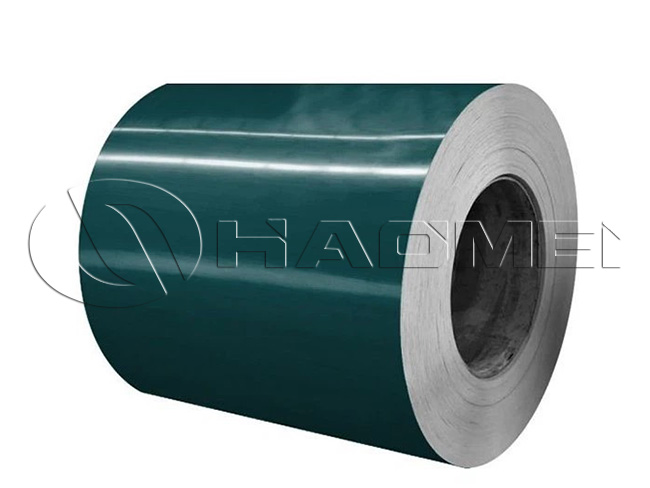
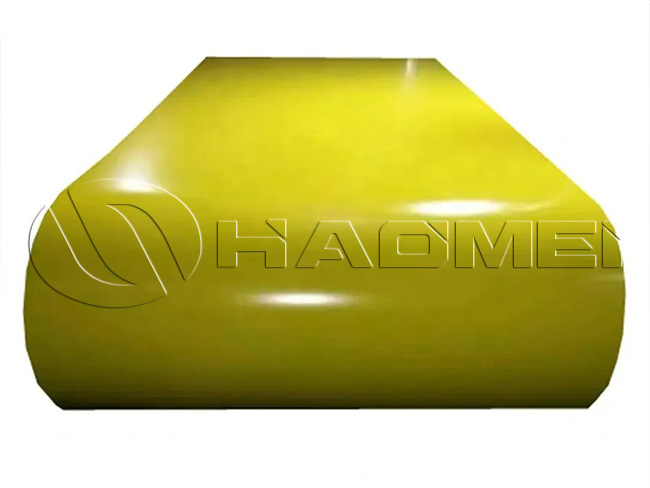
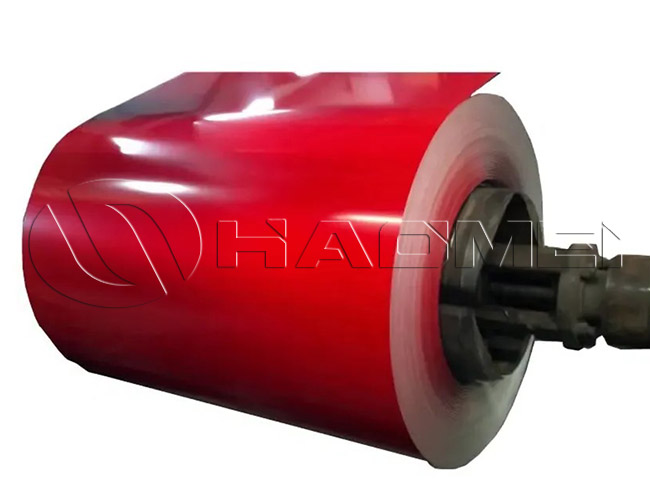
Glossy finishes provide a bright, reflective appearance that enhances color depth and gives decorative panels a clean, contemporary character. They are commonly used for interior ceiling panels, appliance-like decorative surfaces, roller shutters, signage components, and bright architectural trim.
Higher gloss surfaces may make fingerprints, scratches, and substrate waviness more visible under direct lighting. For this reason, coating leveling and process control are important when glossy 1060 aluminum coil is used for broad, exposed panels.
Matte Color-Coated Aluminum Coil
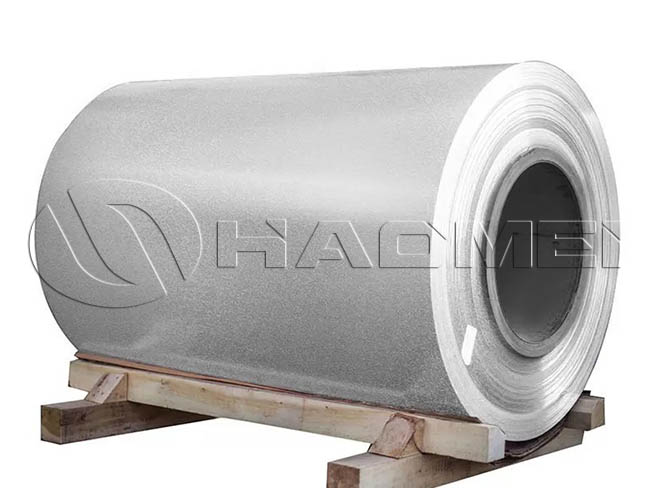
Matte finishes reduce reflected glare and create a softer, more uniform visual effect. They are frequently selected for suspended ceilings, interior wall cladding, soffits, façade accents, and architectural elements exposed to strong natural or artificial light.
A matte coating can improve the visual tolerance of minor surface irregularities while delivering a refined appearance. Depending on the formulation, matte finishes may range from low-gloss smooth surfaces to lightly textured or sand-textured decorative coatings.
Coating Structure and Performance
A typical color-coated aluminum coil is produced through a continuous coil-coating process. The aluminum strip is cleaned and chemically pretreated before primer and finish coats are applied and oven cured. This controlled process helps achieve stable color, coating adhesion, and consistent film thickness across the coil.
A standard coating structure may include:
Aluminum substrate
Chemical conversion layer
Primer coating
Top decorative coating
Backing coat
Optional protective film
For indoor architectural decoration, polyester-based PE Coated Aluminum Coil is widely used because it offers good color range, economical processing, and suitable performance in controlled indoor environments. For exterior building elements exposed to UV radiation, humidity, and temperature variation, PVDF Coated Aluminum Coil provides enhanced weatherability, color retention, and chalking resistance.
Common Alloy Options for Architectural Color-Coated Aluminum
Although 1060 is widely used for decorative applications, alloy selection should correspond to the forming method, panel geometry, mechanical loading, and service environment.
| Alloy | Key Characteristics | Typical Architectural Uses |
|---|---|---|
| 1050 | High-purity aluminum with excellent formability | Interior panels, ceiling strips, trims, lighting reflectors |
| 1060 | Good ductility, corrosion resistance, and coating compatibility | Ceilings, decorative panels, shutters, wall cladding, fascia |
| 1100 | Similar high-purity alloy with good workability | General decoration, embossed sheets, signage, lighting panels |
| 3003 | Manganese-containing alloy with higher strength than 1000 series | Roofing accessories, exterior panels, gutters, profiled sheets |
| 3004 | Improved strength for formed and semi-structural applications | Ceiling systems, formed panels, building components |
| 3105 | Good strength and formability for painted sheet products | Roofing, siding, fascia, shutters, wall panels |
| 5005 | Better strength and anodizing response than 1000 series | Façade panels, architectural trims, exterior decorative elements |
| 5052 | Higher magnesium content and stronger corrosion resistance | Coastal-area components, durable exterior panels, formed parts |
1060 is particularly suitable where visual appearance and forming performance take priority over high structural strength. For wider panels, high wind loads, sharp profiles, or demanding exterior exposure, 3003, 3105, 5005, or 5052 may be selected according to design conditions.
Processing Advantages in Architectural Fabrication
The high ductility of 1060 aluminum supports several fabrication methods used in architectural decoration:
Roll forming for ceiling carriers, shutter profiles, and corrugated decorative sheets
Press bending for flashings, edge trims, and folded wall-panel components
Embossing for stucco, orange-peel, linear, or custom textured surfaces
Slitting for narrow ceiling strips, trim coils, and shutter laths
Laminating or composite bonding for aluminum composite panels and decorative boards
Printing and transfer finishing for wood grain, marble, stone, and custom pattern effects
Care is required during fabrication to prevent excessive bending stress, coating cracking, or abrasion. Appropriate bend radii depend on alloy temper, coating type, coating thickness, and forming direction relative to the rolling direction.
Color Consistency and Surface Quality Control
For architectural decoration, coil-to-coil consistency is important because panels are often installed over large visible areas. Color-coated 1060 aluminum is commonly controlled for color difference, gloss level, coating thickness, adhesion, pencil hardness, impact resistance, and bending performance.
Key quality factors include:
Stable substrate thickness and width tolerance
Uniform pretreatment coverage
Controlled primer and topcoat film thickness
Consistent gloss level across production batches
Color measurement under specified illuminant conditions
Good coating adhesion after bending or forming
Clean coil edges and controlled telescoping during winding
Protective film compatibility during storage and fabrication
For glossy surfaces, leveling and cleanliness are especially important because reflected light can highlight minor defects. For matte surfaces, gloss uniformity and texture repeatability help maintain a consistent visual appearance across installed panels.
-
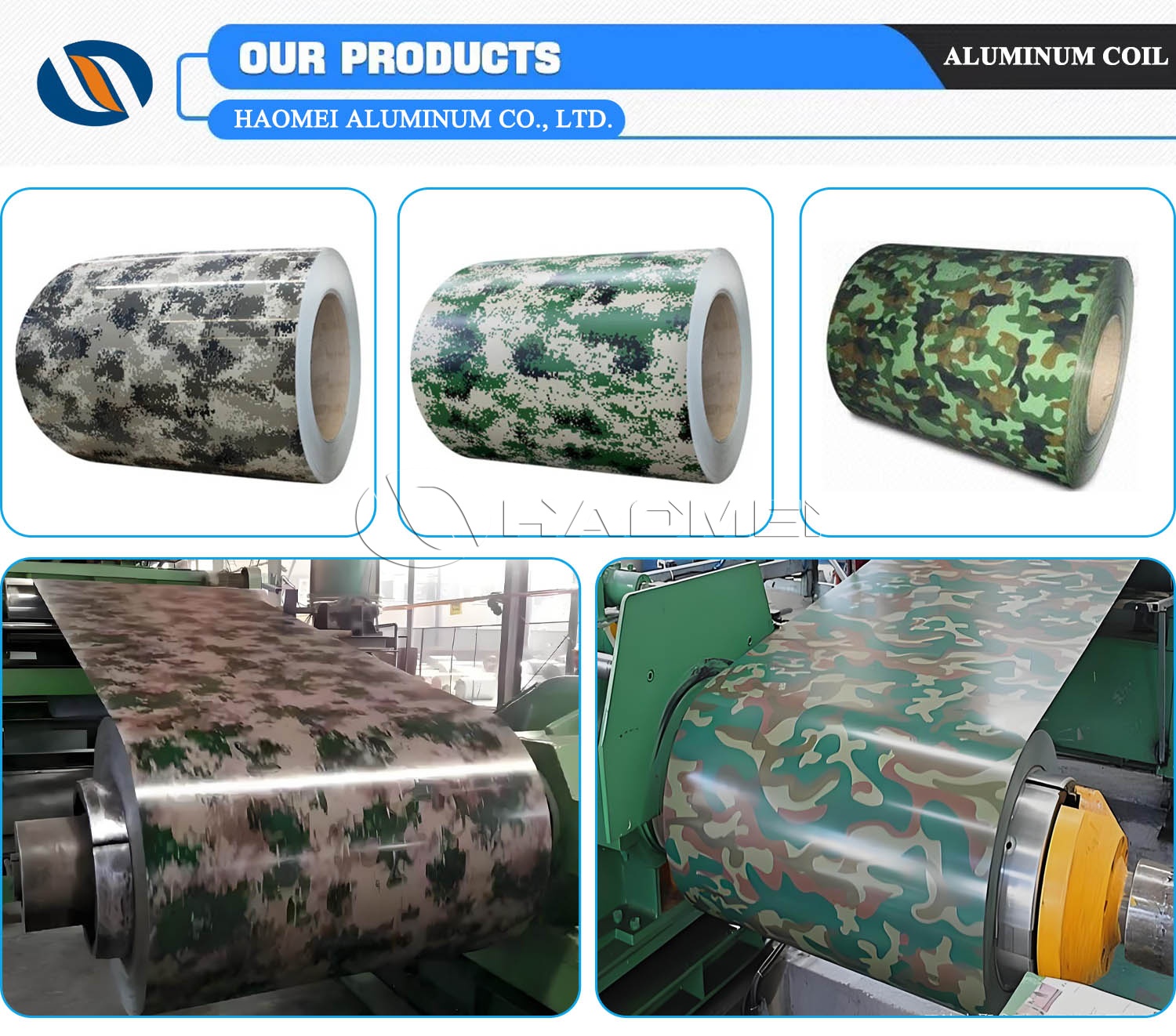
Camouflage-Patterned Aluminum Coils for Metal Roofing
Camouflage-patterned aluminum coils for metal roofing combine PVDF coatings, roofing alloys, and printed finishes for durable architectural roof systems.
2026-06-22
-
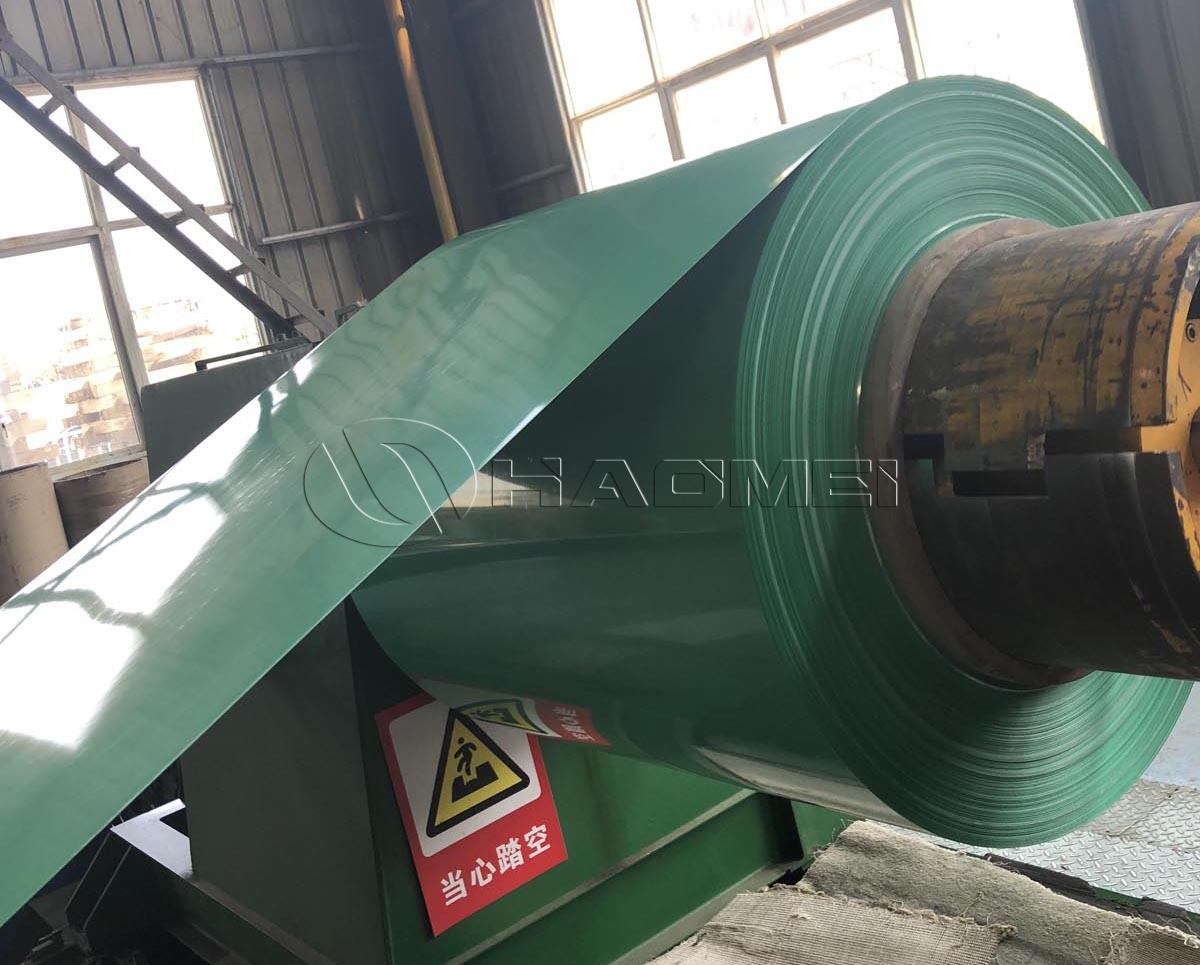
Color Coated 1100 Aluminum Coil for Rain Gutters
Color coated 1100 aluminum coil for rain gutters offers good formability, stable coating performance, and clean appearance in PE and PVDF systems.
2026-03-20
-
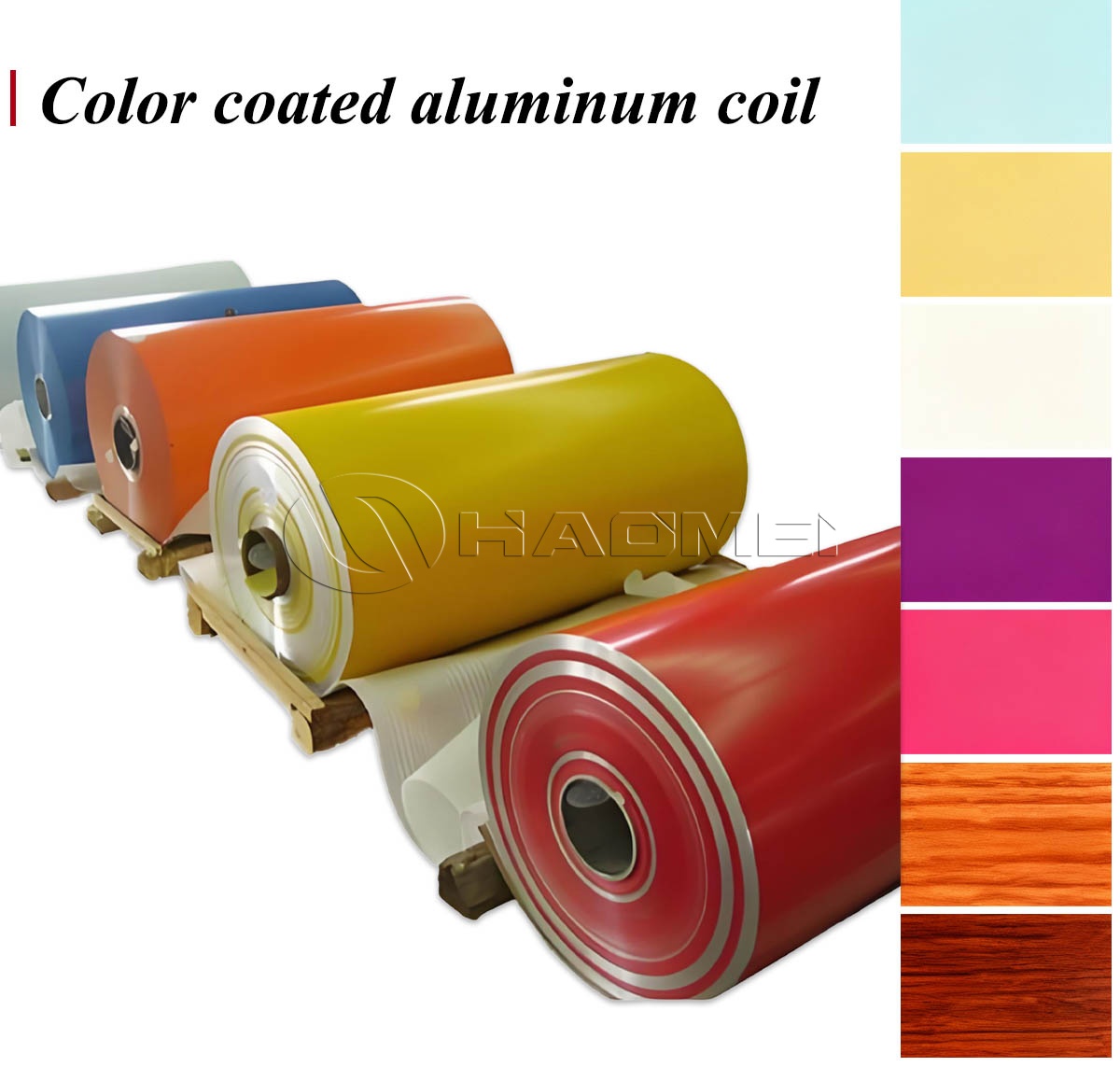
PE Coated Aluminum Coil For Cabinet Doors
PE coated aluminum coil for cabinet doors combines a smooth decorative finish, formability, and practical indoor durability for modern furniture panels and cabinetry.
2026-09-03
Contact Directly
-

ADD: No.14 Waihuan Road, CBD, Zhengzhou, China
-

WhatsApp: +86-18703635966
-

E-MAIL: sales@alummc.com
