

News
 By
By
1100 Color Coated Aluminum Coil For Automotive Parts
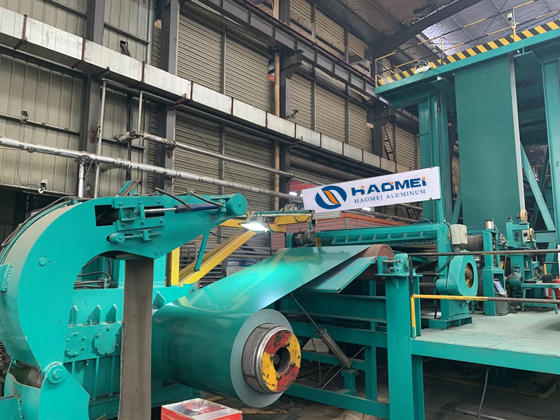
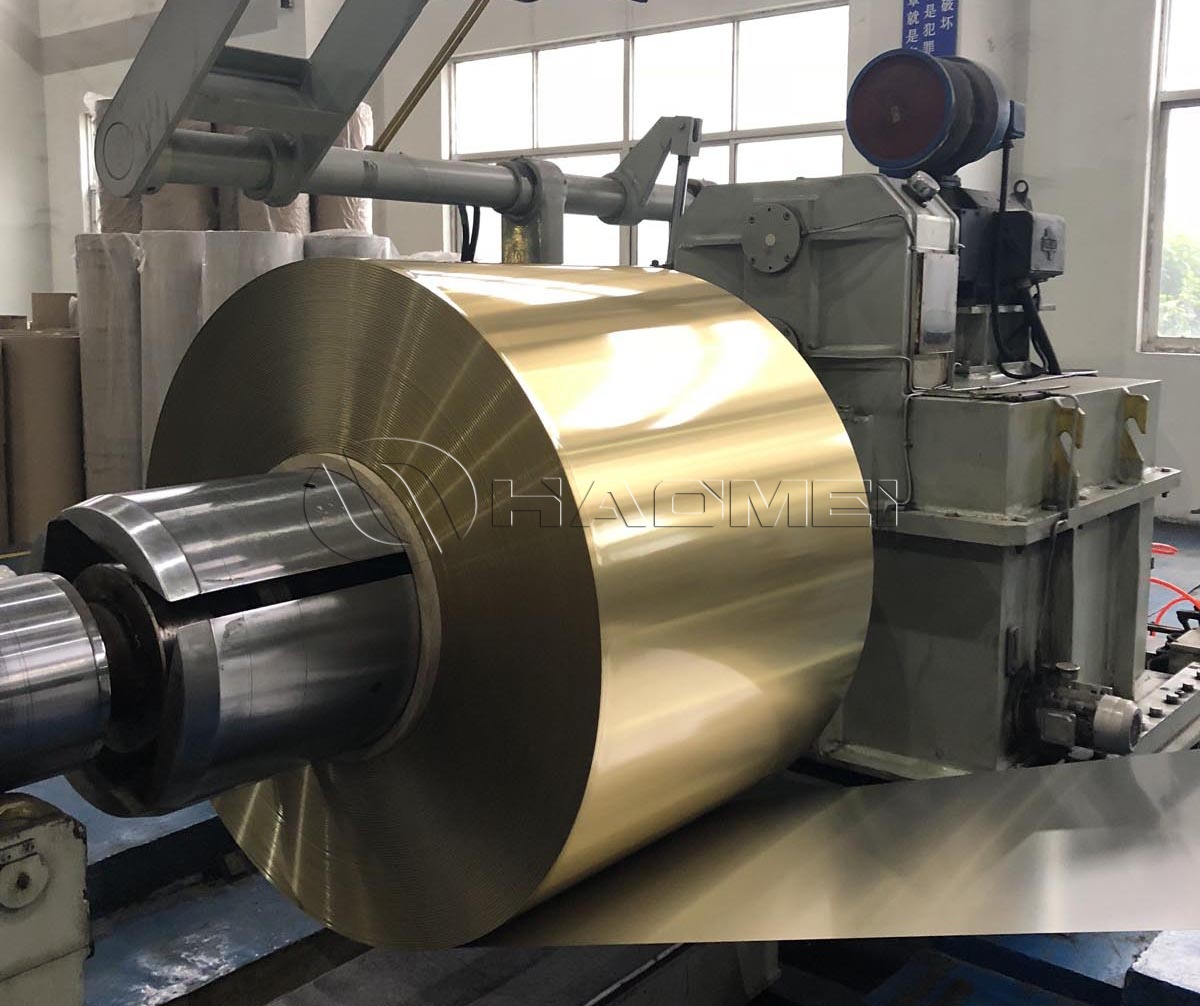
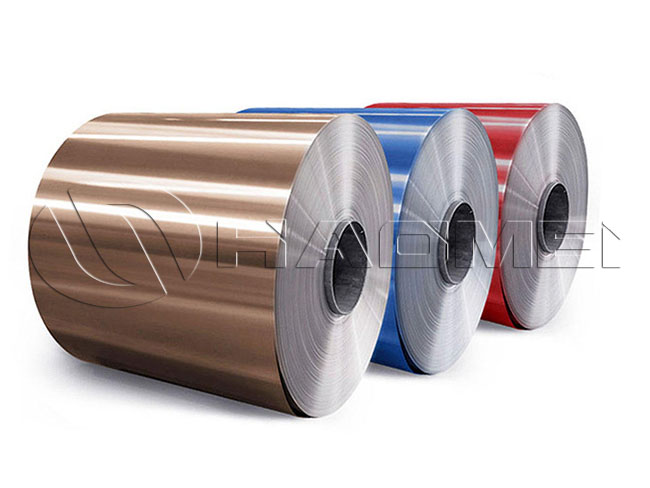
In automotive parts where appearance consistency, corrosion resistance, and efficient forming are required, 1100 color coated aluminum coil is positioned as a cost-effective pre-painted aluminum coil solution for non-structural components. Typical application scenarios include decorative and protective trim, interior and exterior finishing parts with moderate exposure, light-duty shields, covers, housings, and formed panels where deep draw and bend performance are more critical than high strength.
Why AA1100 is used for color coated automotive parts
1100 aluminum alloy belongs to the category of industrially pure aluminum (Al content ≥ 99.00%). In the manufacturing of automotive components, while it is not renowned for high strength, it possesses advantages that are unparalleled by other alloy series:
1.Excellent formability: High elongation in O temper / H14 temper, ideal for complex forming of automotive parts such as deep drawing, bending, stamping, roll forming, and flanging. Less prone to cracking with minimal springback.
2.Stable thermal conductivity: High thermal conductivity, suitable for automotive heat dissipation systems, heat shields, exhaust heat insulation panels, and motor cooling components.
3.Significant lightweighting: Density is only 2.7 g/cm³, delivering 40%–60% weight reduction compared with steel, directly improving EV driving range and fuel economy.
4.Good corrosion resistance: Naturally forms a dense oxide film; combined with coating, it resists salt spray, rainwater, oil contamination, and high/low temperature environments.
5.Cost-effective: Compared with 5000-series and 6000-series aluminum alloys, 1100 pure aluminum offers better value, making it suitable for mass production of parts.
In automotive parts manufacturing, AA1100 color coated aluminum coil is most suitable when the part function prioritizes formability, appearance, and corrosion protection rather than load-bearing capability.
Coating system options: PE vs PVDF for vehicle environments
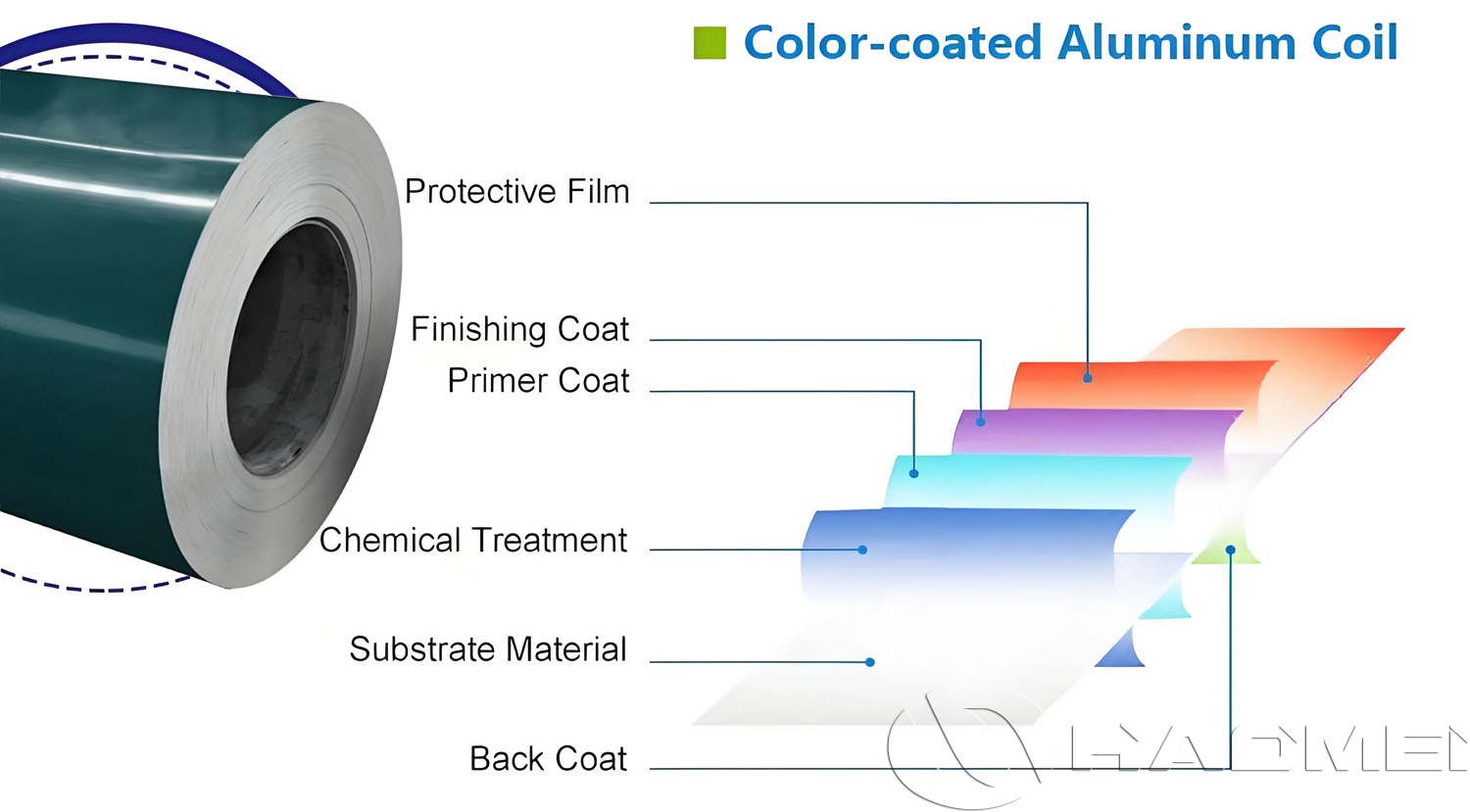
Color coated aluminum for automotive parts is typically supplied as coil-coated material with a primer plus topcoat (and optional back coat). The coating selection is driven by exposure severity, cosmetic requirements, and downstream processing.
PE coating: Common for interior parts and exterior components with moderate exposure. It provides good flexibility, a wide color range, and cost efficiency.
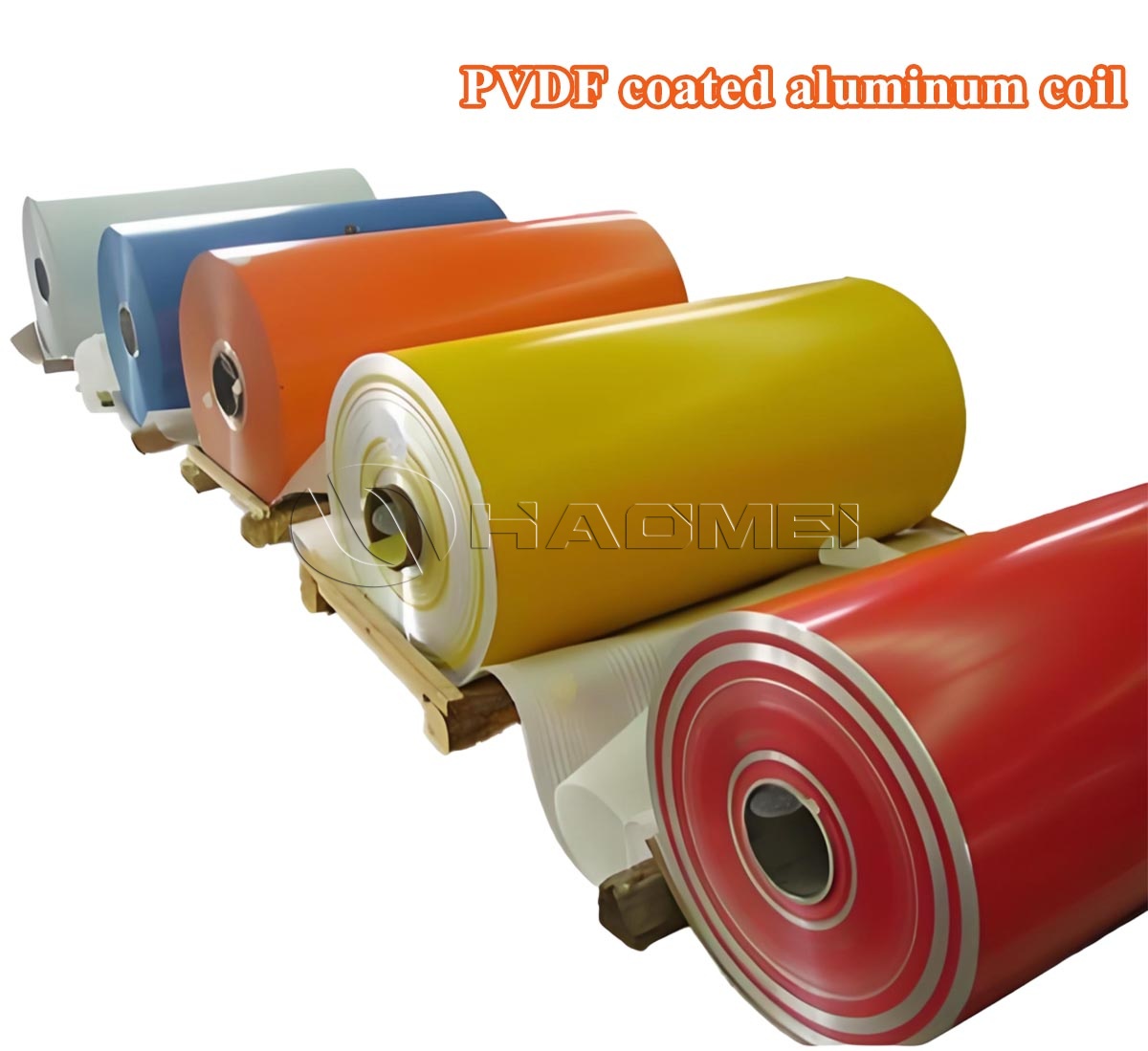
PVDF coating: Selected for higher UV exposure, long-term color retention, and improved chemical resistance. It is often specified when exterior appearance stability is critical.
Key automotive-relevant coating characteristics to engineer and control include:
Flexibility (T-bend performance) to withstand stamping, roll forming, hemming, and flanging.
Adhesion retention after forming and after environmental aging.
Resistance to staining and chemicals (road salts, mild cleaners, oils) depending on the part location.
Color and gloss consistency across coils and lots for visual harmony across assemblies.
Forming, stamping, and fabrication considerations
Because coil coating is applied before forming, the part design and process window should be aligned with the coating's mechanical limits.
Bend radii and tool surface finish: Use appropriate die radii and polished tooling to reduce coating scuffing and micro-cracking.
Lubrication compatibility: Choose lubricants that do not soften or stain the topcoat, and verify cleanability.
Edge quality: Slitting quality impacts edge cracking initiation. Controlled burr direction and edge conditioning improve forming reliability.
Thermal exposure: If the part sees post-form bake or localized heating, confirm coating heat resistance and color shift limits.
For assemblies where joining is required, methods are commonly tailored to the part and coating system (mechanical fastening, clinching, or adhesive bonding). If welding is necessary, it typically requires coating removal in the weld zone and process validation.
Commonly used alloys for color coated automotive parts (and where 1100 fits)
Automotive coil applications often use several alloy families, selected by the strength-formability balance and corrosion requirements:
1100 (AA1100): Best-in-class formability among common coil alloys; used for highly formed, non-structural trim and covers where strength demand is low.
1050/1060: Similar to 1100 (high purity) with excellent ductility; often interchangeable depending on local standards and availability.
3003/3004/3105 (Al-Mn series): Higher strength than 1xxx with good formability; preferred for parts needing improved dent resistance or stiffness while still forming well.
5005/5052/5754 (Al-Mg series): Higher strength and good corrosion resistance; selected for more demanding environments and higher mechanical performance, typically with a narrower forming window than 1xxx.
For appearance-driven automotive parts with aggressive forming, AA1100 remains a reliable baseline due to its low yield strength and stable deformation behavior.
Core specifications for 1100 color coated aluminum coil (Automotive Parts)
| Item | Typical Range / Option | Notes for Automotive Use |
|---|---|---|
| Alloy | 1100 (AA1100) | Commercially pure aluminum for maximum formability |
| Temper (substrate) | O, H14, H24 (common) | Choose by forming severity and stiffness requirement |
| Thickness | 0.20–1.50 mm | Typical for trims, covers, and formed panels |
| Width | 20–1,600 mm | Slit-to-width for stamping/roll forming lines |
| Coil ID | 405 / 505 mm | Match decoiler and line standard |
| Coil OD | Up to ~1,600 mm (by agreement) | Depends on thickness and coil weight |
| Coating type | PE, PVDF | PE for general use; PVDF for higher UV durability |
| Topcoat thickness | 15–25 µm (PE), 20–30 µm (PVDF) | Tuned for forming and durability balance |
| Primer thickness | 5–10 µm | Adhesion and corrosion performance driver |
| Back coat | 5–10 µm (optional) | Improves handling resistance and corrosion protection |
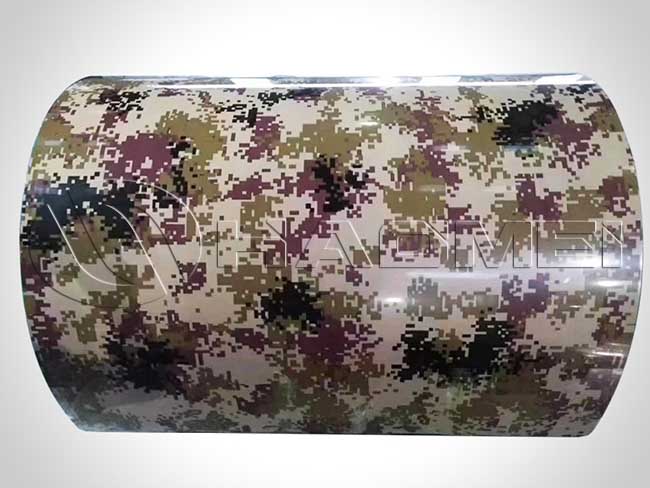
| Surface finish | Gloss/matte/metallic (optional) | Cosmetic matching for visible parts |
| Color | RAL/custom | Lot-to-lot control critical for assembly consistency |
| Surface protection | PE protective film (optional) | Helps reduce scratches during stamping/transport |
Quality and performance controls typically applied
To keep coated coil stable in automotive fabrication, production control usually focuses on:
Substrate cleanliness and pretreatment conversion uniformity for adhesion stability.
Coating cure control (PMT management) to balance hardness vs flexibility.
Colorimetric control (ΔE) and gloss control across the coil length and between lots.
Mechanical verification such as T-bend, impact resistance, and adhesion after forming.
Corrosion screening appropriate to the part's exposure category (e.g., salt spray as a comparative indicator).
Specific Application Scenarios in Automotive Components
A. Automotive Heat Exchange Systems (Heat Shields)
Leveraging the thermal conductivity of the 1100 alloy, coated aluminum coils can be fabricated into engine heat shields or exhaust system heat insulation panels. The coating effectively reflects thermal radiation and prevents corrosion caused by oil and grease.
B. Automotive Interior Trim Strips
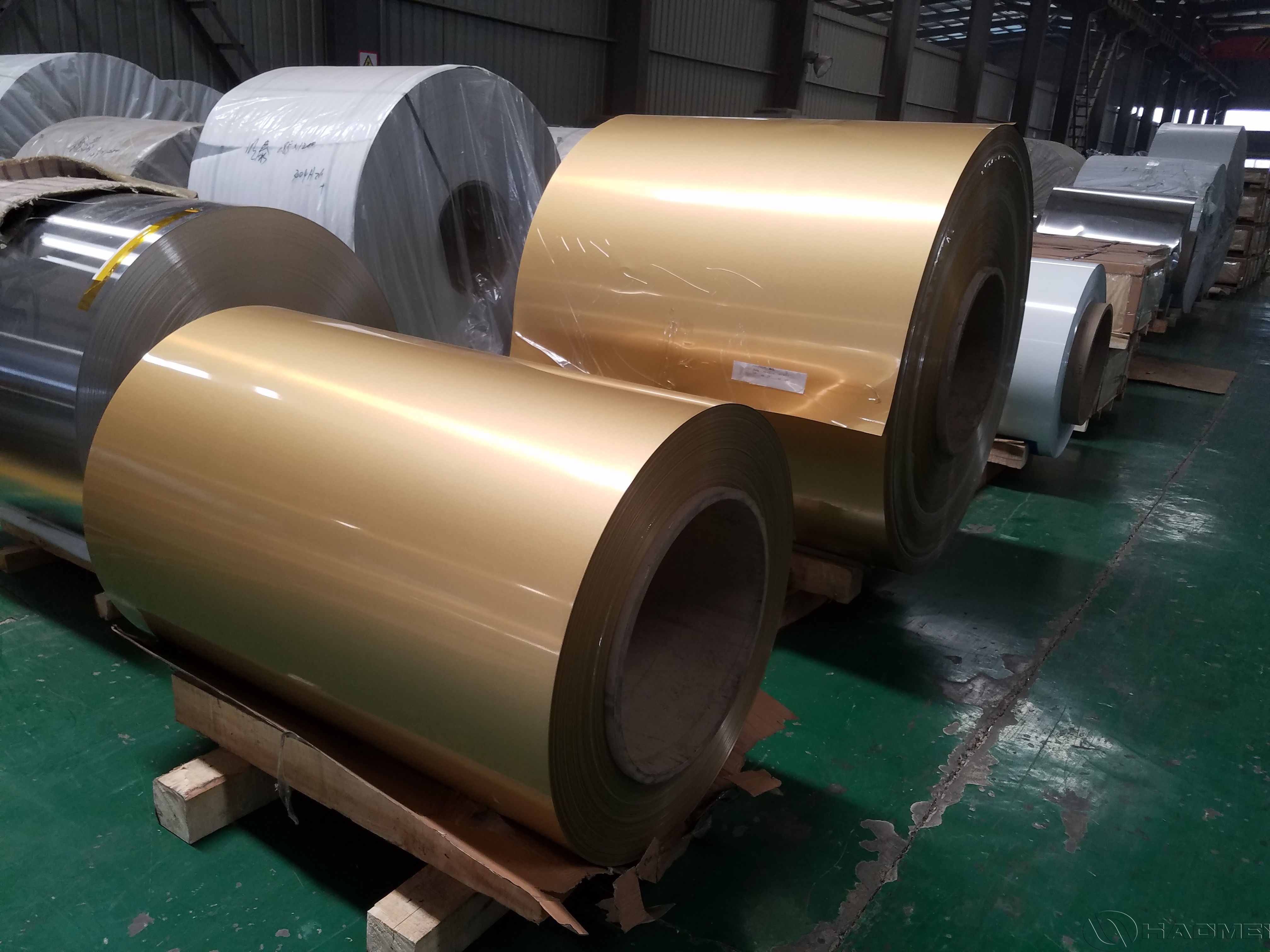
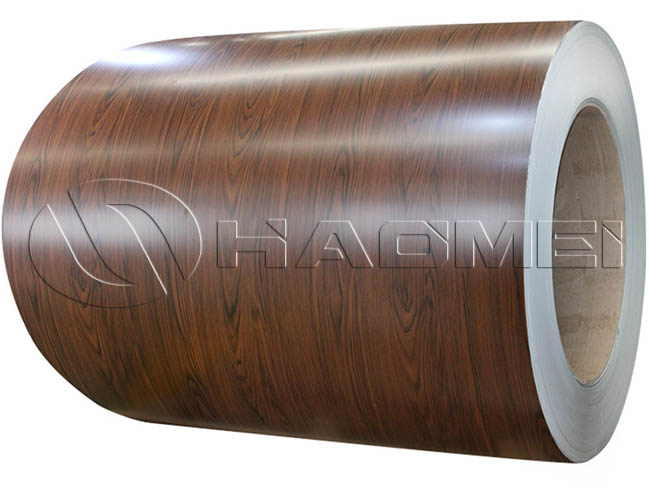
Modern automotive interiors increasingly prioritize a high-tech aesthetic. 1100 coated aluminum coils can be finished to achieve effects such as brushed silver, champagne gold, or wood grain textures, and are widely utilized in components such as center console panels and door trim strips.
C. Logos and Nameplates
Given that 1100 aluminum coils are highly amenable to stamping and embossing processes and when combined with vibrant, long-lasting coatings-they serve as the preferred substrate for manufacturing automotive brand logos, model nameplates, and interior decals.
D. Lightweight Automotive Exterior Components
For certain small, non-load-bearing exterior components, color-coated 1100 aluminum coils offer an effective alternative to traditional plastics or steel; they not only contribute to vehicle weight reduction but also provide the distinct tactile and visual quality inherent to metal.
-
Pvdf Coated Aluminum Coil For Facades
PVDF coated aluminum coil for facades delivers long-lasting color, corrosion resistance, and formability for architectural cladding, panels, and profiles.
2026-01-08
-
0.5mm Color-Coated Aluminum Coil for Pipe Insulation
Explore 0.5mm color-coated aluminum coil for pipe insulation, covering alloys, coatings, dimensions, corrosion resistance, and jacketing performance.
2026-08-20
-
Pvdf Coated Aluminum Coil Coating Lifespan
Learn PVDF coated aluminum coil coating lifespan, fluorocarbon coating systems, coil coating process, and weather resistance performance for façades and roofing.
2026-01-28
Contact Directly
-

ADD: No.14 Waihuan Road, CBD, Zhengzhou, China
-

WhatsApp: +86-18703635966
-

E-MAIL: sales@alummc.com