

News
 By Hermione
5052 vs. 3003 Color-Coated Aluminum Coil: Which Material Is Right for You?
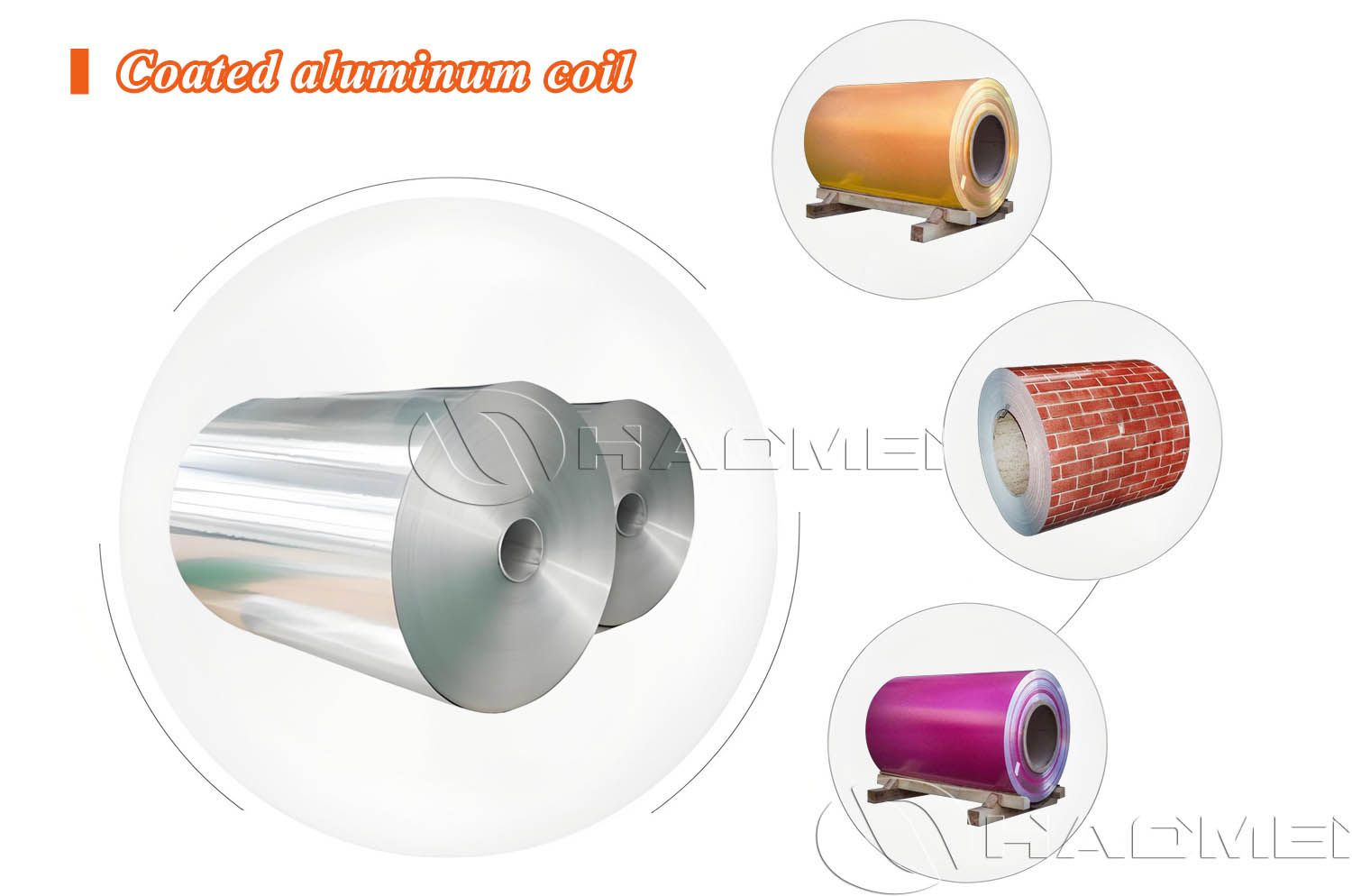
Color-coated aluminum coils have become essential materials in modern engineering applications such as architectural façades, industrial buildings, and shipbuilding. Among the many aluminum alloy grades, 3003 and 5052 are the most widely used substrates, often manufactured into pre-painted aluminum coils for a variety of projects.
Although they may look similar, these two alloys differ significantly in chemical composition, physical properties, and performance in real-world applications. Understanding these differences is crucial for ensuring project success, controlling costs, and maintaining long-term performance.
This article provides a detailed comparison of the two materials.
Understanding 5052 Color-Coated Aluminum Coil
5052 is a high-quality aluminum-magnesium alloy known for its excellent corrosion resistance, strength, and fatigue performance. With a magnesium content of 2.2%-2.8%, it offers significantly superior performance compared to standard 3-series alloys.
Key Features of 5052
High-strength Al-Mg alloy with elevated tensile and yield strength
Outstanding resistance to saltwater, moisture, and chemical corrosion
Excellent weldability and moderate formability
Long service life when coated with PVDF
Ideal for harsh outdoor and marine environments
Typical Applications
Coastal building façades and roofing systems
Marine components and onboard equipment
Premium architectural cladding
Traffic signs
Heavy-duty electrical panels
Structural applications requiring higher strength
Understanding 3003 Color-Coated Aluminum Coil
3003 is an aluminum-manganese alloy that is about 20% stronger than pure aluminum (such as the 1100 series). It is widely used due to its balance of performance and cost, offering excellent formability and stable chemical properties.
Key Features of 3003
Good corrosion resistance in general atmospheric environments
Excellent workability, deep-drawing capability, and bending performance
More cost-effective than 5052
Stable coating adhesion with smooth surface finish
Suitable for large-scale production and decorative applications
Typical Applications
Interior decorative panels and ceilings
Building façades and roofing in standard climate zones
Painted appliance housings
Roller shutter doors
HVAC ductwork
Panels for everyday consumer products
5052 vs. 3003 Color-Coated Aluminum Coil
1.Mechanical Strength
| Property | 5052 | 3003 |
| Alloy Type | Al-Mg | Al-Mn |
| Tensile Strength | High | Medium |
| Yield Strength | High | Medium |
| Fatigue Strength | Excellent | Moderate |
| Impact Resistance | Strong | Good |
5052 offers 30-40% higher strength than 3003. If your project requires using thinner aluminum to reduce weight without compromising rigidity, 5052 is the better option.
2. Corrosion Resistance
5052: Exceptional corrosion resistance, especially in marine, coastal, high-humidity, and chemical exposure environments.
3003: Good resistance to atmospheric corrosion, but not recommended for high-salinity or highly corrosive environments. Performs well in rural, urban, and standard industrial conditions.
3.Formability and Machining Properties
3003 aluminum is easier to machine: It is softer and more ductile. Its lower springback (the tendency of a bent metal to return to its original shape) makes it ideal for complex roof profiles and deep drawing.
5052 aluminum is more difficult to machine: Due to its high tensile strength, 5052 aluminum is harder. Its greater springback means your machine needs fine-tuning to handle over-bending. It also wears out roll forming dies more easily than 3003 aluminum.
4. Cost Comparison
3003 aluminum is the economical choice: it is readily available and easy to produce, making it a standard inventory material for most Chinese manufacturers.
5052 aluminum is more expensive: compared to 3003, 5052 is expected to cost approximately $200 to $300 per ton more. This is due to the higher cost of magnesium and the more complex rolling process required by steel mills.
These are the differences between 3003 and 5052 coated aluminum coils; users can choose according to their needs.
Surface Coatings & Protection Technologies
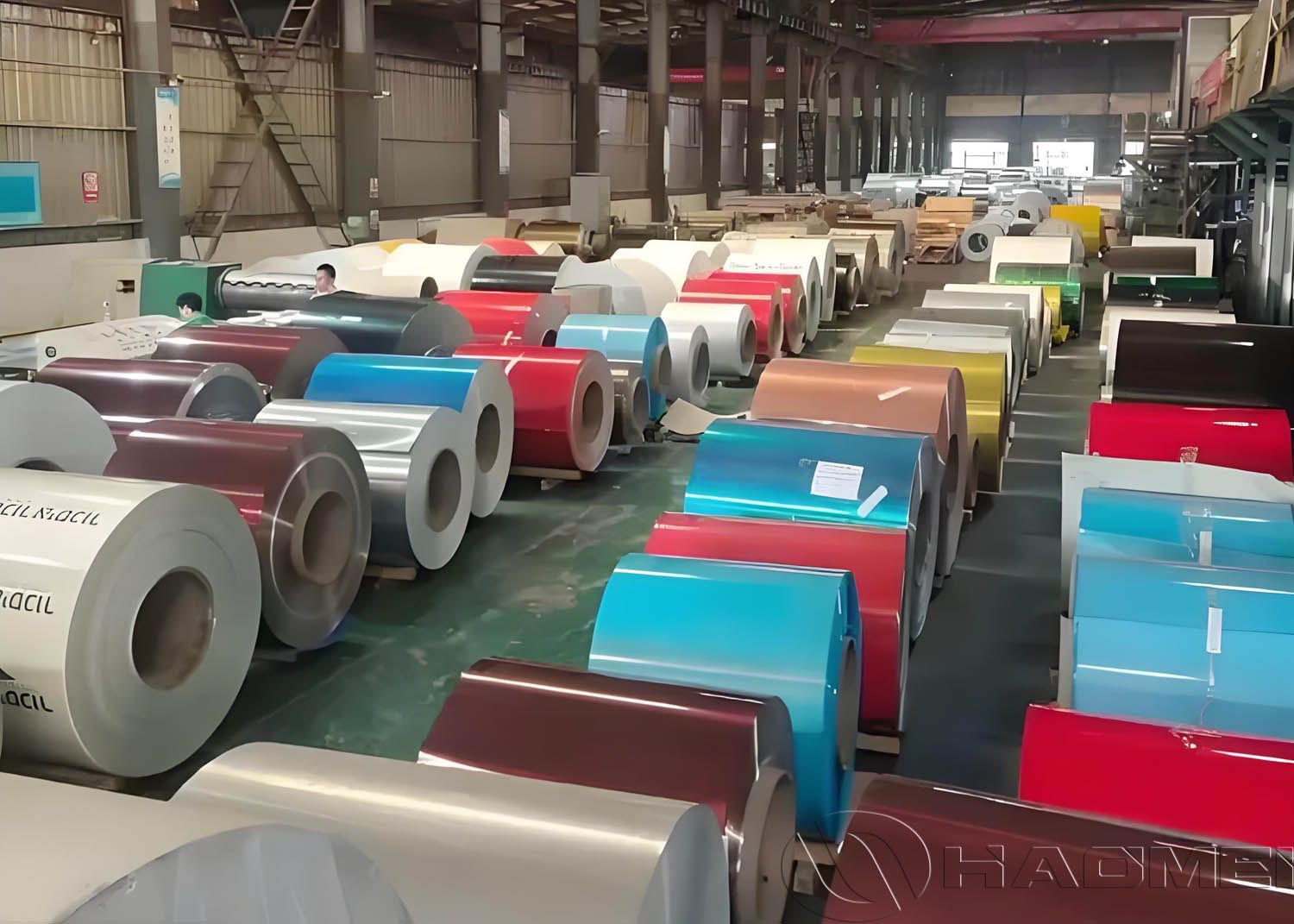
Performance of color-coated aluminum coils depends not only on the alloy substrate but also heavily on the coating system. The two main coating types are PE and PVDF.
Polyester coatings are an economical and practical choice, offering good color options and UV resistance, making them particularly suitable for interior decoration and advertising displays. Polyester coatings typically offer a warranty of approximately 10 years, meeting the needs of most conventional construction projects.
Fluorocarbon coatings, on the other hand, provide superior weather resistance. Containing fluorine/carbon chemical bonds, they have a stable structure and excellent UV resistance, fade resistance, and corrosion resistance. Fluorocarbon coatings typically offer a warranty of over 20 years, making them ideal for high-end buildings and harsh environments.
Real-World Case Studies
Case 1: Shipbuilder Chooses 5052 Color-Coated Aluminum
A European shipyard required lightweight, corrosion-resistant paneling for vessel structures.
5052 was selected due to its excellent seawater resistance and strength, reducing maintenance costs by 30% over 10 years.
Case 2: Food Packaging Company Chooses 3003 Color-Coated Aluminum
A U.S. can-manufacturer needed a cost-effective, highly formable alloy for beverage cans.
3003 offered superior formability and food-grade safety, cutting manufacturing costs by 15%.
Final Recommendations
| Application Type | Recommended Alloy | Reason |
| Marine / Offshore Structures | 5052 | Outstanding seawater corrosion resistance and high strength |
| Automotive Components | 5052 | Lightweight, strong, weldable |
| Food Packaging | 3003 | Cost-effective, easily formable, food-safe |
| Roofing & Cladding | 3003 | Economical and easy to form |
-
Best 5083 Prepainted Aluminum Coil for Shipbuilding
Best 5083 prepainted aluminum coil for shipbuilding combines marine-grade corrosion resistance, durable PVDF coatings, and forming quality for vessel panels.
2026-09-11
-
1100 Color-Coated Aluminum Coils for Automotive Interior Decoration
1100 PE / PVDF coated aluminum coils not only retain the physical properties of aluminum but also provide a wide range of color options, making them widely used in various automotive interior components.
2025-12-19
-
Black 3105 Prepainted Aluminum Coil 0.7mm
Technical overview of black 3105 prepainted aluminum coil 0.7mm, covering alloy, coating systems, specifications, and building applications.
2026-05-15
Contact Directly
-

ADD: No.14 Waihuan Road, CBD, Zhengzhou, China
-

WhatsApp: +86-18703635966
-

E-MAIL: sales@alummc.com