

News
 By Hermione
3003 Prepainted Aluminum Coil Vs 5052
3003 prepainted aluminum coil and 5052 color coated aluminum coil are both widely used in architectural and industrial finishing, but they are positioned for different performance priorities. In practical applications, 3003 is commonly selected for general building decoration, roofing, ceiling systems, insulation jacketing, and roll forming where balanced formability and economy matter. By contrast, 5052 is more often used when higher strength, better marine-atmosphere corrosion resistance, and improved durability under mechanical stress are required, such as in exterior panels, transport components, equipment housings, and demanding coastal projects.
Understanding the base material behind prepainted aluminum coil
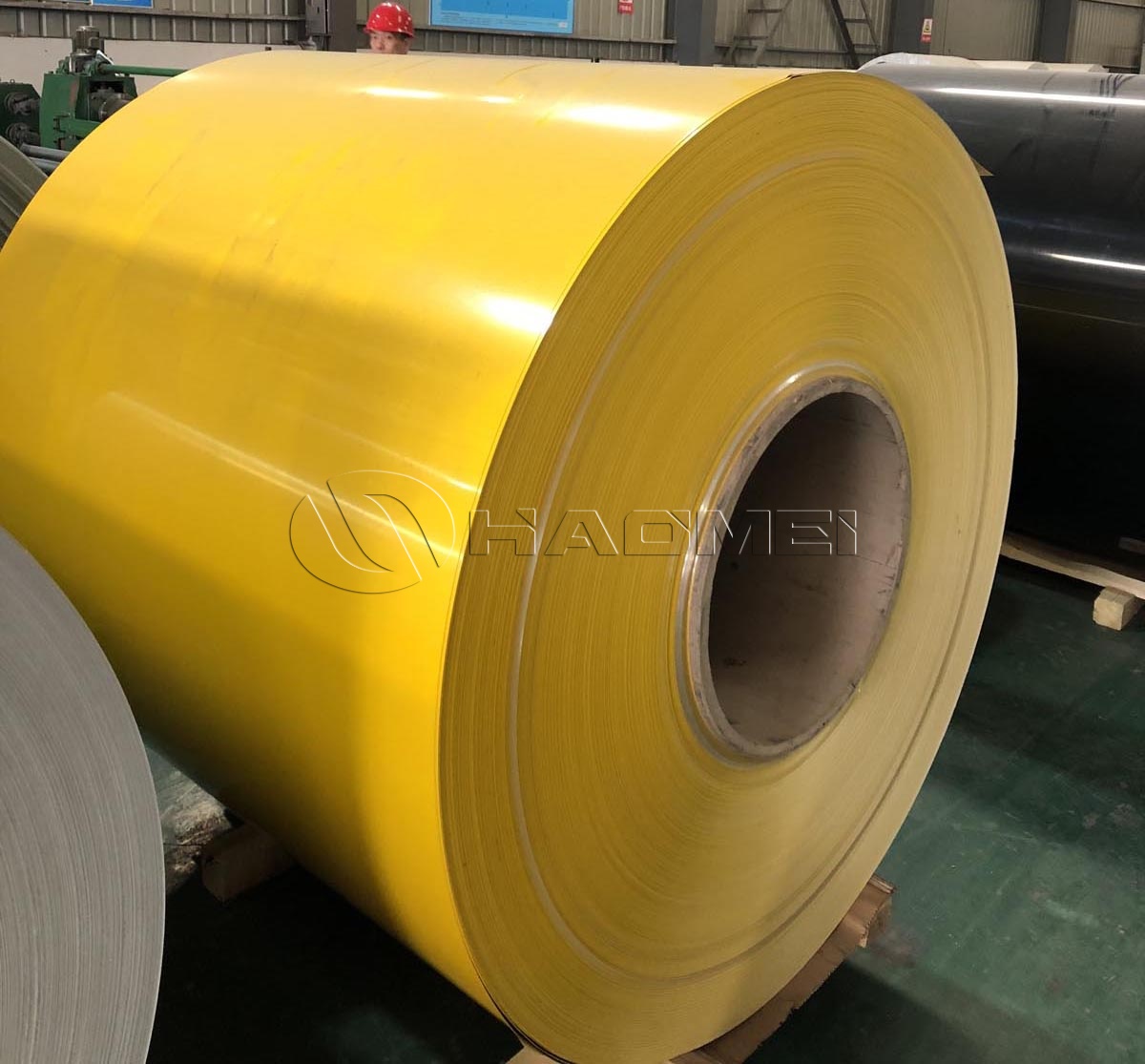
A prepainted aluminum coil is not defined only by its surface color. Its performance depends on the combination of:
aluminum alloy substrate
temper condition
pretreatment quality
primer and topcoat system
total coating thickness
curing control during coil coating
This is why the comparison between 3003 and 5052 should begin with the substrate itself. Even under the same coating system, different alloys behave differently in forming, impact resistance, edge performance, and long-term service stability.
3003 alloy characteristics
3003 belongs to the Al-Mn series. It contains manganese as the main alloying element and is known for:
good formability
stable processing performance
moderate strength
good general corrosion resistance
cost efficiency for large-volume coated applications
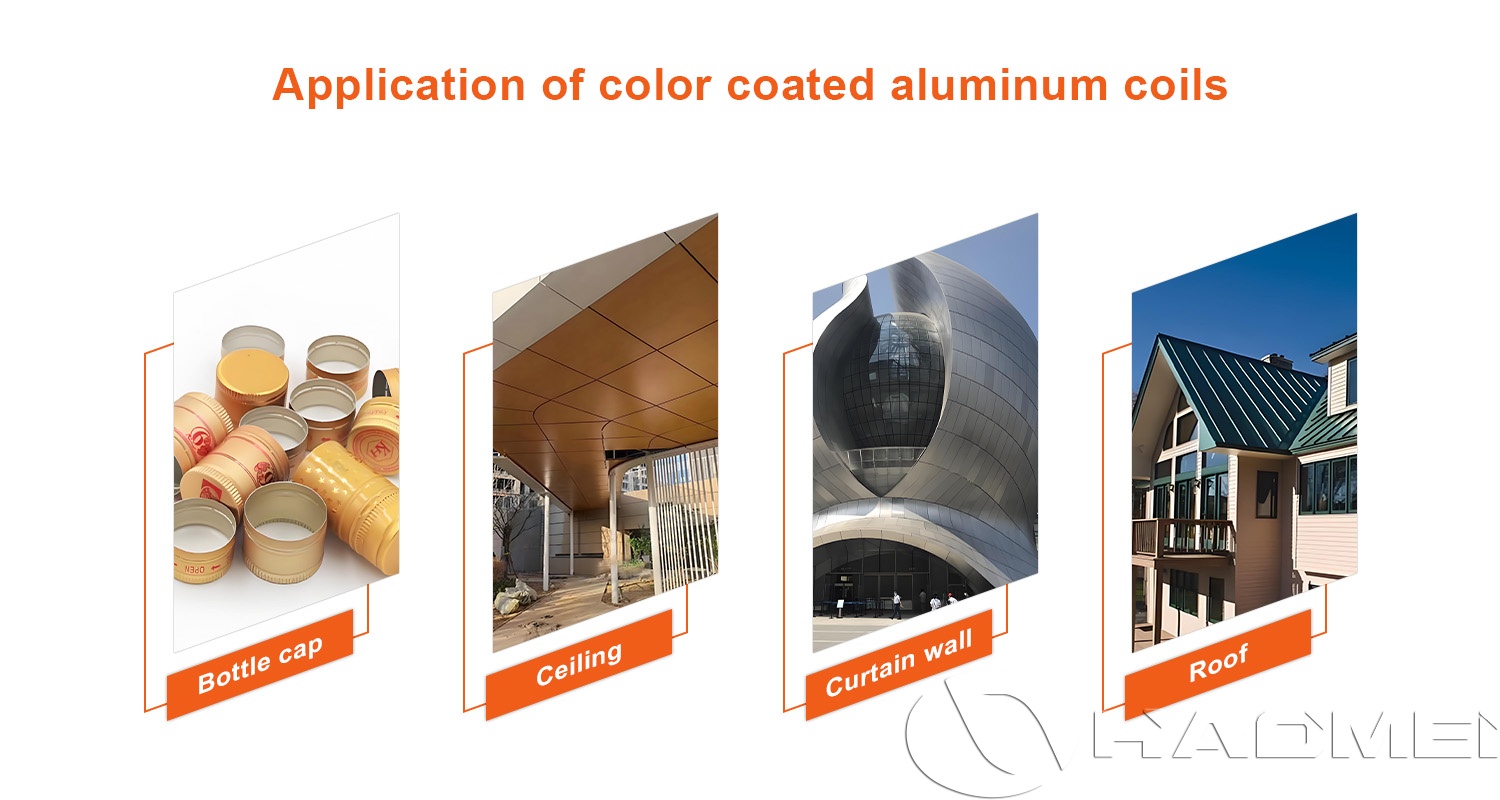
In the coated coil industry, 3003 Color Coated Aluminum Coil is frequently used for roofing sheets, ACP skin material, ceiling panels, rainwater systems, insulation cladding, and decorative trims.
5052 alloy characteristics
5052 belongs to the Al-Mg series. Magnesium is the major alloying element, giving it:
higher strength than 3003
better resistance to chloride and marine environments
good fatigue resistance
good weldability
strong suitability for more demanding structural and exterior uses
In the coated coil field, 5052 Color Coated Aluminum Coil is often specified when the application involves higher loading, more aggressive environments, or stricter dent resistance requirements.
Core differences between 3003 and 5052
The most important distinction is that 3003 is generally preferred for formability and cost balance, while 5052 is preferred for higher strength and stronger corrosion resistance.
1. Strength level
5052 has significantly higher tensile and yield strength than 3003. This allows thinner gauges to sometimes achieve comparable rigidity in certain designs, although actual selection still depends on profile geometry and span conditions.
For components exposed to vibration, handling damage, or higher wind load, 5052 usually offers a better mechanical safety margin.
2. Formability and processing
3003 performs very well in bending, roll forming, profiling, and general fabrication. It is especially suitable for products with continuous forming operations and moderate shape complexity.
5052 also has good workability, but because of its higher strength, forming loads are higher and springback control becomes more important. For small-radius bends or highly complex profiles, process verification is recommended.
3. Corrosion resistance
Both alloys have good corrosion resistance, but 5052 is generally better in humid, industrial, and coastal environments because of its magnesium-bearing composition. In saline atmosphere exposure, this difference can be important for long-term appearance retention and substrate durability.
For ordinary indoor decoration and standard exterior use away from harsh chloride exposure, 3003 is often sufficient.
4. Weight and density
The density difference between 3003 and 5052 is small and usually not the deciding factor in product selection. Mechanical performance and environmental exposure are much more important than minor density variation.
5. Cost position
3003 is usually more economical than 5052. In large-area building envelope projects, this cost difference can become significant. If the service environment does not require the extra strength or enhanced corrosion resistance of 5052, 3003 is often the more efficient option.
Core Specifications of 3003 and 5052 Prepainted Aluminum Coil
| Item | 3003 Prepainted Aluminum Coil | 5052 Prepainted Aluminum Coil |
|---|---|---|
| Alloy series | 3xxx Al-Mn | 5xxx Al-Mg |
| Main alloying element | Manganese | Magnesium |
| Typical temper | H14, H16, H18, H24 | H24, H32, H34 |
| Relative strength | Medium | Medium-high to high |
| Formability | Very good | Good |
| General corrosion resistance | Good | Very good |
| Marine/coastal resistance | Moderate | Better |
| Common thickness range | 0.20-1.50 mm | 0.30-2.00 mm |
| Common coating systems | PE, SMP, HDP, PVDF | PE, SMP, HDP, PVDF |
| Typical top coat thickness | 15-25 microns PE, 25+ microns PVDF | 15-25 microns PE, 25+ microns PVDF |
| Typical applications | Roofing, ceilings, trim, ACP skins, insulation jacketing | Exterior cladding, transport panels, equipment covers, coastal building panels |
| Cost level | More economical | Higher |
Coating system considerations: the alloy is only part of the answer
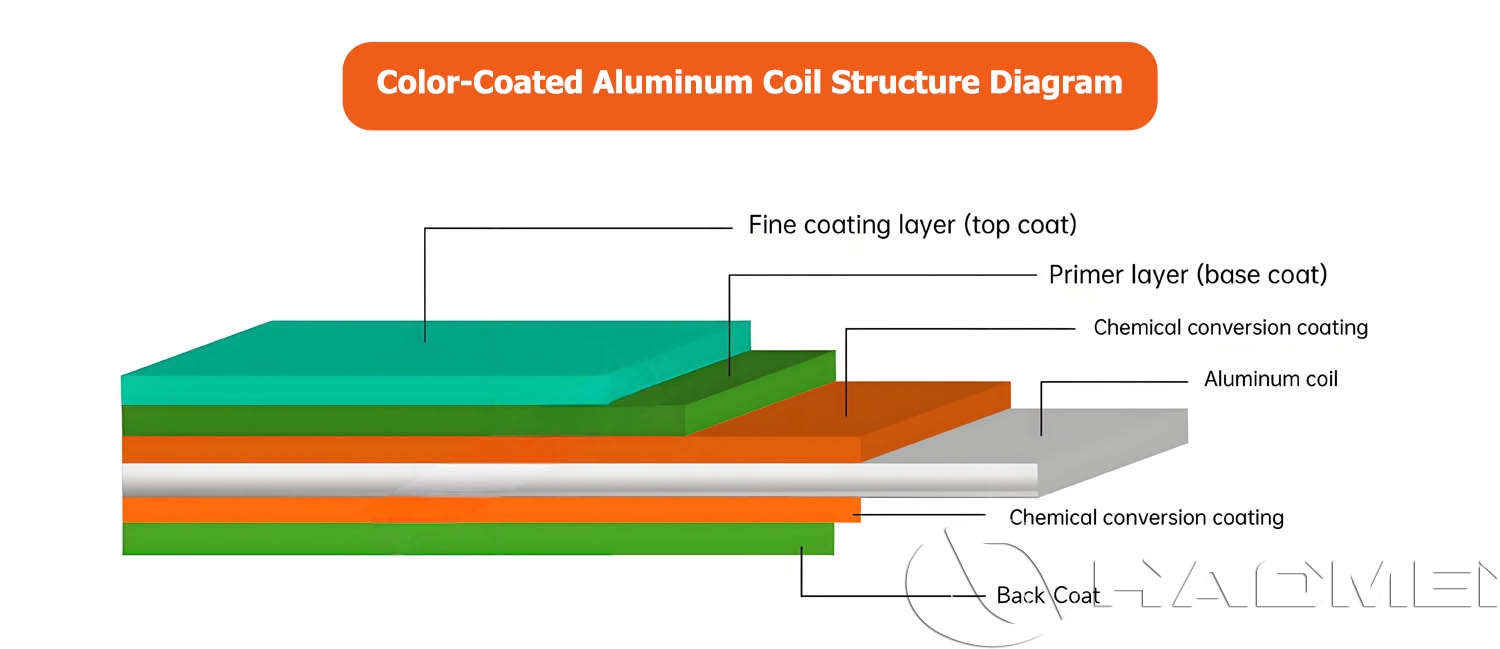
In official product specifications, alloy selection should always be evaluated together with the paint system. For example, a 3003 coil with a high-quality fluorocarbon coating may outperform a poorly processed 5052 coil in color retention and surface weatherability.
Common coating systems include:
PE coating: suitable for indoor use and mild outdoor applications, with good flexibility and economic value
PVDF coating: preferred for long-term exterior exposure, with stronger UV resistance, chalking resistance, and color stability
SMP and HDP systems: used in some projects requiring a balance between cost and weatherability
For façade, roofing, and curtain wall projects with high weathering requirements, PVDF Coated Aluminum Coil is a common specification path. For general decorative use, PE Coated Aluminum Coil is also widely adopted where the exposure category is less severe.
How alloy choice affects coating performance in production
From a manufacturing perspective, 3003 and 5052 do not respond exactly the same way during coil coating and subsequent fabrication.
Adhesion and pretreatment
Both alloys require stable chemical pretreatment or non-chrome pretreatment to ensure coating adhesion. However, surface cleanliness, oxide control, and line process stability are especially important on 5xxx alloys because improper handling may affect surface consistency and post-forming appearance.
T-bend and flexibility performance
3003 often performs very well in post-paint bending tests because its substrate formability is favorable. 5052 can also achieve good T-bend results, but the paint formulation, elongation, and curing window must be well matched to the higher-strength substrate.
Surface flatness and residual stress
For roll-formed products, flatness control matters. A higher-strength alloy like 5052 may require stricter tension leveling and process optimization to avoid shape-related defects after coating and slitting.
Commonly used alloys in color coated aluminum coil
Although 3003 and 5052 are the focus here, several other alloys are also common in the market.
1xxx series
Typical grades include 1050, 1060, and 1100. These alloys have high aluminum purity, excellent workability, and good corrosion resistance, but lower strength. They are often used in insulation, signage, channel letters, and decorative applications where deep drawing or high conductivity is valued.
3xxx series
3003, 3004, and 3105 are among the most frequently used architectural coating substrates. This series offers a practical balance of strength, corrosion resistance, and formability. In many building products, 3xxx alloys are the mainstream choice.
5xxx series
5005, 5052, 5754, 5454, and 5083 are higher-performance options for applications needing greater strength or stronger environmental resistance. Among them, 5052 is one of the most common coated coil alloys for exterior and industrial service.
Typical application comparison
Where 3003 is commonly preferred
3003 is usually selected for:
standard roofing and wall sheets
suspended ceilings and ceiling tiles
rain gutters and downspouts
insulation aluminum jacketing
general architectural trims
decorative panels in non-aggressive environments
Its advantage is the balance between processing ease, coating compatibility, and project economy.
Where 5052 is commonly preferred
5052 is usually selected for:
coastal or island architecture
equipment casings and machine covers
transport and trailer side panels
building envelopes requiring better dent resistance
industrial panel systems exposed to humidity or chemicals
projects where longer substrate durability is required under demanding conditions
Its value lies in stronger mechanical performance and better resistance in harsher service environments.
Which alloy is better for roofing and façade systems?
There is no universal answer. The better alloy depends on the project environment and the design target.
For conventional roofing and façade systems in inland areas, 3003 is often sufficient and economically efficient. For projects near the sea, in heavy industrial zones, or in applications subject to higher mechanical stress, 5052 may be the more suitable substrate.
In engineering review, the following factors are usually considered together:
exposure environment
service life requirement
profile complexity
span and wind load
coating type and thickness
fabrication route after coating
project cost framework
Practical selection logic
If the project emphasizes standard architectural use, smooth processing, and cost control, 3003 is commonly the first option. If the project emphasizes improved strength, anti-dent performance, and stronger corrosion resistance in aggressive conditions, 5052 is often the better technical fit.
For the coil coating industry, the comparison is not simply a matter of which alloy is stronger. The final performance of a prepainted aluminum coil depends on the interaction of alloy, temper, pretreatment, coating structure, curing process, and end-use environment. When these factors are aligned correctly, both 3003 and 5052 can serve as highly reliable substrates in different categories of coated aluminum products.
-
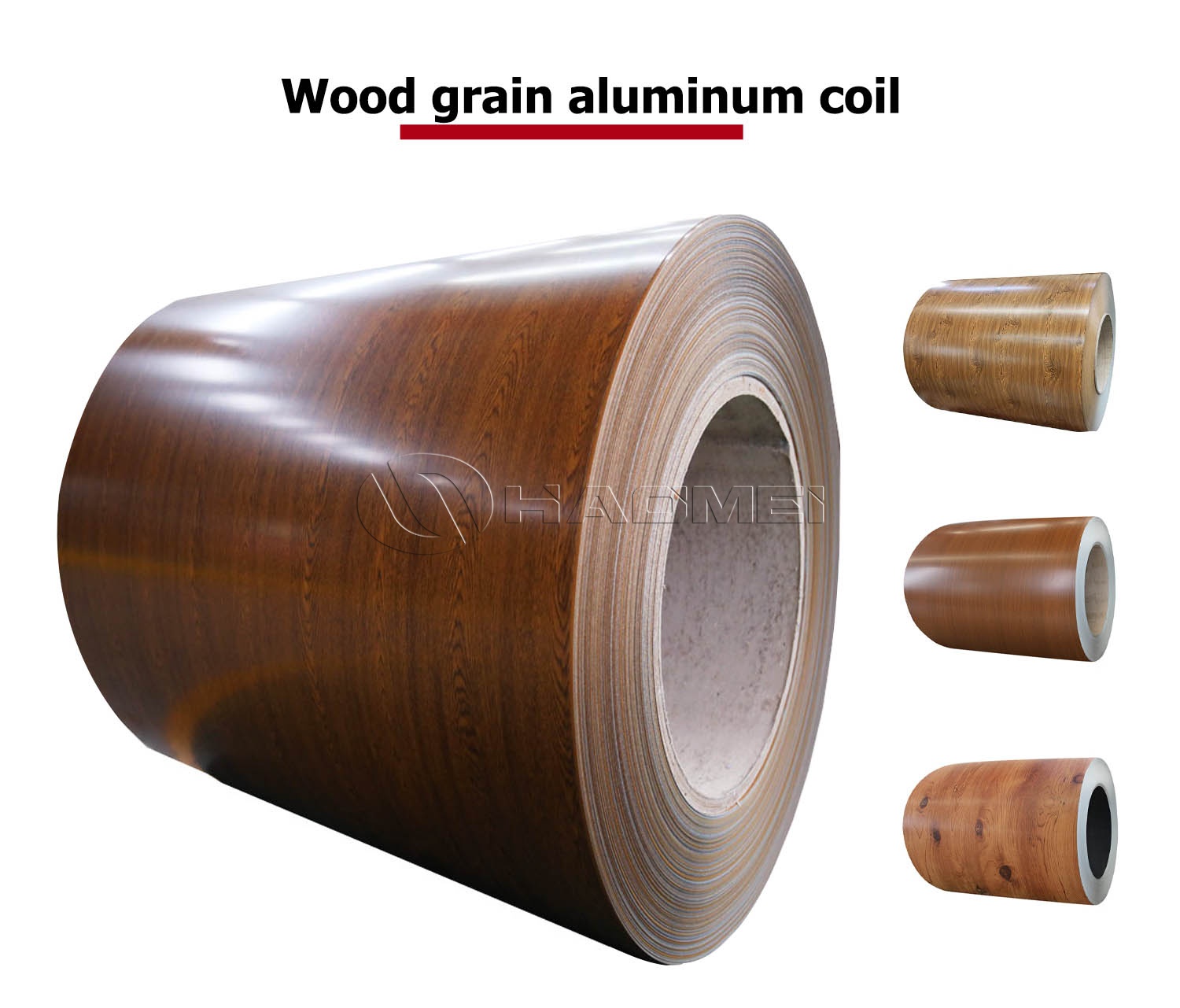
PE Coated Wood Grain Aluminum Coil Price
Explore PE coated wood grain aluminum coil price drivers, coating system design, aluminum alloy choices, coil coating process, and typical architectural decoration uses.
2026-03-03
-
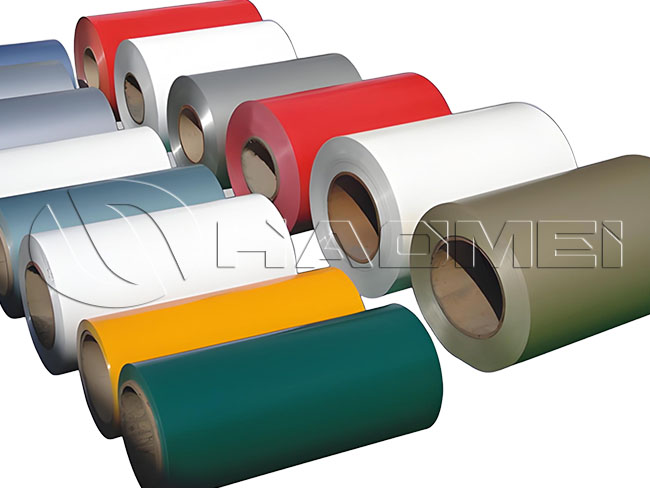
Custom RAL Color 5052 Aluminum Coil
5052 color-coated aluminum coils can be customized in color according to the ARL color chart and are widely used in architectural decoration, transportation and other fields.
2025-12-10
-
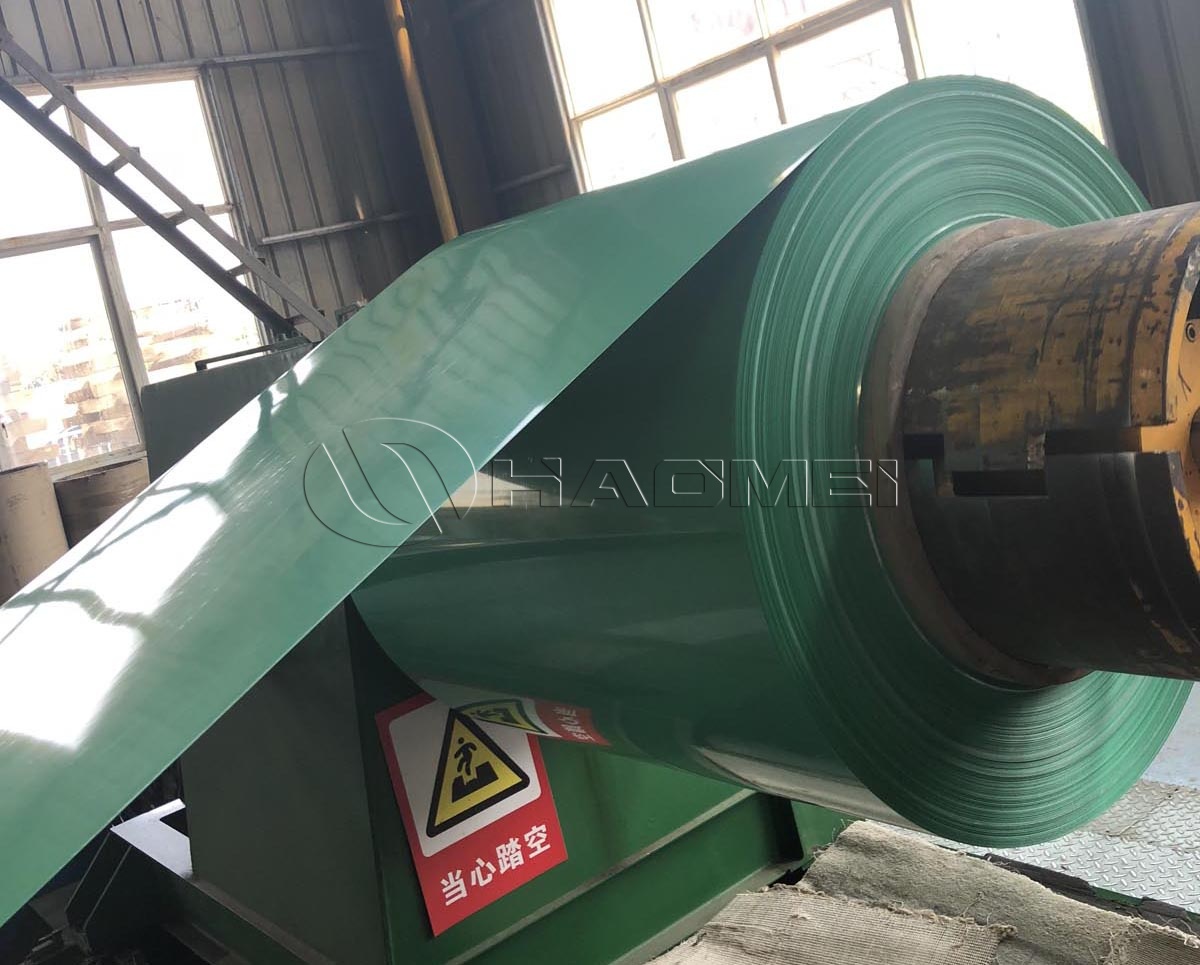
0.5mm Color-Coated Aluminum Coil for Pipe Insulation
Explore 0.5mm color-coated aluminum coil for pipe insulation, covering alloys, coatings, dimensions, corrosion resistance, and jacketing performance.
2026-08-20
Contact Directly
-

ADD: No.14 Waihuan Road, CBD, Zhengzhou, China
-

WhatsApp: +86-18703635966
-

E-MAIL: sales@alummc.com