

News
 By Hermione
Wood Grain Color Coated Aluminum Coil For Furniture
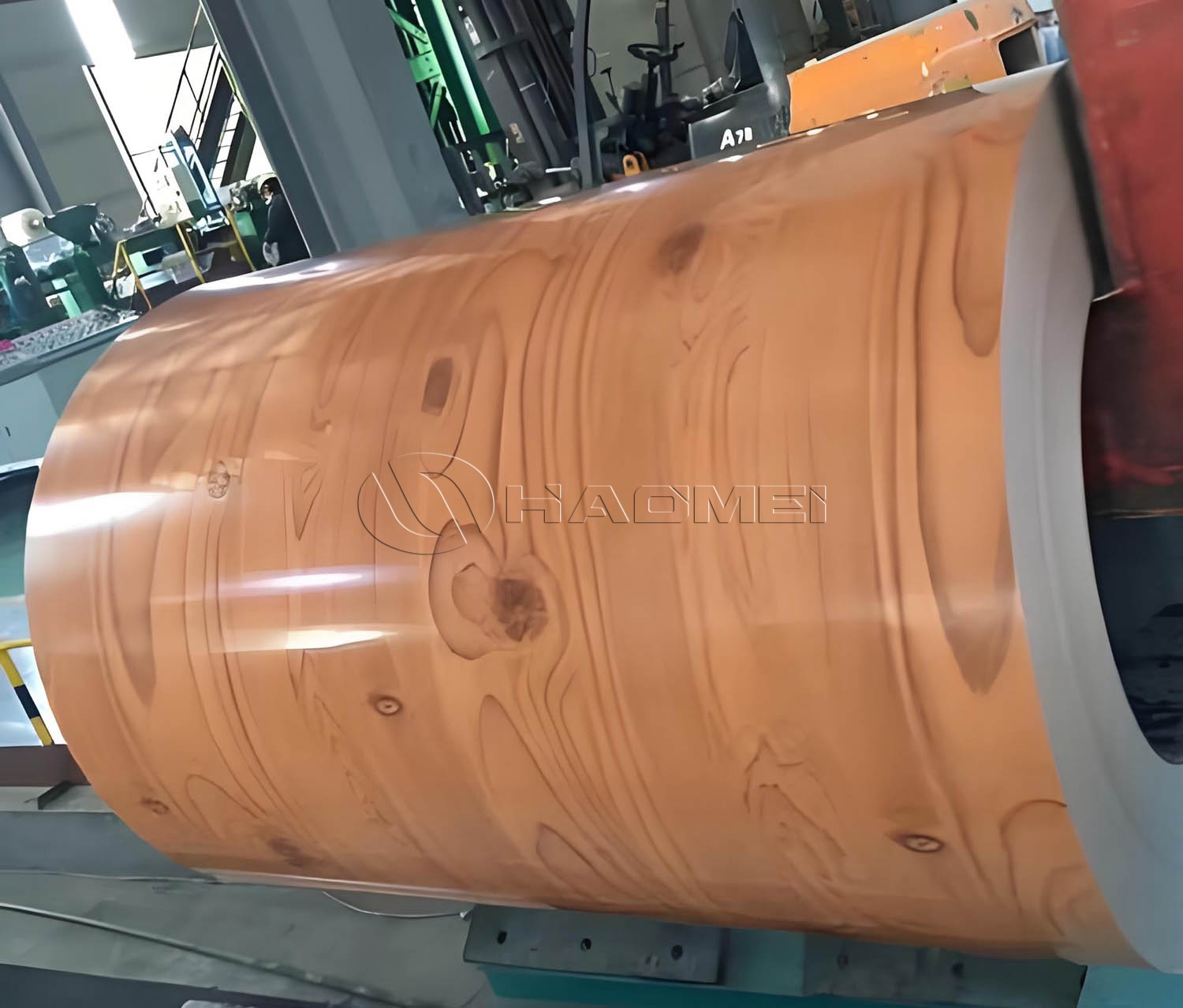
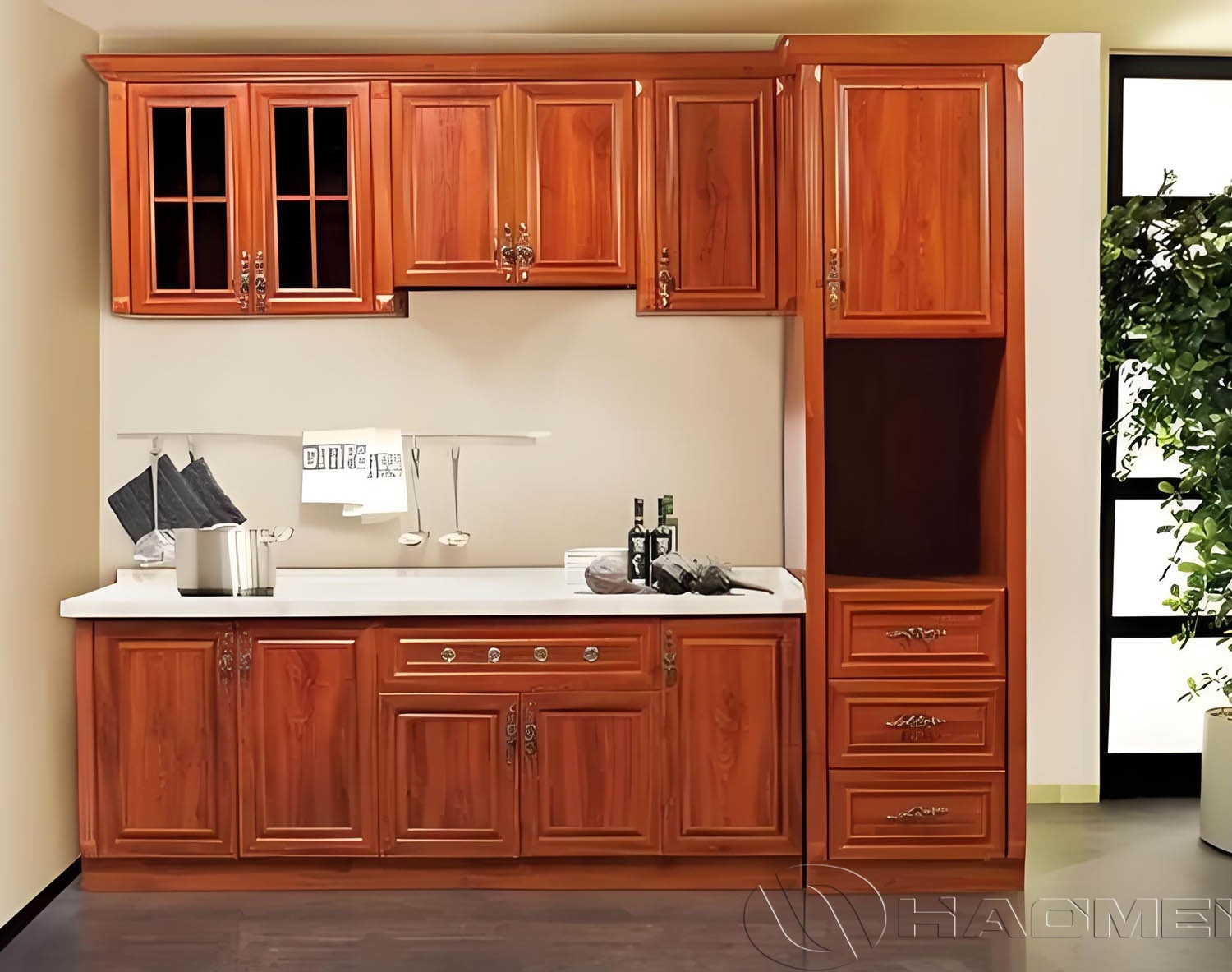
Wood grain color coated aluminum coil for furniture is positioned as a decorative-and-structural surface material that replaces wood veneer, PVC film, and melamine papers where manufacturers need consistent appearance, high wear resistance, and moisture stability. It is widely used for cabinet door skins, wardrobe panels, drawer fronts, furniture side panels, trims, and roll-formed profiles in residential, retail, and hospitality interiors.
Why aluminum coil works well in furniture structures
Unlike porous substrates, prepainted aluminum coil provides a dimensionally stable base that does not swell from humidity and offers high strength-to-weight for large-format panels. Typical alloy choices balance forming and rigidity:
1xxx series (e.g., 1060/1100): excellent formability for tight bending, edging, and embossed textures.
3xxx series (e.g., 3003/3105): improved strength and dent resistance for door skins and wide panels.
5xxx series (e.g., 5052): higher strength for thin-gauge parts, profiles, and areas prone to impact.
For furniture factories that depend on roll forming, press bending, or light stamping, the key is matching alloy temper (commonly H24/H26 or similar) to minimum bend radius and profile complexity so the wood grain image stays continuous through forming.
Coating architecture: keeping wood grain realistic and durable
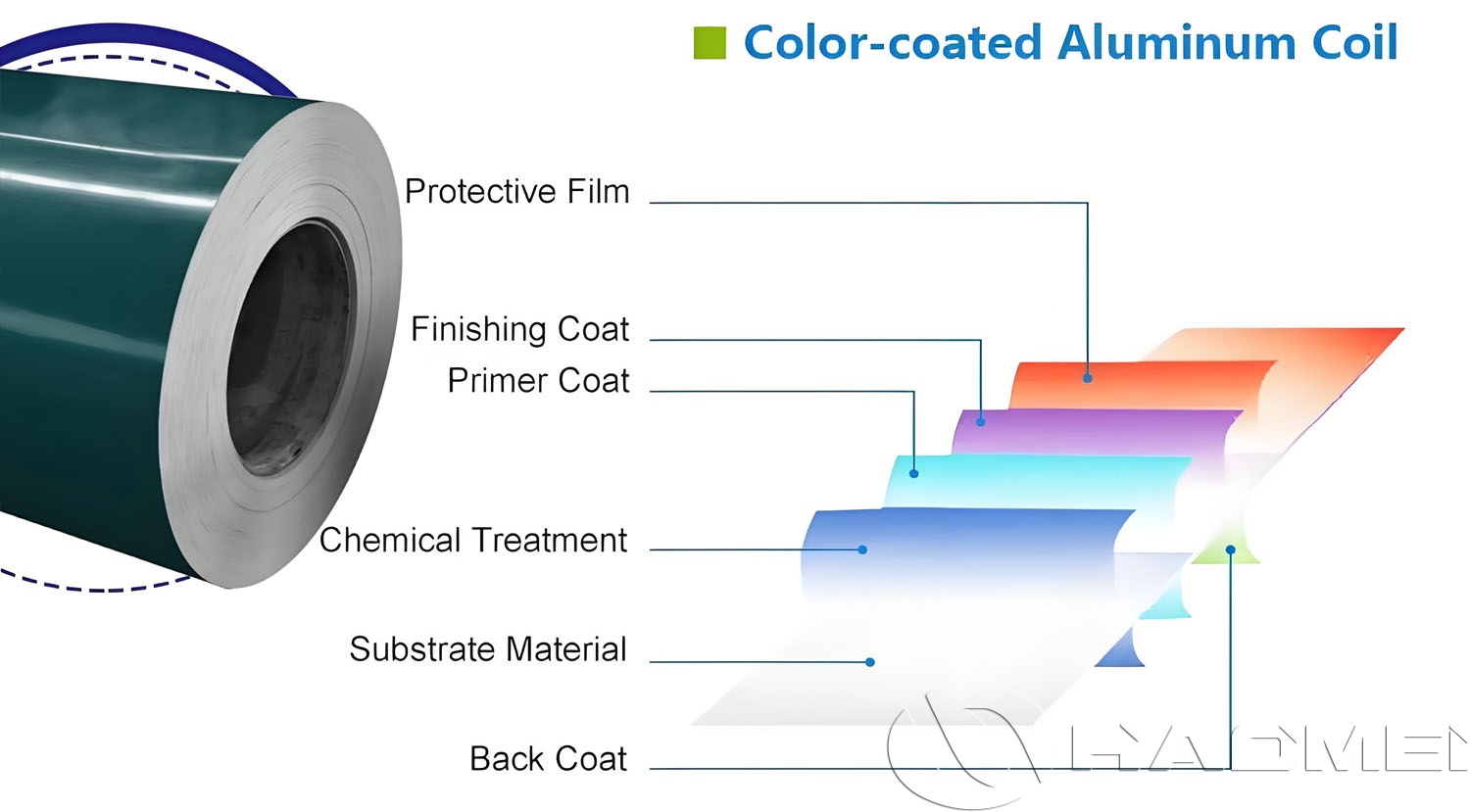
The visual effect comes from a multi-layer coating system engineered for adhesion, corrosion resistance, and abrasion performance. A typical construction includes chemical pretreatment, primer, basecoat, wood grain layer (printing or transfer), and a protective clear topcoat.
Pretreatment and primer: the foundation for long service life
Furniture environments often include cleaning agents, intermittent moisture, and hand contact. A controlled pretreatment (chromium-free conversion or equivalent) builds corrosion resistance and ensures primer adhesion. The primer then acts as the stress-buffer layer during bending and cutting, reducing microcrack risk at edges and corners.
PE vs PVDF: choosing the right resin for furniture
Most furniture applications are interior, where PE coating is cost-effective and provides good color richness and formability. For projects exposed to intense sunlight near windows, semi-outdoor installations (balcony cabinetry), or higher chemical resistance requirements, PVDF coating improves UV stability and chalk resistance.
PE coated aluminum coils are commonly selected for cabinet panels, wardrobes, and interior trims
PVDF coated aluminum coils fit premium furniture surfaces requiring long-term color stability
Clear topcoat: scratch resistance and cleanability
Furniture surfaces are judged by touch and wear. A clear topcoat (often enhanced polyester or PVDF clear, sometimes with wear additives) targets:
Scratch and scuff resistance from daily handling
Stain resistance to common household chemicals
Controlled gloss (matt, silk, or gloss) to match wood species aesthetics
Manufacturing process: from coil coating to wood grain patterning
Furniture-grade wood grain color coated aluminum coil typically uses a continuous coil coating line for uniform film thickness and color consistency, followed by wood grain pattern creation and final curing.
Coil coating and curing control
Continuous coating provides stable thickness and curing, which is critical for forming. Oven temperature profile and line speed are tuned to fully cure the resin without overbaking, because overcure can reduce flexibility while undercure can reduce solvent resistance and hardness.
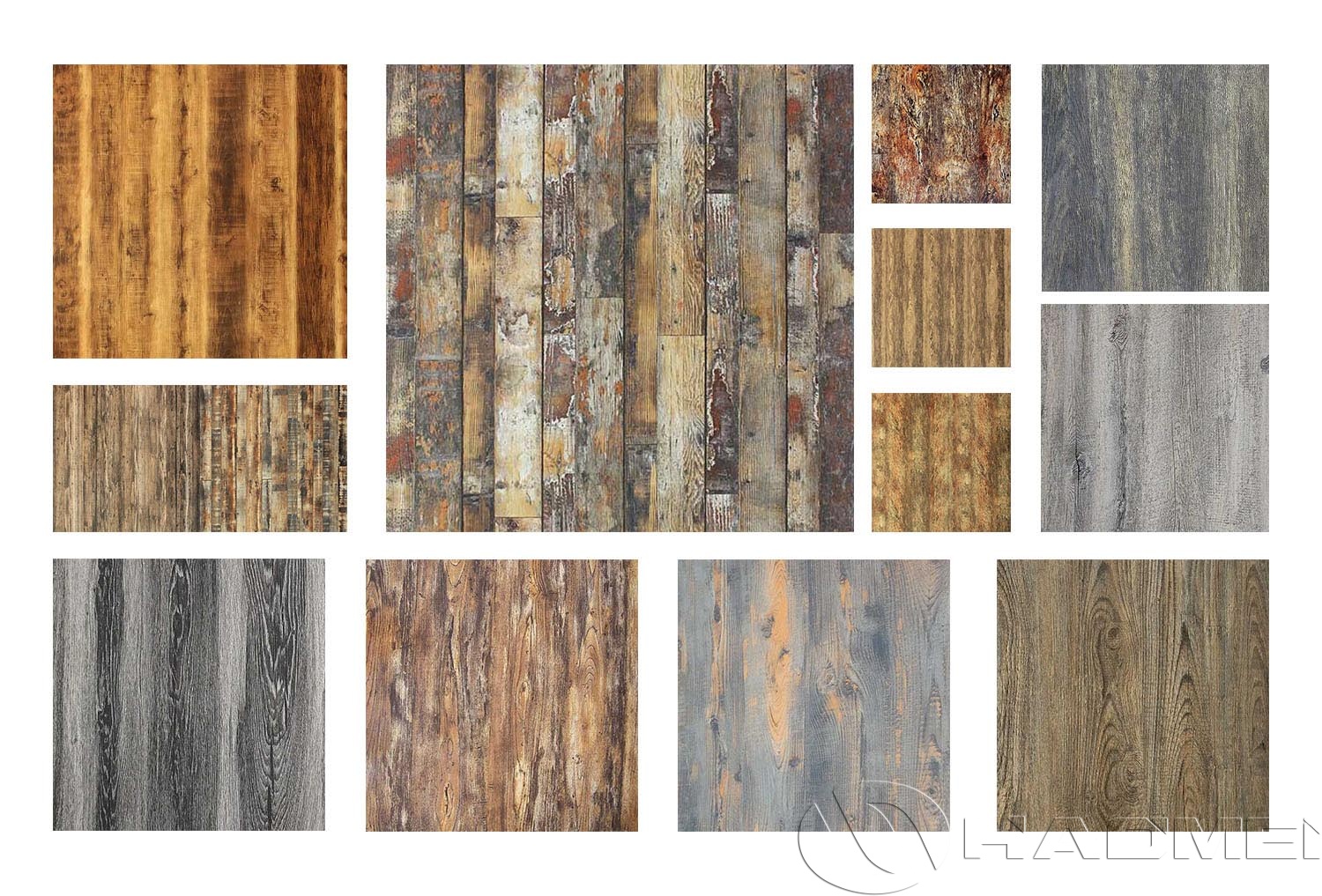
Wood grain creation: printing or transfer
Two industrial routes are common:
Roll printing: applies wood grain inks/pattern layers with high repeat accuracy, suitable for high-volume standard patterns.
Thermal transfer (sublimation-like) wood grain: transfers pattern from a film under controlled heat/pressure, enabling richer pore effect and more natural variation.
Pattern repeat length, registration tolerance, and directionality are managed so cabinet doors and adjacent panels align visually, especially for "book-matched" or continuous-grain designs.
Slitting, leveling, and protection for downstream processing
After coating, coils are slit to furniture panel widths or profile feed widths. Protective film (optional) helps prevent handling scratches in stamping, roll forming, and assembly. Film selection matters: too-aggressive adhesive can leave residue on matt clears, while low-adhesion films may lift during forming.
Core Specifications (Furniture-Grade Wood Grain Prepainted Aluminum Coil)
| Item | Typical Range / Options |
|---|---|
| Aluminum alloy | 1060, 1100, 3003, 3105, 5052 |
| Temper | O, H14, H24, H26 (selected by forming requirement) |
| Thickness | 0.20-1.20 mm (common: 0.30-0.80 mm) |
| Width | 20-1600 mm (slit to panel/profile needs) |
| Coating system | PE or PVDF (primer + base + wood grain + clear) |
| Topcoat finish | Matt, satin, gloss; textured options available |
| Coating thickness (typical) | 18-28 μm (PE), 25-35 μm (PVDF) |
| Wood grain method | Roll printing or thermal transfer |
| Adhesion / flexibility | Designed for furniture bending and edge forming (validated by bend/T-bend) |
| Surface protection | Optional protective film for processing |
| Standards / tests (typical) | Color difference control, gloss, MEK rub, impact, bend, salt spray (system-dependent) |
Practical furniture applications and design considerations
Cabinet and wardrobe door skins
Coil-coated wood grain aluminum is often laminated or bonded onto core boards (MDF, plywood, honeycomb panels, or aluminum composite structures). The stable coating allows consistent tone across batches, while the clear coat supports frequent wiping. For routed edges or framed doors, attention to bend radius and edge sealing minimizes edge corrosion risk in kitchens and bathrooms.
Drawer fronts, side panels, and kick plates
High-contact zones benefit from harder clear coats and slightly higher gauge to improve dent resistance. Where metal-to-metal contact occurs (slides, brackets), using protective tapes during assembly and maintaining film thickness control prevents scuffing at interfaces.
Roll-formed furniture profiles and trims
Wood grain coated coil feeds well into roll forming for U-channels, L-trims, and decorative borders. To keep the pattern natural, the grain direction is specified relative to the profile axis, and forming lubricants are selected to avoid staining matt clears.
Display fixtures and modular systems
Retail fixtures prioritize repeatability and fast fabrication. Prepainted aluminum coil supports standardized slitting and rapid bending with minimal post-painting, reducing color variation between panels and accessories while maintaining a wood-like visual identity.
-
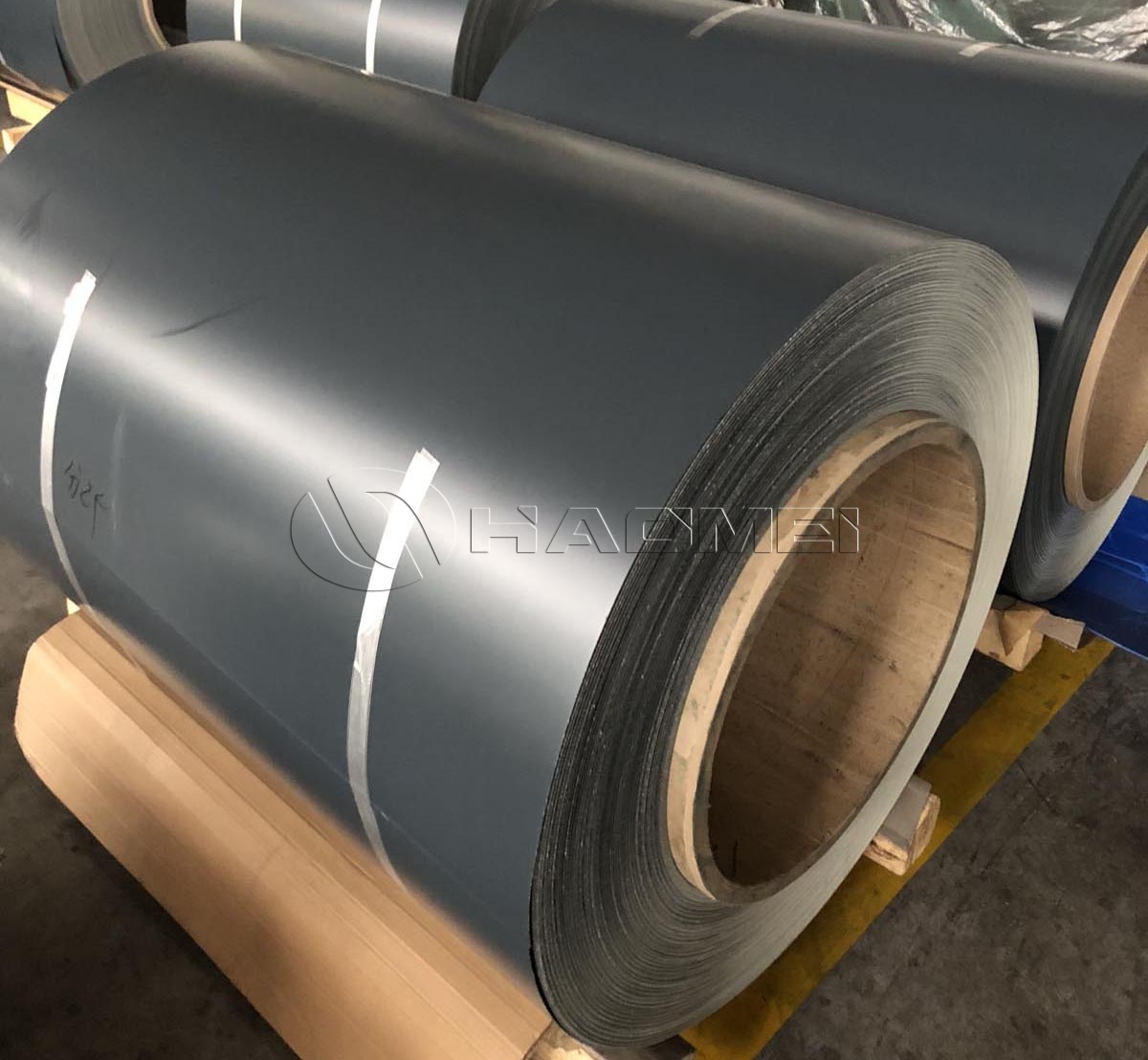
Fire-Resistant 3003 PVDF Color-Coated Aluminum Coil
Fire-resistant 3003 PVDF color-coated aluminum coil for facades, roofing, and ceilings, covering alloy selection, coating specs, and performance data.
2026-04-28
-
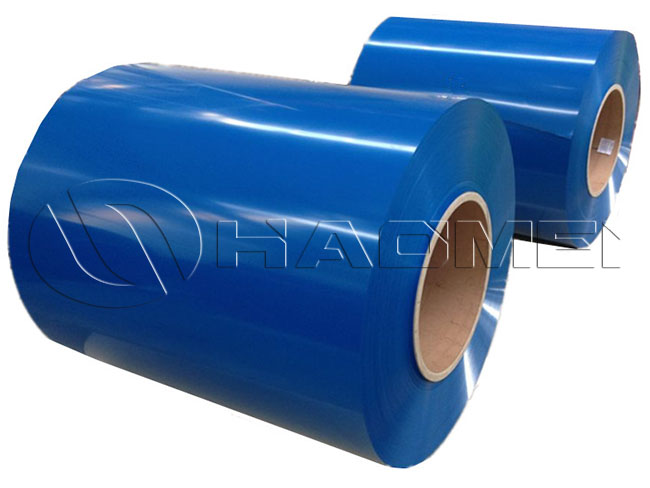
1100 / 3003 Color Coated Aluminum Coil for Signboards and Advertising Boards
1100 / 3003 color-coated aluminum coils are lightweight, weather-resistant, and have good processability, making them suitable for billboards and traffic signs.
2025-12-23
-
Wood Grain Color Coated Aluminum Coil For Furniture
Wood grain color coated aluminum coil for furniture offers durable prepainted aluminum coil with PE or PVDF coating, realistic wood grain, and stable forming for panels and profiles.
2026-02-24
Contact Directly
-

ADD: No.14 Waihuan Road, CBD, Zhengzhou, China
-

WhatsApp: +86-18703635966
-

E-MAIL: sales@alummc.com