

News
 By Hermione
3003 Color Coated Aluminum Coil For Window Shutters
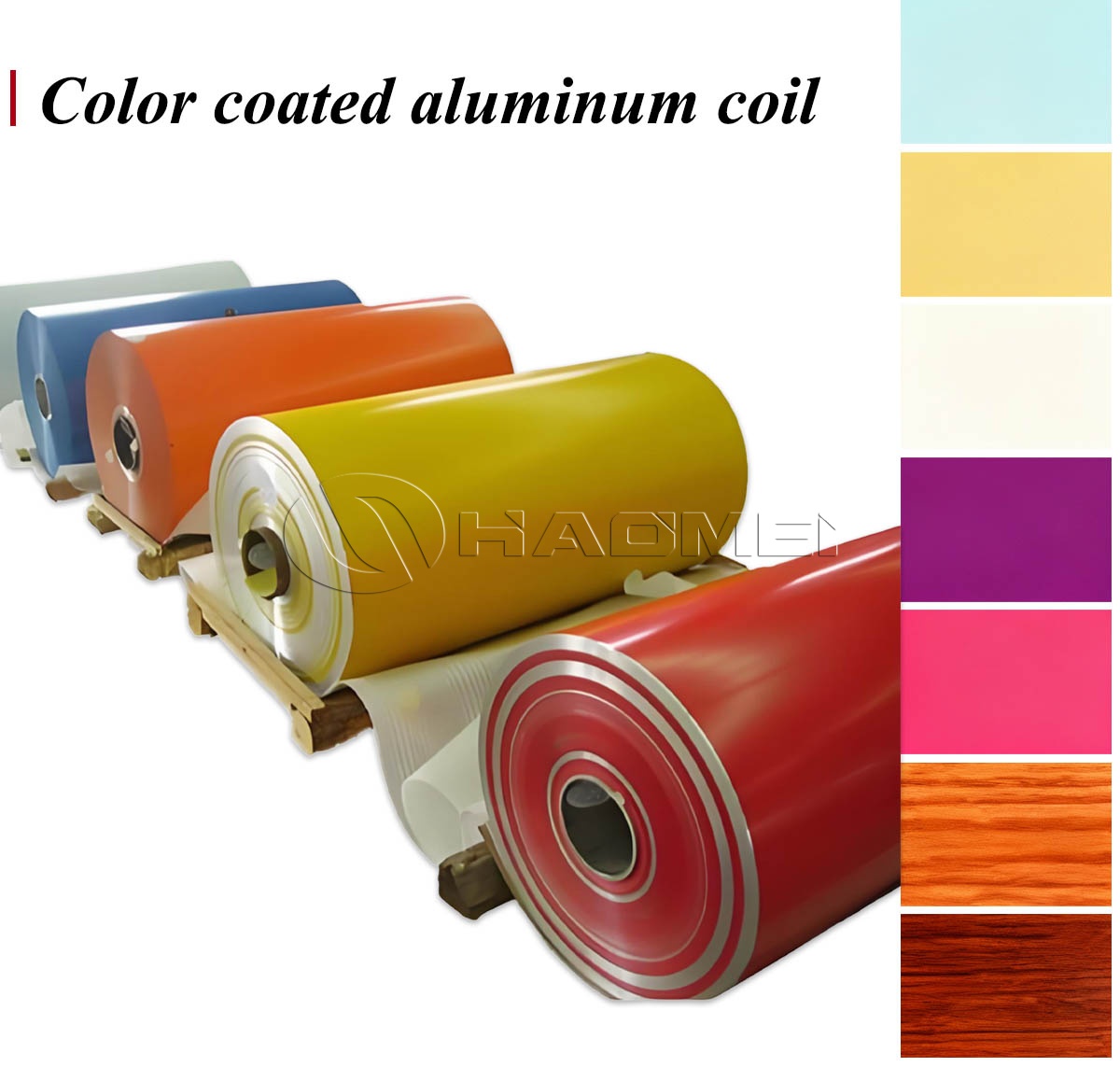
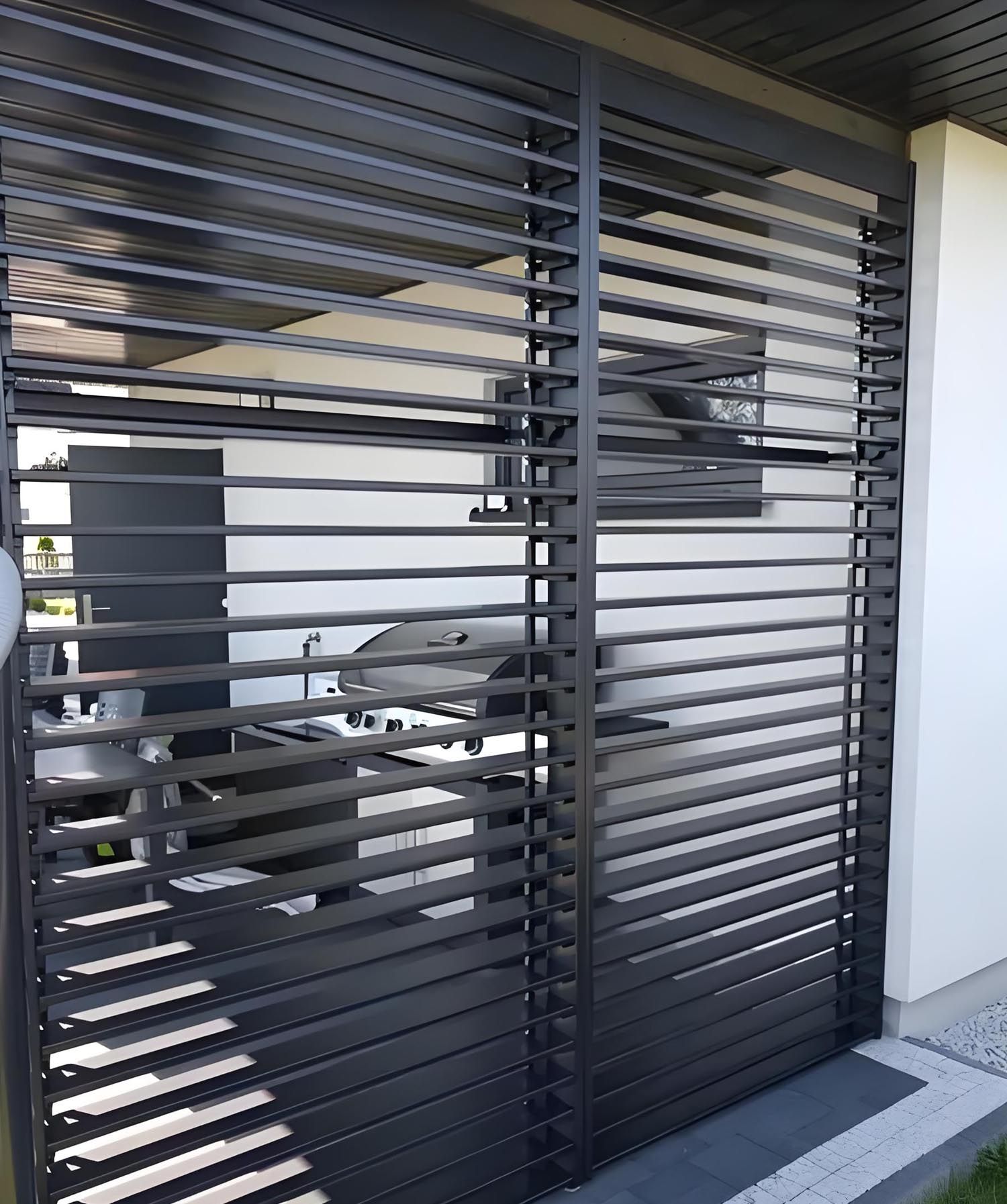
3003 color coated aluminum coil for window shutters is positioned as a lightweight, corrosion-resistant, and surface-stable material for roll-formed shutter slats, exterior window protection systems, and architectural shading components. It is widely used in residential roller shutters, commercial window shutters, security shutters, and decorative slatted systems where consistent coating appearance, forming performance, and long-term outdoor durability are required.
Why 3003 Alloy Is Commonly Used for Window Shutters
Among coated aluminum materials used in shutter manufacturing, 3003 alloy is one of the most practical options. It belongs to the Al-Mn series and offers a balanced combination of moderate strength, good ductility, and reliable corrosion resistance. For window shutter profiles, these properties are important because the strip usually passes through roll forming, bending, profiling, punching, and in some cases foam filling or interlocking assembly.
Compared with pure aluminum grades, 3003 provides better mechanical stability while still maintaining good processing behavior. For coated products, this means the substrate can support precise forming without causing excessive coating damage, edge cracking, or shape instability when process parameters are properly controlled.
In shutter applications, 3003 color coated aluminum coil is often selected for:
rolling shutter slats
window blind slats
exterior shading panels
insulated shutter profiles
security shutter curtain strips
decorative architectural shutter systems
Material Structure of Color Coated Aluminum Coil
A typical shutter-grade coated coil is not only an aluminum strip with paint on the surface. It is a multilayer engineered product composed of the substrate, pretreatment, primer, finish coat, and sometimes backside protective coating. Each layer influences forming performance, adhesion, weathering, and final service life.
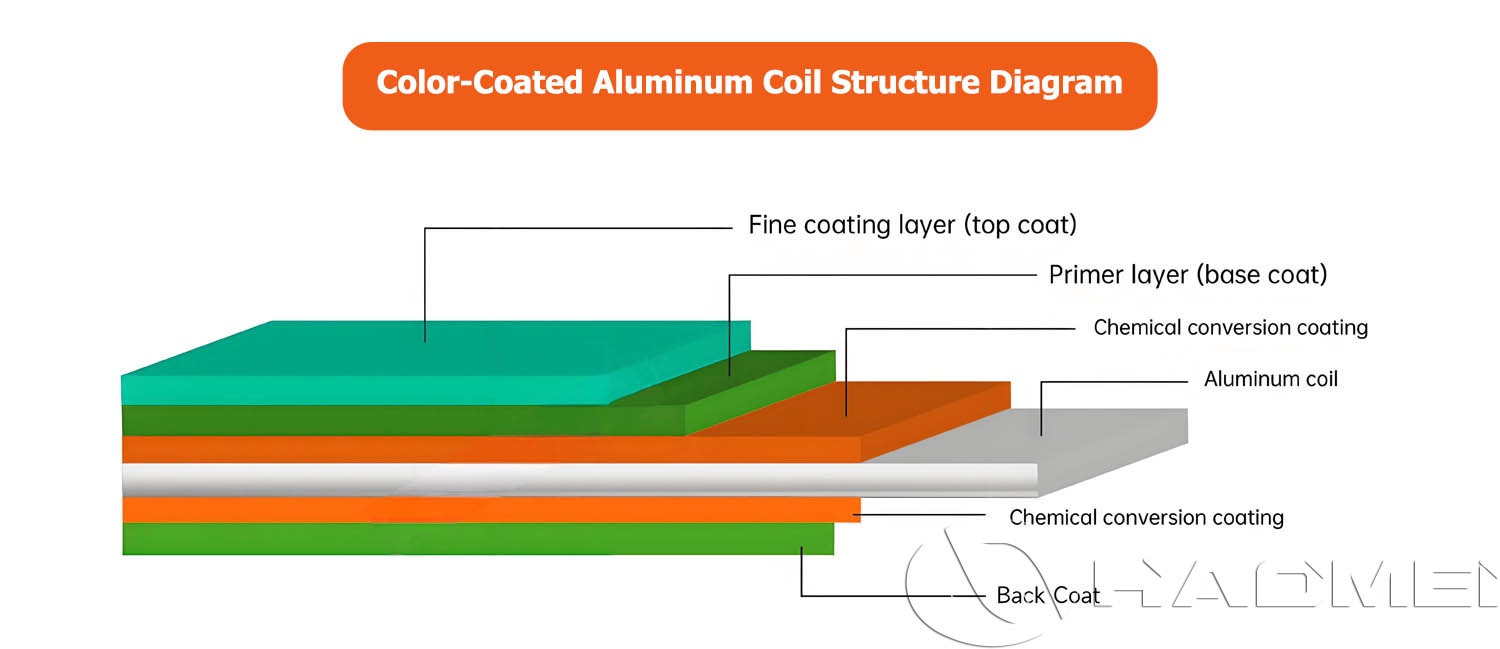
For window shutters, the usual structure includes:
aluminum alloy substrate, typically 3003 H14, H16, or similar tempers
chemical conversion pretreatment for adhesion and corrosion resistance
primer coating to enhance bond strength and barrier performance
top coating such as PE or PVDF for color, gloss, and weatherability
backside coating or service coat to improve protection during fabrication and use
This layered design helps the coil maintain coating integrity during roll forming and daily service exposure.
Core Specifications of 3003 Color Coated Aluminum Coil for Window Shutters
Core Specifications Table
| Item | Typical Range / Option |
|---|---|
| Alloy | 3003 |
| Temper | H14, H16, H18, H24 |
| Thickness | 0.18 mm - 0.80 mm |
| Width | 20 mm - 1250 mm |
| Coating Type | PE, SMP, PVDF |
| Top Coating Thickness | 12-25 μm for PE, 25 μm+ for PVDF |
| Back Coating Thickness | 5-10 μm |
| Color | White, beige, brown, gray, black, custom RAL colors, wood grain |
| Surface Finish | Glossy, matte, embossed, patterned |
| Coil ID | 405 mm, 505 mm |
| Coil Weight | Customized according to line capacity |
| Film Protection | Optional |
| Application | Roller shutter slats, window shutters, shading systems |
| MOQ | 1-3 tons |
Actual specification design depends on shutter profile depth, forming radius, end-use environment, and required coating durability.
Coating Systems for Shutter Use
The coating system has a direct effect on outdoor service performance, scratch resistance, gloss retention, and color stability. In window shutters, the two most common systems are PE and PVDF.
PE Coating
PE coated aluminum coil is commonly used for interior or general exterior shutter systems where cost control and good decorative performance are priorities. It has good flexibility and processing adaptability, making it suitable for roll forming of conventional slats. For projects with moderate UV exposure and normal urban environments, PE Coated Aluminum Coil is often a practical choice.
Typical features of PE coating include:
good color richness
smooth processing behavior
economical coating solution
suitable for standard residential shutter systems
PVDF Coating
For harsher outdoor environments, stronger UV exposure, coastal climates, or projects requiring longer appearance retention, PVDF coated aluminum coil is preferred. PVDF systems offer better resistance to chalking, fading, and environmental degradation. For high-end architectural shutters, PVDF Coated Aluminum Coil is often specified when long-term facade color consistency is important.
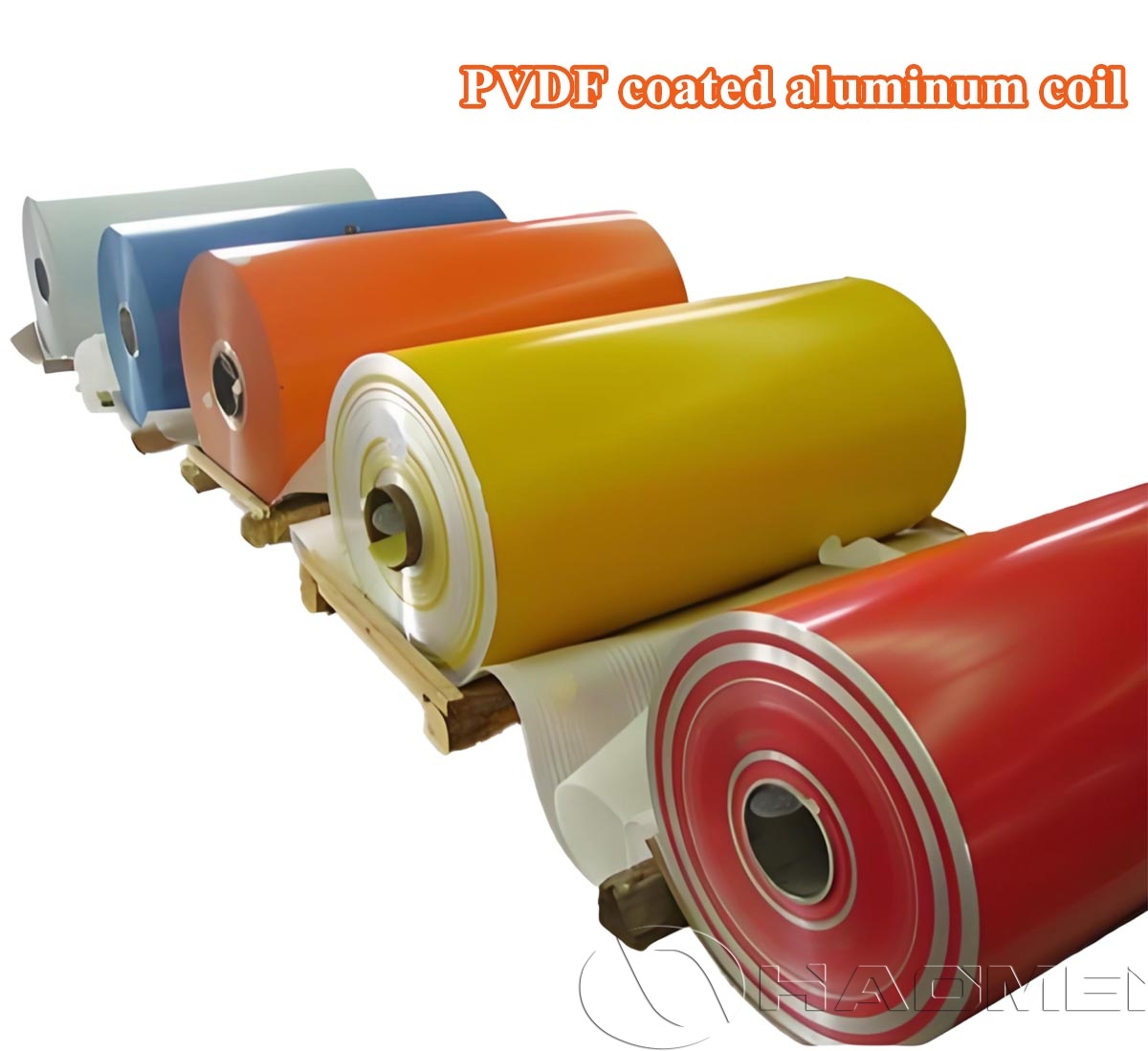
Typical features of PVDF coating include:
excellent weather resistance
improved color and gloss retention
better long-term exterior durability
suitable for coastal and high-UV environments
Processing Requirements for Window Shutter Production
Window shutter slats are usually manufactured by continuous roll forming. In this process, the coated strip is shaped progressively into a hollow, semi-hollow, or interlocking profile. Because the painted surface remains visible after installation, both substrate and coating must tolerate deformation without visible defects.
Key processing considerations include:
1. Formability
The coil should have stable elongation and controlled hardness. Excessively hard tempers may increase the risk of micro-cracking at tight bending radii, while overly soft material may reduce profile rigidity.
2. Coating Adhesion
Strong adhesion between the paint system and substrate is essential. During roll forming, punching, and slat winding, poor adhesion can lead to flaking or edge delamination.
3. Surface Uniformity
Shutters are installed in repetitive visible arrays, so color difference, gloss variation, orange peel, streaks, and roller marks must be tightly controlled.
4. Dimensional Stability
Stable thickness tolerance, flatness, and width control are important for interlocking slat geometry and smooth shutter operation.
5. Scratch and Abrasion Resistance
During fabrication and service, shutter slats contact guide rails and adjacent profiles. A coating with suitable hardness and flexibility helps reduce visible wear.
Commonly Used Alloys for Color Coated Window Shutters
Although 3003 color coated aluminum coil is widely used, several other alloys may also be considered depending on design priorities.
3003
This is the mainstream choice for many shutter slat applications. It offers a good balance of formability, corrosion resistance, and strength. It is especially suitable when the profile requires repeated forming operations and stable finished appearance.
3105
3105 is another Al-Mn series alloy often used in building decoration and coated products. Its strength is typically slightly higher than some general-purpose grades, and it performs well in roll-formed architectural components. For shutters requiring a balance between rigidity and decorative surface quality, 3105 is a common alternative.
3004
3004 provides higher strength than 3003 in many cases and may be chosen when the slat structure requires improved load-bearing or dent resistance. However, forming conditions should be matched carefully to profile design and coating flexibility.
1100 and 1060
These commercially pure aluminum grades are known for excellent formability and corrosion resistance, but their strength is lower. They may be used in applications where forming ease is prioritized over structural rigidity. For standard exterior shutter slats, they are less common than 3003 or 3105, but still relevant in some decorative or light-duty systems.
5052
For more demanding environments, especially where stronger corrosion resistance and higher mechanical strength are required, 5052 may be considered. It is not the default choice for all shutter systems because cost and forming parameters differ, but it can be suitable for specialized applications.
In practical production, alloy selection is based on profile geometry, springback control, coating system, local climate, and cost-performance requirements.
Surface Options for Shutter Applications
Window shutters are both functional and visible exterior elements, so surface design matters as much as mechanical performance. Common finish options include:
solid colors such as white, ivory, cream, gray, bronze, and black
matte or low-gloss finishes for a modern architectural appearance
high-gloss finishes for decorative residential systems
embossed textures that improve visual depth and reduce visible handling marks
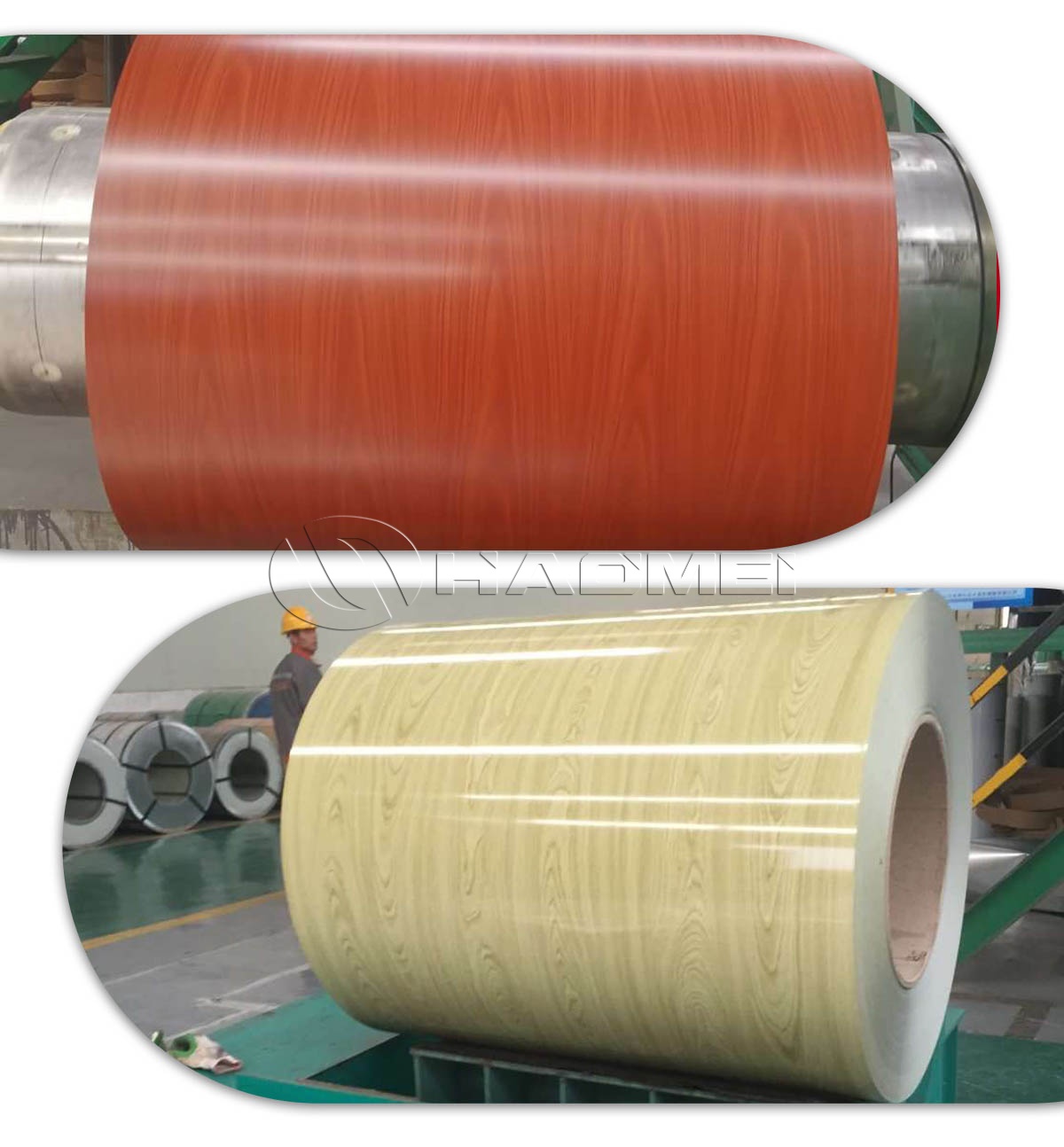
wood-grain decorative coatings for projects that prefer a natural facade style
For example, some shutter systems use a wood-effect decorative finish similar to Wooden Grain Color Coated Aluminum Coil when the design intent is to combine aluminum durability with a timber-like appearance.
Performance Advantages in Window Shutter Use
When properly specified, 3003 color coated aluminum coil offers several advantages in shutter manufacturing and service:
Light weight helps reduce operating load and improves installation efficiency.
Good corrosion resistance supports outdoor use in humid and variable climates.
Stable forming behavior allows continuous roll forming into shutter slats.
Consistent coating appearance supports architectural color matching.
Low maintenance surface helps preserve appearance during long-term use.
Compatibility with insulation structures makes it suitable for foam-filled slat systems.
These advantages explain why the material is widely used in both manually operated and motorized roller shutter systems.
Typical Quality Control Points
For official project supply and stable fabrication performance, shutter-grade color coated aluminum coil is generally evaluated through a combination of substrate and coating inspections, including:
alloy and temper verification
thickness and width tolerance control
coating thickness measurement
color difference inspection
gloss testing
T-bend or forming performance evaluation
impact resistance testing
adhesion testing
solvent resistance testing
salt spray or accelerated corrosion testing
UV and weathering assessment for exterior grades
Because shutters are repeatedly rolled up and down in service, performance consistency from coil to coil is especially important.
Typical Supply Considerations
Different shutter manufacturers use different slat geometries and production lines, so the supplied coil is often customized in terms of width, hardness, coating system, and color. In many projects, the material may be delivered as slit coil to match the exact feeding width of the shutter forming machine. Protective film can also be applied when the surface finish is highly decorative or sensitive to handling marks.
For standard architectural use, 3003 Color Coated Aluminum Coil is often specified in PE or PVDF systems depending on outdoor exposure, while gloss, color, and backside coating are selected to suit the fabrication route and final installation environment.
-
Advantages of 1100 Prepainted Aluminum Coil for Roofing
Explore the advantages of 1100 prepainted aluminum coil for roofing, including corrosion resistance, formability, coating options, and alloy selection.
2026-03-24
-
Custom Color-Coated Aluminum Coils for Commercial Ceiling Installations
Custom color-coated aluminum coils deliver durable finishes, precise forming, and consistent color for commercial ceiling systems and interior spaces.
2026-09-29
-
How Is Wood Grain Aluminum Coil Made
Learn how wood grain aluminum coil is made using pre-painted aluminum coil, chromate-free pretreatment, PE or PVDF coating, and transfer printing for durable exterior cladding.
2026-03-11
Contact Directly
-

ADD: No.14 Waihuan Road, CBD, Zhengzhou, China
-

WhatsApp: +86-18703635966
-

E-MAIL: sales@alummc.com