

News
 By Hermione
3004 H16 Prepainted Aluminum Coil Price Per Ton
3004 H16 prepainted aluminum coil is positioned as a mid-to-high performance color-coated material for architectural panels, roofing systems, ceilings, rainwater goods, insulation jacketing, and decorative sheet fabrication. Compared with general-purpose coated coils, 3004 H16 offers a more balanced combination of strength, formability, surface quality, and corrosion resistance, making it especially suitable for applications that require both coating durability and stable forming performance. When discussing price per ton, the market usually evaluates not only the aluminum substrate cost, but also coating type, paint system, thickness, width, color, mechanical properties, and order specification complexity.
What is 3004 H16 prepainted aluminum coil?
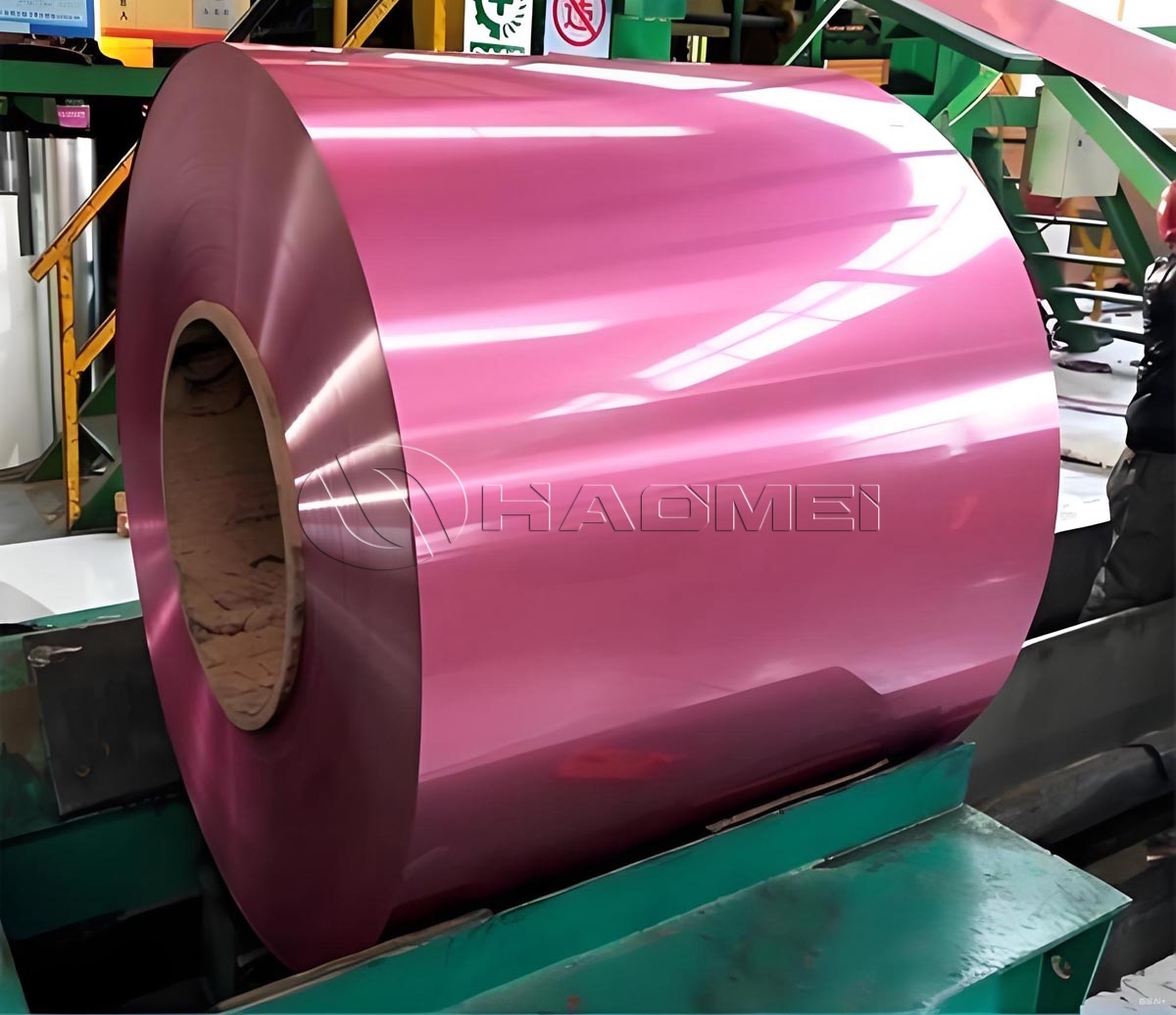
3004 is an Al-Mn-Mg series alloy. On the basis of 3003, it contains magnesium, so its strength is generally higher while still retaining good workability. In the H16 temper, the coil is strain-hardened to a medium level, giving it better rigidity than softer tempers while remaining suitable for roll forming, bending, and panel fabrication.
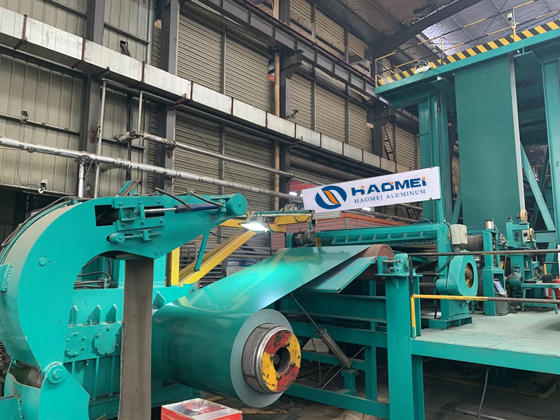
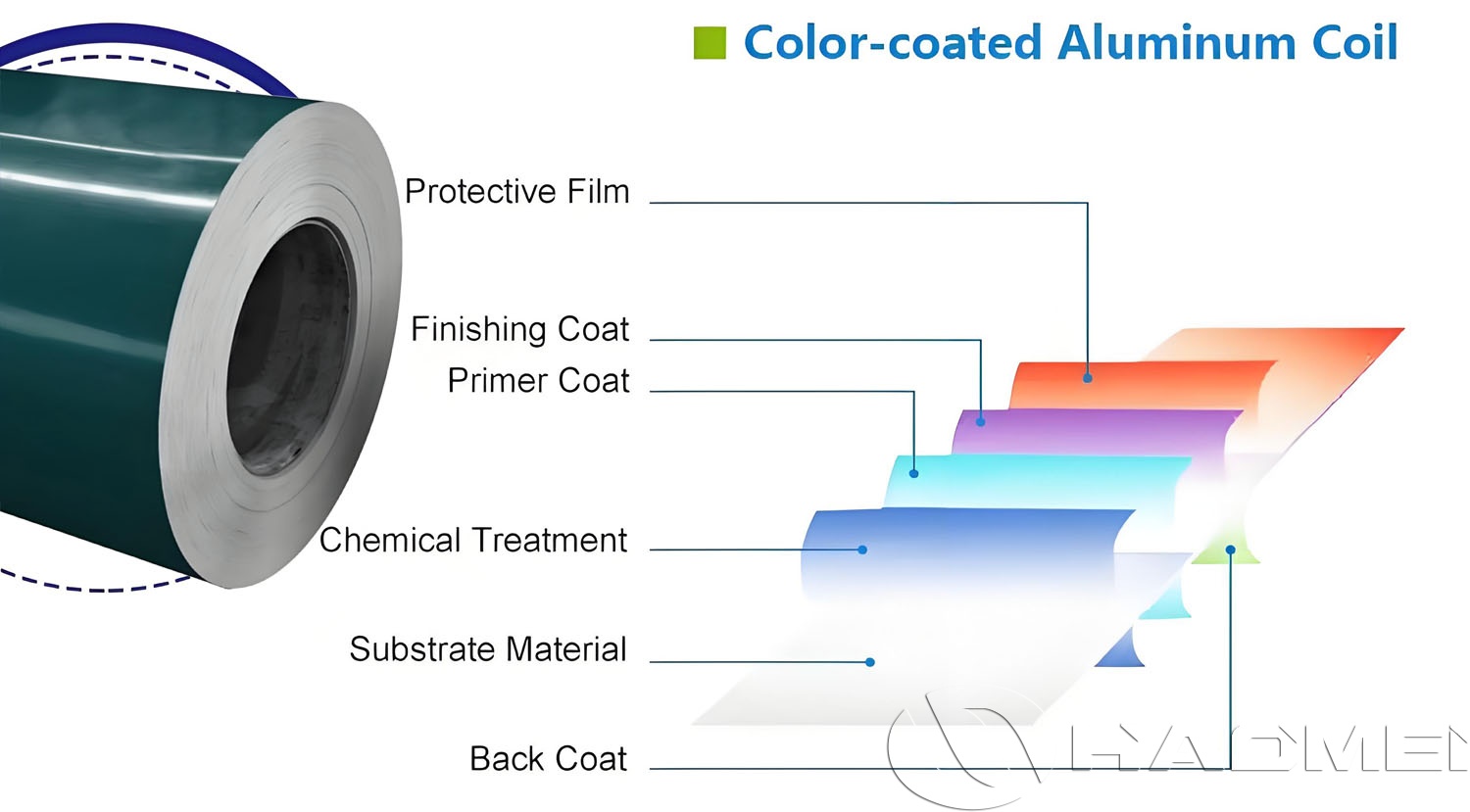
A prepainted aluminum coil is produced by cleaning, chemical pretreatment, primer coating, top coating, curing, and rewinding on a continuous coating line. The result is a coil with a controlled decorative finish and engineered protective performance. For applications requiring weather resistance and color stability, common systems include PVDF Coated Aluminum Coil structures, while cost-sensitive indoor or short-to-medium durability uses often adopt PE Coated Aluminum Coil systems.
Why 3004 H16 is widely used
The value of 3004 H16 lies in its practical balance of mechanical and surface performance:
Higher strength than many 1000 series and standard 3003 substrates
Good bending and profiling behavior for roofing and cladding parts
Better dent resistance and panel stiffness under the same gauge
Reliable corrosion resistance in typical building environments
Good adhesion compatibility with PE and PVDF coating systems
Stable flatness and appearance after color coating
In prepainted form, 3004 H16 is frequently selected for:
Roofing sheets and corrugated panels
Curtain wall and facade panel stock
Ceilings and suspended systems
Gutter, downpipe, and drainage products
Insulated sandwich panel skins
Appliance and industrial decorative covers
Core specifications of 3004 H16 prepainted aluminum coil
Core Specifications Table
| Item | Typical Range / Description |
|---|---|
| Alloy | 3004 |
| Temper | H16 |
| Product form | Prepainted / color coated aluminum coil |
| Thickness | 0.20 mm - 1.50 mm |
| Width | 30 mm - 1600 mm |
| Coil ID | 405 mm, 508 mm, 610 mm |
| Coating system | PE, SMP, HDP, PVDF |
| Top coat thickness | 15-25 microns for PE, 25+ microns for PVDF |
| Back coat thickness | 5-10 microns or customized |
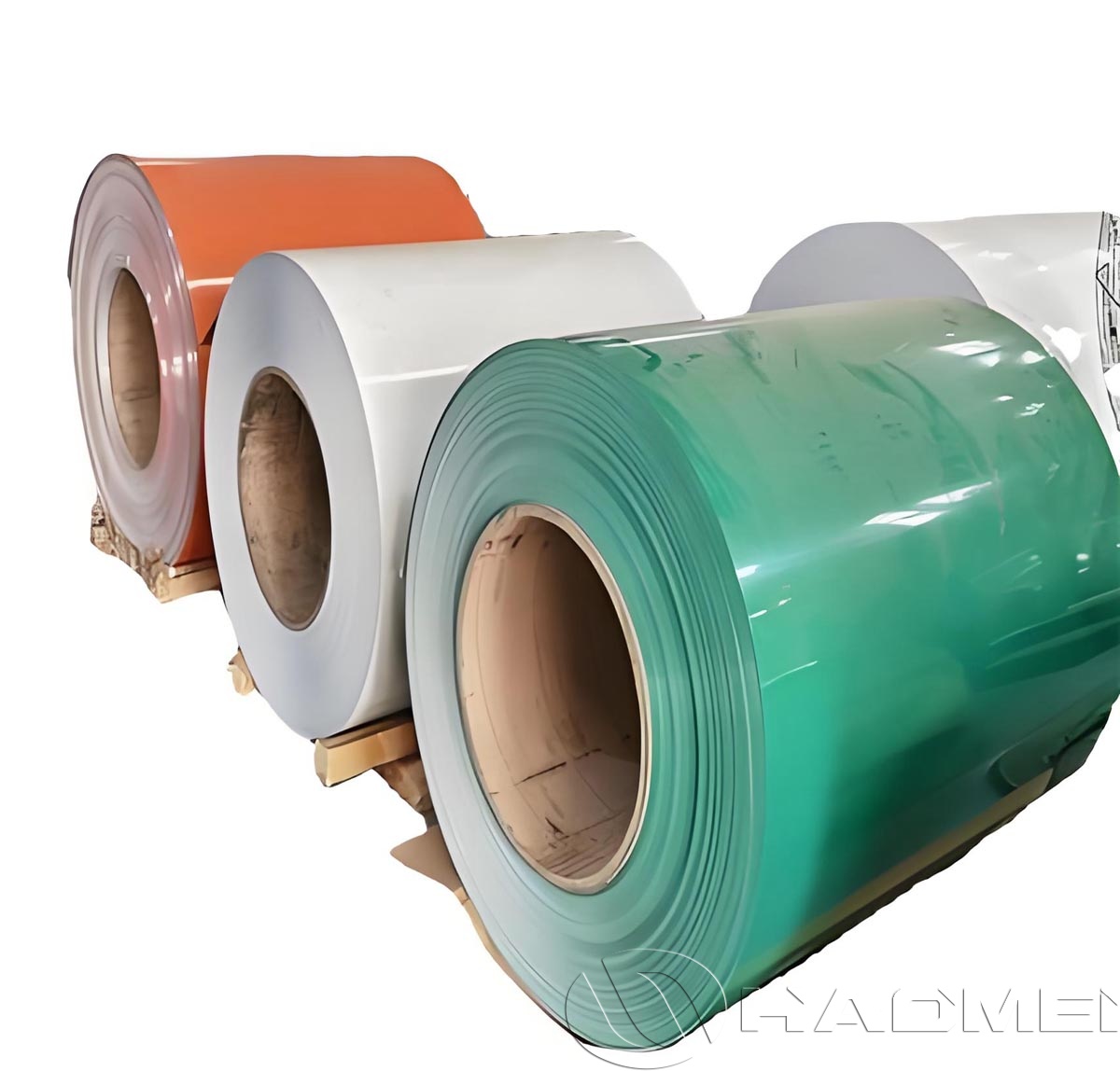
| Surface finish | Solid color, matte, gloss, embossed, special pattern |
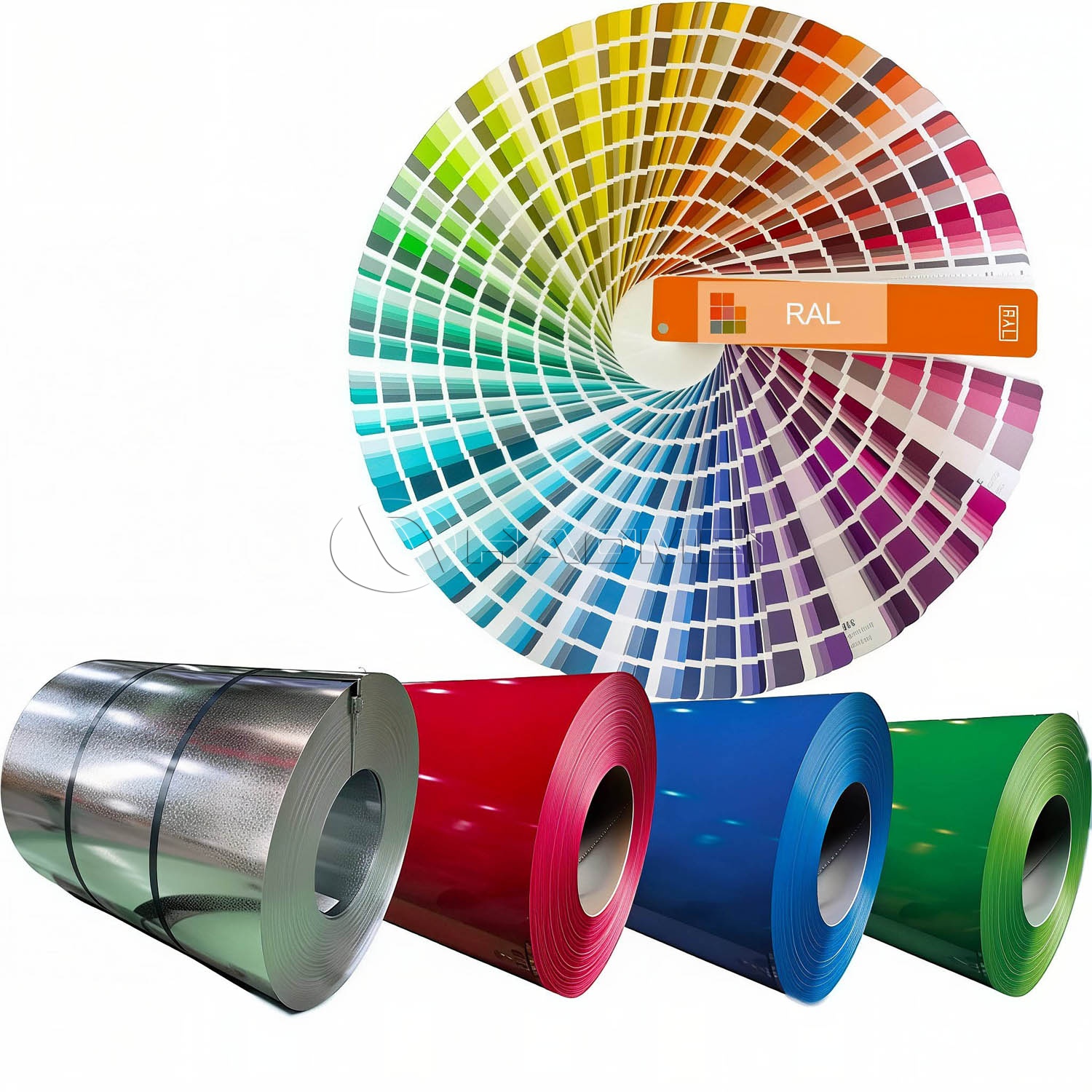
| Color standard | RAL, Pantone, customized samples |
| Gloss | Typically 10-80 GU |
| Tensile characteristics | Higher than 3003 in comparable coated building grades |
| Typical applications | Roofing, cladding, ceilings, gutters, decorative panels |
| Supply basis | Price per ton, often adjusted by coating and specification |
| MOQ | 1-3 tons |
What determines 3004 H16 prepainted aluminum coil price per ton?
The price per ton of 3004 H16 color coated aluminum coil is not a fixed number because it is built from several cost layers.
1. Aluminum ingot and alloying cost
The substrate price follows aluminum market fluctuations first. Since 3004 contains manganese and magnesium, its alloy cost is typically above pure aluminum grades such as 1050 or 1060, and often slightly above 3003 under the same market conditions.
2. Temper and mechanical property control
H16 requires controlled cold working and quality consistency. For customers who require tighter yield strength, elongation, flatness, or forming performance, manufacturing control becomes more demanding, which can affect the final tonnage price.
3. Thickness and width
Thicker gauges increase metal weight directly, while non-standard widths may reduce production efficiency or yield. Very narrow slitting or extra-wide coating widths can both influence cost structure.
4. Coating type and paint brand
This is one of the most important pricing variables. A PE system is usually more economical, while a PVDF system generally carries a higher price because of fluoropolymer resin cost and higher weathering expectations. Primer thickness, topcoat thickness, back coat specification, and whether a protective film is applied also contribute.
5. Color and finish complexity
Standard white, grey, and common architectural colors are usually more cost-efficient than metallic colors, high-gloss surfaces, matte effects, textured finishes, or custom color matching. Special finishes may involve more paint consumption or lower line speed.
6. Order quantity and production batch efficiency
Large-volume standard production can lower unit conversion cost. Small trial orders, multiple color splits, or highly customized specifications often raise the effective price per ton.
7. Packaging and transport conditions
Export seaworthy packaging, eye-to-wall or eye-to-sky arrangement, moisture-proof wrapping, palletization, and reinforced edge protection can all affect the delivered cost basis.
Price logic by application scenario
Different end uses focus on different cost drivers:
Roofing and wall cladding: more sensitive to coating weatherability, chalk resistance, and forming performance
Ceiling systems: more attention to color consistency, flatness, and decorative appearance
Drainage products: more emphasis on corrosion resistance and bendability
Insulation jacketing: often focuses on surface cleanliness, width tolerance, and outdoor durability
For this reason, two products both called 3004 color coated aluminum coil may show clear differences in price per ton if one uses standard PE coating and the other uses architectural-grade PVDF with a thicker film build.
Coating systems and their effect on value
The coating system is central to both service life and price per ton.
PE coating
PE coated surfaces are widely used for indoor decoration, ceiling systems, partition panels, signage, and some light outdoor applications. Advantages include:
Lower cost
Good color richness
Good processing performance
Suitable for moderate exposure conditions
PVDF coating
PVDF is preferred for long-term outdoor use, especially facades, roofing, and curtain wall stock exposed to sunlight, rain, and pollution. Advantages include:
Better UV resistance
Better color retention
Better chalking resistance
More stable long-term weathering performance
This is why PVDF-coated 3004 H16 usually commands a higher price per ton than PE-coated material of the same alloy and thickness.
Technical considerations behind a realistic quotation
When a manufacturer evaluates the price per ton of 3004 H16 prepainted aluminum coil, the quotation usually reflects several technical checkpoints:
Substrate thickness tolerance
Actual alloy and temper compliance
Pretreatment quality
Coating adhesion and impact resistance
Pencil hardness and flexibility
Color difference control between batches
T-bend requirement after painting
Salt spray and humidity resistance requirement
UV and accelerated weathering expectation
Coil weight and packaging mode
If the project requires premium color consistency, high-formability paint, stricter camber control, or enhanced outdoor durability, the quoted price per ton will logically be higher than a standard commercial grade.
How 3004 H16 compares with 3003 and 3105 in pricing
In practical supply, 3004 H16 often sits in a middle position:
Higher in price than many standard 1000 series prepainted coils
Often slightly above 3003 under similar coating structures
Comparable to or somewhat above 3105 depending on mechanical and coating requirements
Usually below many 5000 series coated products
This relative position explains its popularity. It offers an upgrade in substrate performance without moving fully into the cost level of higher-magnesium alloys.
Typical specification combinations seen in the market
Common market combinations for 3004 H16 color coated aluminum coil price per ton include:
0.30-0.50 mm thickness with PE coating for ceilings and decorative uses
0.50-0.80 mm thickness with PVDF coating for roofing and facade panels
0.70-1.20 mm thickness for high-rigidity cladding and drainage systems
Standard RAL colors for volume construction projects
Matte or low-gloss finishes for modern architectural appearance
In these combinations, the substrate accounts for the metal base value, while the coating build and performance requirement determine much of the processing premium.
Market understanding of price per ton
From an industry perspective, price per ton is mainly a transaction unit for mills, coaters, and bulk buyers. However, for fabricated applications, the real cost relationship also depends on yield per square meter. A thicker, stronger 3004 H16 coil may have a higher ton price, but it can provide improved rigidity, reduced oil-canning tendency, and better fabrication reliability in service. For this reason, engineering selection should evaluate total material value, not only nominal tonnage price.
Summary of the value profile of 3004 H16
For prepainted architectural and industrial applications, 3004 H16 aluminum coil represents a well-balanced grade combining moderate-to-high strength, good forming performance, reliable coating compatibility, and strong application versatility. Its price per ton is primarily influenced by aluminum market conditions, alloy and temper, thickness, width, paint system, coating thickness, color customization, and delivery specification. Compared with common coated alloys, 3004 H16 stands out as a practical option where a project requires more strength and service stability than basic grades can provide, while still maintaining efficient processing and broad architectural usability.
-
Double Layer Pvdf Coated Aluminum Coil Price
Learn how double layer PVDF coated aluminum coil price is shaped by alloy choice, PVDF coating system design, and coil coating process for long-life architectural cladding.
2026-02-06
-
3105 Matte Color-Coated Aluminum Coil for Modern Interior Decoration
3105 matte color-coated aluminum coil provides low-glare, durable surfaces for ceilings, wall panels, partitions, and modern interior decoration.
2026-09-28
-
Fireproof 1100 PE / PVDF Color Coated Aluminum Coil
Fireproof 1100 PE PVDF prepainted aluminum coil offers excellent flame resistance, durability and weather resistance, ideal for building facade and ceiling systems.
2025-12-22
Contact Directly
-

ADD: No.14 Waihuan Road, CBD, Zhengzhou, China
-

WhatsApp: +86-18703635966
-

E-MAIL: sales@alummc.com