

News
 By Hermione
3003 Color Coated Aluminum Coil For Roofing
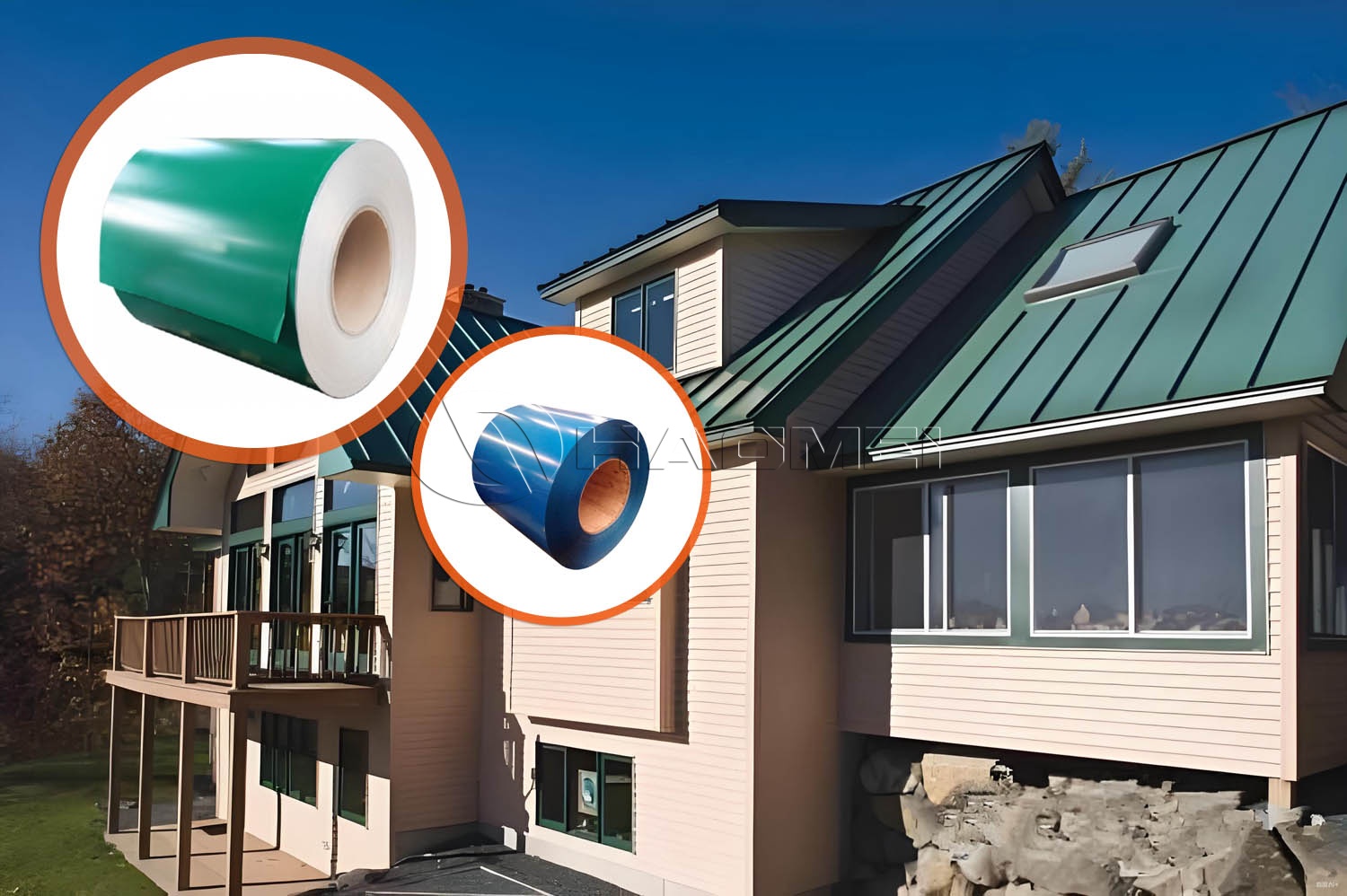
3003 color coated aluminum coil for roofing is widely used in industrial buildings, warehouses, residential roofing, prefabricated structures, and architectural roof systems that require a balance of corrosion resistance, formability, and decorative appearance. As a manganese-alloy aluminum material with a factory-applied paint system, it is positioned as a practical roofing substrate for roll forming, profiling, corrugation, standing seam panels, and other lightweight roof components.
Why 3003 alloy is used for roofing
3003 is an Al-Mn series alloy. Compared with commercially pure aluminum, it offers improved strength while maintaining good ductility and processing stability. For roofing manufacturers, this combination is important because the coil usually needs to pass through decoiling, leveling, roll forming, bending, and installation without excessive risk of cracking or surface damage.
Key material characteristics of 3003 for roofing include:
Good atmospheric corrosion resistance
Stable formability for corrugated and profiled roofing sheets
Lower weight than many traditional roofing metals
Good compatibility with coil coating lines
Suitable surface quality for architectural color finishes
Reliable performance in normal outdoor building environments
In practical roofing systems, 3003 Color Coated Aluminum Coil is often selected when the project needs a combination of weather resistance, economical processing, and long-term appearance retention.
Coating structure and roofing performance
A color coated aluminum roofing coil is not only an alloy substrate. Its service life also depends heavily on the coating system. A typical structure includes aluminum substrate, chemical pretreatment, primer, topcoat, and where required, a protective back coat.
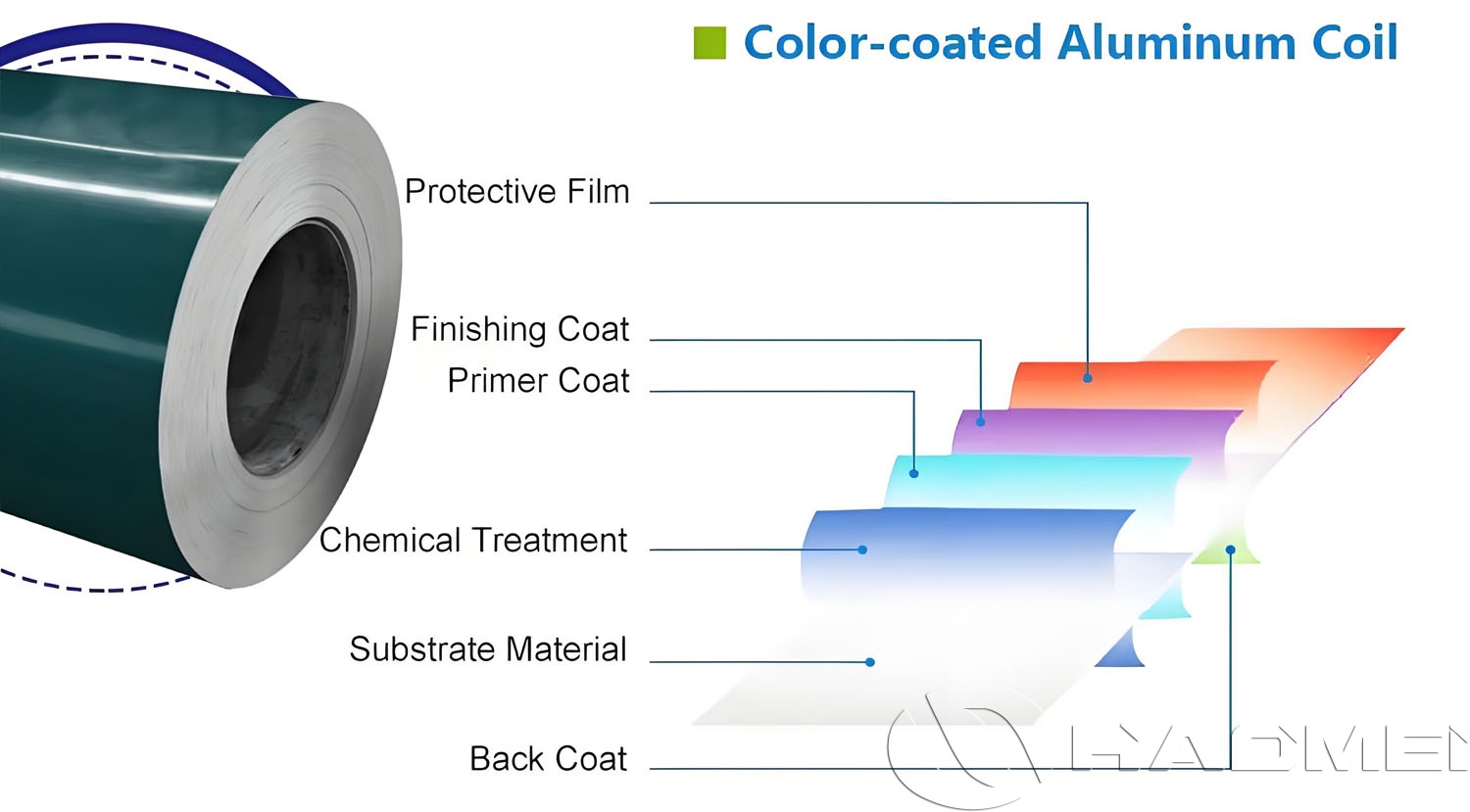
For roofing applications, the coating serves several technical functions:
Protects the aluminum surface from moisture, pollutants, and UV exposure
Improves color consistency across large roof areas
Enhances resistance to chalking and fading
Reduces direct environmental attack on the substrate
Supports easier cleaning and lower maintenance frequency
Common finish types include solid colors, matte finishes, high-gloss finishes, and selected textured coatings. Roofing projects typically favor stable, weather-resistant colors such as white, gray, brick red, blue, green, and silver.
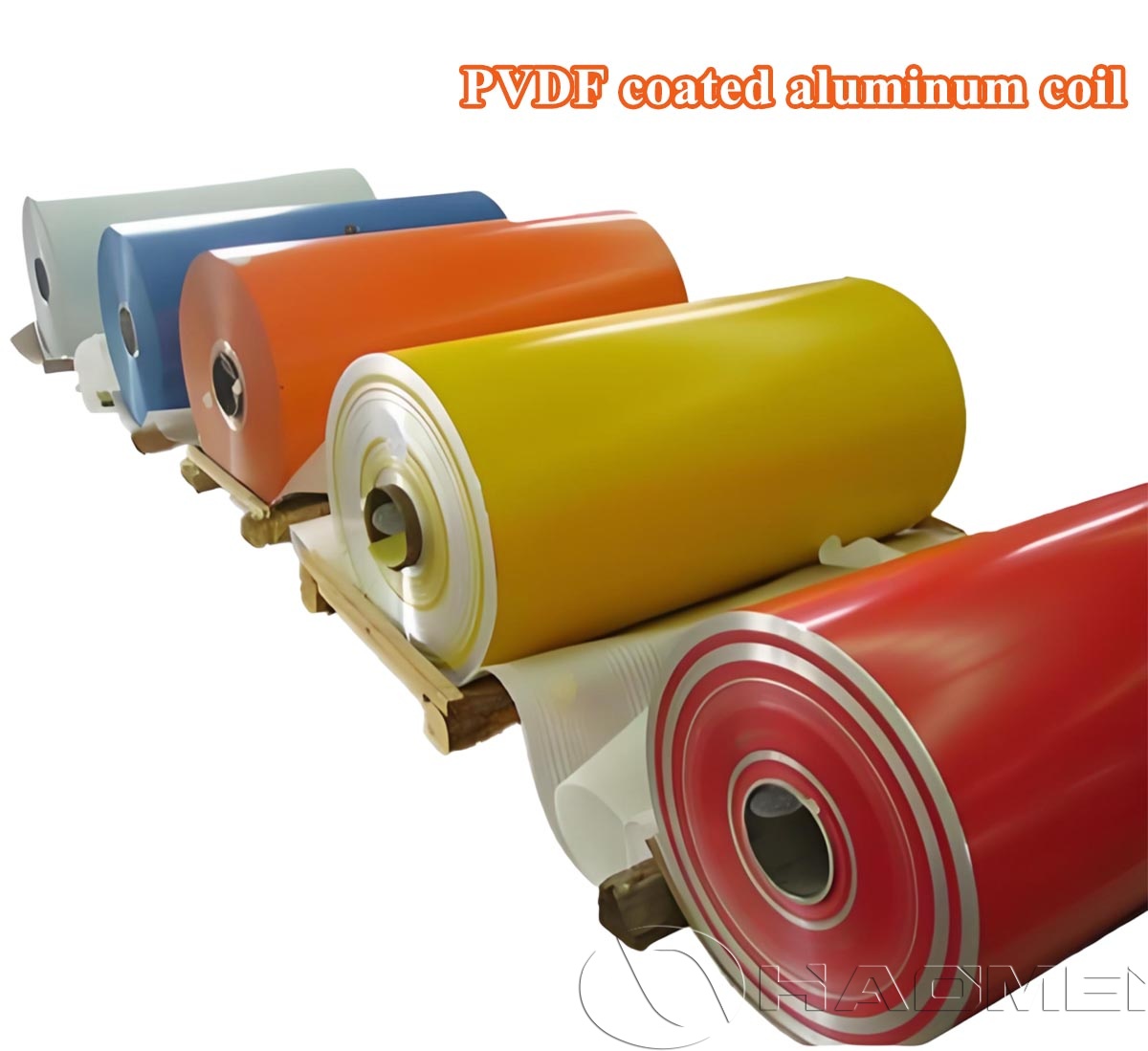
Common coating systems: PE and PVDF
The two most commonly used paint systems for roofing-grade pre-painted aluminum are PE and PVDF.
PE coating
PE coated aluminum coil is commonly used for roofing in environments with moderate exposure requirements. It provides good decorative properties, a wide color range, and cost-effective processing performance. It is suitable for general industrial roofing, temporary structures, interior-exterior transition areas, and projects where service conditions are less aggressive.
For coating selection details, roofing materials are often compared with PE Coated Aluminum Coil in applications where initial cost and appearance are priorities.
PVDF coating
PVDF coated aluminum coil is more suitable for demanding outdoor roofing conditions, especially where long-term weatherability, UV resistance, and color retention are required. It is commonly specified for exposed architectural roofs, coastal environments, high-sunlight regions, and premium building envelopes.
In general terms:
PE is suitable for standard roofing environments
PVDF is preferred for higher durability and longer exterior exposure
Coating choice should match local climate, project life, and appearance requirements
Core Specifications of 3003 Color Coated Aluminum Coil for Roofing
| Specification Item | Typical Range / Option |
|---|---|
| Product Name | 3003 Color Coated Aluminum Coil |
| Alloy | 3003 |
| Temper | H14, H16, H18, H24, or as required |
| Thickness | 0.20 mm - 1.50 mm |
| Width | 30 mm - 1600 mm |
| Coil Inner Diameter | 405 mm, 505 mm, 508 mm, 610 mm |
| Coating Type | PE, PVDF |
| Top Coating Thickness | PE: 14-25 μm, PVDF: 25-35 μm |
| Back Coating Thickness | 5-10 μm or as required |
| Color | RAL colors, custom colors |
| Surface Finish | Glossy, matte, embossed, smooth |
| Film Protection | Optional protective film |
| Processing Method | Roll forming, bending, profiling, corrugation |
| Main Use | Roofing sheets, roof panels, standing seam roofing, corrugated roofing |
| MOQ | 1-3 tons |
Commonly used alloys for color coated roofing coils
Although 3003 is one of the most widely used options, several aluminum alloys are also common in coated roofing products. Alloy selection depends on forming complexity, strength target, corrosion conditions, and project budget.
1100 / 1050 / 1060 series
These are relatively pure aluminum grades with excellent corrosion resistance and good surface quality. They are easy to process, but their strength is lower than 3003. They are more often used in applications where deep strength is not the main requirement and forming is relatively simple.
3003 alloy
3003 offers a balanced combination of formability, corrosion resistance, and moderate strength. This makes it a standard choice for roofing sheets, ceiling panels, wall cladding, and general architectural applications.
3004 alloy
3004 has higher strength than 3003 and is often selected when roofing panels require better load performance or improved dent resistance. In some profiled roofing systems, 3004 Color Coated Aluminum Coil is considered for more demanding structural conditions.
3105 alloy
3105 is another popular architectural alloy for coated sheet and coil. It provides good corrosion resistance and coating compatibility, and it is frequently used in roofing, siding, shutters, and trim components.
5052 alloy
5052 has stronger corrosion resistance and higher strength, especially in marine or more chemically aggressive environments. However, its material cost is usually higher, so it is selected when environmental severity justifies the upgrade.
Mechanical and processing considerations for roofing manufacturers
Roofing performance depends not only on alloy and coating but also on matching the material temper to the forming process. For example, if the roofing panel has a deep profile, narrow bending radius, or standing seam lock, the temper must be chosen carefully to avoid edge cracking or coating stress damage.
Important processing factors include:
Temper selection: H14 and H24 are commonly used where a balance between shape retention and formability is needed.
Thickness matching: Thinner gauges reduce weight but must still meet wind load and handling requirements.
Adhesion performance: The coating must remain stable during profiling and bending.
Surface hardness: Affects scratch resistance during roll forming and transport.
Back coat design: Important where the underside may face condensation or enclosed humid conditions.
For roofing sheet production, coil flatness, edge quality, paint uniformity, and T-bend performance are especially relevant to downstream processing stability.
Application scenarios in roofing systems
3003 pre-painted aluminum coil can be processed into different roofing products, including:
Corrugated aluminum roofing sheets
Trapezoidal roof panels
Standing seam roofing panels
Tile-profile roofing sheets
Roof flashing and trim components
Gutter and drainage accessories
Insulated sandwich panel facings
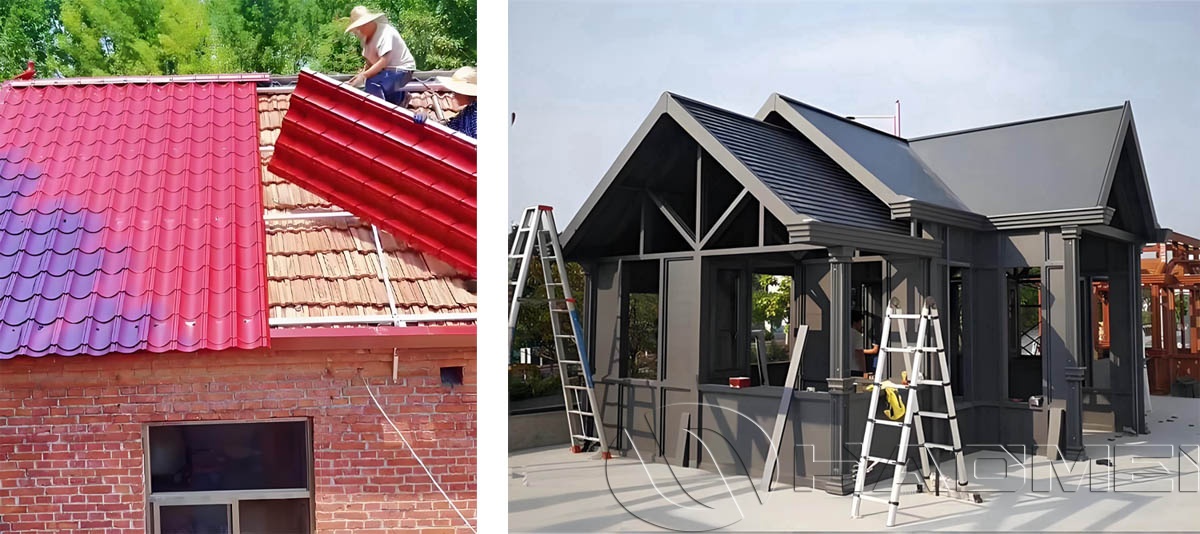
Its lightweight nature helps reduce dead load on the building structure, which is particularly valuable in large-span industrial buildings and prefabricated construction. At the same time, the coated surface improves visual consistency, making it suitable for projects that combine functional roofing performance with architectural appearance.
Performance factors that influence service life
For 3003 color coated aluminum roofing coil, long-term field performance is usually influenced by the following factors:
Environmental exposure
Coastal salt spray, high humidity, acid rain, industrial emissions, and strong UV radiation can accelerate coating aging. In these conditions, PVDF systems are generally more stable than standard PE systems.
Substrate and pretreatment quality
Even with the same alloy, differences in substrate cleanliness, pretreatment uniformity, and coating curing can significantly affect adhesion and corrosion resistance.
Design and installation conditions
Poor drainage, crevice retention of water, incompatible fasteners, and direct contact with dissimilar metals may reduce system durability. Roofing design should minimize long-term water accumulation and galvanic corrosion risk.
Color selection
Darker colors may absorb more heat, which can increase surface temperature under strong sunlight. This can affect thermal movement and long-term appearance behavior, especially in hot climates.
Typical quality control points
For official roofing-grade coil products, quality evaluation commonly focuses on:
Alloy and temper confirmation
Thickness tolerance and width tolerance
Coating thickness consistency
Gloss and color difference control
Pencil hardness
Impact resistance
T-bend performance
MEK solvent resistance
Salt spray resistance
Boiling water or cross-hatch adhesion testing
These indicators help ensure that the pre-painted aluminum coil can withstand fabrication and outdoor use without premature coating failure.
Summary of material suitability
3003 color coated aluminum coil remains a mainstream roofing material because it combines manageable strength, good workability, corrosion resistance, and stable coating compatibility. For standard architectural and industrial roofs, it provides a practical base material for long-length panels and profiled sheet production. When paired with the correct paint system, especially PE for general use or PVDF for higher weathering demands, it can meet a wide range of roofing performance and appearance requirements.
-
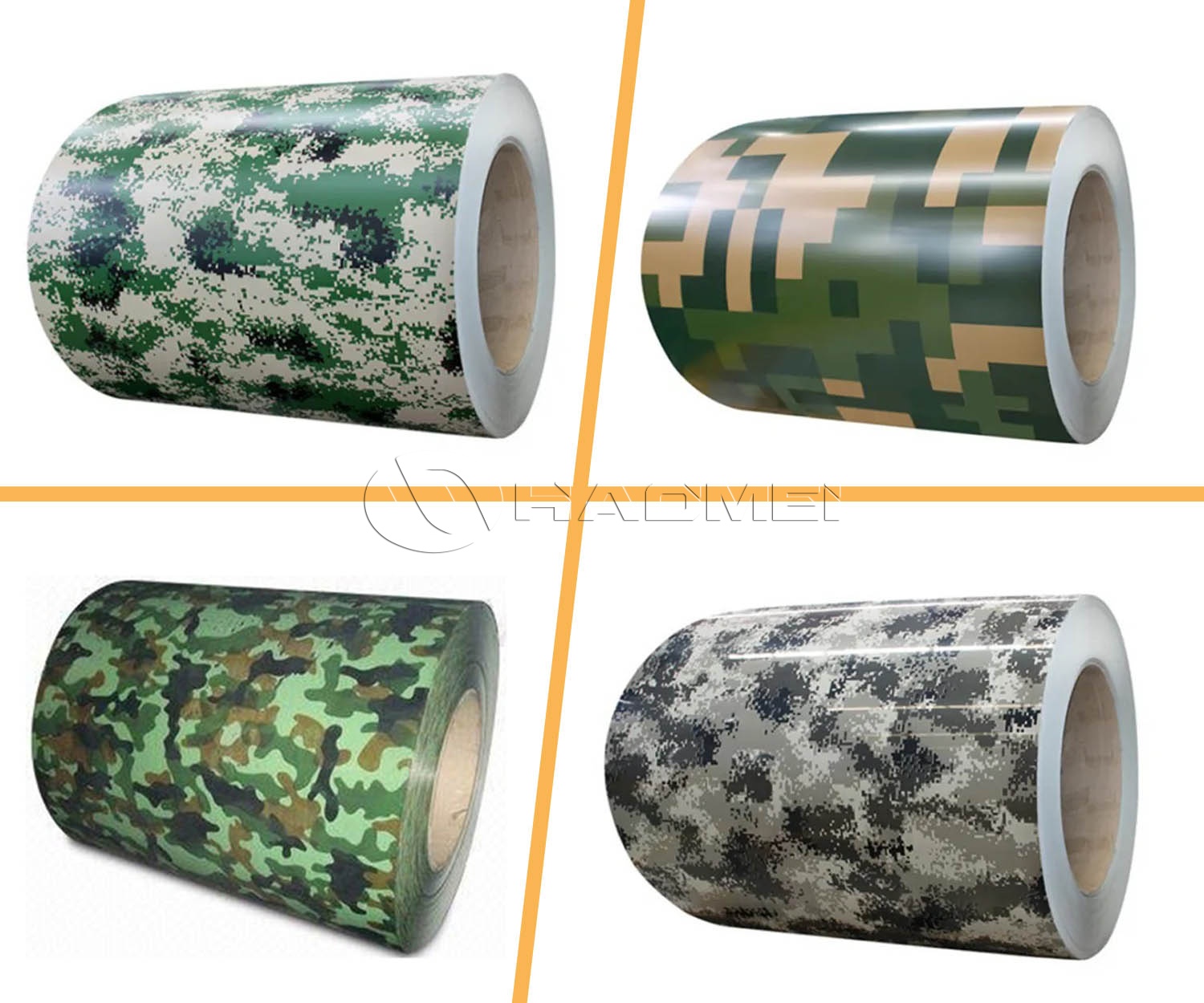
Decorative Camouflage-Pattern Aluminum Coils
Decorative camouflage-pattern aluminum coils combine PE or PVDF coating, workable alloys, and printed finishes for facades, ceilings, panels, and equipment.
2026-06-25
-
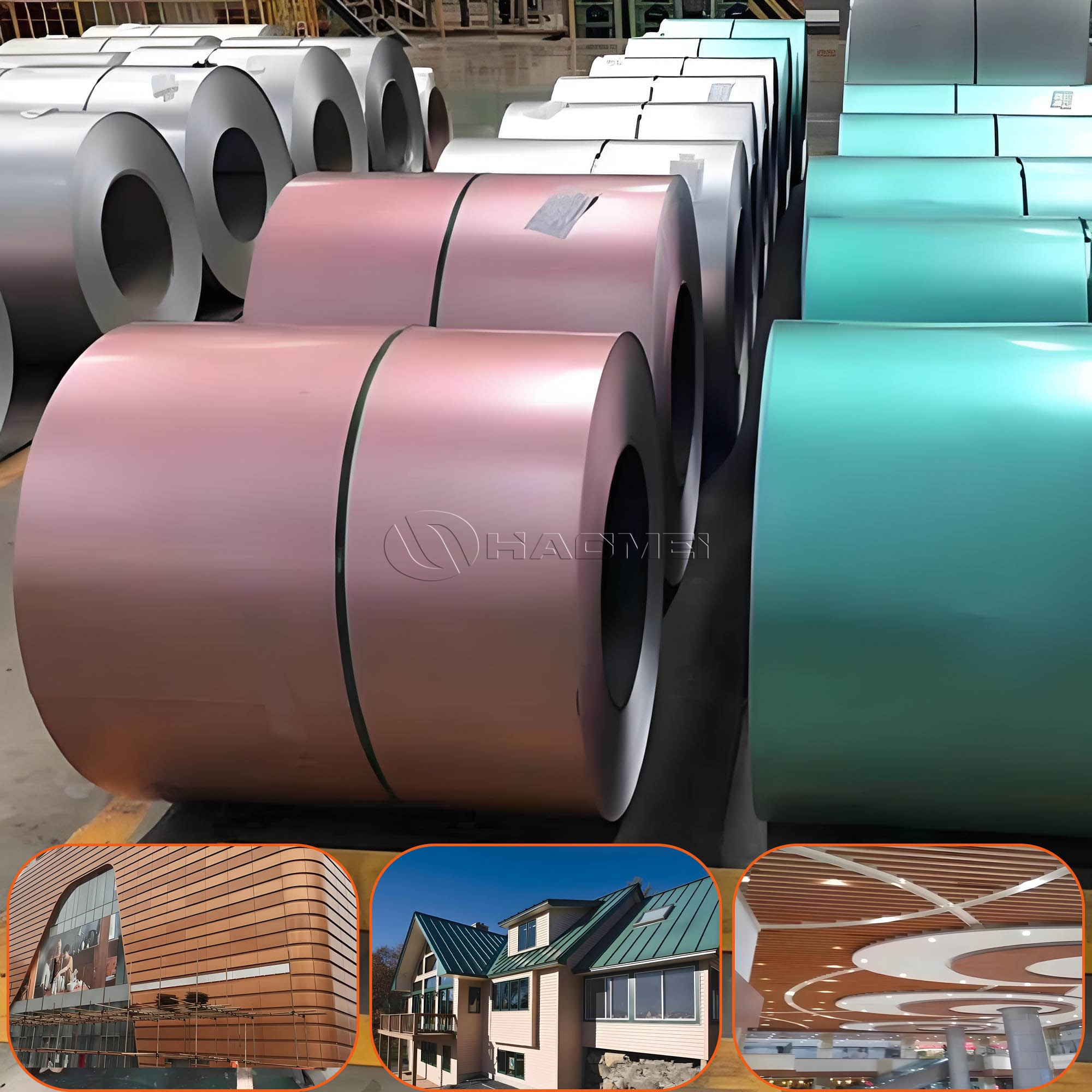
0.4mm, 0.6mm, 0.8mm, 1mm Cold-Rolled Color-Coated Aluminum Coil for Building Facades
Explore 0.4-1mm cold-rolled color-coated aluminum coil for building facades, including alloys, coating systems, dimensions, and facade performance data.
2026-08-28
-
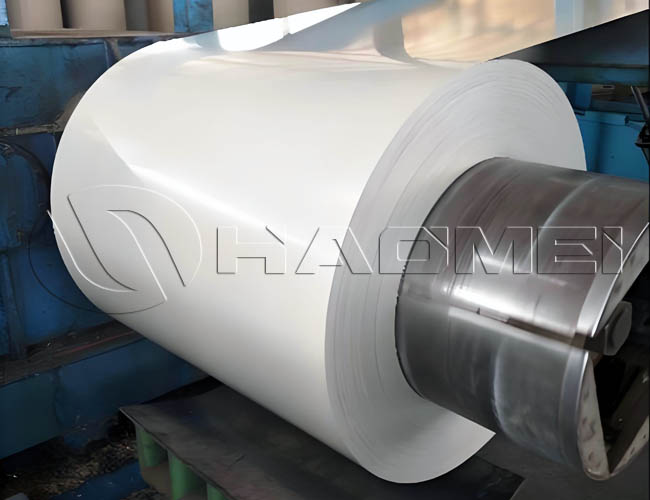
1100 Color-Coated Aluminum Coils for Automotive Interior Decoration
1100 PE / PVDF coated aluminum coils not only retain the physical properties of aluminum but also provide a wide range of color options, making them widely used in various automotive interior components.
2025-12-19
Contact Directly
-

ADD: No.14 Waihuan Road, CBD, Zhengzhou, China
-

WhatsApp: +86-18703635966
-

E-MAIL: sales@alummc.com