

News
 By Hermione
1100 Painted Aluminum Coil Vs 3003 Coated Aluminum Coil
In the color-coated aluminum market, 1100 painted aluminum coil and 3003 color coated aluminum coil are two widely used options for building decoration, roofing accessories, rainwater systems, ceiling panels, appliance panels, signage, and general fabrication. Their positioning is different: 1100 is typically selected when high purity, excellent formability, and a smooth surface are priorities, while 3003 is preferred when a better balance of strength, corrosion resistance, and processing stability is required in more demanding service conditions.
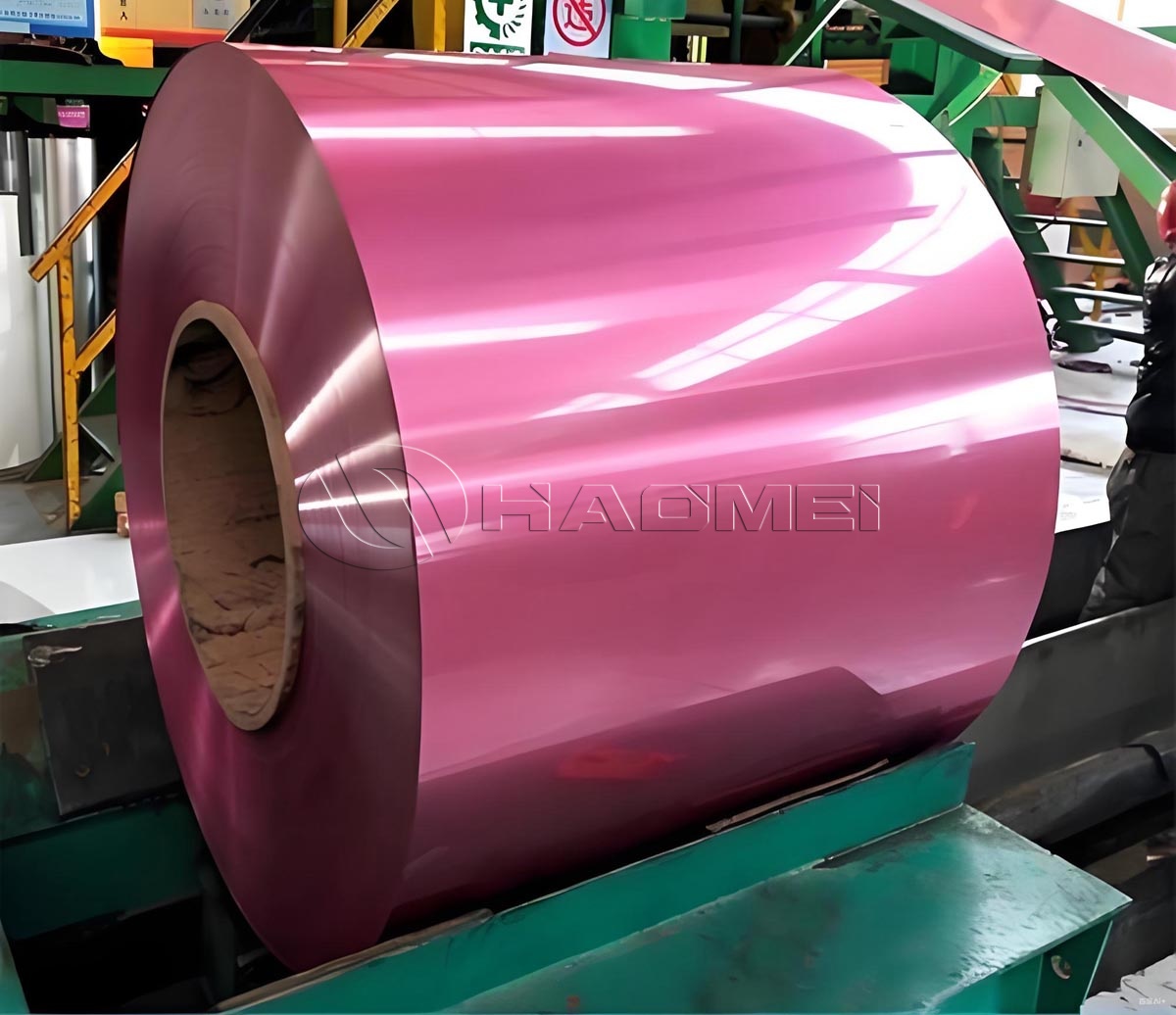
Understanding the difference between 1100 and 3003
Although both materials can be supplied as pre-painted or color-coated coils, the substrate alloy has a direct influence on mechanical behavior, forming response, end-use durability, and processing suitability.
1100 aluminum coil belongs to the commercially pure aluminum series. Its aluminum content is generally not less than 99.00%, which gives it excellent ductility, good corrosion resistance, and very good workability. In painted coil applications, it is often used where deep drawing, bending, roll forming with low load, or a refined decorative appearance is needed.
3003 aluminum coil is an Al-Mn alloy. By adding manganese, the alloy gains higher strength than 1100 while still retaining good formability and corrosion resistance. This makes 3003 one of the most common choices in architectural and industrial color-coated aluminum products, especially where the panel or profile must maintain shape more effectively after forming or in service.
Chemical composition and alloy characteristics
The most fundamental distinction is alloy design.
1100: high-purity aluminum with very limited alloying additions
3003: aluminum alloyed mainly with manganese, with a small amount of copper
This difference affects several key properties:
Strength level
3003 is stronger than 1100 in typical tempers used for coated coil. When panel rigidity, dent resistance, or profile retention matters, 3003 usually performs better.Formability
1100 has excellent softness and ductility, making it especially suitable for complex forming, smooth bends, and applications sensitive to surface uniformity.Corrosion behavior
Both alloys offer good corrosion resistance, but 3003 generally provides a stronger overall performance balance for architectural exterior use, especially when paired with a durable coating system.Surface appearance
1100 is often favored for applications requiring a clean, flat, visually consistent painted surface. Its high aluminum purity can be advantageous for decorative products.
Core Specifications of 1100 Painted Aluminum Coil and 3003 Coated Aluminum Coil
| Item | 1100 Painted Aluminum Coil | 3003 Coated Aluminum Coil |
|---|---|---|
| Alloy series | 1xxx series | 3xxx series |
| Main alloy feature | Commercially pure aluminum | Aluminum-manganese alloy |
| Typical aluminum content | ≥ 99.00% | Balance aluminum with Mn as main alloying element |
| Relative strength | Lower | Higher than 1100 |
| Formability | Excellent | Very good |
| Surface smoothness | Excellent | Good to excellent |
| Corrosion resistance | Good | Good to very good |
| Common tempers | H14, H16, H18, H24 | H14, H16, H18, H24 |
| Typical coating systems | PE, SMP, HDP, PVDF | PE, SMP, HDP, PVDF |
| Typical paint thickness | 14-25 μm top coat for PE, 25-35 μm top coat for PVDF | 14-25 μm top coat for PE, 25-35 μm top coat for PVDF |
| Typical thickness range | 0.20-1.20 mm | 0.20-1.50 mm |
| Typical width range | 30-1600 mm | 30-1600 mm |
| Common applications | Ceiling, signage, interior trim, light decorative panels | Roofing, cladding, gutters, ceiling systems, appliance and industrial panels |
Coating system compatibility
For both 1100 and 3003 substrates, coating selection is just as important as alloy selection. The most common systems include PE and PVDF.
PE coating is widely used for interior decoration, signage, ceiling products, and general-purpose applications where weathering demand is moderate. In many standard decorative uses, PE Coated Aluminum Coil provides good color consistency, flexibility, and cost efficiency.
PVDF coating is commonly selected for exterior facade panels, roofing, and projects with higher UV, humidity, and pollution exposure. For long-term outdoor durability, PVDF Coated Aluminum Coil is usually the more stable option.
The substrate alloy and coating system should be matched together. For example, 1100 with PE may be very suitable for indoor decorative panels, while 3003 with PVDF is often more appropriate for exterior architectural sheet and formed components.
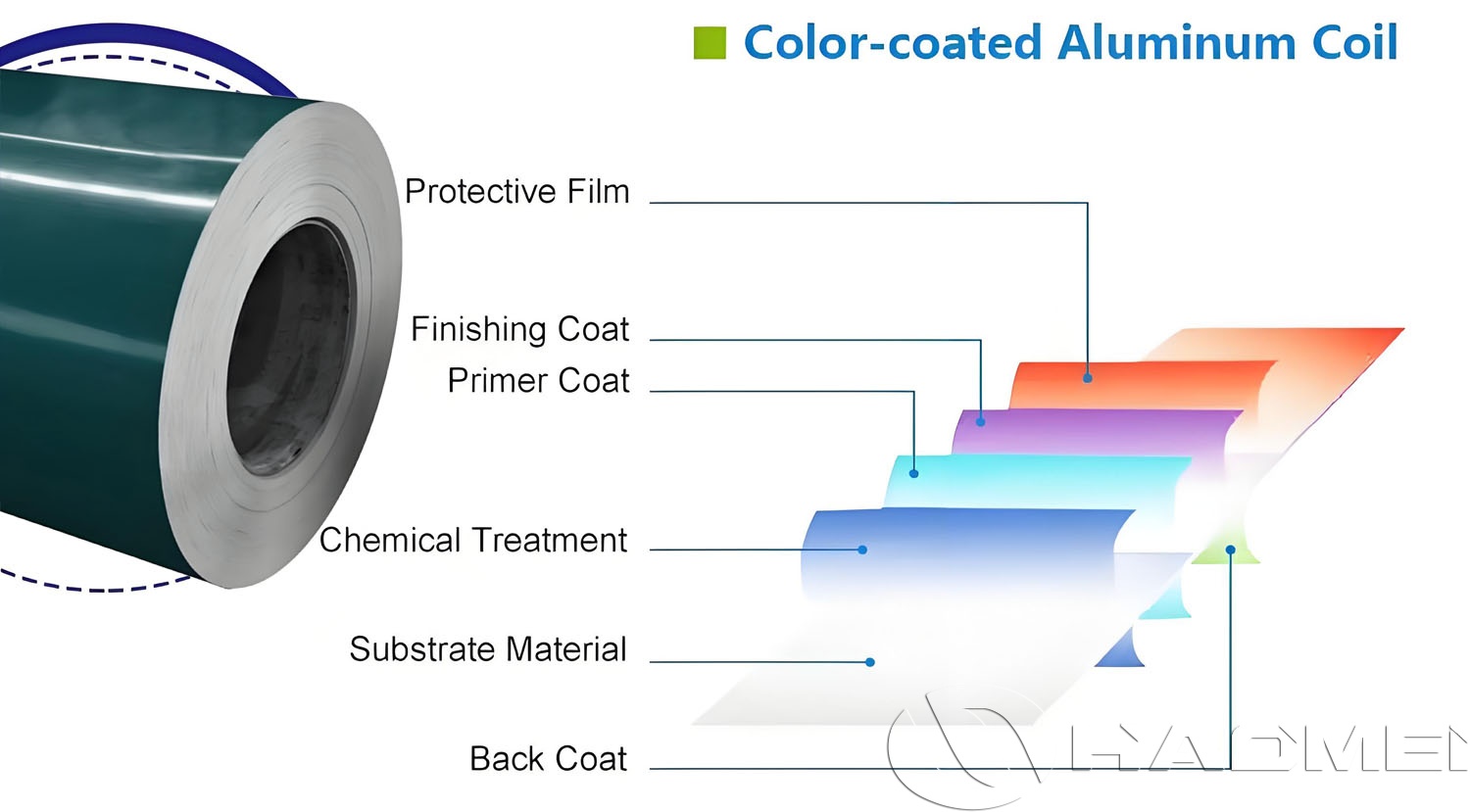
Processing performance in coated coil production
In actual manufacturing, the difference between 1100 and 3003 is also visible during unwinding, cleaning, pretreatment, coating, curing, slitting, and downstream fabrication.
1. Roll forming and bending
1100 painted aluminum coil offers very smooth bending performance because of its lower strength and higher elongation. It is well suited for products with tighter radii, softer profiles, and lighter structural demand.
3003 coated aluminum coil resists deformation better after forming. For long panels, profiled sheets, drainage components, and architectural accessories that must hold geometry more reliably, 3003 is often the better engineering choice.
2. Stamping and fabrication
1100 is commonly selected for shallow stamped parts, interior decorative covers, and applications where low forming stress helps preserve coating integrity.
3003 is more widely used when the finished product needs a stronger substrate without moving to a higher-cost alloy family.
3. Flatness and surface quality
Both alloys can achieve good coating appearance when process control is stable. However, 1100 is often associated with a very refined decorative finish because of its purity and soft material response.
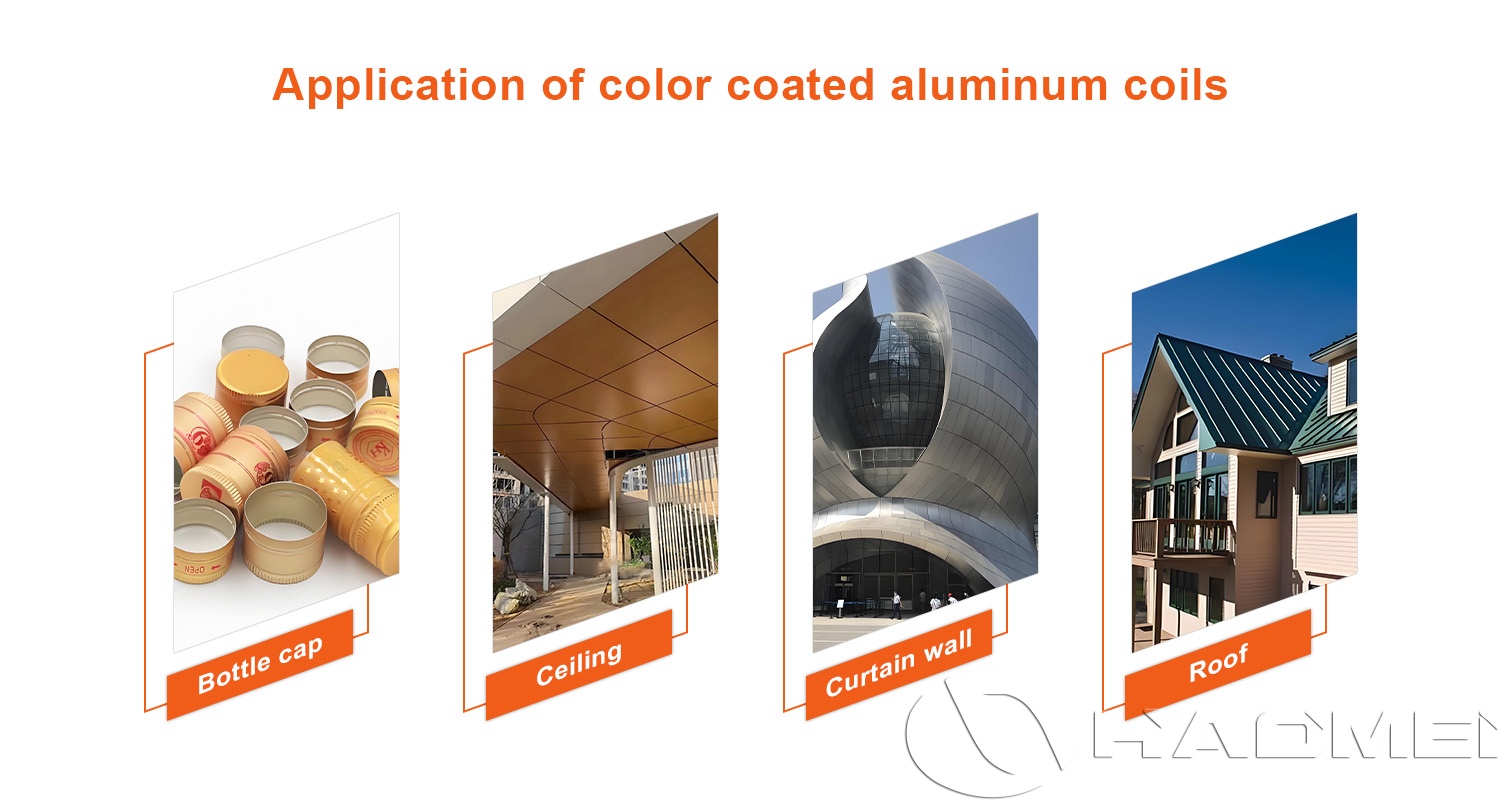
Typical application comparison
Common applications for 1100 painted aluminum coil
Interior ceiling panels
Sign boards and advertising panels
Decorative trims
Insulation jacketing with painted finish
Light-duty roll formed profiles
Appliance appearance parts with low structural demand
For projects emphasizing decorative quality and easy forming, 1100 Color Coated Aluminum Coil is a common substrate choice.
Common applications for 3003 coated aluminum coil
Roofing sheets and wall cladding
Rain gutters and downspout components
Curtain wall auxiliary parts
Ceiling carrier-related decorative panels
Refrigeration and appliance panels
Trailer, container, and industrial shell components
Where more strength and better shape retention are needed, 3003 Color Coated Aluminum Coil is widely used.
Selection logic: when 1100 is better and when 3003 is better
Choose 1100 color coated aluminum coil when:
The product is mainly decorative rather than structural
Very good ductility is required
Tight bending or soft forming is involved
Surface smoothness and visual finish are prioritized
The service environment is relatively mild
Choose 3003 color coated aluminum coil when:
The product needs higher mechanical strength
Better stiffness and shape retention are required
The application is architectural exterior or semi-exterior
Roll forming and installation impose more stress on the sheet
Long-term functional durability is more important than maximum softness
Performance considerations beyond alloy
In practical coated aluminum engineering, alloy alone does not determine service life. The following factors are equally important:
substrate temper
pretreatment quality
primer and topcoat formulation
dry film thickness
curing control
gloss and color design
edge protection after slitting and forming
service environment, including UV, chloride, humidity, and industrial pollutants
A well-manufactured 1100 painted coil can outperform a poorly processed 3003 coil in decorative service, while a properly engineered 3003 PVDF system will usually outperform 1100 PE systems in demanding exterior weather exposure.
Summary of the technical comparison
From a materials engineering perspective, 1100 painted aluminum coil is primarily valued for purity, softness, and decorative formability. 3003 coated aluminum coil is valued for its broader structural usefulness, better strength, and strong suitability for architectural and industrial fabricated products. If the application centers on appearance and easy forming, 1100 is often sufficient. If the application requires a stronger and more stable substrate under forming, installation, and outdoor service, 3003 is generally the more versatile option.
-
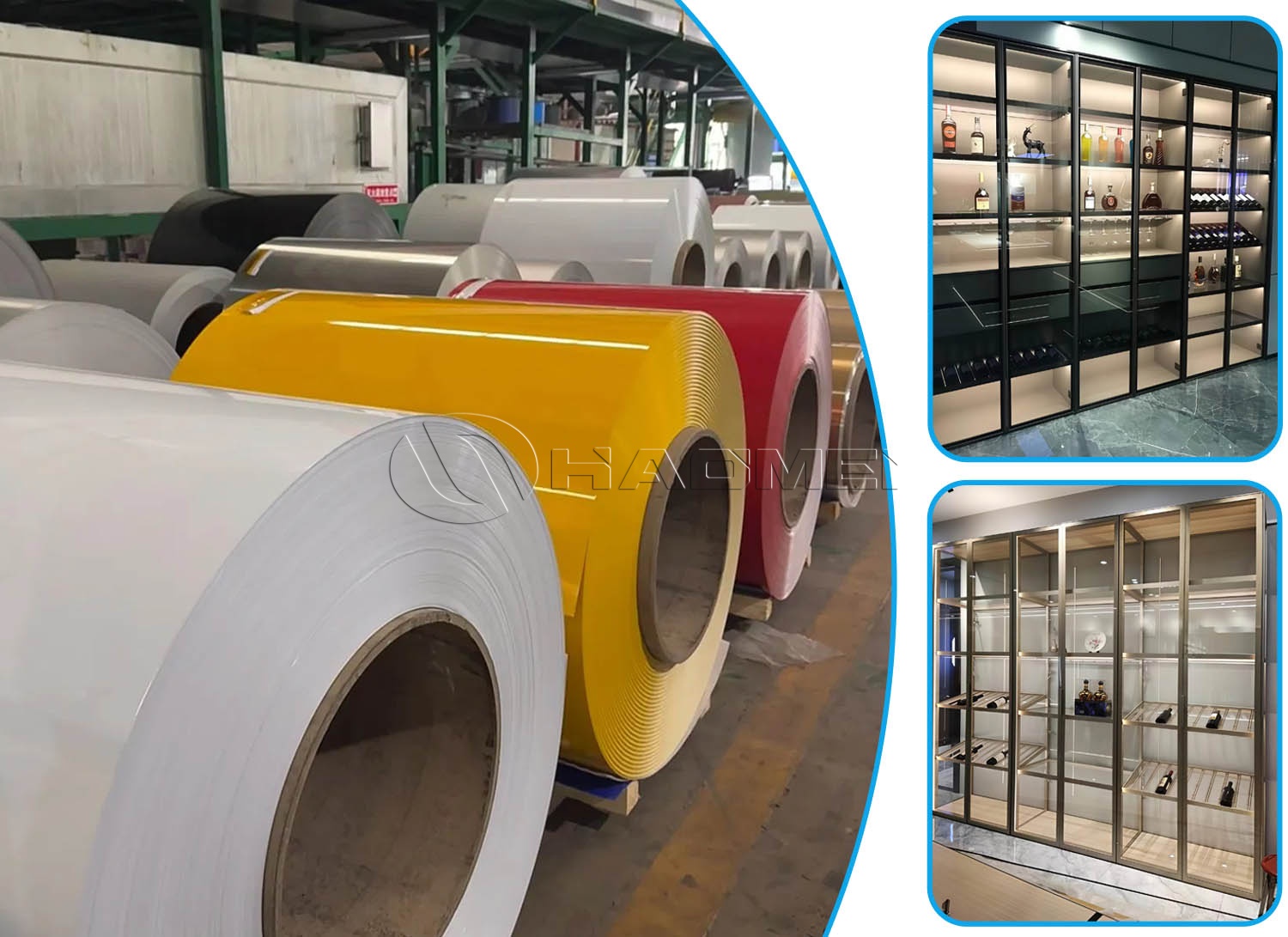
3004 PE / PVDF Color-Coated Aluminum Coil for Shopping Mall Display Cabinets
3004 PE/PVDF color-coated aluminum coil provides formability, durable finishes, and clean visual appeal for shopping mall display cabinets and trims.
2026-09-24
-
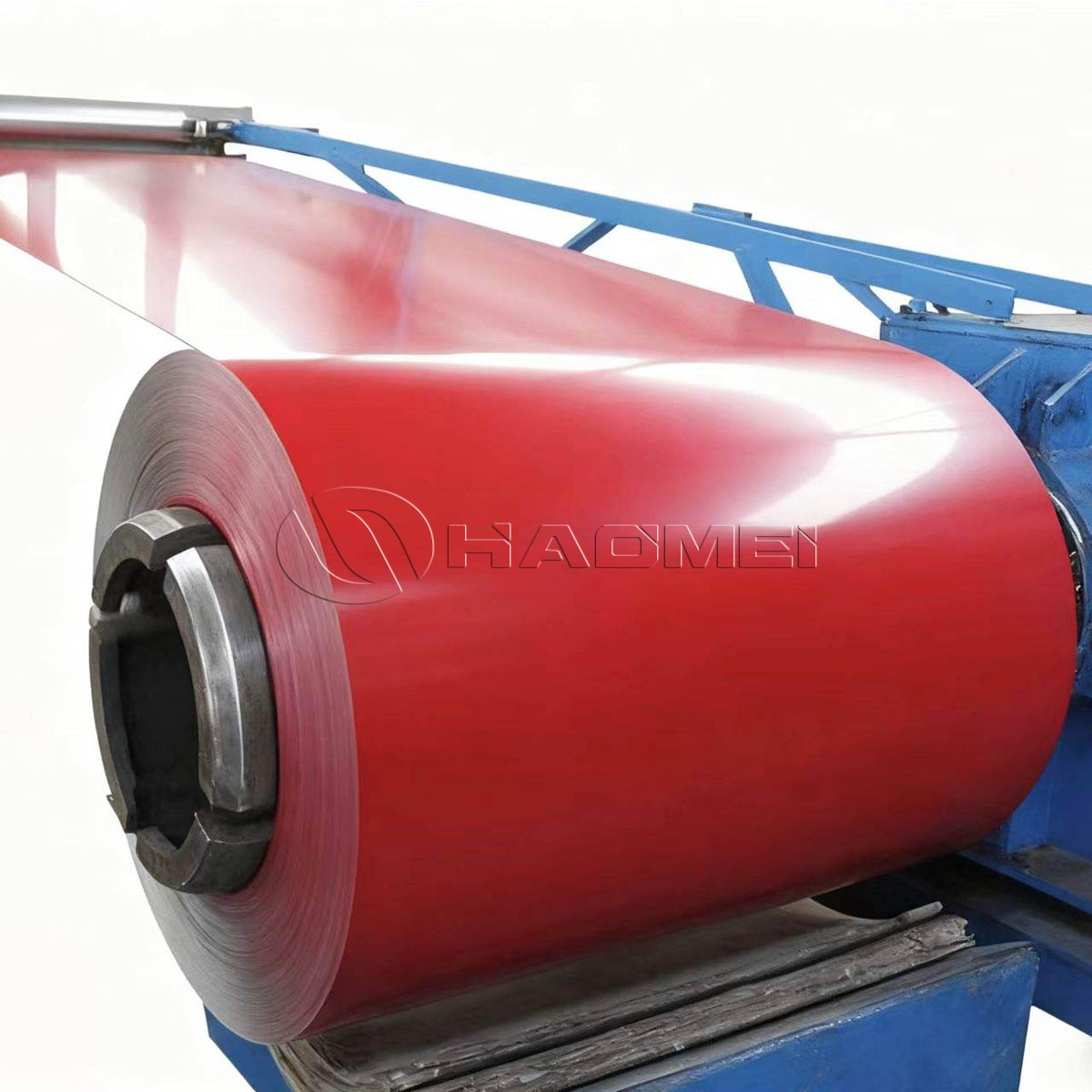
Color-Coated Aluminum Coils Are Used for Metal Roofing and Ceilings
Color-coated aluminum coils for metal roofing and ceilings combine durable PE or PVDF finishes, suitable alloys, forming reliability, and corrosion resistance outdoors.
2026-08-10
-
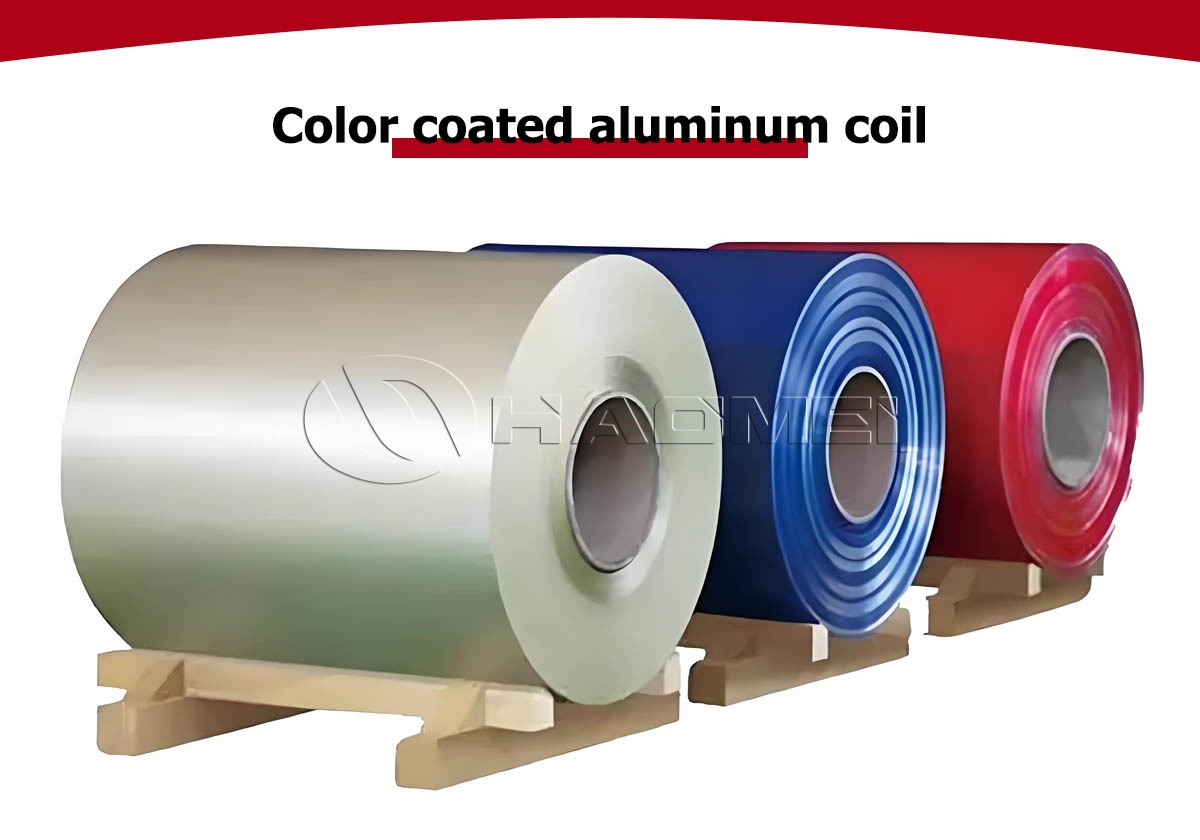
0.35mm-2.2mm 1060 H24 Color Coated Aluminum Coil for Warehouse Roofing
1060 H24 color coated aluminum coil delivers lightweight, durable PE or PVDF protection for warehouse roofing across 0.35mm to 2.2mm thicknesses reliably.
2026-08-25
Contact Directly
-

ADD: No.14 Waihuan Road, CBD, Zhengzhou, China
-

WhatsApp: +86-18703635966
-

E-MAIL: sales@alummc.com