

News
 By Hermione
0.4mm, 0.6mm, 0.8mm, 1mm Cold-Rolled Painted Aluminum Coil (1005, 1060, 1100, 3003)
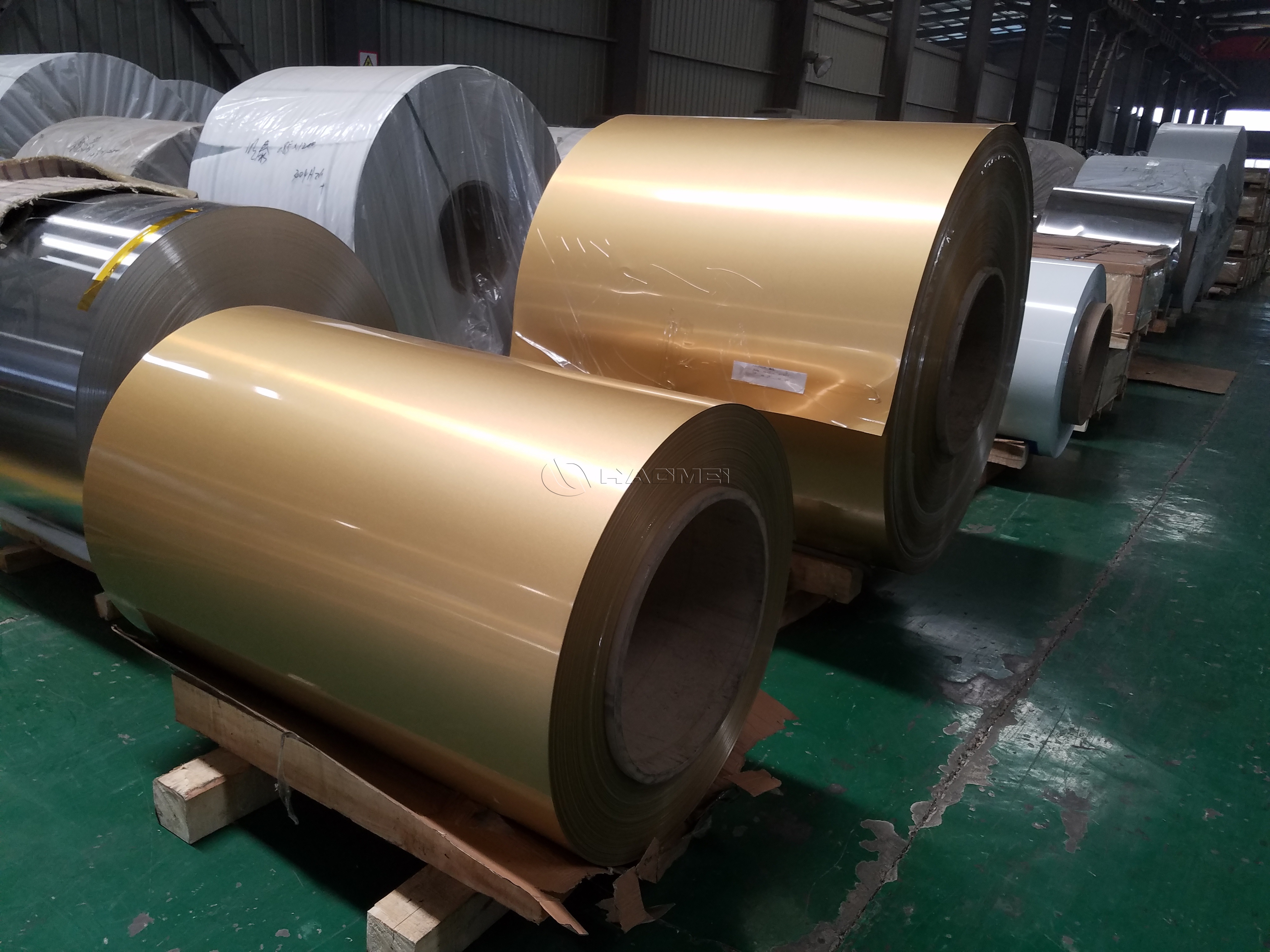
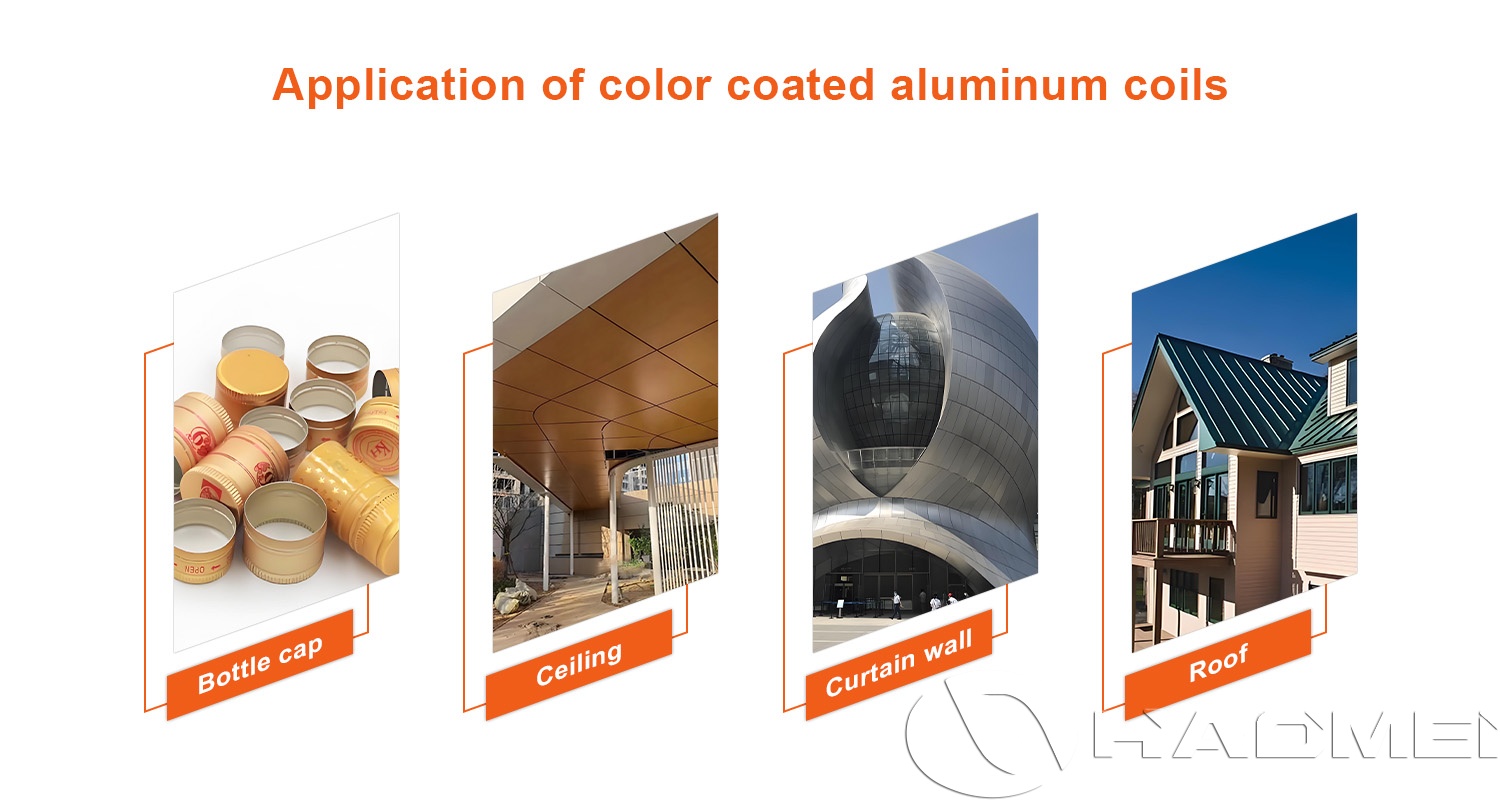
Cold-rolled painted aluminum coil in 0.4mm, 0.6mm, 0.8mm and 1mm thicknesses is positioned as a lightweight, formable and decorative metal material for architectural and industrial fabrication. It is commonly used in roofing sheets, ceiling panels, wall cladding, aluminum composite panel skins, roller shutter components, trim parts, sign substrates, ventilation panels and general sheet metal products requiring a stable coated surface.
Product Structure and Material Characteristics
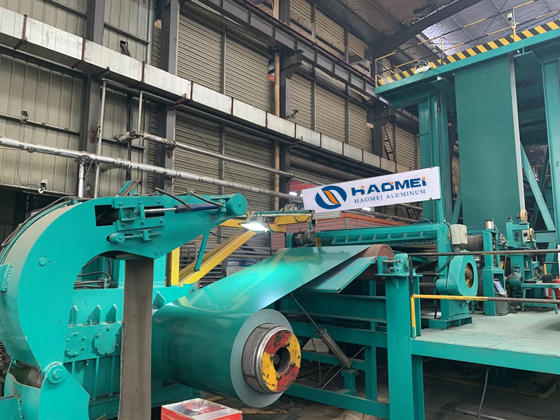
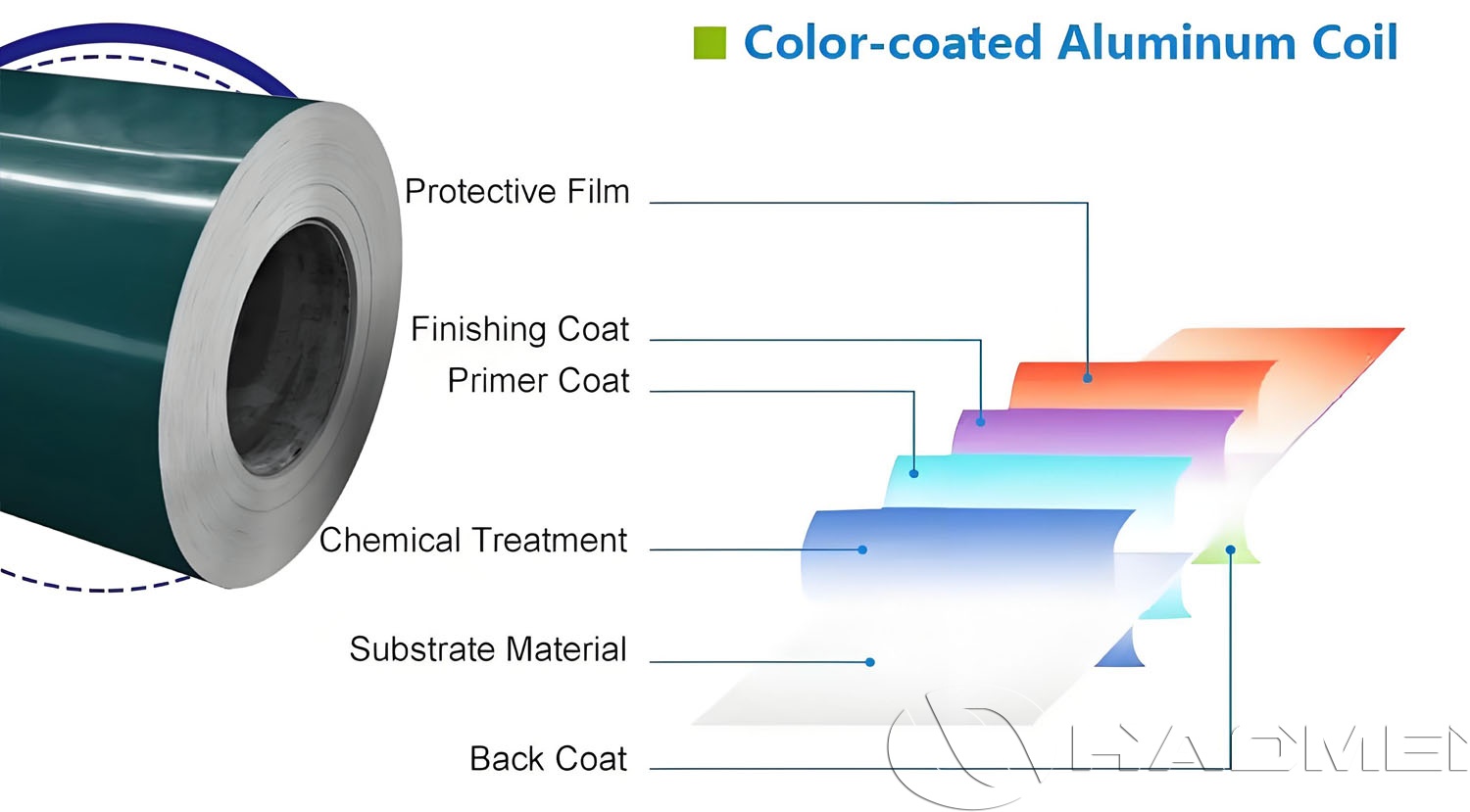
Pre-painted aluminum coil is produced by applying a controlled coating system onto cold-rolled aluminum substrate after cleaning, pretreatment and continuous coil coating. The cold-rolled base metal provides uniform thickness, smooth surface quality and predictable forming behavior, while the coating layer provides color, gloss, weather resistance and surface protection.
A typical product structure includes aluminum substrate, chemical conversion layer, primer, topcoat and optional backcoat. The coating system may be based on PE for indoor and general exterior applications or PVDF for higher weatherability and longer outdoor exposure. For projects requiring long-term color retention and UV resistance, PVDF Coated Aluminum Coil is frequently associated with facade, roofing and exterior ceiling systems.
Thickness Range and Application Logic
The 0.4mm to 1mm range covers many lightweight forming and building envelope applications. Thinner gauges such as 0.4mm and 0.6mm are often used where weight reduction and easy roll forming are important, while 0.8mm and 1mm coils provide higher stiffness for panels, covers and components with larger spans or higher handling requirements.
0.4mm painted aluminum coil is suitable for ceilings, decorative liners, small-profile cladding elements and light-duty formed parts. 0.6mm coil offers a balanced combination of formability and rigidity, making it common in roofing accessories, wall panels and signage. 0.8mm coil is widely used for architectural sheet components, panel skins and industrial covers. 1mm painted aluminum coil provides improved flatness retention and mechanical stability for more demanding formed products.
Core Specifications of Cold-Coated Aluminum Coil
| Specification Item | Common Range / Description |
|---|---|
| Product name | Cold-rolled painted aluminum coil |
| Thickness | 0.4mm, 0.6mm, 0.8mm, 1mm |
| Common alloys | 1005, 1060, 1100, 3003 |
| Temper | O, H14, H16, H18, H24 and related tempers |
| Coating type | PE, PVDF, polyester, modified polyester, special decorative coating |
| Surface finish | Smooth, matte, high gloss, metallic, embossed, wood grain or custom pattern |
| Common colors | White, silver, grey, black, blue, red, green, metallic colors and custom RAL colors |
| Width | Commonly 600-1600mm, depending on production configuration |
| Inner diameter | 405mm, 508mm or customized coil ID |
| Application fields | Roofing, ceilings, facades, ACP skins, signs, shutters, trim and formed parts |
Common Alloys: 1005, 1060, 1100 and 3003
1005 Aluminum Alloy
1005 aluminum belongs to the 1000 series commercially pure aluminum family. It offers high aluminum content, good corrosion resistance, low density and excellent workability. In painted coil applications, 1005 is generally selected for light forming, decorative surfaces and components where high strength is not the primary requirement.
1060 Aluminum Alloy
1060 aluminum has a high aluminum content and is known for good elongation, corrosion resistance and surface quality. It is suitable for painted coils used in ceilings, decorative sheets, insulation jacketing, signage and light building materials. The surface stability of 1060 Color Coated Aluminum Coil supports consistent coating appearance and reliable forming performance.
1100 Aluminum Alloy
1100 aluminum is another widely used commercially pure aluminum alloy with excellent formability and corrosion resistance. It performs well in bending, stamping and roll forming processes. In painted aluminum coil production, 1100 is often used for roof accessories, ceiling panels, decorative sheets, nameplates and general-purpose coated products.
3003 Aluminum Alloy
3003 aluminum is an Al-Mn alloy with higher strength than 1000 series aluminum while maintaining good workability and corrosion resistance. For painted coil applications, 3003 is commonly used in roofing, wall cladding, panels, garage doors, shutters and formed components where improved rigidity is required. Its balanced mechanical properties make it a practical substrate for 0.8mm and 1mm coated aluminum coil.
Coating Systems and Surface Performance
The coating layer determines the visual effect and long-term service performance of painted aluminum coil. PE coating provides good adhesion, color diversity and economical performance for interior decoration, ceilings and moderate exterior environments. PVDF coating offers stronger resistance to ultraviolet radiation, chalking, chemical exposure and outdoor weathering, making it more suitable for exterior wall systems, roofing and building envelope products.
Important coating performance indicators include film thickness, color difference, gloss stability, T-bend flexibility, impact resistance, pencil hardness, solvent resistance, adhesion after boiling water test and salt spray resistance. For continuous production, stable pretreatment and curing temperature control are essential to obtain consistent coating adhesion and surface durability.
Manufacturing and Process Control
Cold-coated aluminum coil production requires close control of both metal substrate and coating process. The aluminum coil must have uniform thickness tolerance, clean surface, suitable temper and stable coil shape before entering the coating line. During pretreatment, oil removal and chemical conversion improve the bonding between substrate and primer.
Coating thickness uniformity is controlled through precision roller coating. Oven curing conditions must match the paint chemistry to ensure full film formation without under-curing or over-baking. After cooling, the coil is inspected for surface defects such as scratches, pinholes, color variation, edge waves, coating streaks and poor adhesion. Proper winding tension also helps maintain coil flatness and prevents surface imprinting during storage and transport.
Technical Advantages in Fabrication
Painted aluminum coil in 0.4mm to 1mm thickness offers several engineering advantages for downstream processing. Its low weight reduces structural load, while the cold-rolled substrate supports slitting, shearing, bending, roll forming, punching and laminating. Compared with post-painted sheet fabrication, pre-painted coil improves color consistency and production efficiency for continuous manufacturing.
The natural corrosion resistance of aluminum, combined with organic coating protection, allows the material to perform in many indoor and outdoor environments. The alloy and temper combination affects forming radius, panel stiffness and resistance to handling deformation, while coating flexibility is important for sharp bends and roll-formed profiles.
Quality Validation Items
Typical quality validation for painted aluminum coil includes substrate thickness measurement, coating thickness testing, color and gloss inspection, cross-cut adhesion, T-bend testing, impact testing, MEK rub resistance, hardness testing and accelerated corrosion exposure. For exterior-grade materials, weathering performance, UV resistance and chalking resistance are also evaluated according to project requirements and relevant test standards.
Packaging normally includes moisture-proof wrapping, edge protection, coil eye protection and palletized support. Stable packaging helps protect the coated surface from abrasion, water staining and coil edge damage during handling and transportation.
-
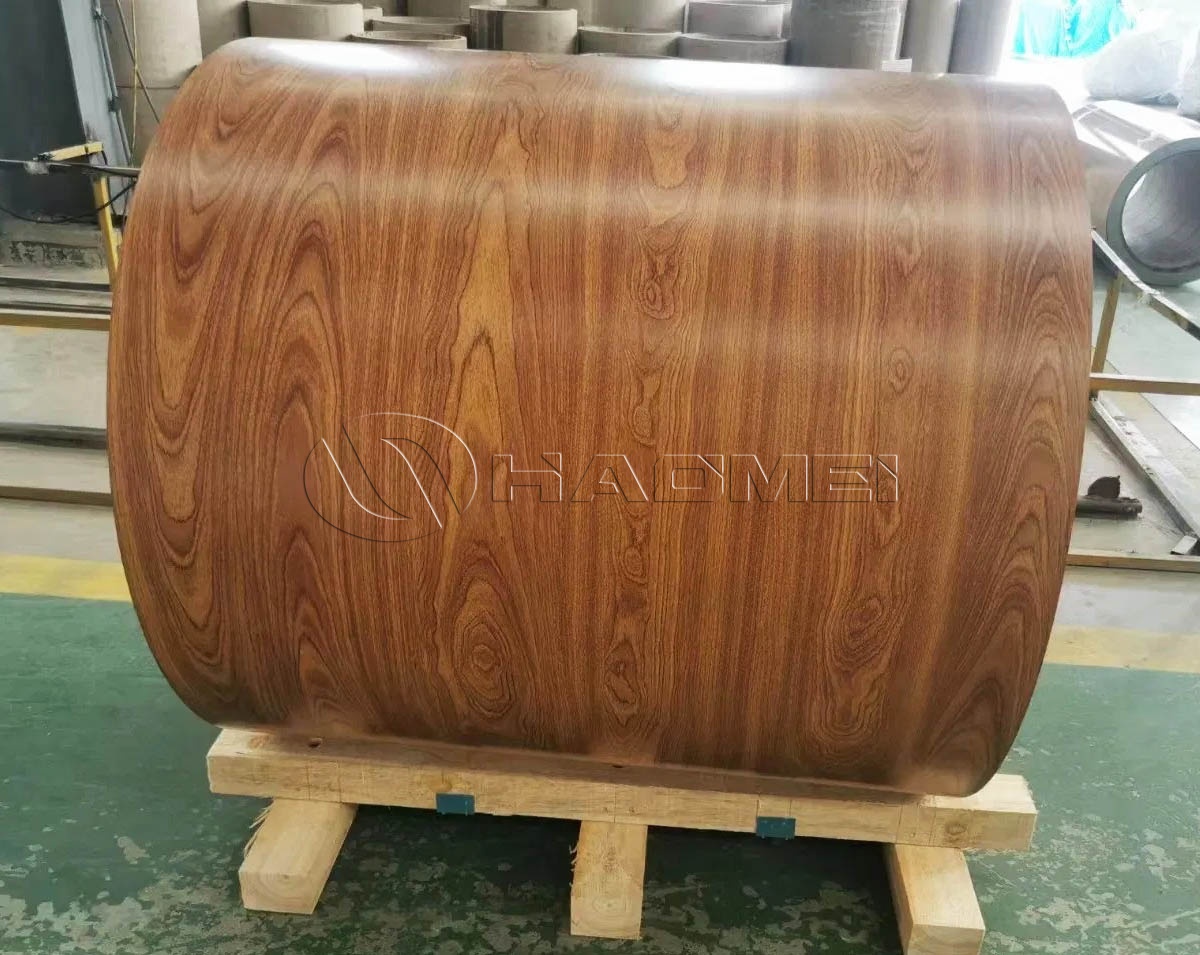
Wood Grain Aluminum Coil For Interior Decoration
Wood grain aluminum coil for interior decoration combines PE/PVDF coatings with stable alloys like 3003/3105/5052 to deliver consistent color, formability, and durability.
2026-03-11
-
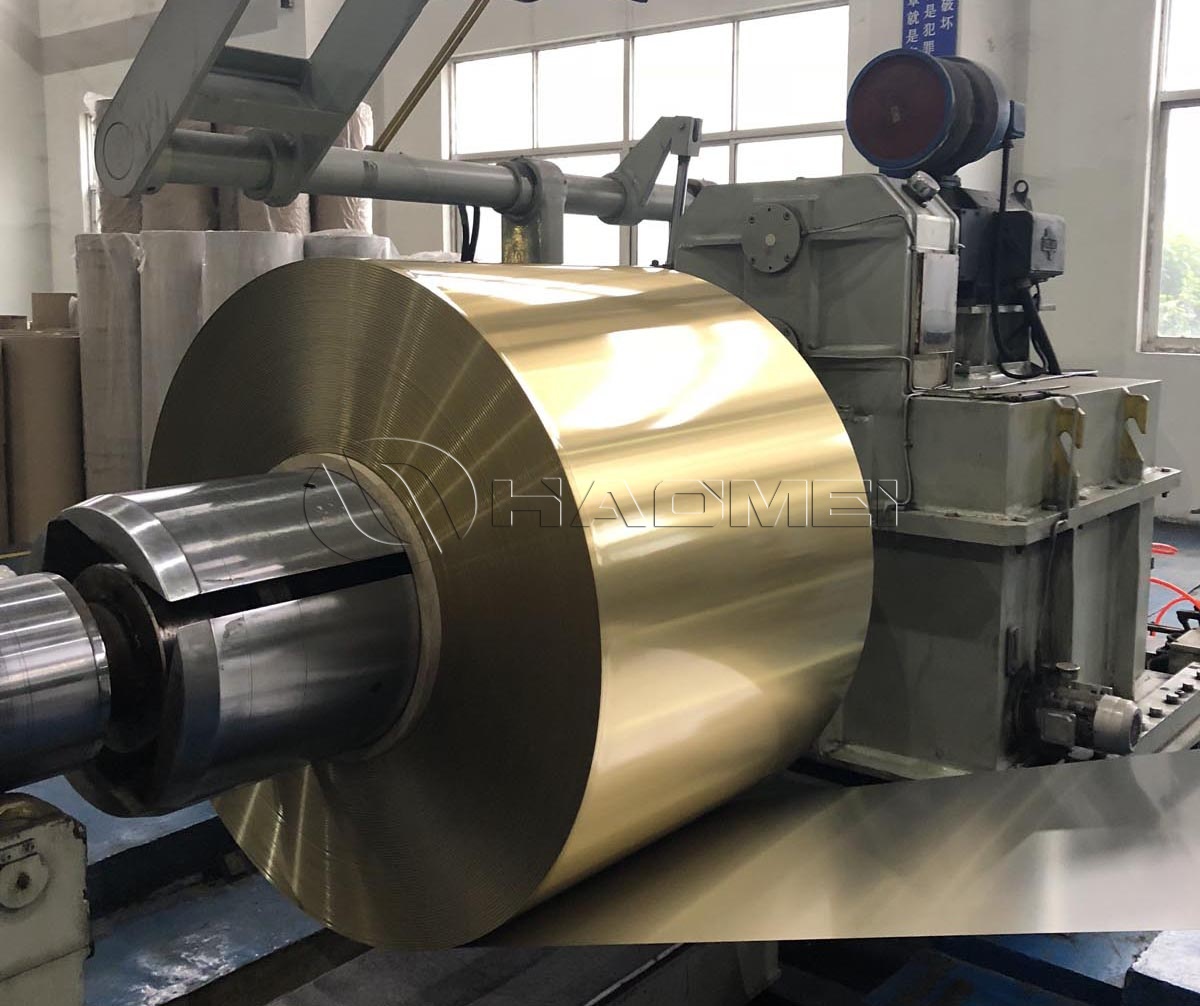
5000 Series Color Coated Aluminum Coil for Signage
Explore 5000 series color coated aluminum coil for signage, including 5005 and 5052 alloys, coating options, dimensions, fabrication, and durability.
2026-09-14
-
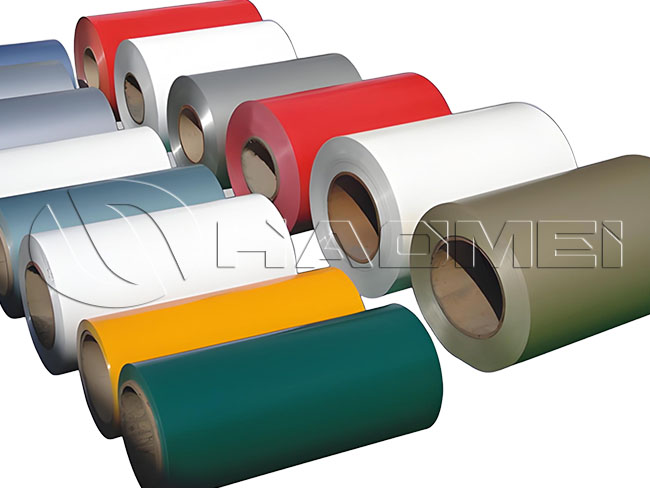
Custom RAL Color 5052 Aluminum Coil
5052 color-coated aluminum coils can be customized in color according to the ARL color chart and are widely used in architectural decoration, transportation and other fields.
2025-12-10
Contact Directly
-

ADD: No.14 Waihuan Road, CBD, Zhengzhou, China
-

WhatsApp: +86-18703635966
-

E-MAIL: sales@alummc.com