

News
 By Hermione
How Is Wood Grain Aluminum Coil Made
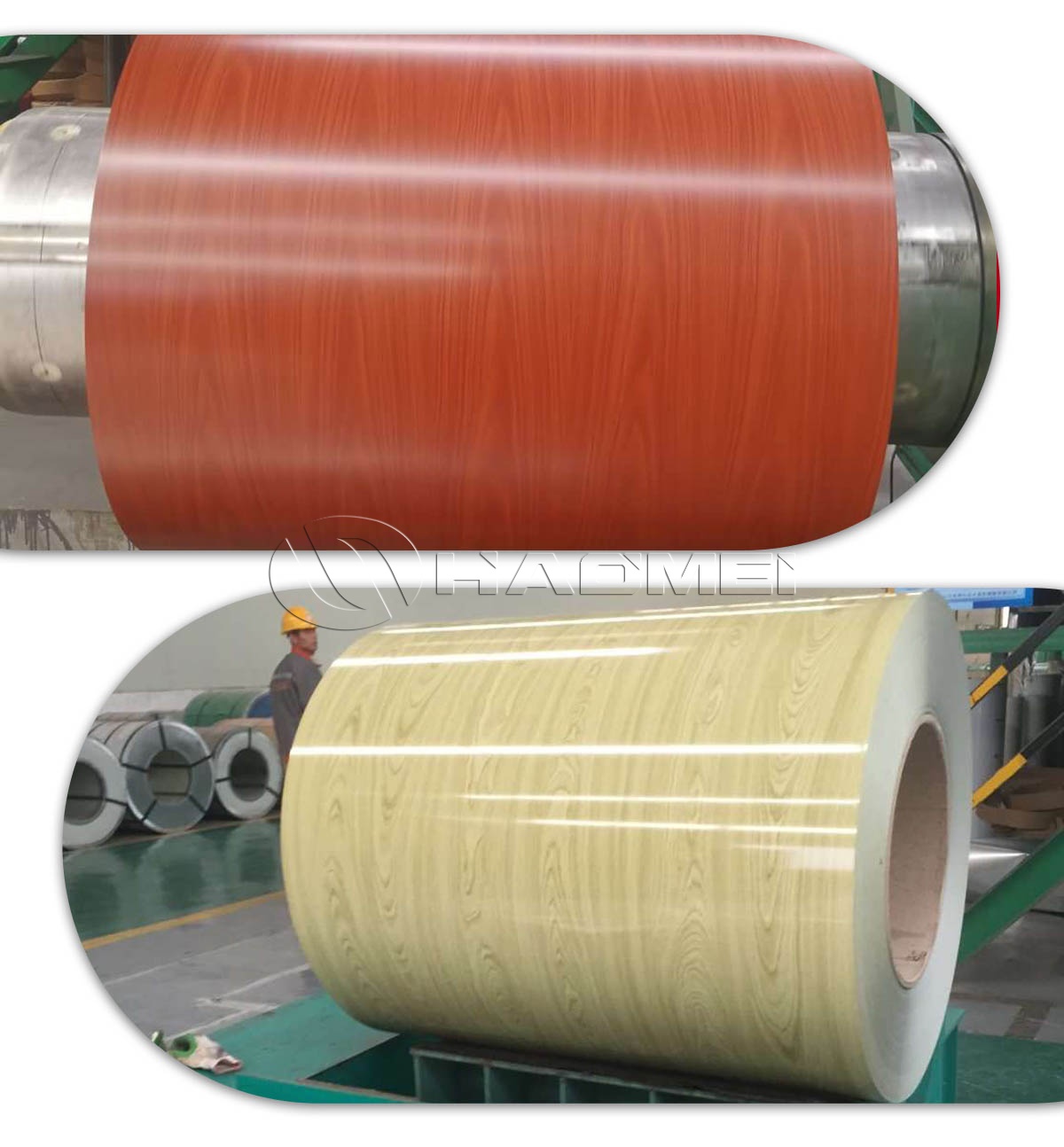
Wood grain aluminum coil is a decorative, weatherable pre-painted aluminum coil designed to deliver the visual warmth of timber with the dimensional stability and corrosion resistance of aluminum. It is widely specified for architectural envelopes and interior finishes where consistent appearance, low maintenance, and fire-safe substrate performance are required, such as facades, soffits, ceilings, shutters, and furniture panels.
The substrate: why aluminum works for wood-look surfaces
A convincing wood pattern is only part of the requirement. In real projects, the substrate must stay flat, form without cracking, and resist corrosion at cut edges and fastener points. Aluminum coil meets these needs because it combines:
Good formability (roll forming, bending, stamping) with stable dimensions.
Natural corrosion resistance that is further enhanced by pretreatment and primers.
Low density for easier handling and lower structural load.
In practice, the alloy and temper are selected to balance forming and stiffness. Common choices include:
1xxx series (e.g., 1050/1060/1100) for maximum formability and smooth appearance.
3xxx series (e.g., 3003/3105) for improved strength for roofing, siding, and ceiling systems.
5xxx series (e.g., 5005/5052) where higher strength and better dent resistance are needed.
Because wood grain aluminum is typically supplied as a coil for downstream fabrication, substrate cleanliness, surface energy, and coil flatness are critical upstream variables: they directly determine coating adhesion and the final print definition.
The coating stack: building adhesion, corrosion protection, and pattern clarity
Wood grain aluminum coil is not just a printed surface. It is a layered system engineered for adhesion, durability, and consistent color.
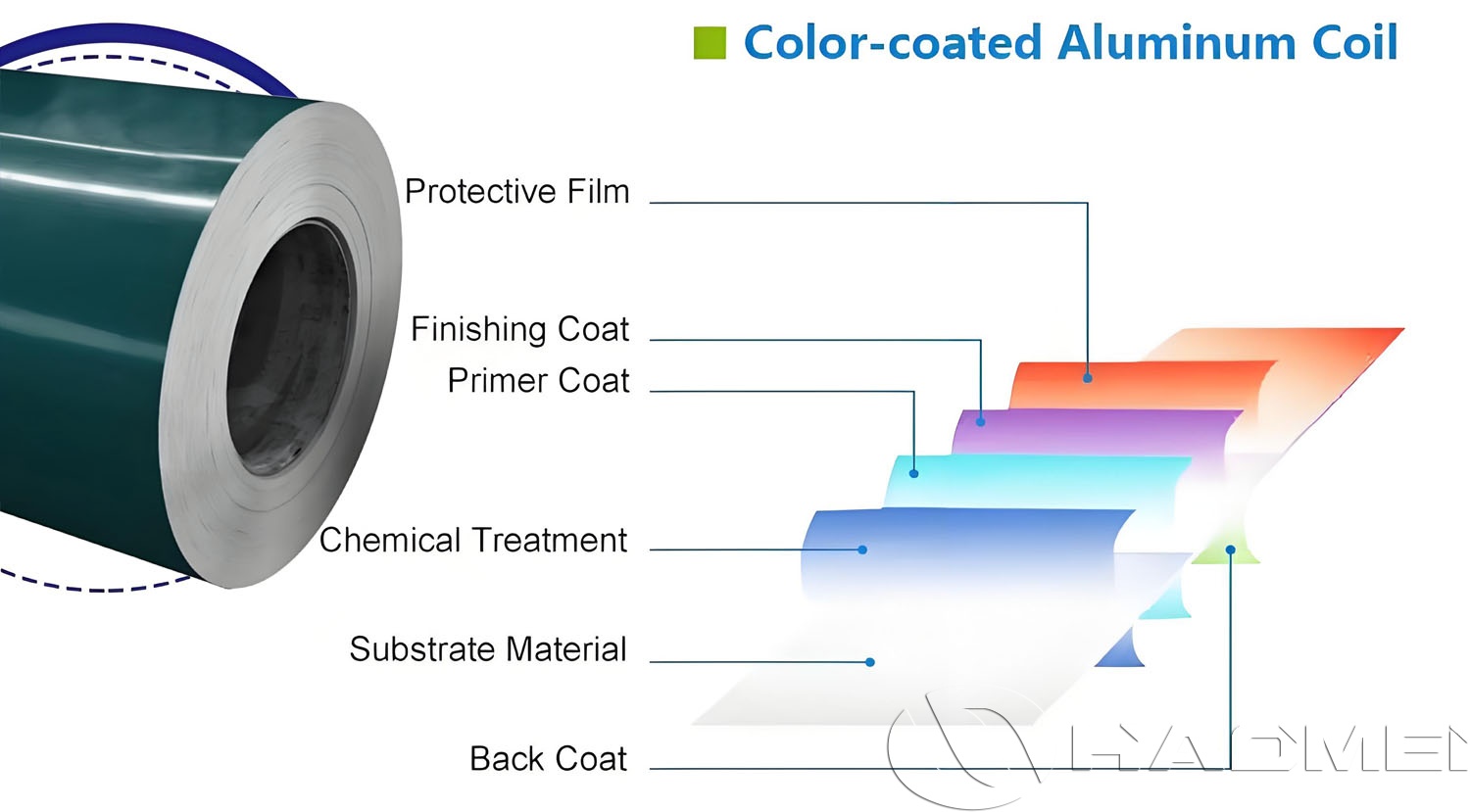
A typical structure includes pretreatment, primer, basecoat, decorative pattern layer, and a protective clear coat (or topcoat). The exact construction depends on whether the project targets interior decoration or long-life exterior cladding.
Pretreatment (the foundation for adhesion)
Pretreatment is applied after cleaning and surface conditioning. Modern lines often use chromate-free pretreatment (Ti/Zr-based conversion coatings) to improve adhesion and corrosion resistance while meeting environmental compliance requirements. Key controls include bath concentration, contact time, rinsing quality, and dry-off conditions.
Primer and basecoat (color uniformity and barrier performance)
The primer provides:
Adhesion to the conversion layer
Flexibility for forming
Corrosion barrier performance
A basecoat then establishes the background tone (for example, light oak, walnut, or teak undertone). Uniform film build and smoothness here are essential; print defects are often rooted in basecoat orange peel, contamination, or thickness variation.
Topcoat selection: PE vs PVDF
Topcoat resin choice drives durability and application suitability:
PE coating (polyester) is commonly used for interior and light exterior exposure where cost efficiency and good color options are desired. It is often supplied as PE Coated Aluminum Coil before wood-grain patterning.
PVDF coating (fluorocarbon, typically 70% PVDF resin) is preferred for demanding exterior environments due to superior UV resistance, chalking resistance, and color retention. It is often based on PVDF Coated Aluminum Coil systems for architectural cladding.
For wood grain designs, many specifications add a clear protective layer to enhance abrasion resistance and depth, and to stabilize gloss and stain resistance.
How the wood grain pattern is created: transfer and printing methods
There are two widely used industrial routes to create a wood effect on coil-coated aluminum. The chosen method depends on line capability, required realism, and performance targets.
1) Transfer printing (sublimation/thermal transfer)
This method uses a patterned transfer film (decor paper/film) wrapped around the coated coil or sheet and processed under controlled heat. Under temperature and pressure, inks/dyes transfer into the coating layer (or onto a receptive layer), creating realistic grain with continuous repeat control.
Key process controls include:
Transfer temperature profile and dwell time (impacts color density and edge sharpness)
Vacuum/pressure uniformity (prevents voids and blur)
Film tension and alignment (controls repeat accuracy)
Transfer printing is valued for high pattern realism and stable reproduction across batches when film lots and parameters are locked.
2) Direct printing (roller printing/digital, followed by curing)
In direct printing, the pattern is applied by roller printing or digital methods on top of the basecoat, then cured (and often clear-coated). This route can offer flexible design changes and shorter pattern development cycles.
Critical factors include ink compatibility with the topcoat system, intercoat adhesion (especially after forming), and curing completeness to prevent blocking during recoiling.
Coil manufacturing workflow: from aluminum coil to finished wood grain coil
Although equipment layouts vary, a technically robust manufacturing sequence follows a disciplined "clean, convert, coat, cure, decorate, protect" logic:
Incoming coil inspection: thickness tolerance, surface defects, flatness, and alloy/temper verification.
Cleaning and degreasing: removes rolling oil and particulates to stabilize surface energy.
Chemical conversion (chromate-free or chromate): builds the adhesion/corrosion foundation.
Primer coating (roller coating) and oven curing: film build is controlled to support forming and barrier properties.
Basecoat/topcoat application: establishes the background color and resin performance level.
Wood grain patterning: transfer printing or direct printing to generate the decorative layer.
Clear coat (optional but common for premium exterior): improves scratch resistance and stain resistance, and adjusts gloss.
Final curing and cooling: ensures full crosslinking and minimizes blocking risk.
Protective film lamination (optional): protects the face during fabrication and installation.
Slitting, recoiling, packing: edge quality and tension control prevent imprinting and telescoping.
Across these steps, consistent curing is a decisive factor. Under-cure can cause solvent retention, poor abrasion resistance, and blocking; over-cure can embrittle the film and reduce forming performance.
Core specifications table
Below is a practical specification snapshot commonly used for wood grain aluminum coil projects. Final values should be confirmed against the selected coating system and end-use environment.
| Core Specifications of Wood Grain Aluminum Coil | Typical Range / Options |
|---|---|
| Alloy | 1050/1060/1100, 3003/3105, 5005/5052 |
| Temper | O, H14, H16, H24 (per forming/stiffness needs) |
| Thickness | 0.20-1.50 mm (common architectural: 0.30-1.20 mm) |
| Coil width | 200-1600 mm (customizable by line capability) |
| Coating type | PE, PVDF; optional clear protective coat |
| Coating structure | Pretreatment + primer + basecoat + wood grain layer + clear/topcoat (varies) |
| Total dry film thickness (DFT) | ~18-35 μm (PE typical), ~25-40 μm (PVDF typical, system-dependent) |
| Gloss | Matte to semi-gloss (commonly 10-40 GU at 60° for wood look) |
| Pattern method | Sublimation/thermal transfer or roller/digital printing |
| Protective film | Optional PE film for fabrication/installation protection |
| Typical applications | Facade panels, soffits, ceilings, shutters, partitions, furniture panels |
Performance considerations tied to real fabrication and service conditions
Wood grain aluminum coil is frequently roll formed, punched, or bent. The coating system must therefore manage both appearance and mechanics:
Bendability and impact resistance depend on resin flexibility, primer selection, and cure window. Tight-radius forming typically benefits from optimized primer flexibility and controlled film thickness.
Color consistency and pattern repeat rely on stable basecoat shade, controlled transfer/printing parameters, and consistent coil tension.
Weathering (UV, chalking, fading) is primarily driven by topcoat chemistry, making PVDF coating the go-to choice for long-term exterior cladding.
Corrosion resistance is strongly influenced by pretreatment quality, primer barrier properties, and edge protection strategy (design of hems, sealants, and drainage).
Where wood grain aluminum coil is used in practice
In architecture, wooden grain color-coated aluminum coils are commonly fabricated into cassette panels, linear ceilings, baffles, soffit systems, and roller shutters where designers want a timber aesthetic without the variability, swelling, or frequent refinishing associated with natural wood. In interior applications, it is used for decorative wall panels, partitions, and furniture skins where consistent grain direction and batch-to-batch matching are important.
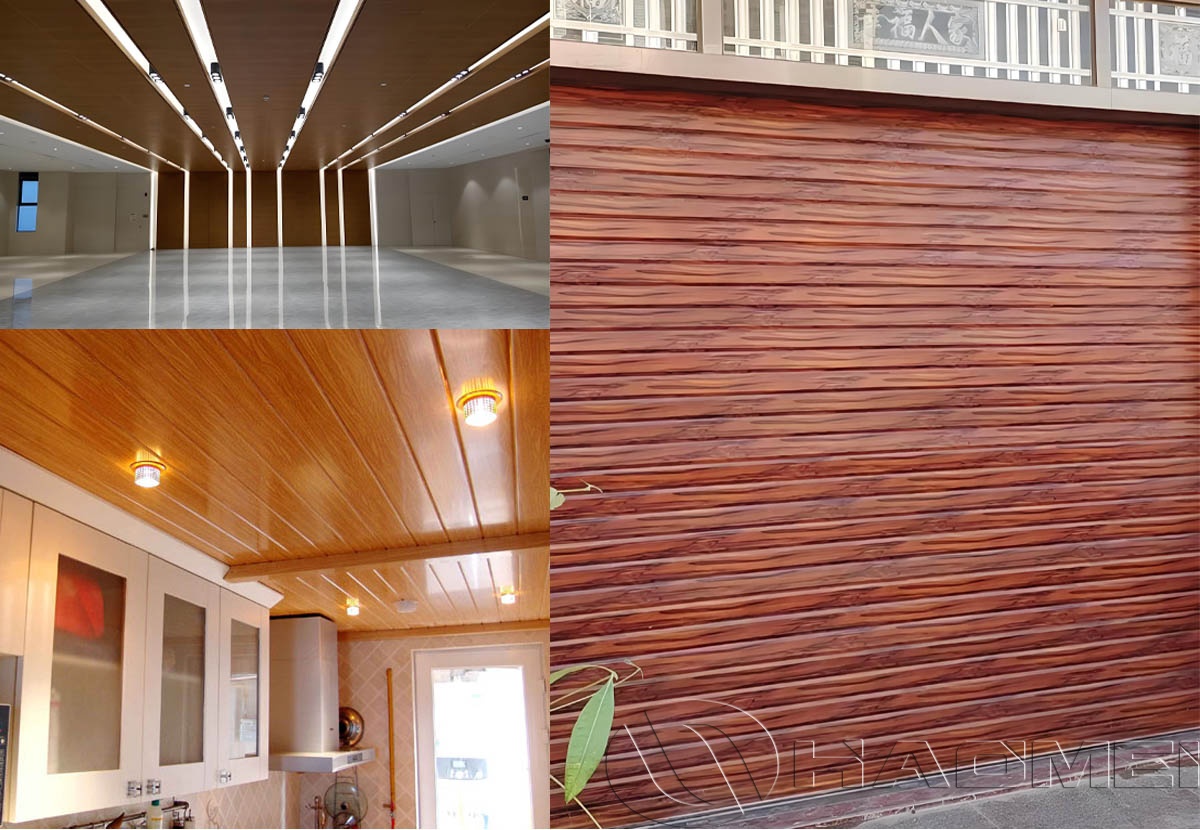
In these scenarios, the manufacturing method (transfer vs direct printing) and coating system (PE vs PVDF) are selected as an integrated decision: substrate alloy/temper supports forming, pretreatment and primer protect the metal, and the decorative and protective layers preserve the wood look through fabrication and long-term exposure.
-
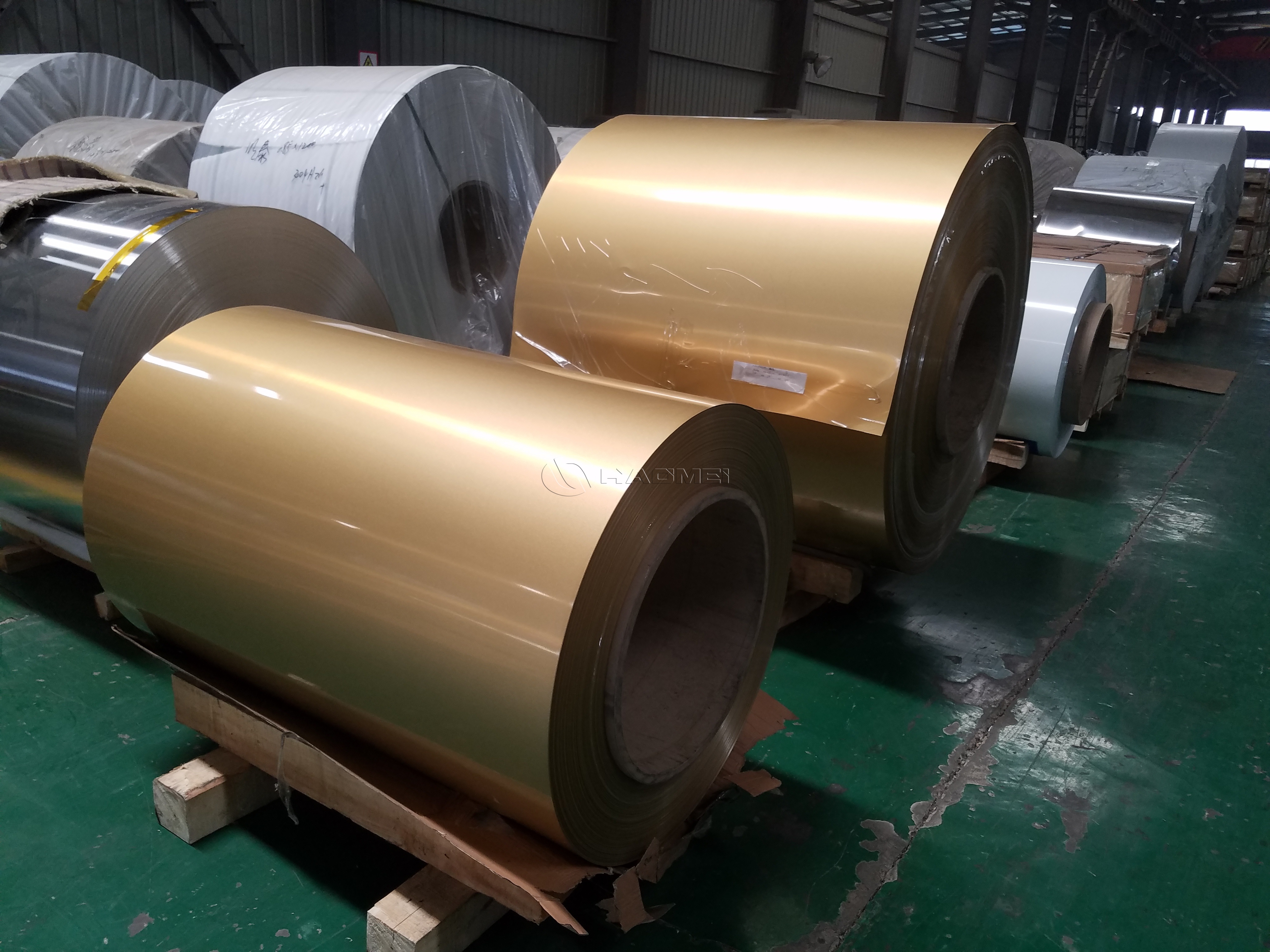
PVDF Coated Aluminum Coil For Industrial Roofing
PVDF coated aluminum coil for industrial roofing delivers long-term color stability, corrosion resistance and reliable coil coating quality for harsh climates.
2026-02-03
-
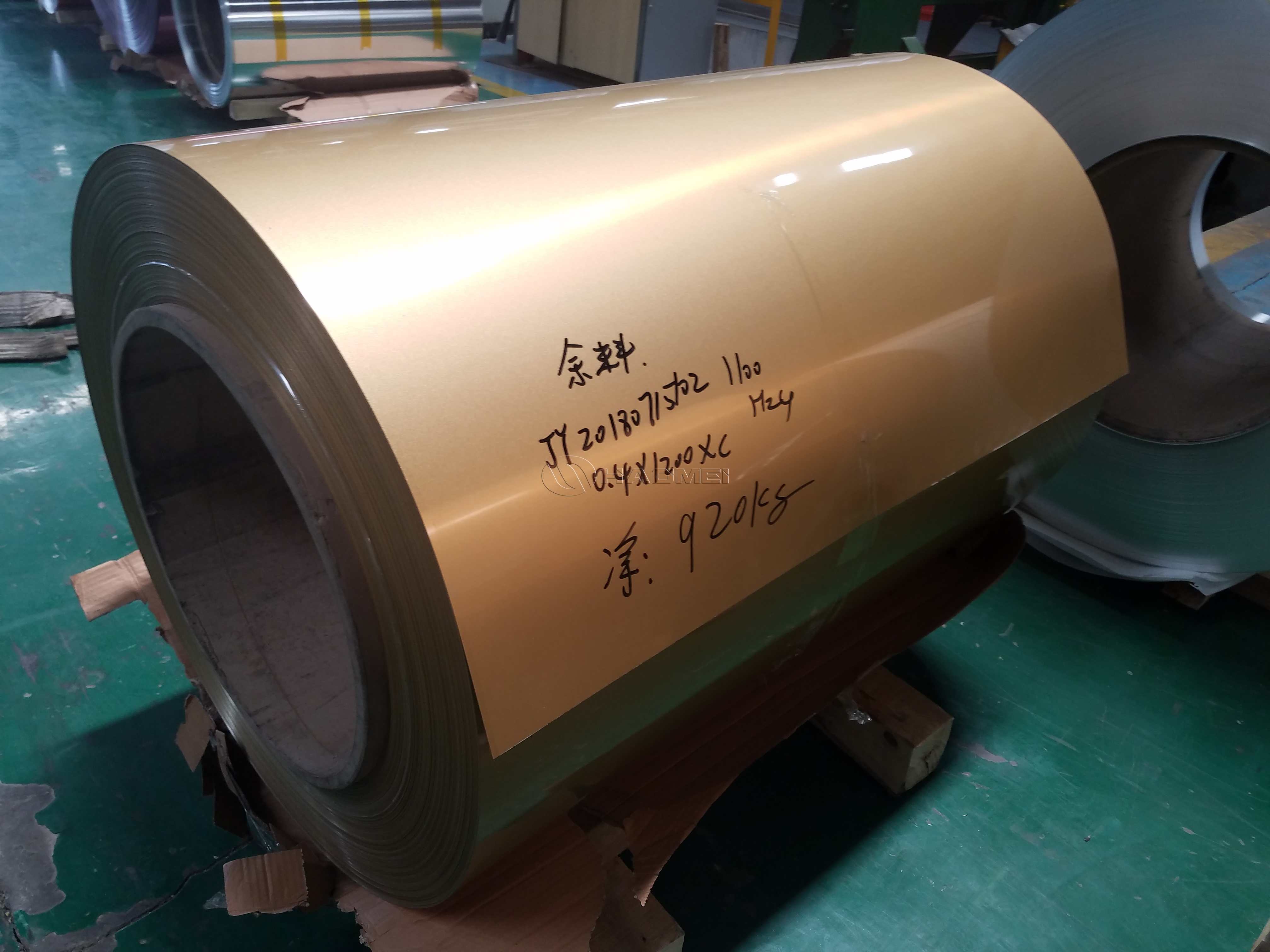
5005 Color Coated Aluminum for Architecture
5005 color coated aluminum delivers smooth forming, durable PE or PVDF finishes, and stable performance for architectural façades, roofs, ceilings, and trim.
2026-08-06
-
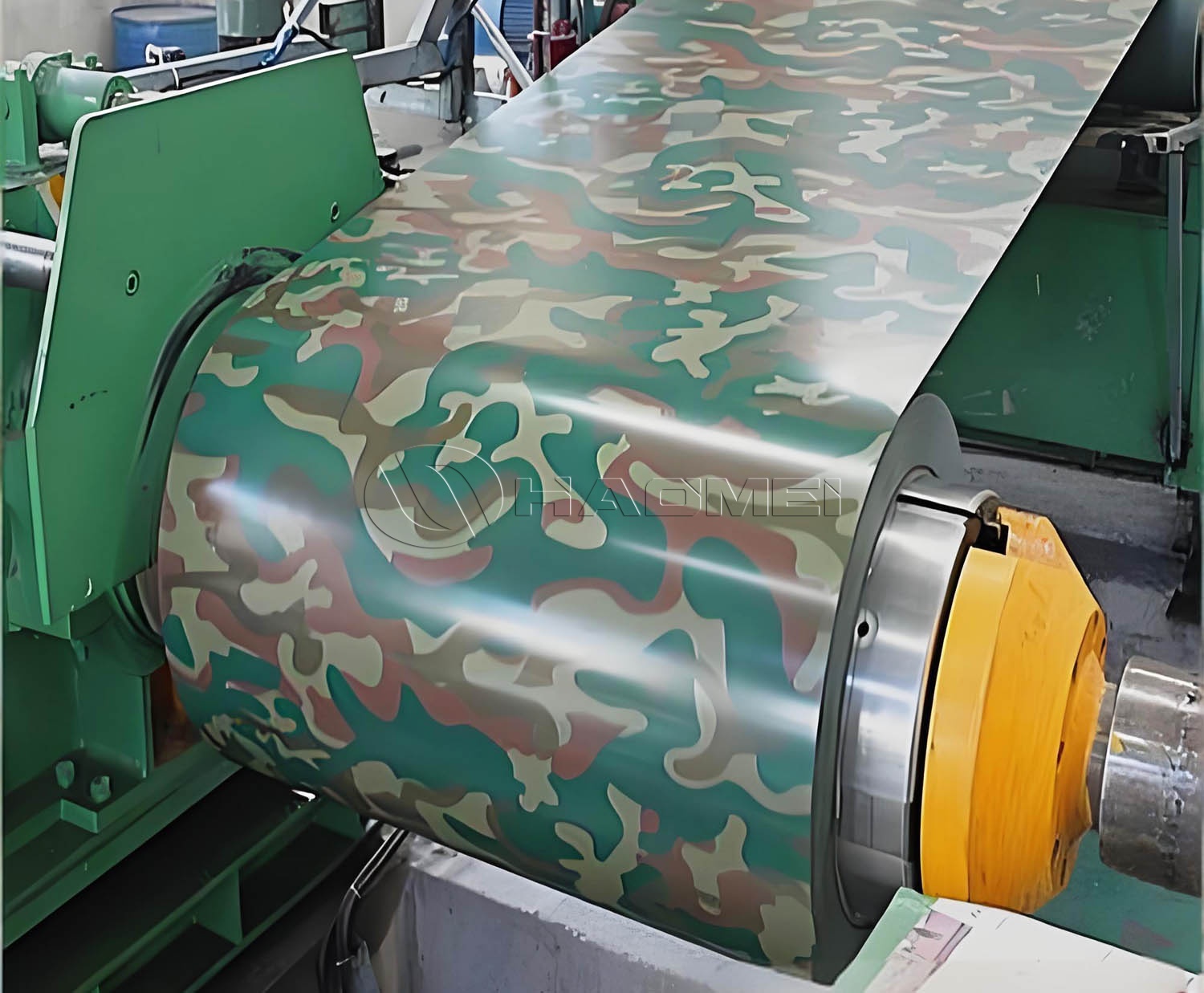
Camouflage Color Coated Aluminum Coils for Off-Road Vehicle Bodies
Camouflage color coated aluminum coils for off-road vehicle bodies, using 3003, 5052 and PVDF coatings for durable, lightweight exterior panels.
2026-06-15
Contact Directly
-

ADD: No.14 Waihuan Road, CBD, Zhengzhou, China
-

WhatsApp: +86-18703635966
-

E-MAIL: sales@alummc.com