

News
 By Hermione
PVDF Coated Aluminum Coil for Facade Panels
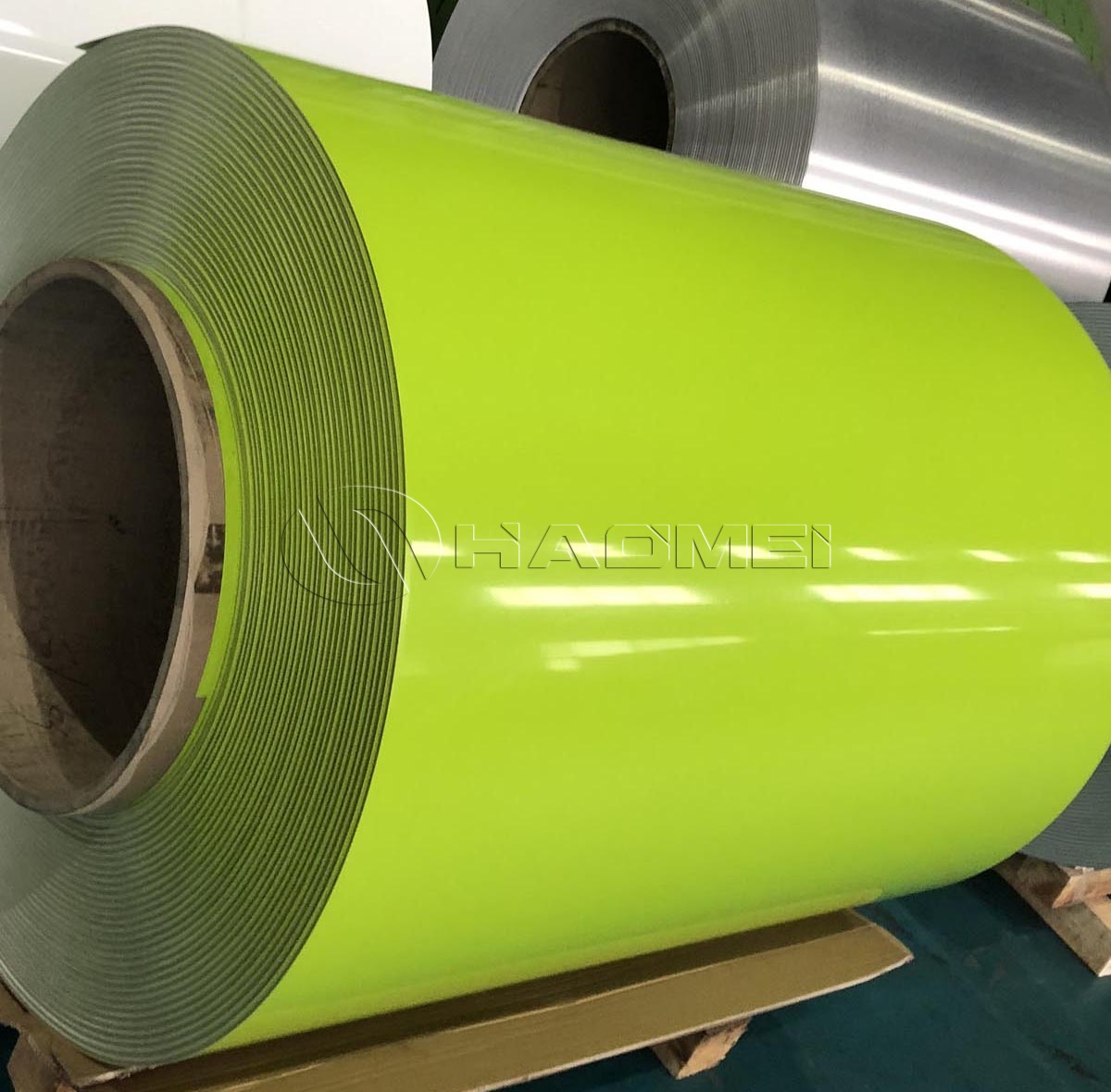
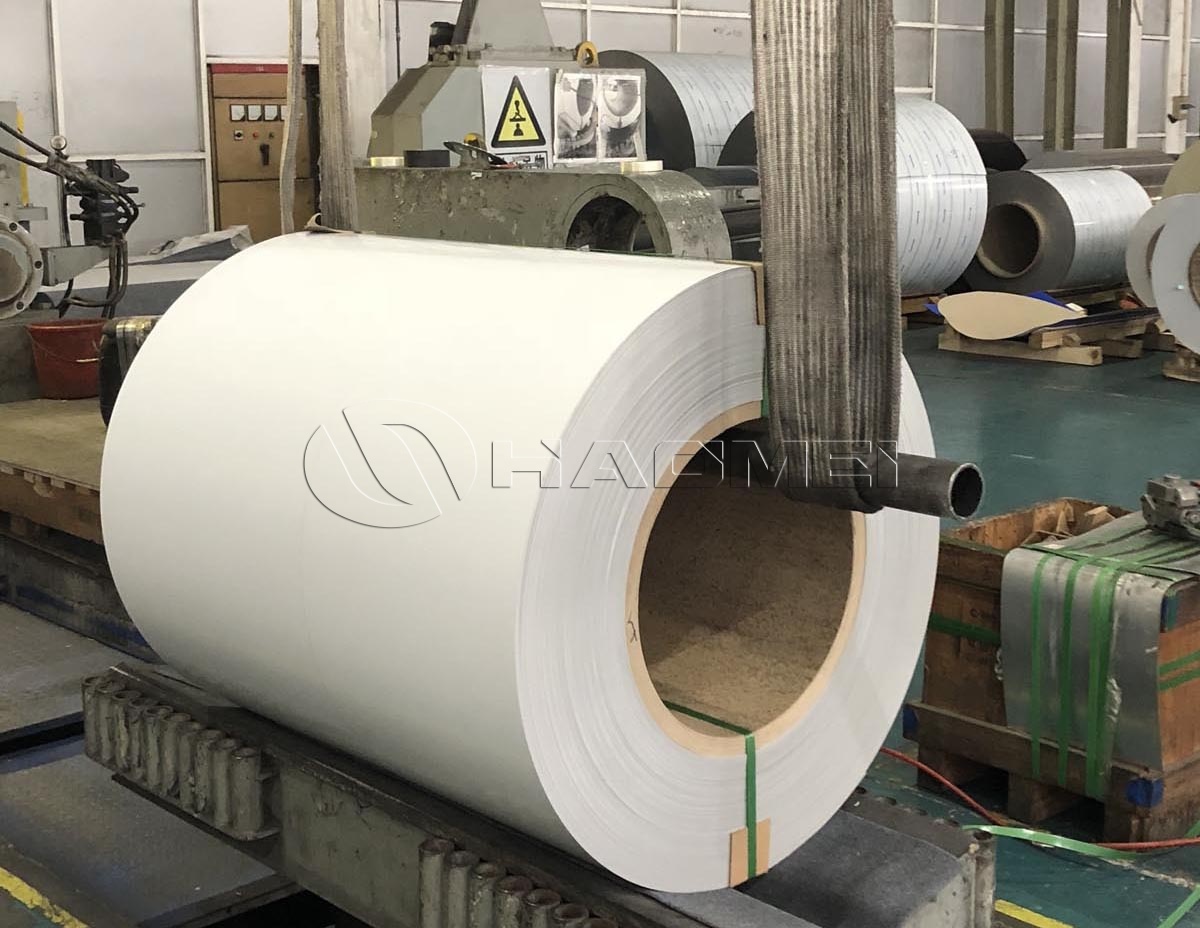
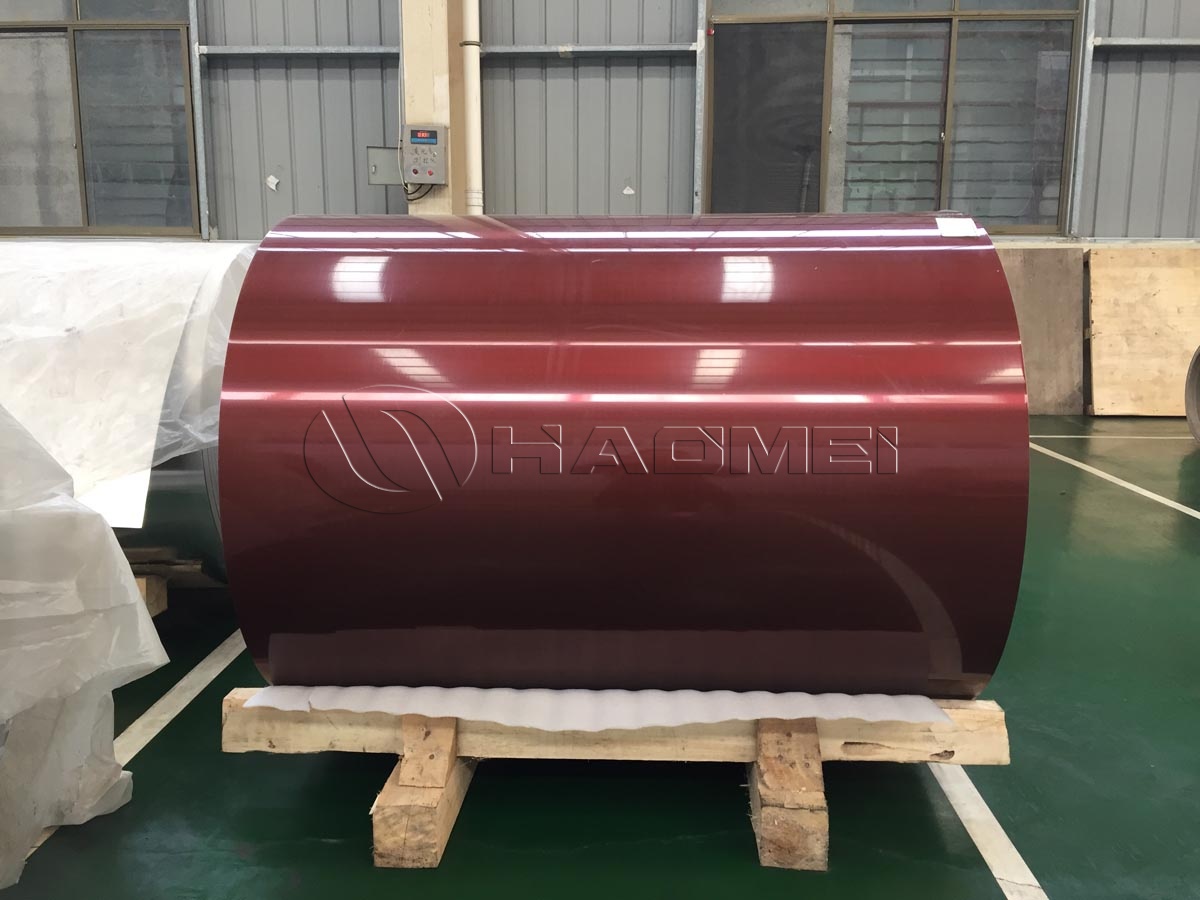
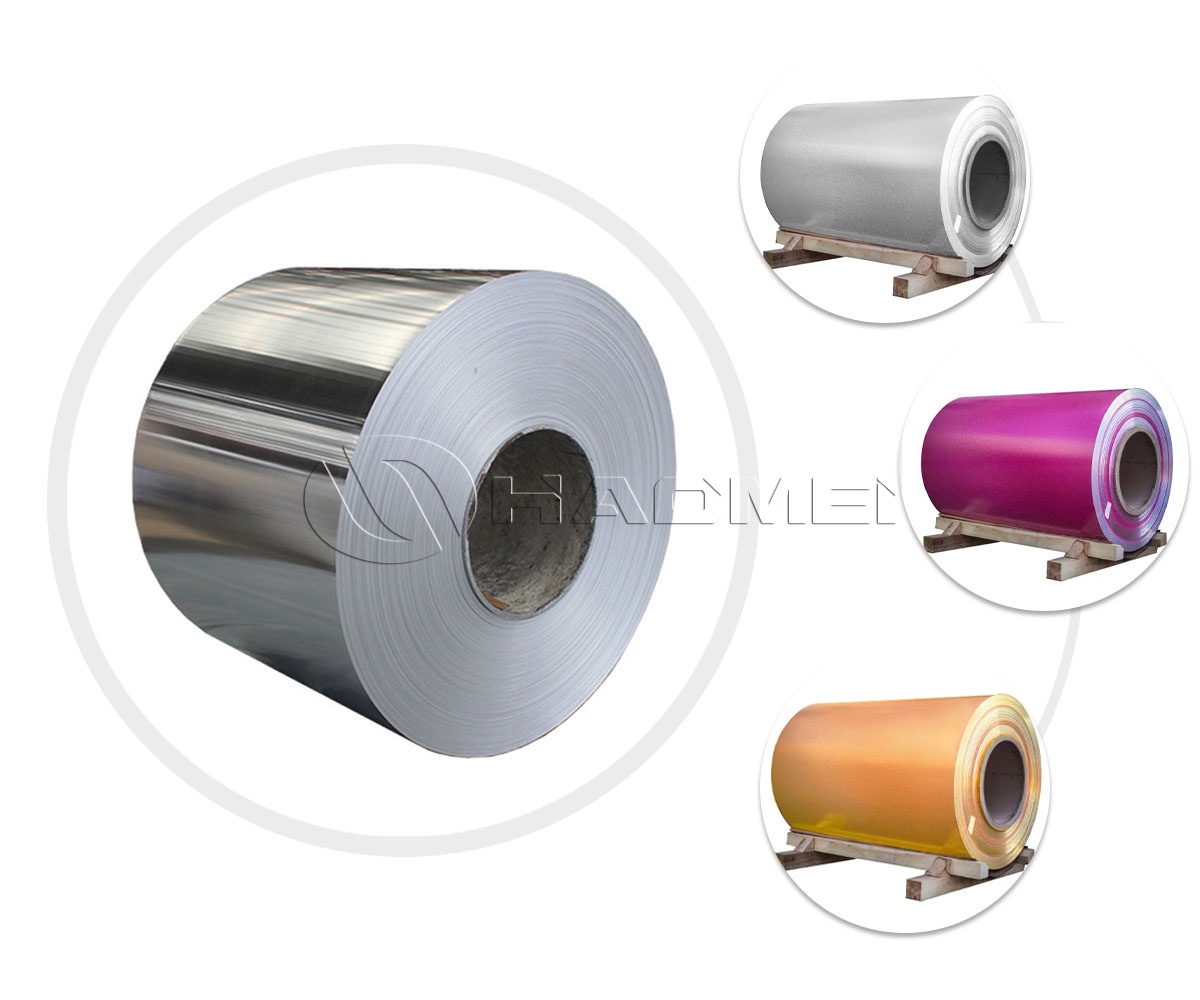
PVDF coated aluminum coil is positioned as a high-durability pre-painted aluminum material for architectural exterior envelope systems. It is widely used in aluminum curtain wall panels, solid facade panels, aluminum composite panel skins, soffits, canopies, column covers, parapets, and other exterior decorative metal systems where long-term color stability, weather resistance, and formability are required.
Material Concept and Facade Performance
For facade panels, the aluminum substrate provides a lightweight, corrosion-resistant, and easy-to-form metal base, while the PVDF coating system provides long-term protection against ultraviolet radiation, rain, temperature cycling, pollution, and coastal atmospheric exposure. Compared with general polyester coating systems, PVDF coated aluminum coil is more suitable for exterior building applications requiring high color retention and chalking resistance.
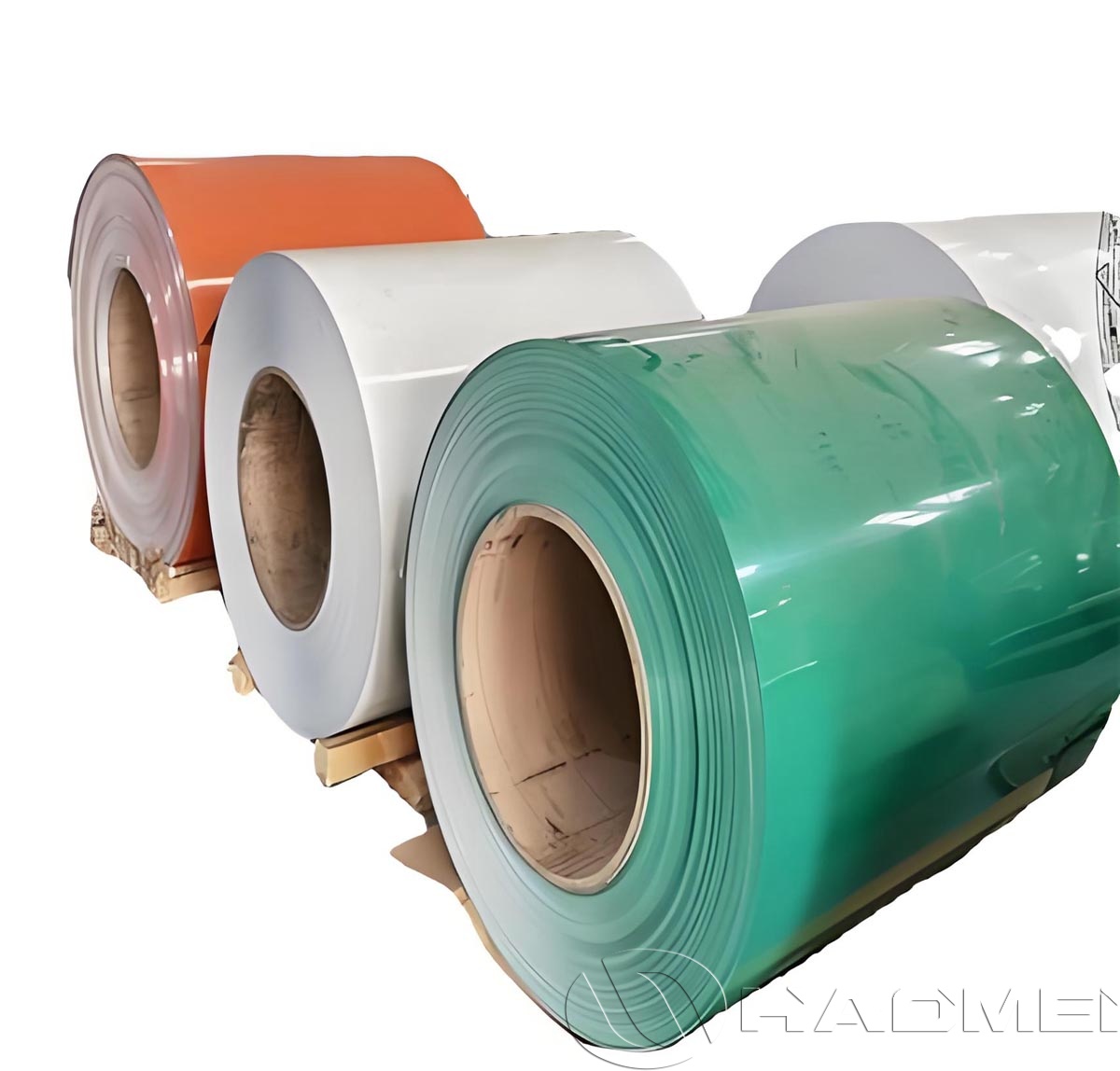
In architectural panel manufacturing, the coil is supplied as a continuous pre-coated material. It can be slit, leveled, cut to length, punched, grooved, bent, and formed into different panel shapes. This coil-coated route improves surface consistency compared with post-painting individual panels, especially for large facade elevations where color uniformity is important.
PVDF Coating System Structure
A typical facade-grade PVDF coating system includes surface pretreatment, primer, PVDF topcoat, and, when required, a clear protective layer. The coating resin is commonly based on polyvinylidene fluoride, often formulated with high PVDF resin content for exterior durability. Pigments are selected according to color type, gloss level, metallic effect, and weathering requirements.
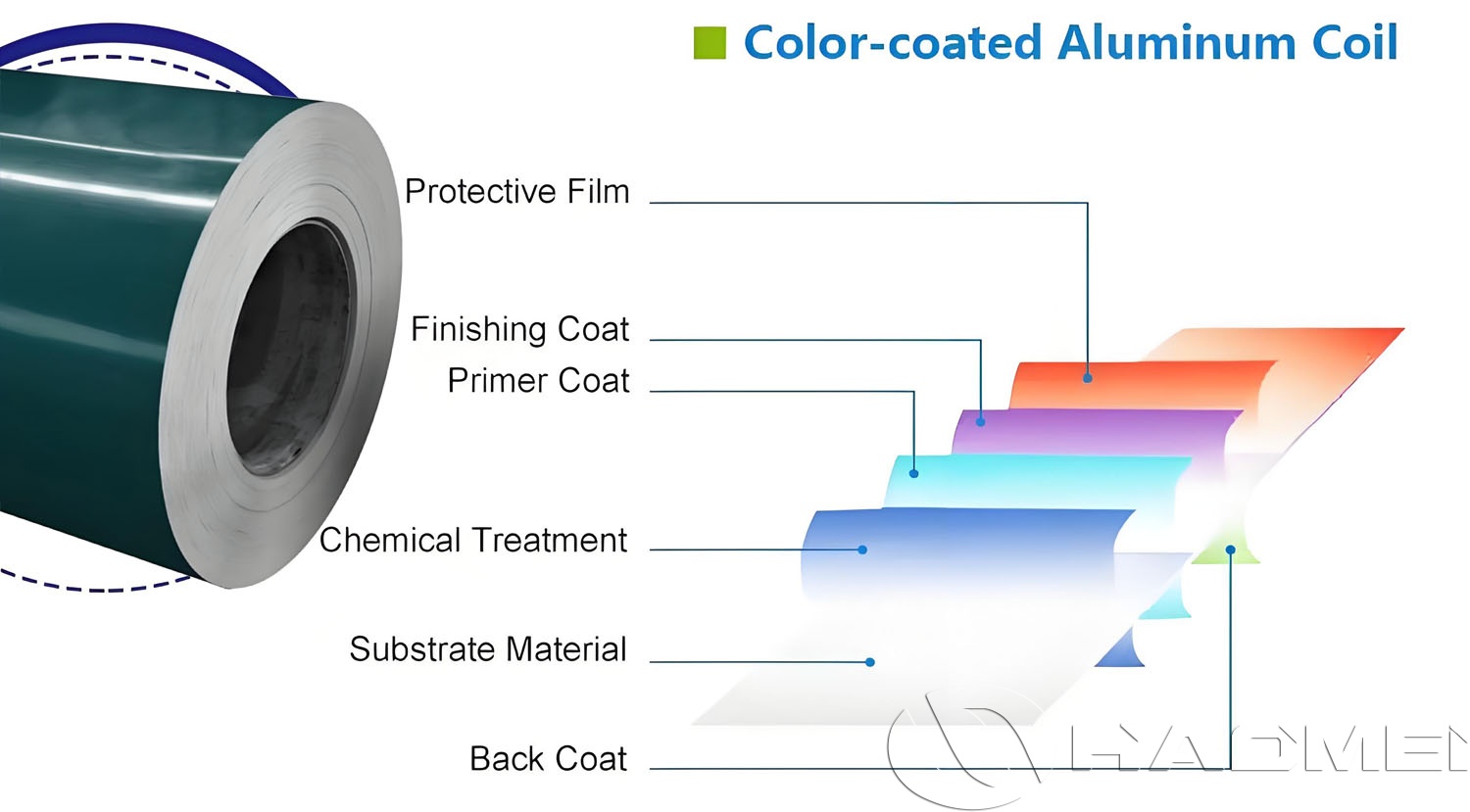
Common coating configurations include:
Two-coat system: primer plus PVDF topcoat, used for solid colors and standard exterior applications.
Three-coat system: primer, PVDF color coat, and clear coat, often used for metallic colors to improve visual depth and pigment protection.
Special decorative systems: pearl, mica, stone-like, or custom architectural finishes depending on facade design requirements.
The pretreatment layer is critical. Chrome-free or chromium-based conversion coatings may be used depending on environmental and specification requirements. Proper pretreatment improves coating adhesion, corrosion resistance, and resistance to edge creep after cutting or forming.
Core Specifications of PVDF Coated Aluminum Coil for Facade Panels
| Specification Item | Common Range or Description |
|---|---|
| Product | PVDF coated aluminum coil for facade panels |
| Base metal | Aluminum alloy coil, typically 1000, 3000, or 5000 series |
| Common alloys | 1100, 3003, 3004, 3105, 5005, 5052 |
| Temper | O, H14, H16, H24, H26, H32, H34 depending on forming and strength needs |
| Thickness | Usually 0.50-3.00 mm for facade panel use |
| Width | Commonly 600-1600 mm, subject to production capability |
| Coating type | PVDF, 2-coat, 3-coat, or customized multilayer system |
| Coating thickness | Typically 25-35 microns, depending on system and standard |
| Surface finish | Solid color, metallic, matte, high gloss, pearl, or special architectural finish |
| Gloss | Commonly 20-80 GU, customized according to design intent |
| Color standard | RAL, Pantone, NCS, or custom color matching |
| Coil inner diameter | Commonly 405 mm or 508 mm |
| Application | Curtain wall panels, solid aluminum panels, ACP skins, soffits, canopies, cladding |
Commonly Used Aluminum Alloys
Alloy selection affects panel stiffness, formability, strength, corrosion behavior, and processing stability. For facade panels, the most commonly used alloys are from the 1000, 3000, and 5000 series.
1100 aluminum coil is commercially pure aluminum with excellent ductility and corrosion resistance. It is suitable for decorative panels and applications requiring good forming performance rather than high structural strength. For projects using pure aluminum substrates, 1100 Color Coated Aluminum Coil is commonly associated with good workability and stable surface finishing.
3003 aluminum coil is an Al-Mn alloy with higher strength than 1100 while maintaining good corrosion resistance and formability. It is widely used for solid aluminum facade panels, ceilings, roof edging, and architectural decorative parts. The balanced mechanical properties of 3003 Color Coated Aluminum Coil make it one of the standard choices for building envelope applications.
3004 and 3105 aluminum coils offer improved strength compared with 3003 and are often used where better rigidity and dent resistance are needed. These alloys are suitable for facade sheets, roofing accessories, and architectural cladding components that require stable processing during roll forming or bending.
5005 aluminum coil provides good anodizing and coating compatibility, moderate strength, and excellent corrosion resistance. It is often selected for architectural panels where surface appearance and exterior durability are important.
5052 aluminum coil is a magnesium-containing alloy with higher strength and strong corrosion resistance, especially in humid or marine atmospheres. It is used for facade panels, exterior cladding, and formed components requiring better mechanical performance.
Performance Requirements for Exterior Facade Panels
PVDF coated aluminum coil used for facade panels must perform under long-term outdoor exposure. The key performance properties include coating adhesion, flexibility, impact resistance, hardness, color retention, chalking resistance, corrosion resistance, and resistance to chemical pollutants.
In coil coating production, the coating is cured under controlled temperature and line speed conditions to achieve proper film formation. Insufficient curing can reduce solvent resistance and adhesion, while over-curing may reduce flexibility during bending. For facade panel fabrication, the coating must withstand cutting, routing, folding, and riveting without cracking or delamination.
Important validation items usually include:
T-bend or bending test for coating flexibility
Cross-hatch adhesion test before and after boiling water or aging exposure
MEK rub test for curing evaluation
Pencil hardness and impact resistance
Salt spray and humidity resistance
Accelerated weathering and outdoor exposure assessment
Color difference control between batches
Processing Characteristics in Panel Fabrication
Facade panels require a combination of flatness, consistent coating thickness, and controlled mechanical properties. During fabrication, the coil may be cut into sheets and formed into cassette panels or other cladding profiles. Alloy temper selection is closely related to the bending radius, panel size, fixing method, and stiffness requirement.
For grooved and folded solid aluminum panels, H24 and H32 tempers are frequently used because they provide a practical balance between strength and formability. Softer tempers improve deep forming and complex shaping, while harder tempers improve panel rigidity and reduce deformation on large surfaces.
Surface protection film is often applied after coating or during panel processing to reduce scratches, fingerprints, and abrasion. The protection film adhesive must be compatible with the PVDF surface and removable without residue after fabrication or installation.
Color and Surface Control
Architectural facades often use large panel areas, so visual consistency is essential. Color difference control depends on pigment quality, coating formulation, film thickness, curing stability, and production batch management. Metallic colors require additional attention because aluminum flakes or mica pigments can create directional color variation if coating application parameters are unstable.
For metallic PVDF facade finishes, three-coat systems are commonly used. The clear coat helps protect metallic pigments, improves weathering performance, and enhances the depth of appearance. Matte and low-gloss finishes are also used in modern facade design, but they require careful control of surface texture and contamination resistance.
Application Suitability
PVDF coated aluminum coil is suitable for facade panel systems that demand a durable exterior finish and stable processing behavior. In curtain wall and cladding applications, it supports lightweight construction, dimensional flexibility, and a broad range of architectural colors. The final panel performance depends on the combined selection of aluminum alloy, temper, coating structure, coating thickness, pretreatment quality, and fabrication process control.
-
PVDF Coated Aluminum Coil for Coastal Environments
Explore PVDF coated aluminum coil for coastal buildings, covering alloys, fluorocarbon coating structure, corrosion resistance, and core specifications.
2026-05-21
-
PE Coated Aluminum Coil For Decoration Boards
PE coated aluminum coil for decoration boards combines light weight, stable color, formability, and a durable finish for interior panels.
2026-09-02
-
Pe Coated 3004 Aluminum Coil For Cladding
PE coated 3004 aluminum coil for cladding offers formability, surface flatness, and stable coating performance for architectural panels.
2026-04-14
Contact Directly
-

ADD: No.14 Waihuan Road, CBD, Zhengzhou, China
-

WhatsApp: +86-18703635966
-

E-MAIL: sales@alummc.com