

News
 By Hermione
PE Coated Aluminum Coil for Signage and Advertising
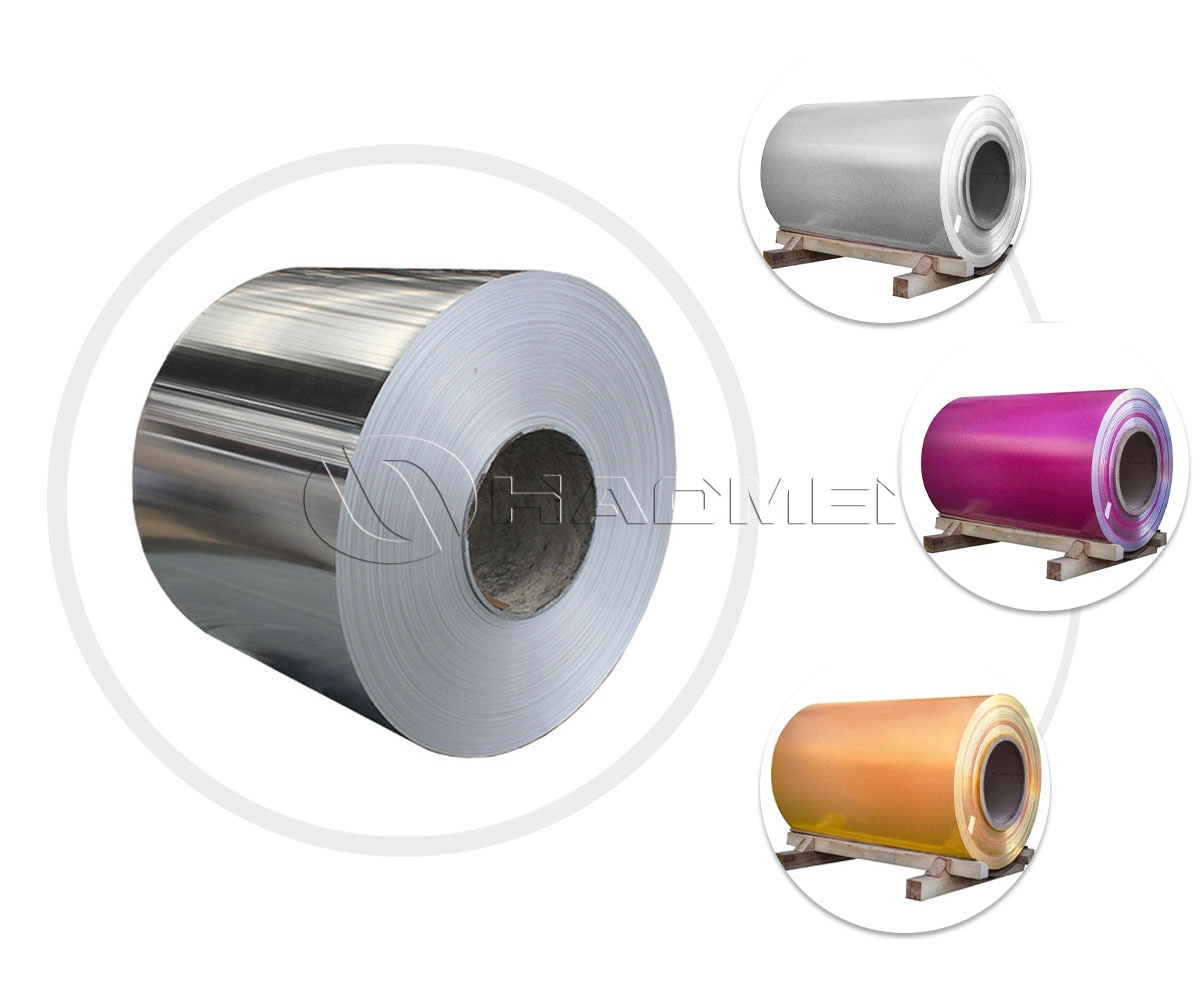
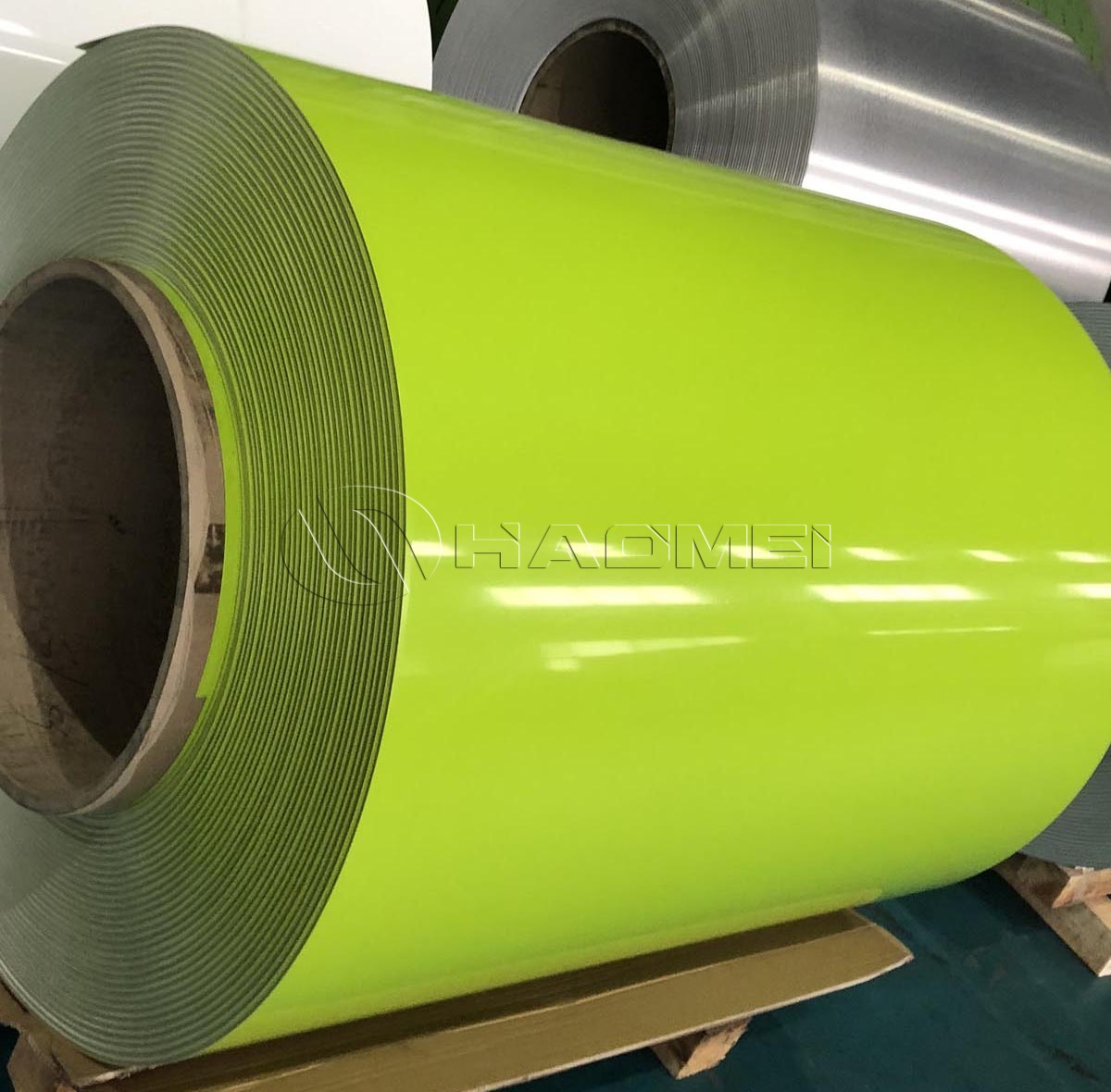
PE coated aluminum coil is a pre-painted aluminum material engineered for indoor and short-to-medium-term outdoor signage applications. It combines the light weight and corrosion resistance of aluminum with a smooth polyester coating that delivers consistent color, gloss, and forming performance. Common uses include advertising panels, shop signs, channel letters, display boards, illuminated sign faces, directional signs, exhibition graphics, and decorative trim.
For sign manufacturers, the coil format supports efficient slitting, roll forming, bending, stamping, and panel fabrication. The finished surface is suitable for screen printing, digital graphic mounting, protective-film lamination, and other visual communication processes where appearance uniformity is important.
Coating Structure and Surface Performance
PE coating is a polyester-based finish applied to aluminum coil through a continuous coil-coating process. The aluminum substrate is cleaned and chemically pretreated before primer and topcoat layers are cured at controlled temperatures. This process creates a uniform painted surface with stable adhesion and color consistency across the coil.
A typical construction includes:
Aluminum alloy substrate
Chemical conversion pretreatment
Primer coating for adhesion and corrosion protection
PE color topcoat on the front side
Back coating on the reverse side
Optional removable protective film
PE-coated surfaces are widely used where economical decoration, clean appearance, and good fabrication performance are required. For highly exposed façades, coastal installations, or projects requiring extended weather resistance, a PVDF Coated Aluminum Coil is generally used because fluoropolymer coatings provide stronger long-term UV and chalking resistance.
Why PE Coated Aluminum Coil Fits Signage Production
The painted finish is applied before fabrication, allowing sign components to be produced with a consistent appearance and reduced post-painting work. Compared with untreated aluminum that requires later coating or printing preparation, color-coated coil can simplify manufacturing for standard sign panels and formed profiles.
Key material characteristics include:
Smooth, even color and gloss for visual display surfaces
Low density for lightweight panels and sign structures
Good bendability for trim, edging, channel letters, and folded trays
Natural aluminum corrosion resistance supported by the coating system
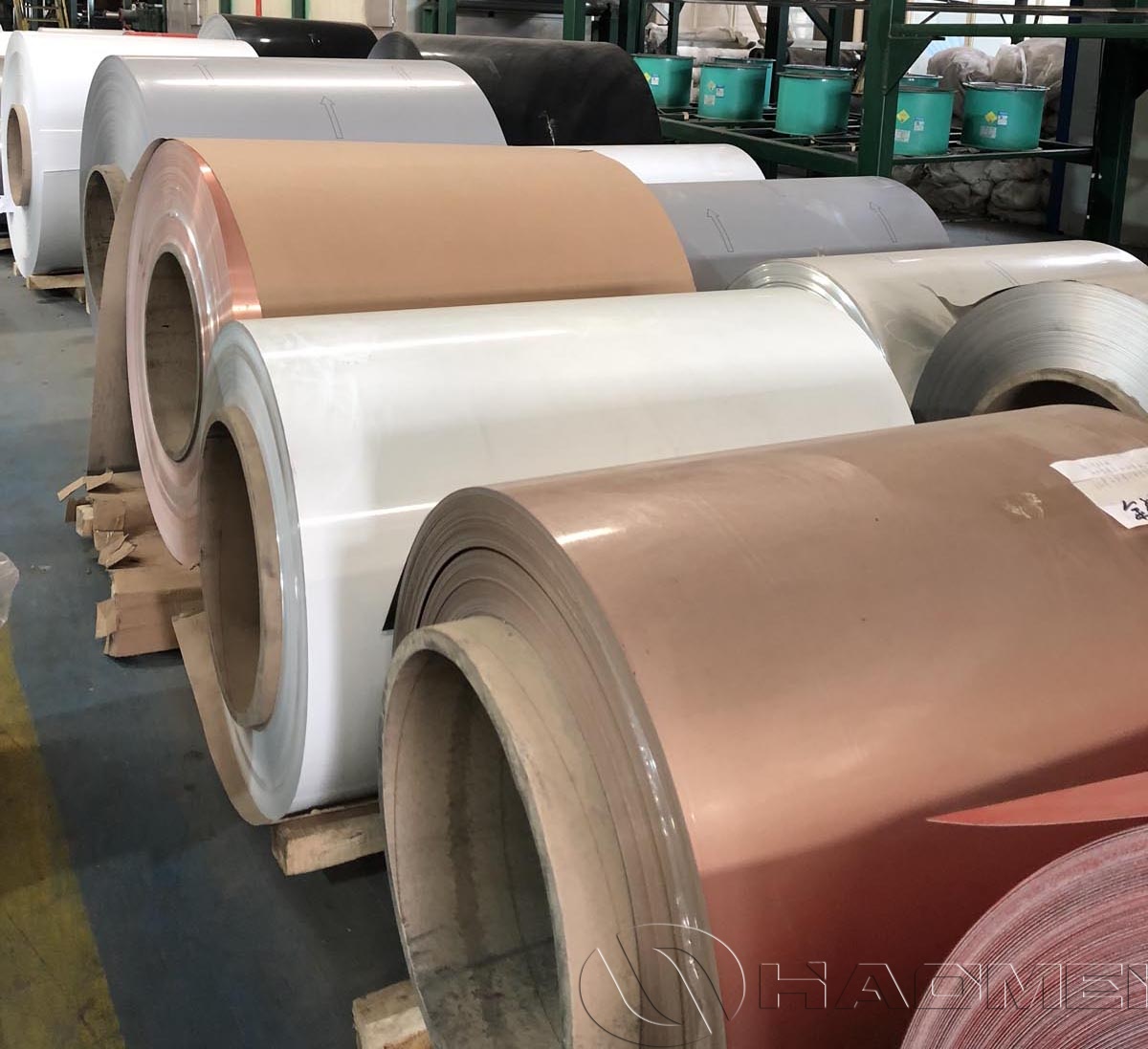
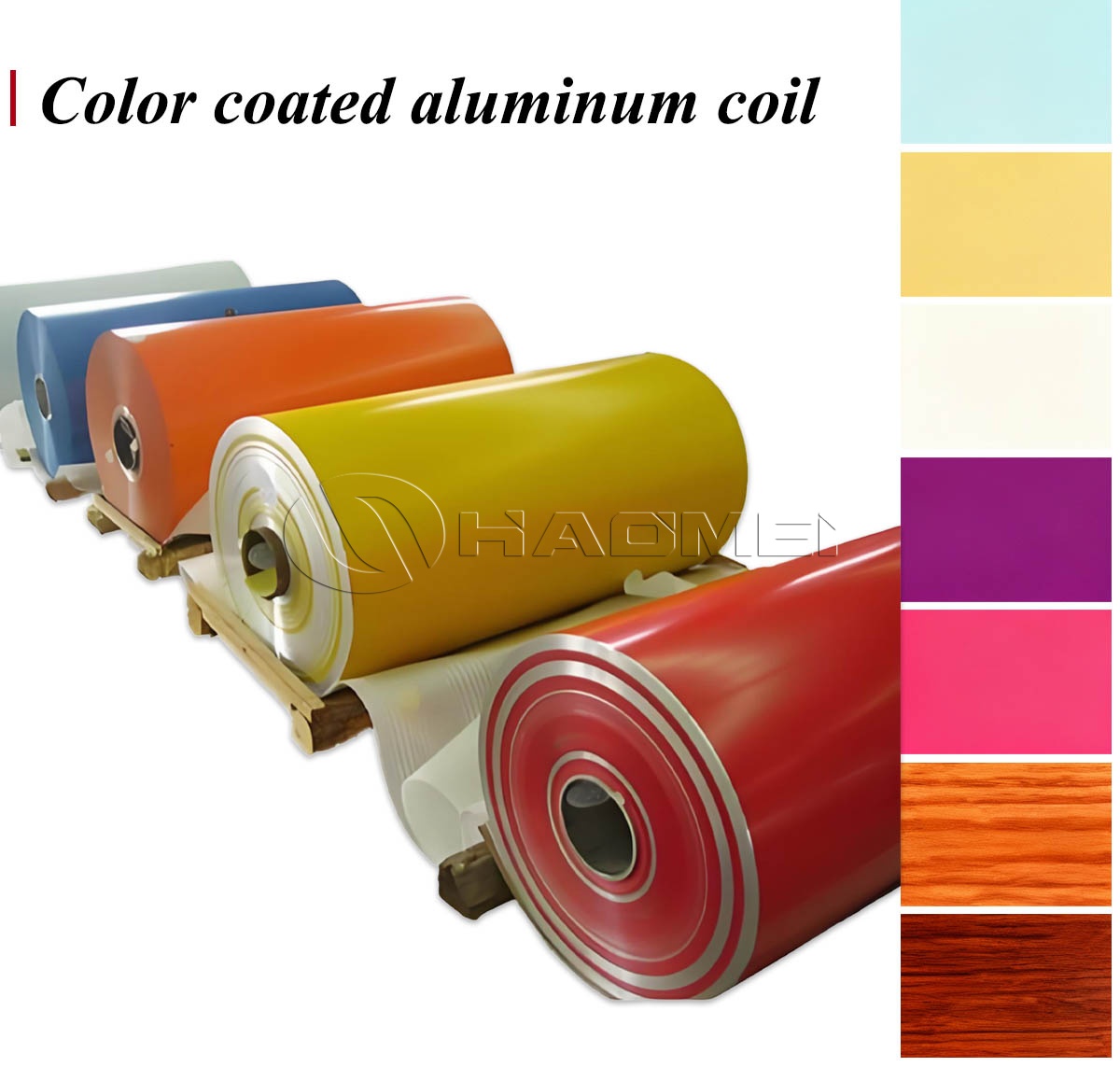
Available matte, high-gloss, textured, and customized color finishes
Coil supply suitable for continuous slitting and roll-forming operations
The PE coating is also compatible with many common conversion processes. During bending, the coating must remain intact at formed edges; this depends on coating flexibility, alloy temper, bend radius, and processing conditions. Protective film can reduce handling scratches during cutting, punching, and assembly, particularly on high-gloss or dark-colored surfaces.
Core Specifications of PE Coated Aluminum Coil for Signage
Product Specification Table
| Item | Typical Range or Option |
|---|---|
| Substrate alloys | 1050, 1060, 1100, 3003, 3105, 5052 |
| Aluminum thickness | 0.20-1.50 mm |
| Coil width | 20-1,600 mm |
| Coil inner diameter | 405 mm or 505 mm |
| Surface coating | Polyester (PE) coating |
| Front coating thickness | Typically 15-25 μm |
| Back coating thickness | Typically 5-10 μm |
| Surface finish | Glossy, semi-gloss, matte, textured |
| Color options | RAL colors, custom colors, solid colors, metallic finishes |
| Temper | O, H14, H16, H18, H24, or application-specific temper |
| Protective film | Optional, commonly used for scratch-sensitive surfaces |
| Typical applications | Sign boards, advertising panels, channel letters, display systems, decorative profiles |
Actual coil dimensions, coating thickness, gloss level, and mechanical properties are determined by the finished sign structure and forming process.
Common Aluminum Alloys for Signage and Advertising
1050, 1060, and 1100 Series
The 1000 series is commercially pure aluminum with high aluminum content, excellent corrosion resistance, and very good formability. These alloys are widely used for channel letter returns, folded trim, lightweight advertising panels, and indoor display components.
1050 offers reliable ductility and is suitable for general decorative fabrication.
1060 provides high formability and is often used for bending, stamping, and simple sign profiles.
1100 is a common signage alloy because it combines soft forming characteristics with a clean coated surface. 1100 Color Coated Aluminum Coil is frequently processed into sign edging, letter shells, and display trims.
3003 and 3105 Series
3003 and 3105 aluminum alloys contain manganese, giving them higher strength than 1000-series grades while retaining good workability. They are used when sign panels or formed profiles require improved rigidity, dent resistance, or dimensional stability.
3003 is suitable for advertising panels, sign trays, and moderately formed components.
3105 is commonly used in pre-painted coil production and supports roll forming, bending, and decorative panel fabrication.
These alloys are particularly useful for wider sign faces, fascia panels, and aluminum composite panel skins where flatness and handling strength are important.
5052 Series
5052 is a magnesium-containing alloy with higher strength and enhanced corrosion resistance. It is used for more demanding fabricated sign parts, including larger formed sections, outdoor cabinet components, and installations exposed to humid environments. Its higher strength may require a larger bend radius than softer 1000-series material, especially with thicker PE coating systems.
Color, Gloss, and Visual Consistency
Advertising materials depend heavily on surface appearance. PE-coated aluminum coil is available in standard colors, custom-matched colors, metallic shades, and gloss ranges that support different signage styles. High-gloss finishes can create a strong visual effect for retail branding and illuminated signs, while matte finishes help reduce reflected glare on directional boards and information displays.
Color consistency is controlled through paint formulation, coating-line parameters, curing conditions, and batch inspection. For assembled signage, coil from the same production batch helps maintain visual continuity between panels, folded edges, and matching trim pieces.
Fabrication Considerations for Sign Components
PE coated aluminum coil can be slit into narrow strips for channel letters or supplied in wider widths for flat panels and sign blanks. During fabrication, the coating should be protected from excessive tool pressure, sharp die edges, abrasive debris, and over-tight bending radii.
For formed advertising components, relevant production factors include:
Coil temper and elongation
Minimum bend radius
Coating flexibility and adhesion
Film protection requirements
Cut-edge exposure and panel design
Compatibility with adhesives, tapes, rivets, and fasteners
The use of clean rollers, controlled tension, and non-marking handling equipment helps preserve the painted surface through slitting, roll forming, stamping, and packaging.
Quality Controls for Color-Coated Signage Coil
Quality evaluation for PE coated aluminum coil typically covers substrate thickness, coil width, color uniformity, gloss, coating thickness, adhesion, hardness, flexibility, and surface condition. Coating adhesion can be assessed through cross-hatch testing, while flexibility is commonly evaluated by bending or T-bend performance according to the coating system and substrate temper.
Surface inspection also checks for scratches, pinholes, coating skips, roller marks, edge defects, and color variation. These controls are important for signage because even small visual defects may become noticeable under direct lighting, illuminated sign faces, or large-format advertising graphics.
-
PE Coated Aluminum Coil For Cabinet Doors
PE coated aluminum coil for cabinet doors combines a smooth decorative finish, formability, and practical indoor durability for modern furniture panels and cabinetry.
2026-09-03
-
Pvdf Coated 3003 Aluminum Coil Price
Explore PVDF coated 3003 aluminum coil price factors, alloy options, coating specs, and common uses in facade, roofing, and cladding applications.
2026-04-16
-
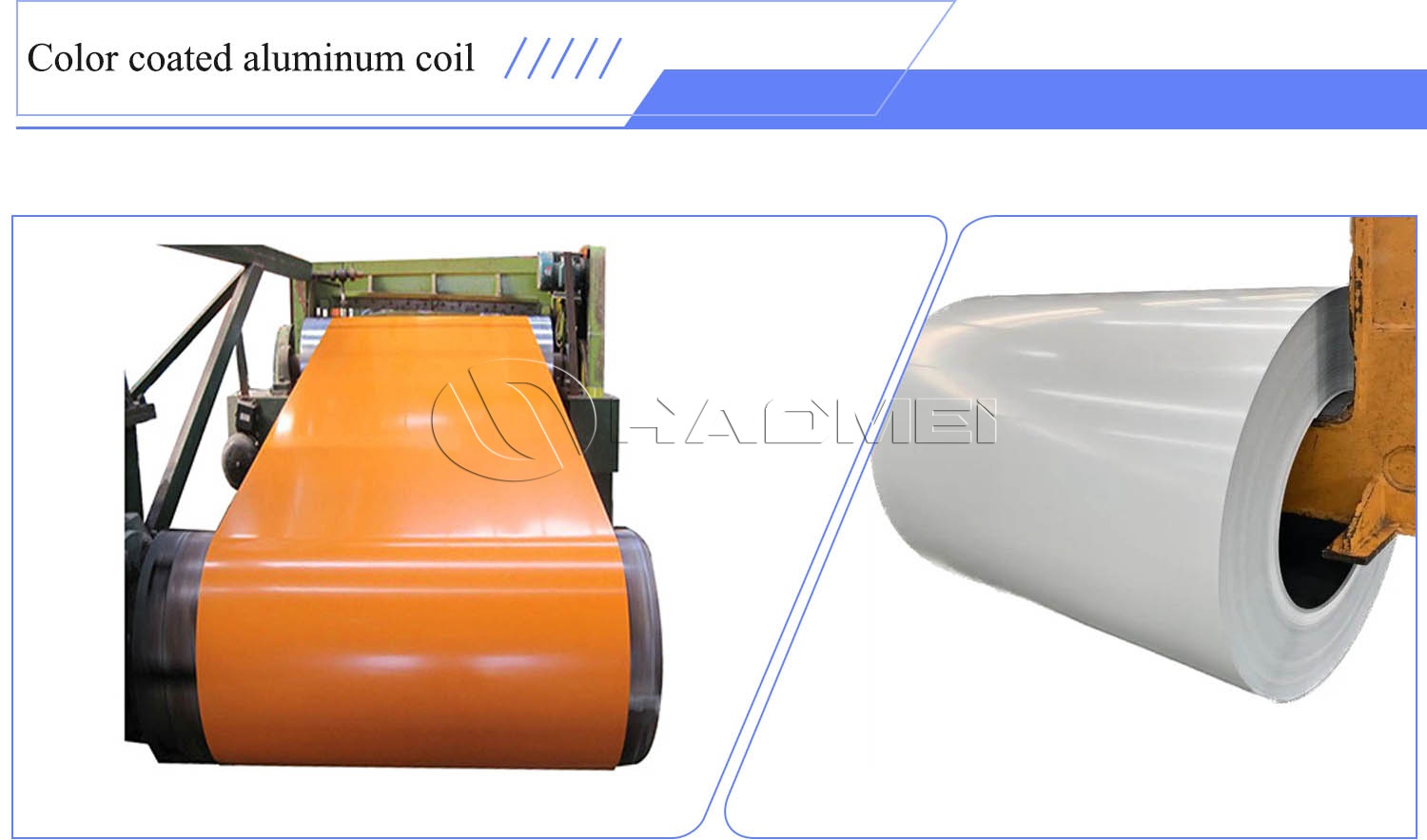
Color Coated Aluminum Coils For Roofing
Explore color coated aluminum coils for roofing, including common alloys, PVDF and PE coating systems, core specifications, and roofing performance factors.
2026-03-30
Contact Directly
-

ADD: No.14 Waihuan Road, CBD, Zhengzhou, China
-

WhatsApp: +86-18703635966
-

E-MAIL: sales@alummc.com