

News
 By Hermione
Pvdf Coated 3003 Aluminum Coil Price
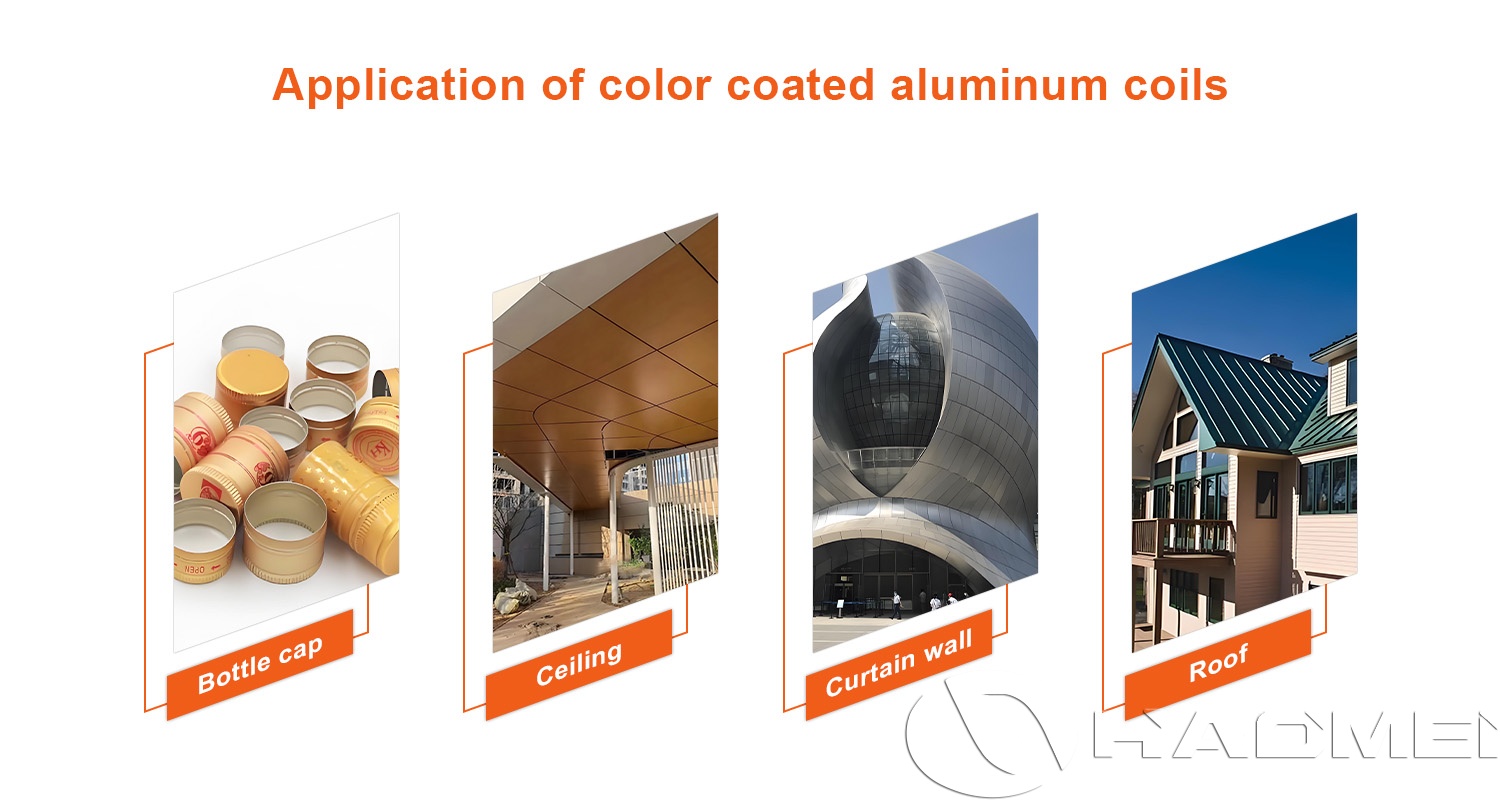
PVDF coated 3003 aluminum coil is positioned as a high-performance prepainted aluminum material for exterior architectural use where long-term color stability, weather resistance, and formability are required. It is widely used in curtain walls, roofing panels, fascia systems, ceiling panels, composite panel facing, canopies, and other building envelope applications exposed to sunlight, rain, and urban or industrial environments.
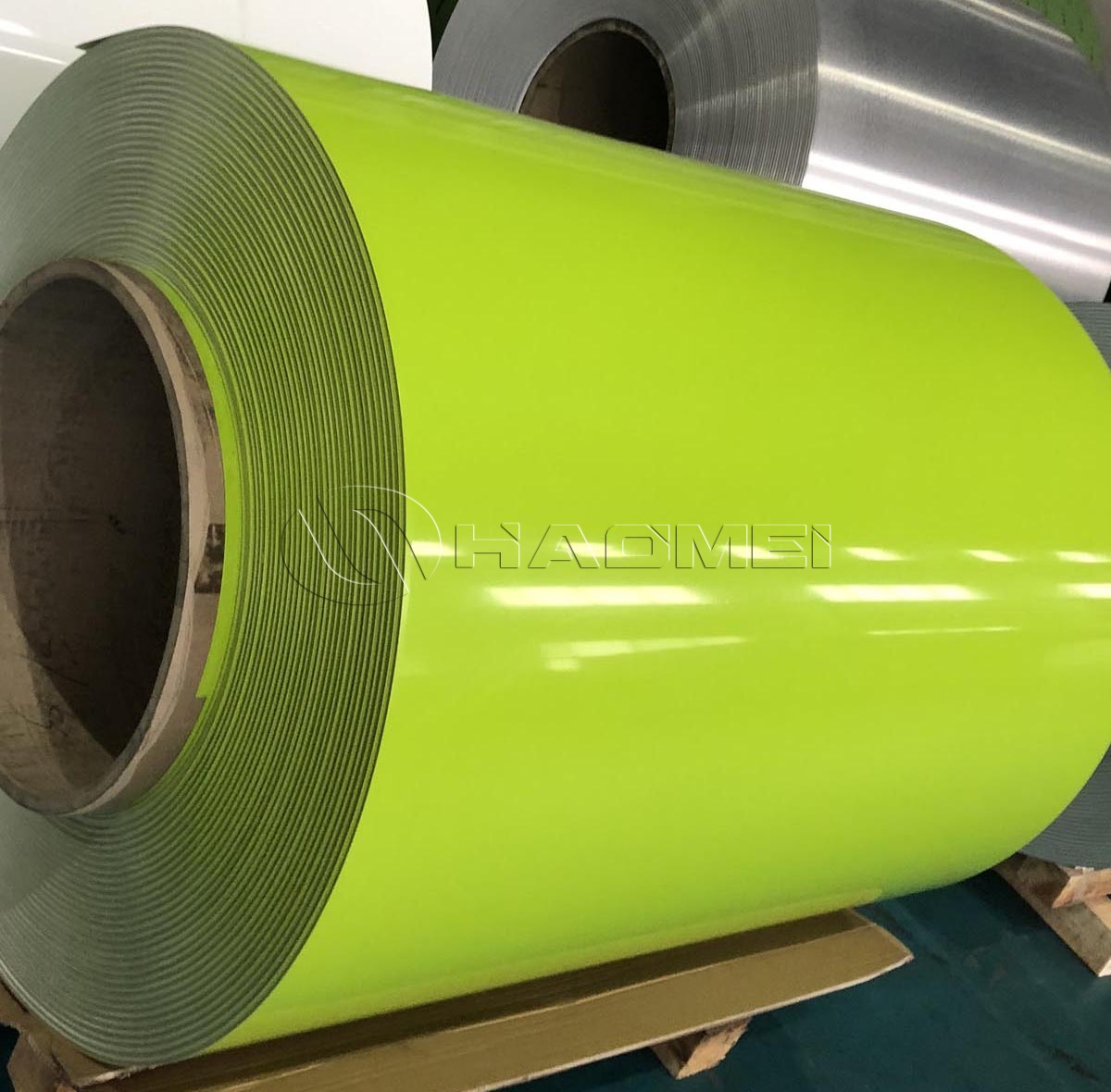
When discussing PVDF coated 3003 aluminum coil price, the market usually does not rely on alloy cost alone. The final price is a combination of aluminum ingot value, alloy surcharge, coil thickness, width, paint system, coating thickness, color requirements, surface finish, production route, and order quantity. For this reason, products with the same nominal alloy can show clear price differences once the coating specification and end-use requirements are defined.
Why 3003 alloy is commonly used
Among coated aluminum materials, 3003 aluminum alloy is one of the most frequently selected grades for architectural and decorative coil coating. It belongs to the Al-Mn series and offers a practical balance of strength, formability, corrosion resistance, and processing stability.
Compared with 1000 series alloys, 3003 provides higher mechanical strength while still remaining suitable for roll forming, bending, profiling, and panel fabrication. Compared with some higher-strength 5000 series materials, it is often more economical and easier to process for standard facade and roofing components. This is why 3003 Color Coated Aluminum Coil is widely specified for building sheet applications.
Typical characteristics of 3003 alloy include:
Good corrosion resistance in general atmospheric environments
Stable forming performance for roofing, cladding, and ceiling systems
Moderate strength for improved panel rigidity
Good compatibility with continuous coil coating lines
Suitable substrate for long-service-life PVDF coated aluminum coil systems
What PVDF coating means for product value
PVDF refers to polyvinylidene fluoride fluorocarbon coating, commonly used for premium outdoor applications. In coil coating practice, PVDF systems are selected when the project requires better retention of gloss, color, and surface integrity over long exposure periods.
Compared with polyester coatings, PVDF coatings generally provide:
Better UV resistance
Better chalking resistance
Better color retention
Better durability in harsh climates
Better long-term appearance for exterior architecture
Because of these performance advantages, PVDF coated 3003 aluminum coil price is usually higher than PE-coated alternatives under the same substrate specification. In practical procurement, the difference is driven by resin grade, paint brand, dry film thickness, primer system, and project durability target. For comparison, PVDF Coated Aluminum Coil is typically chosen for facades and roofing, while PE systems are more common for indoor or less demanding environments.
Main factors affecting PVDF coated 3003 aluminum coil price
1. Aluminum substrate cost
The base metal remains the first pricing component. Changes in LME aluminum price, regional ingot market fluctuations, and the difference between hot-rolled and cast-rolled feedstock all influence the coil price.
2. Alloy and temper
3003 is commonly supplied in tempers such as H14, H16, H24, or as required by forming needs. Different tempers affect strength, elongation, and processing suitability, and may also affect conversion cost.
3. Thickness and width
Thicker coils consume more metal and usually require tighter process control in coating and rewinding. Common thicknesses for architectural use range from 0.30 mm to 1.20 mm, while special facade or roofing designs may go beyond this range.
4. Paint system and coating thickness
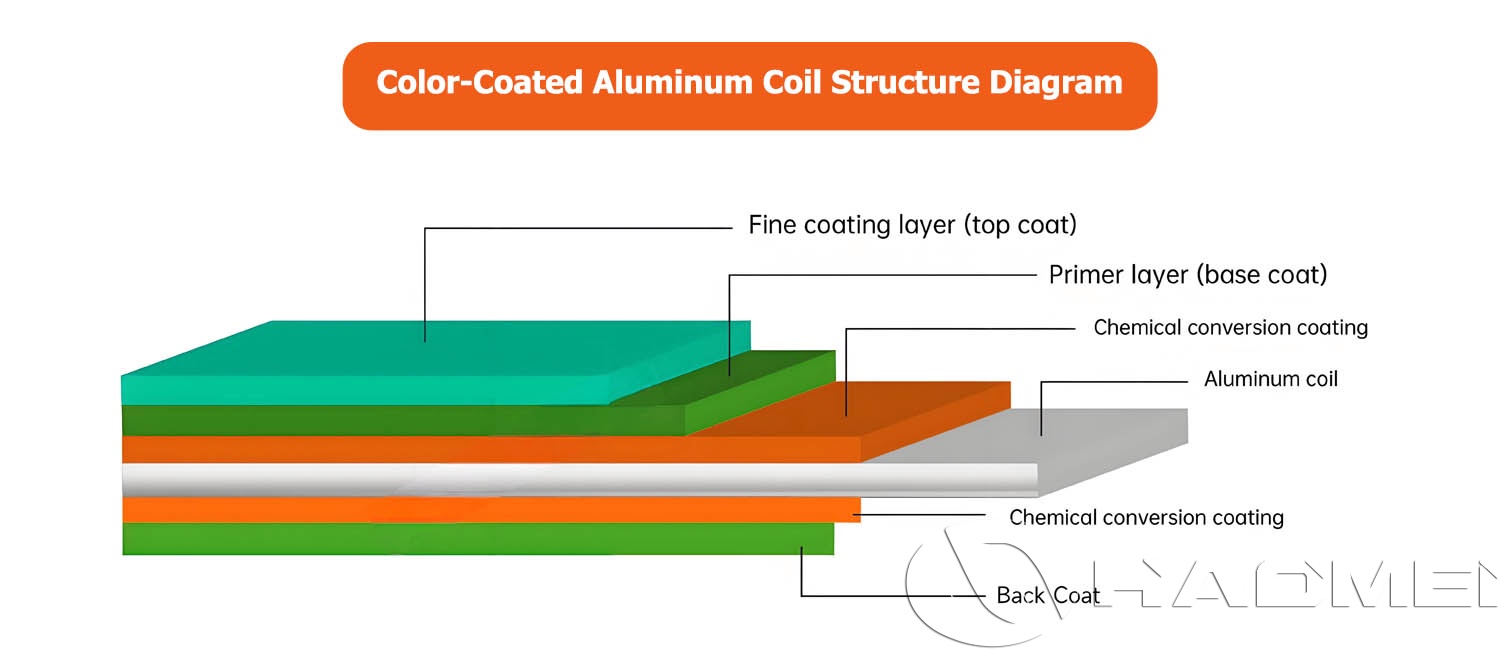
A standard 2-coat PVDF system typically includes chemical pretreatment, primer, and PVDF topcoat, with backside protective coating as needed. Higher dry film thickness, premium fluorocarbon resin systems, and strict color tolerance all increase cost.
5. Color and finish
Standard solid colors are generally more economical than metallic, high-gloss, low-gloss, matte, pearl, or special custom architectural colors. Batch color consistency requirements can also raise manufacturing complexity.
6. Surface quality requirements
For highly visible facade panels, stricter standards may apply to waviness, edge condition, gloss uniformity, and coating appearance. These requirements increase inspection and process control costs.
7. Order quantity and customization level
Large-volume standard colors are usually more price-efficient than small customized orders. Custom widths, protective films, embossing, and project-specific packing can all influence unit price.
Commonly used alloys in coated aluminum coil
Although the focus here is 3003, several other alloys are also used in the color-coated aluminum coil industry. The choice depends on required strength, corrosion resistance, formability, and application environment.
1000 series: 1050, 1060, 1100
These alloys feature high aluminum purity, excellent formability, and good corrosion resistance. They are often selected for ceiling systems, insulation jacketing, signage, and applications where deep drawing or high ductility is important. Their strength is lower than 3003.
3003 and 3004
3003 is a mainstream option for architectural decorative panels, roofing, and cladding. 3004 offers somewhat higher strength and is often considered where better rigidity or load performance is needed.
3105
3105 is also widely used in building products, especially roofing, wall panels, and roll-formed sections. It provides a useful combination of strength and coating compatibility.
5005, 5052, 5754
These 5000 series alloys are chosen when stronger corrosion resistance or higher strength is required. They are common in more demanding architectural, transportation, or coastal environment applications. Their price is typically higher than standard 3003 coil in comparable coated formats.
Core Specifications of PVDF Coated 3003 Aluminum Coil
| Product Name | PVDF Coated 3003 Aluminum Coil |
| Alloy | 3003 |
| Temper | H14, H16, H24, O as required |
| Thickness | 0.20 mm - 1.50 mm |
| Width | 30 mm - 1600 mm |
| Coating Type | PVDF fluorocarbon coating |
| Coating Structure | 2-coat or 3-coat system |
| Top Coating Thickness | Typically 25 μm or customized |
| Back Coating Thickness | Typically 5-10 μm or customized |
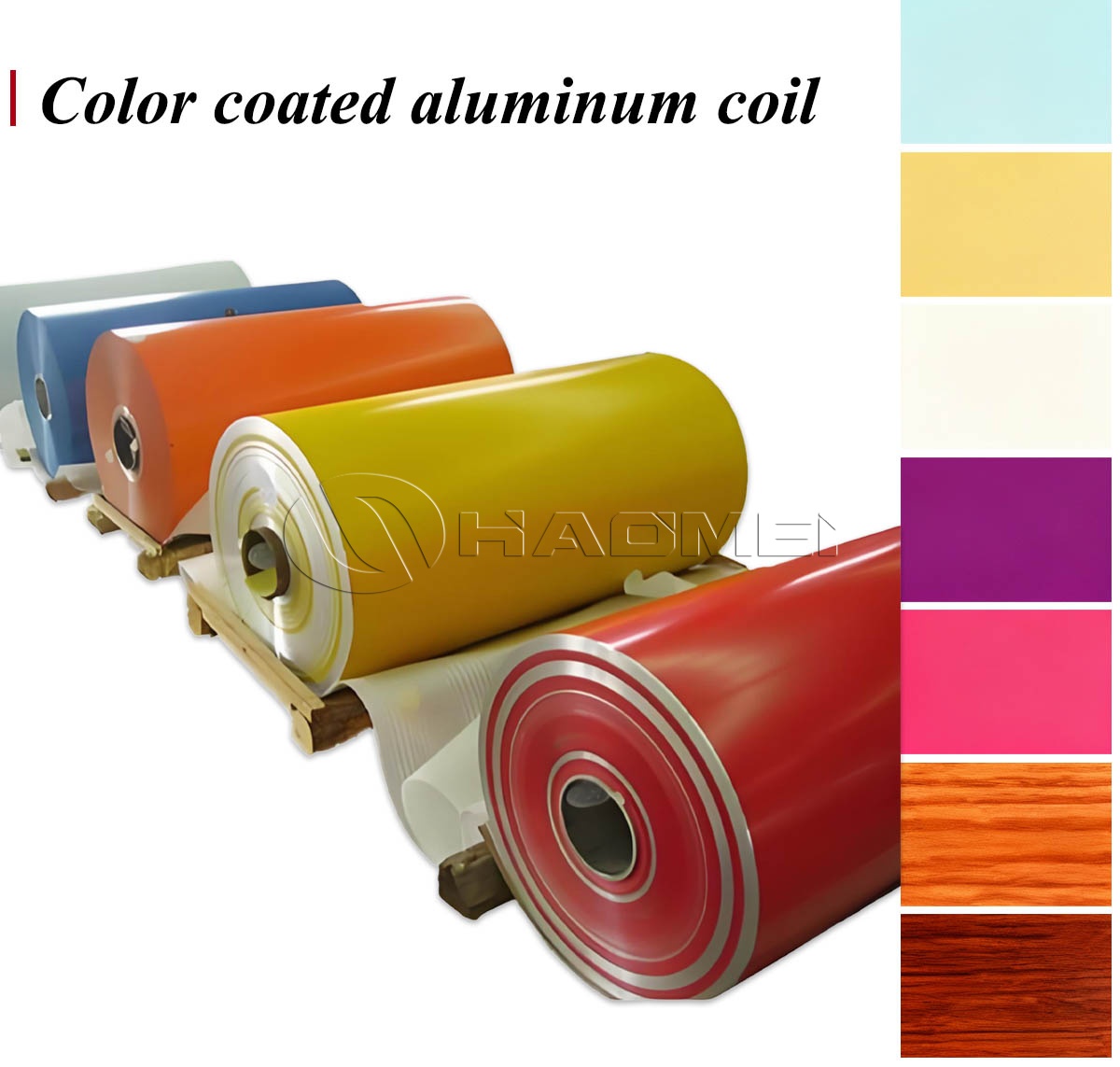
| Surface Finish | Solid color, metallic, matte, gloss, customized |
| Color Standard | RAL, Pantone, custom sample matching |
| Pretreatment | Chemical conversion pretreatment |
| Coil ID | 405 mm, 505 mm, or customized |
| Application | Facade, roofing, ceiling, ACP facing, cladding |
Typical application scenarios
The value of PVDF coated 3003 aluminum coil becomes most visible in outdoor use where both appearance and durability matter. Common application areas include:
Architectural curtain wall panels
Roofing and rainwater systems
Aluminum composite panel facing sheets
Exterior cladding and fascia boards
Soffits and suspended ceilings
Column covers and decorative trims
Transportation and industrial decorative panels
In these applications, 3003 alloy helps maintain fabrication efficiency, while the PVDF coating improves weatherability and long-term visual performance.
How pricing is usually evaluated in technical terms
For official website visitors searching for PVDF coated 3003 aluminum coil price, it is useful to understand that price is best evaluated by specification level rather than by a single universal number. In technical trade practice, comparison should be made under the same conditions:
Same alloy and temper
Same thickness and width
Same coating system and paint brand
Same topcoat and backcoat thickness
Same color category and gloss range
Same mechanical and appearance requirements
Same packaging and delivery basis
Without aligning these parameters, one quoted price can appear lower but actually refer to a thinner substrate, lighter coating mass, or lower-performance paint system.
Performance balance of 3003 substrate with PVDF system
The reason this product remains widely accepted in building projects is that it offers a balanced engineering solution. The 3003 aluminum substrate contributes processability and moderate strength, while the PVDF coating contributes long-term surface durability. This combination supports:
Reliable roll forming and bending
Stable flatness for panel processing
Durable outdoor exposure performance
Reduced risk of premature color fading
Good adaptability to standard fabrication methods
For facade, roof, and cladding producers, this balance often makes 3003 one of the most cost-effective premium coated aluminum choices within the broader range of architectural coil materials.
-
3105 PE Coated Aluminum Coil For Gutters
Explore 3105 PE coated aluminum coil for gutters, including alloy features, coating structure, specifications, forming performance and corrosion resistance.
2026-05-11
-
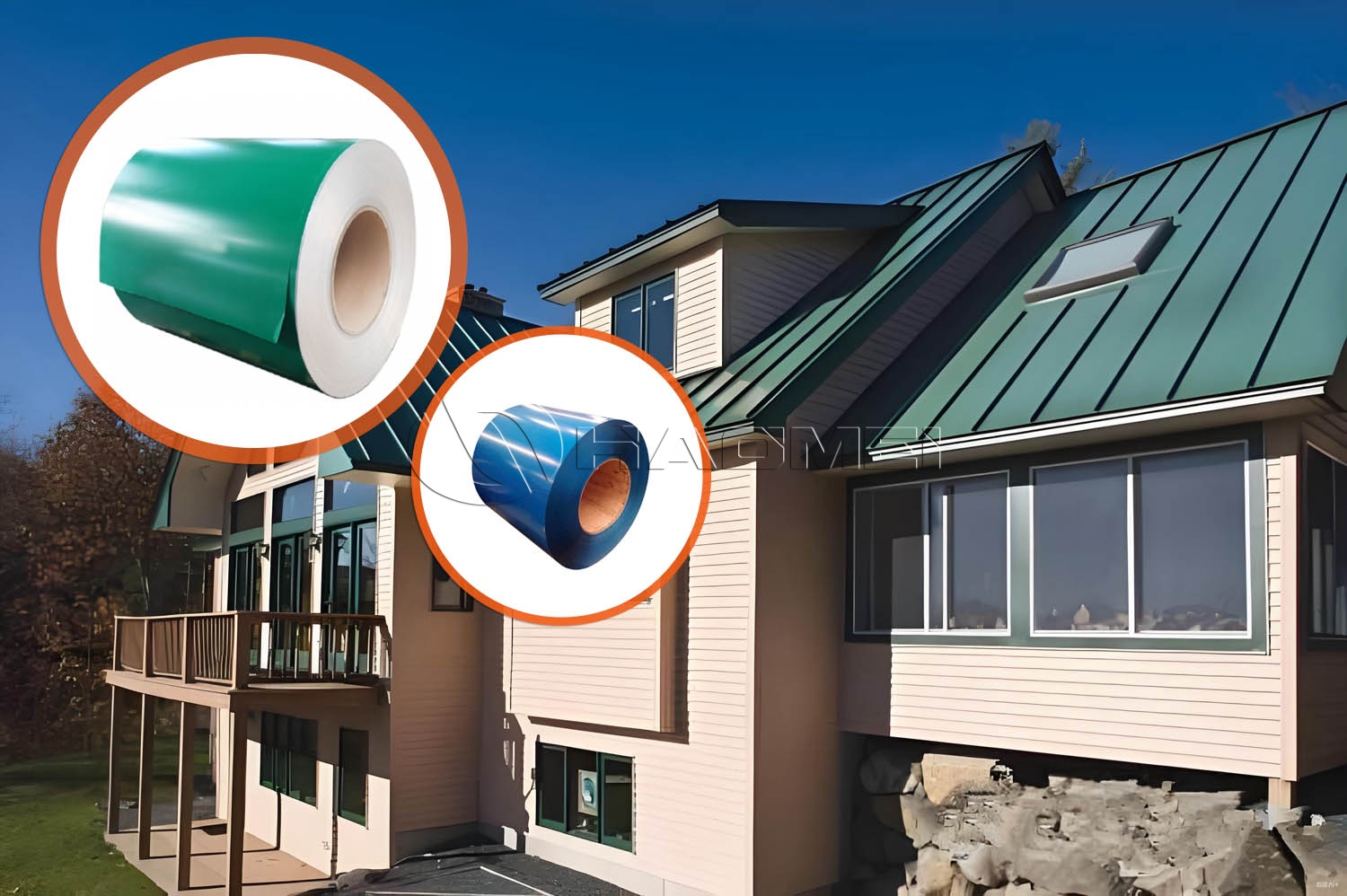
PVDF / PE Color Coated Aluminum Coil for Roofing and Wall Cladding
PVDF and PE color coated aluminum coil for roofing and wall cladding: coatings, alloys, specifications, durability, forming, and quality controls for buildings.
2026-08-07
-
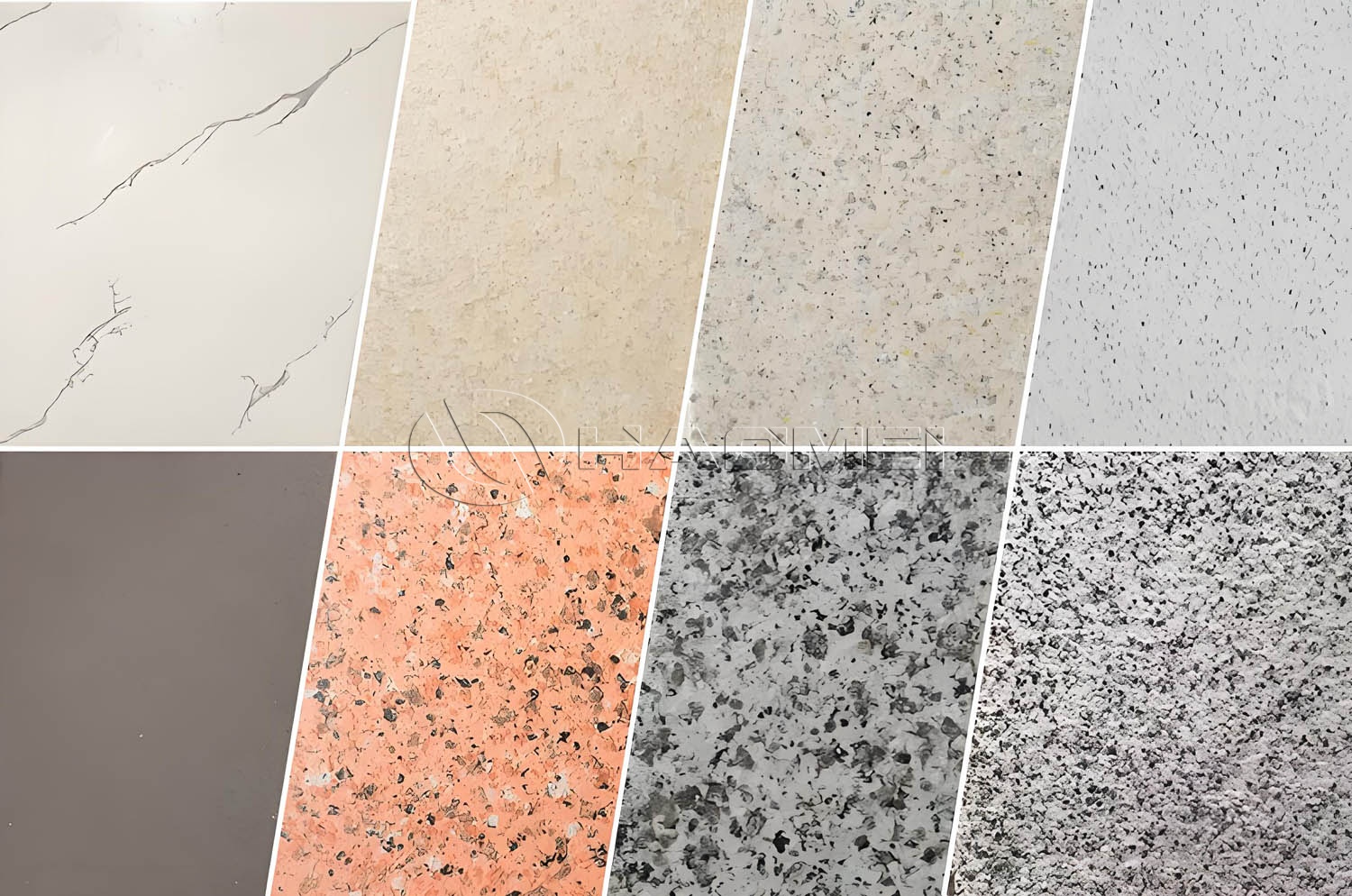
Marble Design PE Coated Aluminum Coil For Walls
Marble design PE coated aluminum coil delivers lightweight, decorative, and formable surfaces for interior wall panels, ceilings, partitions, and cladding.
2026-09-01
Contact Directly
-

ADD: No.14 Waihuan Road, CBD, Zhengzhou, China
-

WhatsApp: +86-18703635966
-

E-MAIL: sales@alummc.com