


News
 By Hermione
PE Coated Aluminum Coil 1000 Series for Electronics
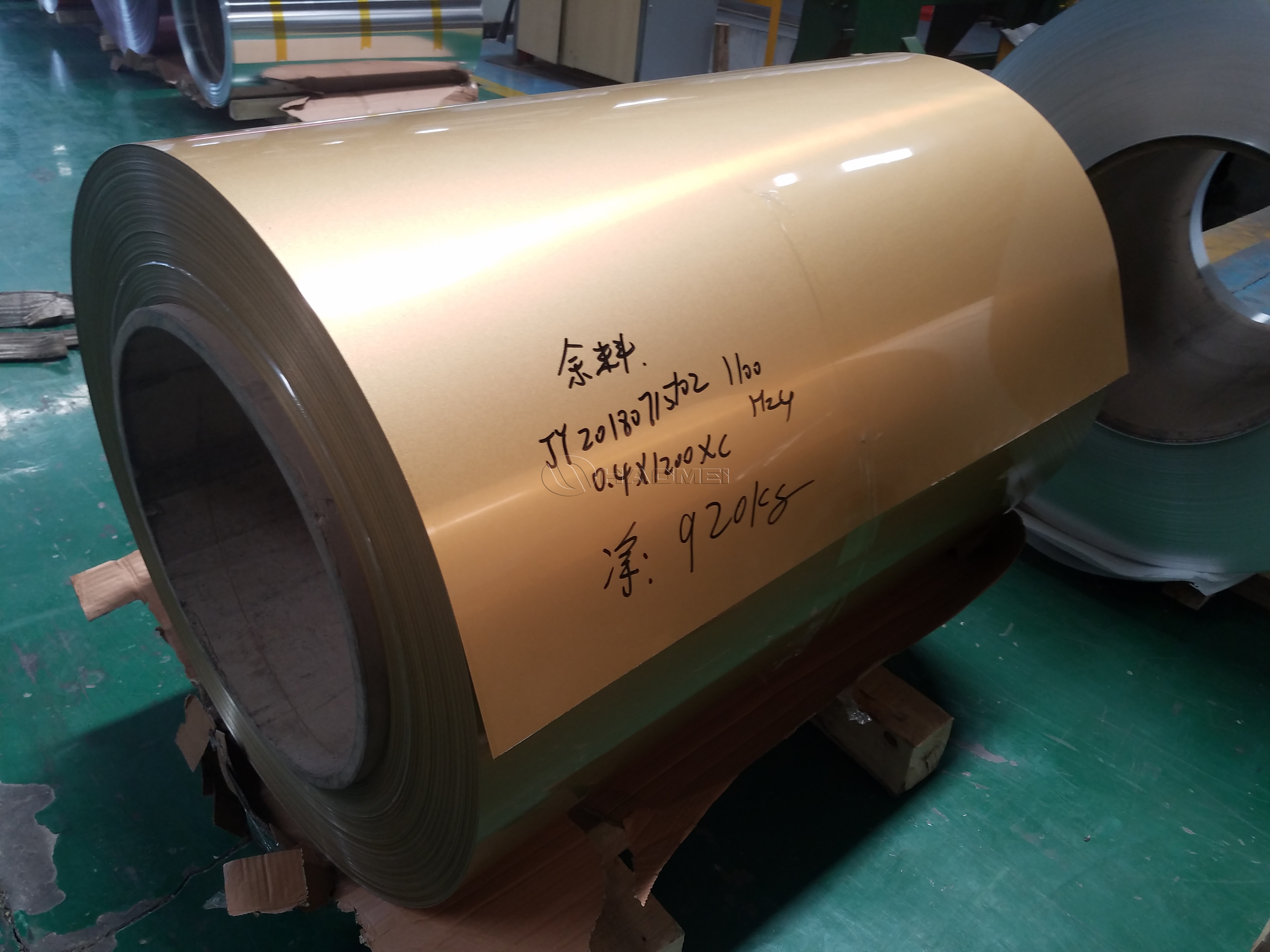
PE coated aluminum coil in the 1000 series is a lightweight, formable, and visually consistent material used for electronics housings, control panels, instrument covers, display surrounds, cabinet trim, and indoor equipment enclosures. Combining a high-purity aluminum substrate with a factory-applied polyester coating, it supports efficient fabrication while providing a clean decorative surface for consumer, commercial, and industrial electronic products.
Material Structure and Product Positioning
This product uses a 1000 series aluminum coil as the base metal, followed by surface pretreatment, primer application, PE top-coat coating, and controlled curing. The pre-painted construction avoids many of the handling marks, color inconsistencies, and post-forming coating steps associated with separate finishing operations.
A typical PE coated aluminum coil structure includes:
Aluminum substrate
Chemical conversion layer for improved coating adhesion
Primer coating for corrosion resistance and intercoat bonding
PE top coat for color, gloss, and surface protection
Optional back coating for handling and processing protection
For indoor electronic applications, the PE coating system provides balanced color retention, flexibility, abrasion resistance, and processing performance. It is commonly selected where the finished component requires bending, stamping, roll forming, or panel fabrication without sacrificing surface appearance.
Performance Advantages
Excellent corrosion resistance: The PE coating forms a protective layer on the aluminum coil surface, mitigating erosion of the base material caused by moisture, oxidation, and chemical agents.
Good insulation and protective properties: The coating provides stable surface protection, making it suitable for structural and decorative components in certain electronic devices.
Good formability: 1000-series aluminum features high purity and excellent ductility, making it suitable for processes such as stamping, bending, and shearing.
Lightweight: The low density of aluminum facilitates lightweight designs for electronic products.
Aesthetic appeal: The PE coating offers uniform color and strong adhesion; colors and surface finishes can be customized to meet specific customer requirements.
Good thermal conductivity: 1000-series aluminum possesses good thermal conductivity, aiding in the design of heat dissipation structures for certain electronic products.
Stable processing characteristics: Thickness, width, and coating properties can be customized to meet the specific application requirements of the electronics industry, making the material suitable for continuous production.
Core Specifications of PE Coated Aluminum Coil for Electronics
| Specification Item | Typical Range or Option |
|---|---|
| Base alloy | 1050, 1060, 1070, 1100, 1200 |
| Temper | O, H12, H14, H16, H18, H22, H24 |
| Thickness | 0.20-1.50 mm |
| Common electronics thickness | 0.30-0.80 mm |
| Coil width | 20-1,600 mm |
| PE top-coat thickness | Typically 15-25 μm |
| Back-coat thickness | Typically 5-10 μm |
| Surface finish | Glossy, matte, satin, textured, or customized |
| Available colors | RAL colors, custom colors, metallic finishes |
| Coil inner diameter | 405 mm or 505 mm |
| Typical applications | Device housings, panels, cabinets, trims, covers, and faceplates |
Common 1000 Series Alloys
1050 Aluminum Coil
1050 is a commercially pure aluminum alloy with aluminum content of at least 99.5%. It offers excellent ductility, good corrosion resistance, and reliable surface quality. Its softness makes it well suited to shallow drawing, folding, light stamping, and decorative panel processing.
For products requiring a highly formable substrate, 1050 Color Coated Aluminum Coil is often used for equipment covers, indoor panel skins, and lightweight electronic accessories.
1060 Aluminum Coil
1060 aluminum contains at least 99.6% aluminum and is widely used where consistent forming behavior and good thermal conductivity are important. Compared with 1050, it is commonly specified for applications requiring a slightly more controlled balance between surface finish, elongation, and mechanical handling performance.
1060 Color Coated Aluminum Coil is suitable for instrument panels, electrical cabinet surfaces, appliance control panels, and formed enclosure parts. H14 and H24 tempers are frequently selected when moderate rigidity is required while retaining practical bendability.
1100 Aluminum Coil
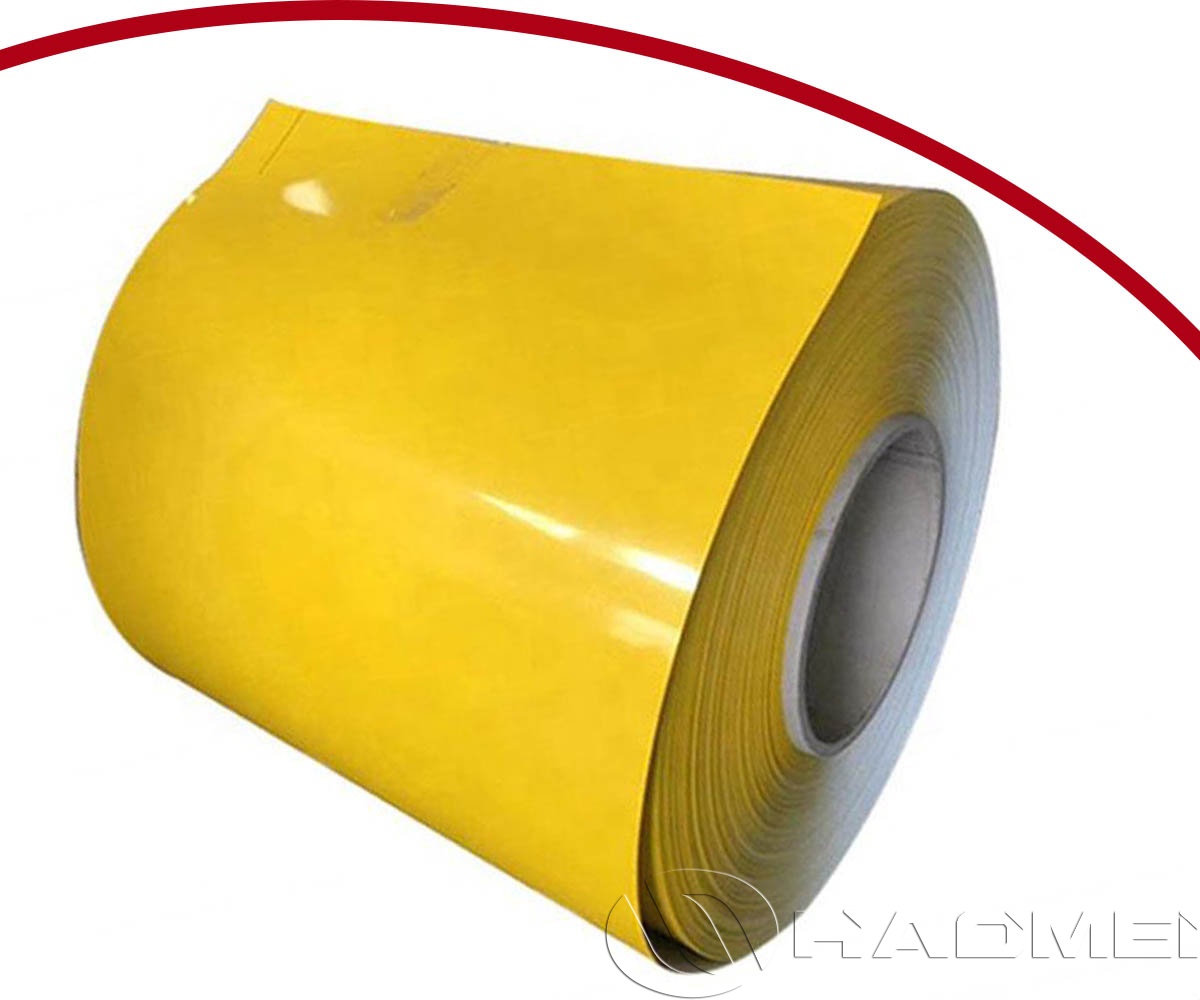
1100 aluminum is a high-purity alloy containing at least 99.0% aluminum. It has excellent corrosion resistance, high workability, and a smooth surface that supports uniform coating appearance. It is often used for decorative electronic casings, lamp components, indoor control boxes, and parts with complex bends or rolled edges.
The selection between 1050, 1060, and 1100 is generally based on forming depth, temper, panel stiffness, surface requirements, and the specific fabrication method rather than a major difference in basic corrosion performance.
PE Coating Performance for Electronic Components
PE, or polyester, is an economical and versatile coating system for indoor environments. In electronics applications, it is valued for its stable appearance, broad color range, and compatibility with routine fabrication processes.
Key coating characteristics include:
Uniform color and gloss across continuous coil production
Good adhesion to properly pretreated aluminum substrate
Flexibility for bending and roll forming within defined process limits
Resistance to ordinary indoor humidity and handling wear
Smooth surfaces that are easy to clean and maintain
Availability in solid, metallic, matte, and textured finishes
Coating selection should be coordinated with the final service environment. Standard PE coatings are primarily intended for indoor or protected-use electronic products. Equipment exposed to strong ultraviolet radiation, aggressive industrial atmospheres, salt spray, or continuous outdoor weathering may require a higher-performance coating system such as PVDF.
Processing Considerations
The mechanical performance of PE coated aluminum coil depends on alloy, temper, thickness, coating thickness, bend radius, tooling condition, and forming direction. Softer tempers such as O and H12 offer greater forming latitude, while H14 and H24 provide improved panel rigidity for larger covers and cabinet faces.
During stamping and bending, clean tools, controlled pressure, and appropriate protective film help preserve the painted surface. Tight bends should be validated with the selected coating and temper because excessive strain can cause coating cracking at the bend apex.
For assemblies requiring electrical grounding, the aluminum substrate remains conductive beneath the coating. PE paint should not be treated as a certified electrical insulation layer, and contact points for grounding, fastening, or conductive bonding may require localized coating removal or dedicated conductive hardware.
Typical Electronics Applications
PE coated 1000 series aluminum coil is used in a range of indoor electronic and electrical product components, including:
Consumer electronics outer covers and decorative trims
Electrical control cabinet doors and side panels
Instrument and meter housings
Communication equipment enclosures
Appliance control panels and display bezels
LED lighting bodies, reflectors, and covers
Battery cabinet skins and indoor energy-storage enclosures
Vending machine, terminal, and kiosk panel components
The combination of low density, corrosion resistance, paint consistency, and fabrication efficiency makes pre-painted 1000 series aluminum particularly suitable for high-volume sheet-metal components with visible surfaces.
Quality Control Parameters
Production quality is controlled from incoming aluminum coil through coating and slitting. Important inspection items include substrate thickness tolerance, width tolerance, coating thickness, color difference, gloss, adhesion, bend performance, pencil hardness, impact resistance, surface cleanliness, and edge condition.
Color consistency is typically checked against an approved reference standard under controlled lighting conditions. Coating adhesion is evaluated through cross-hatch testing, while bending and impact tests help confirm that the coating system can withstand downstream processing. Protective film, when specified, is also evaluated for adhesion balance and clean removal after fabrication.
Available Surface and Supply Options
PE coated aluminum coil can be supplied in standard and custom colors, with gloss levels matched to the visual requirements of electronic equipment. Smooth finishes are common for cabinet panels and appliance surfaces, while matte or lightly textured coatings can reduce fingerprint visibility and glare on control-panel components.
Common supply formats include master coils, slit coils, narrow strips, and cut-to-length sheets. The final configuration is determined by the stamping layout, panel dimensions, forming method, and surface protection requirements during manufacturing.
-
PVDF / PE Color Coated Aluminum Coil for Roofing and Wall Cladding
PVDF and PE color coated aluminum coil for roofing and wall cladding: coatings, alloys, specifications, durability, forming, and quality controls for buildings.
2026-08-07
-
5000 Series Color Coated Aluminum Coil for Signage
Explore 5000 series color coated aluminum coil for signage, including 5005 and 5052 alloys, coating options, dimensions, fabrication, and durability.
2026-09-14
-
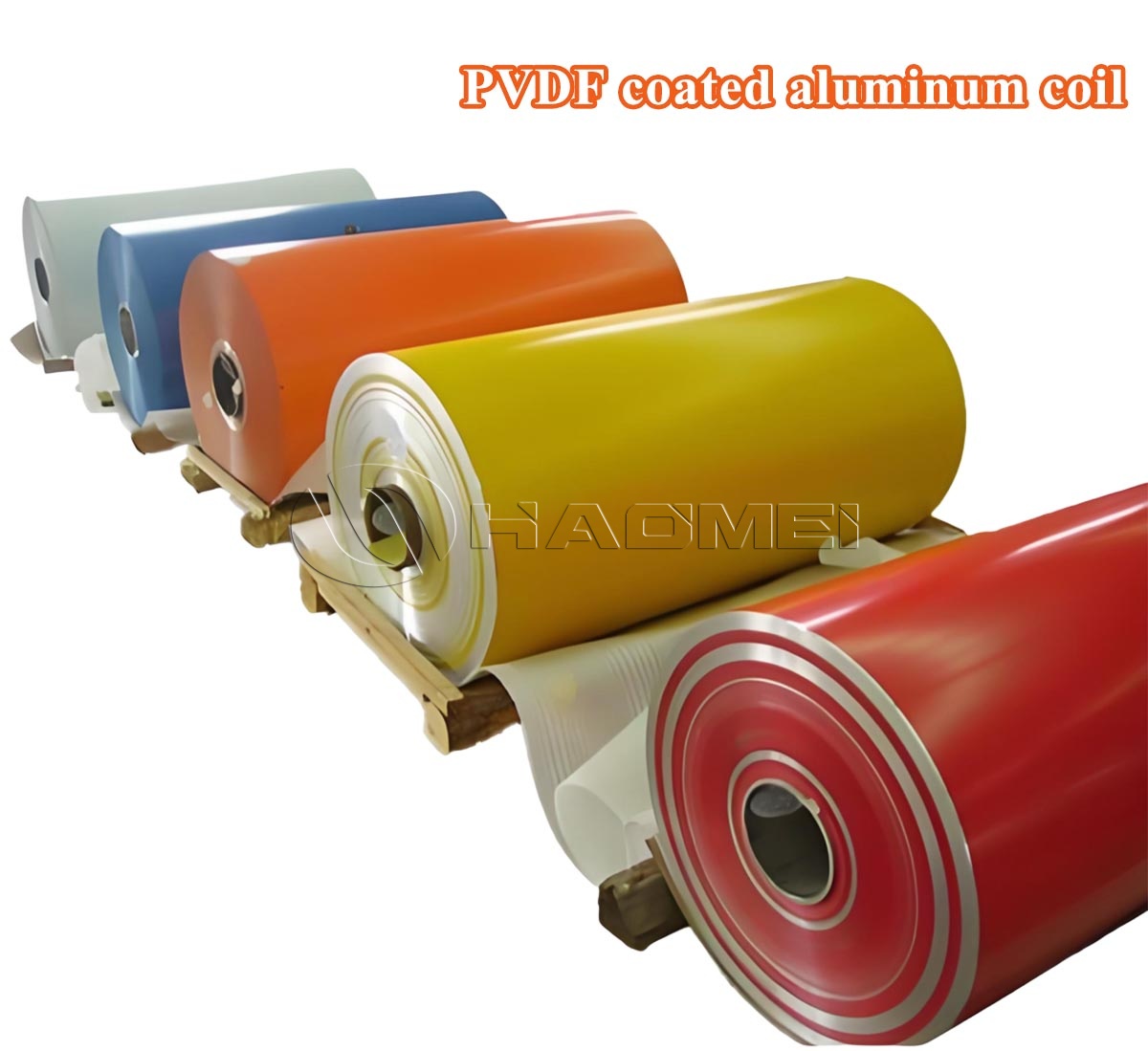
PVDF Coated 3003 H14 Aluminum Coil for ACP
PVDF coated 3003 H14 aluminum coil for ACP combines formability, corrosion resistance, and durable color stability for exterior architectural composite panels.
2026-07-31
Contact Directly
-

ADD: No.14 Waihuan Road, CBD, Zhengzhou, China
-

WhatsApp: +86-18703635966
-

E-MAIL: sales@alummc.com
