

News
 By Hermione
PVDF / PE Color Coated Aluminum Coil for Roofing and Wall Cladding
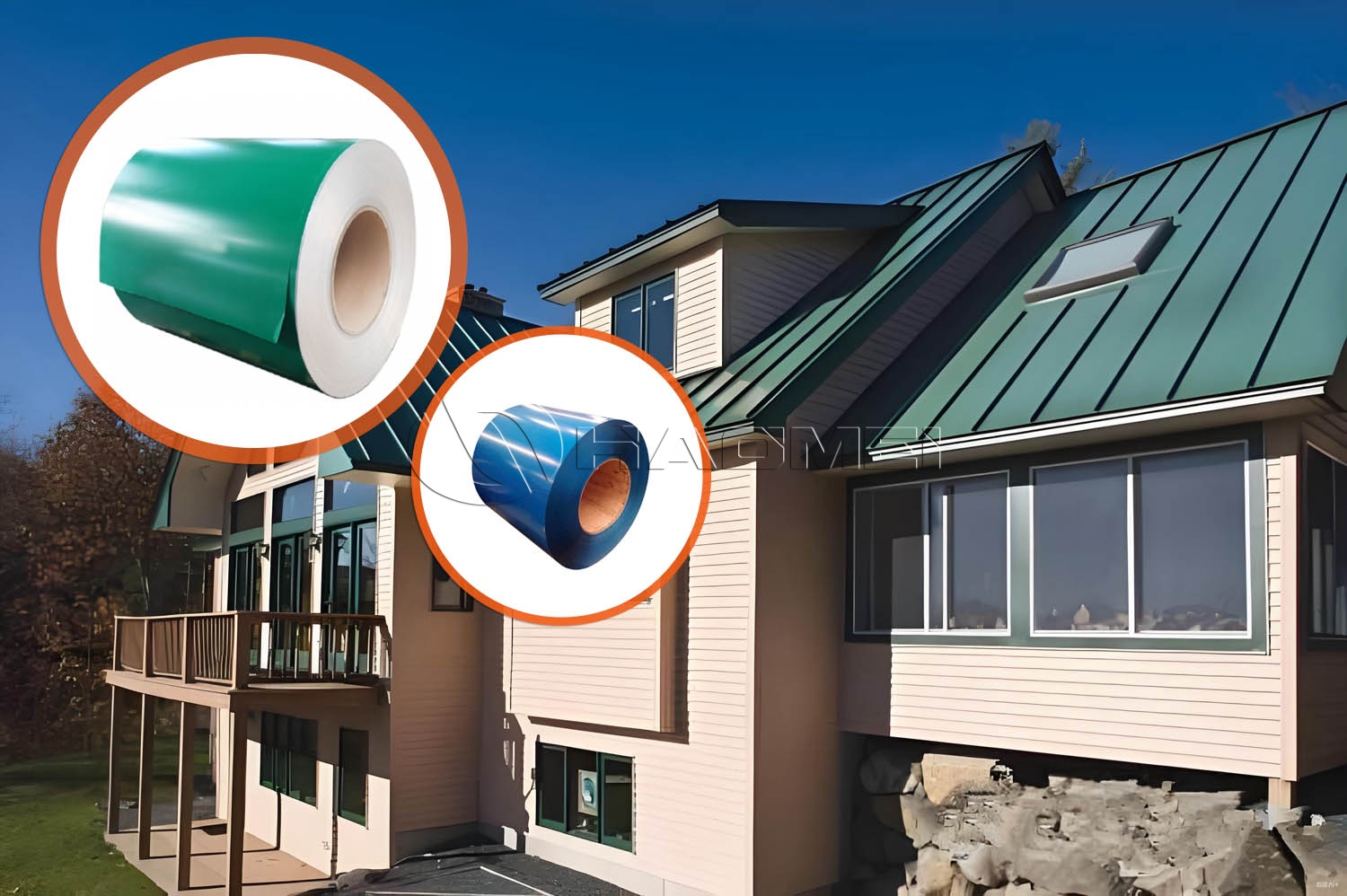
PVDF / PE color coated aluminum coil is a pre-painted architectural material designed for lightweight, durable, and visually consistent building envelopes. It is widely processed into standing-seam roofing, corrugated roof sheets, insulated sandwich panels, curtain-wall panels, soffits, fascia boards, rainwater systems, and exterior wall cladding. Combining aluminum's natural corrosion resistance with a factory-applied organic coating, this material supports efficient roll forming while maintaining long-term color and surface performance.
Product Structure and Performance Foundation
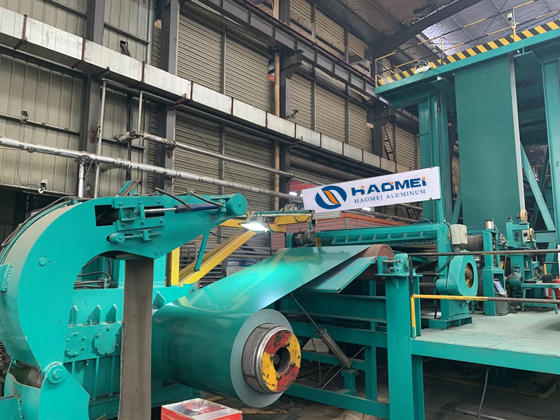
Color coated aluminum coil is produced by continuously cleaning, chemically pretreating, priming, top-coating, and curing aluminum strip on a coil-coating line. This controlled process provides more uniform film thickness and adhesion than post-fabrication painting.
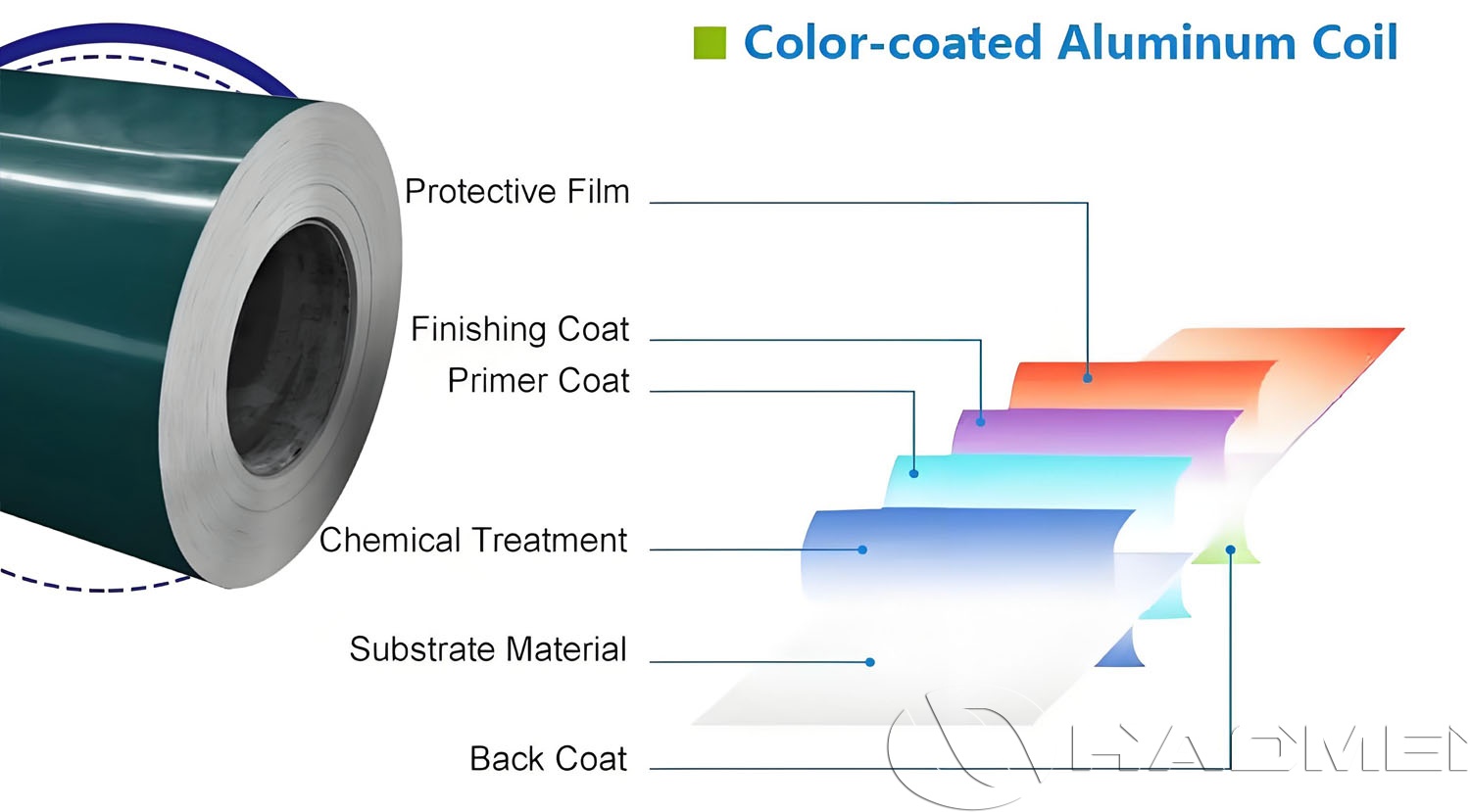
A typical roofing and wall cladding coil structure includes:
Aluminum substrate
Chemical conversion layer
Primer coating
PE or PVDF topcoat
Protective back coat
The conversion treatment improves bonding between the aluminum and coating system. The primer contributes to adhesion, flexibility, and corrosion resistance, while the topcoat provides the required color, gloss, weatherability, and surface appearance. Back coatings protect the reverse side during forming, transport, and service.
PE and PVDF Coating Systems
PE Coated Aluminum Coil
PE, or polyester-coated aluminum coil, is commonly used for interior building components and exterior applications with moderate environmental exposure. It provides reliable color consistency, formability, and surface coverage at an economical coating thickness.
Typical PE topcoat thickness ranges from 15 to 25 μm, depending on color, gloss, and project requirements. PE coatings are suitable for ceiling systems, interior wall panels, fascia, residential roofing, commercial roofing in ordinary climates, and general-purpose cladding.
PE Coated Aluminum Coil is valued for its smooth finish, broad color availability, and compatibility with roll forming, bending, stamping, and profiling processes.
PVDF Coated Aluminum Coil
PVDF coating is formulated with fluorocarbon resin, commonly based on a 70% PVDF resin system for demanding architectural exposure. It provides enhanced resistance to ultraviolet radiation, chalking, fading, chemical pollutants, humidity, and temperature variation.
PVDF coated aluminum coil is widely used for high-rise facades, coastal building envelopes, airport terminals, industrial buildings, stadium roofing, and projects exposed to intense sunlight or aggressive atmospheric conditions. Typical PVDF topcoat thickness is 25 to 35 μm, with higher total coating thicknesses available for specific service environments.
PVDF Coated Aluminum Coil maintains a stable decorative finish where long-term weathering resistance is a primary material requirement.
Core Specifications of Color Coated Aluminum Coil
Core Product Specifications
| Item | Typical Range or Option |
|---|---|
| Aluminum alloy | 1100, 3003, 3004, 3105, 5005, 5052 |
| Temper | O, H12, H14, H16, H18, H24, H26 |
| Thickness | 0.20-2.00 mm |
| Standard coil width | 600-1,600 mm |
| Coil inner diameter | 405 mm, 508 mm, or 610 mm |
| Coil weight | According to thickness, width, and handling requirement |
| Top coating | PE polyester or PVDF fluorocarbon |
| PE topcoat thickness | Typically 15-25 μm |
| PVDF topcoat thickness | Typically 25-35 μm |
| Primer thickness | Typically 5-7 μm |
| Back coating | Usually 5-10 μm, subject to application |
| Surface finish | High gloss, semi-gloss, matt, textured, metallic, embossed, or patterned |
| Available colors | RAL, Pantone, custom colors, metallic colors, wood grain, and other decorative finishes |
Common Aluminum Alloys for Roofing and Wall Cladding
The alloy selection affects forming behavior, strength, flatness, corrosion resistance, and the suitability of the finished panel for wind load and installation conditions.
1100 Alloy
1100 is commercially pure aluminum with excellent corrosion resistance, high ductility, and good surface quality. It is frequently used for decorative trim, gutters, flashing, interior panels, and applications requiring deep drawing or complex forming. Its relatively low mechanical strength limits its use in structural roof and facade profiles that require greater rigidity.
3003 Alloy
3003 aluminum contains manganese, providing higher strength than 1100 while retaining good formability and corrosion resistance. It is one of the most widely used substrates for color coated roofing sheets, wall cladding, rainwater products, and profiled architectural panels. The alloy performs well in roll-forming operations and offers a practical balance between strength and workability.
3004 Alloy
3004 provides increased strength compared with 3003 and is suitable for more demanding formed panels. It is used where improved dent resistance, profile stability, or mechanical performance is needed in roofing and wall systems. The alloy remains compatible with conventional coil-coating and forming processes.
3105 Alloy
3105 is a common architectural aluminum alloy for painted sheet and coil. It combines moderate strength, good bending performance, and stable coating compatibility. Color coated 3105 aluminum coil is widely used for roofing panels, siding, shutters, fascia, trim coil, and exterior cladding components.
5005 and 5052 Alloys
5005 offers good surface appearance and corrosion resistance, making it suitable for premium decorative panels and facade components. 5052 has higher magnesium content and stronger corrosion resistance, especially in humid or marine-related environments. These alloys are used where greater strength and environmental resistance are required, although forming radii and temper selection remain important for coated surfaces.
Roofing and Wall Cladding Performance Factors
For roofing and wall cladding, material performance is determined by the combined behavior of the substrate, pretreatment, coating system, fabrication method, and installation design.
Corrosion Resistance
Aluminum naturally forms a protective oxide layer. The coil coating system adds an additional barrier against rainwater, condensation, airborne contaminants, and atmospheric salts. For coastal, high-humidity, or industrial environments, PVDF coatings and corrosion-resistant alloy selections provide improved long-term surface protection.
Weatherability and Color Retention
Exterior building surfaces are exposed to ultraviolet radiation, thermal cycling, moisture, and pollution. PVDF coatings offer superior retention of color and gloss under prolonged outdoor exposure. PE coatings provide dependable performance in less severe environments and for applications with lower weathering demands.
Formability
Roofing sheets and wall panels are often roll formed into corrugated, trapezoidal, standing-seam, or cassette profiles. Coating flexibility, alloy temper, and bending radius must be coordinated to reduce the risk of coating cracking, edge damage, or surface distortion during fabrication.
Thermal Movement
Aluminum has a relatively high coefficient of thermal expansion. Roofing and wall cladding systems therefore use panel geometry, fixing methods, and allowance details that accommodate expansion and contraction caused by daily and seasonal temperature changes.
Surface Appearance
Color coated aluminum coil is available in solid colors, metallic finishes, matt textures, high-gloss surfaces, wood-grain patterns, and other decorative options. Consistent gloss, color difference control, coating thickness, and surface cleanliness are important for panels installed across large visible facade areas.
Manufacturing and Quality Control
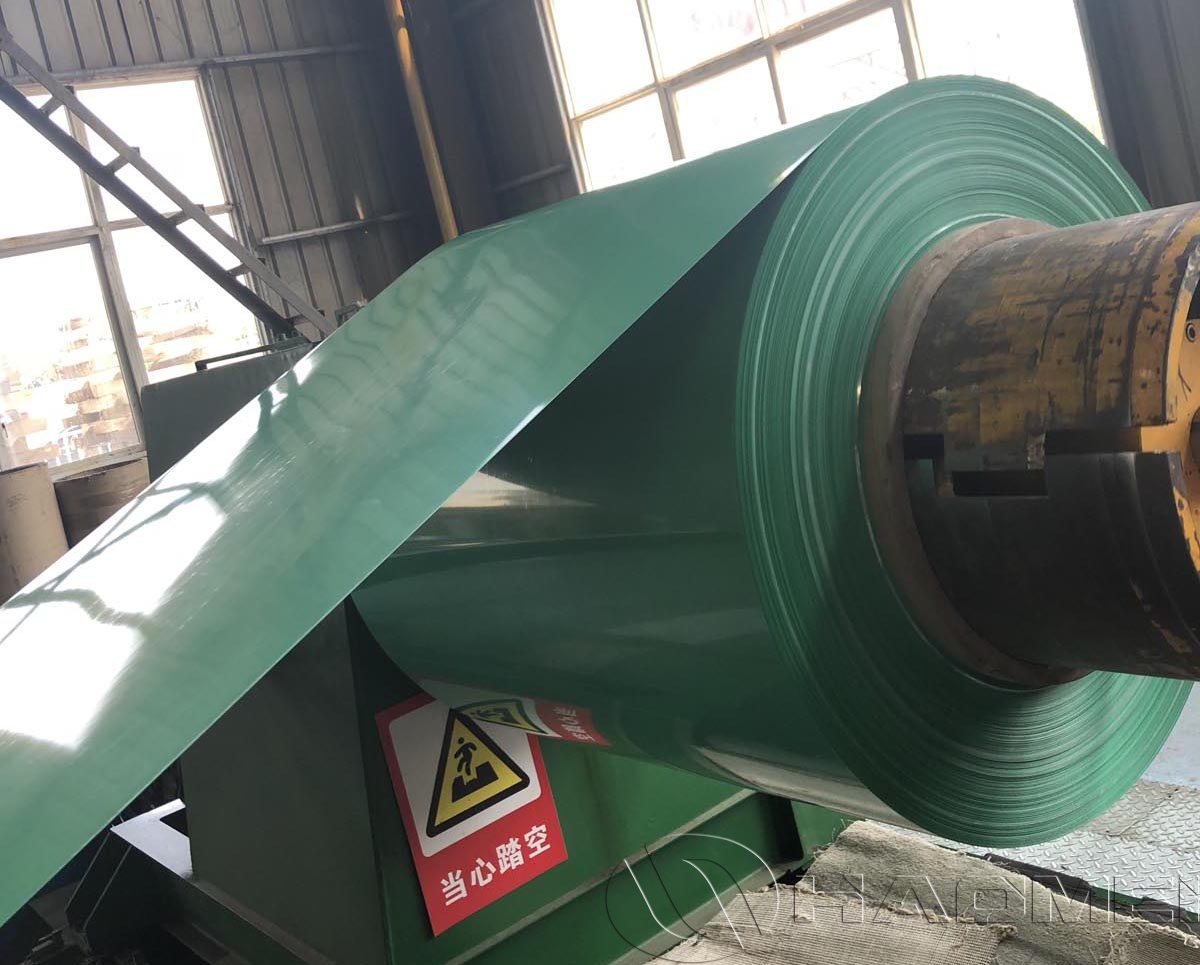
The performance of pre-painted aluminum depends on stable process control throughout coil coating. Key quality checks include substrate thickness, width tolerance, coating thickness, color consistency, gloss, adhesion, pencil hardness, impact resistance, bend performance, solvent resistance, and salt-spray or humidity resistance where applicable.
During production, the aluminum strip is cleaned to remove rolling oil and surface contaminants before chemical pretreatment. Primer and topcoat are applied under controlled conditions and cured at specified metal temperatures. Proper curing is essential: under-curing can reduce chemical resistance and adhesion, while excessive curing can affect coating flexibility and appearance.
For roofing and wall cladding fabrication, edge condition, coil flatness, camber, and coating uniformity also influence downstream profiling efficiency and finished-panel quality. Protective film may be applied to decorative surfaces when required for handling and fabrication protection.
Typical Applications
PVDF and PE color coated aluminum coil is used across a wide range of architectural systems:
Standing-seam metal roofing
Corrugated and trapezoidal roof sheets
Residential and commercial siding
Curtain-wall infill panels
Exterior wall cladding and facade cassettes
Insulated sandwich panels
Rain gutters, downpipes, and flashing
Soffits, fascia boards, and eaves
Ceiling panels and interior decorative systems
Shutters, garage doors, and trim components
The combination of low weight, corrosion resistance, coating versatility, and fabrication compatibility makes color coated aluminum coil an established material for modern roofing and wall cladding systems.
-
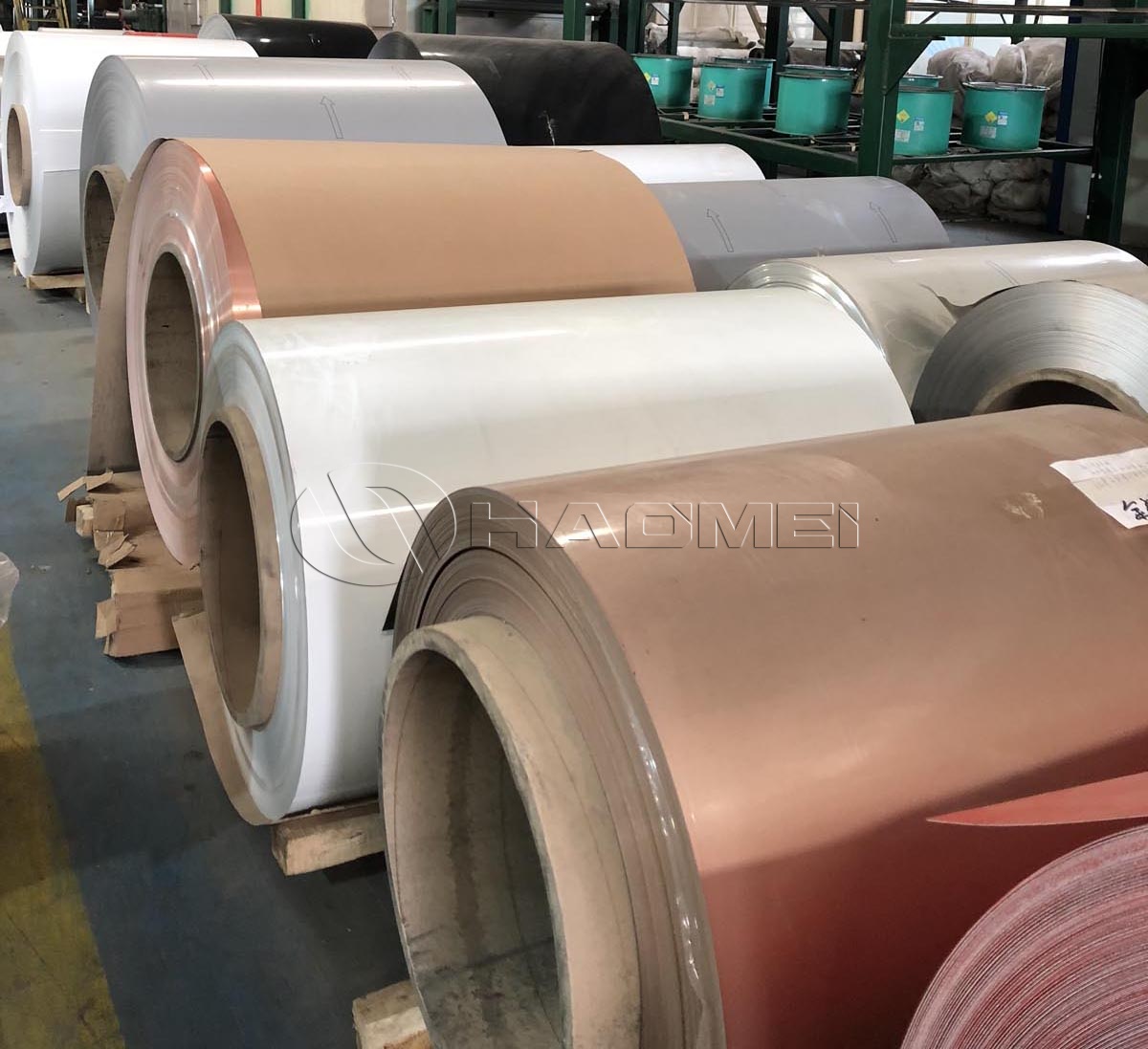
1100 H14 Prepainted Aluminum Coil Price
Learn what shapes 1100 H14 prepainted aluminum coil price: alloy and temper basics, PE/PVDF coating processes, key specifications, and typical applications.
2026-01-13
-
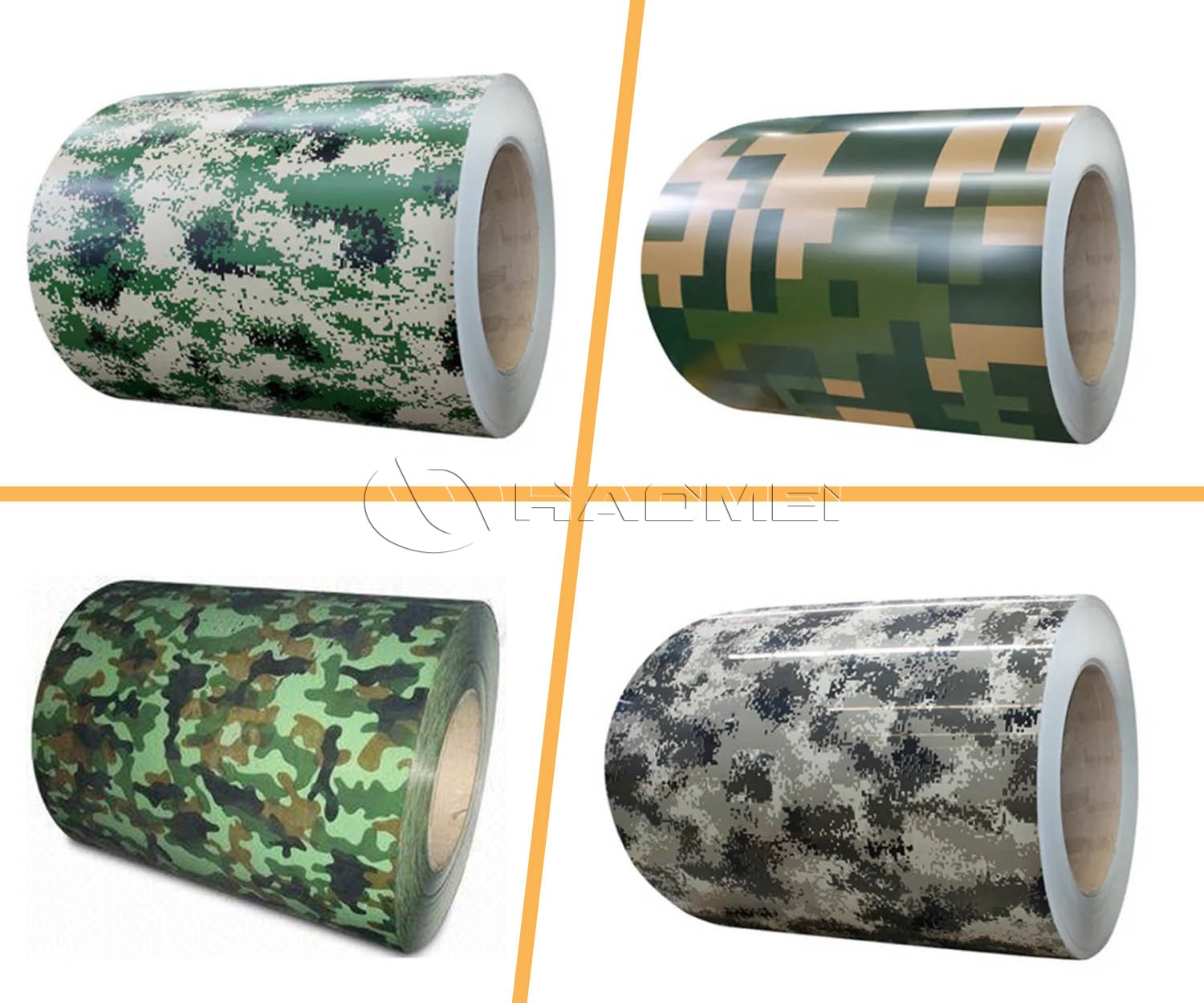
Camouflage Color-Coated Aluminum Coil for Roofing Thickness 0.3mm-1.2mm
Camouflage color-coated aluminum coil for roofing, 0.3mm-1.2mm thick, with PE or PVDF coating, stable alloys, and durable surface patterns.
2026-06-11
-
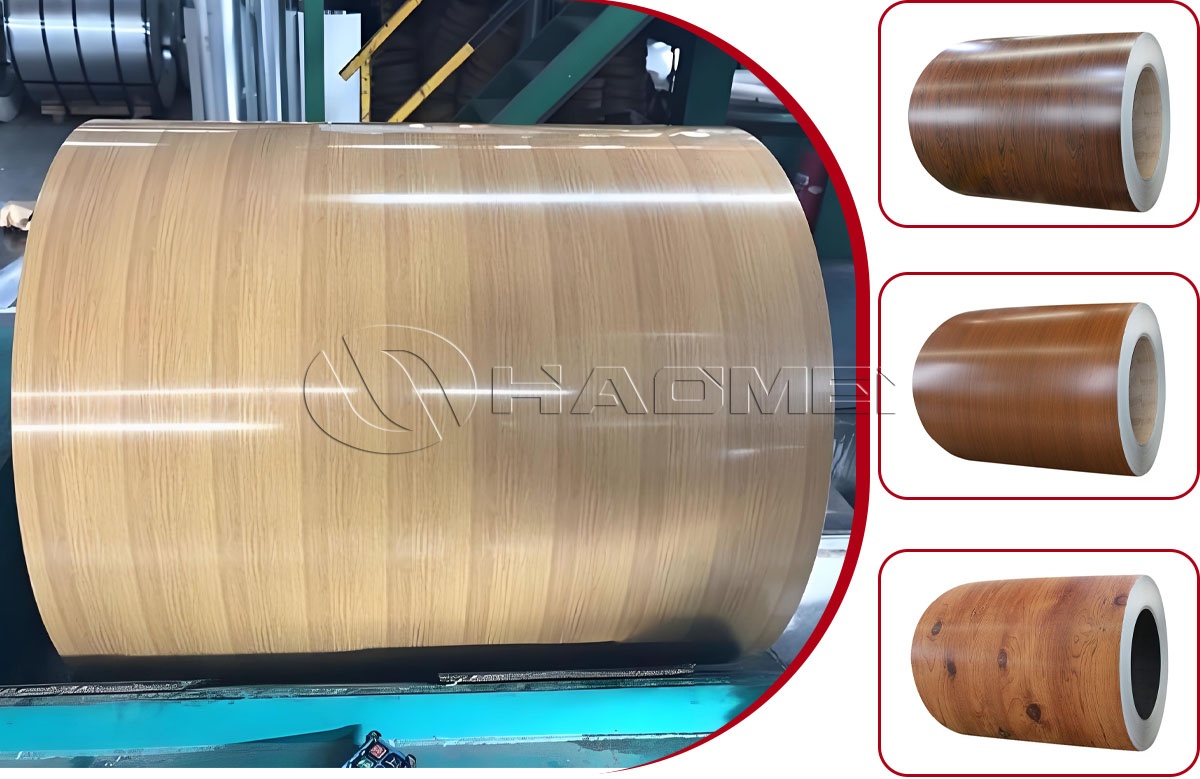
Wood Grain Coated Aluminum Coil Manufacturers in China
Technical overview of wood grain coated aluminum coil from China manufacturers, covering alloys, coatings, specs, process control, and building uses.
2026-07-13
Contact Directly
-

ADD: No.14 Waihuan Road, CBD, Zhengzhou, China
-

WhatsApp: +86-18703635966
-

E-MAIL: sales@alummc.com