


News
 By Hermione
5000 Series Color Coated Aluminum Coil for Signage
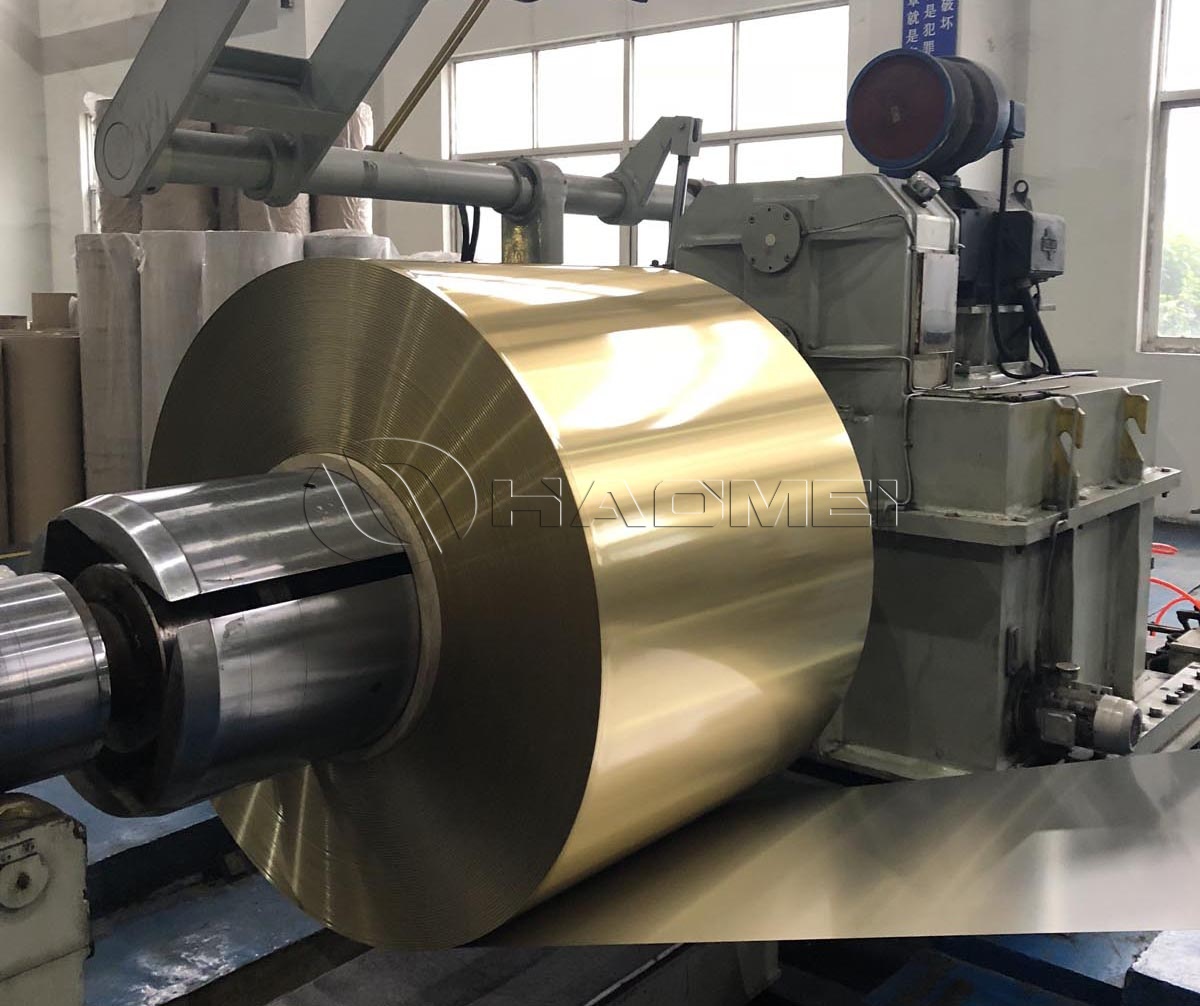
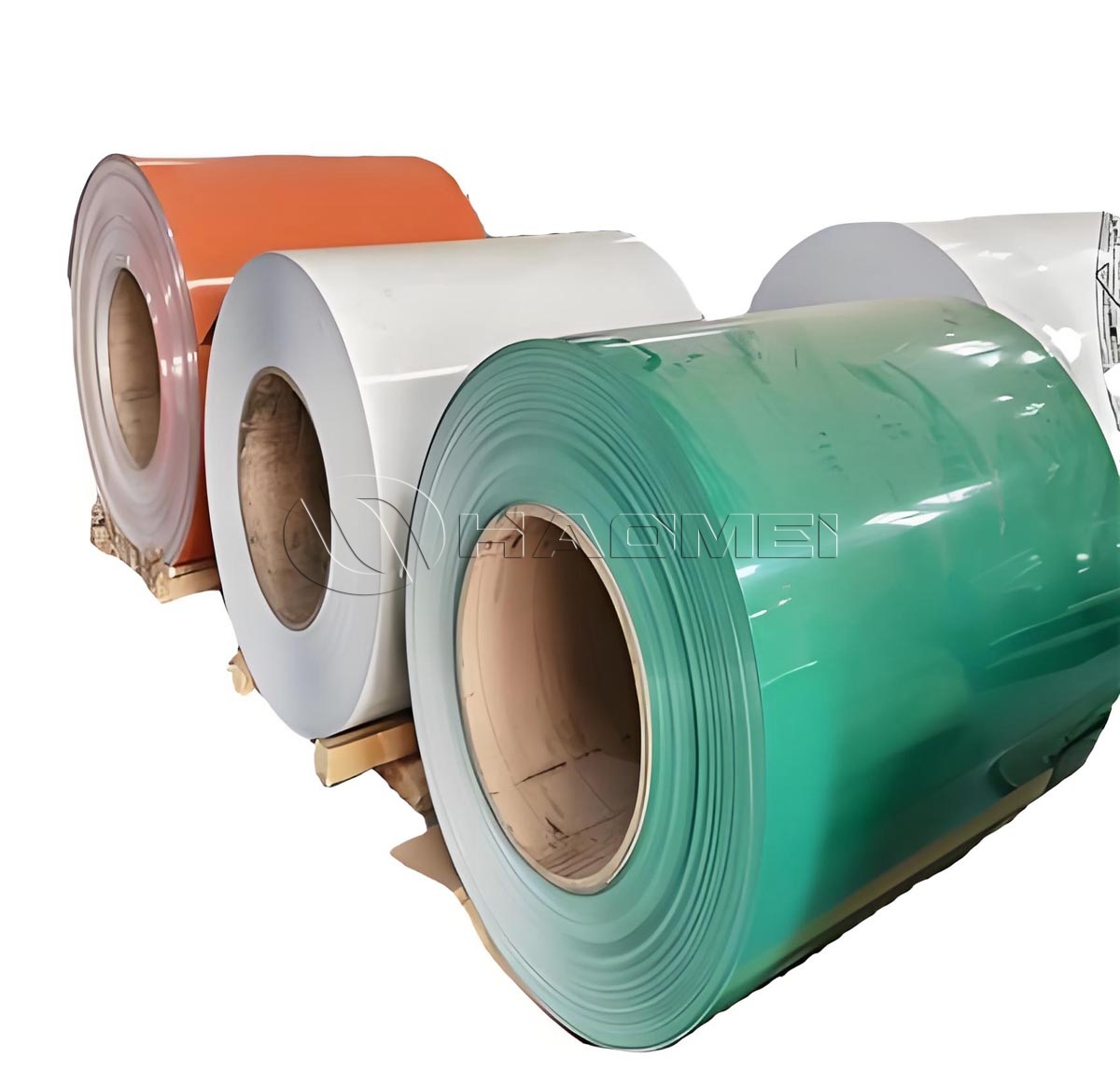
5000 series color coated aluminum coil is a pre-painted aluminum material engineered for durable, visually consistent signage components. Combining magnesium-containing aluminum alloys with factory-applied coating systems, it is widely used for outdoor sign faces, channel letters, fascia panels, wayfinding systems, illuminated sign cabinets, display boards, and branded architectural signage. Its balance of corrosion resistance, formability, surface quality, and coating adhesion supports both flat-panel fabrication and shaped sign structures.
Why 5000 Series Aluminum Is Used in Signage
The 5000 series contains magnesium as its principal alloying element. Compared with commercially pure aluminum, these alloys provide higher mechanical strength while retaining useful forming performance and natural corrosion resistance. This makes them particularly suitable for signage exposed to rain, humidity, urban pollutants, and repeated temperature changes.
For pre-painted signage coil, the aluminum substrate and coating system work together. The alloy provides structural integrity during cutting, bending, roll forming, and riveting, while the coating supplies color, gloss, weatherability, and surface protection. The result is a lightweight sign material with a uniform factory finish that reduces the need for post-fabrication painting.
Key performance characteristics include:
Good resistance to atmospheric corrosion and moisture
Higher strength than 1000 series aluminum
Reliable bending and forming behavior in appropriate tempers
Uniform painted surface for solid colors and custom finishes
Low weight for large-format sign panels and suspended signage
Compatibility with cutting, routing, folding, punching, and bonding processes
Common 5000 Series Alloys for Signage
5005 Color Coated Aluminum Coil
5005 aluminum is one of the most commonly used 5000 series substrates for color-coated signage material. It offers a practical combination of moderate strength, smooth surface quality, and formability. In signage production, 5005 is suitable for sign faces, trim, decorative strips, folded panels, channel letter returns, and interior or exterior display components.
Its surface appearance after coating is generally more consistent than higher-magnesium structural alloys, making it well suited to applications where color uniformity and visual finish are important. 5005 Color Coated Aluminum Coil is commonly supplied in H14, H16, H18, H24, and H26 tempers according to thickness and fabrication requirements.
5052 Color Coated Aluminum Coil
5052 aluminum provides higher strength and improved resistance to marine and industrial atmospheres compared with 5005. It is often selected for larger sign cabinets, deeper formed components, structural sign skins, roadside signs, transportation-related signage, and installations in humid or coastal areas.
Because 5052 has greater strength, the selected temper should match the intended bending radius and forming depth. Softer tempers can support more demanding forming operations, while harder tempers are often used where panel stiffness and dent resistance are priorities. 5052 Color Coated Aluminum Coil is therefore suitable where signage requires both a durable coated finish and enhanced substrate performance.
5754 and Other Higher-Strength Options
5754 aluminum may be used for applications requiring good corrosion resistance, moderate-to-high strength, and stable performance in demanding outdoor environments. It is generally applied to sign housings, robust fascia sections, traffic-related panels, and fabricated components rather than highly decorative, tightly formed sign faces.
Other 5000 series alloys, such as 5454 and 5083, have higher strength capabilities but are usually specified for specialized structural or heavy-duty environments. For standard commercial signage, 5005 and 5052 remain the most broadly applicable choices.
Core Specifications of 5000 Series Color Coated Aluminum Coil for Signage
| Core Specification | Typical Range or Option |
|---|---|
| Alloy | 5005, 5052, 5754, 5454, 5083 |
| Temper | O, H14, H16, H18, H22, H24, H26, H32, H34 |
| Thickness | 0.20-3.00 mm |
| Common Signage Thickness | 0.50-1.50 mm |
| Coil Width | 200-1,600 mm |
| Inner Coil Diameter | 150 mm, 300 mm, 405 mm, 508 mm, or customized |
| Coil Weight | Typically 1-6 metric tons, subject to thickness and width |
| Coating Type | Polyester (PE), high-durability polyester, PVDF, SMP, polyurethane |
| Coating Thickness | Typically 15-35 μm for PE; 25-35 μm or more for PVDF systems |
| Surface Finish | Glossy, matte, satin, textured, metallic, brushed-effect, or custom pattern |
| Color | RAL, Pantone reference, customer sample, or customized color |
| Back Coat | Protective epoxy or polyester back coating, typically 5-10 μm |
| Processing | Slitting, cutting to length, bending, roll forming, stamping, routing, and bonding |
Coating Systems for Indoor and Outdoor Signage
The coating system should be aligned with exposure conditions, required service life, color expectations, and sign fabrication methods. Pre-treatment is essential because it improves adhesion between the aluminum substrate and the organic coating, while also supporting corrosion resistance beneath the paint film.
PE Coating
PE coated aluminum coil is widely used for indoor signs, retail display panels, short-to-medium-term outdoor advertising boards, and sign components with limited UV exposure. Polyester coatings provide good color selection, gloss control, flexibility, and economical processing performance.
PE systems are often used for signage produced in high volumes, particularly where fabrication efficiency and decorative appearance are more important than long-term extreme-weather resistance.
PVDF Coating
For exterior projects requiring stronger UV and weather resistance, PVDF coating is commonly specified. A PVDF Coated Aluminum Coil provides improved resistance to chalking, fading, and coating degradation under prolonged sunlight exposure. It is particularly appropriate for building-mounted signs, pylon signs, airport signage, commercial identity systems, and signage in high-UV, coastal, or industrial locations.
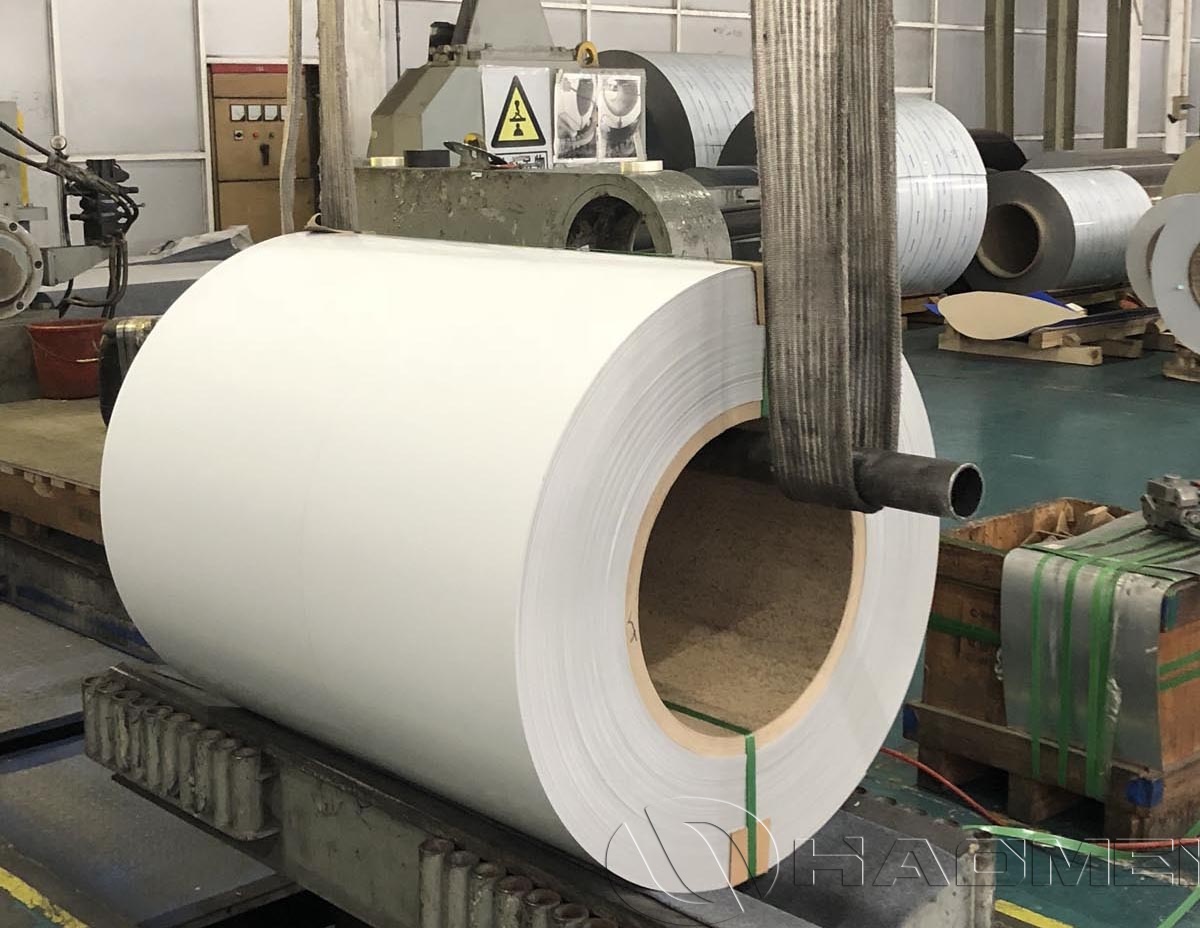
A typical high-performance PVDF system may include:
Aluminum substrate
Chemical conversion treatment
Primer coat
PVDF topcoat
Protective back coat
Coating flexibility must be considered for channel letters and folded sign profiles. The coating should withstand specified bending radii without cracking, delamination, or excessive whitening at formed edges.
Surface Appearance and Color Consistency
Signage is often evaluated at close viewing distances, so visual consistency is a critical material requirement. Color-coated aluminum coil can be supplied in solid colors, metallic shades, matte finishes, high-gloss finishes, and custom decorative textures. Color matching is generally controlled using agreed color standards or approved samples, with batch-to-batch inspection for shade variation.
For large signs assembled from multiple panels or fabricated from several coil lots, consistent color direction, gloss level, and metallic pigment orientation are important. Metallic coatings should be processed with attention to rolling direction because apparent shade can change when adjacent panels are installed in different orientations.
The protective film, when applied, should be compatible with the coating surface and fabrication cycle. Film adhesion that is too high can create removal difficulties or leave residue, while insufficient adhesion can allow scratching during coil handling and forming.
Fabrication Considerations for Sign Manufacturers
5000 series coated aluminum can be processed by slitting, shearing, CNC routing, laser cutting, bending, stamping, roll forming, and adhesive bonding. Process parameters should protect the coating film and avoid excessive localized strain.
Bending and Folding
Bendability depends on alloy, temper, thickness, coating type, and coating thickness. Softer tempers generally offer better formability, while harder tempers offer improved stiffness. A suitable inside bend radius helps reduce the risk of coating cracking, especially with thicker coatings or deep-colored finishes.
Cutting and Routing
Sharp, properly maintained tooling helps produce clean edges and minimizes burr formation. Protective film can reduce surface damage during routing and handling, although the film should be removed within the defined storage and processing period.
Joining and Assembly
Color-coated aluminum sign panels can be assembled using rivets, screws, structural adhesives, folded seams, and mechanical fastening methods. When dissimilar metals are used, attention should be given to moisture traps and galvanic corrosion risk. Isolating layers, compatible fasteners, and drainage-oriented design help preserve long-term appearance.
Durability Factors in Outdoor Signage
The service performance of outdoor sign panels depends on more than alloy selection alone. Important variables include coating chemistry, pretreatment quality, coating thickness, edge treatment, installation orientation, airborne contamination, and local climate.
For example, a 5005 PE-coated panel may perform effectively in sheltered urban signage, while a 5052 panel with a PVDF finish is more suitable for exposed installations subject to strong sunlight, persistent humidity, salt-bearing air, or industrial pollutants. Cut edges, drilled holes, folded seams, and fastener locations require careful design because these areas can retain water or experience mechanical damage.
Quality Control for Color Coated Signage Coil
Quality verification for signage aluminum coil typically covers both the aluminum substrate and the finished coating. Core inspection items include:
Alloy and temper confirmation
Thickness, width, and coil geometry control
Coating thickness measurement
Color difference and gloss testing
Pencil hardness and impact resistance
T-bend or bend adhesion testing
Cross-hatch adhesion testing
Solvent resistance evaluation
Salt spray and humidity resistance testing where specified
Visual inspection for pinholes, scratches, roller marks, coating voids, and color variation
These controls help ensure that 5000 series color coated aluminum coil maintains a consistent decorative appearance and dependable fabrication performance across signage production batches.
-
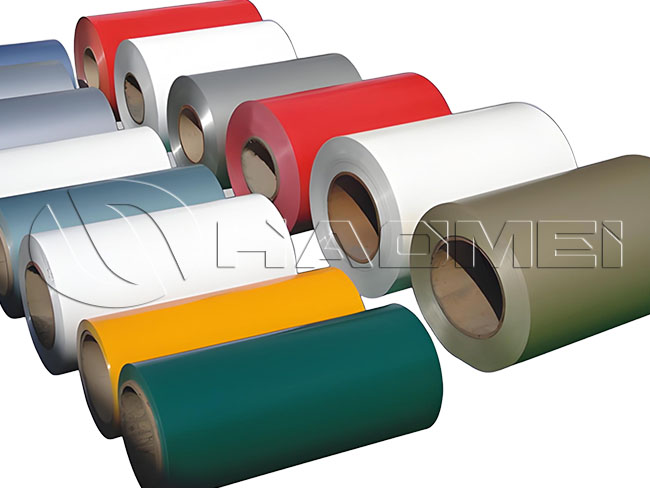
Custom RAL Color 5052 Aluminum Coil
5052 color-coated aluminum coils can be customized in color according to the ARL color chart and are widely used in architectural decoration, transportation and other fields.
2025-12-10
-
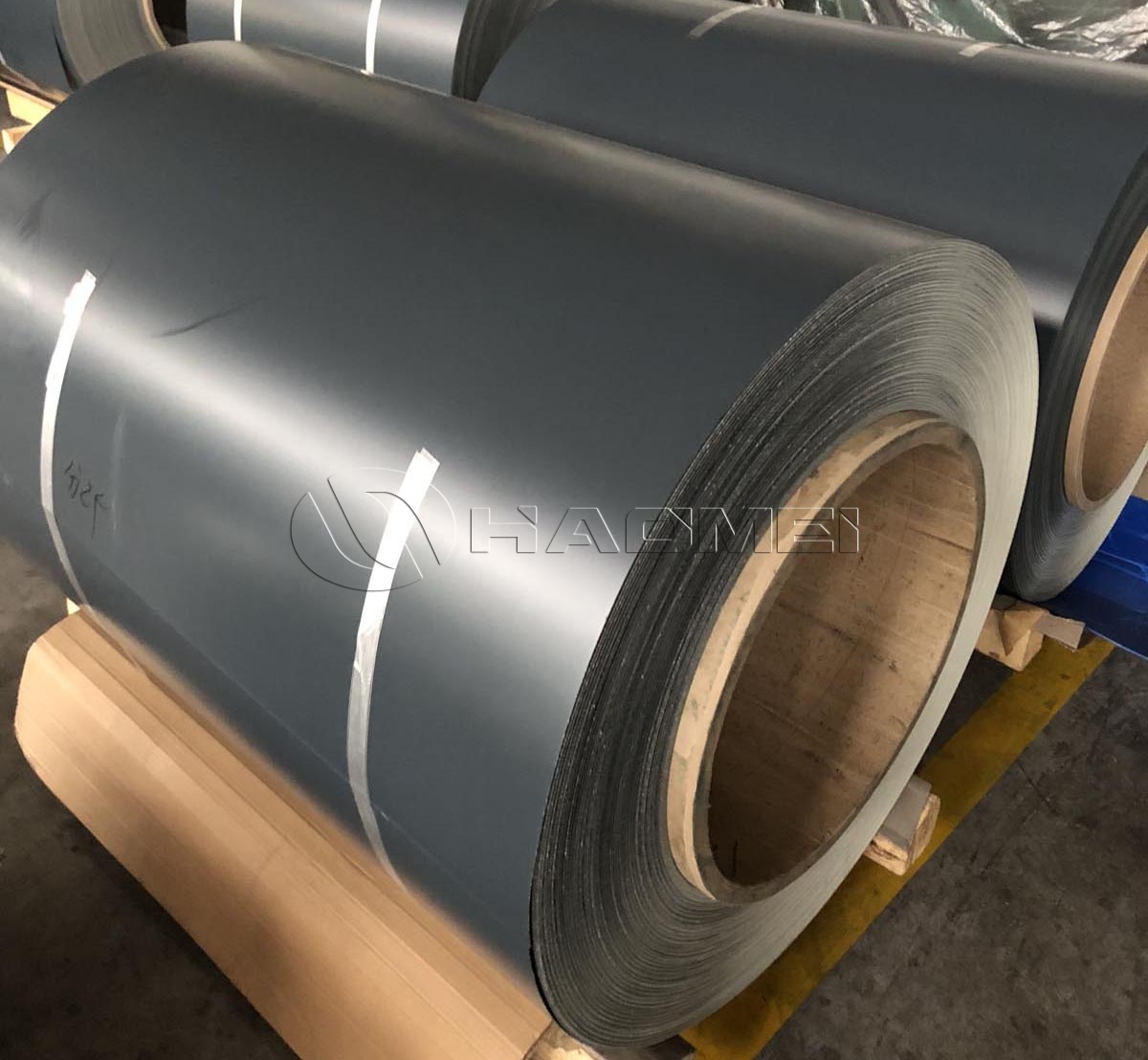
Fire-Resistant 3003 PVDF Color-Coated Aluminum Coil
Fire-resistant 3003 PVDF color-coated aluminum coil for facades, roofing, and ceilings, covering alloy selection, coating specs, and performance data.
2026-04-28
-
PVDF Coated Aluminum Coil Maintenance And Cleaning
Learn PVDF coated aluminum coil maintenance and cleaning with practical methods, coating system insights, and process factors affecting durability in architectural cladding.
2026-01-27
Contact Directly
-

ADD: No.14 Waihuan Road, CBD, Zhengzhou, China
-

WhatsApp: +86-18703635966
-

E-MAIL: sales@alummc.com
