

News
 By Hermione
PVDF Coated 3003 H14 Aluminum Coil for ACP
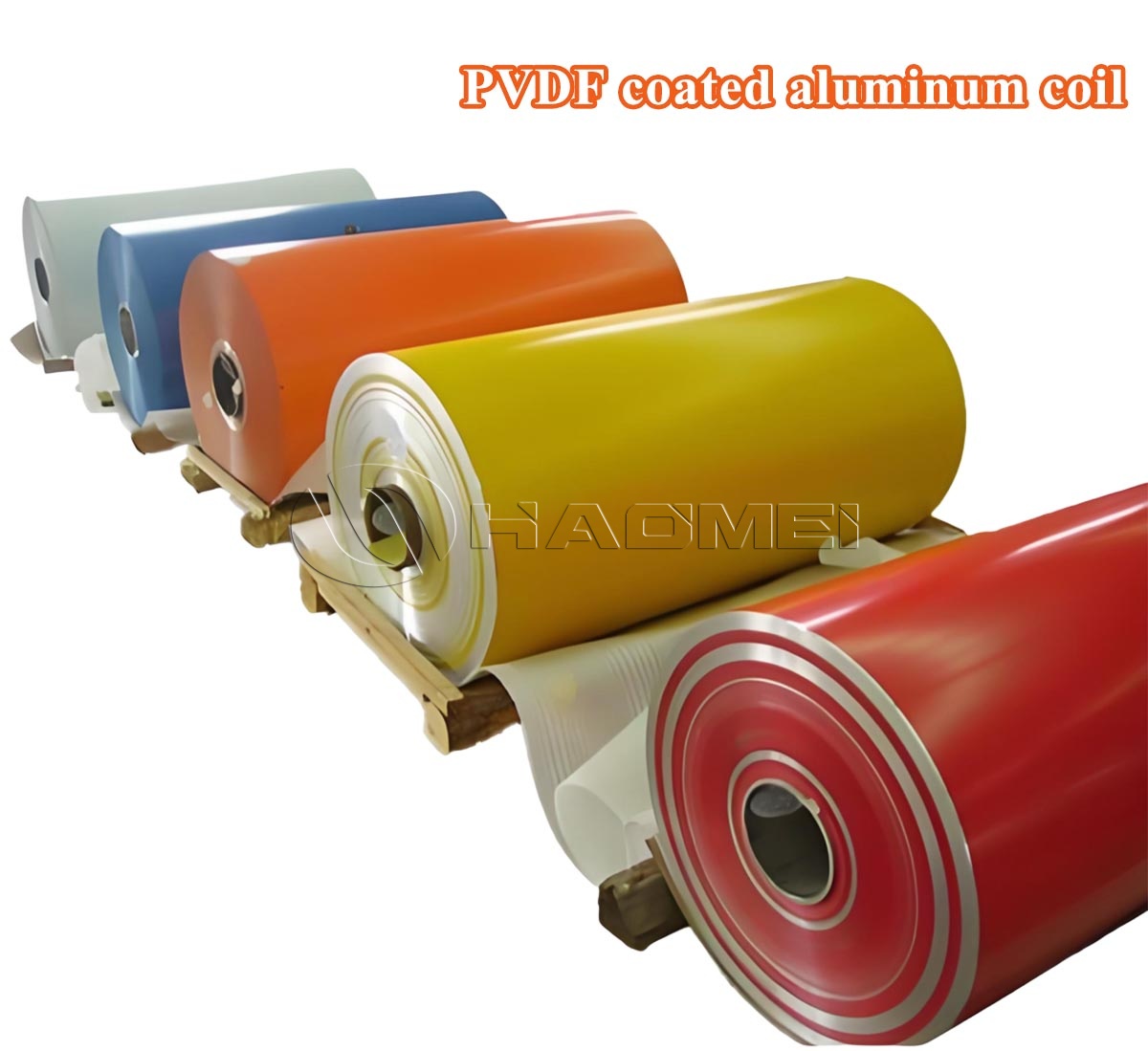
PVDF coated 3003 H14 aluminum coil for ACP is a pre-painted aluminum facing material developed for aluminum composite panels used in exterior facades, curtain walls, canopies, column cladding, signage, soffits, and other architectural envelope systems. The 3003 H14 substrate provides a practical balance of strength, flatness, and forming performance, while the PVDF coating system delivers long-term resistance to sunlight, weathering, moisture, and urban pollutants.
Material Structure for Aluminum Composite Panels
An ACP typically consists of two thin coated aluminum sheets bonded to a mineral-filled or polymer core. The PVDF coated 3003 H14 aluminum coil is commonly used as the visible exterior skin because it supports stable color appearance and reliable processing during panel lamination, cutting, folding, routing, and installation.
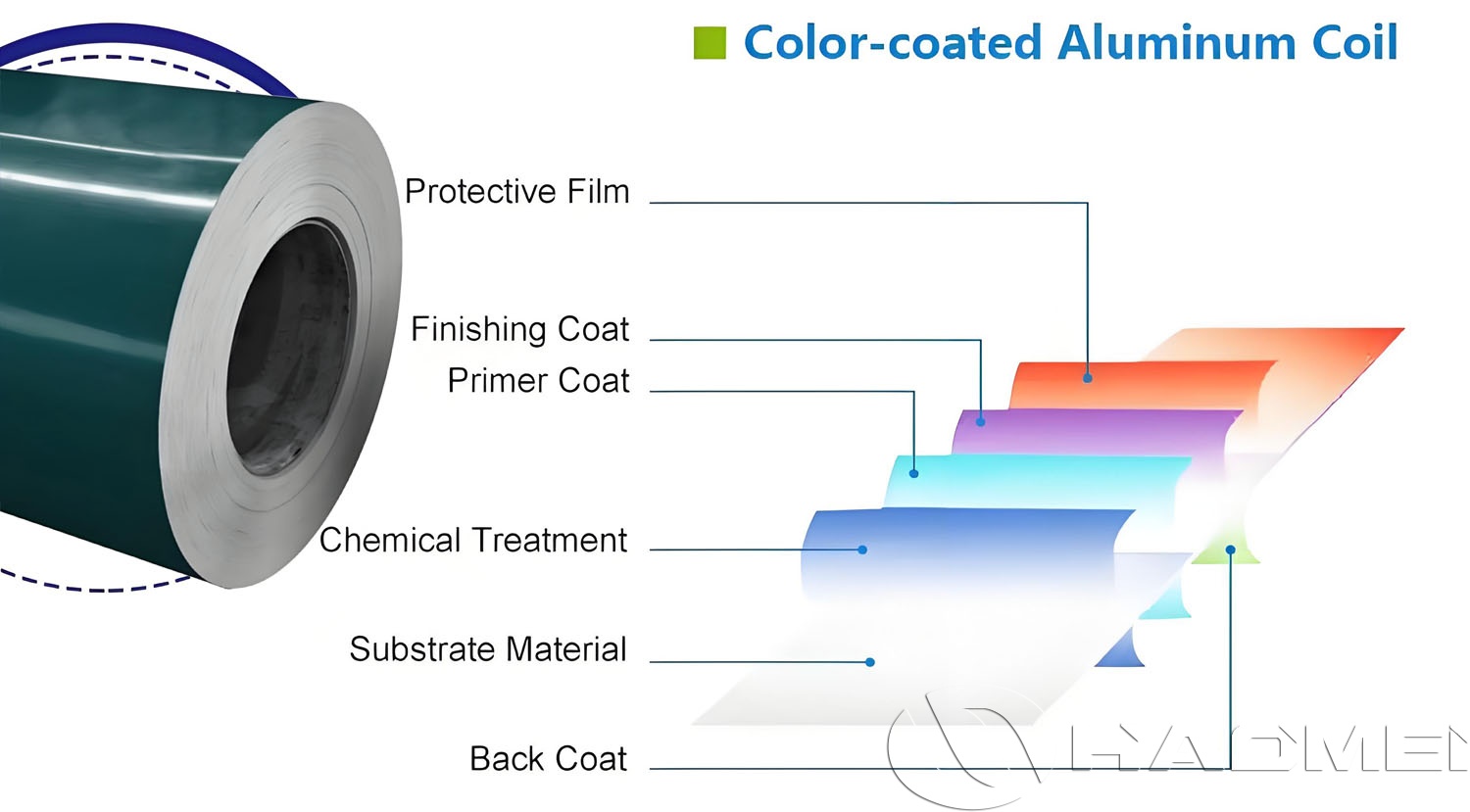
The coil coating system is applied continuously before panel fabrication. A typical construction includes:
Aluminum alloy substrate
Chemical pretreatment layer
Primer coating for adhesion and corrosion protection
PVDF topcoat for weather resistance and color retention
Optional back coat for lamination and handling performance
PVDF coatings are generally based on fluoropolymer resins formulated with high-performance pigments. Compared with standard polyester or PE systems, PVDF coatings offer enhanced resistance to UV exposure, chalking, fading, humidity, and chemical contaminants, making them suitable for exterior ACP applications.
Core Specifications of PVDF Coated 3003 H14 Aluminum Coil for ACP
| Core Specification | Typical Range or Option |
|---|---|
| Product | PVDF coated 3003 H14 aluminum coil |
| Alloy | AA 3003 |
| Temper | H14 |
| Aluminum thickness | 0.15 mm to 0.50 mm |
| Common ACP facing thickness | 0.21 mm, 0.30 mm, 0.40 mm, 0.50 mm |
| Coil width | 600 mm to 1,600 mm |
| Inner diameter | 150 mm, 300 mm, 405 mm, 505 mm, or 508 mm |
| Coil weight | According to width, thickness, and handling requirements |
| Front coating | PVDF coating system |
| Coating thickness | Commonly 25 μm or above for exterior use |
| Back coating | Epoxy, polyester, service coat, or bonding-compatible back coat |
| Surface finish | Glossy, matte, high gloss, metallic, solid color, or special effect |
| Color | RAL, Pantone, custom color, metallic, stone, wood, or brushed effect |
| Application | Exterior ACP, facade panels, wall cladding, signage, soffits |
Why 3003 H14 Is Used for ACP Facing Sheets
Alloy 3003 is an aluminum-manganese alloy containing approximately 1.0% to 1.5% manganese. This composition gives it higher strength than commercially pure 1000-series aluminum while maintaining good workability and corrosion resistance. For ACP production, these characteristics help support stable coil handling, lamination, panel flatness, and fabrication consistency.
The H14 temper indicates strain-hardened material at a half-hard condition. It is widely used where the aluminum sheet requires sufficient rigidity for panel processing while still allowing normal bending and forming operations. Compared with softer O temper material, 3003 H14 offers improved resistance to handling deformation and greater dimensional stability during composite panel manufacture.
Key material characteristics include:
Good atmospheric corrosion resistance
Higher strength than 1050, 1060, and 1100 aluminum alloys
Stable flatness after coil coating and ACP lamination
Suitable formability for panel folding and edge return processing
Compatible with continuous coil coating lines and bonding processes
For projects requiring the same alloy platform with different coating options, 3003 Color Coated Aluminum Coil is available in a range of surface finishes and coating structures.
PVDF Coating Performance for Exterior ACP
The exterior performance of aluminum composite panels depends heavily on the coating system. PVDF coated aluminum coil is designed to protect the aluminum surface while preserving visual quality over extended outdoor exposure.
UV and Color Stability
PVDF resins provide excellent resistance to ultraviolet radiation. When combined with weather-resistant pigments, the coating helps reduce discoloration and gloss loss caused by sunlight. This is particularly important for facade panels exposed to direct solar radiation, high temperatures, and changing weather conditions.
Corrosion and Moisture Resistance
The pretreatment, primer, and topcoat work as an integrated protective system. Proper surface preparation improves adhesion between the aluminum substrate and coating layers, while the primer contributes to corrosion protection under humid or polluted service conditions.
Surface Durability
PVDF coated surfaces maintain good resistance to airborne contaminants, rainwater exposure, and common building-environment chemicals. Coating hardness, flexibility, and adhesion are controlled to support downstream bending, routing, and panel assembly without excessive cracking or peeling.
PVDF Coated Aluminum Coil is commonly specified where exterior durability, color retention, and architectural appearance are essential material properties.
Coil Coating Process Control
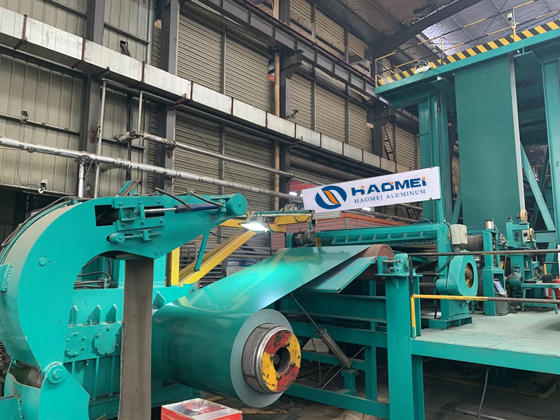
PVDF coated 3003 H14 aluminum coil is produced through a continuous coil coating process. Process consistency is important because ACP facing sheets require uniform color, coating adhesion, thickness control, and flatness across the full coil length.
Typical production stages include:
Aluminum coil cleaning and degreasing
Chemical conversion pretreatment
Primer application and curing
PVDF topcoat application and oven curing
Back coat application when required
Cooling, inspection, slitting, and recoiling
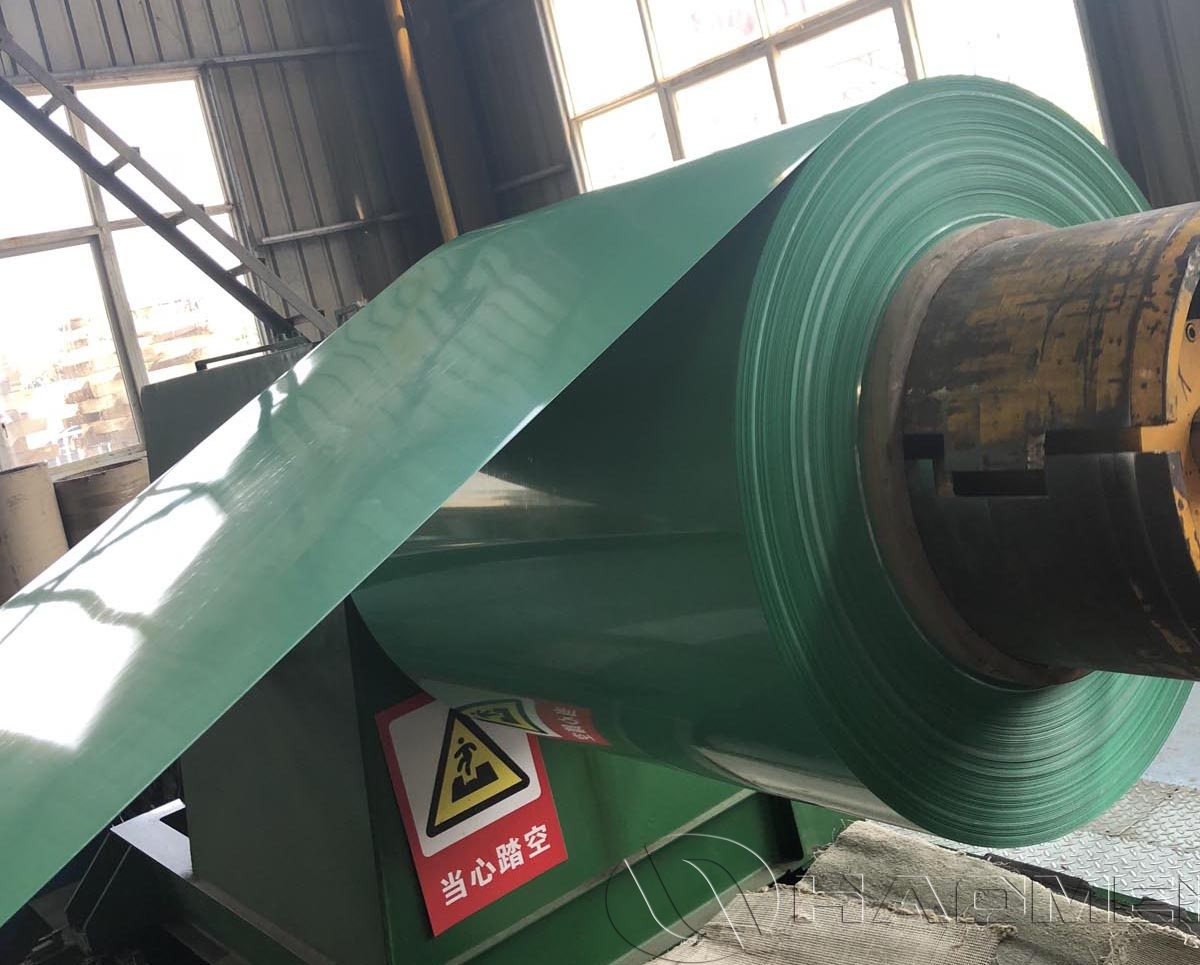
Coating line parameters such as substrate cleanliness, coating viscosity, roll pressure, wet film control, oven temperature, and line speed influence the final surface quality. A properly cured PVDF film should provide consistent gloss, film integrity, flexibility, and adhesion for later ACP fabrication.
Quality Characteristics Relevant to ACP Fabrication
For aluminum composite panel production, the coated coil is evaluated not only for appearance but also for processing reliability. Key inspection items generally include:
Aluminum thickness and width tolerance
Coating film thickness
Color difference and gloss consistency
Pencil hardness and impact resistance
T-bend flexibility
Cross-hatch adhesion
MEK solvent resistance where applicable
Surface cleanliness and coating defects
Coil camber, edge condition, and flatness
The back coating also requires attention because it interfaces with the ACP core during lamination. Its formulation must be compatible with the selected bonding process and panel core material, supporting stable adhesion across the finished composite structure.
Surface Options and Architectural Appearance
PVDF coated 3003 H14 aluminum coil can be supplied in solid colors, metallic finishes, mica effects, matte finishes, high-gloss finishes, and customized architectural colors. Metallic and pearlescent coatings require particularly careful pigment orientation and coating uniformity to achieve a consistent visual appearance across ACP panels.
For exterior facade systems, color continuity between production batches is controlled through approved color standards, gloss targets, and visual comparison procedures. These controls help maintain a uniform building appearance when panels are installed across large elevations, corners, columns, and decorative sections.
-
Understanding the Coating Types of Color Coated Aluminum Coil
What Is Color Coated Aluminum Coil?Color coated aluminum coil is produced by applying one or multiple layers of organic coating onto an aluminum alloy substrate through continuous roll-coating followed by high-temperature curing.The coating is the core of
2025-12-01
-
Double Layer Pvdf Coated Aluminum Coil Price
Learn how double layer PVDF coated aluminum coil price is shaped by alloy choice, PVDF coating system design, and coil coating process for long-life architectural cladding.
2026-02-06
-
Marble Design PE Coated Aluminum Coil For Walls
Marble design PE coated aluminum coil delivers lightweight, decorative, and formable surfaces for interior wall panels, ceilings, partitions, and cladding.
2026-09-01
Contact Directly
-

ADD: No.14 Waihuan Road, CBD, Zhengzhou, China
-

WhatsApp: +86-18703635966
-

E-MAIL: sales@alummc.com