


News
 By Hermione
Marble Design PE Coated Aluminum Coil For Walls
Marble design PE coated aluminum coil for walls is a pre-painted decorative material developed for lightweight architectural wall systems. It combines the visual depth of natural marble with the processing efficiency, corrosion resistance, and low weight of aluminum. The coil is widely used for interior wall panels, ceilings, partitions, elevator decorative panels, commercial interiors, and protected exterior decorative elements where a marble-like appearance is required without the weight and installation complexity of natural stone.
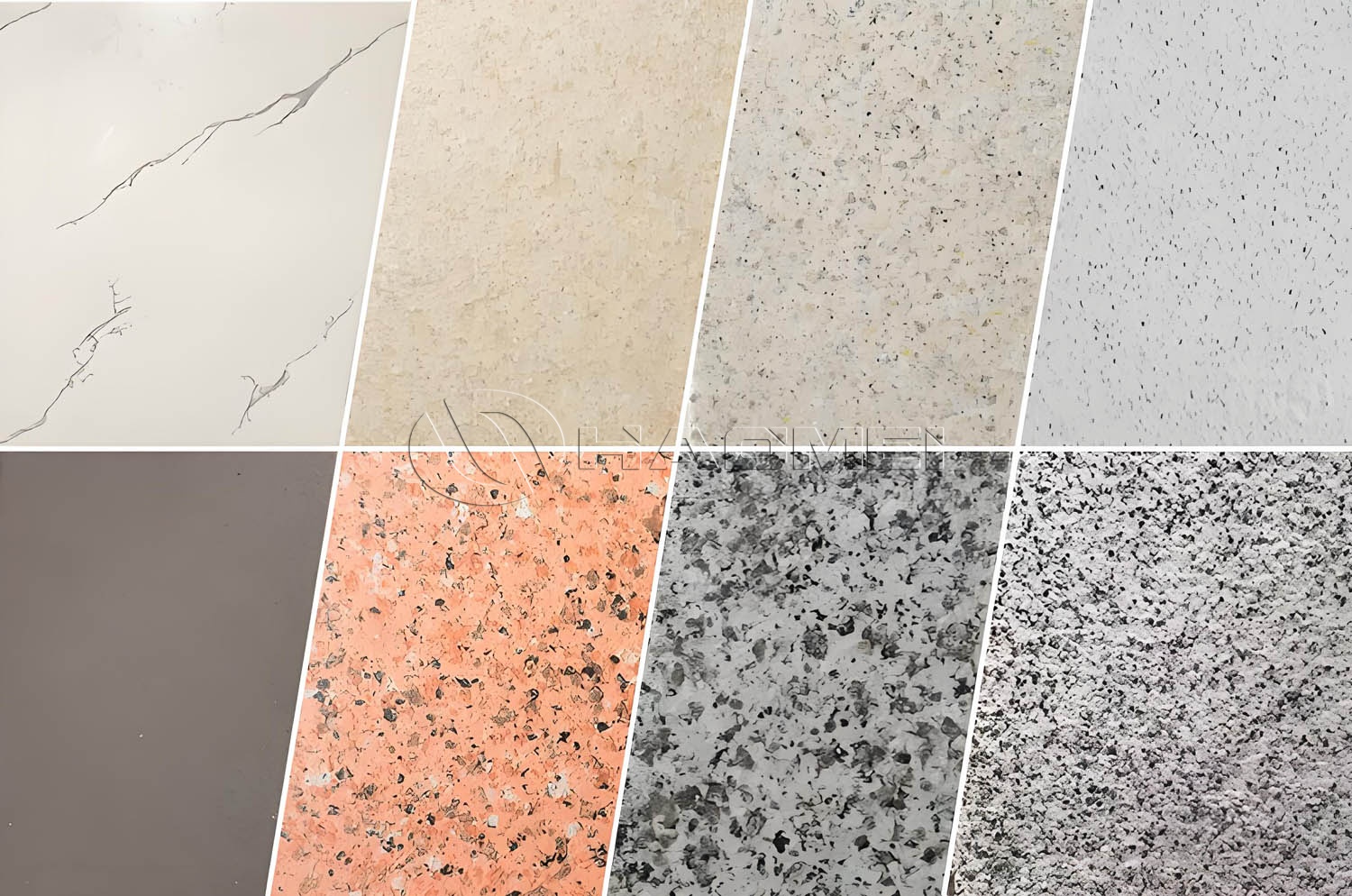
Product Structure and Decorative Finish
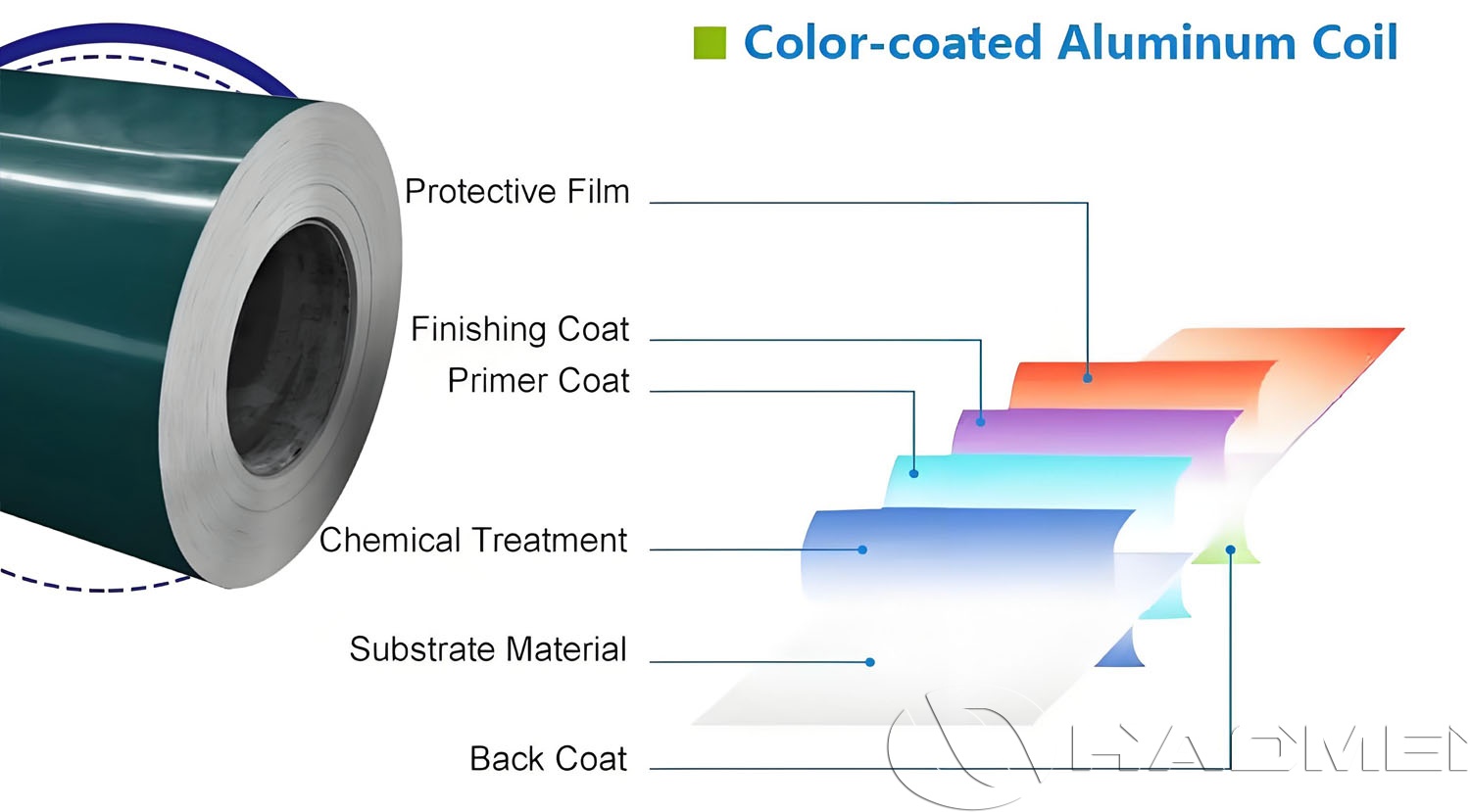
Marble pattern color coated aluminum coil is produced from aluminum strip that undergoes surface cleaning, chemical pretreatment, primer coating, PE top-coat application, and decorative pattern printing. A clear protective finish may be applied over the marble design to improve surface durability and preserve pattern definition.
The typical coating structure includes:
Aluminum alloy substrate
Chemical conversion layer for coating adhesion and corrosion resistance
Primer coat
PE base color coat
Marble pattern printing layer
Optional clear protective topcoat
Back coating for handling and substrate protection
The marble design can reproduce veining, mineral texture, clouding, and color transitions associated with materials such as white marble, gray marble, beige travertine, black marble, and dark stone. Pattern alignment and repeat length can be controlled according to panel size and fabrication requirements.
Core Specifications of Marble Design PE Coated Aluminum Coil
| Item | Typical Specification |
|---|---|
| Product name | Marble Design PE Coated Aluminum Coil |
| Base metal | Aluminum alloy coil |
| Common alloys | 1050, 1060, 1100, 3003, 3004, 3105, 5005 |
| Temper | O, H14, H16, H18, H24, H26 |
| Thickness | 0.20-1.50 mm |
| Common wall-panel thickness | 0.30-0.80 mm |
| Width | 600-1,600 mm |
| PE coating thickness | Typically 15-25 μm, customizable by application |
| Surface finish | Marble pattern, gloss, matte, semi-matte, textured |
| Back coating | Typically 5-10 μm |
| Coil inner diameter | 405 mm or 505 mm |
| Coil weight | Customized according to processing and transport requirements |
| Main applications | Wall panels, ceilings, partitions, decorative composite panels, interior cladding |
Common Aluminum Alloys for Wall Applications
The alloy selection influences flatness, formability, panel rigidity, and resistance to handling damage. For decorative wall products, the substrate is selected according to the panel structure, forming method, and service environment.
1050, 1060, and 1100 Series
The 1000 series consists of commercially pure aluminum grades with excellent corrosion resistance and good workability. These alloys are commonly used in applications requiring smooth surface quality, shallow forming, roll forming, and bending.
1050 aluminum coil offers high aluminum content and reliable formability for general decorative wall sheets.
1060 aluminum coil provides similar forming performance and is often used for lightweight interior panels and ceiling products.
1100 aluminum coil is suitable for painted decorative panels requiring stable processing behavior and a clean substrate surface.
These grades are particularly appropriate where deep embossing, complex structural strength, or high load-bearing capacity is not required.
3003 and 3004 Series
The 3000 series contains manganese, providing higher strength than 1000 series aluminum while retaining good formability. It is frequently selected for wall cladding panels, cassette panels, corrugated decorative sheets, and composite panel facings.
3003 aluminum coil is a widely used option for marble pattern wall cladding because it balances moderate strength, corrosion resistance, and fabrication performance. 3003 Color Coated Aluminum Coil is suitable for bending, profiling, and panel fabrication processes where improved stiffness is beneficial.
3004 aluminum coil offers increased strength and may be used when wall panels require greater dent resistance or when the finished system includes more demanding forming operations.
3105 and 5005 Series
3105 aluminum coil has good strength and coating compatibility, making it suitable for pre-painted wall panels and architectural trim components. 5005 aluminum coil is commonly used for decorative architectural sheets due to its good anodizing and coating characteristics, moderate strength, and reliable corrosion resistance.
For marble-finish coil used in indoor wall systems, 1050, 1060, 1100, and 3003 are among the most commonly specified substrate grades. The final choice depends on thickness, panel geometry, fabrication method, and required surface rigidity.
PE Coating Performance for Decorative Walls
PE, or polyester coating, is widely used for interior decorative aluminum coil because it provides stable color, smooth appearance, good flexibility, and efficient processing characteristics. The coating can be formulated in different gloss levels to support polished marble, honed stone, matte mineral, or soft satin visual effects.
For indoor wall applications, PE-coated aluminum provides effective resistance to normal humidity, household cleaning exposure, and daily handling. Coating flexibility is important during roll forming, folding, press bending, and composite panel lamination because it helps maintain the continuity of the marble pattern at fabricated edges.
PE coating is generally most suitable for interior and sheltered applications. For long-term exterior façades exposed to intense UV radiation, coastal atmospheres, or industrial pollution, a fluorocarbon coating system is typically used instead. PVDF Coated Aluminum Coil provides higher weathering and color-retention performance for demanding outdoor architectural environments.
Processing Characteristics
Marble pattern PE coated aluminum coil is supplied in coil form for efficient downstream processing. Depending on the selected alloy and temper, it can be slit, cut to length, roll formed, press bent, embossed, laminated, and bonded to honeycomb, polyethylene, mineral-core, or other panel substrates.
Key processing considerations include:
Maintaining adequate bend radius to prevent excessive stress on the decorative coating
Matching alloy temper to panel profile and forming depth
Controlling protective film adhesion to avoid residue or coating damage
Maintaining clean rollers and tooling to protect the printed marble surface
Checking pattern direction and repeat length before cutting panel blanks
Using compatible sealants, adhesives, and protective films during panel assembly
The combination of low density and coil-processing efficiency enables large decorative wall areas to be covered with relatively light panels. This supports easier handling compared with natural stone systems while retaining a visually layered stone appearance.
Typical Wall and Interior Applications
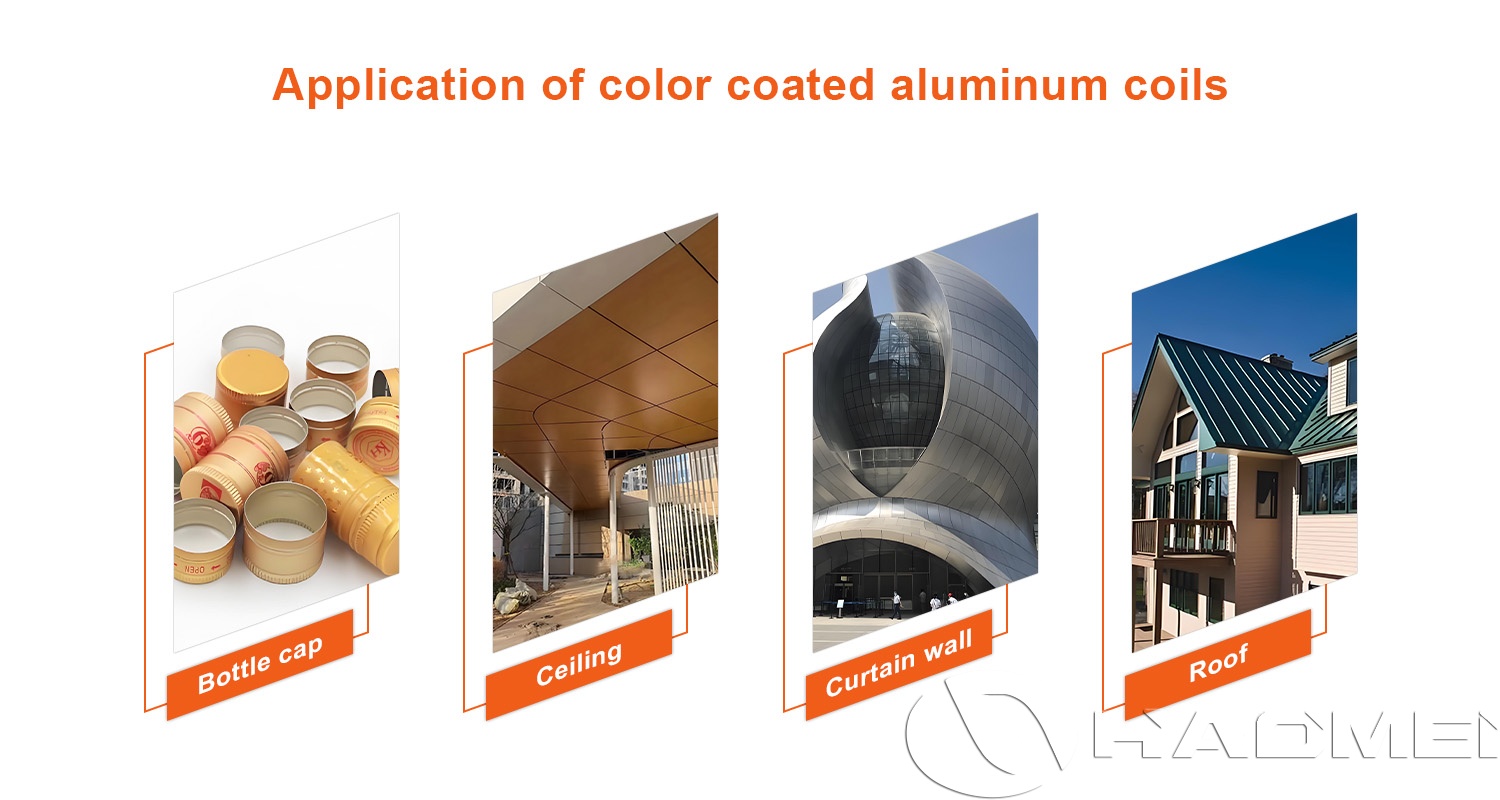
Marble design PE coated aluminum coil is used as a facing material for a variety of architectural and decorative products, including:
Interior wall cladding panels
Hotel lobby and corridor wall systems
Office reception areas and commercial interiors
Retail display walls and shop fitting panels
Elevator cabin decorative panels
Ceiling panels and suspended ceiling systems
Bathroom and kitchen wall panels in appropriately ventilated conditions
Partition panels and modular interior systems
Aluminum composite panels and honeycomb panels
Decorative door skins and cabinet-facing components
Surface Quality and Performance Control
The finished appearance of marble pattern aluminum coil depends on both coating-system control and printing consistency. Surface inspection typically focuses on color uniformity, pattern definition, coating adhesion, gloss consistency, film thickness, and absence of visible defects such as scratches, pinholes, roller marks, dents, or coating particles.
During production, the aluminum substrate is cleaned and chemically pretreated before coating to support adhesion between the metal and paint layers. The primer improves bonding and contributes to corrosion resistance, while the PE topcoat provides the primary decorative and protective surface. Printed marble veining is controlled through pattern registration, ink consistency, and curing conditions.
For wall-panel fabrication, protective film is commonly applied to the face side of the coil or sheet. This film helps reduce surface damage during slitting, bending, transport, and installation handling, and is removed after the finished panel has been positioned.
Advantages in Decorative Wall Systems
Compared with natural marble, marble design PE coated aluminum coil provides several material advantages for architectural finishing:
Lightweight construction that reduces panel and support-system loading
Consistent marble pattern and color across large production batches
Good formability for folded, profiled, and composite wall panels
Reduced breakage risk compared with brittle stone materials
Efficient coil-to-panel processing for standardized wall components
Smooth, cleanable surfaces suitable for interior decorative environments
Compatibility with multiple aluminum substrate alloys and panel structures
Available matte, glossy, textured, and customized stone-effect finishes
Marble pattern color coated aluminum coil offers a practical decorative surface for modern wall systems where visual stone character, low weight, processing flexibility, and consistent panel appearance are required.
-
3105 Prepainted Aluminum Coil for Gutters
3105 prepainted aluminum coil for gutters provides formability, corrosion resistance, and PE or PVDF coating performance for durable roof rainwater systems.
2026-04-30
-
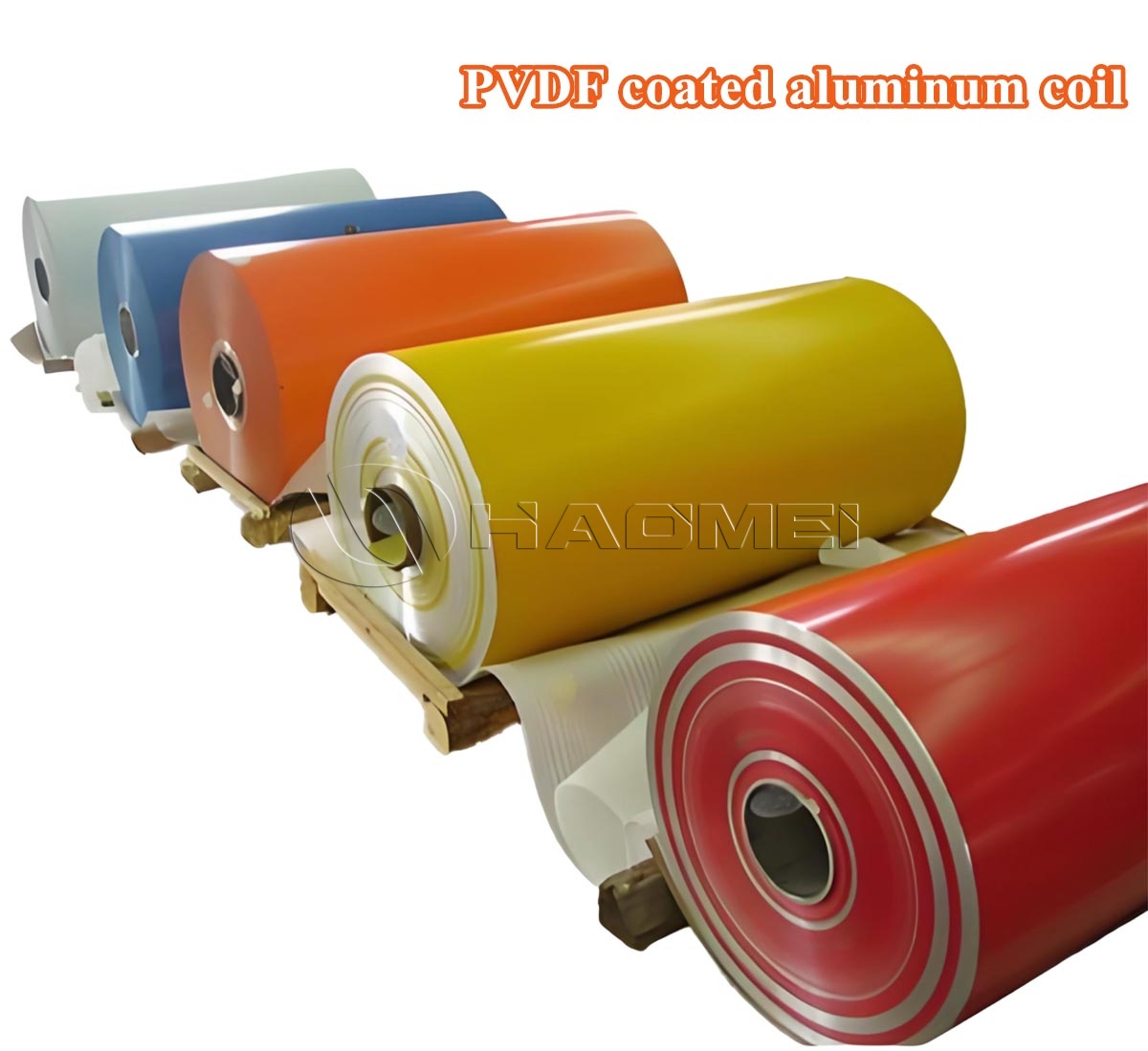
PVDF Coated Aluminum Coil for Aluminum Composite Panels
PVDF coated aluminum coil for aluminum composite panels delivers durable color, weather resistance, adhesion, and forming consistency.
2026-10-09
-
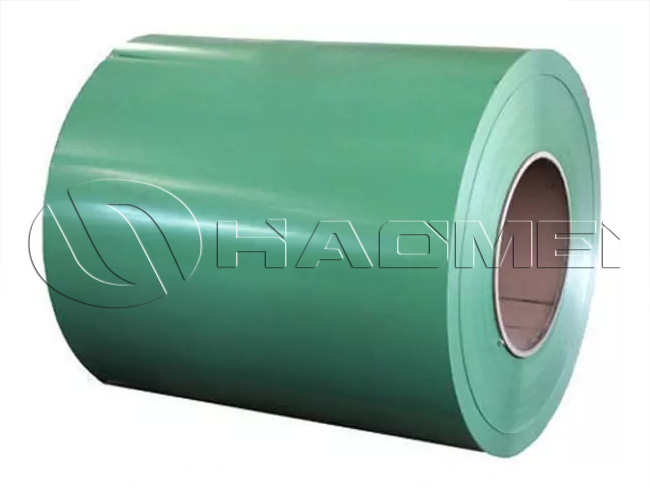
5052 Color Coated Aluminum Coil for Exterior Walls and Roofing
5052 PVDF-coated aluminum coil features an exceptionally stable fluorocarbon chemical structure, giving it outstanding weather resistance, UV resistance, and color-retention performance, making it especially suitable for architectural applications that re
2025-12-09
Contact Directly
-

ADD: No.14 Waihuan Road, CBD, Zhengzhou, China
-

WhatsApp: +86-18703635966
-

E-MAIL: sales@alummc.com
