


News
 By Hermione
PVDF Coated Aluminum Coil for Aluminum Composite Panels
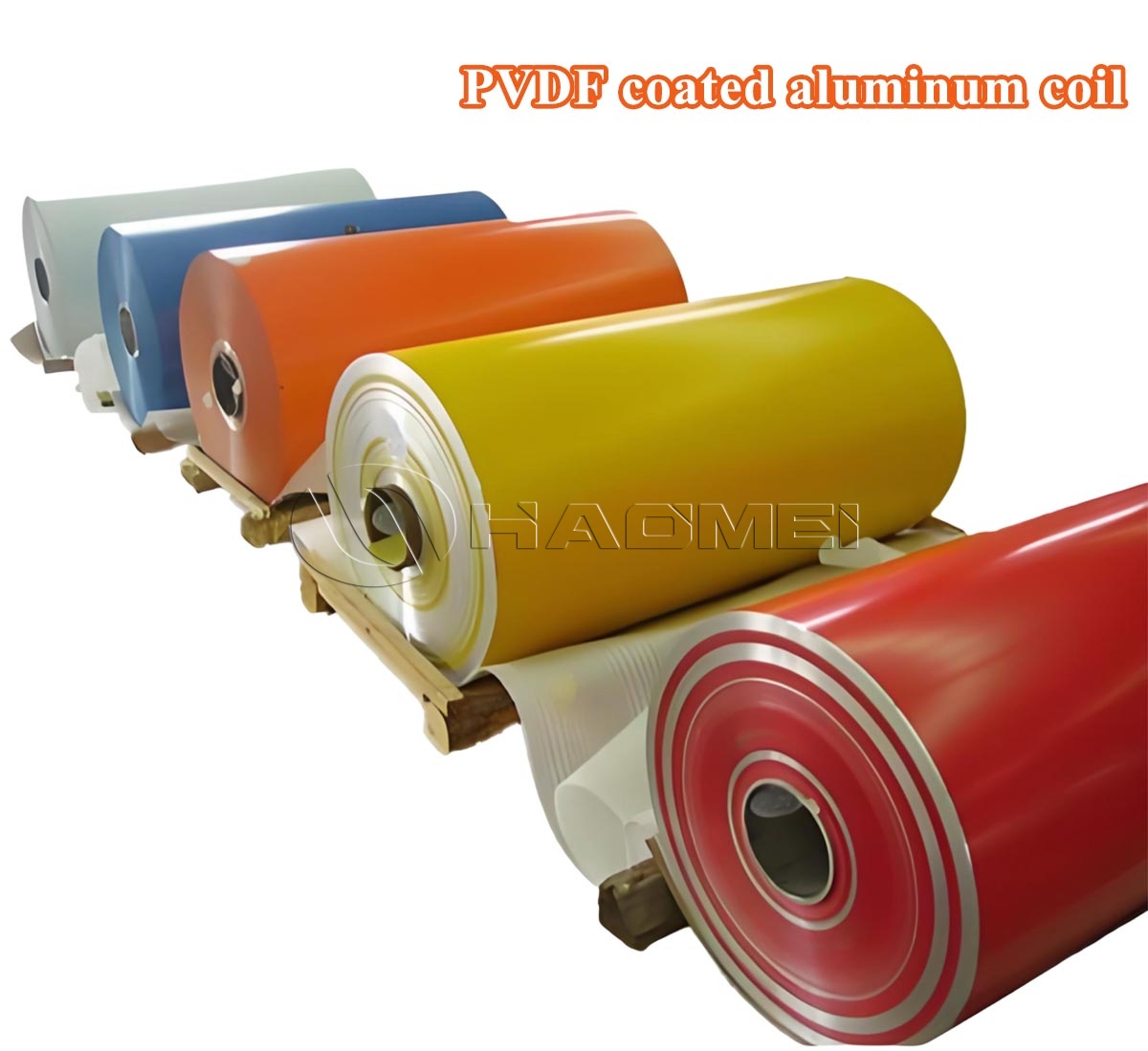
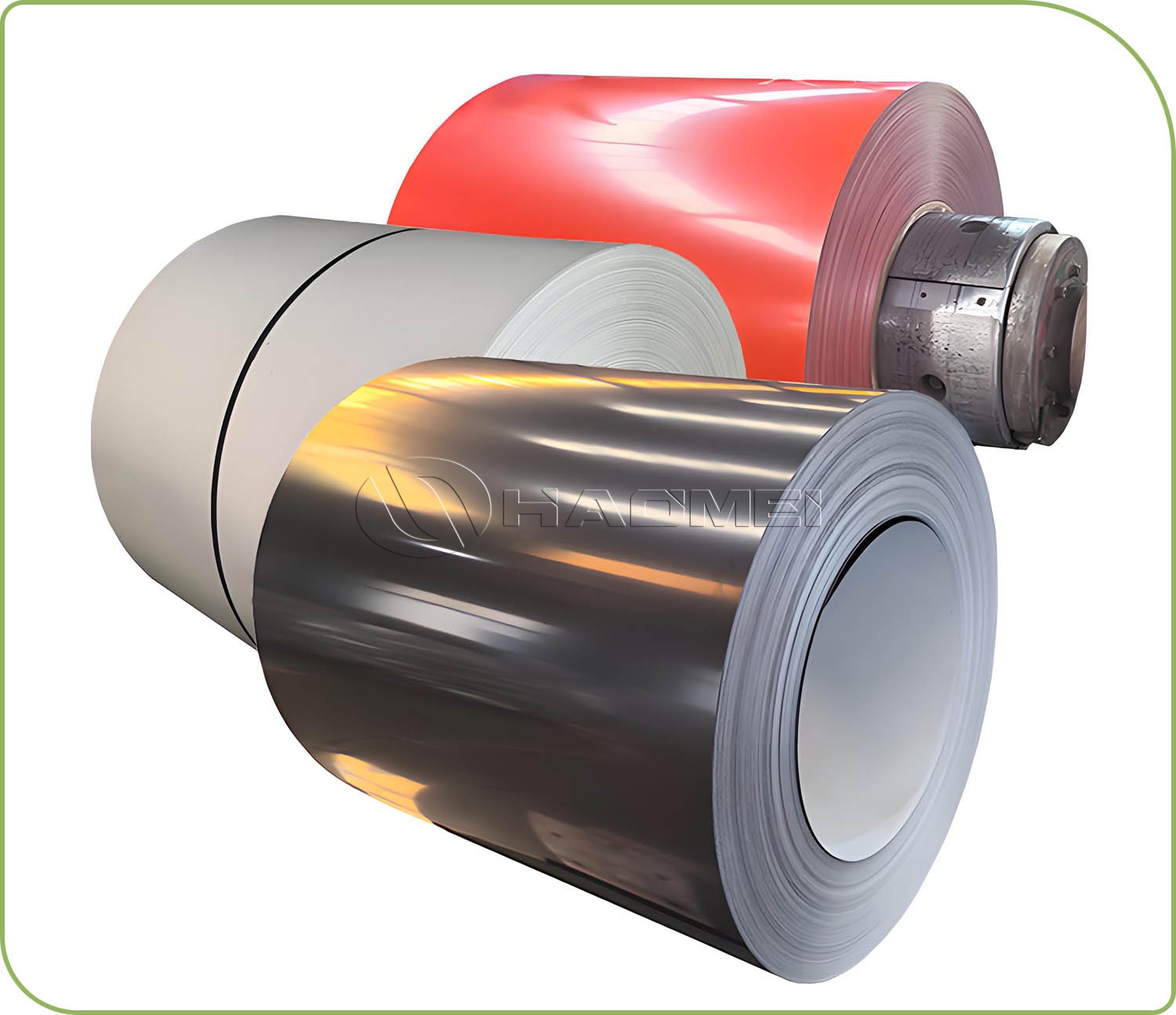
PVDF coated aluminum coil is a pre-painted aluminum facing material engineered for aluminum composite panels (ACP), particularly panels used in exterior curtain walls, façades, canopies, column covers, soffits, signage, and architectural renovation systems. Its fluorocarbon coating provides long-term resistance to ultraviolet exposure, moisture, atmospheric pollutants, and temperature cycling while maintaining a consistent decorative surface.
Product Structure and Performance Role in ACP
An aluminum composite panel is typically formed by bonding two coated aluminum sheets to a mineral-filled or polymer core. The front aluminum skin provides the visible architectural finish, while the rear skin supports panel balance and contributes to bonding stability. In this construction, the PVDF-coated face coil is responsible for surface durability, color retention, gloss control, and resistance to environmental weathering.
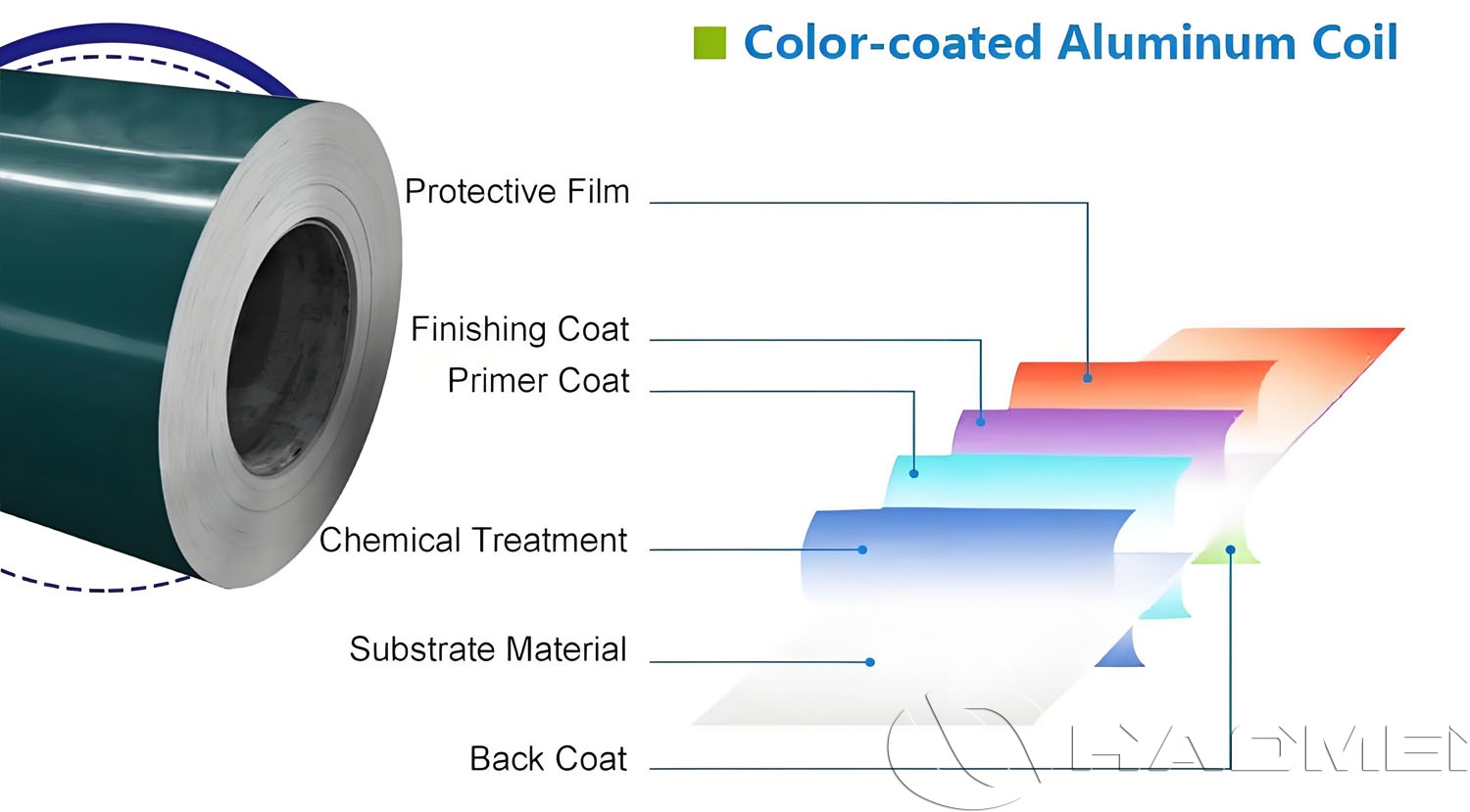
A standard coil-coating system generally includes the following layers:
Aluminum substrate
Chemical conversion coating
Primer coating
PVDF topcoat
Optional clear protective coating or removable protective film
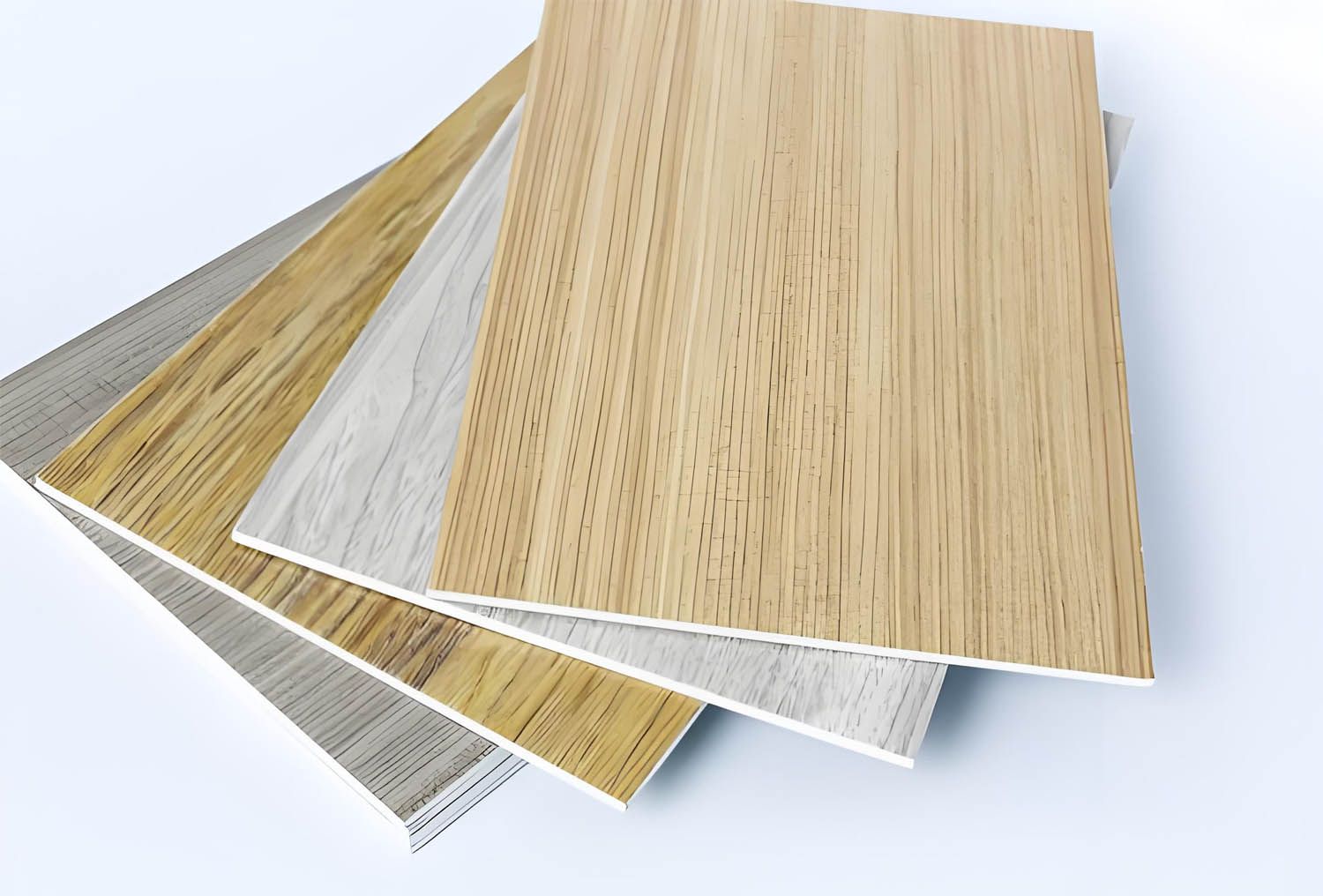
The conversion layer promotes coating adhesion and improves corrosion resistance at the metal-coating interface. The primer supports flexibility and intercoat adhesion, while the PVDF finish supplies the exterior weather-resistant surface. A high-performance PVDF coating commonly contains a fluoropolymer resin system designed to maintain film integrity after roll forming, bending, routing, and panel fabrication.
PVDF Coated Aluminum Coil is widely used where ACP surfaces are exposed to prolonged sunlight, rain, humidity, urban pollution, and changing seasonal temperatures. Compared with conventional polyester or PE finishes, PVDF systems offer stronger resistance to chalking, fading, and surface degradation in demanding exterior environments.
Core Specifications for ACP Facing Coil
| Core Specification | Typical Range or Option | Notes |
|---|---|---|
| Aluminum alloy | 1100, 3003, 3004, 3105, 5005 | Selected according to formability, flatness, and strength requirements |
| Temper | H14, H16, H18, H24, H26 | Temper affects coil rigidity and fabrication behavior |
| Coil thickness | 0.12-0.50 mm | ACP face sheets commonly use 0.21-0.50 mm thicknesses |
| Coil width | 600-1,600 mm | Adapted to ACP production line width and trim allowance |
| PVDF topcoat thickness | 20-30 μm | Exterior architectural systems commonly use two-coat or three-coat PVDF finishes |
| Back coating | 5-10 μm or customized | Supports reverse-side protection and adhesive bonding performance |
| Surface finish | High gloss, semi-gloss, matte, metallic, solid color | Available in customized colors and visual effects |
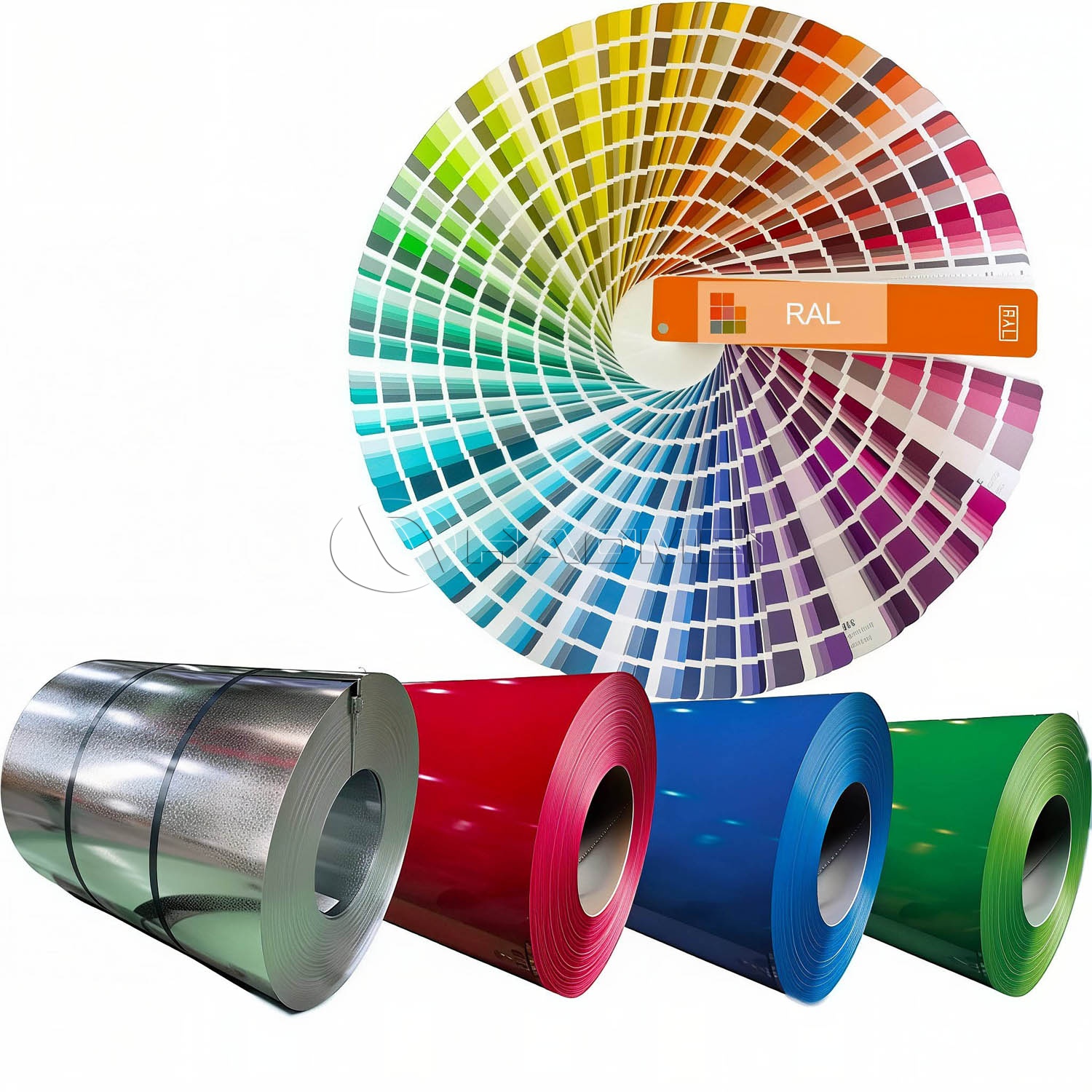
| Color standard | RAL, Pantone, custom sample | Color consistency is controlled between coil batches |
| Protective film | PE film, laser film, customized | Protects the decorative face during lamination and fabrication |
| Coil inner diameter | 405 mm or 505 mm | Compatible with common unwinding equipment |
Common Aluminum Alloys for Aluminum Composite Panels
1100 Alloy
1100 is commercially pure aluminum with excellent ductility, surface quality, and corrosion resistance. It is commonly applied to ACP products requiring deep forming, smooth coating appearance, and economical material cost. Due to its relatively low strength, 1100 is more frequently used for interior panels, signage, and standard decorative applications rather than highly rigid façade systems.
3003 Alloy
3003 aluminum contains manganese, providing higher strength than 1100 while retaining good forming characteristics. It is one of the most widely used alloys for ACP facing sheets because it offers a balanced combination of flatness, workability, corrosion resistance, and coating compatibility. 3003 Color Coated Aluminum Coil is suitable for many exterior cladding and architectural panel applications.
3004 and 3105 Alloys
3004 and 3105 alloys provide improved mechanical strength compared with 3003 in relevant tempers. They are used where panel processing, dimensional stability, or higher rigidity is required. These alloys also maintain reliable coating adhesion and bending performance when matched with an appropriate pretreatment and primer system.
5005 Alloy
5005 aluminum contains magnesium and is valued for its combination of moderate strength, corrosion resistance, and stable anodizing or coating characteristics. For premium ACP applications, 5005 can provide enhanced surface quality and improved resistance to deformation. It is often specified for architectural products requiring a refined painted appearance and durable exterior performance.
PVDF Coating Characteristics
PVDF coatings are formulated for architectural exposure and are available in solid, metallic, pearlescent, matte, high-gloss, and special-effect finishes. The fluoropolymer matrix reduces surface deterioration caused by ultraviolet radiation and environmental contaminants. Key coating properties include:
Long-term color retention under outdoor exposure
Resistance to chalking and gloss loss
Strong adhesion between coating layers and aluminum substrate
Flexibility during ACP lamination, bending, routing, and folding
Resistance to humidity, rainwater, and common atmospheric pollutants
Stable decorative performance across wide temperature variations
For metallic and special-effect finishes, coating uniformity depends on controlled pigment dispersion, wet-film application, oven curing, and coil tension during production. Color difference between batches is managed through standardized color panels, gloss measurement, and visual inspection under controlled lighting conditions.
Manufacturing Process for PVDF Coated ACP Coil
The coil-coating process is continuous and controlled from substrate preparation through final rewinding. Aluminum coil is first cleaned to remove rolling oil and surface contaminants. A chemical conversion treatment is then applied to improve adhesion and corrosion resistance. Primer and PVDF topcoat layers are subsequently applied by roller coating and cured in a high-temperature oven.
Important process parameters include coating viscosity, roller gap, line speed, oven metal temperature, coating weight, curing profile, and strip tension. These factors affect film thickness, hardness, adhesion, flexibility, color consistency, and surface smoothness. Finished coils are inspected for coating defects such as pinholes, streaks, craters, color variation, edge damage, and insufficient curing.
Performance Validation for ACP Applications
PVDF-coated aluminum coil is evaluated using material and coating tests relevant to panel fabrication and exterior service. Typical inspection items include:
Coating thickness measurement
Cross-hatch adhesion testing
T-bend or reverse-impact flexibility testing
Pencil hardness testing
Solvent resistance testing
Gloss measurement and color difference evaluation
Boiling-water resistance testing
Neutral salt spray and humidity resistance testing
Accelerated weathering assessment
Surface flatness, width, thickness, and edge-quality inspection
The combined performance of alloy, temper, pretreatment, primer, PVDF finish, and protective film determines the reliability of the aluminum coil during ACP lamination and throughout the panel's architectural service life.
-
3105 Matte Color-Coated Aluminum Coil for Modern Interior Decoration
3105 matte color-coated aluminum coil provides low-glare, durable surfaces for ceilings, wall panels, partitions, and modern interior decoration.
2026-09-28
-
Custom Color-Coated Aluminum Coils for Commercial Ceiling Installations
Custom color-coated aluminum coils deliver durable finishes, precise forming, and consistent color for commercial ceiling systems and interior spaces.
2026-09-29
-
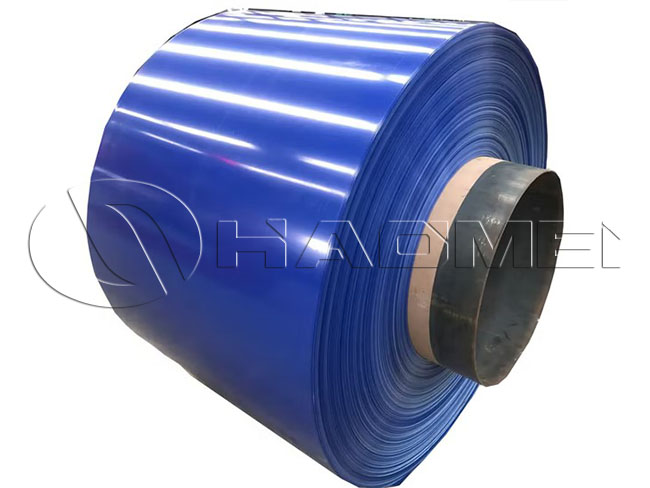
5052 Color Coated Aluminum Coil for Shipbuilding
Compared to steel, 5052 color-coated aluminum coils reduce the weight of ships by up to 50%, while also providing long-lasting corrosion resistance and an aesthetically pleasing finish.
2025-12-15
Contact Directly
-

ADD: No.14 Waihuan Road, CBD, Zhengzhou, China
-

WhatsApp: +86-18703635966
-

E-MAIL: sales@alummc.com
