

News
 By Hermione
Customizable Stone-Grain Color-Coated Aluminum Coil for Architectural Decoration
Stone-grain color-coated aluminum coil is a prepainted decorative material designed to reproduce the visual character of natural stone while retaining aluminum's low weight, formability, and corrosion resistance. It is widely used in architectural decoration systems, including curtain-wall panels, exterior cladding, soffits, ceilings, insulated sandwich panels, roller shutters, column wraps, and interior wall surfaces. Through customized patterns, colors, gloss levels, alloy grades, and coating systems, the coil can be adapted to varied building aesthetics and service environments.
Decorative Stone Appearance With Coil-Coating Performance
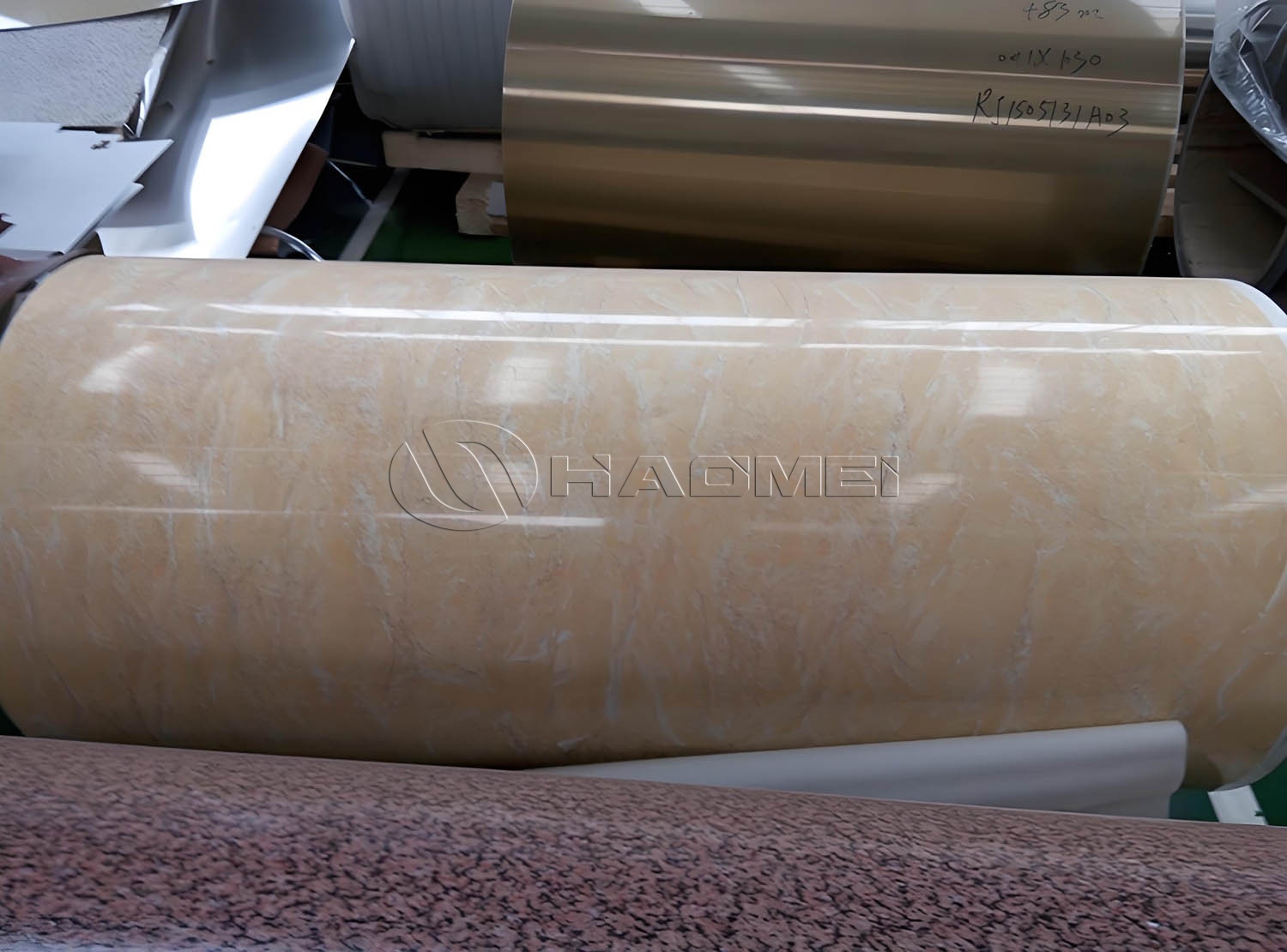
Unlike natural stone, stone-grain aluminum coil does not require quarrying, cutting, or heavy structural support. The finished coil can be roll formed, bent, stamped, cut, or laminated into architectural components while maintaining a consistent decorative surface across large production runs.
Stone patterns may imitate granite, marble, travertine, sandstone, slate, or other mineral textures. Pattern customization can include background color, vein direction, print scale, contrast, surface gloss, and matte or textured effects. For projects requiring coordinated decorative materials, stone-grain finishes can be developed alongside wood-grain, solid-color, or metallic aluminum surfaces.
The coating system is applied to aluminum strip before fabrication. This prepainted process supports uniform film thickness, controlled curing, stable color appearance, and efficient downstream forming. A typical construction includes:
Aluminum substrate
Chemical conversion layer for adhesion and corrosion protection
Primer coat
Base color coat
Stone-grain printed layer
Protective clear topcoat
Optional reverse-side coating
The printed design is protected by the topcoat, helping maintain surface appearance during fabrication, transport, installation, and normal building exposure.
Core Specifications of Stone-Grain Color-Coated Aluminum Coil
Stone-Grain Color-Coated Aluminum Coil Specifications
| Item | Typical Range or Option |
|---|---|
| Aluminum alloy | 1060, 1100, 3003, 3004, 3105, 5005, 5052 and other specified grades |
| Temper | O, H14, H16, H18, H24, H26, H32, or project-specific temper |
| Coil thickness | 0.20-1.50 mm, with heavier gauges available for selected applications |
| Coil width | 300-1,600 mm |
| Coil inner diameter | 405 mm or 505 mm |
| Coil outer diameter | Subject to coil weight and production requirements |
| Surface finish | Stone-grain print, marble effect, sandstone effect, slate effect, matte, gloss, or textured finish |
| Coating type | PE, SMP, HDP, PVDF, FEVE, or customized coating system |
| Total dry film thickness | Typically 18-35 μm for PE systems; 25-40 μm or higher for high-performance systems |
| Back coating | Wash coat, service coat, or double-sided decorative coating |
| Color and pattern | Customized based on physical sample, digital artwork, or approved color standard |
| Processing compatibility | Roll forming, bending, profiling, stamping, bonding, and panel fabrication |
Common Aluminum Alloys for Architectural Decoration
The aluminum substrate should be selected according to panel geometry, forming requirements, thickness, exposure conditions, and the structural role of the finished product.
1060 and 1100 Alloys
1060 and 1100 are commercially pure aluminum grades with excellent corrosion resistance, ductility, and surface quality. They are commonly used for decorative ceiling systems, interior wall panels, trim, lightweight profiles, and applications requiring straightforward bending or roll forming. Their relatively low strength makes them better suited to non-structural decorative components than to heavily loaded exterior systems.
For standard decorative applications, 1100 Color Coated Aluminum Coil provides a workable substrate for detailed stone-grain finishes and formed architectural accessories.
3003, 3004, and 3105 Alloys
The 3xxx series contains manganese and offers higher strength than 1xxx aluminum while maintaining good formability and corrosion resistance. These alloys are widely used in roofing, wall cladding, rain-screen panels, corrugated sheets, gutters, and shaped building components.
3003 is suitable for general architectural panels and moderately formed profiles.
3004 provides increased strength for applications requiring improved dent resistance or rigidity.
3105 is frequently selected for prepainted building sheet because it balances strength, formability, and coating compatibility.
For stone-grain facade panels and exterior decorative sheets, 3003 Color Coated Aluminum Coil is commonly specified where a dependable combination of processing performance and panel stiffness is required.
5005 and 5052 Alloys
The 5xxx series contains magnesium and provides improved mechanical strength and corrosion resistance. 5005 is often used for architectural sheet and panel applications where a high-quality painted surface and good forming behavior are important. 5052 offers higher strength and is appropriate for more demanding environments, including coastal or high-humidity locations, provided the complete coating system is matched to the service conditions.
For complex fabrication, the alloy-temper combination should be evaluated together with the minimum bend radius, panel shape, and coating flexibility requirements. A coating that performs well on flat sheet must also withstand the strain created during profiling or bending.
PE and PVDF Coating Systems
Coating selection determines long-term resistance to weathering, ultraviolet radiation, humidity, pollutants, and surface staining. The decorative pattern and the protective topcoat must be considered as one system rather than as separate layers.
PE Coating
Polyester, or PE, coating is widely used for interior decoration and general exterior applications with moderate exposure requirements. It provides good color selection, surface smoothness, processing flexibility, and economic efficiency. PE stone-grain coil is commonly used for ceilings, partition panels, interior wall systems, appliance trim, and sheltered exterior components.
PVDF Coating
PVDF coating is designed for demanding exterior architectural conditions. Its fluoropolymer chemistry provides strong resistance to ultraviolet degradation, chalking, fading, and chemical exposure. Stone-grain finishes using PVDF systems are suitable for facade cladding, curtain-wall components, roofing details, canopies, and other long-term exterior applications where color and gloss retention are critical.
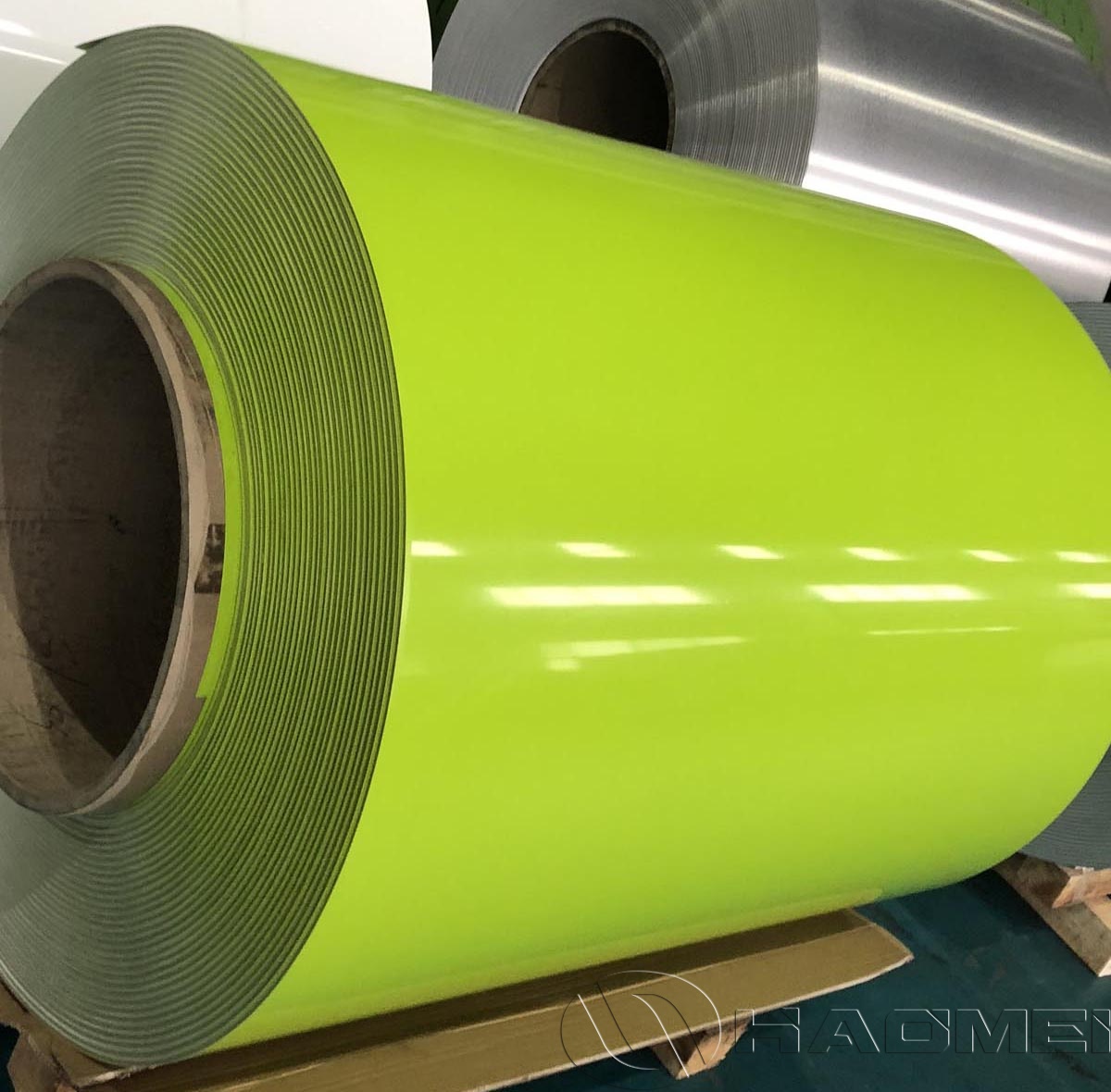
A PVDF stone-grain system may use a primer, color base coat, decorative print layer, and clear protective finish. Film thickness and curing parameters are controlled to protect pattern definition without reducing coating flexibility during fabrication.
Customization Parameters
Stone-grain color-coated aluminum coil can be engineered around both visual and manufacturing requirements. Customization commonly includes:
Stone texture type, vein pattern, and print repeat length
Base color, contrast level, and pattern orientation
Gloss level from matte to semi-gloss or high gloss
Coating chemistry and dry film thickness
Aluminum alloy, thickness, width, and temper
Front-side and back-side coating configuration
Protective film selection for fabrication-sensitive surfaces
Embossed, brushed, textured, or smooth surface options
Pattern orientation is especially important for large wall panels, long fascia boards, and continuous ceiling systems. Consistent print direction helps maintain a natural visual flow after panels are cut and installed.
Processing and Performance Considerations
Marble pattern color coated aluminum coil is commonly converted into flat panels, composite panels, corrugated sheets, cassette panels, ceiling strips, shutter slats, and decorative profiles. During forming, the coating must remain adherent and free from cracking, excessive whitening, or print distortion.
Key performance controls include coating adhesion, pencil hardness, T-bend flexibility, impact resistance, solvent resistance, color consistency, gloss tolerance, and resistance to humidity and salt spray where applicable. For exterior architectural use, accelerated weathering evaluation may be applied to verify retention of color, gloss, and decorative pattern integrity.
The substrate surface preparation is equally important. Proper cleaning and chemical pretreatment improve primer bonding and reduce the risk of under-film corrosion. Controlled coil-coating curing ensures that the printed stone pattern, clear coat, and underlying layers form a stable protective film suitable for subsequent fabrication.
-
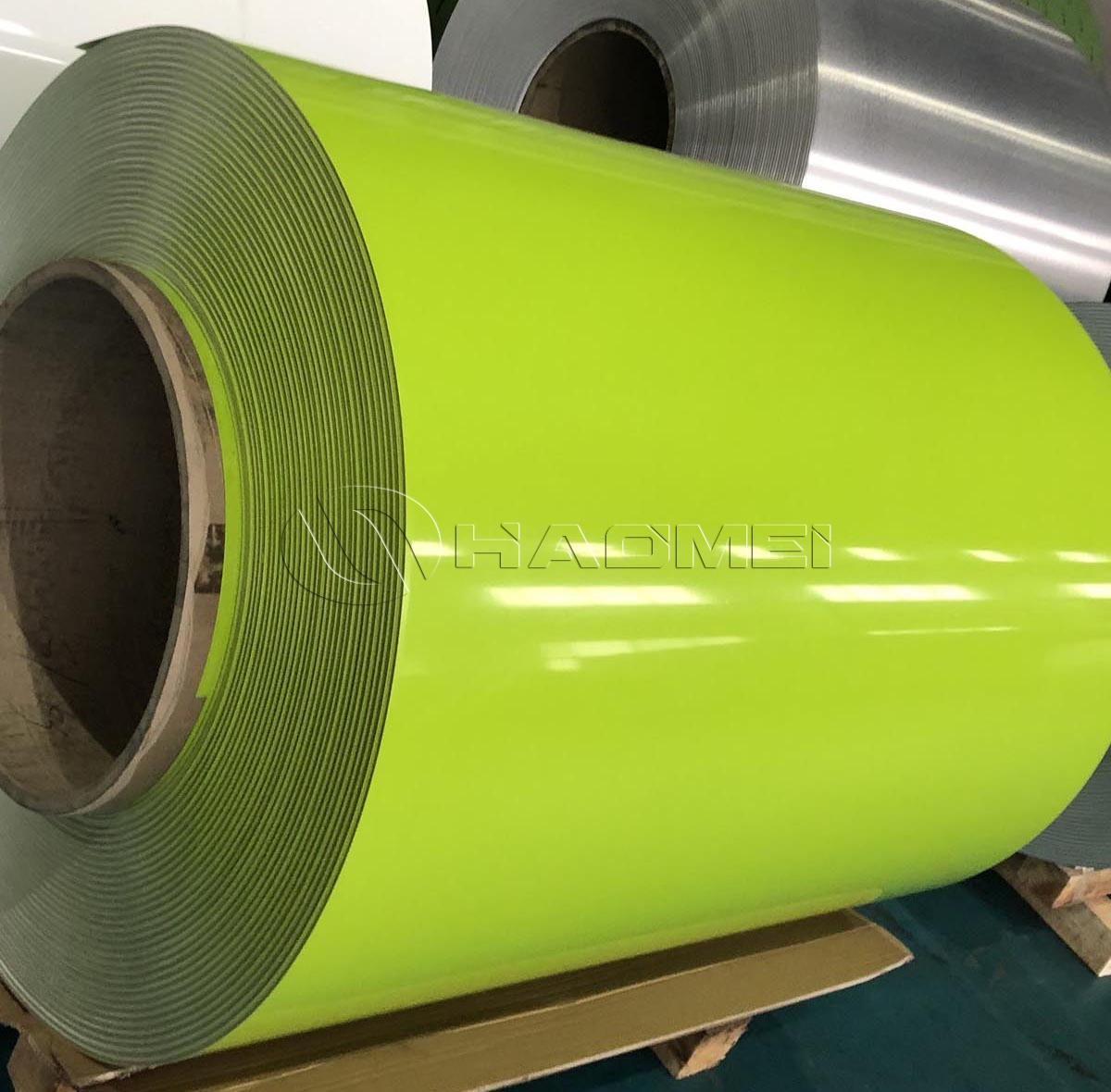
Heavy Duty PVDF Coated Aluminum Coil for Warehouses
Heavy-duty PVDF coated aluminum coil for warehouses combines alloy substrates, UV-stable finishes, and consistent forming performance for roofs and walls.
2026-07-16
-
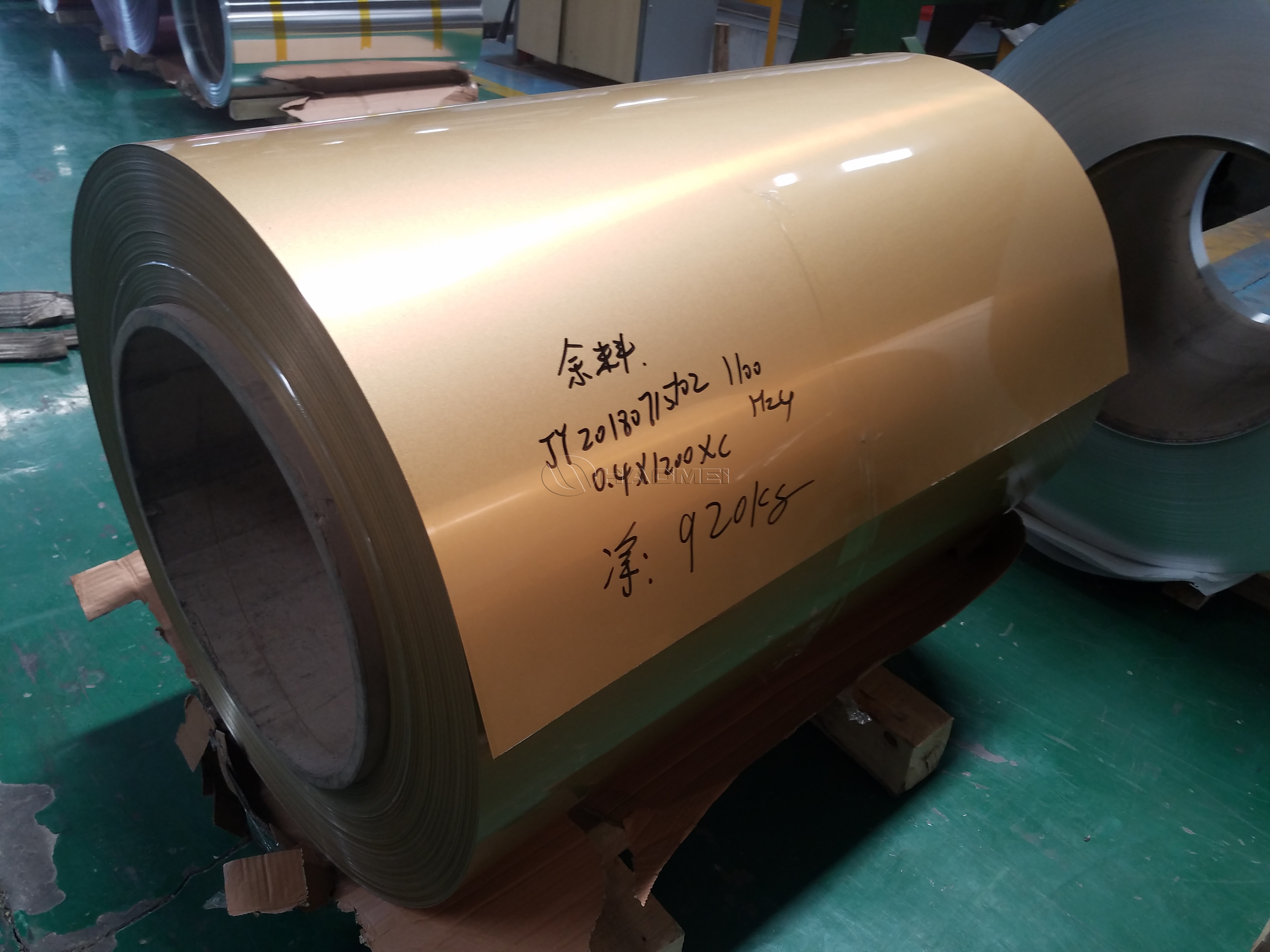
PE Coated Aluminum Coil 1000 Series for Electronics
PE coated aluminum coil in 1000 series provides clean surfaces, easy forming, and stable color for electronics housings, panels, enclosures, and trim.
2026-09-07
-
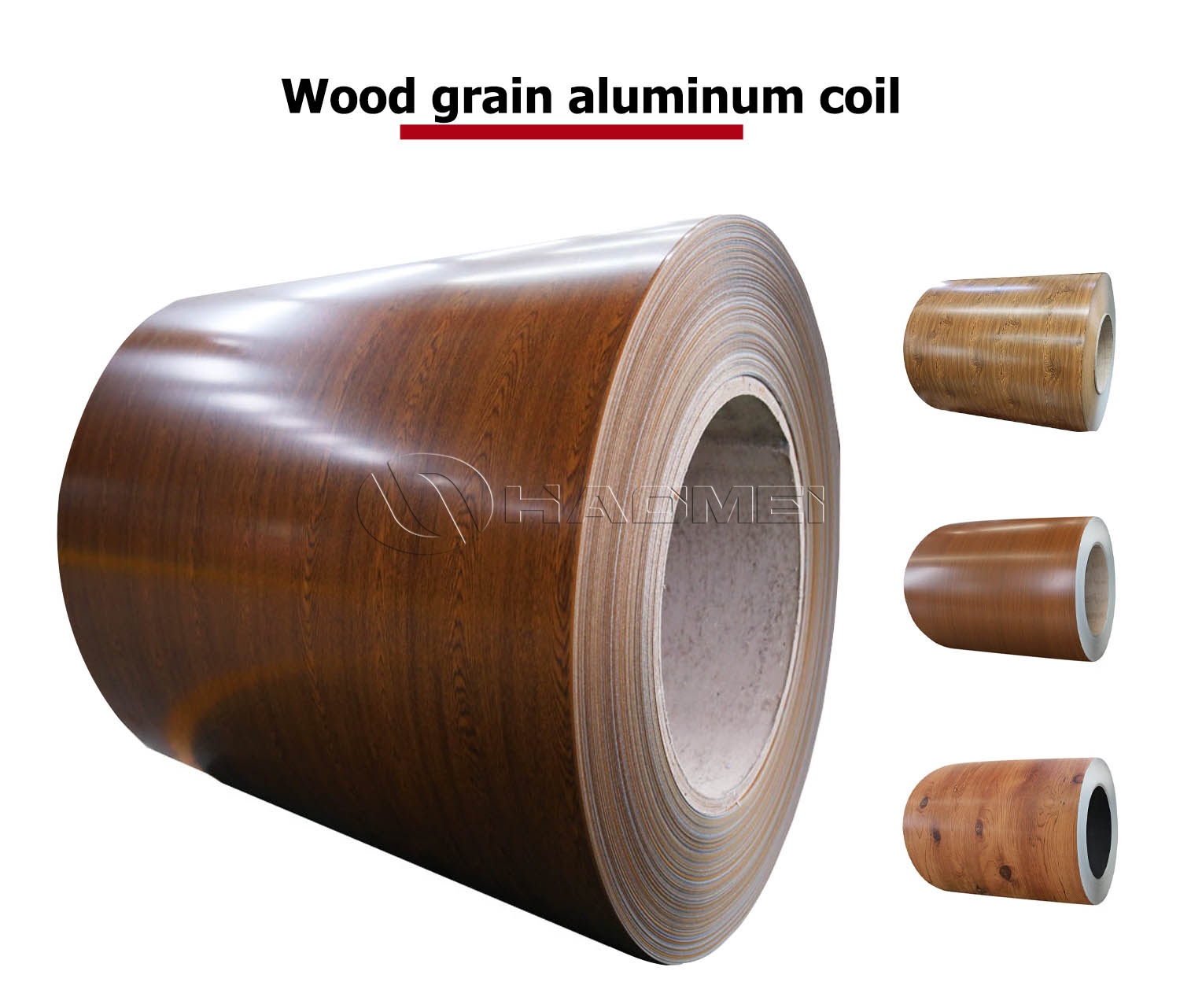
Wood Pattern Pvdf Coated Aluminum Coil
Explore wood pattern PVDF coated aluminum coil: wood grain aluminum coil aesthetics with a PVDF coating system for durable, weatherable pre-painted aluminum coil cladding.
2026-02-25
Contact Directly
-

ADD: No.14 Waihuan Road, CBD, Zhengzhou, China
-

WhatsApp: +86-18703635966
-

E-MAIL: sales@alummc.com