

News
 By Hermione
Heavy Duty PVDF Coated Aluminum Coil for Warehouses
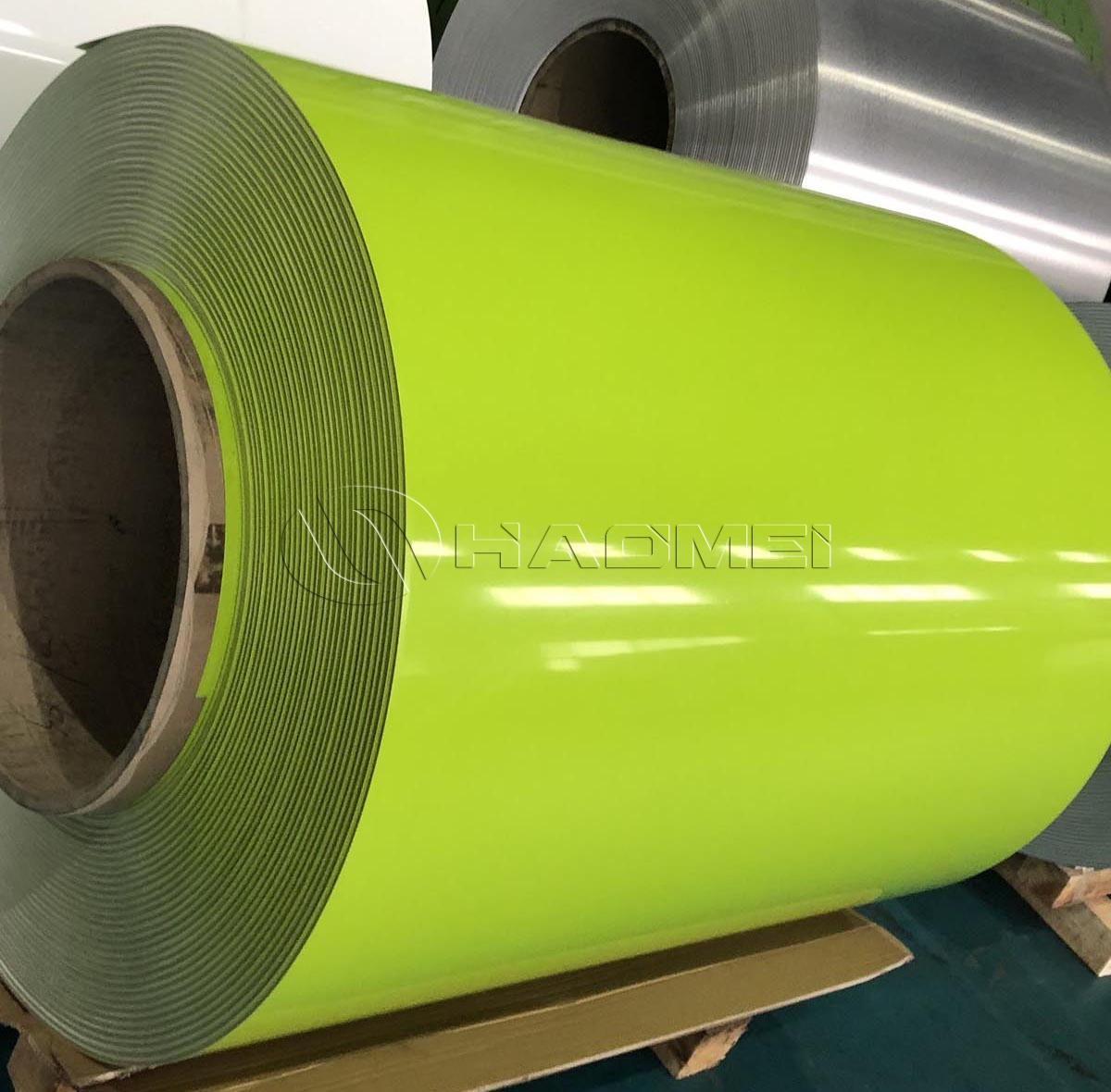
Heavy-duty PVDF coated aluminum coil is engineered for warehouse roof systems, exterior wall cladding, canopy panels, loading-area enclosures, and related industrial building components. Combining a durable aluminum substrate with a weather-resistant fluoropolymer finish, it provides stable color, corrosion resistance, and reliable forming performance for large-scale warehouse envelopes exposed to sunlight, rain, humidity, industrial dust, and temperature cycling.
Built for Demanding Warehouse Environments
Warehouse buildings commonly use long-span metal roofing and profiled wall panels. These applications require coil material that can be roll formed, bent, seamed, and installed without premature coating damage. A PVDF coated aluminum coil is particularly suitable where exterior durability is important, including logistics centers, manufacturing facilities, distribution warehouses, agricultural storage buildings, cold-chain facilities, and industrial parks.
The heavy-duty designation refers to a balanced material system rather than aluminum thickness alone. It includes the substrate alloy, temper, pretreatment quality, primer chemistry, PVDF topcoat thickness, backside coating, and process consistency. Together, these factors support long-term protection of warehouse roofing and cladding surfaces.
PVDF Coating Structure and Performance
PVDF, or polyvinylidene fluoride, is a fluoropolymer coating system widely used for demanding architectural exteriors. It is valued for resistance to ultraviolet radiation, chalking, fading, moisture, and many common atmospheric pollutants. Compared with standard polyester or PE coatings, PVDF is more appropriate for warehouse façades and roofs where long-term appearance retention is required.
A typical PVDF coil coating structure includes:
Aluminum substrate
Chemical conversion pretreatment
Corrosion-resistant primer coat
PVDF finish coat, commonly based on 70% PVDF resin systems
Protective backside coating
Optional removable protective film for fabrication and installation processes
The pretreatment layer is essential because it improves the bond between aluminum and paint while helping limit under-film corrosion. The primer provides adhesion and additional corrosion protection, while the PVDF topcoat delivers the primary weathering and color-retention performance.
For projects requiring a different balance of economy and exterior durability, PVDF Coated Aluminum Coil is available in coating systems tailored to architectural exposure conditions.
Core Specifications for Heavy-Duty Warehouse Applications
Heavy-Duty PVDF Coated Aluminum Coil Specifications
| Item | Typical Specification | Notes |
|---|---|---|
| Base metal | 3003, 3105, 3004, 5052 aluminum alloy | Selected according to forming, strength, and corrosion requirements |
| Thickness | 0.30-1.50 mm | Common warehouse roof and wall range: 0.50-1.00 mm |
| Width | 600-1,600 mm | Slitting widths available for panel-forming equipment |
| Temper | H14, H16, H18, H24, H26 | Temper is matched to profile depth and forming radius |
| Top coating | 2-coat PVDF or 3-coat PVDF system | 70% PVDF resin system commonly used for exterior exposure |
| Topcoat thickness | Typically 25-35 μm | Higher film build can be specified for severe environments |
| Back coating | 5-12 μm epoxy, polyester, or service-side coating | Selected based on panel design and internal exposure |
| Surface finish | Smooth, matte, gloss, textured, metallic | Color and gloss can be controlled by coil coating process |
| Coil inner diameter | 405 mm or 505 mm | Subject to processing and packaging requirements |
| Coil weight | Typically 2-5 metric tons | Determined by coil dimensions and handling limits |
| Applicable standards | ASTM, EN, JIS, or project-specific requirements | Mechanical and coating tests can be aligned to project specifications |
Common Aluminum Alloys for Warehouse Coil Systems
3003 Aluminum Alloy
3003 is among the most widely used alloys for warehouse roofing and wall panels. It contains manganese, which provides higher strength than pure aluminum while maintaining good formability and corrosion resistance. It is suitable for trapezoidal roofing sheets, corrugated panels, concealed-fastener panels, and façade profiles.
3003 Color Coated Aluminum Coil is commonly used where a dependable combination of roll-forming performance, moderate strength, and exterior durability is required.
3105 Aluminum Alloy
3105 aluminum alloy is also widely applied in pre-painted architectural coil. It offers good formability, stable mechanical properties, and a surface well suited to coil coating. For warehouse wall cladding and lighter-gauge roofing systems, 3105 provides a practical substrate option with consistent processing behavior.
3004 Aluminum Alloy
3004 has higher strength than 3003 and can be used where roof panel geometry, span conditions, or handling requirements call for greater mechanical capability. It remains formable enough for many profiled building-panel applications when the temper is properly matched to the forming design.
5052 Aluminum Alloy
5052 is a magnesium-containing alloy with strong corrosion resistance and higher mechanical strength. It may be specified for warehouses in coastal zones, high-humidity regions, or facilities exposed to more aggressive atmospheres. Because 5052 has different forming characteristics from 3003 and 3105, coil temper and panel profile geometry should be controlled carefully during design and production.
Material Selection by Warehouse Exposure Condition
Warehouse exterior materials are exposed to different environmental stresses depending on site location and facility use. Inland logistics buildings may primarily require UV resistance and color retention, while coastal or chemical-processing warehouses can demand stronger corrosion protection.
| Application Environment | Typical Material Focus | Suitable Alloy and Coating Direction |
|---|---|---|
| Inland warehouse roofing | UV resistance, thermal cycling, formability | 3003 or 3105 with 25 μm PVDF coating |
| Industrial warehouse wall cladding | Color retention, atmospheric corrosion resistance | 3105 or 3003 with 25-30 μm PVDF coating |
| Coastal warehouse envelope | Salt-bearing moisture resistance | 5052 or carefully specified 3003/3105 with enhanced pretreatment and PVDF system |
| High-humidity storage facility | Corrosion resistance on both sides of panel | 3003, 3105, or 5052 with suitable back coating |
| Heavy-profile roof panels | Mechanical strength and forming stability | 3004 or 3003 in a suitable temper with PVDF coating |
Forming Performance for Roof and Wall Panels
Warehouse cladding materials are often processed into corrugated sheets, ribbed roofing profiles, standing-seam panels, insulated sandwich panels, and cassette wall systems. The aluminum coil must retain coating adhesion at bends, beads, hems, and cut edges.
Coil temper is important in this process. A harder temper can improve yield strength and panel rigidity, but excessive hardness may increase the risk of cracking at tight bends. A softer temper improves formability but may not provide the same level of stiffness for some panel geometries. The appropriate alloy-temper combination is therefore determined by the panel profile, thickness, forming radius, span design, and installation method.
Color, Gloss, and Surface Finish Options
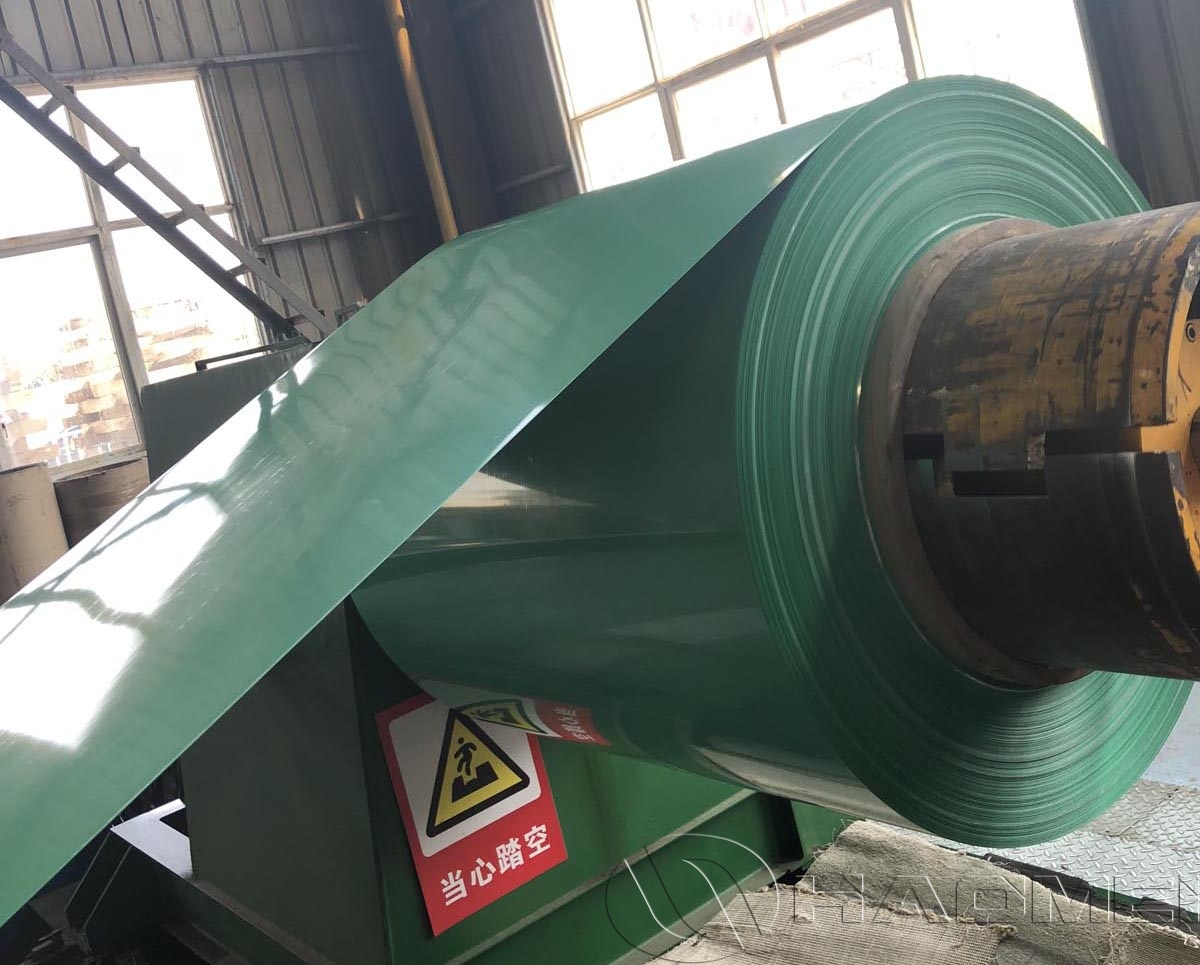
PVDF coated aluminum coil can be produced in standard architectural colors as well as custom shades. White, gray, silver, blue, green, and dark neutral colors are commonly used for warehouse exteriors. Light colors can help reduce surface heat absorption, while darker colors may be selected to align with corporate building schemes or surrounding architecture.
Available finish options include smooth gloss, low-gloss matte, metallic, textured, and embossed surfaces. Gloss level affects the visual appearance of large wall and roof areas, while metallic and textured finishes can help reduce the visibility of minor surface variation across expansive panels.
Quality Control for PVDF Coated Aluminum Coil
Heavy-duty warehouse coil is assessed through substrate, coating, and finished-coil inspection. Typical quality control items include:
Aluminum thickness, width, flatness, and edge condition
Coating thickness on the top and backside
Color consistency and gloss control
Coating adhesion and bend performance
Pencil hardness and impact resistance
Solvent resistance where specified
Salt spray, humidity, and accelerated weathering tests when required
Coil appearance inspection for dents, scratches, pinholes, streaks, and coating defects
A stable coil-coating process controls cleaning, conversion treatment, coating application, oven curing, and rewinding conditions. These controls are particularly important for long warehouse panels, where visible consistency and coating integrity must be maintained across large roof and wall surfaces.
-
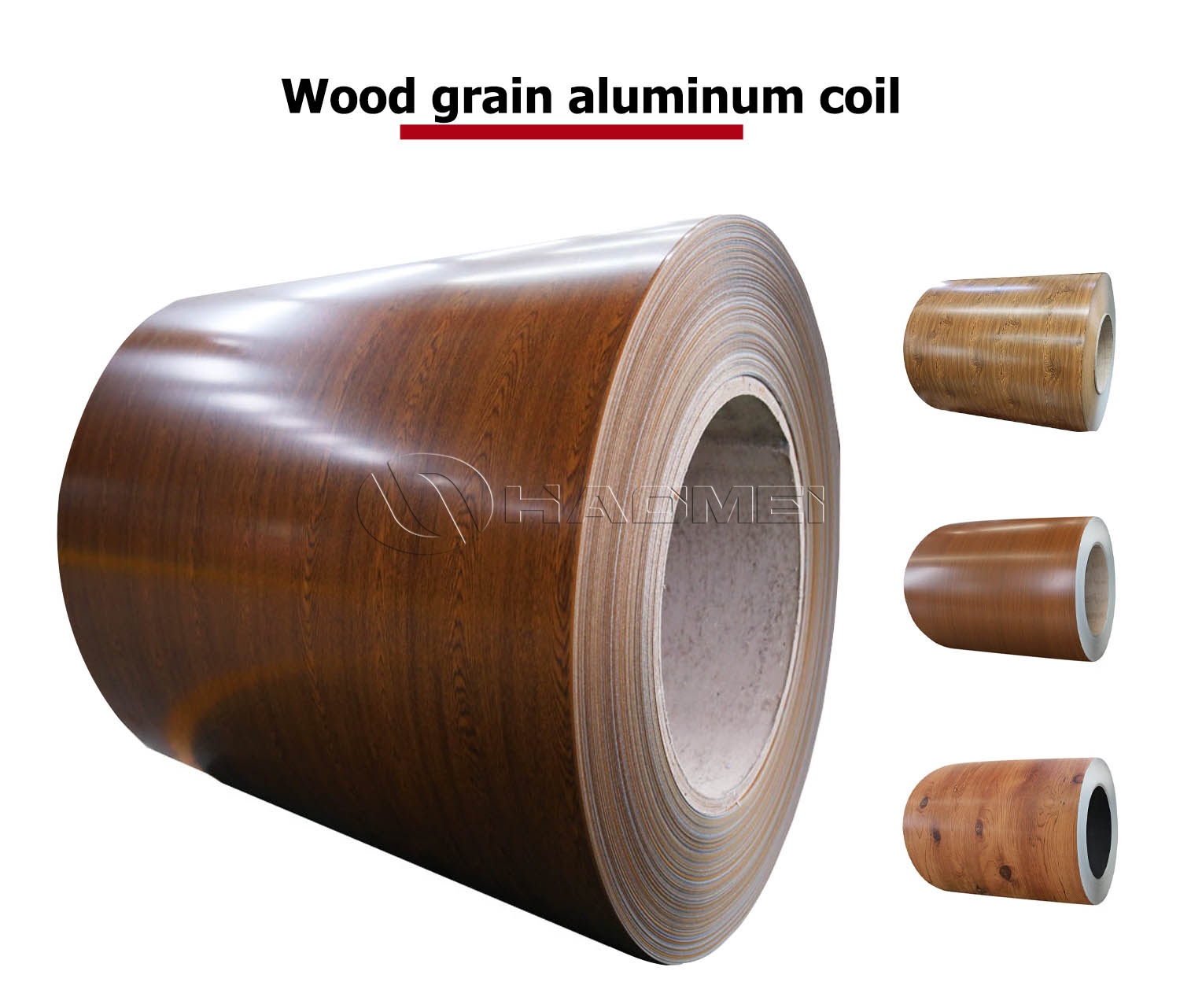
Wood Pattern Pvdf Coated Aluminum Coil
Explore wood pattern PVDF coated aluminum coil: wood grain aluminum coil aesthetics with a PVDF coating system for durable, weatherable pre-painted aluminum coil cladding.
2026-02-25
-
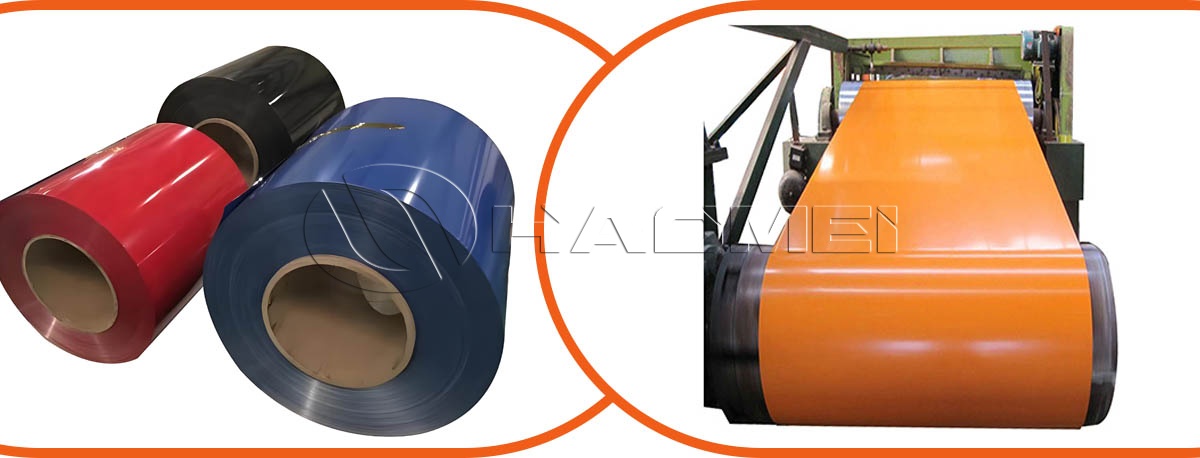
Pvdf Coated Aluminum Coil For Honeycomb Panels
PVDF coated aluminum coil for aluminum honeycomb panels delivers long-term color retention, corrosion resistance, and formability for architectural facade cladding.
2026-02-02
-
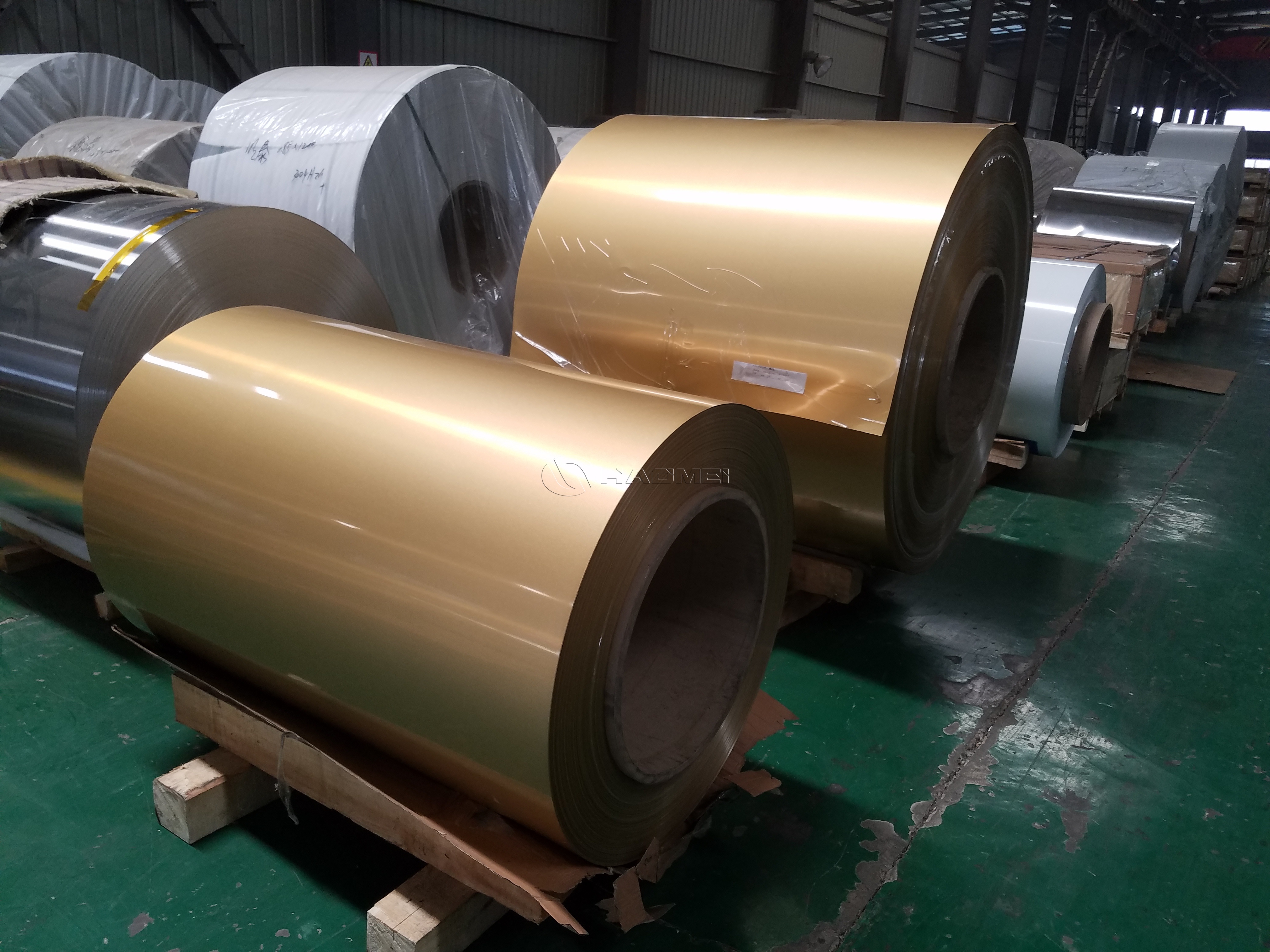
Anti-Corrosion 3003 Color Coated Aluminum Coil
Anti-corrosion 3003 color coated aluminum coil combines Mn-alloy strength, coating durability, and formability for roofing, facades, ceilings, and cladding.
2026-04-17
Contact Directly
-

ADD: No.14 Waihuan Road, CBD, Zhengzhou, China
-

WhatsApp: +86-18703635966
-

E-MAIL: sales@alummc.com