

News
 By Hermione
Color-Coated Pre-Painted Aluminum Coils for Corrugated Roofing Sheets
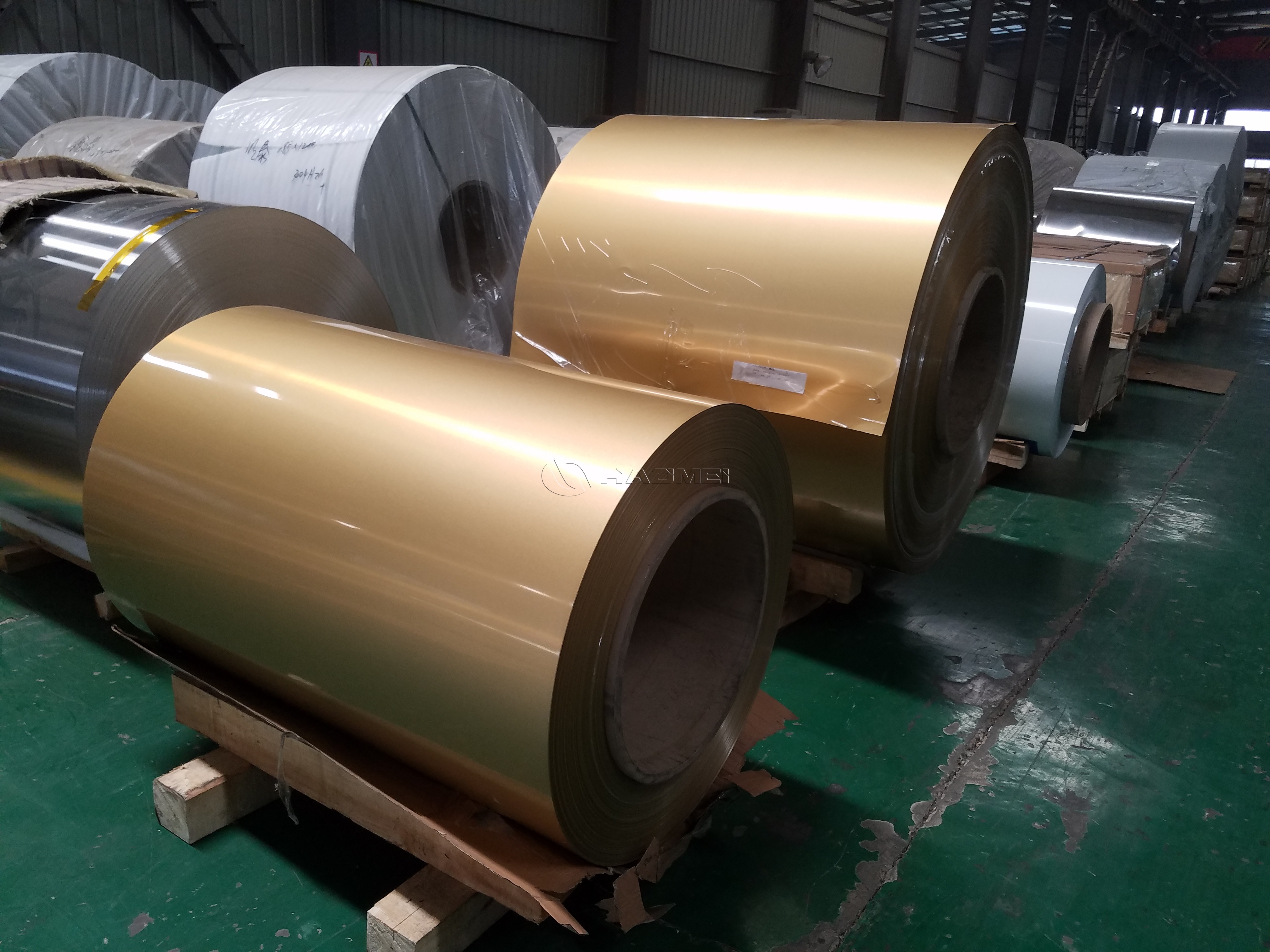
Color-coated pre-painted aluminum coils are roll-formed into corrugated roofing sheets for industrial buildings, warehouses, agricultural structures, commercial canopies, carports, and lightweight residential roofing systems. The material combines aluminum's low density and natural corrosion resistance with a factory-applied finish that provides stable color, surface protection, and efficient downstream forming.
Corrugated aluminum roofing is particularly suited to projects where roof dead load, long-term weather exposure, and appearance consistency are important. Supplied in coil form, the material can be continuously profiled into sinusoidal, trapezoidal, or customized corrugated sheet geometries.
Material Structure and Roofing Performance
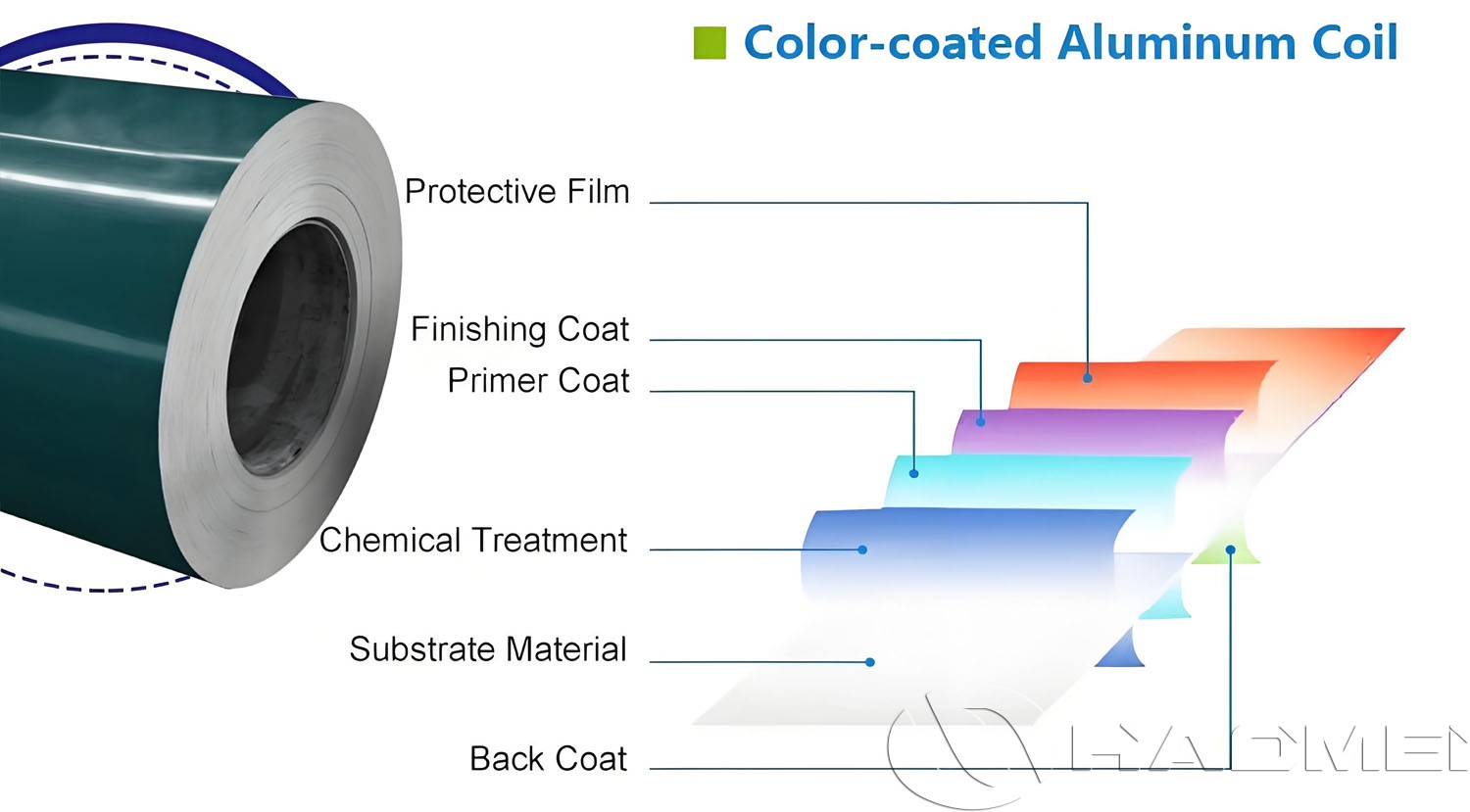
A pre-painted aluminum coil is produced by cleaning and chemically pretreating the aluminum strip before applying primer and topcoat in a continuous coil-coating line. Controlled curing forms a uniform coating film with reliable adhesion and flexibility during corrugation.
The typical construction includes:
Aluminum alloy substrate
Conversion coating or chemical pretreatment
Primer coat
Color topcoat on the exposed face
Optional back coat on the reverse side
Protective film where surface handling protection is required
The coating is applied before corrugation, so coating flexibility and adhesion are critical. During roll forming, the metal is bent repeatedly along the profile radius. A properly matched alloy, temper, pretreatment, primer, and topcoat system helps maintain a smooth surface without excessive cracking, flaking, or loss of gloss at formed areas.
Core Specifications for Corrugated Roofing Coil
Pre-Painted Aluminum Coil Specification Table
| Item | Typical Range or Option |
|---|---|
| Alloy | 1100, 1050, 1060, 3003, 3004, 3105, 5005 |
| Temper | O, H14, H16, H18, H24, H26 |
| Coil thickness | 0.30-1.20 mm |
| Common roofing thickness | 0.45-0.90 mm |
| Coil width | 600-1,600 mm |
| Common width before forming | 914 mm, 1,000 mm, 1,219 mm, 1,250 mm |
| Top coating | PE, SMP, HDP, PVDF |
| Topcoat thickness | Typically 15-35 μm, depending on coating system |
| Back coating | Typically 5-10 μm, adjustable by application |
| Surface finish | Gloss, matte, textured, metallic, embossed, or patterned |
| Color | Standard RAL colors and customized colors |
| Coil inner diameter | 405 mm or 505 mm |
| Coil weight | Customized according to handling and roll-forming equipment |
Actual coil dimensions and mechanical properties are coordinated with the corrugated profile, roofing span design, local wind load, and roll-forming line capability.
Common Aluminum Alloys
1100, 1050, and 1060 Series
The 1xxx series contains high-purity aluminum and offers excellent corrosion resistance, thermal reflectivity, and formability. In soft or medium tempers, these alloys form readily into corrugated profiles with relatively small bend radii. Their strength is lower than 3xxx-series materials, so they are commonly used for light-duty roofing, insulation jacketing, decorative roof panels, and applications supported by closely spaced purlins.
For projects requiring high-purity substrate characteristics, 1100 Color Coated Aluminum Coil provides good surface quality and coating compatibility for formed roofing products.
3003 Aluminum Alloy
3003 is an aluminum-manganese alloy widely used for color-coated corrugated roofing sheets. It provides a balanced combination of moderate strength, corrosion resistance, and forming performance. Compared with 1xxx aluminum, 3003 offers higher mechanical strength while retaining the ductility needed for continuous roll forming.
This alloy is commonly selected for industrial roofs, wall cladding, agricultural buildings, and general-purpose profiled sheets where a stronger substrate is needed without excessive material weight.
3004 and 3105 Aluminum Alloys
3004 and 3105 alloys are frequently used where increased strength and profile rigidity are required. 3004 has higher strength than 3003 and is suitable for more demanding corrugated roofing applications. 3105 offers good formability, corrosion resistance, and practical strength for architectural sheet and roofing coil.
3105 Color Coated Aluminum Coil is widely associated with roll-formed roofing and cladding because its mechanical properties can be matched to common profile designs and coating systems.
5005 Aluminum Alloy
5005 is a magnesium-containing alloy with good corrosion resistance and an attractive surface after coating. It is used for architectural roofing and façade panels where color uniformity and appearance are significant. Its strength level is generally higher than that of 1xxx aluminum, while its surface quality supports high-grade painted finishes.
Coating Systems for Corrugated Aluminum Roofing
The coating system determines much of the roofing sheet's color retention, weathering resistance, and surface durability. Coating selection is related to exposure conditions, project service environment, expected aesthetic life, and the degree of roll forming.
PE Coating
Polyester, or PE, is a commonly used finish for standard roofing sheets in moderate environments. It has good color options, processing flexibility, and cost efficiency. PE coating is suitable for many general industrial, agricultural, and commercial roofing applications where atmospheric exposure is not unusually severe.
SMP and HDP Coatings
Silicone-modified polyester (SMP) and high-durability polyester (HDP) coatings offer enhanced weatherability compared with conventional PE systems. They provide a practical middle range between standard polyester and fluorocarbon finishes, with improved resistance to color change and surface degradation in stronger sunlight conditions.
PVDF Coating
PVDF coating is used for roofing and cladding exposed to intense ultraviolet radiation, high humidity, coastal atmospheres, industrial pollutants, or long-term architectural weathering. A PVDF Coated Aluminum Coil typically provides superior color retention, chalk resistance, and chemical resistance when compared with standard PE-coated products.
Processing Characteristics During Corrugation
Pre-painted aluminum coil is processed through roll-forming equipment that gradually shapes the strip into a corrugated roofing profile. Material consistency supports stable forming and consistent sheet geometry across long production runs.
Important processing characteristics include:
Coating flexibility: The coating film maintains continuity over profile crowns and valleys.
Controlled yield strength: Mechanical properties influence profile stability, springback, and forming load.
Uniform thickness: Stable gauge supports consistent corrugation depth and effective cover width.
Flatness: Good coil flatness helps prevent tracking issues and profile distortion during roll forming.
Edge quality: Clean slit edges assist stable feeding and reduce coating damage during subsequent handling.
A suitable temper is determined by the selected alloy, sheet thickness, corrugation geometry, and required profile stiffness. Softer tempers favor more demanding forming operations, while harder tempers provide increased rigidity in the finished roofing sheet.
Corrosion Resistance in Roofing Environments
Aluminum naturally forms a dense oxide layer that contributes to corrosion resistance. The pre-painted coating system adds a barrier against moisture, ultraviolet radiation, airborne contaminants, and surface staining. This combination makes color-coated aluminum coil suitable for a broad range of roofing environments.
Atmospheric conditions still influence material configuration. Coastal locations may involve chloride exposure, industrial areas may contain corrosive gases or particulate matter, and humid tropical environments can impose persistent moisture loads. In these conditions, alloy selection, coating chemistry, coating thickness, edge protection, and compatible fasteners all affect finished roof performance.
Galvanic corrosion is also relevant where aluminum roofing is assembled with other metals. Contact between dissimilar metals in the presence of moisture can create an electrochemical cell. Fasteners, washers, flashings, drainage design, and contact materials are therefore part of the overall roofing system performance.
Surface Appearance and Color Options
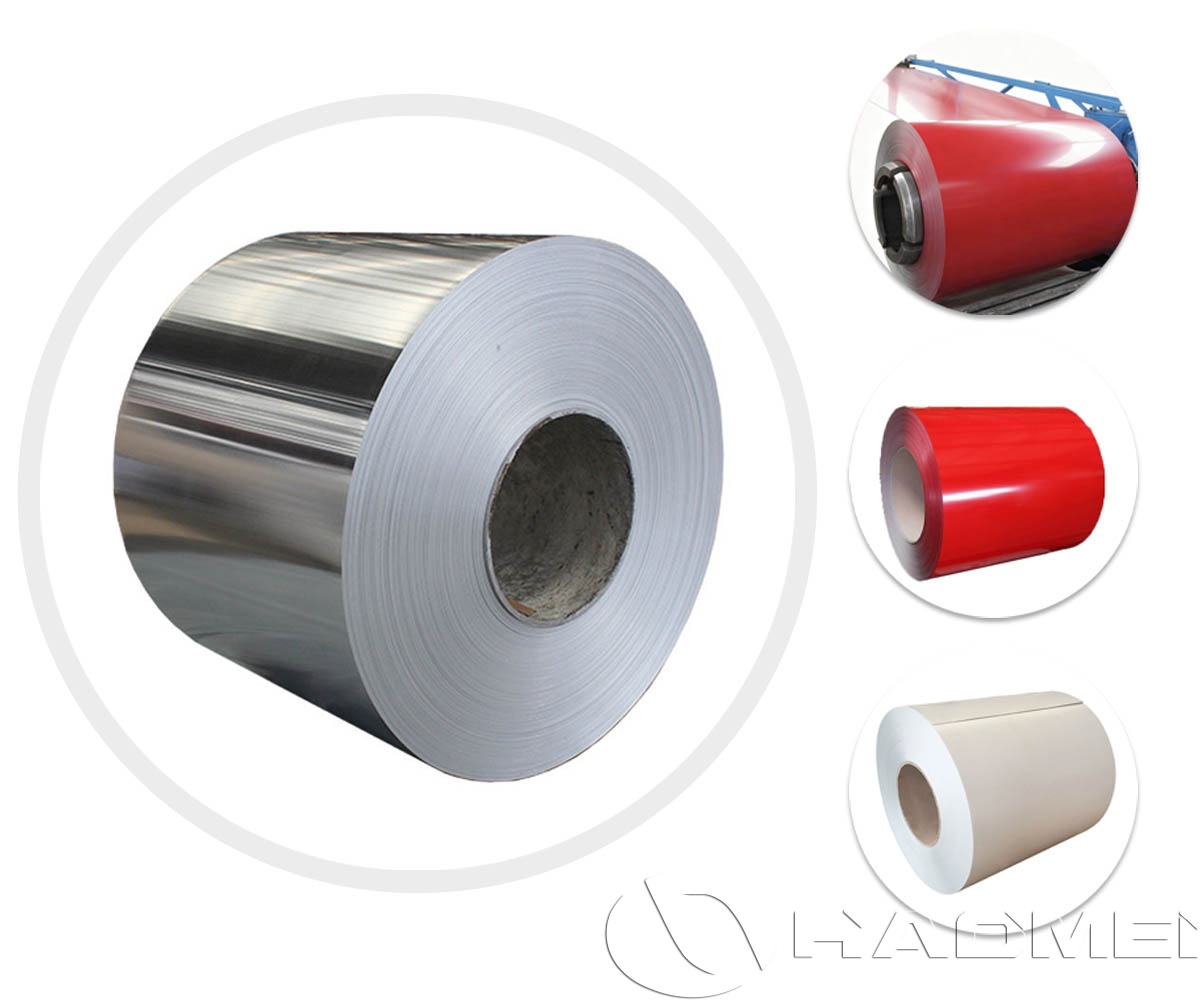
Color-coated aluminum roofing coil is available in solid colors, metallic finishes, matte surfaces, high-gloss finishes, textured coatings, and decorative patterns. Light colors can improve solar reflectance, while darker colors provide a more pronounced architectural appearance. Metallic and matte coatings are often used where visual depth and reduced glare are required.
Color consistency is managed through coating-line control of paint batch, wet-film application, curing temperature, coil speed, and gloss measurement. For roofing sheets installed across large visible areas, consistent color and gloss between coils are important to the final appearance.
Quality Control for Pre-Painted Roofing Coil
Quality control for corrugated roofing coil covers the aluminum substrate, coating process, and finished coil condition. Typical inspection items include coating thickness, gloss, color difference, bend performance, coating adhesion, impact resistance, hardness, solvent resistance, and surface defect control.
Coils are also checked for width tolerance, thickness tolerance, camber, flatness, edge condition, coil winding quality, and protective packaging. These controls support stable roll forming and help preserve the pre-painted surface through transportation, profiling, storage, and roofing-sheet fabrication.
-
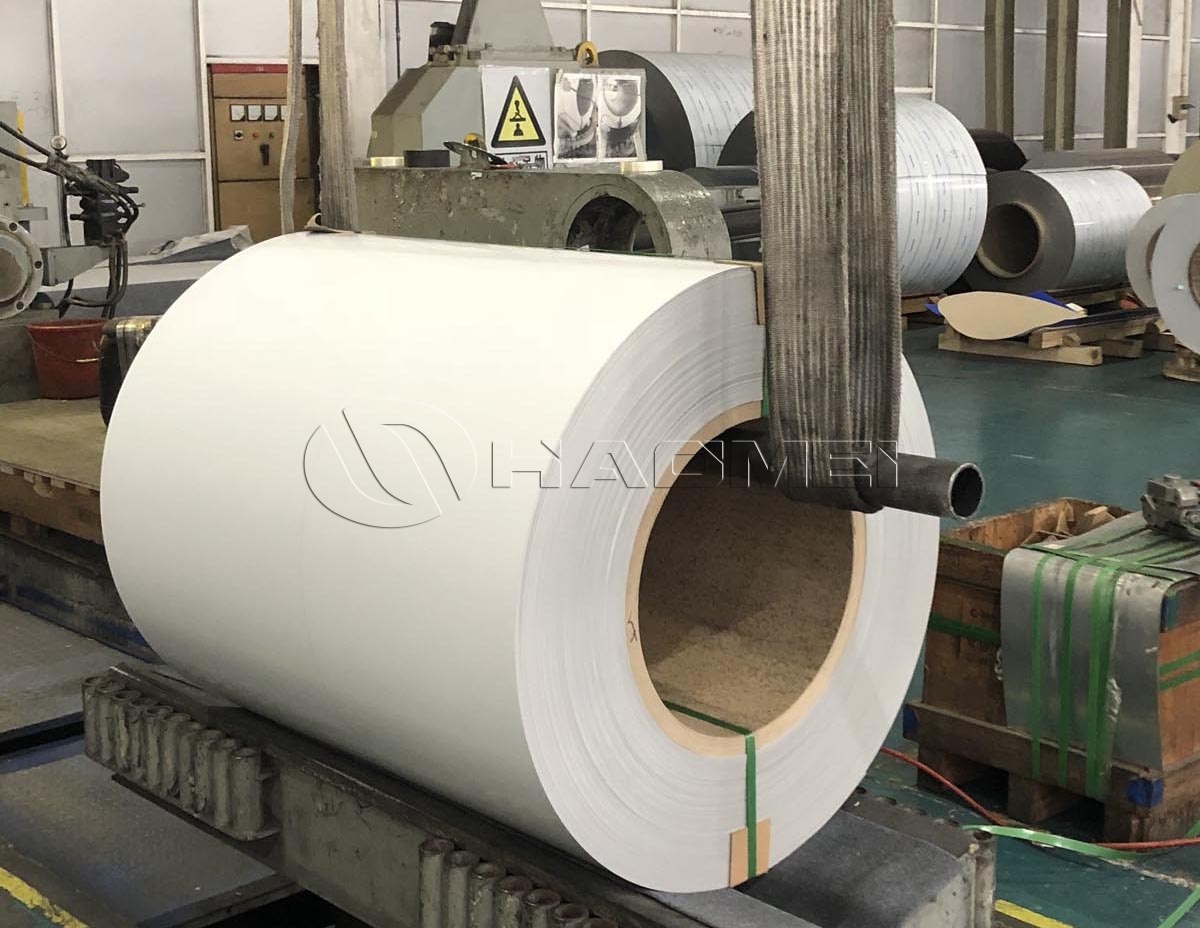
5000 Series Color Coated Aluminum Coil for Roofing
Explore 5000 series color coated aluminum coil for roofing, including 5005, 5052, and 5754 alloys, coating systems, specs, and roofing performance.
2026-04-02
-
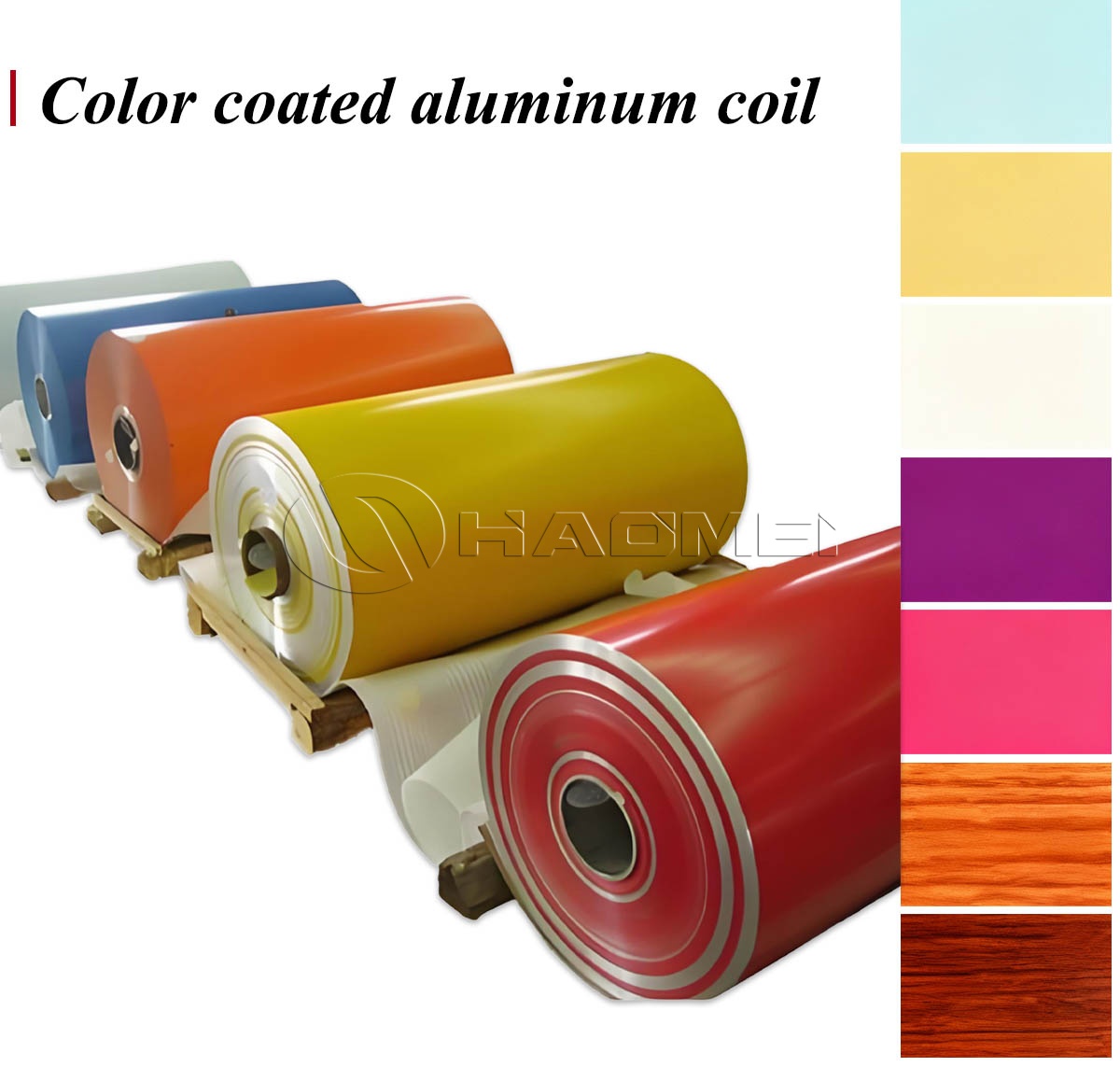
3003 Color Coated Aluminum Coil For Window Shutters
3003 color coated aluminum coil for window shutters offers formability, corrosion resistance, and durable PE or PVDF finishes for shutter slats.
2026-04-09
-
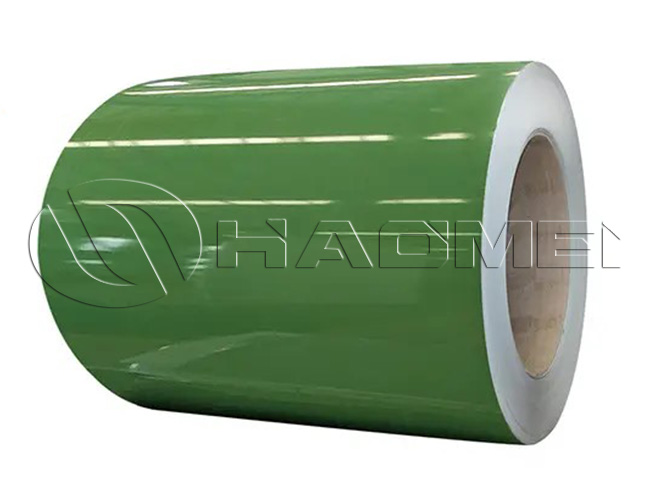
1200 Color Coated Aluminum Coil for Building Facade
1200 color-coated aluminum coils for building exterior walls, featuring PE or PVDF coatings, offer excellent weather resistance, decorative appeal, and processing performance.
2025-12-25
Contact Directly
-

ADD: No.14 Waihuan Road, CBD, Zhengzhou, China
-

WhatsApp: +86-18703635966
-

E-MAIL: sales@alummc.com