


News
 By Hermione
3105 Color Coated Aluminum Coil for Shutter Doors
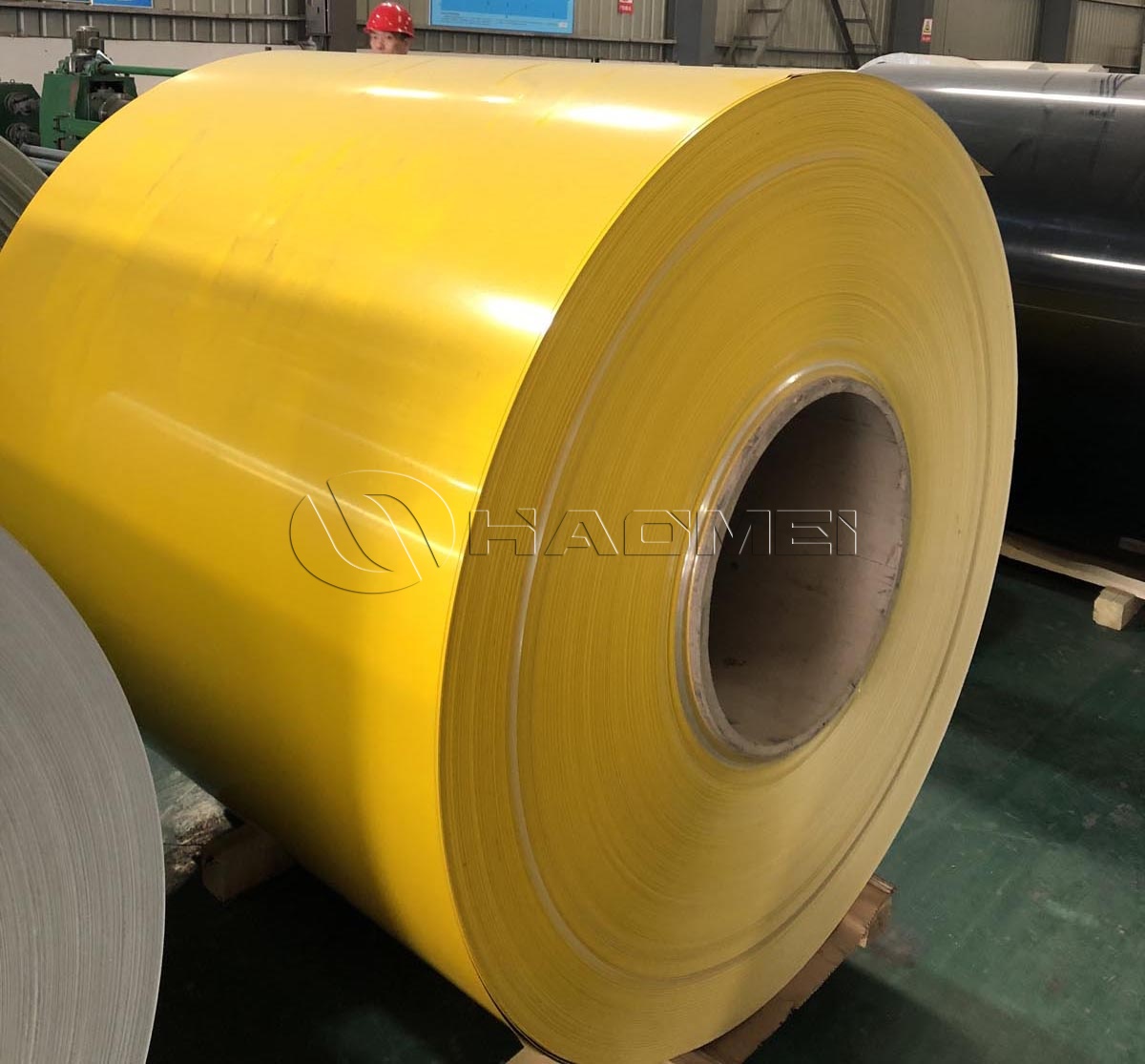
3105 color coated aluminum coil is a practical material for roll-up shutter doors, roller shutter slats, garage doors, storefront security doors, warehouse closures, and lightweight industrial door systems. Its balanced combination of moderate strength, low weight, corrosion resistance, and coil-coated surface quality supports efficient roll forming while providing a clean, long-lasting exterior finish.
Compared with uncoated sheet, pre-painted 3105 aluminum coil arrives with a controlled coating system already applied and cured. This helps shutter door manufacturers reduce downstream painting operations, maintain consistent color across slats, and improve production efficiency.
Why 3105 Aluminum Is Used for Shutter Doors
Alloy 3105 is an aluminum-manganese alloy containing a small amount of magnesium. It is not heat-treatable; its mechanical properties are developed primarily through cold working and temper selection. For shutter door profiles, 3105 offers a useful middle ground between the high formability of 1xxx-series aluminum and the higher strength requirements of formed, interlocking slats.
Key material characteristics include:
Low density: Aluminum helps reduce curtain weight, easing the load on shafts, springs, motors, and guide rails.
Suitable forming behavior: 3105 can be roll formed into curved, flat, insulated, perforated, or interlocking shutter slat sections when the proper temper and bend geometry are used.
Moderate strength: Common H14, H16, and H18 tempers provide improved dent resistance and profile stability compared with softer aluminum grades.
Corrosion resistance: The aluminum substrate provides good resistance in normal architectural environments, while the coating system adds further protection.
Decorative flexibility: Solid colors, matte finishes, gloss finishes, wood grain patterns, and other printed designs can be applied through continuous coil coating.
Core Specifications of 3105 Color Coated Aluminum Coil
| Specification Item | Typical Range or Option |
|---|---|
| Base alloy | AA 3105 aluminum alloy |
| Common tempers | H14, H16, H18, H24, H26 |
| Typical thickness | 0.30-1.20 mm |
| Common shutter-door thickness | 0.40-0.80 mm, subject to slat profile and span design |
| Coil width | 300-1,600 mm |
| Common coating types | PE, SMP, HDP, PVDF |
| Top-coat thickness | Typically 15-30 μm, depending on coating system |
| Back-coat thickness | Typically 5-10 μm or as specified |
| Surface finish | Gloss, matte, textured, embossed, wood grain, printed pattern |
| Color options | RAL, custom colors, wood grain, metallic and special-effect finishes |
| Coil inner diameter | 405 mm or 505 mm, with other sizes available by agreement |
| Main applications | Roller shutter slats, garage doors, shopfront shutters, industrial rolling doors |
Coating Structure and Surface Protection
A shutter door is repeatedly raised, lowered, and guided through tracks. The coil coating system must therefore provide more than visual appeal. It should support adhesion, controlled flexibility, scratch resistance, and environmental durability appropriate to the installation location.
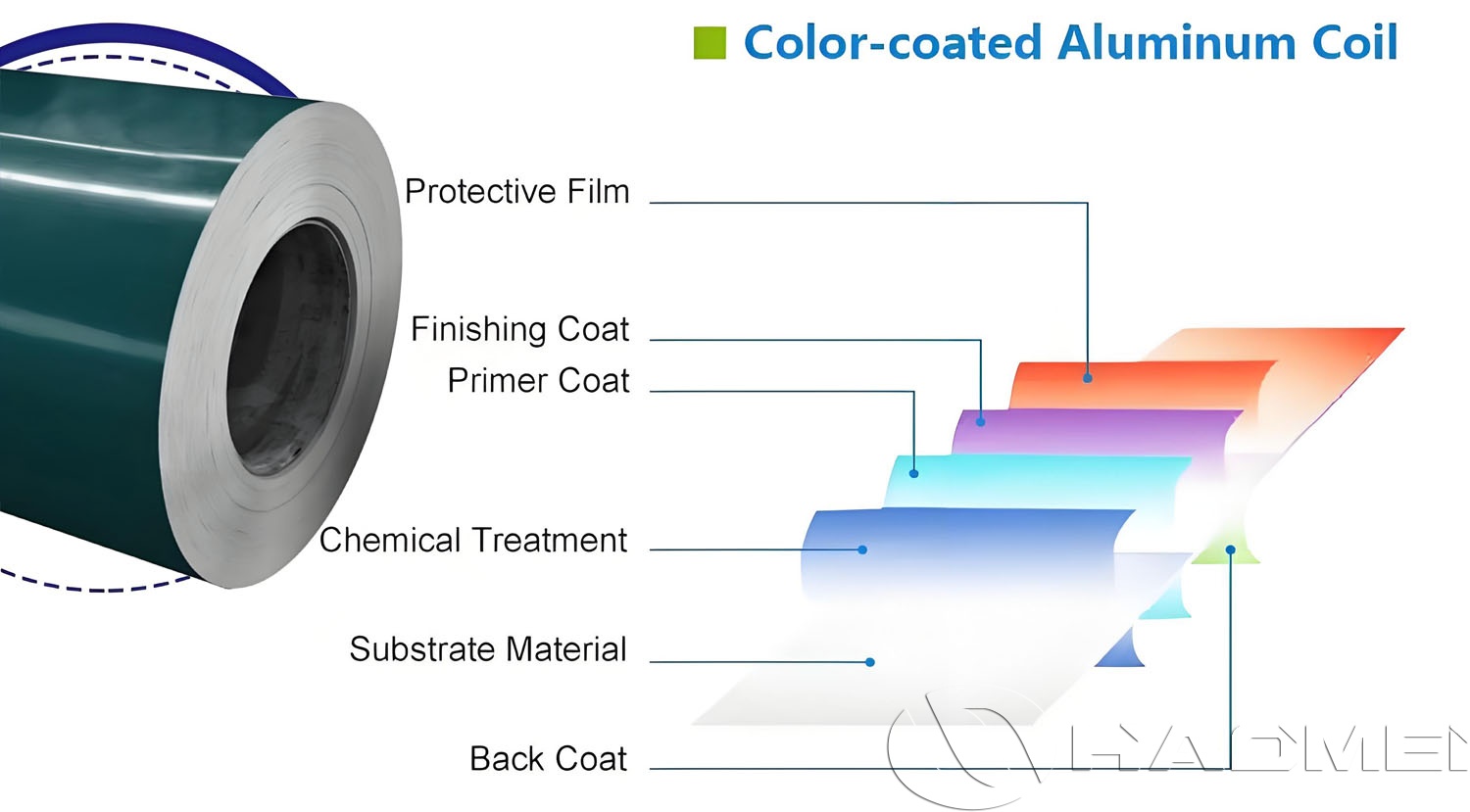
A typical pre-painted aluminum coil structure includes the aluminum substrate, chemical conversion treatment, primer, top coat, and back coat. The pretreatment layer improves coating adhesion and supports corrosion resistance at the metal-coating interface. The primer provides an additional bonding and protective layer, while the top coat determines the final color, gloss, weatherability, and surface performance.
PE Coating for General Shutter Door Applications
PE Coated Aluminum Coil is widely used for indoor, sheltered, and general exterior shutter doors. Polyester coatings offer good appearance, processability, and cost efficiency. For roll-formed slats, coating flexibility is important so that the surface remains intact through forming, crimping, and profile engagement.
PE-coated 3105 aluminum is commonly used for residential garage doors, indoor partition shutters, storefront doors in moderate climates, and utility-area rolling doors.
PVDF Coating for Higher Weather Resistance
For shutter doors exposed to strong sunlight, high ultraviolet radiation, humidity, coastal conditions, or demanding exterior architecture, PVDF Coated Aluminum Coil provides enhanced weatherability, color retention, and chalking resistance. PVDF systems are particularly relevant where shutter doors are part of a visible commercial facade or are installed in long-term outdoor service environments.
Coating selection should account for local climate, door orientation, expected cleaning conditions, color depth, gloss level, and the required service life of the finished shutter system.
Common Alloys for Color Coated Shutter Door Coil
While 3105 is a widely used option, alloy selection should match the shutter profile, curtain weight, forming complexity, and operating environment.
1100 and 1060 Aluminum
1100 and 1060 are commercially pure aluminum grades with excellent formability and corrosion resistance. They are appropriate for light-duty decorative shutters and applications where deep forming is more important than strength. Their lower mechanical strength can limit dent resistance and profile rigidity in wider or more heavily loaded shutter slats.
3003 Aluminum
3003 is an aluminum-manganese alloy with a composition and performance profile similar to 3105. It provides good formability and moderate strength and is used in a variety of architectural and general-purpose coated products. Depending on temper and material specification, 3003 can be selected for shutter components requiring a balance of workability and strength.
3105 Aluminum
3105 is often preferred for shutter doors because it provides dependable roll-forming performance together with stronger mechanical support than many 1xxx-series grades. It is suitable for painted or printed finishes and can accommodate the dimensional consistency needed for interlocking shutter slats.
5052 Aluminum
5052 is an aluminum-magnesium alloy with higher strength and better resistance to marine or highly corrosive conditions than 3105. It may be specified for demanding coastal, industrial, or high-impact applications. However, its higher material cost and different forming response should be considered when developing shutter profiles.
Temper Selection for Roll-Formed Slats
Temper affects the balance between forming behavior and finished-door rigidity. A softer temper generally improves bendability but can reduce dent resistance. A harder temper increases strength but requires careful roll-forming design to avoid excessive strain at tight radii.
H14: A common option where good formability and moderate stiffness are required.
H16: Provides increased strength and can suit shutter slats requiring better profile stability.
H18: Offers higher hardness and dent resistance, generally used where forming radii and roll-forming conditions are well controlled.
H24/H26: May be selected when a partially annealed temper is needed to balance strength with more demanding forming geometry.
The final temper should be aligned with slat height, wall geometry, perforation pattern, insulation design, guide-rail engagement, and curtain span.
Color, Pattern, and Finish Options
Color coated aluminum coil enables shutter doors to function as visible architectural elements rather than purely utilitarian closures. Standard colors may be matched to facade panels, window frames, storefront systems, or brand color schemes. Surface options include high-gloss, semi-gloss, matte, textured, metallic, and embossed finishes.
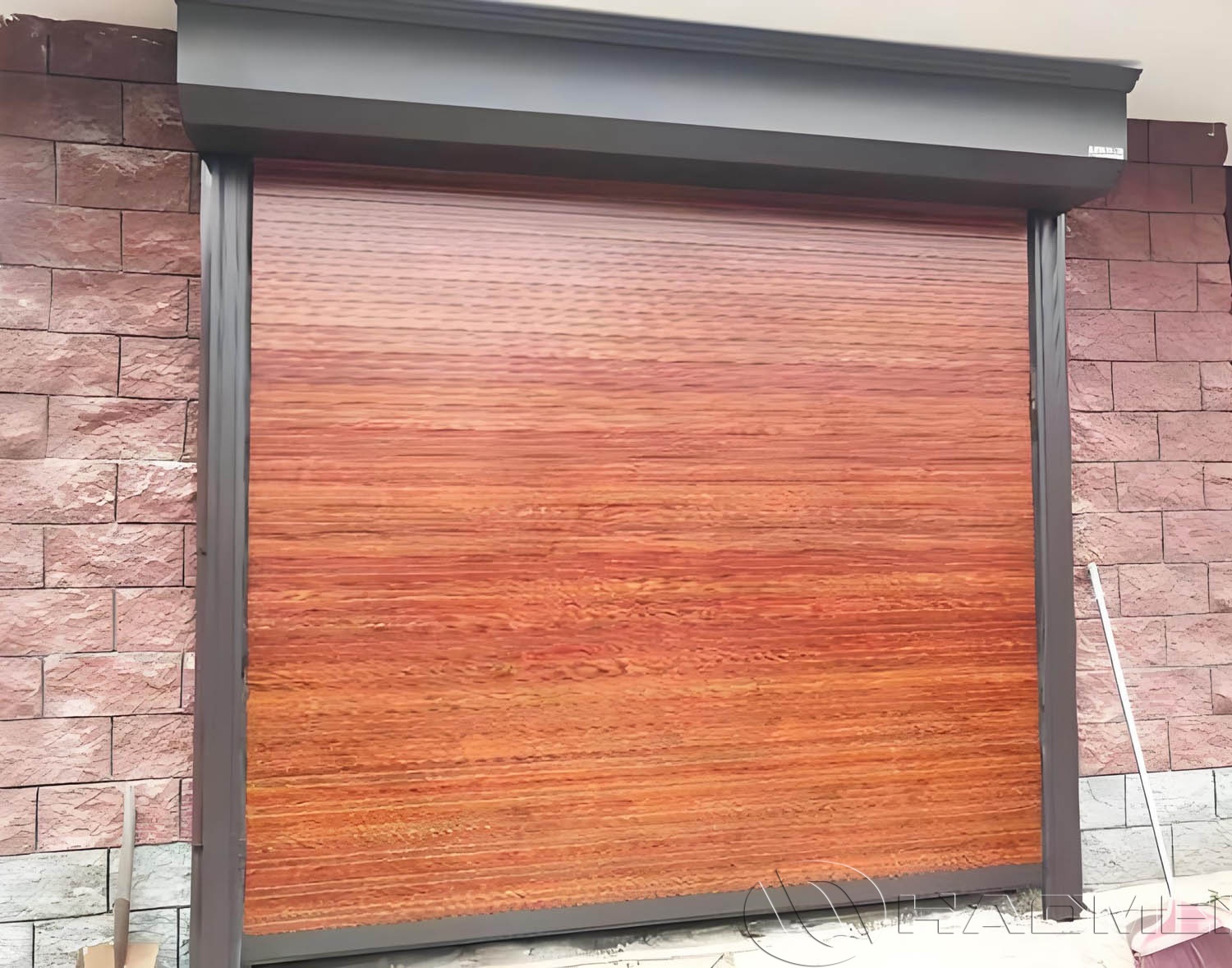
Wood grain printed finishes are frequently used for residential garage shutters, villa entrances, retail fronts, and architectural renovation projects. A wood grain surface can provide a warmer visual effect while retaining aluminum's low weight and corrosion resistance.
Manufacturing Considerations for Shutter Door Coil
Stable shutter-door production depends on consistency in both the aluminum substrate and the painted surface. Important control points include coil thickness tolerance, width accuracy, flatness, coating thickness, color consistency, adhesion, and surface protection during transport and roll forming.
For roll-formed shutter slats, the coating must tolerate repeated bending without visible cracking, peeling, or loss of adhesion. The roll-forming line should use clean forming rolls, controlled strip tension, suitable guide alignment, and profile radii compatible with the selected alloy temper. Protective film may be used on decorative surfaces where handling or fabrication exposure creates a risk of scratching.
For insulated shutter slats, coating compatibility with foam injection, bonding agents, and curing conditions should also be considered. Where perforated slats are required, edge quality around punched openings and coating integrity near the perforation zone are important for long-term appearance.
Performance Factors for Finished Shutter Doors
The performance of a finished rolling shutter is influenced by the combined design of the coil, coating, slat section, hardware, and installation environment. Material evaluation commonly considers:
Coating adhesion after forming
Resistance to bending and cracking at profile corners
Color uniformity between production coils
Scratch and abrasion resistance during repeated operation
Corrosion resistance of cut edges and exposed formed areas
Gloss and color retention under exterior exposure
Slat rigidity, dent resistance, and curtain alignment
Compatibility with guide rails, end locks, shafts, and drive systems
3105 color coated aluminum coil provides a technically balanced substrate for these requirements, especially in lightweight shutter door systems where appearance, roll-formability, and reliable exterior protection must be maintained together.
-
Camouflage-Coated Aluminum Coils for Marine Exteriors
Technical overview of marine camouflage-coated aluminum coils, covering alloys, PVDF coating systems, specifications, and exterior durability for ships.
2026-06-30
-
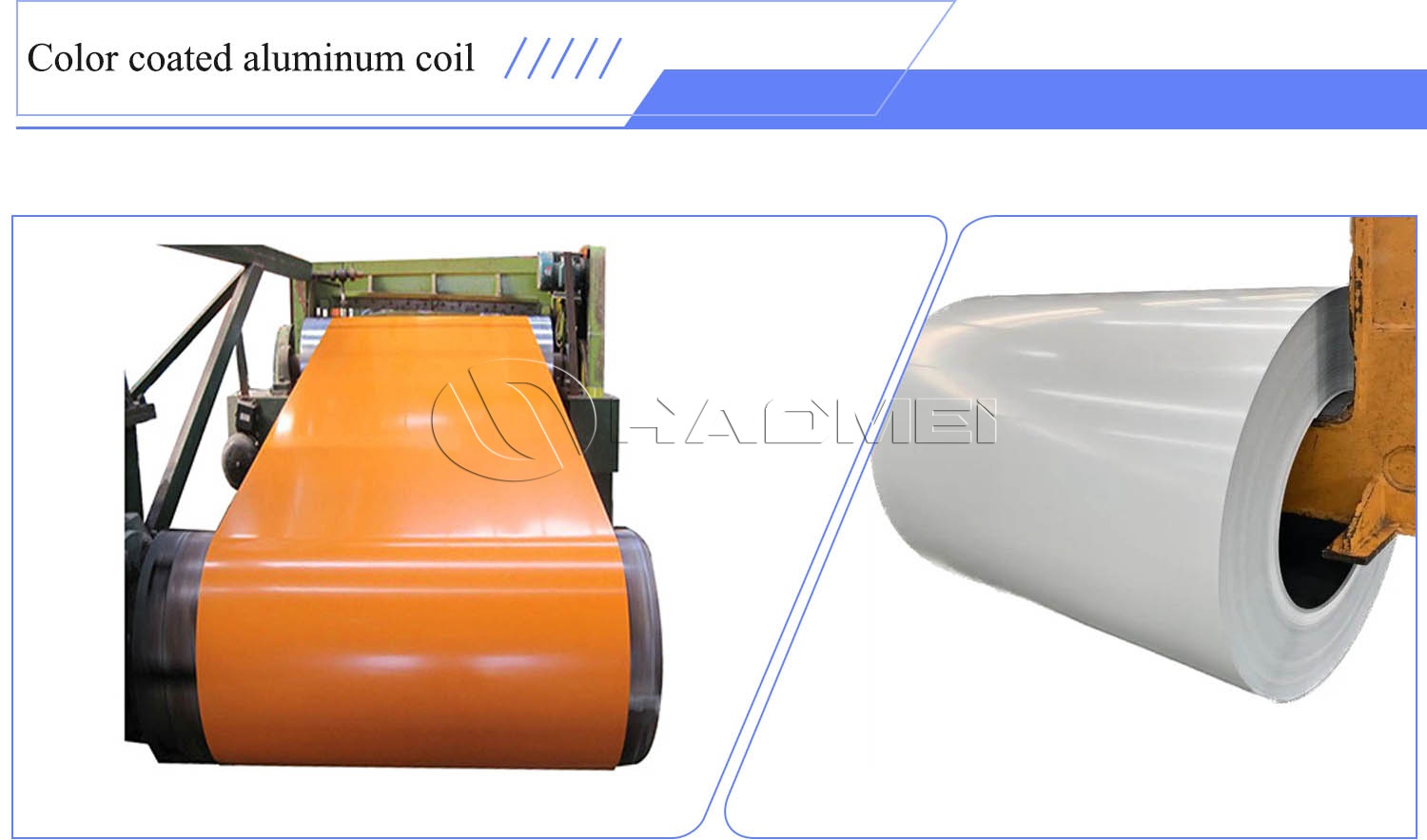
Color Coated Aluminum Coils For Roofing
Explore color coated aluminum coils for roofing, including common alloys, PVDF and PE coating systems, core specifications, and roofing performance factors.
2026-03-30
-
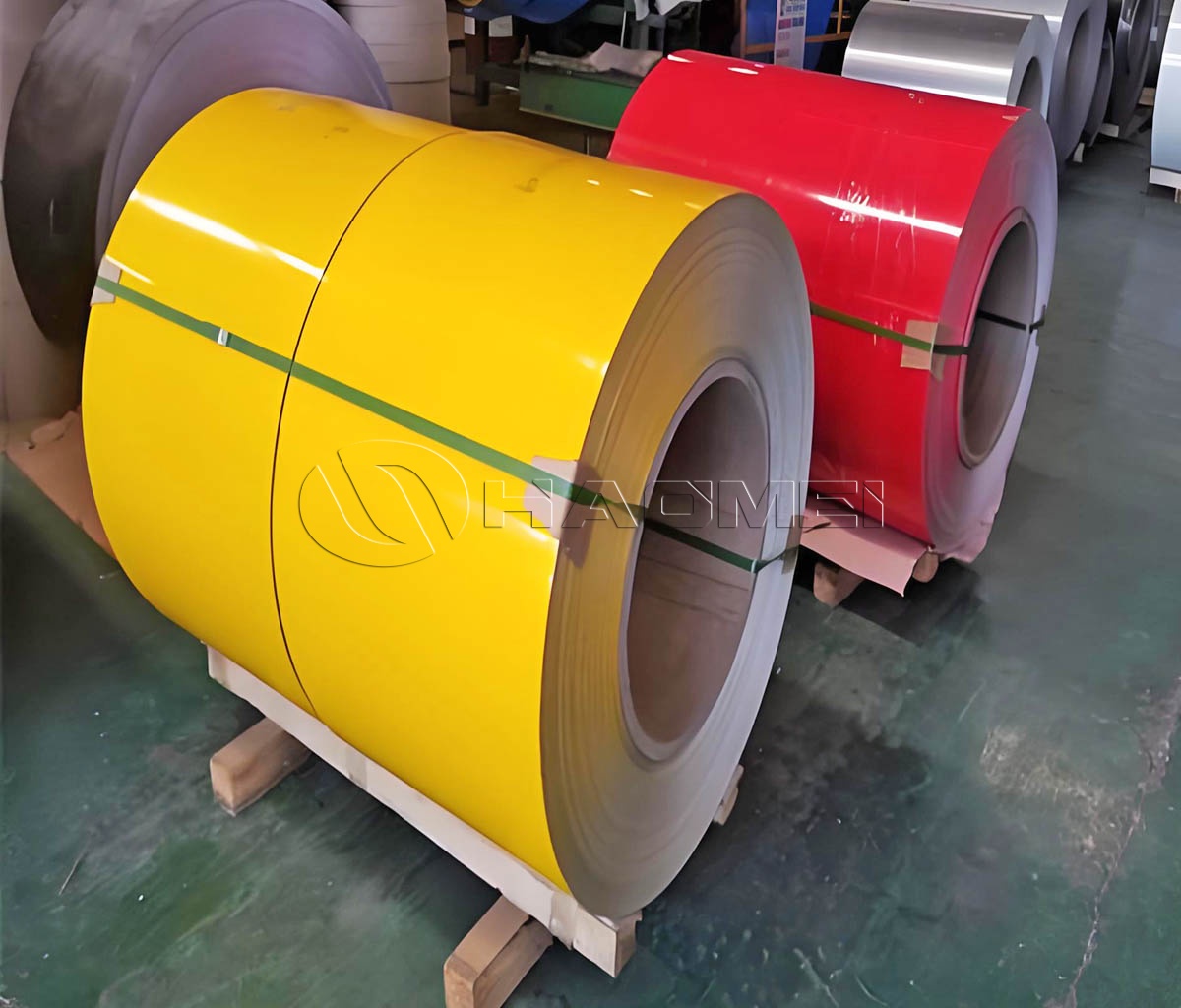
PVDF Coated Aluminum Coil Fire Rating Standards
Learn how PVDF coated aluminum coil supports fire rating standards such as EN 13501-1 and ASTM E84, covering coating systems, processes and test-critical details.
2026-01-30
Contact Directly
-

ADD: No.14 Waihuan Road, CBD, Zhengzhou, China
-

WhatsApp: +86-18703635966
-

E-MAIL: sales@alummc.com
