

News
 By Hermione
Camouflage-Coated Aluminum Coils for Marine Exteriors
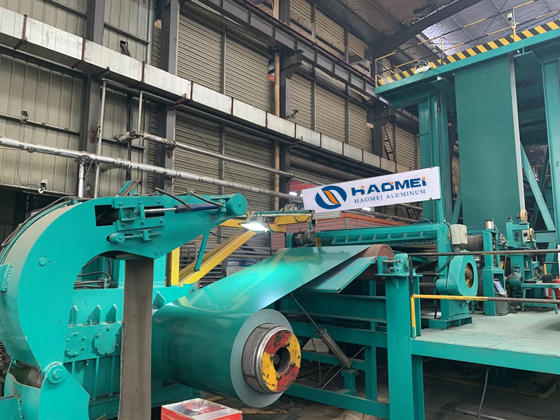
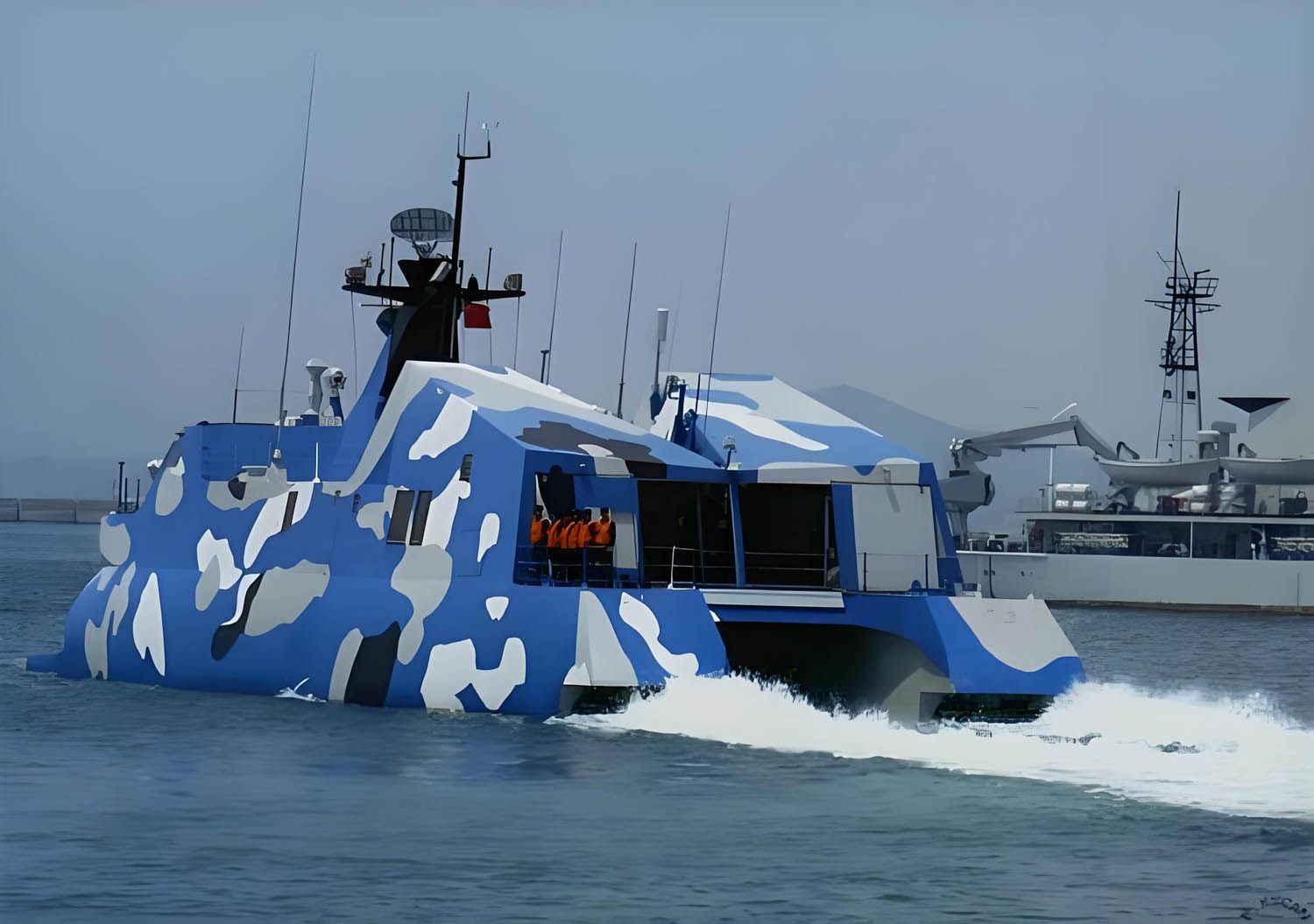
Camouflage color-coated aluminum coils are pre-painted, pattern-coated aluminum materials positioned for lightweight and corrosion-resistant marine exterior fabrication. They are commonly used for ship superstructure cladding, patrol boat panels, offshore cabin skins, marina service enclosures, equipment housings, deck modules, and other exterior components exposed to salt spray, humidity, ultraviolet radiation, and repeated wet-dry cycles.
Product Concept and Marine Exterior Value
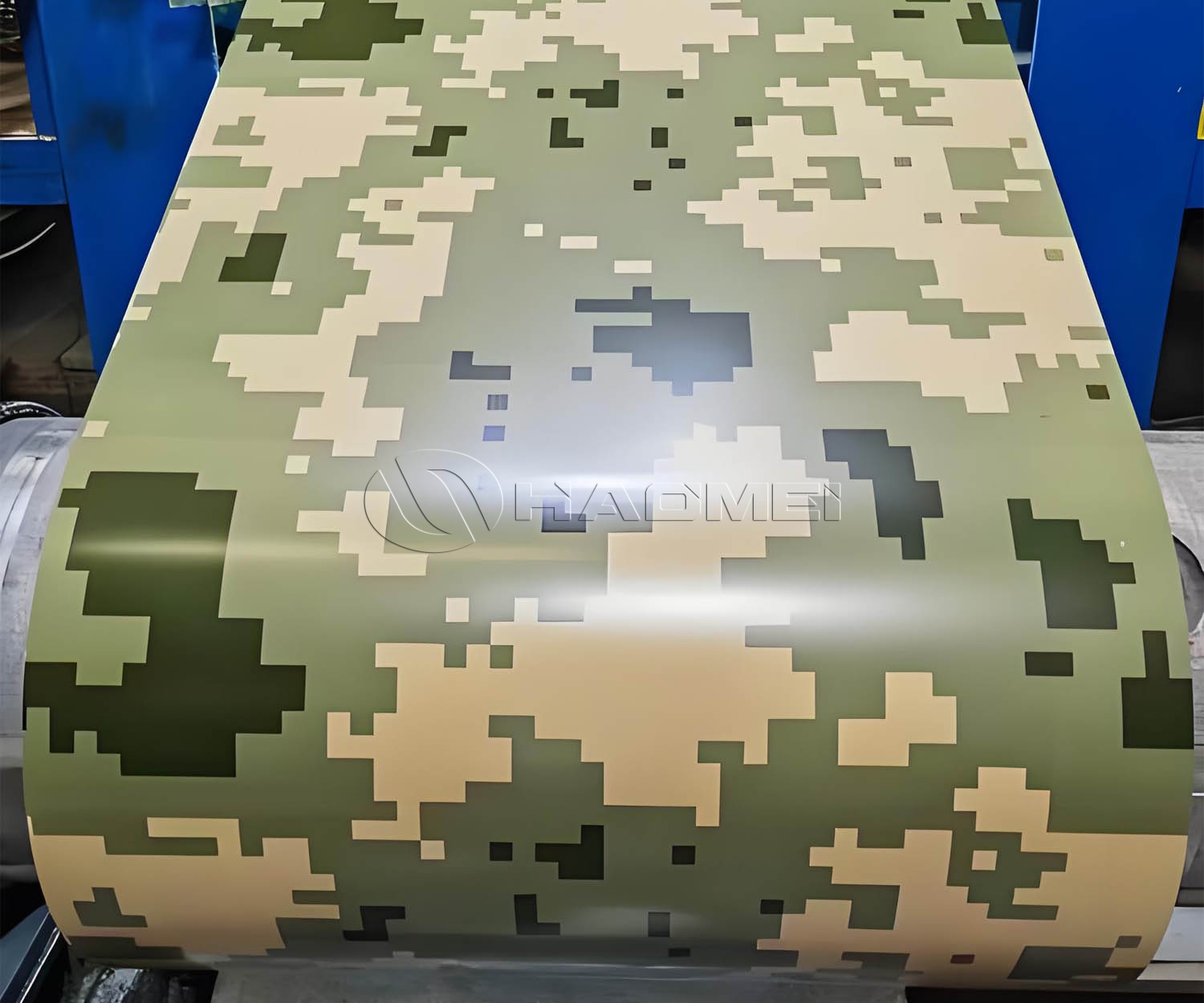
A marine camouflage finish combines the functional advantages of color coated aluminum coil with a multi-tone visual pattern. Compared with post-painted sheets, coil-coated aluminum provides more stable film thickness, continuous production quality, controlled curing, and consistent surface appearance across large panel areas.
For marine exteriors, the material design normally focuses on four requirements:
Corrosion resistance against chloride-rich coastal and offshore environments
Weatherability under strong UV exposure and high humidity
Formability for bending, roll forming, profiling, and panel fabrication
Pattern consistency across coils, panels, and installed elevations
In camouflage applications, the coating is not only decorative. The pattern can reduce visual uniformity on exterior surfaces, while low-gloss or satin finishes help control glare on vessels, cabins, and outdoor marine structures.
Coating Structure for Marine Conditions
A typical camouflage-coated aluminum coil uses a layered coating system. The aluminum substrate is chemically cleaned and pre-treated, followed by primer, base color coating, camouflage pattern printing or multi-color coating, and a clear or pigmented topcoat. For demanding marine exteriors, fluorocarbon systems such as PVDF Coated Aluminum Coil are frequently selected because of their long-term resistance to UV degradation, chalking, and color fading.
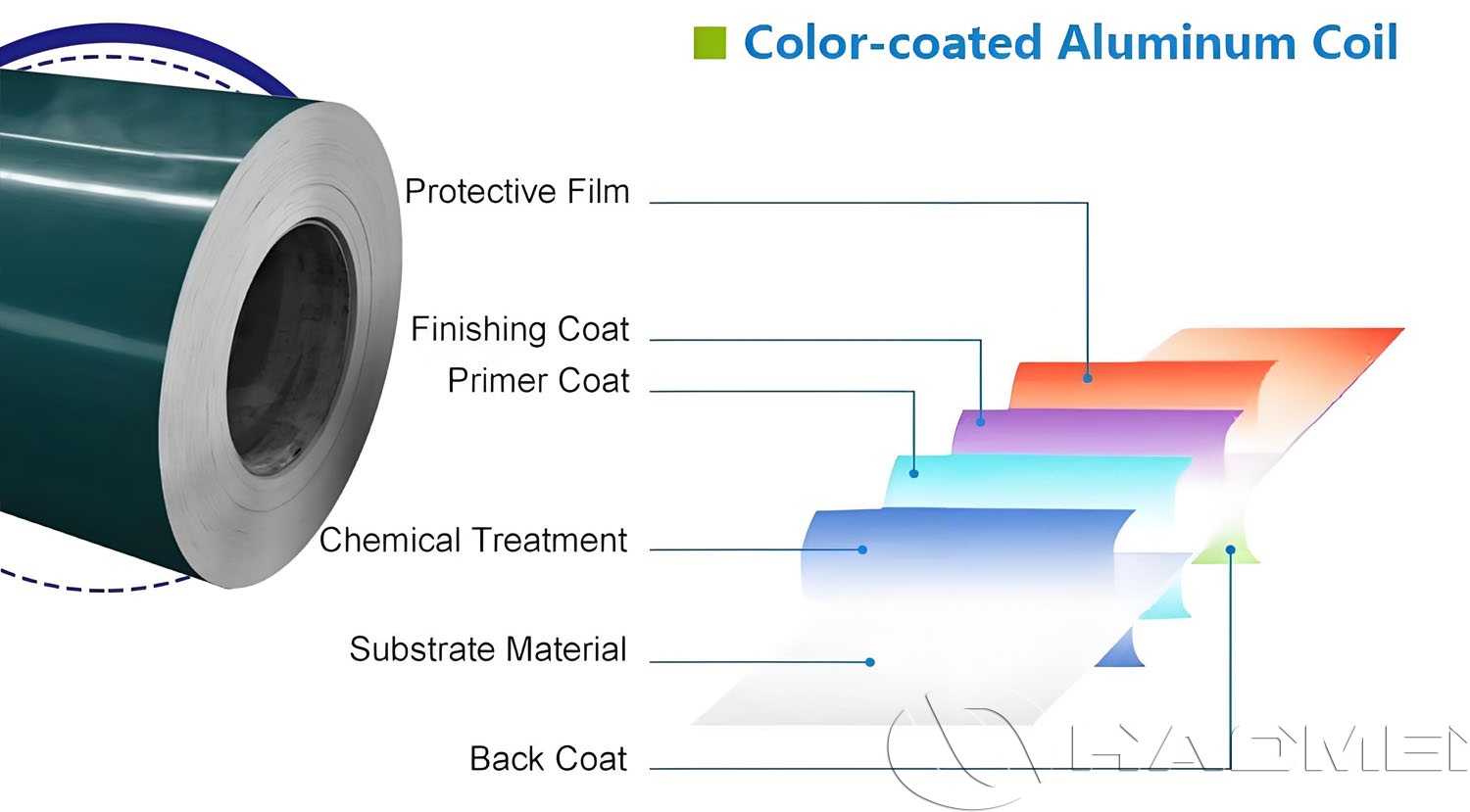
Common coating layers include:
Pre-treatment layer for adhesion and corrosion protection
Primer layer, usually epoxy or polyurethane-based
Base color coat matched to the camouflage palette
Pattern layer formed by roller printing, transfer printing, or controlled multi-color coating
Topcoat or clear coat to improve weatherability, abrasion resistance, and cleanability
Back coat to protect the reverse side during fabrication and installation
For sheltered marine interiors or low-exposure exterior parts, PE coating systems may be used. For open-deck, coastal, offshore, or long-life exterior applications, PVDF or FEVE coating systems provide better durability.
Commonly Used Aluminum Alloys
Alloy selection directly affects forming behavior, mechanical strength, corrosion performance, and panel stability. Marine exterior projects usually use 3xxx and 5xxx series aluminum alloys.
3003, 3004, and 3105 Alloys
3003, 3004, and 3105 are manganese-based alloys with good formability, moderate strength, and stable coating compatibility. They are widely used for exterior wall panels, ceilings, decorative cladding, cabin linings, and non-structural marine skins. The 3003 Color Coated Aluminum Coil is often selected where balanced bending performance and cost efficiency are required.
5005 Alloy
5005 aluminum offers good surface quality and better corrosion resistance than many general-purpose 1xxx and 3xxx grades. It is suitable for decorative marine cladding, signage, facade-type panels, and components where surface flatness and visual consistency are important.
5052 and 5754 Alloys
5052 and 5754 are magnesium-containing marine-grade alloys. They provide higher strength, excellent corrosion resistance, and good fatigue performance. These alloys are commonly used for boat exterior panels, access covers, equipment enclosures, cabin shells, and formed components exposed to frequent saltwater contact.
5083 and 5454 Alloys
5083 and 5454 provide higher mechanical strength and strong resistance to marine atmospheres. They are suitable for heavier-duty exterior components and stiffened panel systems. Because these alloys are stronger, forming radius, temper selection, and coating flexibility should be controlled carefully during production and fabrication.
Core Specifications of Camouflage-Coated Aluminum Coils
| Specification Item | Common Range or Description |
|---|---|
| Product type | Camouflage color-coated aluminum coil for marine exterior use |
| Common alloys | 3003, 3004, 3105, 5005, 5052, 5754, 5083, 5454 |
| Common tempers | H14, H24, H32, H34, or project-specific tempers |
| Thickness | 0.30-3.00 mm, depending on panel structure and forming method |
| Width | 600-1600 mm, with custom widths depending on coil line capability |
| Coating system | Primer + base coat + camouflage pattern layer + protective topcoat |
| Topcoat options | PVDF, FEVE, polyurethane, modified polyester, or PE for lower exposure levels |
| Front coating thickness | Typically 25-35 microns; high-build systems may reach 35-45 microns |
| Back coating thickness | Typically 5-15 microns, depending on corrosion and fabrication requirements |
| Surface finish | Matte, low-gloss, satin, or medium-gloss camouflage finish |
| Pattern design | Marine gray, blue-gray, green, sand, black-gray, or customized multi-tone schemes |
| Coil inner diameter | 405 mm or 508 mm |
| Protective film | Optional, selected according to fabrication and handling requirements |
| Performance validation | Adhesion, T-bend, impact, solvent resistance, salt spray, humidity, UV aging, color difference, and gloss retention tests |
Camouflage Pattern and Surface Appearance
Marine camouflage-coated aluminum coils typically use two to five color tones. Gray-blue, gray-green, sand-gray, and black-gray palettes are commonly used for vessel exteriors and marine infrastructure. The pattern can be designed with soft transitions, sharp edge shapes, digital-style blocks, or organic irregular forms.
Pattern control is important in coil production. Registration accuracy, roller pressure, coating viscosity, line speed, and curing temperature all affect the clarity and repeatability of the camouflage surface. For large exterior panels, the pattern scale must be coordinated with panel size so that the installed surface does not appear overly repetitive or visually fragmented.
Manufacturing Process Control
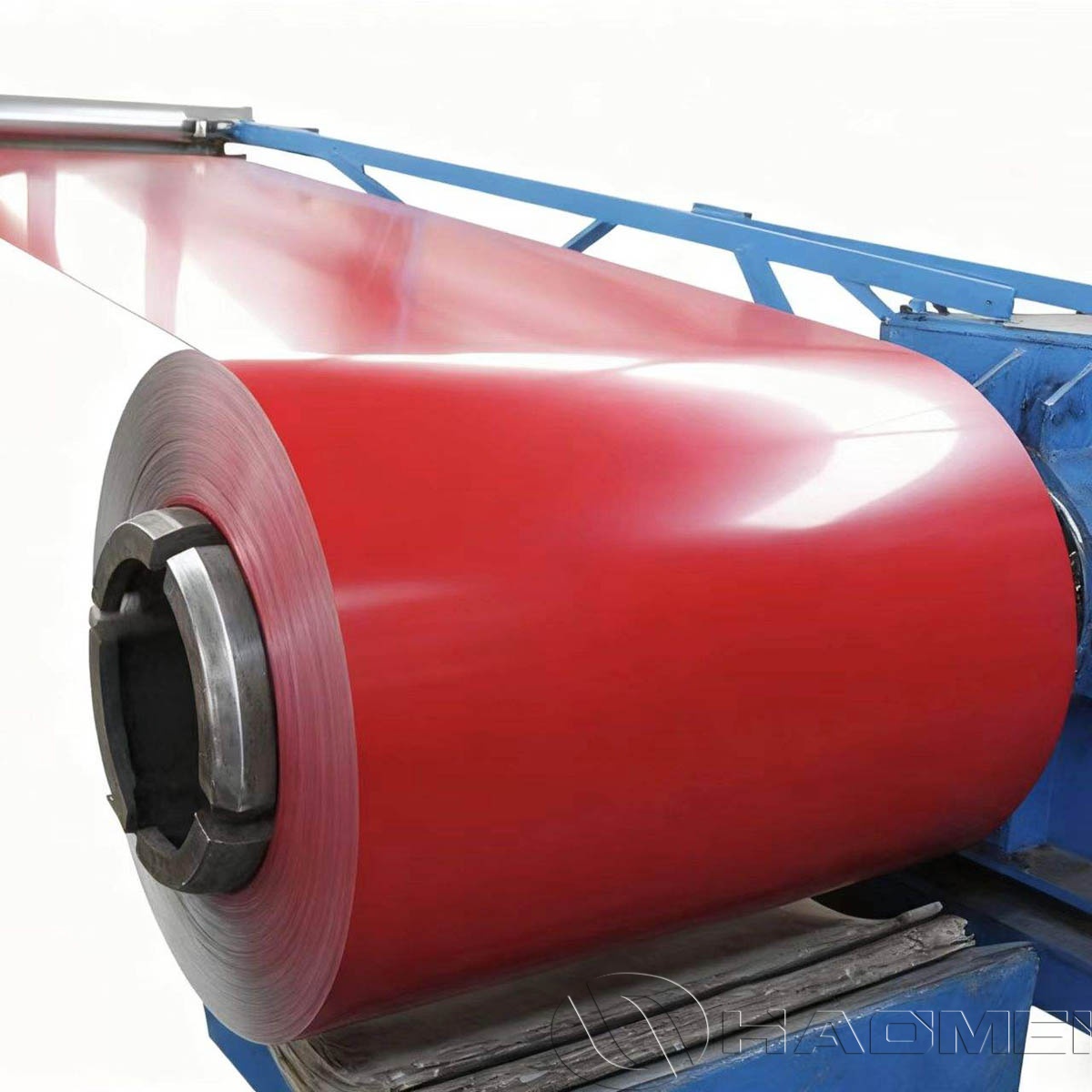
A stable marine-grade camouflage coating depends on both substrate control and coating line control. Key production parameters include:
Aluminum coil flatness, thickness tolerance, and surface cleanliness
Chemical pre-treatment weight and uniformity
Primer compatibility with both substrate and topcoat
Wet film thickness and dry film thickness control
Pattern printing accuracy and color registration
Peak metal temperature during curing
Cooling, recoiling tension, and surface protection
For pre-painted aluminum coils, curing is especially important. Insufficient curing can reduce adhesion and solvent resistance, while excessive curing may lower coating flexibility and increase cracking risk during bending.
Performance Validation for Marine Exteriors
Marine exterior coatings are normally evaluated through a combination of mechanical, chemical, and environmental tests. Typical validation items include:
Cross-cut adhesion or pull-off adhesion testing
T-bend testing for coating flexibility after forming
Impact resistance testing for handling and fabrication durability
MEK or solvent rub testing for curing confirmation
Neutral salt spray testing for corrosion resistance
Condensation humidity testing for blistering resistance
UV aging or QUV testing for color and gloss retention
Color difference measurement between production batches
Gloss control for matte or low-reflective camouflage surfaces
For panels used near the waterline, on open decks, or in offshore environments, edge protection and reverse-side corrosion resistance become more critical because cut edges, fastener holes, and crevice areas are more vulnerable to chloride accumulation.
Structural and Fabrication Considerations
Camouflage-coated aluminum coils can be slit, leveled, laminated with protective film, and fabricated into flat panels, corrugated sheets, cassette panels, honeycomb panels, sandwich panels, and formed covers. In marine assemblies, coating performance is influenced by the full system design, not only by the coil surface.
Important engineering factors include minimum bending radius, panel stiffness, thermal expansion, fastening method, drainage design, and separation from dissimilar metals. When aluminum is connected with stainless steel, carbon steel, or copper-containing components, insulating washers, sealants, or isolation layers are often used to reduce galvanic corrosion risk.
Typical Marine Exterior Applications
Patrol boat and service vessel exterior skins
Ship superstructure decorative cladding
Offshore living quarter panels and cabin modules
Marine equipment cabinets and radar housings
Port facility walls, control booths, and service enclosures
Gangway side panels and floating dock components
Containerized marine utility units and deck-mounted modules
-
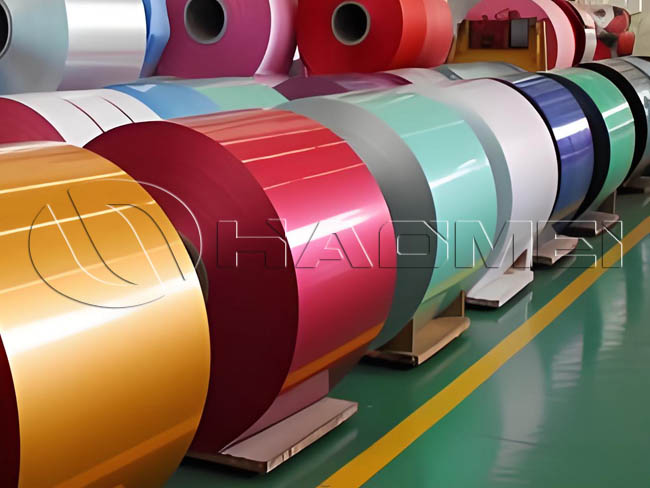
Is the Coating of 5052 Color-Coated Aluminum Coil PVDF or PE?
5052 color-coated aluminum coils typically have coatings including polyester (PE) or fluorocarbon (PVDF), and are commonly used in building curtain walls, ceilings, and home appliance manufacturing.
2025-12-08
-
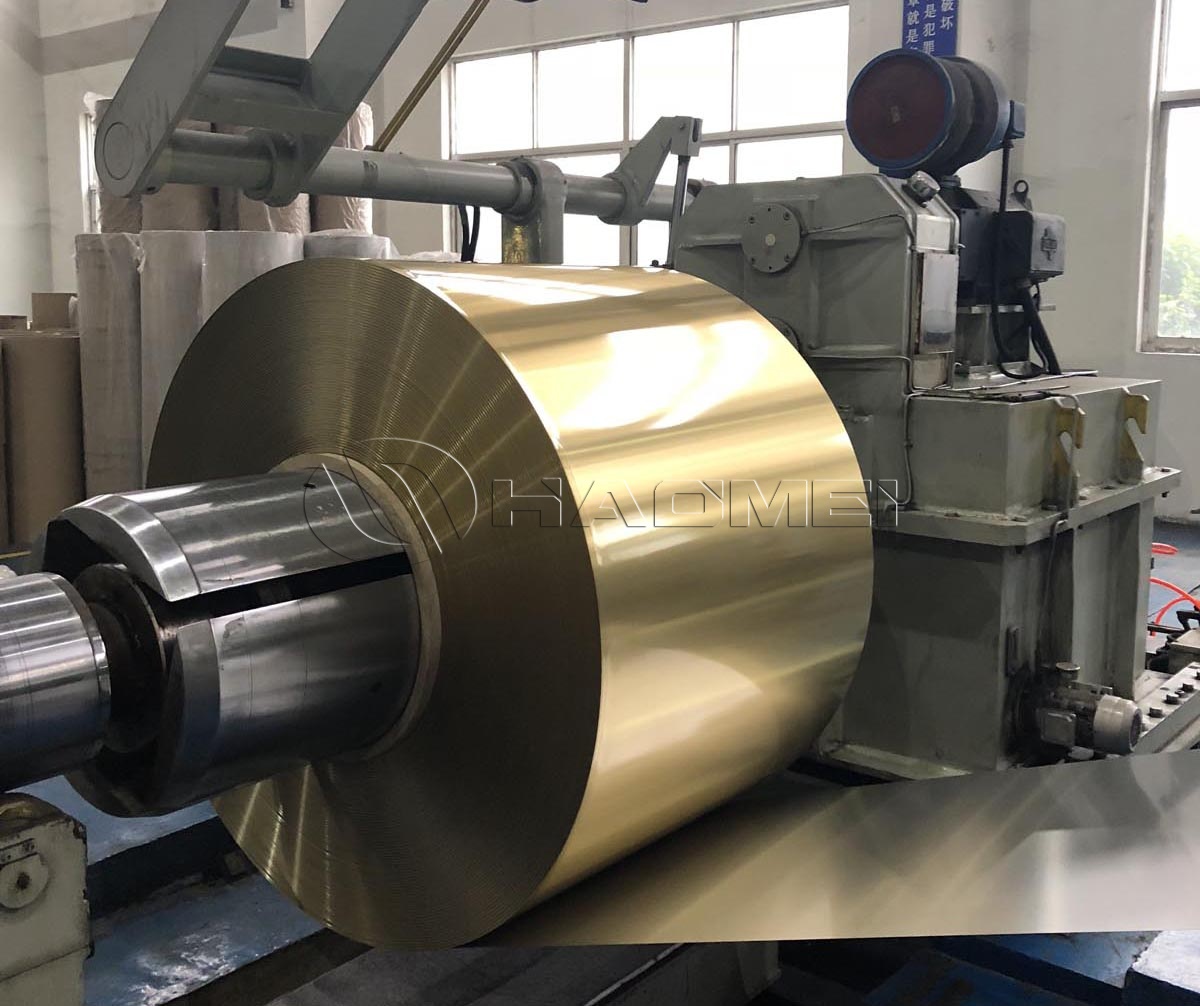
5052 H32 / H24 Color-Coated Aluminum Coil for Automotive Trim Panels
5052 H32/H24 color-coated aluminum coil combines formability, corrosion resistance, and durable finishes for lightweight automotive trim panels and components.
2026-08-13
-
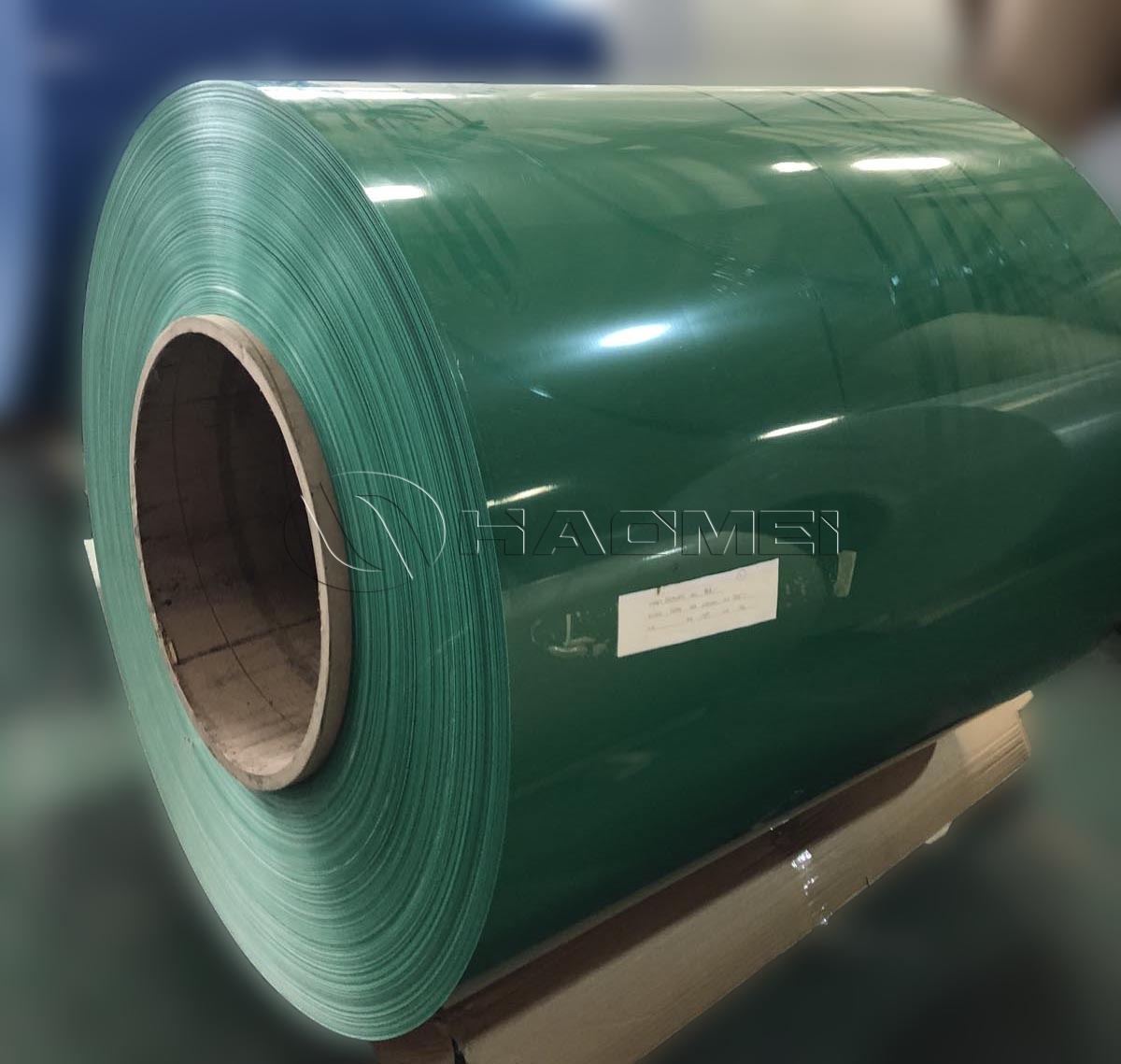
1000 Series Aluminum Coil Coating Process
1000 series color coated aluminum coil is positioned as a high-purity, highly formable substrate for stable appearance and corrosion resistance after coating.
2026-01-19
Contact Directly
-

ADD: No.14 Waihuan Road, CBD, Zhengzhou, China
-

WhatsApp: +86-18703635966
-

E-MAIL: sales@alummc.com