

News
 By Hermione
Advantages of 1100 Prepainted Aluminum Coil for Roofing
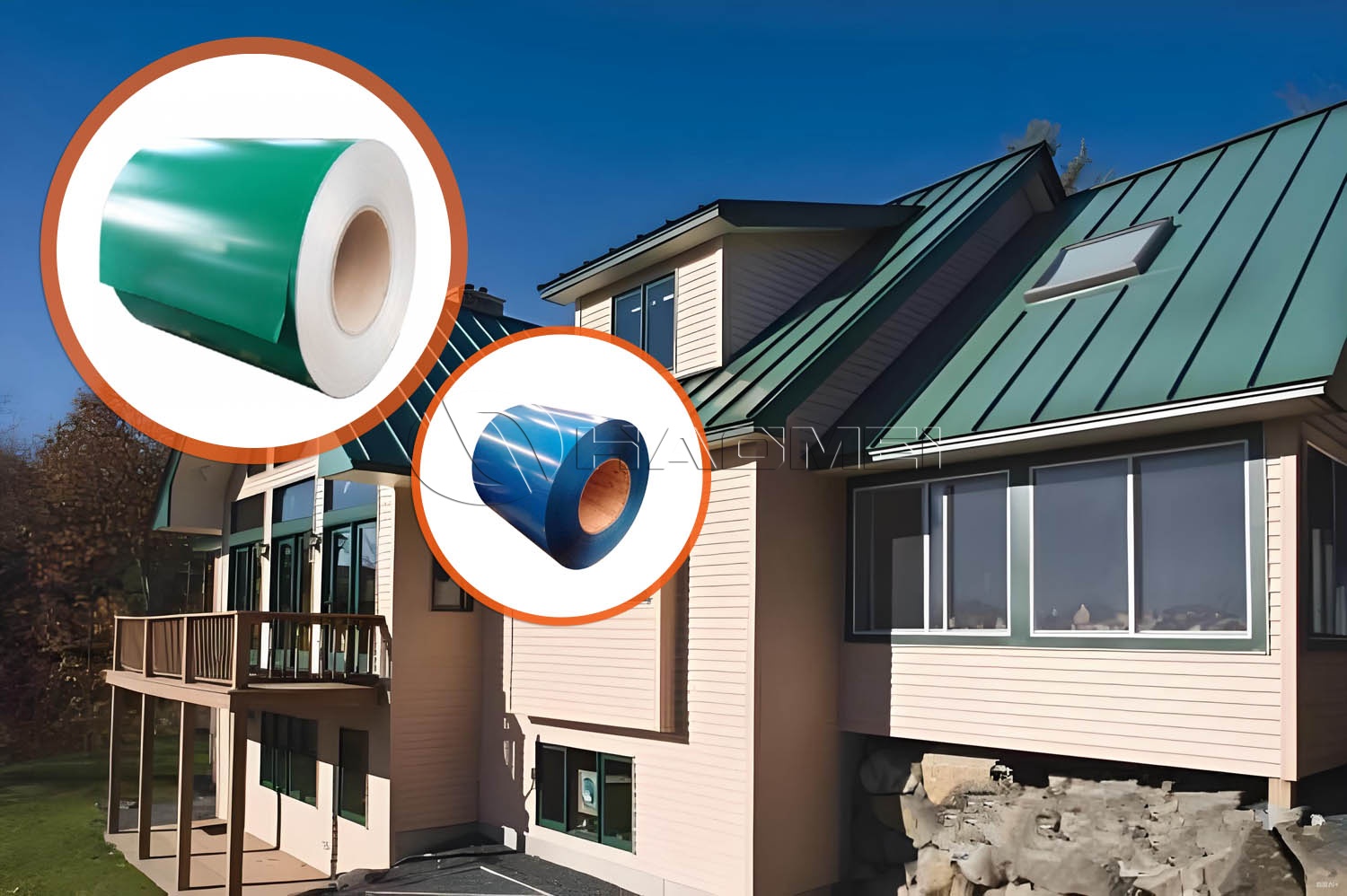
1100 prepainted aluminum coil is widely positioned as a lightweight, corrosion-resistant, and highly formable roofing material for residential, commercial, and light industrial buildings. In roofing systems, it is commonly used for corrugated sheets, standing seam panels, trim components, ridge covers, gutters, and decorative roof accessories where clean surface appearance, easy processing, and long-term weather resistance are important.
What Is 1100 Prepainted Aluminum Coil?
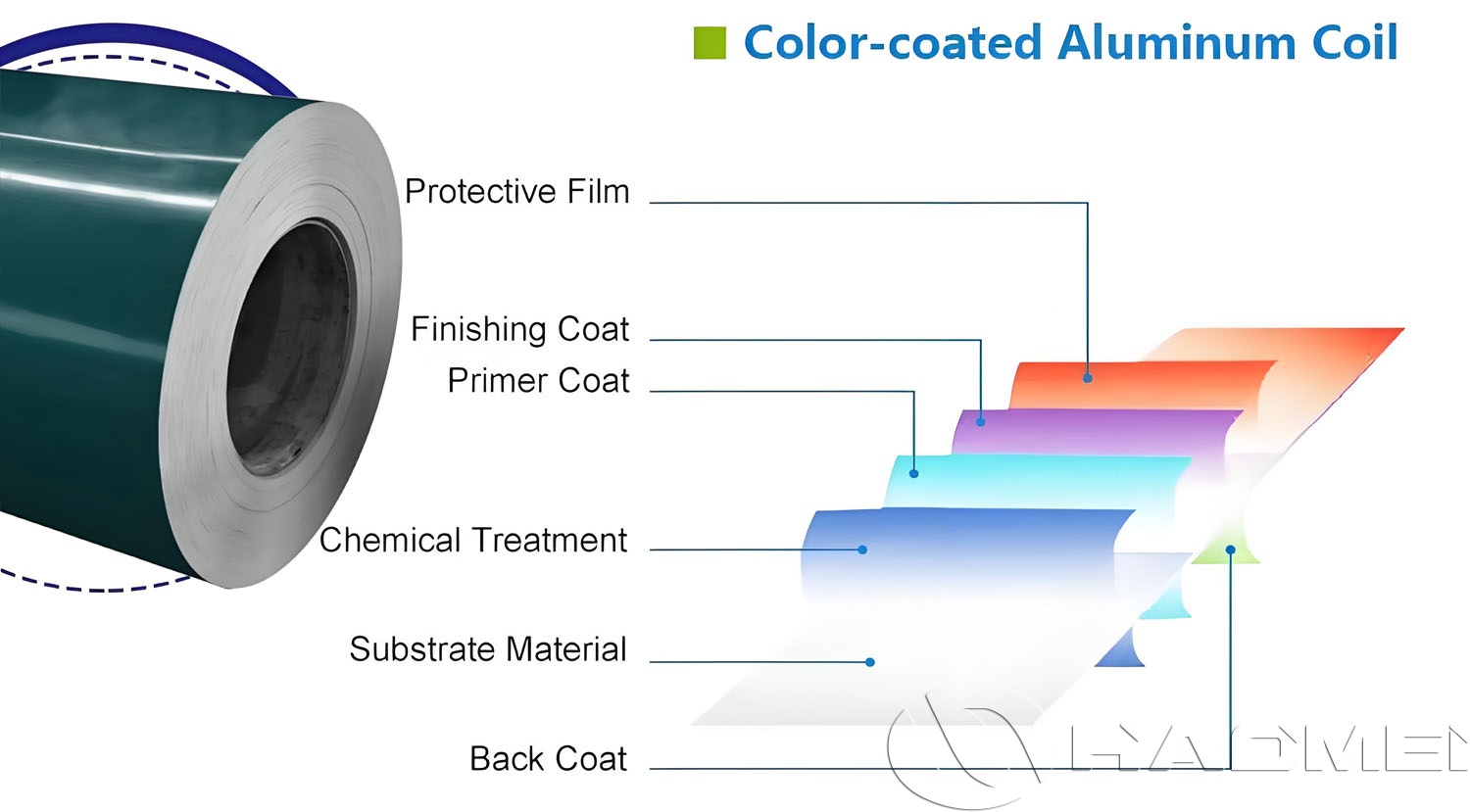
1100 is a commercially pure aluminum alloy in the 1xxx series, typically containing at least 99.00% aluminum. When supplied as a prepainted aluminum coil, the substrate is cleaned, chemically pretreated, coated with primer and finish paint, and then cured under controlled conditions. The result is a roofing material that combines the natural corrosion resistance of aluminum with the decorative and protective function of an organic coating.
For roofing applications, 1100 color coated aluminum coil is valued for several practical reasons:
low density and reduced dead load on the building structure
excellent formability for roll forming and bending
good corrosion resistance in many atmospheric environments
stable surface flatness and attractive color finish
suitability for continuous coil processing at high efficiency
In many architectural projects, 1100 Color Coated Aluminum Coil is selected when the design emphasizes appearance, light weight, and ease of fabrication rather than high structural strength.
Why 1100 Alloy Is Suitable for Roofing
High aluminum purity and corrosion resistance
Because 1100 alloy has very high aluminum content, it shows good resistance to atmospheric corrosion. For roofing exposed to rain, humidity, and temperature variation, this is a significant advantage. The prepainted surface adds another protective barrier, helping reduce direct substrate exposure and slowing surface degradation over time.
Excellent formability
Roofing panels often require profiling, hemming, bending, seaming, and edge shaping. 1100 alloy performs very well in these operations because it is soft and ductile compared with higher-strength alloys. This helps reduce cracking risk during fabrication, especially for complex profiles or small bending radii.
Lightweight performance
Compared with many traditional roofing metals, aluminum offers a favorable strength-to-weight balance. Even though 1100 is not a high-strength alloy, its low density makes it useful for roof coverings where reduced transportation weight, easier installation, and lower structural load are beneficial.
Good surface quality for prepainting
1100 aluminum substrate generally has a smooth and uniform surface, which is advantageous for coil coating. A stable substrate surface supports better coating appearance, color consistency, and gloss uniformity across roofing panels.
Key Advantages of 1100 Prepainted Aluminum Coil for Roofing
1. Strong weathering performance with the right coating system
The performance of a roofing coil depends not only on the alloy but also on the coating system. With proper pretreatment, primer, and topcoat selection, 1100 prepainted aluminum coil can maintain color and surface integrity for long service periods.
For general environments, polyester systems are often used due to cost efficiency and good decorative performance. For more demanding exterior roofing exposure, especially where UV radiation, humidity, and pollution are stronger, PVDF Coated Aluminum Coil is often preferred because of its excellent color retention, chalk resistance, and weather durability.
2. Easy roll forming and fabrication
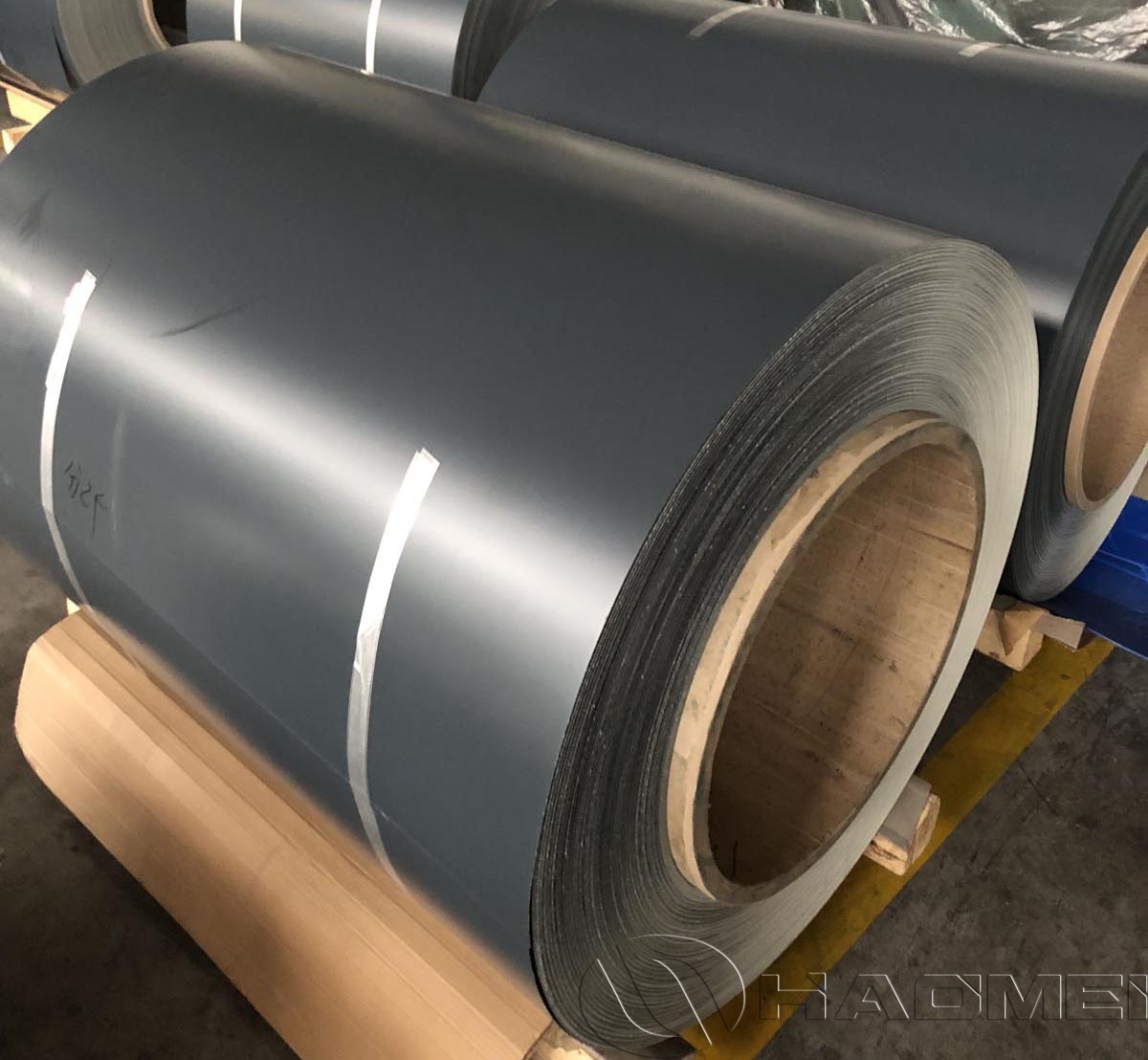
Roofing manufacturers often process coil into trapezoidal sheets, corrugated profiles, standing seam panels, and flashing parts. 1100 alloy supports smooth forming behavior and helps minimize tooling stress. This is particularly helpful in continuous production lines where dimensional consistency and lower scrap rates matter.
3. Attractive decorative finish
Prepainted aluminum roofing is used not only for protection but also for architectural appearance. 1100 coil can be supplied in solid colors, matte finishes, metallic shades, and special patterns. A well-controlled coating line can achieve stable gloss, adhesion, and film thickness, making the material suitable for visible roof surfaces and matching facade elements.
4. Lower maintenance burden
A properly coated aluminum roof generally requires less maintenance than uncoated metal surfaces. The coating reduces direct environmental attack, while aluminum itself does not rust in the same way as carbon steel. In many building applications, this combination supports a cleaner surface and a longer repainting cycle.
5. Good compatibility with roofing accessories
1100 prepainted aluminum coil is often used together with trim, edge bands, valley flashing, gutters, soffits, and rainwater components. Using similar aluminum-based materials across the roof system helps maintain appearance consistency and can reduce galvanic compatibility concerns compared with mixed-metal designs.
Core Specifications of 1100 Prepainted Aluminum Coil for Roofing
Core Specifications Table
| Item | Typical Range / Option |
|---|---|
| Alloy | 1100 |
| Temper | H14, H16, H24, H26 |
| Base metal thickness | 0.20 mm - 1.20 mm |
| Common roofing thickness | 0.30 mm - 0.80 mm |
| Width | 30 mm - 1600 mm |
| Coating type | PE, SMP, HDP, PVDF |
| Top coating thickness | 15-25 μm for PE, 25 μm or above for PVDF |
| Back coating thickness | 5-10 μm or as specified |
| Surface finish | Glossy, matte, embossed, custom color |
| Color standard | RAL, Pantone, custom sample |
| Coil ID | 405 mm, 505 mm, 508 mm, 610 mm |
| Typical applications | Corrugated roofing sheets, standing seam panels, flashing, gutters, trims |
Coating Systems Commonly Used for Roofing
The coating structure has a direct effect on outdoor durability. In practical roofing use, the most common options include:
PE coating
PE coated aluminum coil is widely used for general decorative roofing and wall cladding applications. It offers good flexibility, broad color selection, and cost-effective performance. For projects with moderate climate exposure and standard service life requirements, PE is often sufficient.
PVDF coating
PVDF coated aluminum coil is the more durable choice for high-end roofing and long-term exterior exposure. It offers stronger resistance to UV degradation, chalking, fading, and chemical attack. This makes it especially suitable for coastal zones, industrial districts, and regions with strong sunlight.
Primer and pretreatment importance
Even when the topcoat is high quality, overall roofing performance still depends heavily on pretreatment and primer control. Proper degreasing, chemical conversion coating, primer adhesion, and curing temperature are essential for coating adhesion, bend resistance, and long-term corrosion performance.
Commonly Used Alloys in Prepainted Aluminum Roofing
Although 1100 is a common option, it is not the only alloy used in roofing. Different projects may require different balances of formability, strength, corrosion resistance, and cost.
1050 and 1060
These are also high-purity 1xxx series alloys with excellent corrosion resistance and formability. They are similar to 1100 in many respects and are often chosen for decorative roofing, insulation jacketing, and light-duty architectural panels. Their strength is relatively low, but processing performance is very good.
3003
3003 is an Al-Mn alloy that offers higher strength than 1100 while retaining good formability and corrosion resistance. It is one of the most commonly used alloys for roofing panels that need better mechanical performance without sacrificing manufacturability.
3004 and 3105
These alloys are often used when roofing or cladding requires higher strength and improved rigidity. 3105 in particular is widely used in building sheet applications because it provides a useful balance of strength, formability, paintability, and outdoor durability.
5005 and 5052
These 5xxx series alloys contain magnesium and provide higher strength and stronger corrosion resistance, especially in more aggressive environments. They are generally selected for projects with stricter mechanical or environmental requirements, though they may not match 1100 in ease of forming for certain profiles.
In summary, 1100 is most suitable where lightweight construction, high formability, and decorative finish are priorities, while 3xxx and 5xxx alloys are more often considered when the roofing system needs higher structural performance.
Performance Factors That Matter in Roofing Use
When evaluating 1100 color coated aluminum coil for roofing, several technical factors should be considered together rather than separately.
Thickness and profile design
The load-bearing behavior of roofing sheets depends not only on alloy type but also on metal thickness, rib geometry, span design, and installation method. Even a highly formable alloy like 1100 must be matched to the correct profile design to ensure adequate in-service performance.
Temper selection
Temper affects hardness, forming behavior, and dimensional stability. Softer tempers improve shaping performance, while harder tempers may provide better stiffness during panel processing. Common roofing tempers such as H14, H16, and H24 are selected according to the forming depth and final panel geometry.
Coating adhesion and flexibility
Roofing panels are usually formed after coating, so paint flexibility is critical. A high-quality prepainted coil should maintain adhesion during bending, roll forming, and seaming without cracking, peeling, or excessive loss of gloss.
Environmental exposure
In inland environments with limited pollution, a standard PE system may perform well. In coastal or industrial atmospheres, stronger coating systems and stricter cut-edge protection are usually needed. Material selection should always reflect the actual service environment.
Manufacturing Characteristics That Support Roofing Quality
Consistent roofing performance starts with coil coating process control. Important manufacturing aspects include:
stable base metal thickness tolerance
clean and uniform surface pretreatment
precise primer and topcoat application
accurate peak metal temperature during curing
controlled gloss and color deviation
reliable rewind quality for downstream roll forming
When these factors are controlled well, the final roofing panels show better appearance consistency, forming quality, and long-term field performance.
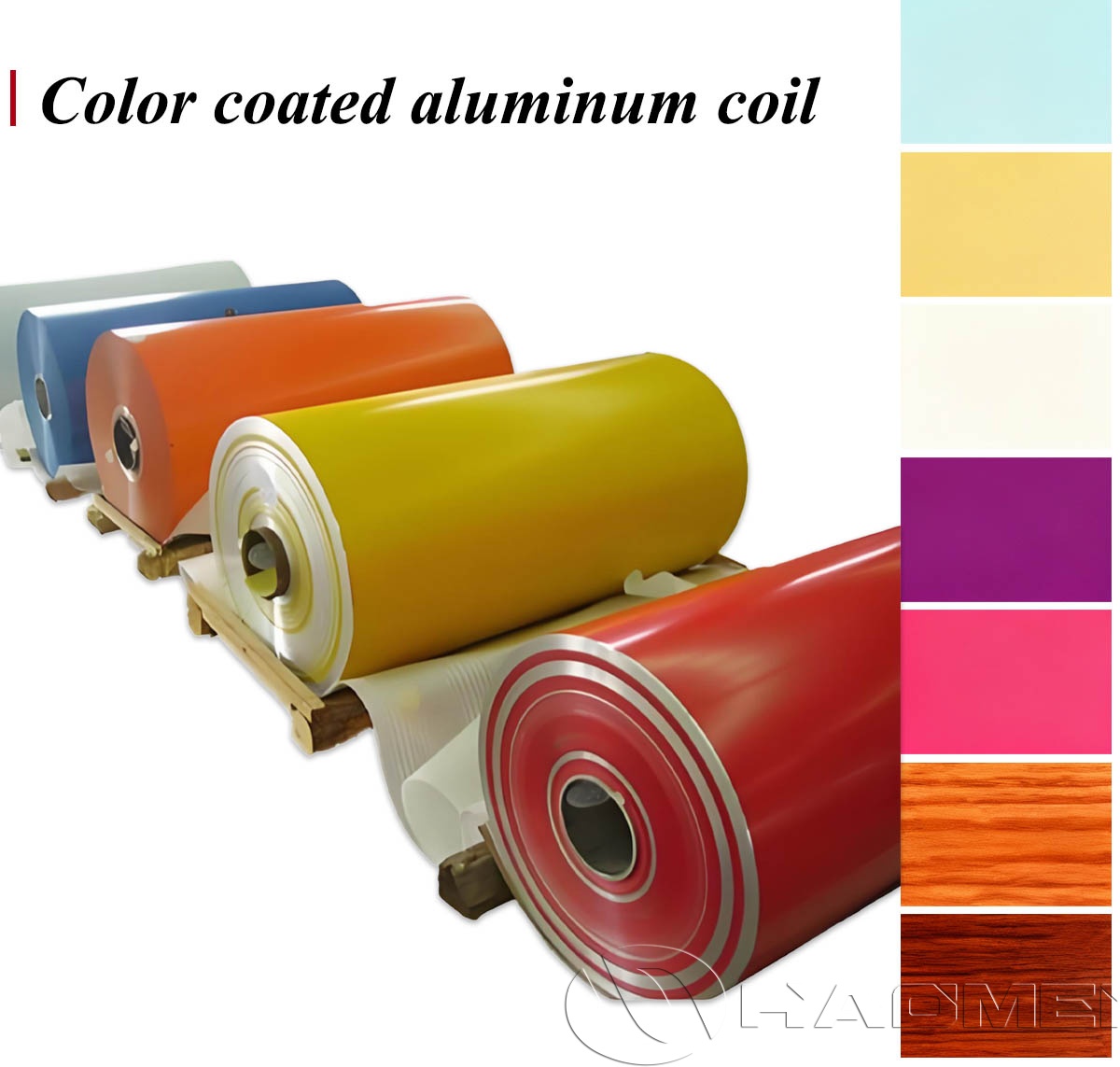
Typical Roofing Applications of 1100 Color Coated Aluminum Coil
1100 color coated aluminum coil is commonly processed into:
residential roof sheets
decorative metal roofing panels
canopies and awnings
rainwater goods such as gutters and downspout trim
fascia and soffit systems
ridge caps, flashing, and edge covers
lightweight renovation roofing for existing buildings
Its combination of low weight, easy fabrication, and clean painted appearance makes it particularly suitable for roofing components where shaping flexibility and visual quality are more important than heavy structural load capacity.
-
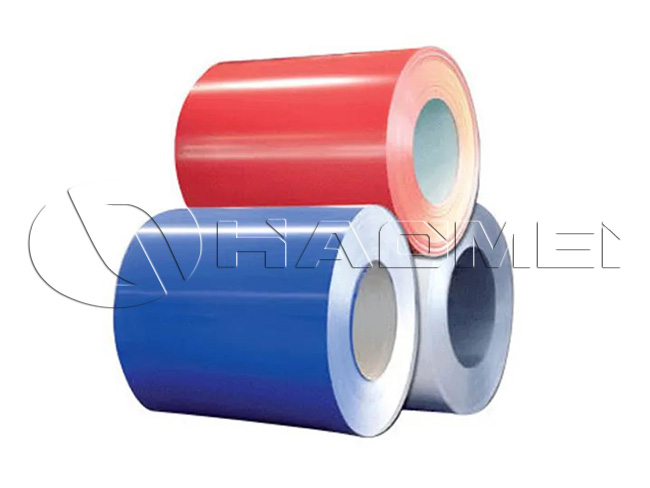
5052 H32 Color Coated Aluminum Coil for Sale
The 5052 H32 aluminum coil uses a color coating process that involves continuously rolling a polyester (PE), fluorocarbon (PVDF), or other coatings onto the aluminum coil substrate and then baking and curing it.
2025-12-05
-
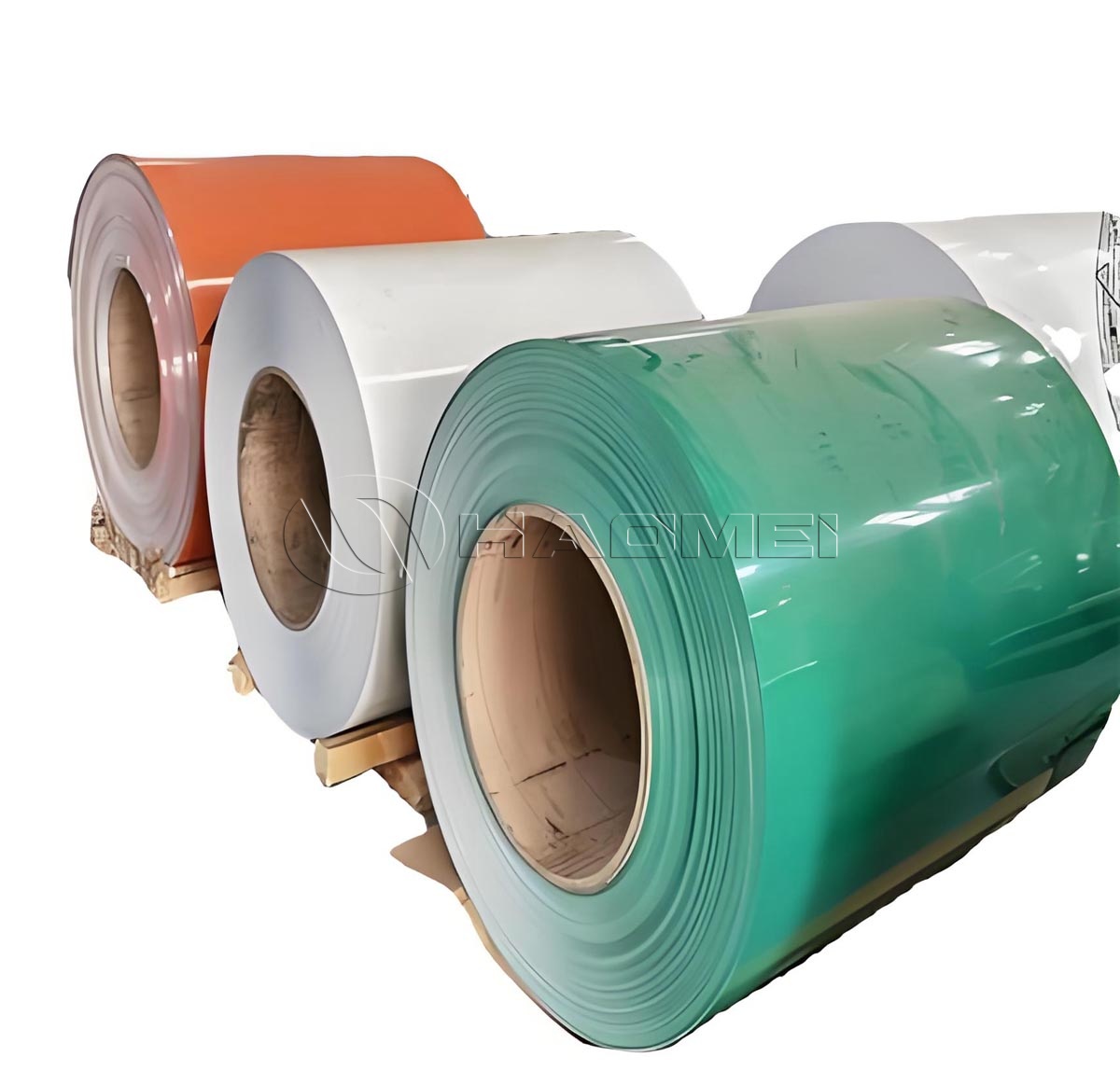
PVDF Coated Aluminum Coil For Wall Panels
PVDF coated aluminum coil for wall panels provides durable fluoropolymer protection, color stability, and formability for exterior façades.
2026-07-30
-
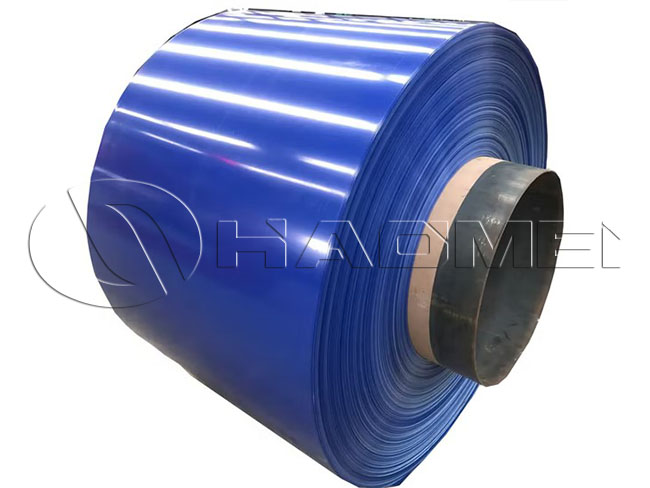
5052 Color Coated Aluminum Coil for Shipbuilding
Compared to steel, 5052 color-coated aluminum coils reduce the weight of ships by up to 50%, while also providing long-lasting corrosion resistance and an aesthetically pleasing finish.
2025-12-15
Contact Directly
-

ADD: No.14 Waihuan Road, CBD, Zhengzhou, China
-

WhatsApp: +86-18703635966
-

E-MAIL: sales@alummc.com