

News
 By Hermione
Low Cost PE Coated Aluminum Coil for Indoor Use
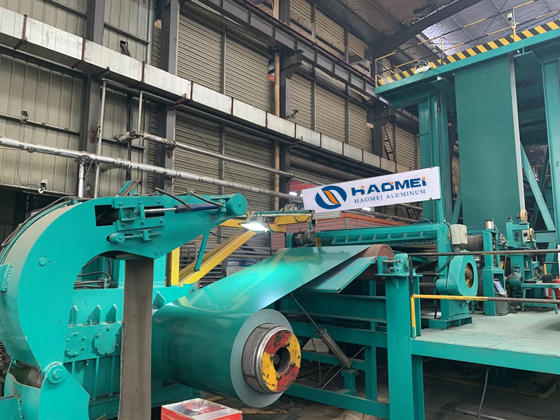
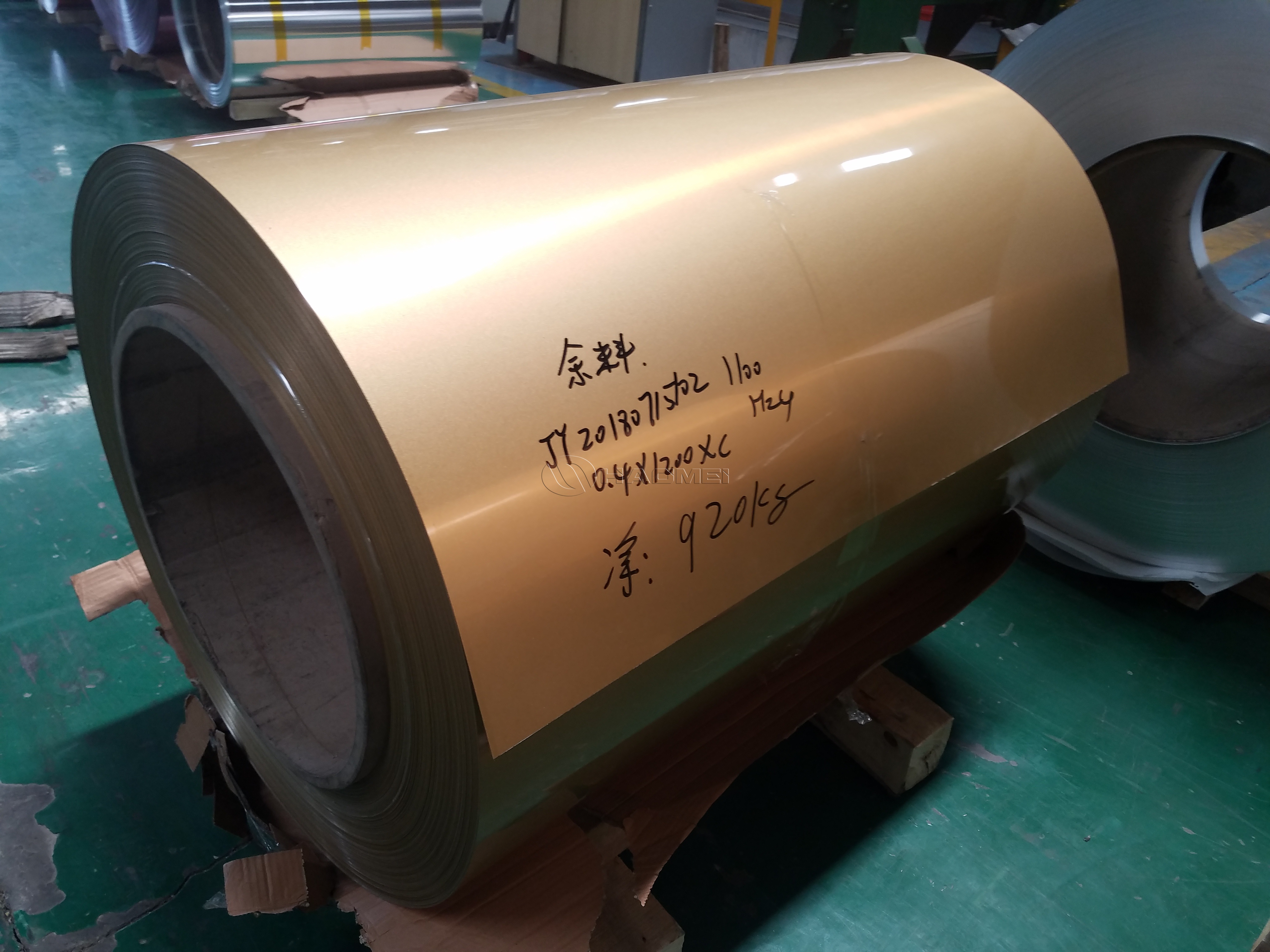
Low cost PE coated aluminum coil for indoor use is positioned as an economical pre-painted aluminum material for interior decoration, ceiling systems, partition panels, furniture components, signage substrates, lighting housings, and general indoor sheet metal fabrication. It combines lightweight aluminum substrate with a polyester coating system, providing stable color, smooth appearance, and practical formability where long-term outdoor weathering resistance is not the primary requirement.
Product Positioning for Indoor Applications
Compared with exterior-grade PVDF systems, PE coating is designed for controlled indoor environments with limited ultraviolet exposure, lower humidity fluctuation, and reduced corrosion stress. This makes PE Coated Aluminum Coil a cost-efficient option for projects that focus on appearance, processability, and moderate surface protection.
Typical indoor application scenarios include:
Suspended ceilings and ceiling strip panels
Interior wall cladding and decorative panels
Office partitions and commercial display systems
Furniture side panels, cabinet parts, and trim strips
Advertising boards, signs, and light box frames
HVAC covers, appliance panels, and lightweight formed parts
The main value of low cost PE coated aluminum coil lies in balancing material cost, coating performance, and processing efficiency. For indoor use, the coating does not need the same fluorocarbon resin content or extreme weathering package required for exterior facades, which helps reduce overall material cost while maintaining a clean decorative surface.
Coating Structure and Surface Performance
A standard indoor PE coated aluminum coil normally consists of aluminum substrate, pretreatment layer, primer, and polyester topcoat. The pretreatment layer improves coating adhesion and corrosion resistance, while the primer supports bonding between the metal and the finish coat. The polyester topcoat provides color, gloss, surface hardness, and basic stain resistance.
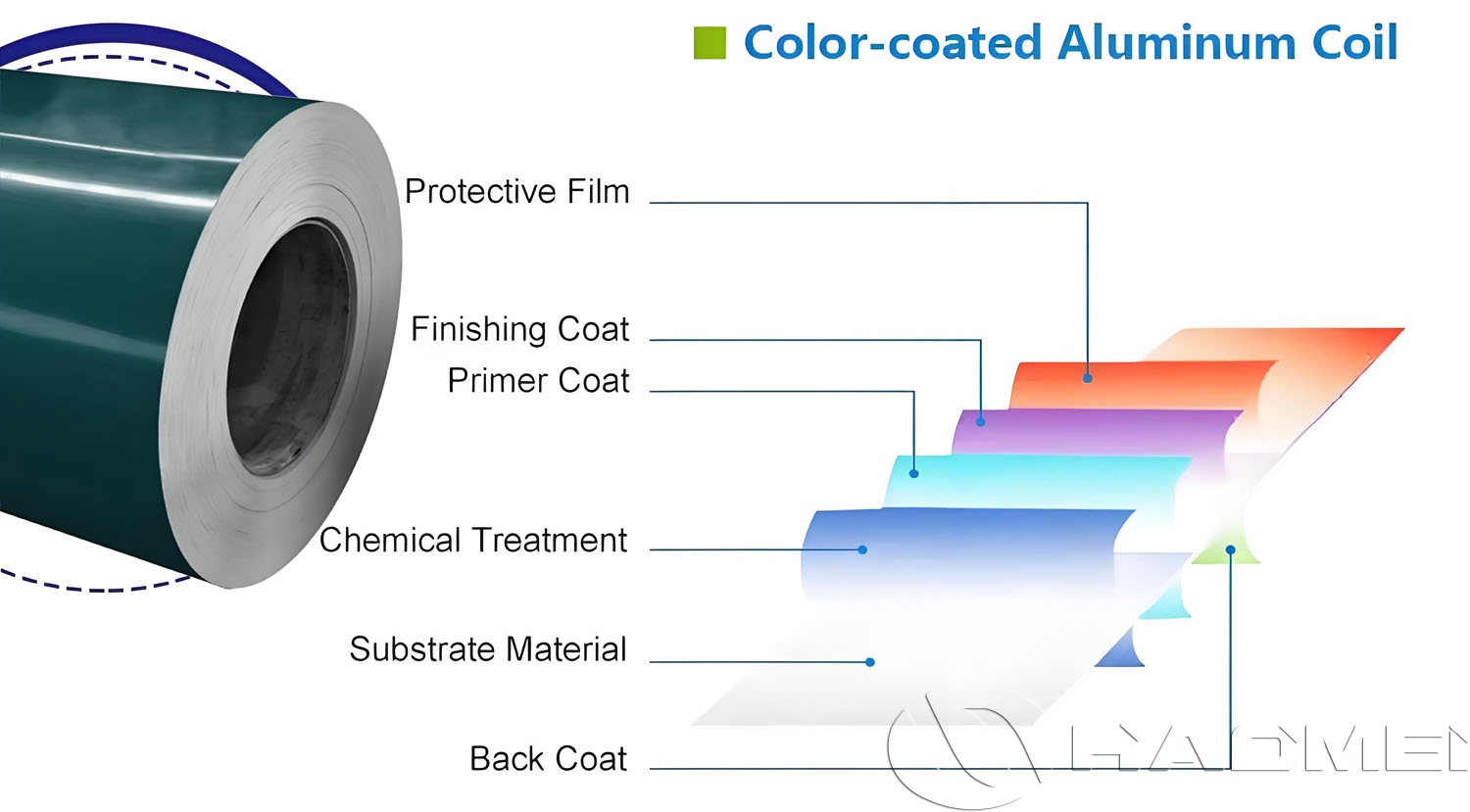
For indoor applications, the common coating thickness is generally around 15-25 microns, depending on color, gloss, forming requirement, and surface protection level. Smooth colors, matte finishes, metallic tones, and printed effects can be produced according to decorative requirements. The coating surface is suitable for cutting, slitting, roll forming, bending, punching, and light stamping when the alloy temper and coating flexibility are properly matched.
Core Specifications of Low Cost PE Coated Aluminum Coil
| Item | Common Specification Range |
|---|---|
| Product type | PE coated aluminum coil for indoor use |
| Base alloy | 1050, 1060, 1100, 3003, 3004, 3105, 5005 |
| Temper | O, H12, H14, H16, H18, H24, H26 |
| Thickness | 0.20-1.50 mm, with indoor decorative grades often at 0.30-0.80 mm |
| Width | 600-1600 mm, subject to coating line capability |
| Coating system | Polyester PE, primer plus topcoat |
| Coating thickness | 15-25 microns typical for indoor use |
| Gloss | Matte, low gloss, semi-gloss, high gloss |
| Color | Solid color, metallic color, wood grain, custom decorative finish |
| Inner diameter | 405 mm, 505 mm, or 508 mm |
| Surface protection | Optional PE protective film for forming and installation protection |
| Main applications | Ceilings, interior panels, furniture parts, signage, decorative profiles |
Commonly Used Alloys
The alloy selection affects forming performance, strength, flatness, dent resistance, and processing stability. For low cost indoor PE coated aluminum coil, 1000 series and 3000 series alloys are widely used because they provide good workability and cost efficiency.
1050 and 1060 aluminum are commercially pure aluminum grades with high aluminum content, excellent ductility, and good corrosion resistance in normal indoor environments. They are suitable for flat decorative panels, ceiling strips, nameplates, and components that require easy bending or shallow forming. Their relatively low strength is acceptable for many non-load-bearing interior applications.
1100 aluminum offers good formability and a clean surface base for color coating. It is often used where appearance consistency, easy processing, and stable coating adhesion are important. For ceiling panels, interior trim, and lightweight decorative sheets, 1100 Color Coated Aluminum Coil is a common specification because it balances softness, surface quality, and production economy.
3003 aluminum contains manganese, giving it higher strength than 1000 series aluminum while retaining good formability. It is suitable for interior wall panels, formed decorative components, lighting parts, appliance panels, and applications requiring better rigidity than pure aluminum grades.
3004 and 3105 aluminum are used when higher strength, improved shape stability, and better panel flatness are required. These alloys are common in ceiling systems, wider interior panels, and roll-formed products where deformation control is important during fabrication.
5005 aluminum can be used for decorative applications requiring better surface uniformity and moderate strength. It is often selected for visible panels, trim parts, and interior architectural products where surface appearance is a key evaluation point.
Cost Factors in Indoor PE Coated Aluminum Coil
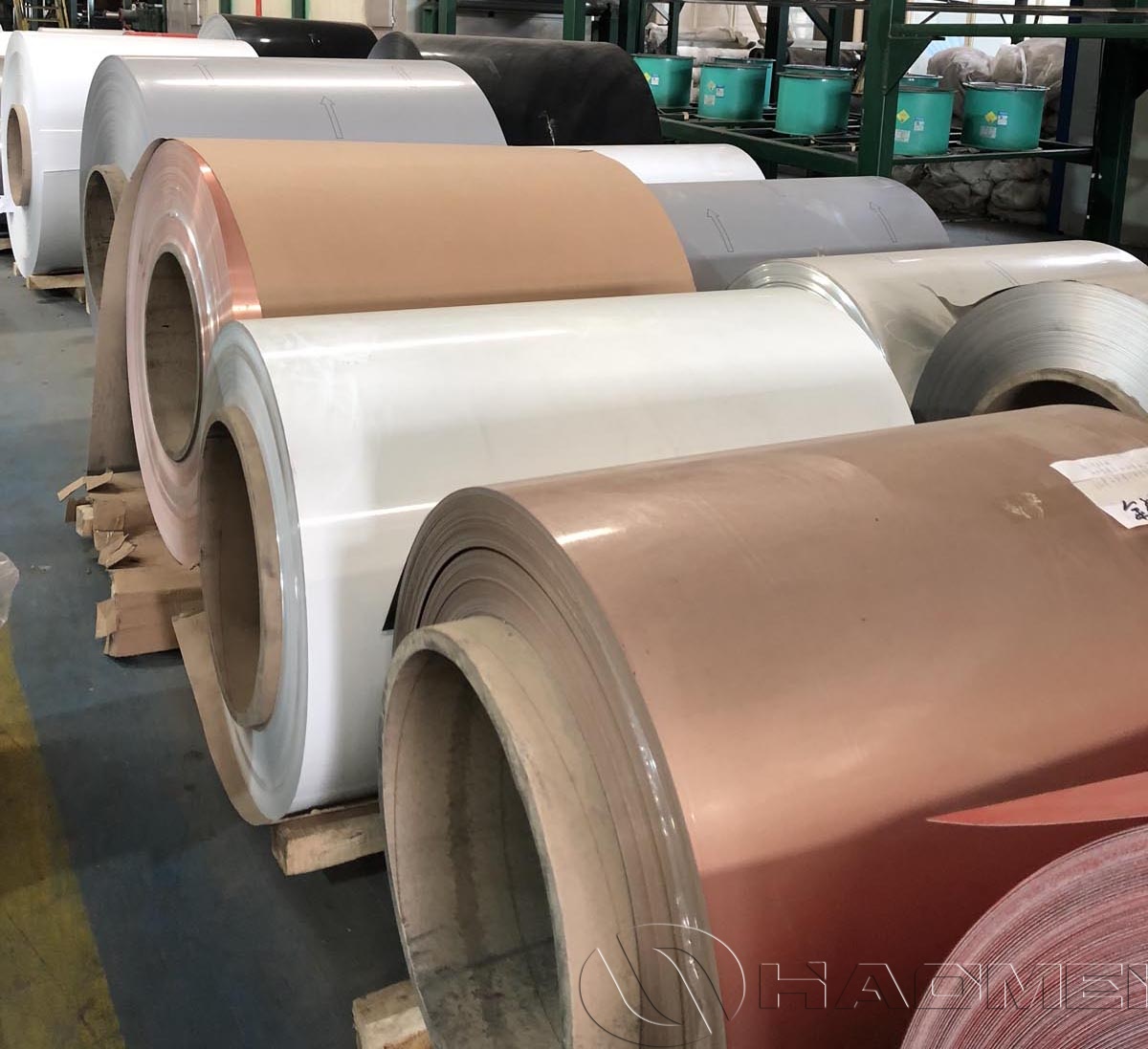
The cost advantage of indoor PE coated aluminum coil is mainly related to coating resin type, coating thickness, alloy selection, thickness tolerance, color complexity, and order width. Solid colors with standard gloss levels are typically more economical than metallic or printed finishes. Thin-gauge coils also reduce aluminum consumption, but the final gauge must still meet stiffness, flatness, and forming requirements.
PE coating is more economical than PVDF coating because the resin system and performance target are different. Indoor products usually do not require high fluorocarbon weatherability, long outdoor color retention, or severe salt spray resistance. As a result, the coating design can focus on adhesion, flexibility, color stability under indoor lighting, and surface cleanliness.
Manufacturing and Process Control
Stable production of low cost PE coated aluminum coil depends on substrate cleaning, chemical pretreatment, coating viscosity control, oven temperature accuracy, line speed, and film thickness uniformity. In continuous coil coating, the aluminum strip is degreased, pretreated, coated, baked, cooled, and recoiled under controlled line conditions.
Key process points include:
Uniform degreasing to remove rolling oil and surface contaminants
Proper pretreatment weight to support coating adhesion
Stable primer and topcoat application thickness
Accurate peak metal temperature for resin curing
Controlled tension to reduce coil wave and surface marks
Clean recoiling to prevent scratches and pressure defects
For indoor decorative products, surface defects are highly visible under lighting. Color difference, gloss variation, roller marks, coating streaks, and dust particles must be controlled through coating line inspection and sample comparison.
Performance Characteristics for Indoor Use
Low cost PE coated aluminum coil provides a practical performance profile for interior environments. Its lightweight nature reduces structural load, while the coated surface improves visual consistency compared with bare aluminum. The material can be processed into panels, strips, profiles, and stamped components without requiring post-painting, which improves production efficiency in downstream fabrication.
Important performance characteristics include:
Good coating adhesion after bending and forming
Smooth decorative appearance with stable color matching
Basic resistance to fingerprints, mild stains, and indoor cleaning conditions
Good flexibility for roll forming and panel fabrication
Lower density than steel, supporting lightweight interior design
Recyclable aluminum substrate with efficient coil processing
Typical Quality Control Items
Quality validation for indoor PE coated aluminum coil generally includes appearance inspection, color difference measurement, gloss testing, coating thickness testing, pencil hardness, T-bend, impact resistance, cross-hatch adhesion, solvent rub resistance, and basic humidity or neutral salt spray testing according to the intended application level.
For ceiling panels and decorative sheets, flatness, edge quality, coil telescoping, coating uniformity, and protective film adhesion are also important inspection items. For formed components, bend performance and coating crack resistance are checked against the actual fabrication radius and forming direction.
-
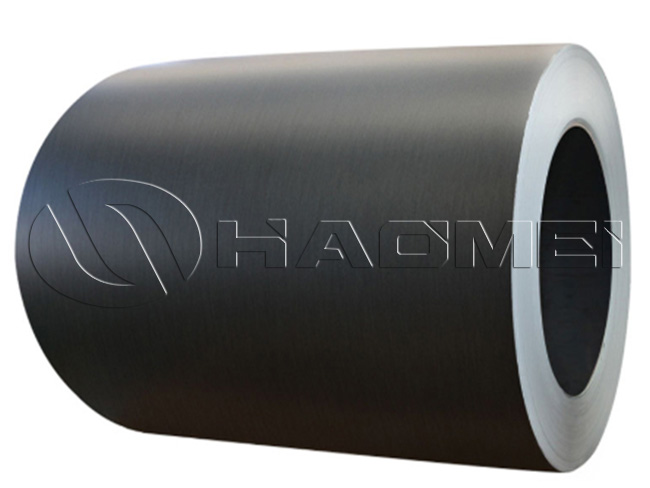
Double-Sided Color Coated Aluminum Coil
Double-sided color coated aluminum coil uses PE or PVDF coating systems, offering consistent color on both sides, excellent corrosion resistance, and strong weather resistance. It is widely used in architectural decoration and curtain wall systems.
2026-01-06
-
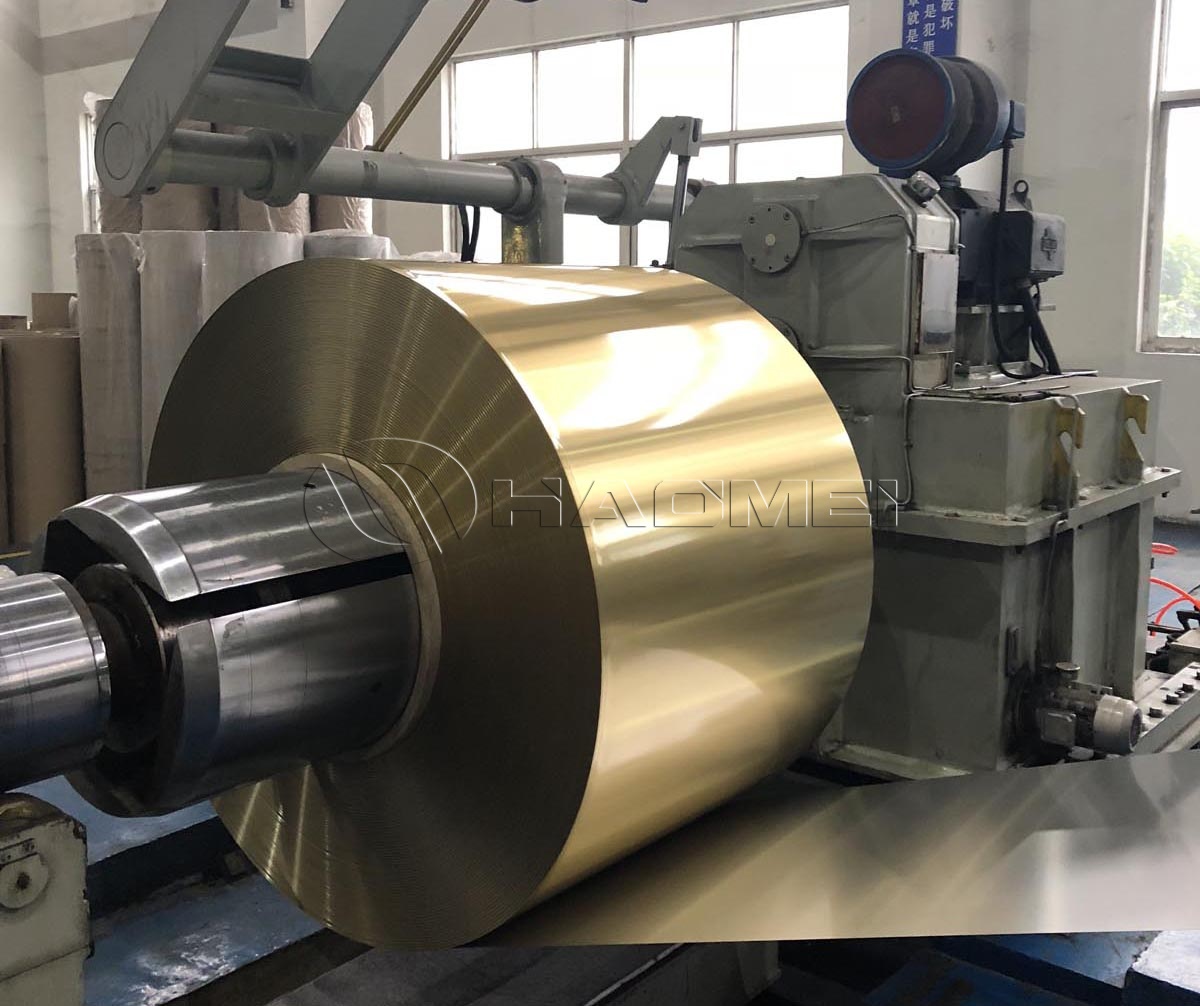
5052 H32 / H24 Color-Coated Aluminum Coil for Automotive Trim Panels
5052 H32/H24 color-coated aluminum coil combines formability, corrosion resistance, and durable finishes for lightweight automotive trim panels and components.
2026-08-13
-
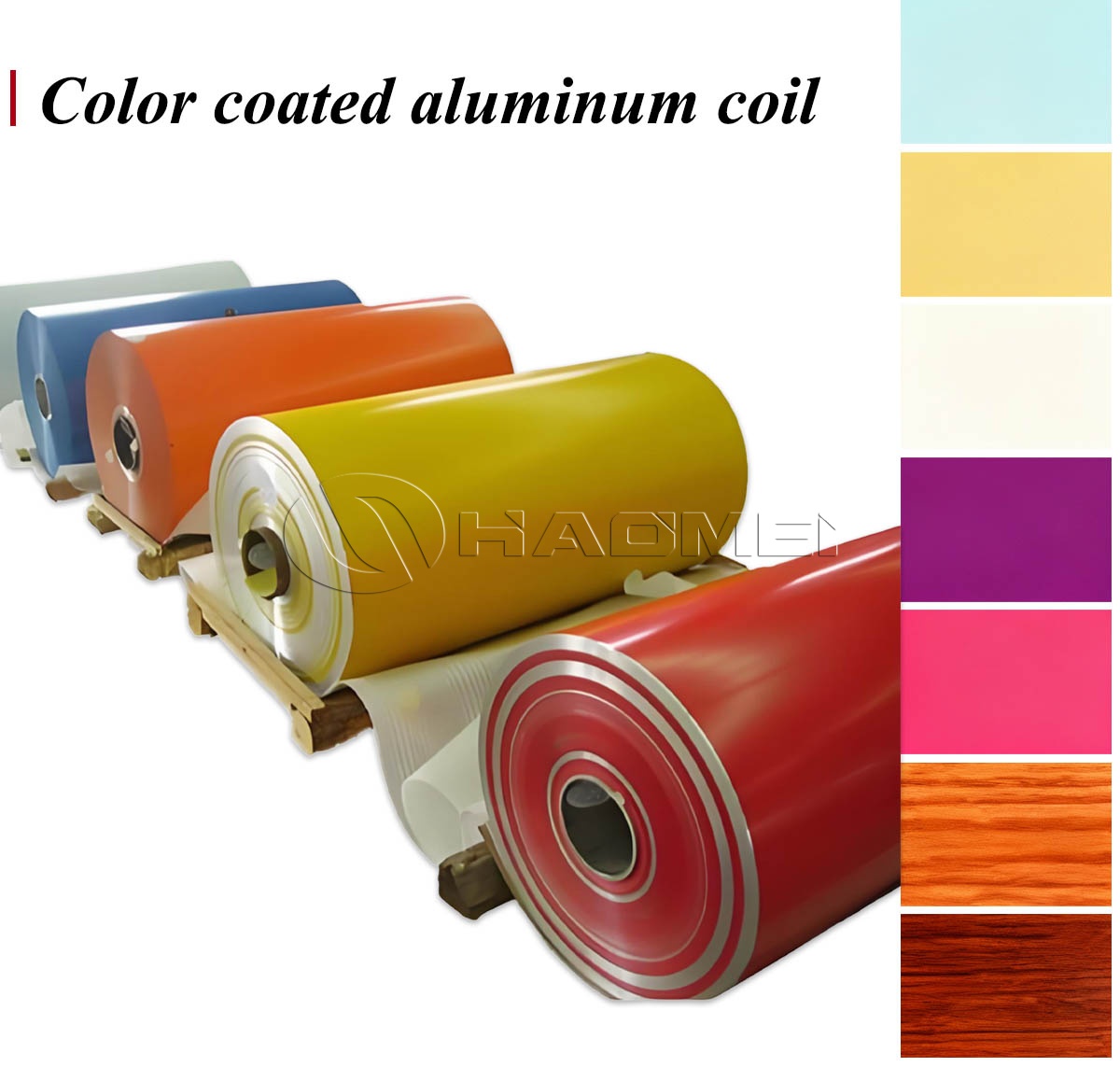
3003 Color Coated Aluminum Coil For Window Shutters
3003 color coated aluminum coil for window shutters offers formability, corrosion resistance, and durable PE or PVDF finishes for shutter slats.
2026-04-09
Contact Directly
-

ADD: No.14 Waihuan Road, CBD, Zhengzhou, China
-

WhatsApp: +86-18703635966
-

E-MAIL: sales@alummc.com