


News
 By Hermione
3004 3105 Color Coated Aluminum Coil - Bending, Welding, and Cutting Services Available
3004 and 3105 color coated aluminum coil combine lightweight performance, corrosion resistance, decorative finishes, and practical fabrication capability. These pre-painted aluminum coils are widely used for roofing sheets, wall cladding, ceiling systems, rainwater goods, roller shutters, insulation jacketing, appliance panels, and architectural trim. Bending, welding, and cutting services support the conversion of coated coil into application-specific blanks, profiles, channels, flashings, and formed panels.
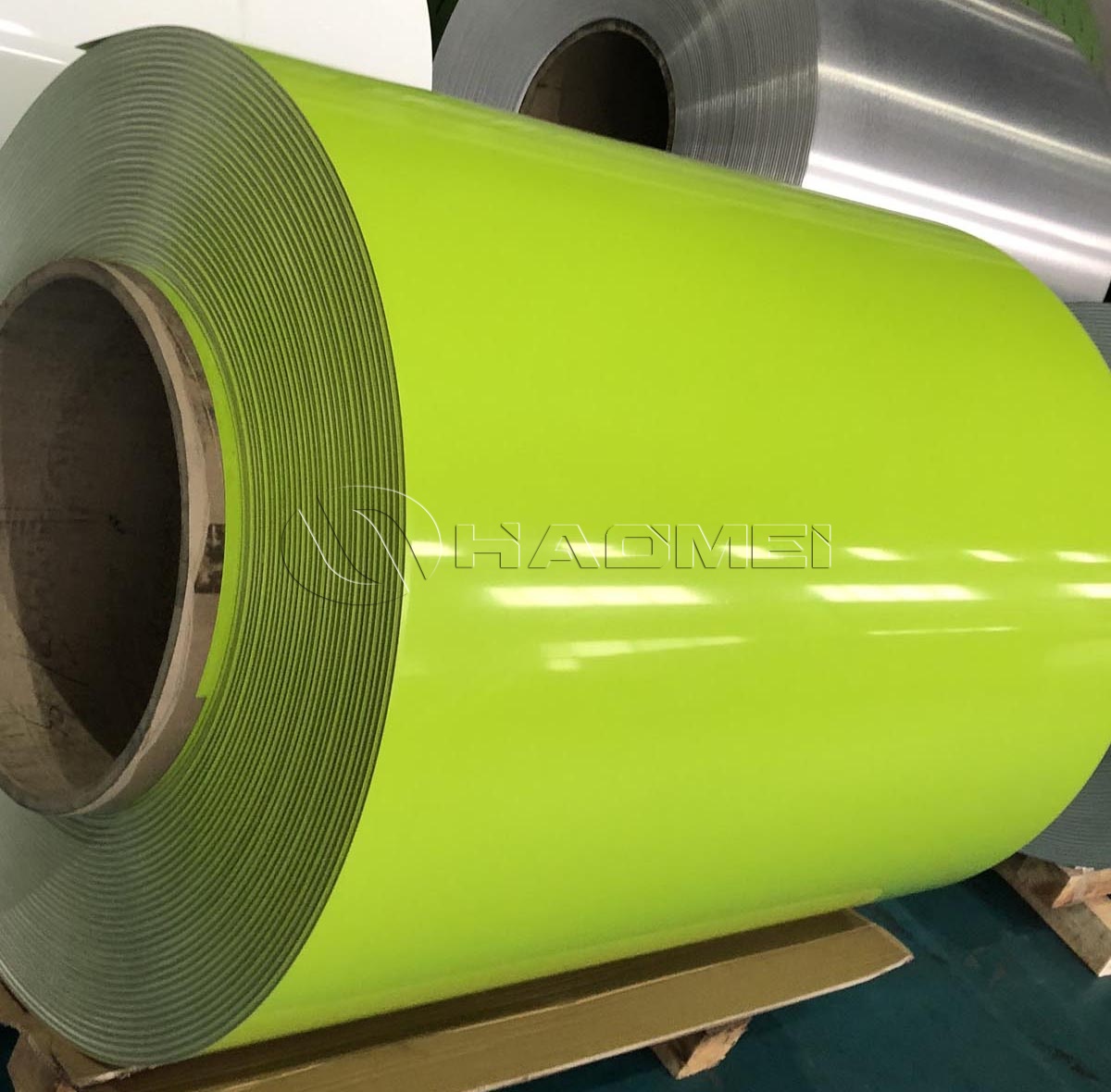
Alloy Positioning: 3004 and 3105
Both 3004 and 3105 belong to the 3xxx aluminum alloy family, where manganese is the principal alloying element. Compared with commercially pure 1xxx-series aluminum, they offer improved strength while maintaining good formability and corrosion resistance. Their properties make them suitable for pre-painted coil processing where appearance, dimensional consistency, and fabrication performance must be balanced.
3004 Color Coated Aluminum Coil
3004 aluminum is an Al-Mn-Mg alloy with higher strength than 3003. It is commonly selected for applications requiring better dent resistance, load-bearing performance, and formed-profile stability. Typical uses include roofing panels, corrugated sheets, gutter components, transportation interior panels, and building envelope systems.
3004 Color Coated Aluminum Coil is often supplied in H14, H16, H18, H24, or H26 tempers, depending on the required balance between stiffness and bending performance. Lower work-hardened tempers generally support tighter forming radii, while higher tempers provide greater flatness and panel rigidity.
3105 Color Coated Aluminum Coil
3105 aluminum is also an Al-Mn alloy, with a small magnesium addition that contributes to strength and processing stability. It is extensively used in residential and commercial roofing, siding, fascia, shutters, ceilings, and general architectural trim. Its combination of moderate strength, good roll-forming behavior, and economical availability makes it a common alloy for coated building materials.
3105 Color Coated Aluminum Coil is frequently processed into profiled roofing sheets and decorative wall panels. H14, H16, H18, and H24 tempers are commonly used, with temper selection based on thickness, profile geometry, forming radius, and final structural requirements.
Core Specifications of 3004 and 3105 Color Coated Aluminum Coil
Technical Specification Table
| Item | Typical Range or Option |
|---|---|
| Base alloys | 3004, 3105 aluminum alloy |
| Common tempers | H14, H16, H18, H24, H26 |
| Thickness | 0.20-1.50 mm, subject to alloy, temper, and coating system |
| Coil width | 600-1,600 mm |
| Coil inner diameter | 405 mm or 508 mm |
| Coil outer diameter | Up to approximately 1,800 mm, subject to coil weight |
| Coil weight | Typically 2-6 metric tons |
| Surface finish | Smooth, matte, gloss, textured, embossed, or patterned |
| Top coating | PE, SMP, HDP, PVDF, or specialized functional coatings |
| Coating thickness | Commonly 15-25 μm for PE; 25 μm or above for PVDF systems |
| Back coating | Protective back coat, typically 5-10 μm or as specified |
| Available colors | RAL, Pantone, custom colors, metallic finishes, wood grain, and stone patterns |
| Processing options | Slitting, cut-to-length, blanking, bending, roll forming, welding, and edge trimming |
Pre-Painted Coil Structure and Coating Performance
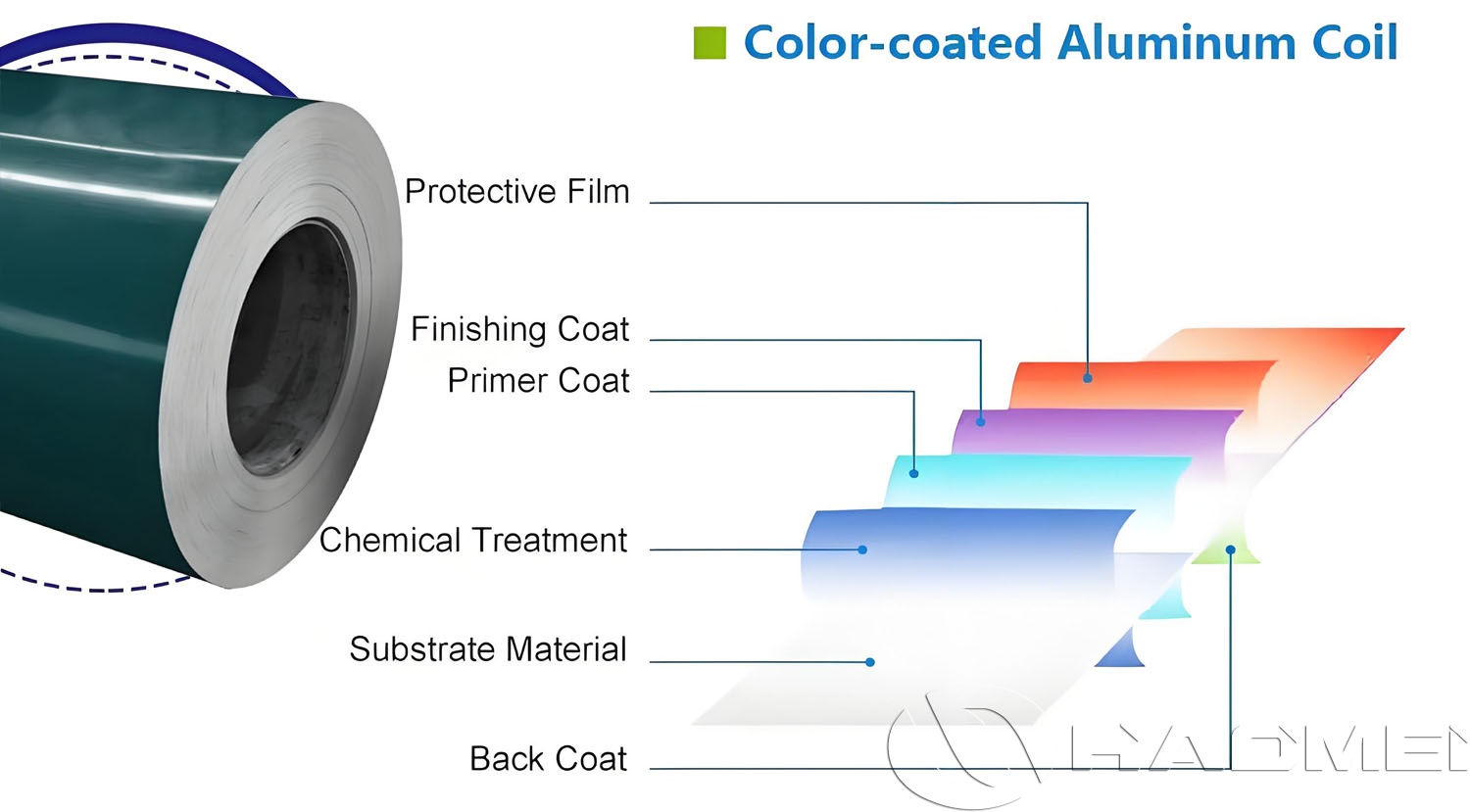
Color coated aluminum coil is produced by applying coating layers to a chemically pretreated aluminum substrate through a continuous coil-coating process. The coating system typically includes a conversion layer, primer, topcoat, and backside coating. This structure supports coating adhesion, corrosion resistance, flexibility, and color consistency.
For indoor architectural products, PE coatings provide a cost-effective finish with good color selection and processing flexibility. For exterior roofing, façade, and high-UV environments, PVDF systems provide enhanced weatherability, gloss retention, and resistance to chalking. PVDF Coated Aluminum Coil is widely specified for long-life exterior panels exposed to sunlight, rain, industrial atmospheres, and coastal conditions.
Bending and Forming Performance
Bending performance depends on alloy temper, sheet thickness, coating flexibility, bend direction, and forming radius. 3004 and 3105 coated aluminum coils can be processed through press brake bending, roll forming, profiling, folding, hemming, and channel forming when the coating system and substrate temper are matched to the design.
Key process factors include:
Bend radius: A larger inside bend radius reduces strain in both the aluminum substrate and the painted film.
Bend direction: Forming transverse to the rolling direction generally produces more predictable results in higher-tempers.
Coating type: Flexible PE and selected SMP systems are suitable for general forming, while high-performance PVDF coatings require controlled forming conditions to protect surface integrity.
Protective film: Temporary protective film can reduce handling marks and tool contact scratches during fabrication.
Tool condition: Smooth, clean dies and rollers help prevent surface abrasion, color transfer, and coating damage.
For roof panels, trim pieces, flashings, and shutter profiles, coil thickness and temper are coordinated with the profile depth and bend geometry. This helps maintain a clean formed edge and uniform surface appearance after processing.
Welding of Color Coated Aluminum Coil
3004 and 3105 aluminum alloys can be welded by suitable aluminum welding processes, including TIG and MIG welding. However, because pre-painted coil contains an organic coating layer, the coating must be removed from the weld zone before welding. Heat from welding will damage the coating near the joint, creating a heat-affected area that requires post-weld cleaning and compatible coating repair where corrosion protection or appearance is needed.
Welding considerations for color coated aluminum include:
Removal of paint, primer, and conversion coating from the joint area before welding.
Cleaning of aluminum oxide and surface contaminants to support weld quality.
Use of filler metal compatible with the alloy and service conditions.
Controlled heat input to minimize distortion in thin-gauge material.
Restoration of exposed surfaces with an appropriate repair coating when the finished part is used outdoors or in humid environments.
For visible architectural surfaces, mechanical joining methods such as riveting, clinching, folding, or concealed fasteners may be used where uninterrupted paint appearance is required. Welded assemblies are more common in concealed areas, structural subcomponents, equipment panels, and fabricated aluminum parts that receive local finishing after welding.
Cutting, Slitting, and Blank Preparation
Color coated aluminum coil can be supplied in slit coils, cut-to-length sheets, and shaped blanks to suit downstream manufacturing. Accurate cutting helps improve material utilization and reduces edge deformation during profiling or assembly.
Available cutting methods include:
Coil slitting: Produces narrow-width coils for roll-forming lines, shutters, trim, and narrow profile products.
Cut-to-length processing: Produces flat sheets for panel fabrication, press braking, stamping, and composite panel production.
Shearing: Suitable for straight-edged blanks and standard sheet dimensions.
CNC blanking: Supports shaped components, openings, and custom fabrication layouts where coating-safe handling is maintained.
Cut edges are uncoated aluminum surfaces. In normal architectural applications, aluminum's natural oxide film offers protection, while highly corrosive or continuously wet conditions may require design measures that limit moisture retention at cut edges and joints.
Typical Application Scenarios
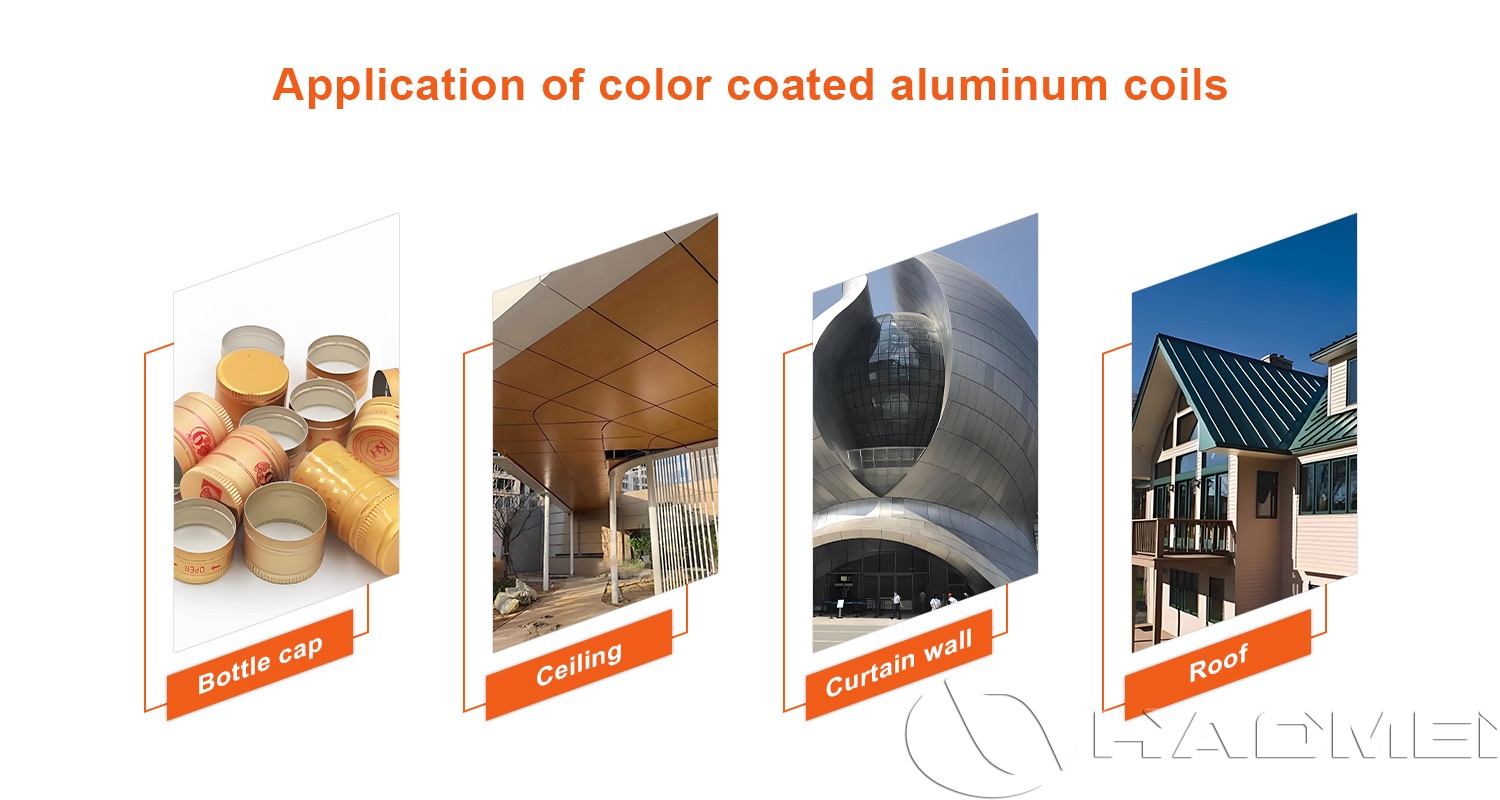
3004 and 3105 pre-painted aluminum coil are used across building, industrial, and consumer-product applications, including:
Roofing sheets, standing-seam roofing, corrugated panels, and tile-profile roofing
Exterior wall cladding, façade panels, soffits, fascia boards, and parapet flashings
Rain gutters, downpipes, edge trims, ridge caps, and drainage accessories
Roller shutters, garage doors, suspended ceilings, and partition systems
Insulated sandwich panels and protective metal skins
Household appliance panels, equipment housings, and interior decorative components
Signage substrates, light-duty transport components, and fabricated aluminum enclosures
Quality Control for Fabricated Coated Coil
Quality control for 3004 and 3105 color coated aluminum coil covers both the base metal and the painted surface. Incoming and finished-product inspection may include thickness measurement, width tolerance, color consistency, gloss level, coating thickness, adhesion, bend performance, pencil hardness, impact resistance, and solvent resistance.
During cutting and forming, attention is given to burr height, edge quality, surface scratches, coil set, flatness, protective film condition, and profile geometry. For welded parts, inspection also addresses weld continuity, distortion, weld-zone cleaning, and the integrity of any repaired protective coating.
-
Wood Grain Aluminum Coil for Roller Shutters
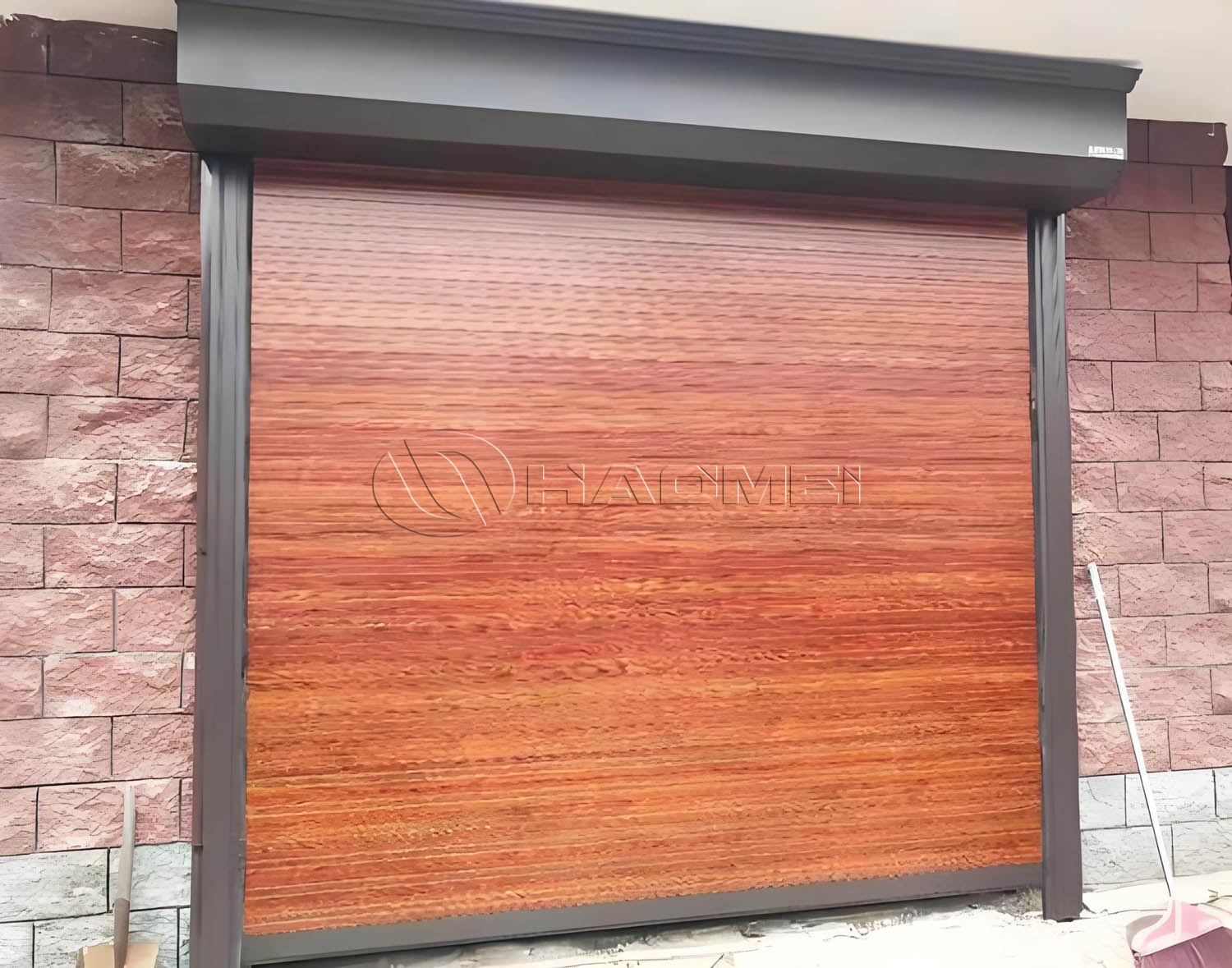
Wood grain aluminum coil for roller shutters combines lightweight strength with PVDF or PE coating durability, stable forming for slats, and realistic timber patterns.
2026-03-04
-
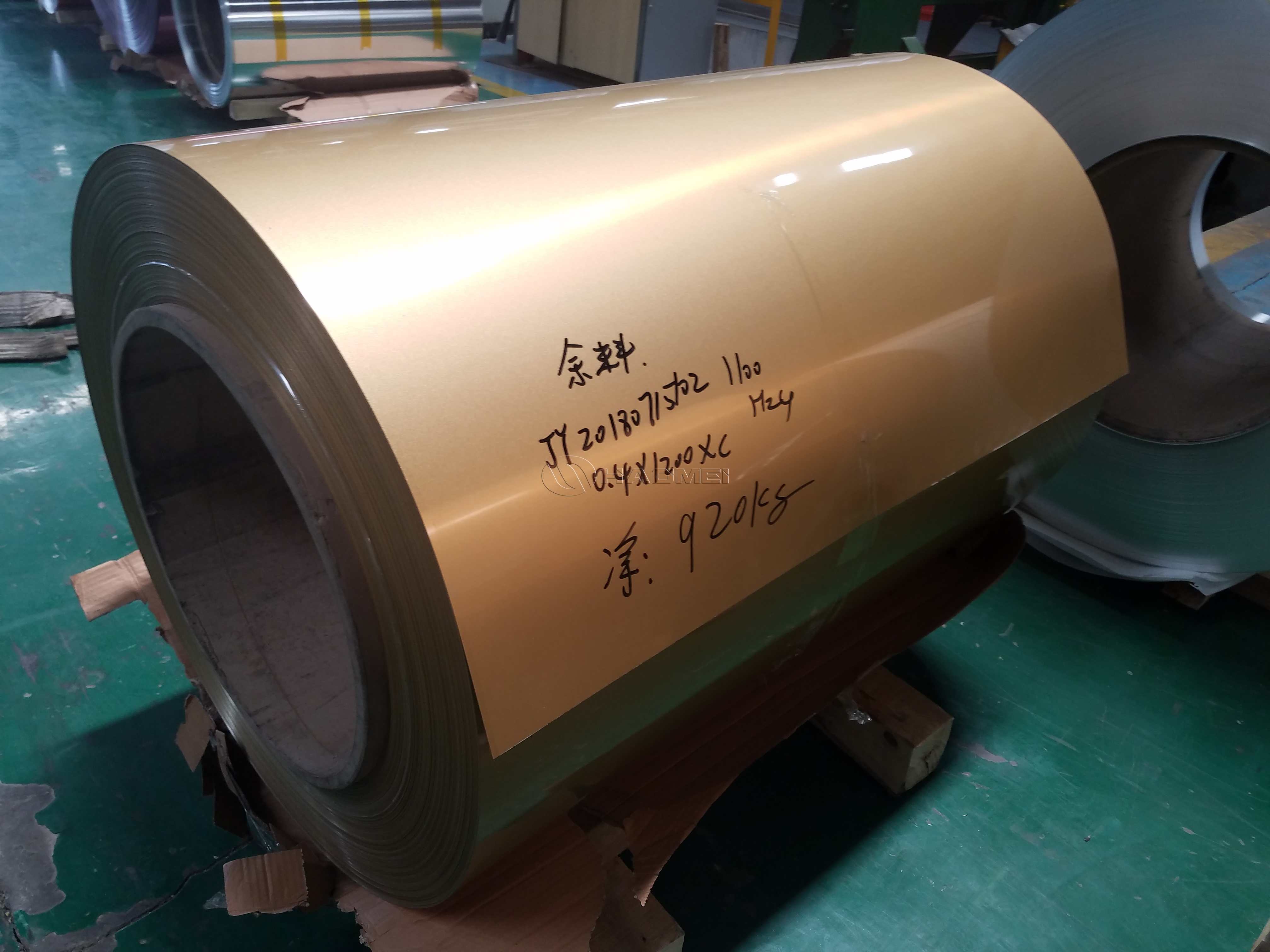
5005 Color Coated Aluminum for Architecture
5005 color coated aluminum delivers smooth forming, durable PE or PVDF finishes, and stable performance for architectural façades, roofs, ceilings, and trim.
2026-08-06
-
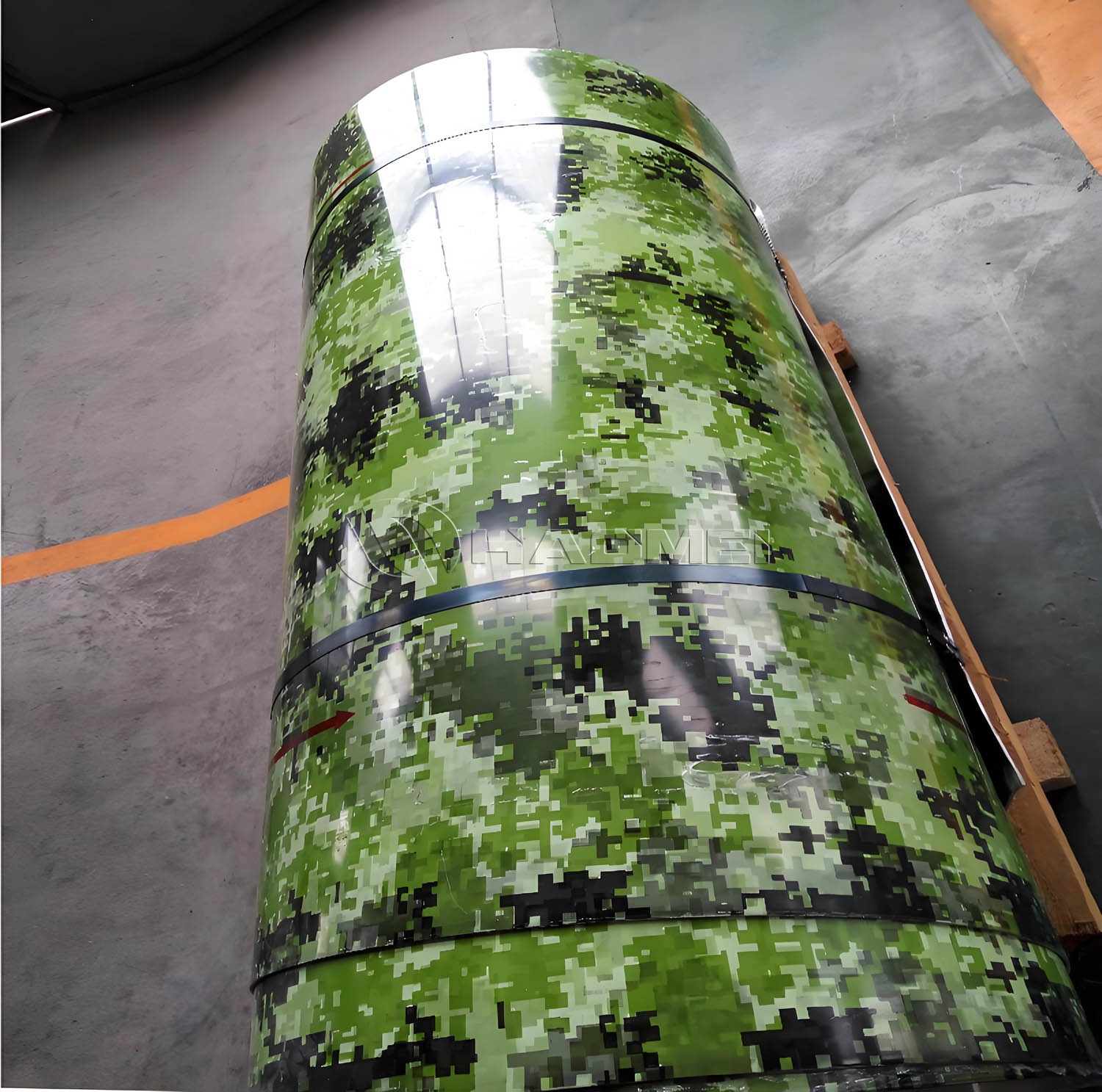
PVDF Camouflage-Coated Aluminum Coils
Explore PVDF camouflage-coated aluminum coils, covering alloys, coating structure, specifications, and exterior use in roofing, facades, and equipment panels.
2026-06-26
Contact Directly
-

ADD: No.14 Waihuan Road, CBD, Zhengzhou, China
-

WhatsApp: +86-18703635966
-

E-MAIL: sales@alummc.com
