

News
 By Hermione
5005 Color Coated Aluminum for Architecture
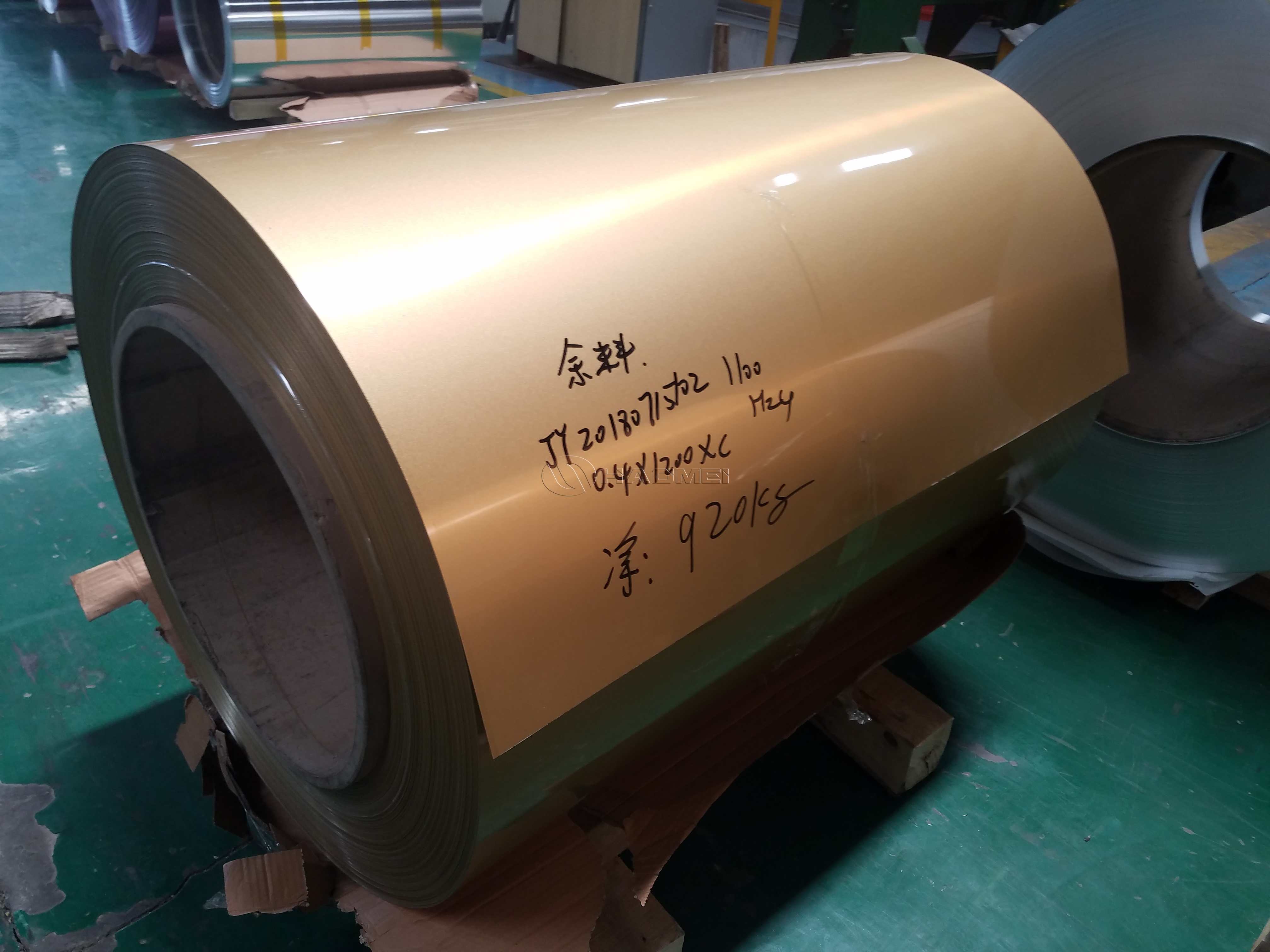
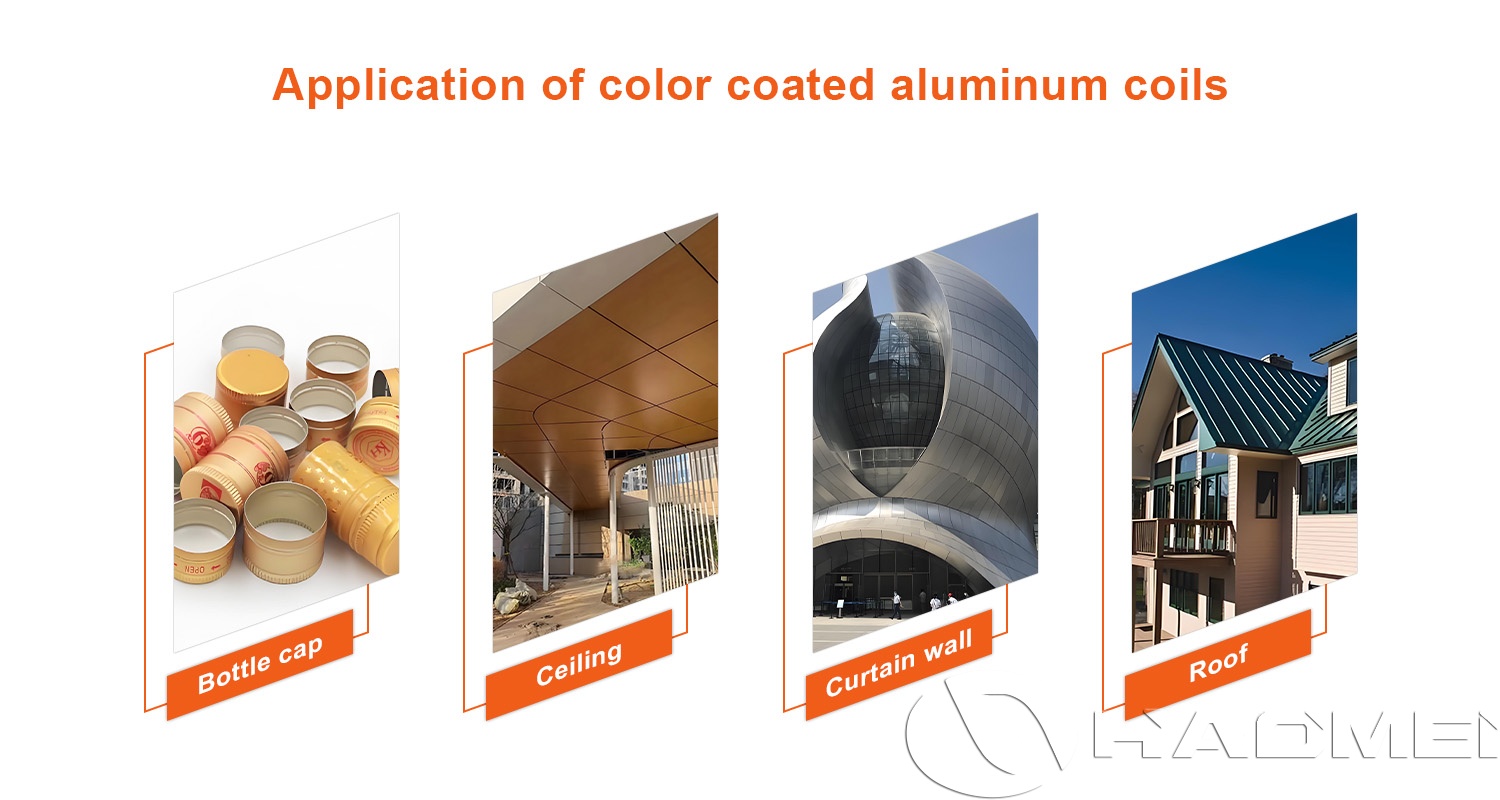
5005 color coated aluminum is a pre-painted aluminum coil designed for architectural systems that require a clean appearance, dependable formability, and durable surface protection. Based on 5005 aluminum alloy, it is widely used for exterior façades, curtain wall panels, roofing, soffits, ceiling systems, cladding trims, shutters, rainwater components, and decorative architectural profiles. Its balanced strength and surface quality support roll forming, bending, stamping, and panel fabrication while maintaining a consistent color finish.
5005 Alloy Characteristics for Building Applications
Alloy 5005 belongs to the 5xxx aluminum series and uses magnesium as its principal alloying element. Compared with commercially pure 1xxx alloys, 5005 provides improved mechanical strength while retaining good corrosion resistance and processing performance. Its surface anodizing response is also relatively uniform, which makes the alloy suitable for architectural components where visual consistency matters.
Typical characteristics of 5005 aluminum substrate include:
Good resistance to atmospheric corrosion and moisture exposure
Reliable bending and roll-forming performance in appropriate tempers
Higher strength than 1050, 1060, and 1100 aluminum alloys
Smooth surface suitable for coil coating and decorative finishes
Low weight for façade, roofing, and ceiling structures
Good compatibility with PE, PVDF, SMP, and specialty printed coating systems
For pre-painted building materials, the substrate, pretreatment layer, primer, topcoat, and backcoat work as an integrated system. The 5005 substrate provides structural support and forming stability, while the coating system supplies color, weatherability, stain resistance, and visual finish.
Core Specifications of 5005 Color Coated Aluminum
5005 Color Coated Aluminum Coil Specifications
| Item | Typical Range or Option |
|---|---|
| Base alloy | 5005 aluminum alloy |
| Temper | O, H12, H14, H16, H18, H24, H26 |
| Thickness | 0.20-3.00 mm |
| Coil width | 20-1,600 mm |
| Coil inner diameter | 150 mm, 300 mm, 405 mm, 505 mm, or customized |
| Coil weight | Typically 1-8 tonnes, subject to thickness and width |
| Surface finish | Gloss, matte, high gloss, textured, metallic, embossed, wood grain, marble pattern |
| Top coating | PE, HDPE, SMP, PVDF, FEVE, or customized systems |
| Back coating | Epoxy, polyester, service coat, or customized backcoat |
| Topcoat thickness | Commonly 15-35 μm, depending on coating type and project conditions |
| Color options | RAL, Pantone, metallic colors, custom color matching, printed patterns |
| Main applications | Façades, roofing, ceilings, cladding, shutters, gutters, trims, composite panels |
Coating Systems for Architectural Exposure
The coating selection defines the long-term appearance and environmental durability of color coated aluminum. Architectural coil coating commonly includes chemical pretreatment, primer application, topcoat application, oven curing, and controlled cooling. Each layer contributes to adhesion, corrosion protection, color retention, and film integrity.
PE Coating
PE Coated Aluminum Coil uses a polyester topcoat with good color availability, processing flexibility, and cost efficiency. It is commonly used in interior ceilings, partitions, decorative panels, indoor wall systems, and building components with moderate outdoor exposure. Typical PE coatings provide a smooth, uniform appearance and support a broad range of solid, metallic, and patterned finishes.
PVDF Coating
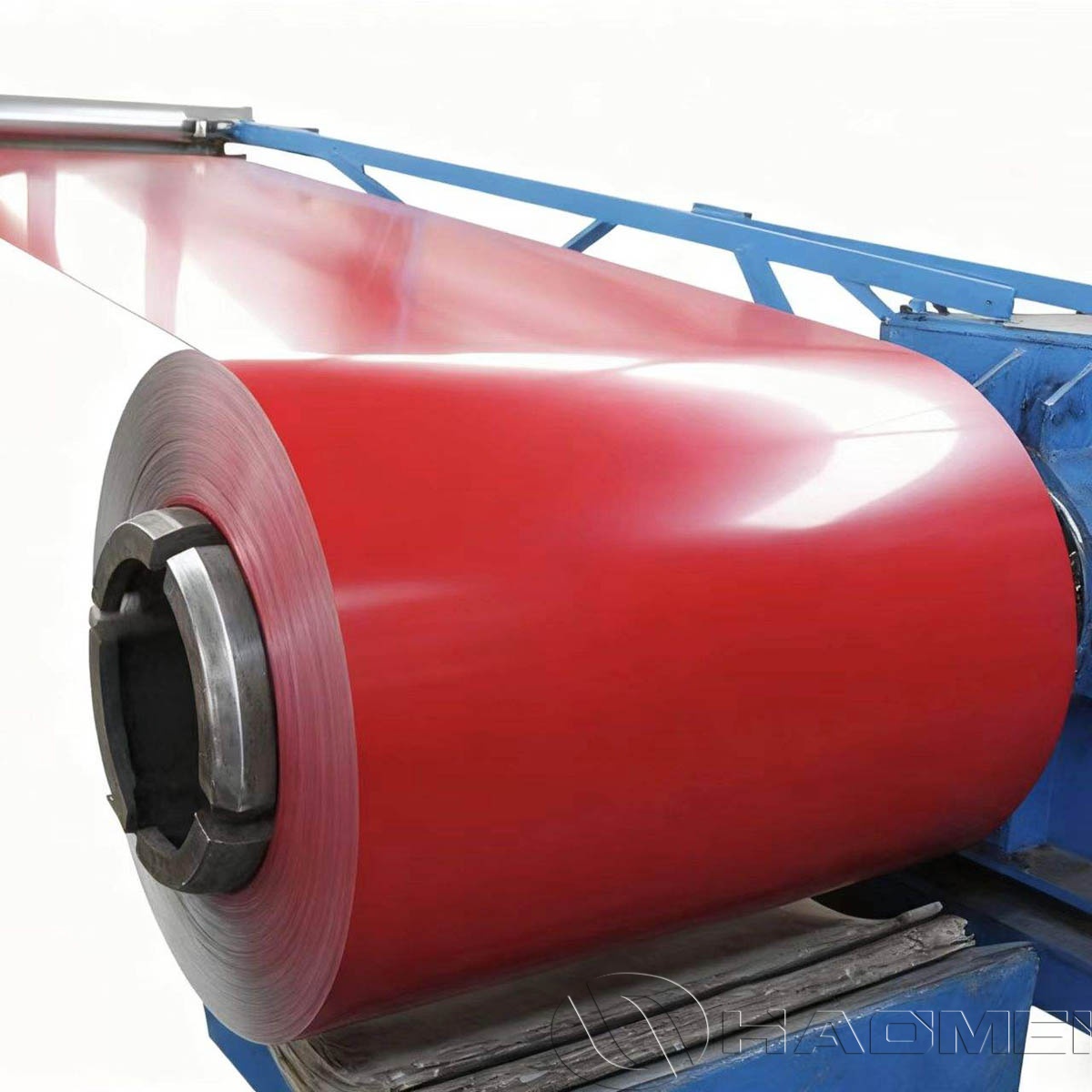
For demanding exterior applications, PVDF Coated Aluminum Coil provides enhanced resistance to ultraviolet radiation, weathering, chalking, and color fading. PVDF systems are widely used for façade cladding, curtain wall panels, high-exposure roofing, airport structures, commercial buildings, and coastal architectural projects. A conventional architectural PVDF system often uses a primer plus fluorocarbon topcoat configuration, with coating thickness determined by project specifications.
Common Aluminum Alloys Used in Color Coated Architecture
Although 5005 is widely used for architectural pre-painted coil, other alloys are also used according to forming conditions, panel geometry, mechanical requirements, and service environment.
| Alloy | Main Characteristics | Typical Architectural Uses |
|---|---|---|
| 1050 / 1060 / 1100 | High purity aluminum, excellent formability, lower strength | Ceiling panels, interior decoration, insulation cladding, light-duty trims |
| 3003 | Manganese-containing alloy with improved strength and corrosion resistance | Roofing, wall cladding, gutters, general building panels |
| 3004 | Higher strength than 3003 with good forming performance | Roofing sheets, profiled panels, formed building components |
| 3105 | Good strength, workability, and coating suitability | Siding, roofing, fascia, shutters, cladding trims |
| 5005 | Magnesium alloy with balanced strength, corrosion resistance, and surface quality | Façades, ceilings, soffits, decorative panels, curtain wall skins |
| 5052 | Higher magnesium content and stronger corrosion resistance | Coastal cladding, marine-adjacent structures, high-strength formed parts |
| 5754 | Good corrosion resistance and medium strength | Exterior panels, transportation-related architecture, industrial cladding |
The 5005 alloy occupies a practical position between soft 1xxx series aluminum and higher-strength 5xxx series grades. It provides greater rigidity than 1050 or 1100 for fabricated panels while maintaining a smooth coated surface and reliable processing behavior.
Surface Quality and Finish Options
Architectural projects often require controlled color consistency across multiple coils and fabrication batches. Color coated 5005 aluminum can be supplied in solid colors, metallic shades, matte finishes, high-gloss finishes, textured surfaces, and decorative patterns. Common appearance controls include color difference, gloss level, coating thickness, surface cleanliness, film adhesion, pencil hardness, impact resistance, and solvent resistance.
Metallic and matte finishes are frequently used for modern façade systems, while wood-grain and stone-pattern finishes are applied to decorative soffits, shutters, wall panels, and ceiling products. The coil coating process provides a more uniform finish than post-painting individual fabricated parts, particularly when production parameters are consistently controlled.
Processing Performance in Architectural Fabrication
5005 pre-painted aluminum coil can be processed into flat panels, corrugated roofing sheets, ribbed profiles, cassette panels, folded edge trays, louver blades, suspended ceiling tiles, and trim profiles. Material temper, thickness, bend radius, coating flexibility, and fabrication method affect the final appearance of formed components.
During bending and roll forming, coating flexibility is important to prevent cracking at tight radii. The pretreatment and primer layers support adhesion between the aluminum substrate and topcoat, while the cured topcoat must retain integrity after forming. For profiled roofing and façade sheets, coil flatness and thickness consistency also influence panel geometry and installation alignment.
Architectural Performance Considerations
The performance of 5005 color coated aluminum depends on the combined design of the alloy substrate and coating system. Key evaluation items commonly include:
Coating adhesion after bending or forming
Resistance to humidity, salt spray, and corrosion exposure
Color retention and gloss retention under ultraviolet exposure
Film hardness and abrasion resistance
Resistance to staining, cleaning agents, and atmospheric pollutants
Thickness tolerance and width control for panel fabrication
Surface uniformity across coil length and coil-to-coil production batches
For exterior architectural use, the coating system is generally evaluated according to local climate conditions, including ultraviolet intensity, industrial pollution, humidity, salt concentration, and temperature cycling. The resulting pre-painted aluminum coil combines the lightweight and corrosion-resistant characteristics of 5005 alloy with a finished surface suitable for visible building envelopes and decorative architectural elements.
Manufacturing Control for Pre-Painted 5005 Aluminum
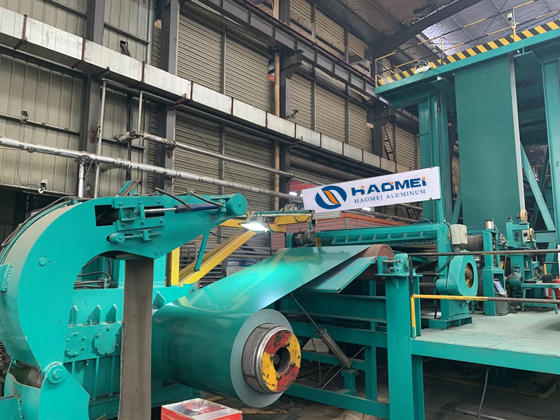
Color coated 5005 aluminum is produced through a continuous coil coating process. The aluminum coil is cleaned, chemically pretreated, coated with primer and finish paint, oven cured, cooled, inspected, and recoiled. Process control focuses on substrate quality, pretreatment performance, coating weight, curing temperature, film thickness, color consistency, and final surface inspection.
Key quality controls include incoming coil surface condition, pretreatment coating uniformity, wet and dry film thickness, cure response, gloss measurement, color difference, T-bend performance, impact resistance, cross-hatch adhesion, and packaging protection. These controls help maintain stable appearance and processing performance for architectural aluminum coil products.
-
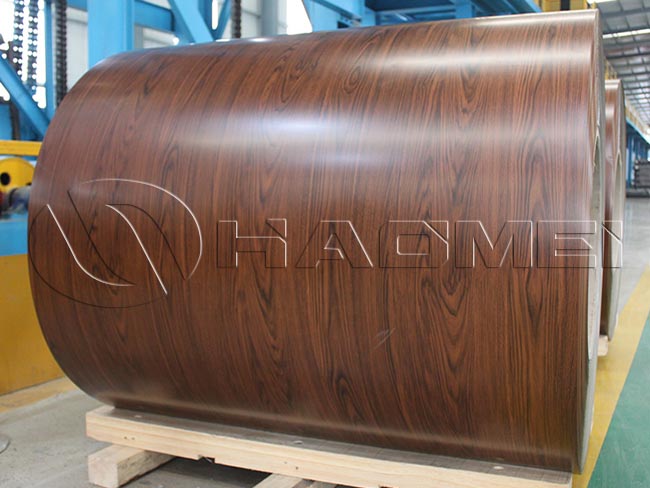
How to Make Aluminum Coil Look Like Wood?
Wood grain coated aluminum coil gives aluminum coils the appearance of natural wood, while offering outstanding durability and lightweight performance, making it an ideal choice for architectural decoration.
2025-12-31
-
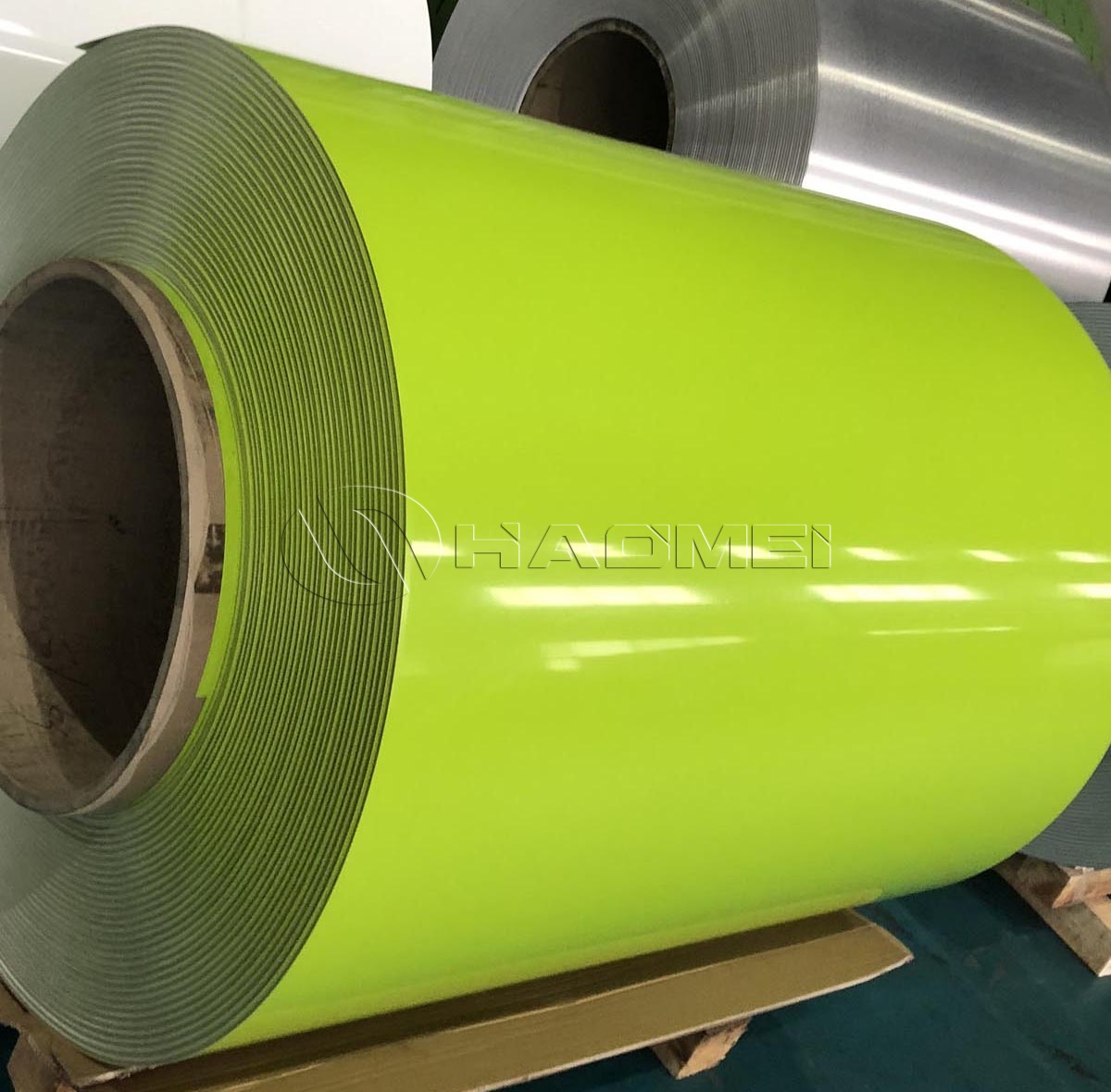
PVDF Coated Aluminum Coil for Facade Panels
PVDF coated aluminum coil for facade panels, covering alloys, coating structure, specifications, durability, and processing for curtain wall systems use.
2026-05-25
-
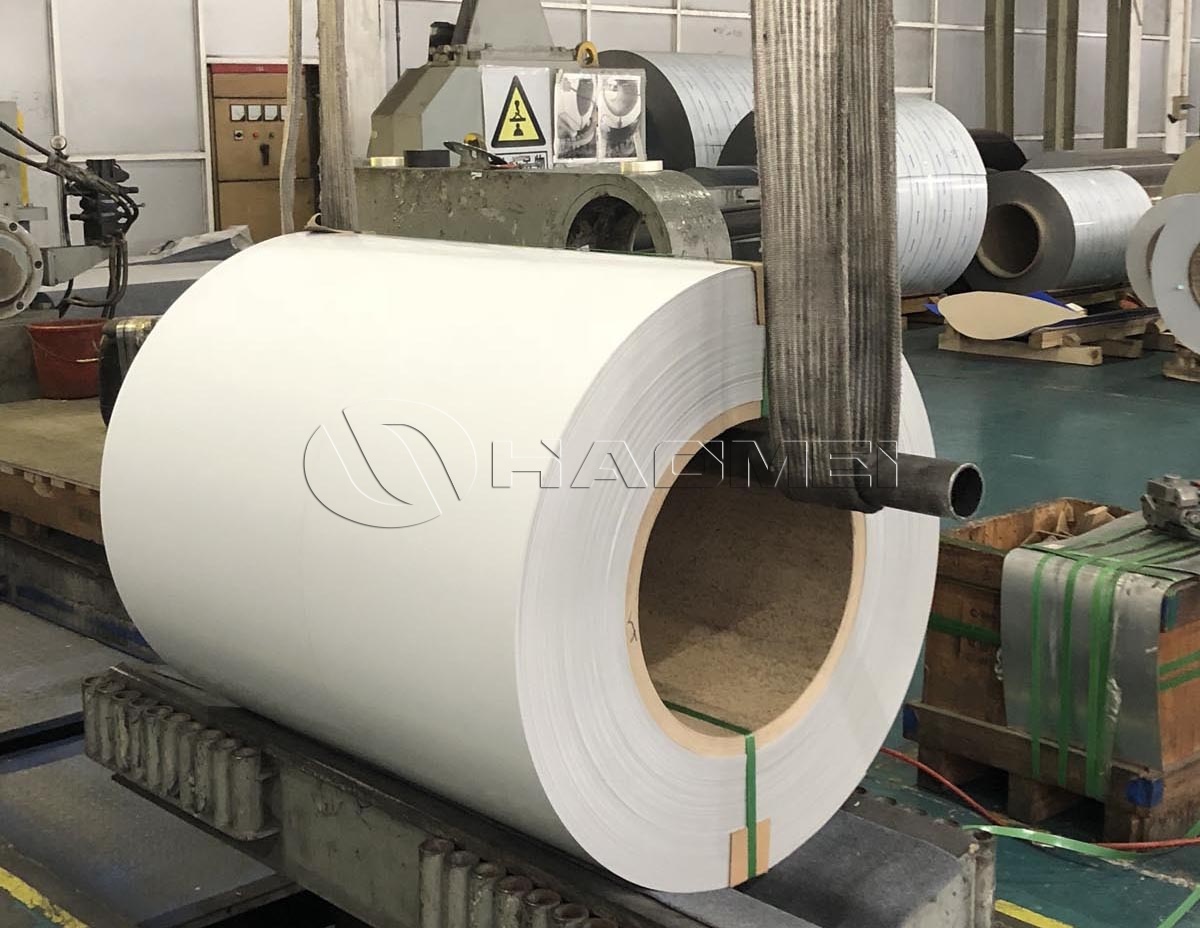
PVDF Coated Aluminum Coil For Curtain Walls
PVDF coated aluminum coil for curtain walls delivers durable color, UV resistance, and corrosion protection via a controlled coil coating process for facade cladding.
2026-02-05
Contact Directly
-

ADD: No.14 Waihuan Road, CBD, Zhengzhou, China
-

WhatsApp: +86-18703635966
-

E-MAIL: sales@alummc.com