

News
 By Hermione
3003 H26 Color Coated Aluminum Coil Suppliers
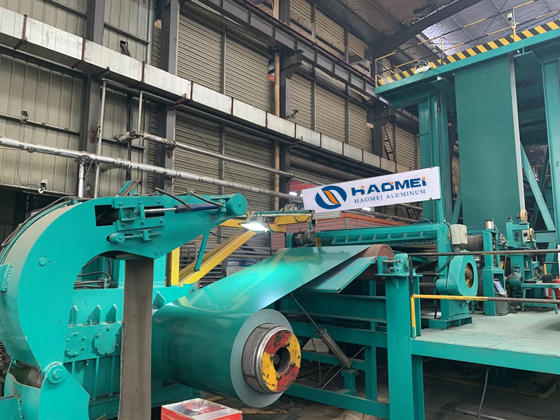
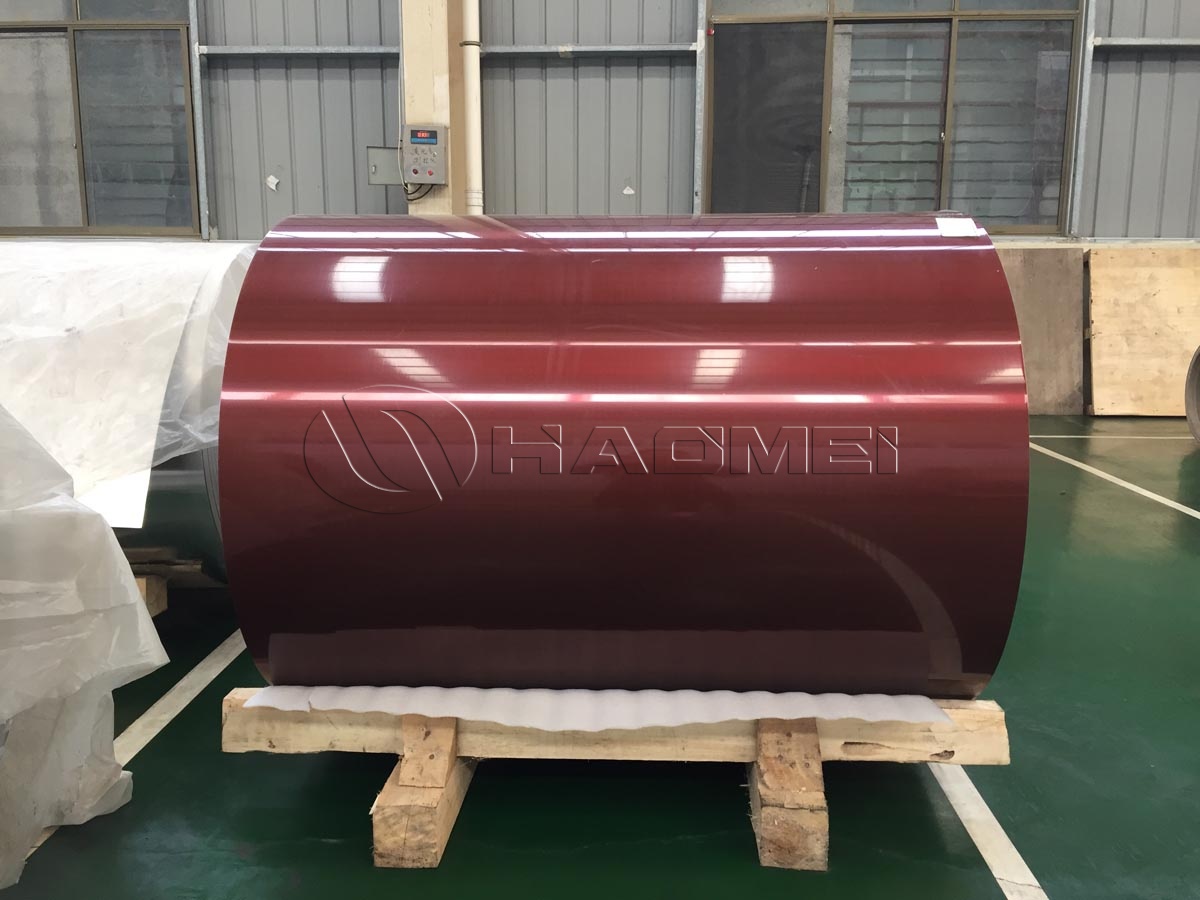
3003 H26 color coated aluminum coil is widely positioned as a corrosion-resistant, formable, and decorative pre-painted aluminum material for building envelopes and light industrial fabrication. It is commonly used in roofing sheets, wall cladding, ceilings, rainwater systems, insulation jacketing, fascia, shutters, and roll-formed trim components. For projects that require a balance between strength, flatness, coating adhesion, and outdoor durability, 3003 H26 remains one of the most frequently specified grades in the color-coated aluminum coil segment.
Why 3003 H26 is widely used in color coated aluminum coil
Alloy 3003 belongs to the Al-Mn series. Compared with commercially pure aluminum grades, it offers improved mechanical strength while maintaining good workability and corrosion resistance. The H26 temper indicates strain hardening followed by partial annealing, giving the coil a practical combination of rigidity and forming performance.
In color coating applications, this balance is important because the substrate must not only support paint adhesion and surface appearance, but also withstand slitting, roll forming, bending, stamping, and installation without excessive cracking or waviness.
Typical advantages of 3003 H26 aluminum coil include:
Good atmospheric corrosion resistance
Better strength than 1xxx series aluminum
Stable performance in roll forming and profiling
Good surface suitability for PE and PVDF coating systems
Favorable flatness for architectural panels and ceiling products
Broad usability in both indoor and outdoor decorative applications
For many architectural and industrial customers, 3003 Color Coated Aluminum Coil is selected when a project needs a more robust substrate than 1050 or 1060, but does not require the higher cost of certain 5xxx series alloys.
Core specifications of 3003 H26 color coated aluminum coil
Core Specification Table
| Item | Typical Range / Option |
|---|---|
| Alloy | 3003 |
| Temper | H26 |
| Base metal thickness | 0.20 mm - 1.50 mm |
| Common width | 30 mm - 1600 mm |
| Coil inner diameter | 405 mm, 505 mm, 508 mm, 610 mm |
| Coating type | PE, SMP, HDP, PVDF |
| Top coating thickness | 12-35 μm |
| Back coating thickness | 5-15 μm |
| Surface finish | Solid color, matte, high gloss, embossed, patterned |
| Color standard | RAL, Pantone, custom sample matching |
| Gloss | Typically 10-90 GU |
| Adhesion | Usually 0T-1T depending on system and thickness |
| Impact resistance | Based on coating system and application requirement |
| Typical standards | ASTM, EN, GB, customer specification |
| Main applications | Roofing, cladding, ceilings, gutters, trim, insulation jacketing |
The exact specification depends on end use. Roofing and facade products typically require stricter control of coating weatherability, color consistency, pencil hardness, T-bend performance, and salt spray resistance. Interior ceiling systems often focus more on appearance, gloss uniformity, and formability.
Coating systems used on 3003 H26 aluminum coil
The performance of a color coated coil depends not only on the alloy and temper, but also on pretreatment quality and the selected paint system.
PE coating
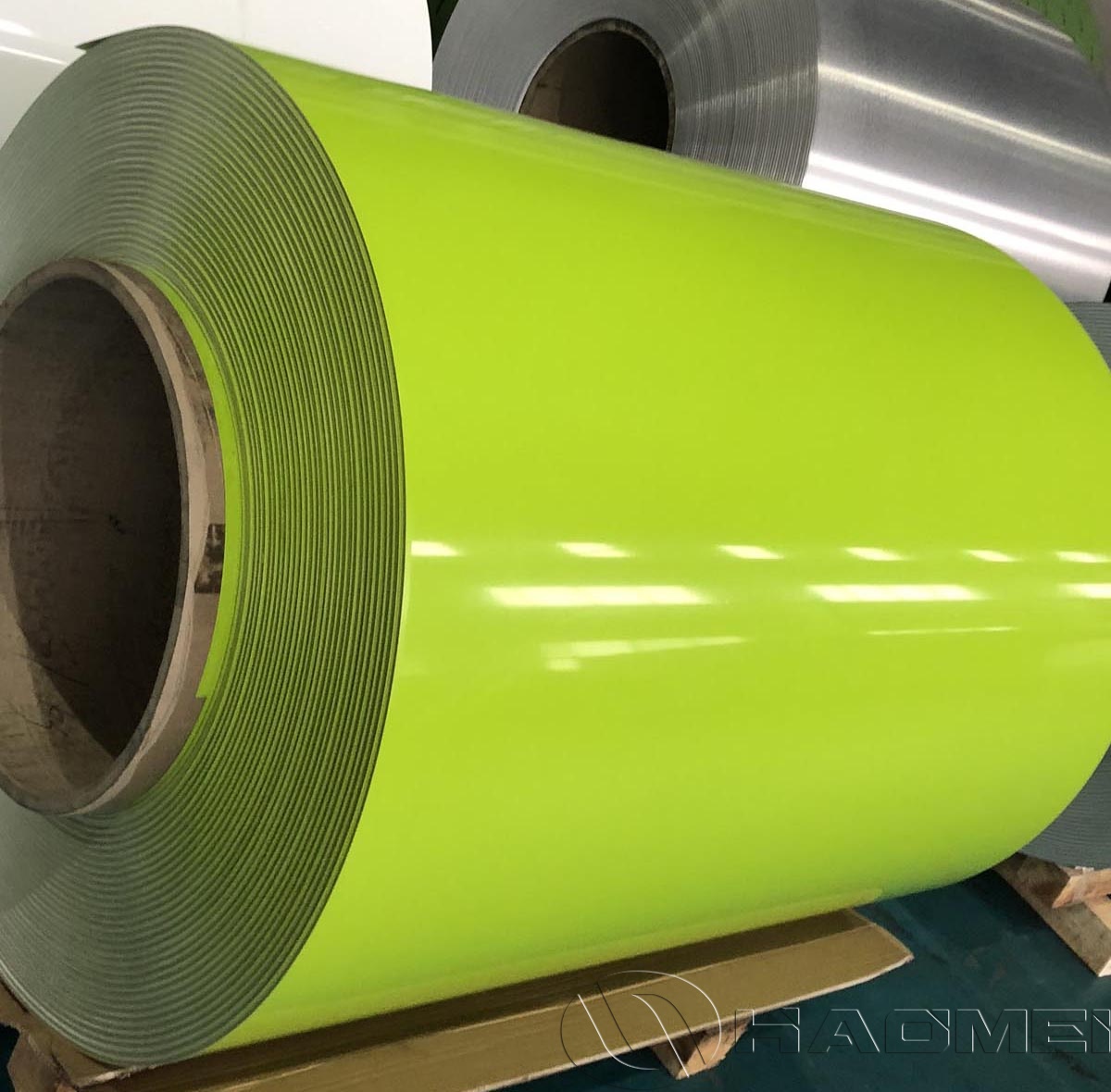
PE coated aluminum coil is commonly used for interior decoration and mild outdoor environments. It provides good flexibility, broad color selection, and cost-effective decorative performance. For ceiling panels, interior wall systems, signboards, and short-to-medium service life applications, PE remains a widely used option.
In related applications, PE Coated Aluminum Coil is often chosen where forming performance and economic efficiency are primary considerations.
PVDF coating
PVDF coated aluminum coil is preferred for exterior applications with higher weatherability requirements. It offers better UV resistance, color retention, chalk resistance, and long-term durability under sunlight, humidity, and industrial or coastal exposure.
For curtain walls, roofing, facade panels, canopies, and outdoor ceilings, PVDF systems are frequently specified. A typical PVDF Coated Aluminum Coil structure can support long service life when substrate quality, pretreatment, and curing control are well matched.
Substrate structure and manufacturing logic
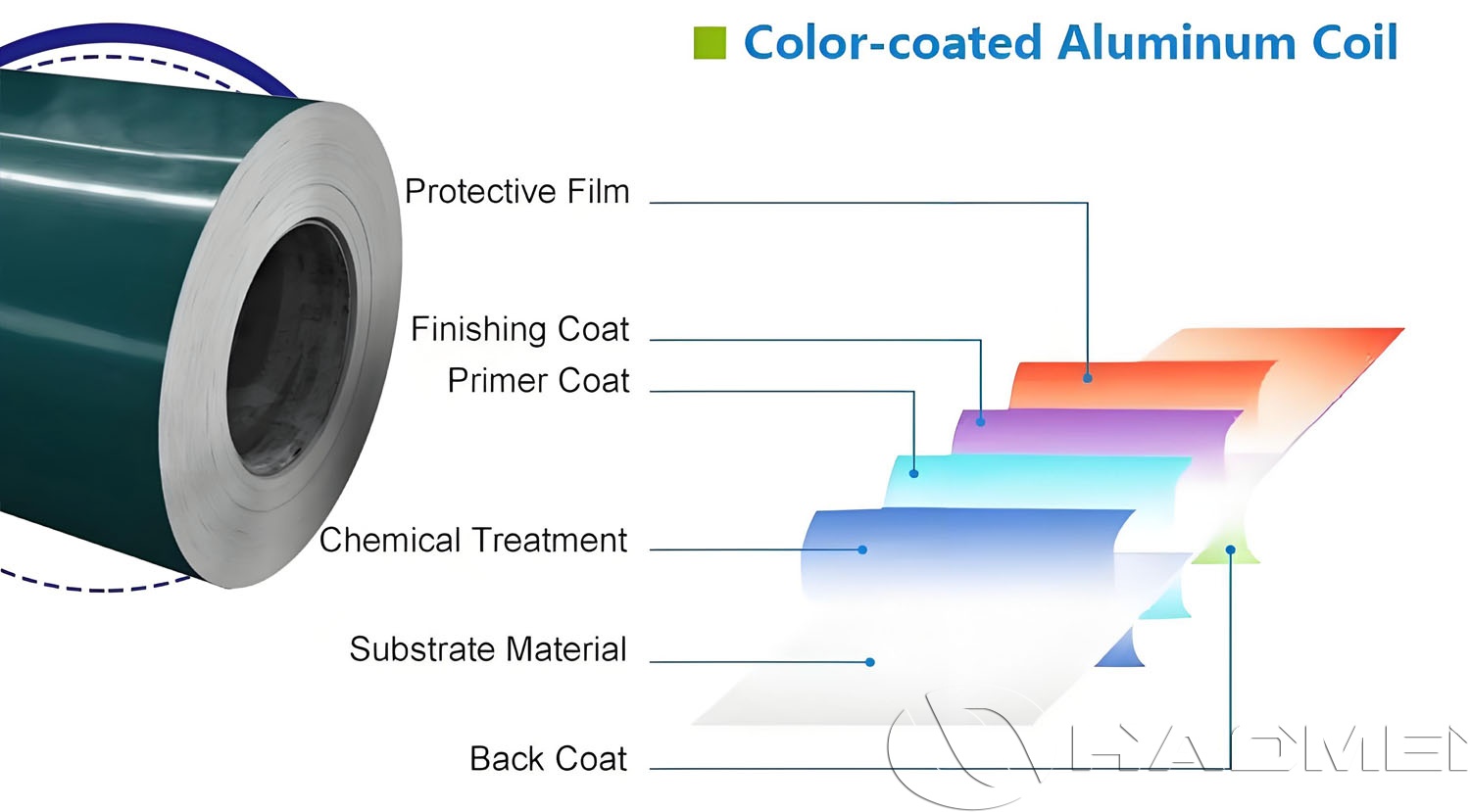
Color coated aluminum coil is not simply painted metal. Its performance is built through a continuous coil coating process, where each layer contributes to final durability.
A typical structure includes:
Aluminum substrate: 3003 H26
Chemical pretreatment layer
Primer coating
Top coating
Back coating or service coating
Pretreatment quality is especially important. Even a high-grade paint system can underperform if cleaning, degreasing, conversion coating, or drying stages are unstable. For official website product positioning, reliable suppliers are generally distinguished by their control over:
Incoming coil surface cleanliness
Thickness tolerance consistency
Coating line speed and curing window
Color deviation between batches
Adhesion and bend test results
Packaging and transport protection
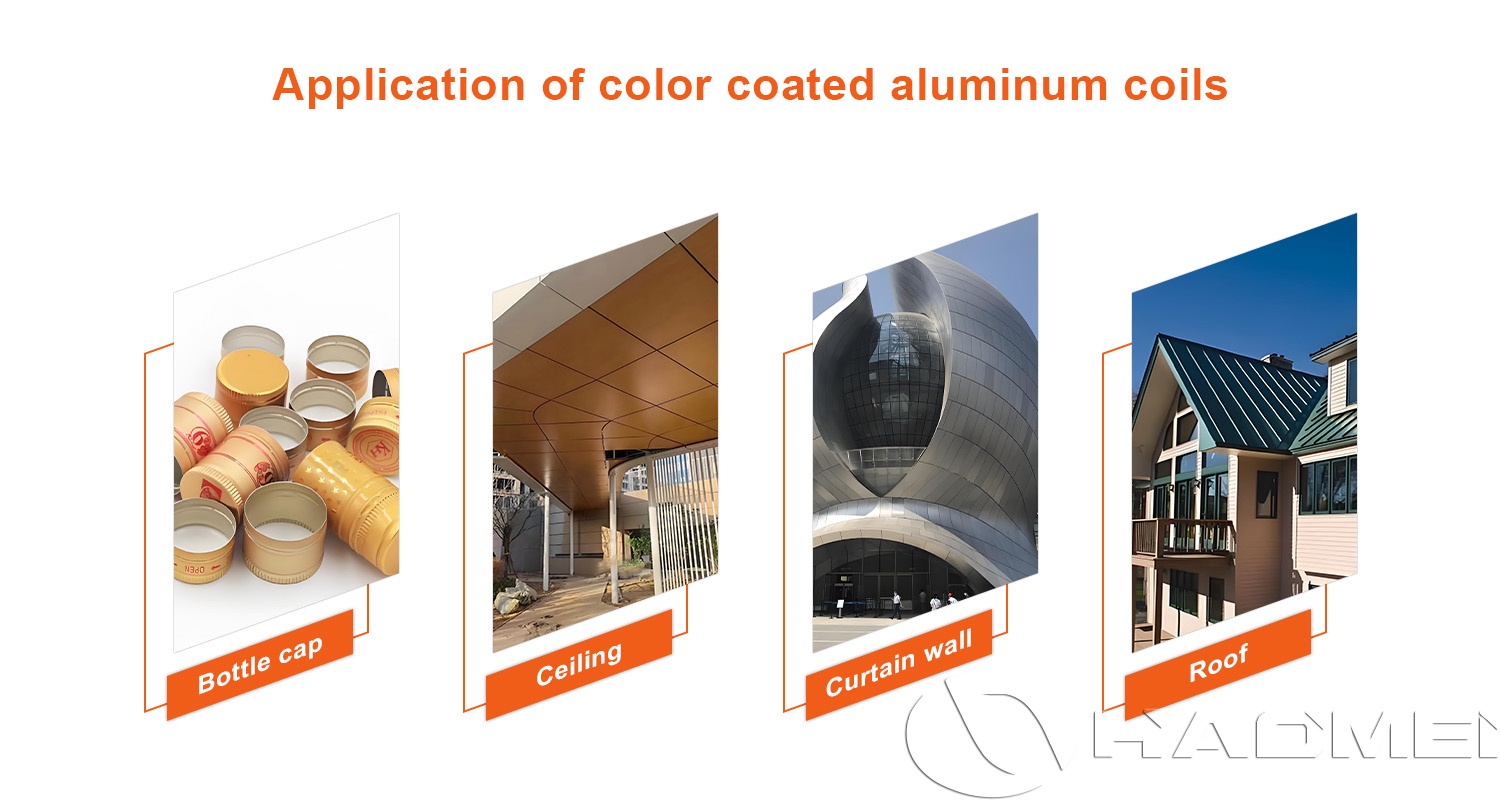
Common applications of 3003 H26 color coated aluminum coil
Because 3003 H26 combines moderate strength with good decorative coating compatibility, it is used in a wide range of fabricated products.
Roofing and wall cladding
This is one of the most common uses. The material can be roll formed into trapezoidal roofing sheets, corrugated profiles, standing seam panels, and wall cladding systems. In these applications, coating weatherability and forming resistance are both critical.
Ceilings and suspended systems
For clip-in ceilings, lay-in panels, baffle ceilings, and linear ceiling systems, the coil needs stable flatness, uniform color, and clean slit edges. 3003 H26 performs well in these requirements, especially when panel rigidity is needed.
Rainwater goods and trim
Gutters, downspout accessories, fascia covers, flashing, and edge trims often use pre-painted 3003 because it offers a practical balance of corrosion resistance and profile stability.
Insulation jacketing
Color coated aluminum coil can also be used for exterior protective jacketing around pipelines, tanks, and equipment, where appearance and environmental resistance are both relevant.
Shutters, doors, and light industrial panels
Its combination of paintability and workability supports use in roller shutter slats, appliance housings, decorative covers, and partition systems.
What differentiates suppliers of 3003 H26 color coated aluminum coil
When discussing 3003 H26 color coated aluminum coil suppliers, the differentiating factors are usually technical rather than purely commercial. A qualified supplier is generally assessed by how consistently the material performs in downstream fabrication and actual service environments.
Important evaluation points include:
Base coil quality
The stability of the 3003 substrate directly affects flatness, edge quality, coating appearance, and forming performance. Tight control of thickness tolerance and alloy consistency helps reduce panel deformation and coating defects.
Pretreatment capability
Pretreatment determines whether the paint system can achieve reliable adhesion and corrosion resistance. In architectural-grade coil, this step is one of the key indicators of manufacturing level.
Coating system matching
Different environments need different paint systems. Interior ceiling material may use PE, while exterior facade systems often require PVDF. Suppliers with strong technical capability usually provide coating selection based on substrate thickness, forming radius, exposure level, gloss target, and expected service life.
Color consistency
For projects involving multiple batches, lot-to-lot color stability is essential. This is especially important for facade panels and visible roofing systems, where ΔE variation must remain controlled.
Processing adaptability
A good coil should perform well after slitting, bending, stamping, and roll forming. Coating hardness that is too high may cause cracking; if too low, the surface may scratch easily. The right balance depends on actual fabrication methods.
Protective packaging
Moisture-proof packing, edge protection, and proper palletization help reduce transit damage, telescoping, abrasion, and water staining.
Technical considerations in specification selection
For 3003 H26 pre-painted aluminum coil, the specification is usually determined by end product design.
Thickness selection
0.20-0.40 mm: light ceiling panels, insulation cladding, trim
0.40-0.70 mm: roofing sheets, wall panels, gutters
0.70-1.20 mm: facade elements, shutter components, industrial decorative panels
Above 1.20 mm: special structural decorative applications
Coating thickness selection
Standard interior PE systems often use relatively thinner top coats
Exterior PE systems require improved UV and chalk resistance
PVDF systems commonly use higher-performance outdoor coating builds
Gloss and color selection
Matte, low gloss, and standard gloss finishes are all available depending on visual design requirements. RAL colors are widely used, while custom sample matching is often required for branded architecture and industrial products.
Forming requirement
If the finished product involves small bending radii or aggressive roll forming, coating flexibility and substrate temper compatibility must be checked carefully. H26 offers more rigidity than softer tempers, so profile design and bend radius should be matched accordingly.
Typical standards and quality checks
In official website technical communication, suppliers often reference performance items rather than only nominal dimensions. Common tests and controls include:
Coating thickness measurement
Gloss measurement
Color difference control
T-bend test
Pencil hardness
MEK solvent resistance
Impact resistance
Salt spray resistance
Boiling water resistance
Cross-hatch or peel adhesion test
For exterior-grade material, weather resistance is one of the most important parameters. This is especially true for PVDF systems used in roofing and facade applications exposed to UV radiation and moisture over long periods.
3003 H26 compared with other common tempers
Although H26 is common, some projects may also refer to H24 or H14 depending on fabrication requirements.
H14: softer, easier to form, suitable for deeper or more complex forming
H24: moderate strength and moderate formability
H26: higher hardness and better panel rigidity, often used where profile stability matters more
The right temper depends on whether the product prioritizes deep forming, stiffness, dent resistance, or roll-forming stability.
Summary of product positioning
In the color-coated aluminum market, 3003 H26 color coated aluminum coil is positioned as a practical medium-strength architectural and industrial substrate with strong adaptability to PE and PVDF paint systems. It bridges the gap between softer 1xxx series materials and higher-strength 5xxx series alloys, making it especially suitable for roofing, cladding, ceilings, trims, shutters, and related pre-painted fabrication fields.
Its market relevance remains strong because it combines stable processing behavior, decorative surface quality, corrosion resistance, and broad specification flexibility in one widely accepted alloy-temper combination.
-
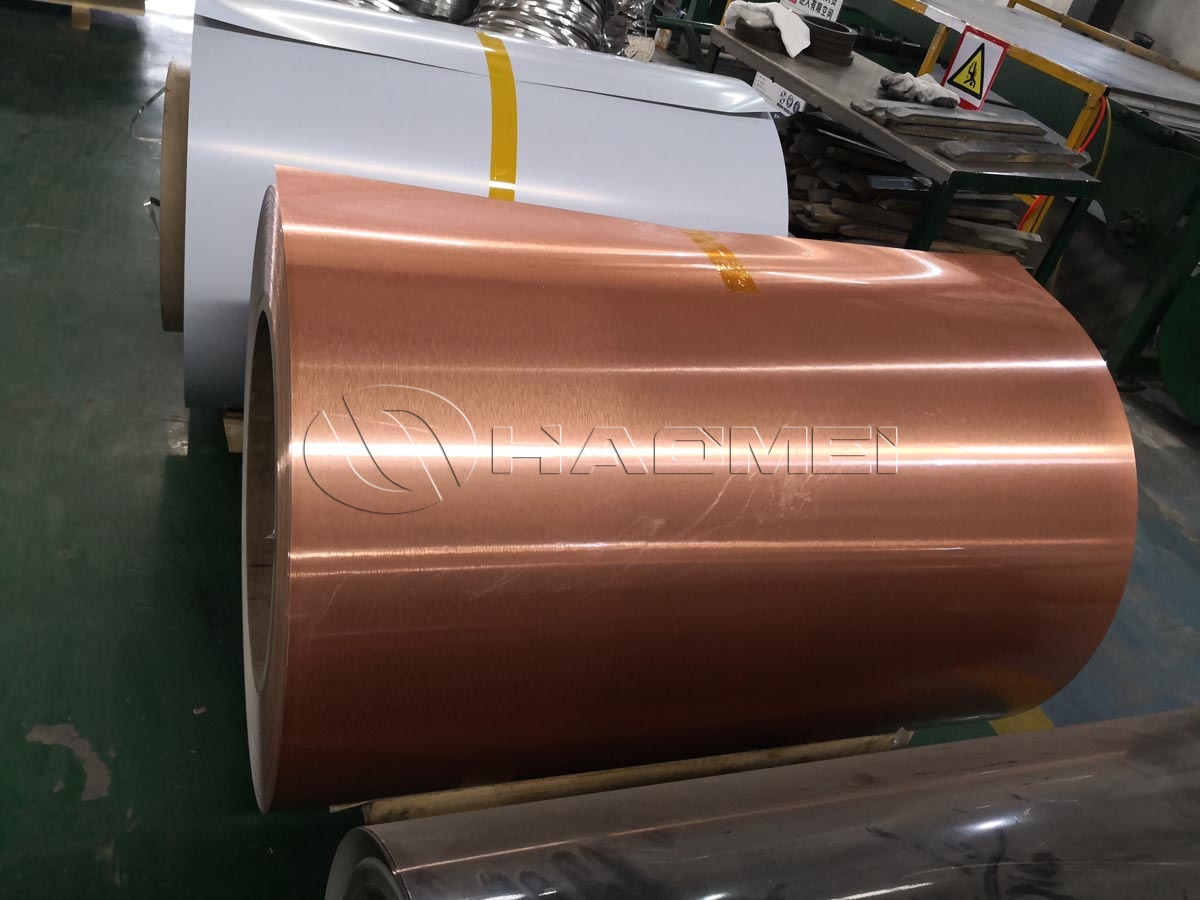
Matte Finish 1000 Series Color Coated Aluminum
Matte finish 1000 series color coated aluminum coil with PE/PVDF options, clean forming, and stable color for trim, ceilings, and lightweight panels.
2026-01-20
-
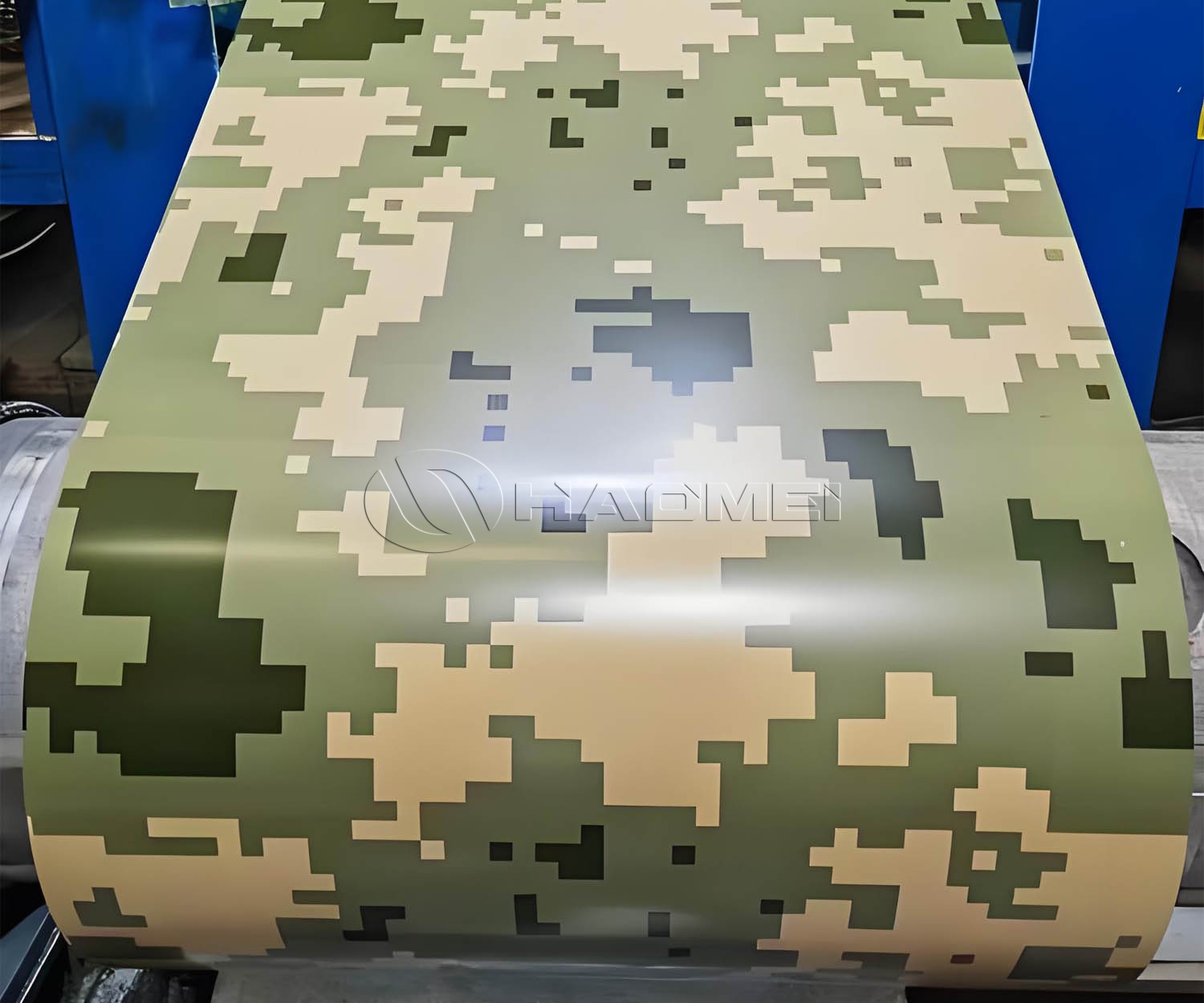
Camouflage-Coated Aluminum Coils for Marine Exteriors
Technical overview of marine camouflage-coated aluminum coils, covering alloys, PVDF coating systems, specifications, and exterior durability for ships.
2026-06-30
-
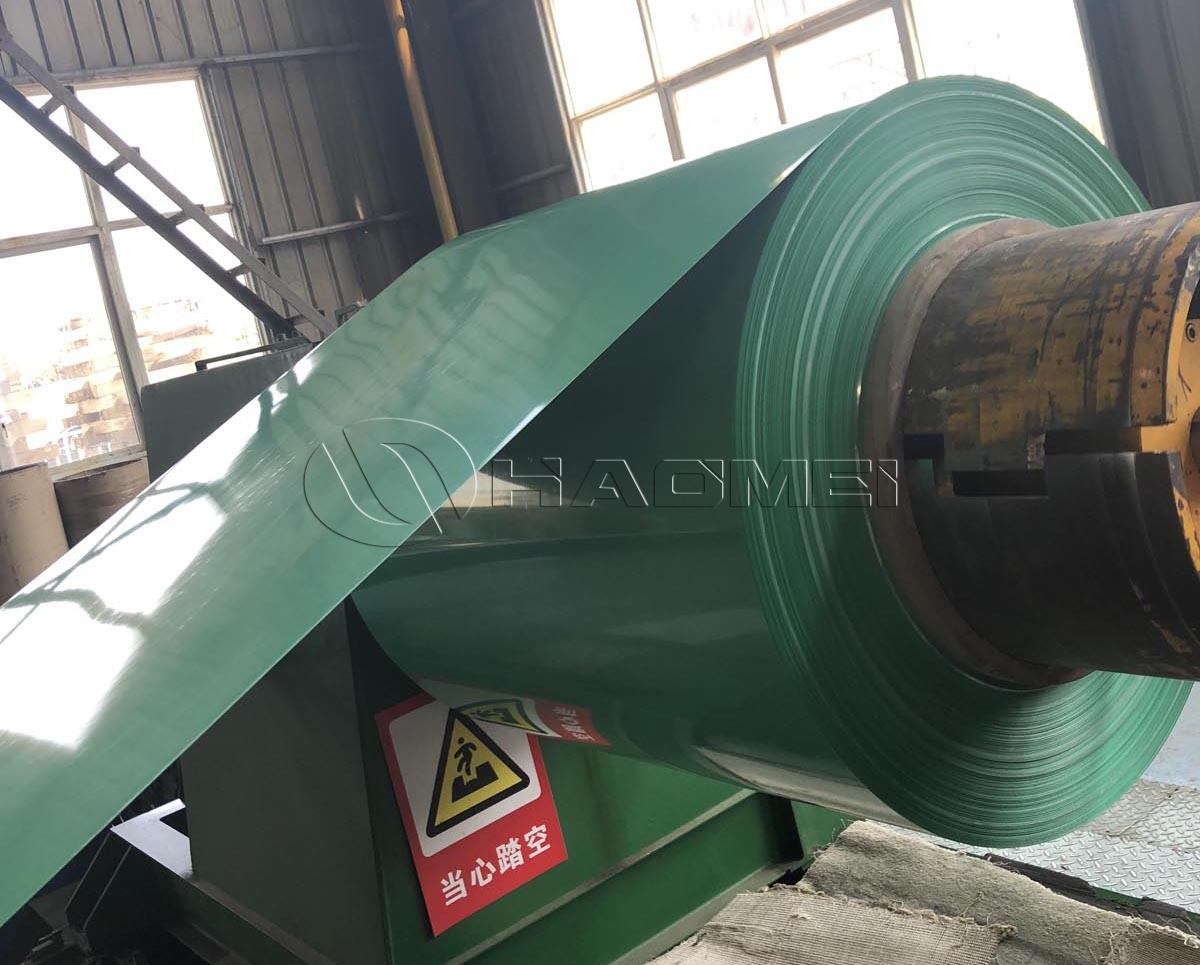
Color Coated 1100 Aluminum Coil for Rain Gutters
Color coated 1100 aluminum coil for rain gutters offers good formability, stable coating performance, and clean appearance in PE and PVDF systems.
2026-03-20
Contact Directly
-

ADD: No.14 Waihuan Road, CBD, Zhengzhou, China
-

WhatsApp: +86-18703635966
-

E-MAIL: sales@alummc.com