

News
 By Hermione
3003 Color Coated Aluminum Coil Coating Thickness
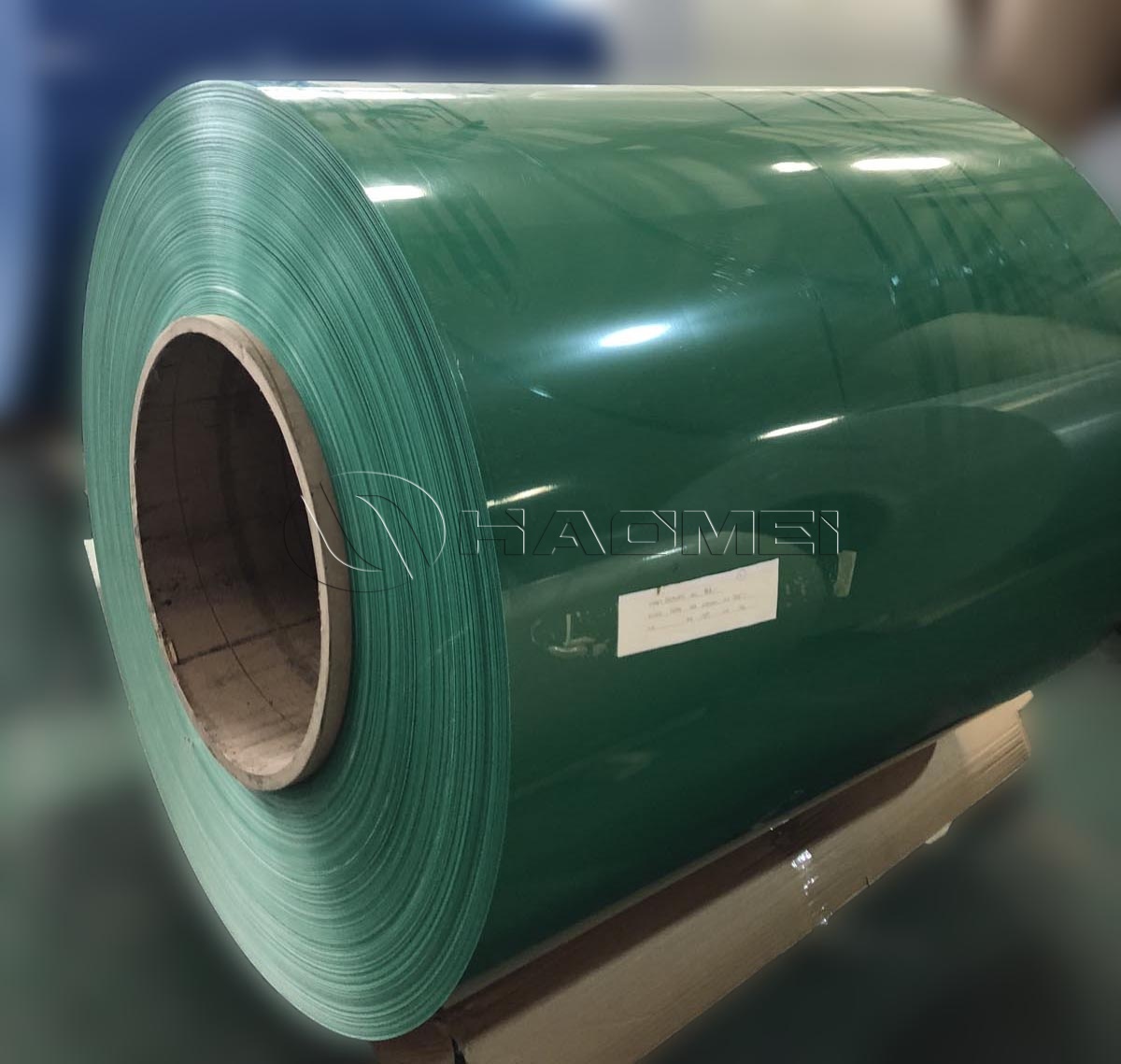
3003 color coated aluminum coil is widely positioned as a versatile prepainted aluminum material for building envelopes, interior decoration, roofing, ceilings, rainwater systems, insulation cladding, and general industrial panels. It combines the good formability and corrosion resistance of 3003 alloy with an organic coating system that provides color stability, surface protection, and processing adaptability. In practical applications, coating thickness is one of the most important technical parameters because it directly affects durability, weather resistance, appearance consistency, and the suitability of the coil for indoor or outdoor use.
Why coating thickness matters for 3003 color coated aluminum coil
For prepainted aluminum, coating thickness is not simply a paint value. It is part of the full surface engineering system, usually including chemical pretreatment, primer, and topcoat, with an optional backside protective coating. A suitable thickness helps achieve several functions:
improved resistance to UV exposure and moisture
better barrier protection against atmospheric corrosion
more stable color and gloss retention
reduced risk of premature chalking or film failure
better tolerance during roll forming, bending, and stamping
If the coating is too thin, the service life may be shortened, especially in exterior applications. If it is excessively thick without proper formulation control, flexibility and adhesion can be affected, increasing the risk of cracking during fabrication. Therefore, the correct coating thickness must match the end-use environment and coating type.
Typical coating structure on 3003 alloy coil
A standard color-coated 3003 coil usually consists of the following layers:
aluminum substrate, commonly 3003 H14, H24, or similar temper
degreasing and chemical pretreatment layer
primer coating
topcoat such as PE or PVDF
backside coating, if required by the application
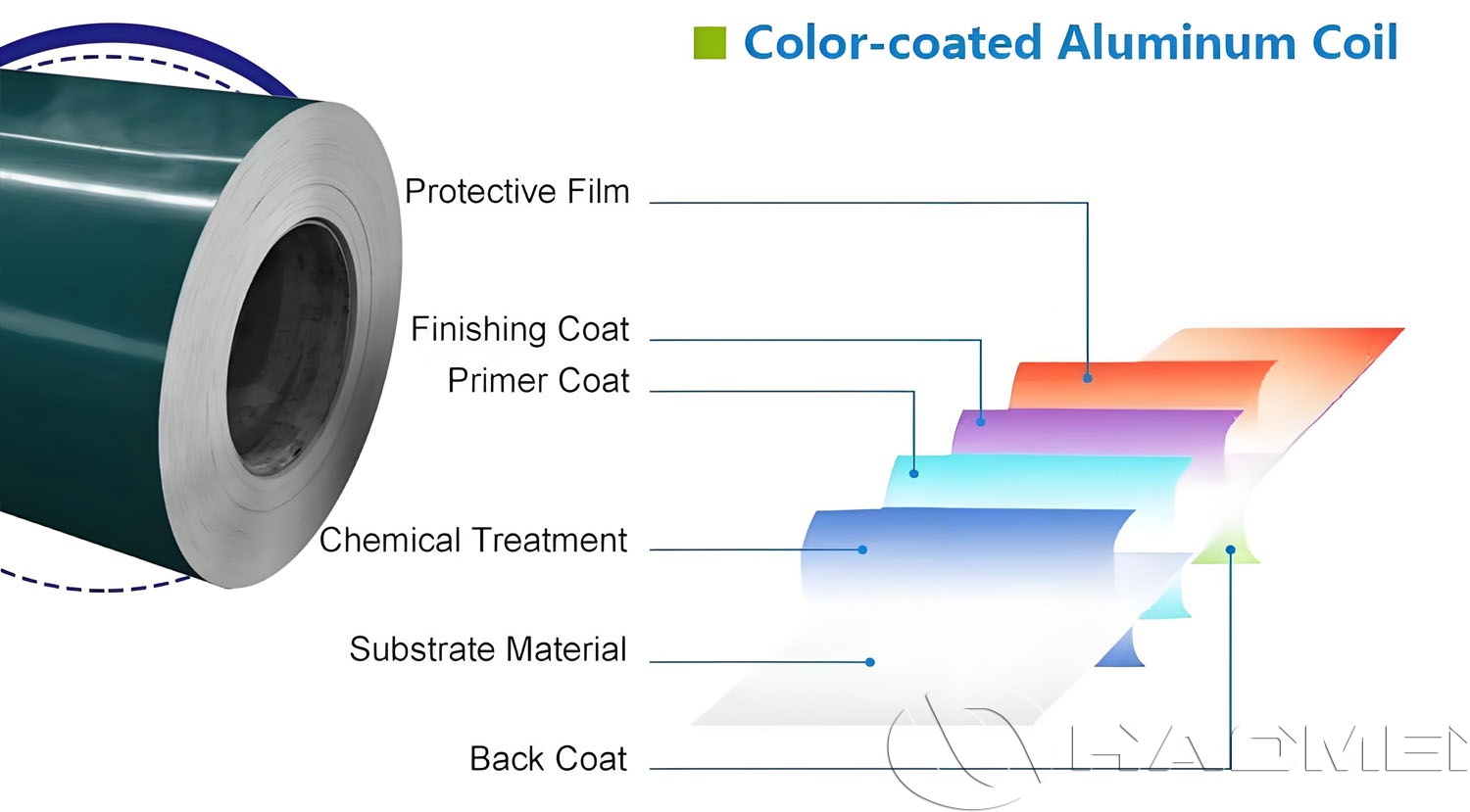
In commercial specifications, the top surface coating may be described by total dry film thickness, such as 16 microns, 18 microns, 20 microns, 25 microns, or higher. For high-weather-resistance architectural use, thicker and more durable systems are often selected.
Common coating thickness ranges
The actual specification depends on the resin system, application environment, and project life expectations. Typical market ranges for 3003 color coated aluminum coil coating thickness are as follows:
PE coating: usually 14-18 microns for standard interior or light exterior use
High-durability PE: around 18-20 microns for improved appearance retention
PVDF coating: commonly 25 microns total top coating for exterior architectural applications
Back coating: often 5-10 microns, depending on whether decorative or protective performance is required
For some projects, the specification is written as primer plus topcoat, for example:
5 + 15 microns
5 + 18 microns
7 + 18 microns
10 + 15 microns
In these expressions, the first number usually refers to primer thickness and the second to topcoat thickness on the exposed side.
Core Specifications of 3003 Color Coated Aluminum Coil
| Item | Typical Range / Option |
|---|---|
| Alloy | 3003 |
| Temper | H14, H24, H16, H18 |
| Base metal thickness | 0.20-1.20 mm |
| Coil width | 30-1600 mm |
| Top coating type | PE, HDPE, PVDF |
| Top coating thickness | 14-25 microns typical |
| Back coating thickness | 5-10 microns typical |
| Gloss | 10-90 GU, customizable |
| Color system | RAL, Pantone, custom colors |
| Surface finish | Solid color, matte, high gloss, embossed, patterned |
| Adhesion | Usually 0 grade or equivalent after proper processing |
| Typical applications | Roofing, facade panels, ceilings, gutters, insulation jacketing |
PE and PVDF thickness selection logic
The most common coating systems for 3003 alloy are PE Coated Aluminum Coil and PVDF Coated Aluminum Coil. Their thickness requirements differ because the resin systems are designed for different service conditions.
PE coating
PE is widely used where cost efficiency, decorative appearance, and good processability are priorities. It is suitable for indoor ceilings, partitions, appliance panels, signage, and some mild outdoor environments. Typical coating thickness is around 14-18 microns on the exposed side.
Technical characteristics:
good flexibility and forming performance
broad color selection
economical solution for interior and short-to-medium outdoor service
moderate weather resistance compared with PVDF
PVDF coating
PVDF is preferred for more demanding outdoor applications such as facades, curtain wall panels, roofing, canopies, and industrial exterior cladding. A typical exposed-side thickness is 25 microns, although project specifications may vary.
Technical characteristics:
excellent weather resistance
strong UV stability
better chalking and fading resistance
long-term surface performance in harsh climates
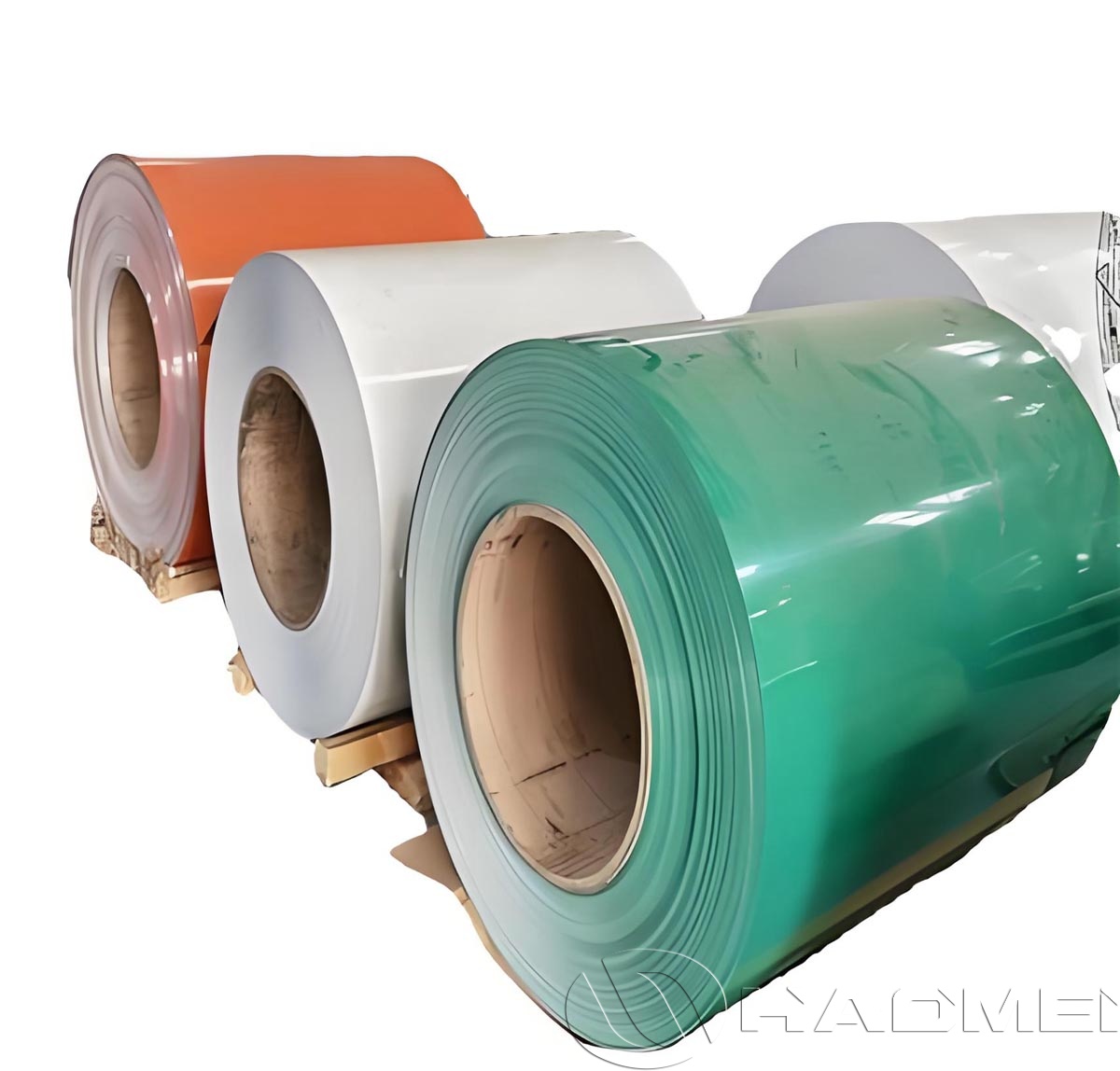
When discussing coating thickness, it is important to understand that the same nominal thickness may not produce identical field performance if resin quality, pigment selection, curing conditions, and pretreatment quality differ.
Why 3003 alloy is commonly used
Among color-coated aluminum substrates, 3003 aluminum alloy is one of the most commonly used grades. It belongs to the Al-Mn series and offers a balanced combination of mechanical strength, corrosion resistance, and workability.
Main features of 3003 alloy:
higher strength than 1000 series commercial pure aluminum
good bending and roll-forming performance
good atmospheric corrosion resistance
suitable for roofing sheets, ceiling strips, corrugated panels, and decorative panels
stable substrate choice for continuous coil coating lines
Because of these properties, 3003 Color Coated Aluminum Coil is often selected for building and industrial uses where both formability and service durability are required.
Coating thickness and application matching
Different applications require different coating strategies. The following matching logic is common in production and project specification.
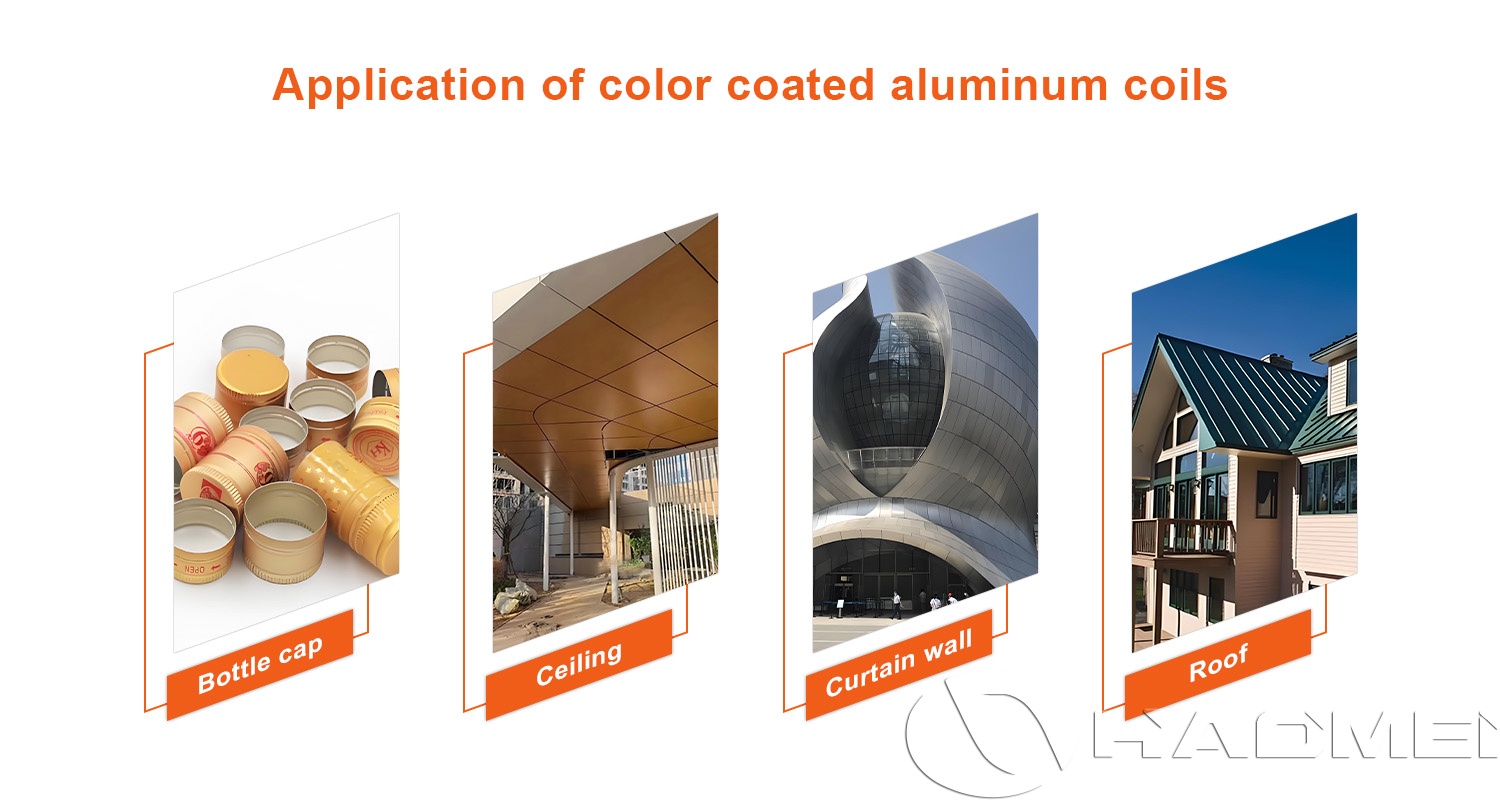
Interior ceilings and wall panels
Recommended range:
PE coating 14-18 microns
backside coating 5-7 microns
Reason:
Indoor environments have lower UV exposure and less severe corrosion risk, so medium coating thickness is usually sufficient while maintaining economy and good appearance.
Roofing and exterior cladding
Recommended range:
PE coating 18-20 microns for basic exterior use
PVDF coating around 25 microns for higher weather resistance
Reason:
Outdoor exposure involves sunlight, rain, thermal cycling, and pollutants. A thicker and more weather-resistant coating provides longer service stability.
Facade and curtain wall panels
Recommended range:
PVDF 25 microns or project-specified high-performance system
Reason:
Architectural facades require long-term color retention, resistance to chalking, and consistent decorative quality. In these applications, coating type and curing quality are just as important as nominal thickness.
Rainwater goods, gutters, and downpipes
Recommended range:
PE 18 microns or PVDF 25 microns depending on climate and project grade
Reason:
These products are continuously exposed to water, dirt, and outdoor aging, so a robust coating system improves long-term reliability.
Key factors behind actual measured thickness
In manufacturing, coating thickness is influenced by more than one setting on the line. Important factors include:
roll coater gap and coating pick-up
coating viscosity and solids content
line speed
curing oven temperature profile
primer and topcoat formulation
substrate surface cleanliness and pretreatment uniformity
For this reason, stable thickness control depends on the full coil-coating process rather than only the paint itself. In quality control, dry film thickness is usually checked by standardized methods at multiple positions across the coil width to ensure uniformity.
Thickness tolerance and performance balance
A technically sound specification should balance the following:
design life of the project
fabrication method after coating
bend radius and forming severity
indoor or outdoor exposure
local climate, humidity, salinity, and industrial pollution
cost and appearance requirements
A thicker film does not automatically mean better performance in every case. If post-forming deformation is severe, coating flexibility and adhesion are critical. For deep bending, louver forming, or tight roll forming, the coating system must be designed to resist cracking while still achieving the target thickness.
Practical specification examples for 3003 color coated aluminum coil
Common examples seen in the market include:
0.30 mm 3003 aluminum with PE 16 microns top / 5 microns back for ceiling use
0.50 mm 3003 aluminum with PE 18 microns top / 7 microns back for rainwater products
0.70 mm 3003 aluminum with PVDF 25 microns top / 7 microns back for exterior cladding
1.00 mm 3003 aluminum with PVDF architectural system for facade panel processing
These examples show that coating thickness should always be considered together with substrate thickness, alloy temper, and final processing method.
Surface quality considerations linked to coating thickness
The expected appearance of a prepainted coil is also related to film build. A controlled thickness helps maintain:
better hiding power over the metal substrate
more uniform gloss
improved color consistency between batches
reduced orange peel or flow marks when process parameters are stable
For premium architectural applications, the coating system is typically assessed not only by thickness but also by adhesion, pencil hardness, impact resistance, T-bend performance, solvent resistance, gloss retention, and accelerated weathering results.
Summary of technical understanding
For 3003 color coated aluminum coil, the most commonly used exposed-side coating thickness falls in the range of 14-25 microns, with PE generally used for interior and standard decorative applications and PVDF preferred for long-term exterior service. The choice of thickness should be based on environment, design life, fabrication requirements, and coating chemistry. At the same time, the substrate alloy matters: 3003 remains a mainstream option because of its balanced strength, corrosion resistance, and forming performance, while 1000, 3004, 3105, and 5000 series alloys are selected for different structural and service demands.
-
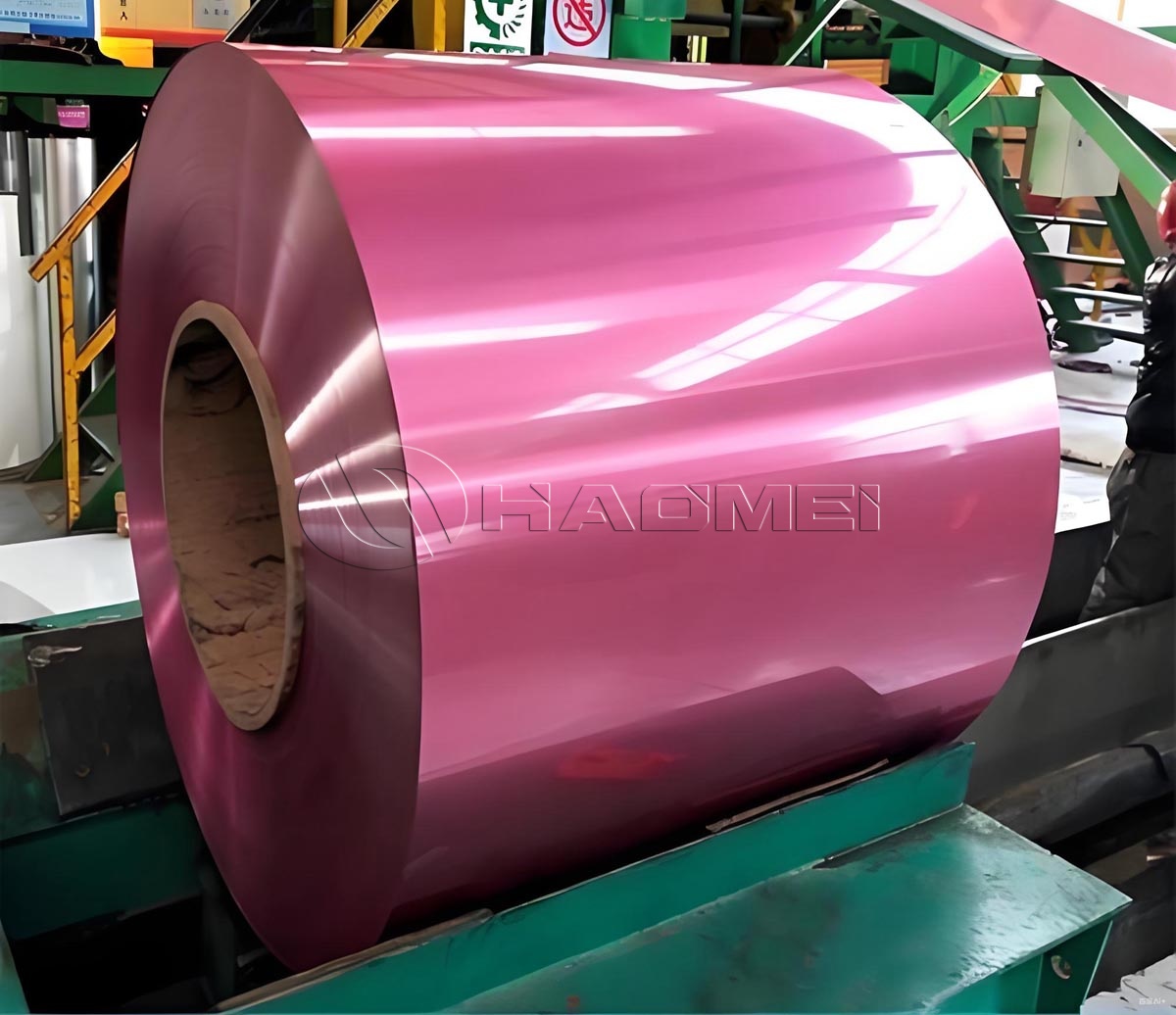
PE Coated Aluminum Coil for Cold Storage Panels
PE coated aluminum coil for cold storage panels combines a smooth, hygienic finish, corrosion resistance, formability, and stable panel-facing performance.
2026-09-08
-
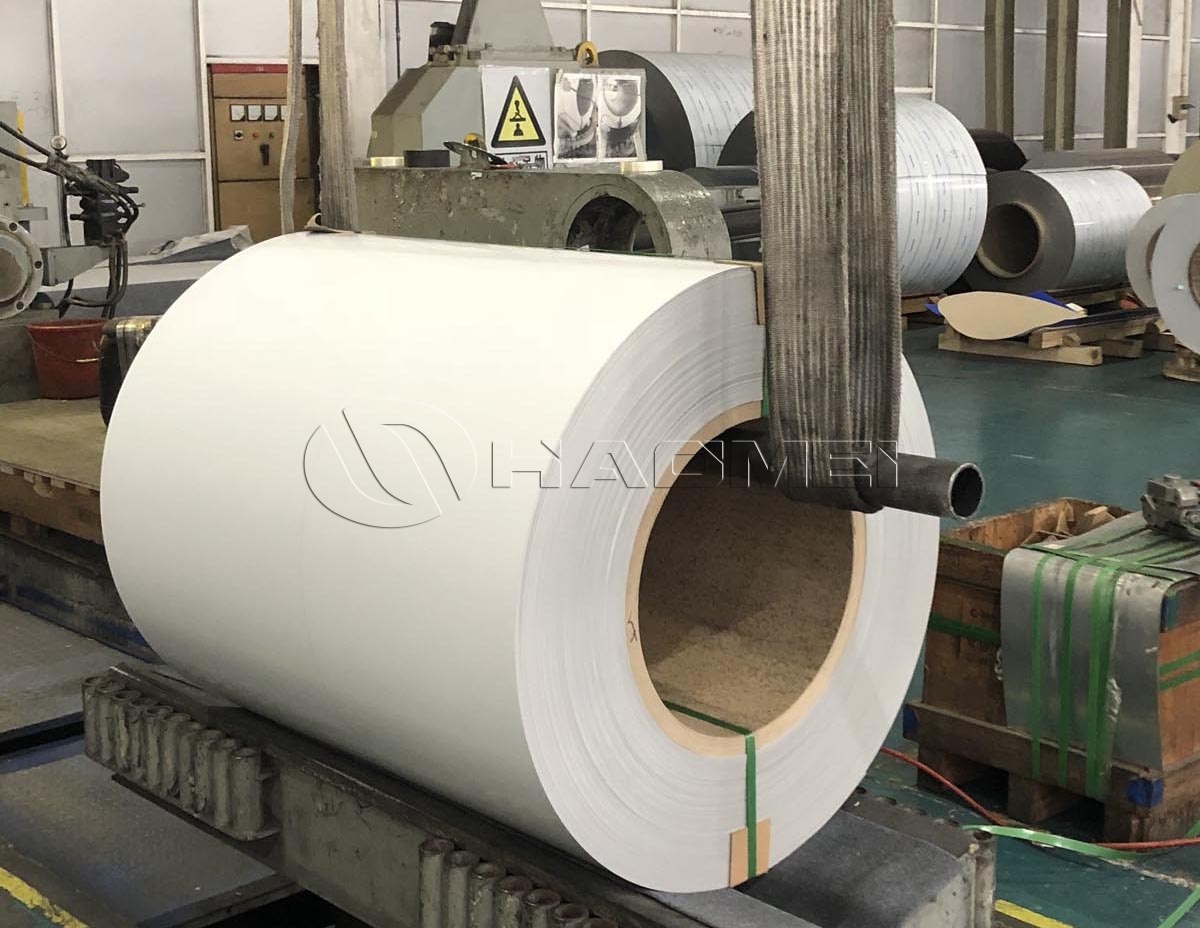
5000 Series Color Coated Aluminum Coil for Roofing
Explore 5000 series color coated aluminum coil for roofing, including 5005, 5052, and 5754 alloys, coating systems, specs, and roofing performance.
2026-04-02
-
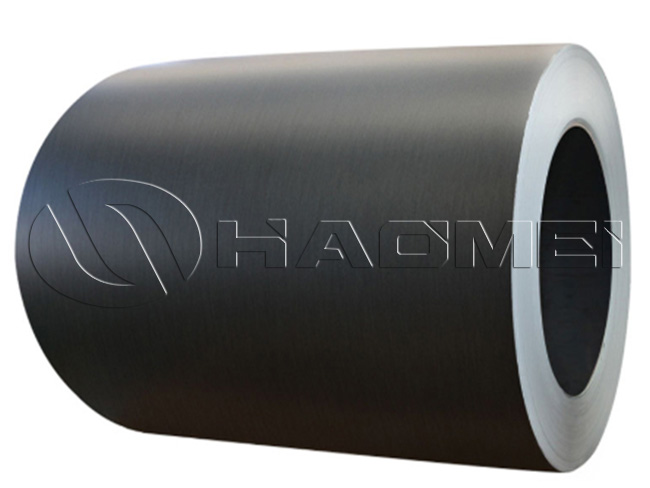
Double-Sided Color Coated Aluminum Coil
Double-sided color coated aluminum coil uses PE or PVDF coating systems, offering consistent color on both sides, excellent corrosion resistance, and strong weather resistance. It is widely used in architectural decoration and curtain wall systems.
2026-01-06
Contact Directly
-

ADD: No.14 Waihuan Road, CBD, Zhengzhou, China
-

WhatsApp: +86-18703635966
-

E-MAIL: sales@alummc.com