

News
 By Hermione
1060 H24 Color Coated Aluminum Coil For Sale
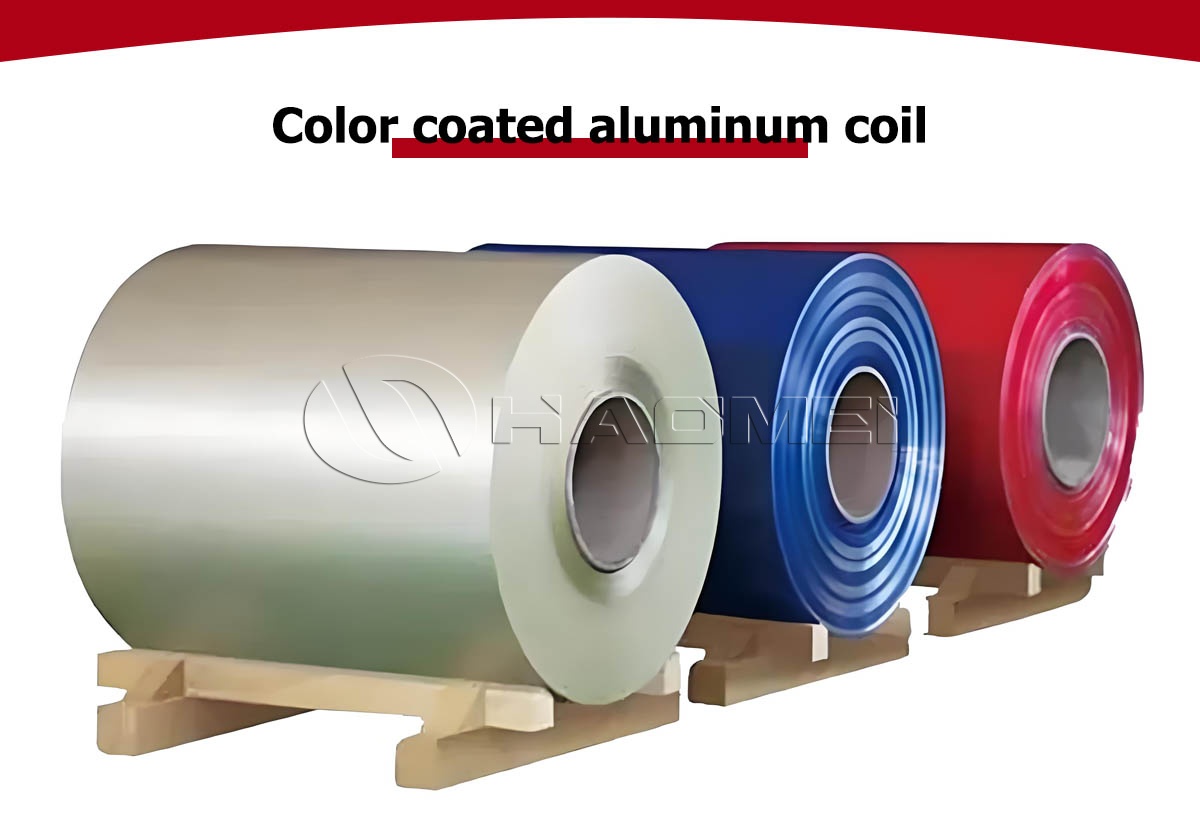
1060 H24 color coated aluminum coil is positioned as a cost-effective prepainted aluminum coil solution where low weight, reliable corrosion resistance, and consistent forming performance are required. It is widely used in architectural sheet metal such as roofing panels, wall cladding, ceilings, fascia, gutters, and decorative trims, as well as general enclosure panels where appearance and service life matter.
Why 1060 H24 works well for prepainted coil applications
Alloy 1060 is a 1xxx series aluminum with high aluminum content, valued for its inherent corrosion resistance and stable surface quality for coating. The H24 temper indicates a strain-hardened and partially annealed condition, balancing strength and ductility. In practical fabrication, this temper is often selected to reduce risks such as oil-canning, edge waviness after roll forming, or excessive soft deformation during handling, while still supporting bending, hemming, light drawing, and profiling.
From an engineering standpoint, the key is matching substrate behavior to the downstream forming route. For long-length roll-formed roofing and cladding, H24 improves shape retention versus softer tempers; for trim and flashings with tight bends, appropriate bend radius design and coating flexibility must be considered to avoid micro-cracking at the outer radius.
For projects that require a dedicated product page reference, this grade is available as 1060 Color Coated Aluminum Coil with configurable coating and geometry options.
Coating systems: selecting PE vs PVDF based on service environment
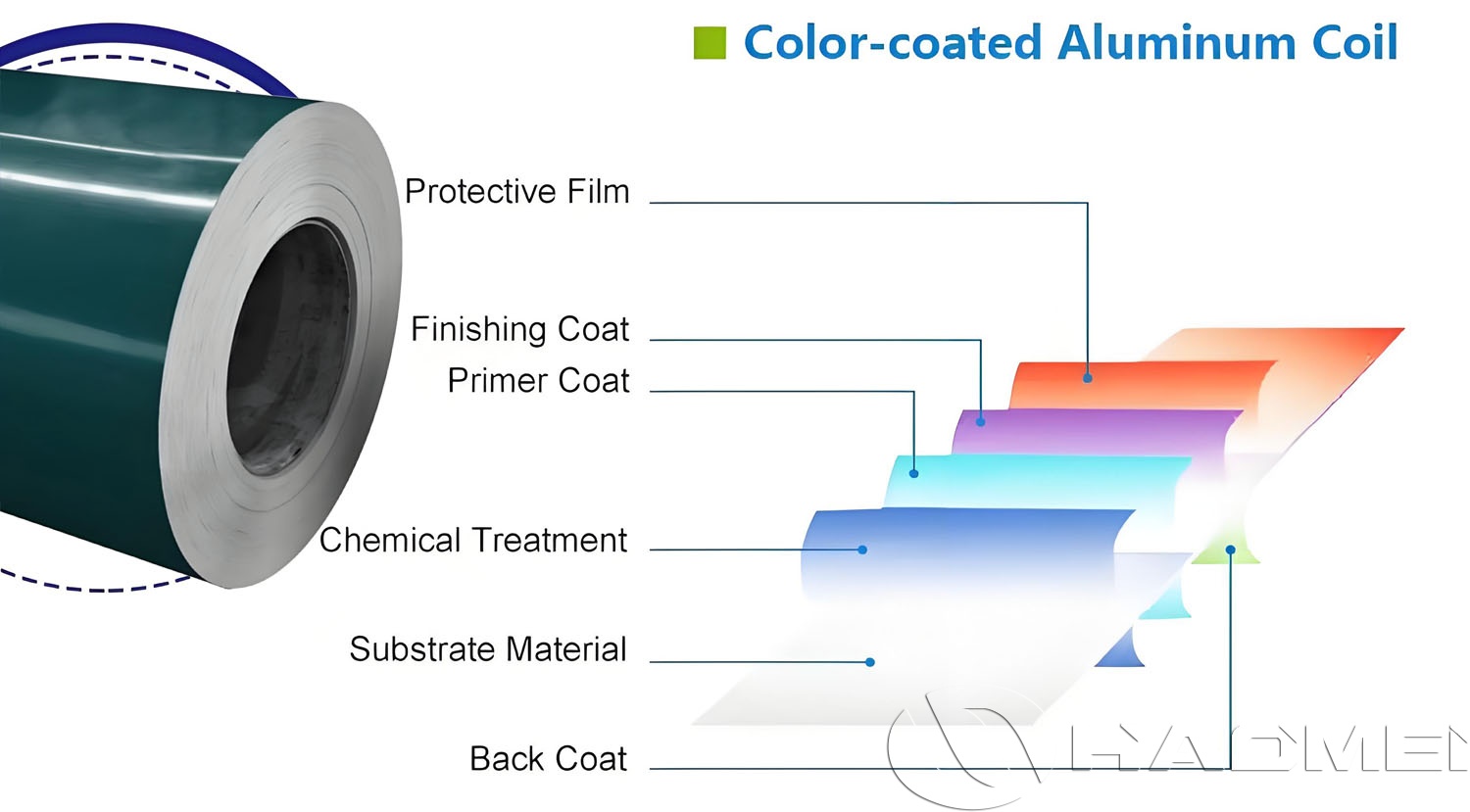
The performance of a 1060 H24 color coated aluminum coil is defined not only by the alloy, but by the full coil coating system: pretreatment, primer, topcoat, and back coat. A well-designed stack improves adhesion, corrosion resistance at cut edges, and color stability.
Pretreatment and primer: the foundation for adhesion and durability
A controlled chemical pretreatment (commonly chromium-free conversion) creates a stable interfacial layer, improving wet adhesion and salt-spray performance. The primer then acts as an adhesion bridge and corrosion barrier, especially important for profiled panels where edges and fastener areas are exposed to cyclic moisture.
Topcoat choice in practice
PE (polyester) systems are commonly chosen for indoor ceilings, general trim, and standard exterior applications where cost efficiency and broad color selection are priorities. PE provides good appearance and formability, making it suitable for high-throughput roll forming.
PVDF (fluorocarbon) systems are typically used for demanding exterior exposure, especially where long-term gloss retention and UV resistance are critical (high sun load, coastal regions, or high-end facades). PVDF is also preferred when the design intent requires long-lasting color consistency.
In product terminology, these correspond to PE Coated Aluminum Coil and PVDF Coated Aluminum Coil, and the same substrate can be configured with either coating based on project needs.
Manufacturing process: how stable quality is built into the coil
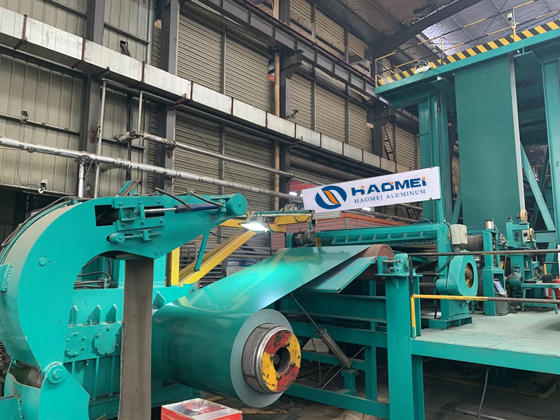
Producing prepainted coil is not simply painting aluminum; it is a controlled continuous process designed to ensure coating uniformity and repeatability.
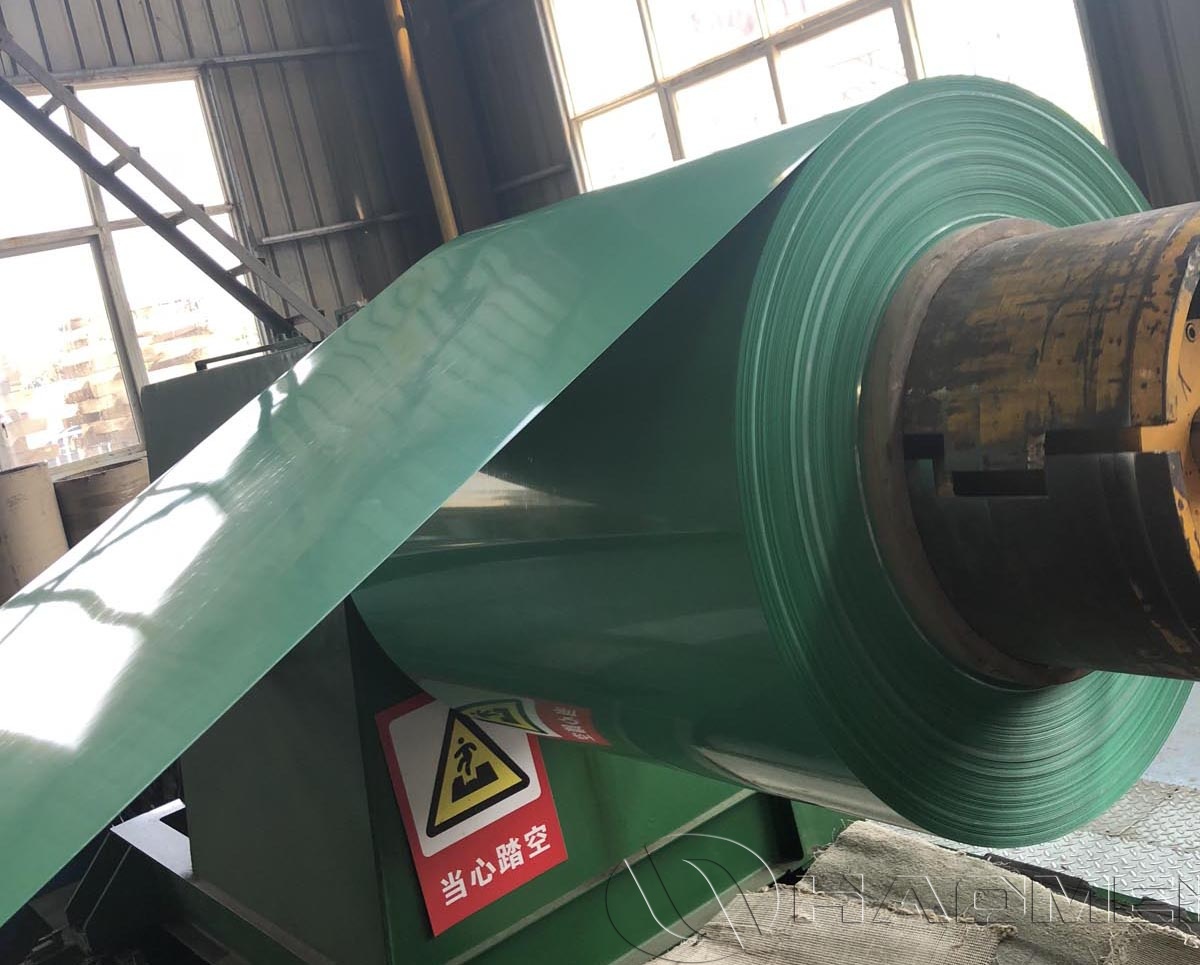
A typical manufacturing route includes:
Substrate preparation and incoming inspection: thickness, flatness, surface cleanliness, and mechanical properties consistent with H24 targets.
Cleaning and conversion pretreatment: removal of rolling oils and formation of a conversion layer for adhesion.
Roll coating: precise application of primer and topcoat using metered rollers to control film build.
Oven curing: controlled peak metal temperature to complete crosslinking without degrading flexibility.
Cooling, protective film (optional), slitting, and recoiling: minimizing surface defects and ensuring edge quality.
In performance validation, key checkpoints include coating thickness mapping, gloss and color delta control, T-bend / impact testing for formability, cross-hatch adhesion, boiling water resistance, and corrosion testing (such as salt spray) aligned with the intended end-use.
Practical applications and design considerations
Because 1060 is lightweight and conductive, it is frequently selected for building envelope components that benefit from easy handling and fabrication. Common uses include:
Roofing and wall cladding panels: roll formed profiles where H24 supports better shape stability.
Fascia, soffit, gutters, and flashings: parts requiring bending, hemming, and neat visual finish.
Ceilings and interior decorative panels: stable flatness and consistent coating appearance.
General enclosures and lightweight skins: when corrosion resistance and coating durability are required.
In design, consider these practical points:
For tighter bends or hemming, choose coating systems and film builds that support flexibility, and specify suitable minimum bend radius for the temper.
For aggressive environments (marine, industrial), PVDF topcoats and robust pretreatment/primer systems reduce chalking and color fade over time.
Edge and cut protection is influenced by coating stack and fabrication quality; proper sealing or detailing improves long-term performance.
Core specifications for 1060 H24 color coated aluminum coil
| Item | Typical Range / Option |
|---|---|
| Alloy / Temper | 1060 / H24 |
| Product form | Color coated aluminum coil (prepainted) |
| Thickness | 0.20–1.50 mm (common architectural range) |
| Width | 20–1600 mm (slit-to-width available) |
| Coating type | PE or PVDF |
| Coating structure | Primer + topcoat (single/double coat options) + back coat |
| Topcoat thickness (typical) | PE: 15–25 μm; PVDF: 20–30 μm |
| Back coat thickness (typical) | 5–12 μm |
| Surface finish | Gloss / matte; solid, metallic, or custom colors |
| Coil ID | 150 / 300 / 505 mm |
| Protective film | Optional (forming/handling protection) |
| Applicable standards | ASTM / EN / GB (as specified) |
The above ranges are commonly used in building cladding aluminum and roofing coil applications; final selection should align with forming method, exposure class, and service life targets.
How much does 1060 H24 color-coated aluminum coil cost per ton?
The price of 1060-H24 color-coated aluminum coil is affected by the price of aluminum ingots, the type of coating (PE, PVDF, etc.), thickness, processing fees, and shipping costs. Commonly coated products may be slightly more expensive than ordinary aluminum coils.
A specific price will be quoted based on the market conditions of the day.
-
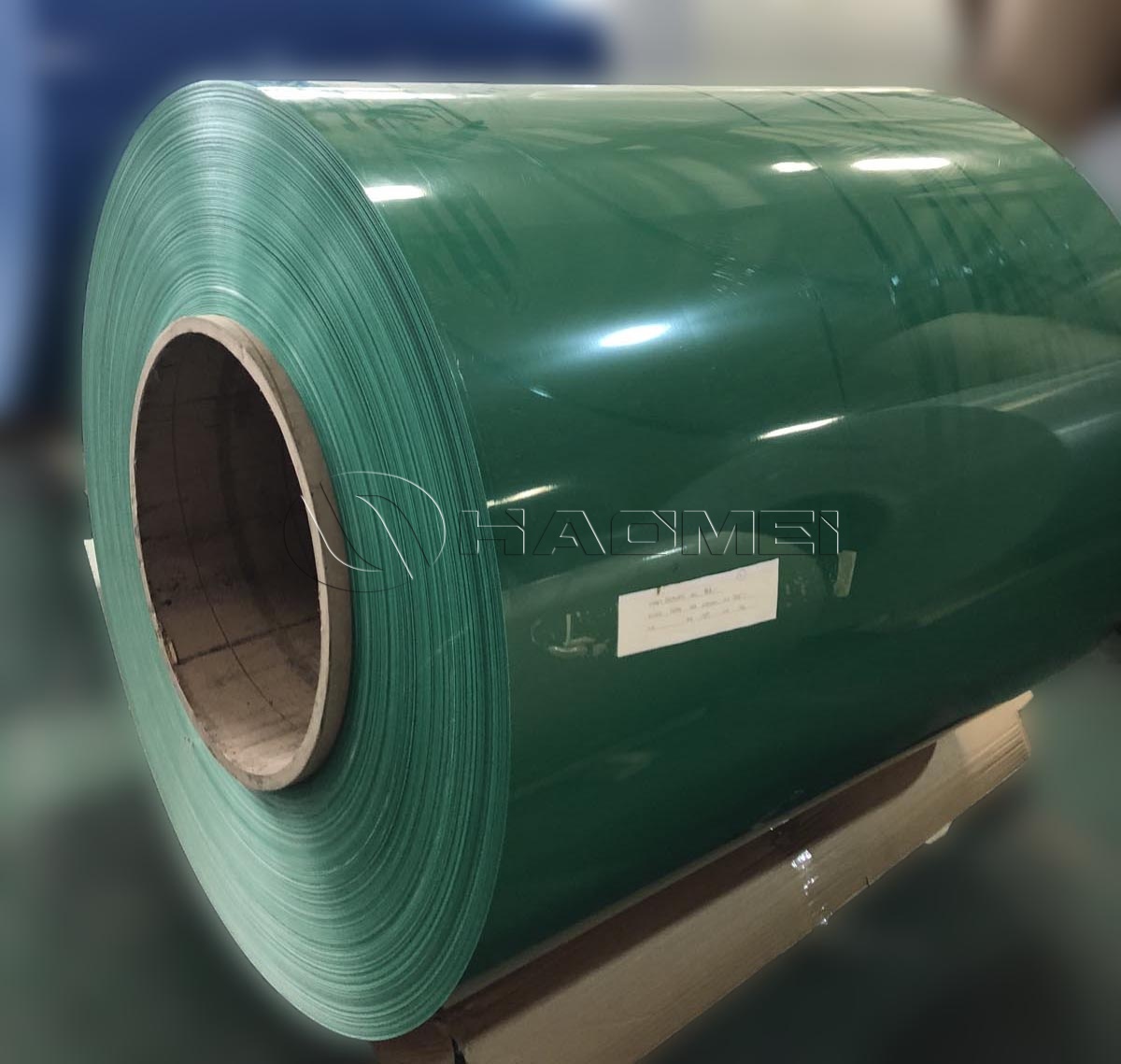
3003 Color Coated Aluminum Coil Coating Thickness
Learn 3003 color coated aluminum coil coating thickness, PE and PVDF systems, alloy features, and key specs for roofing, facade, ceiling applications.
2026-04-23
-
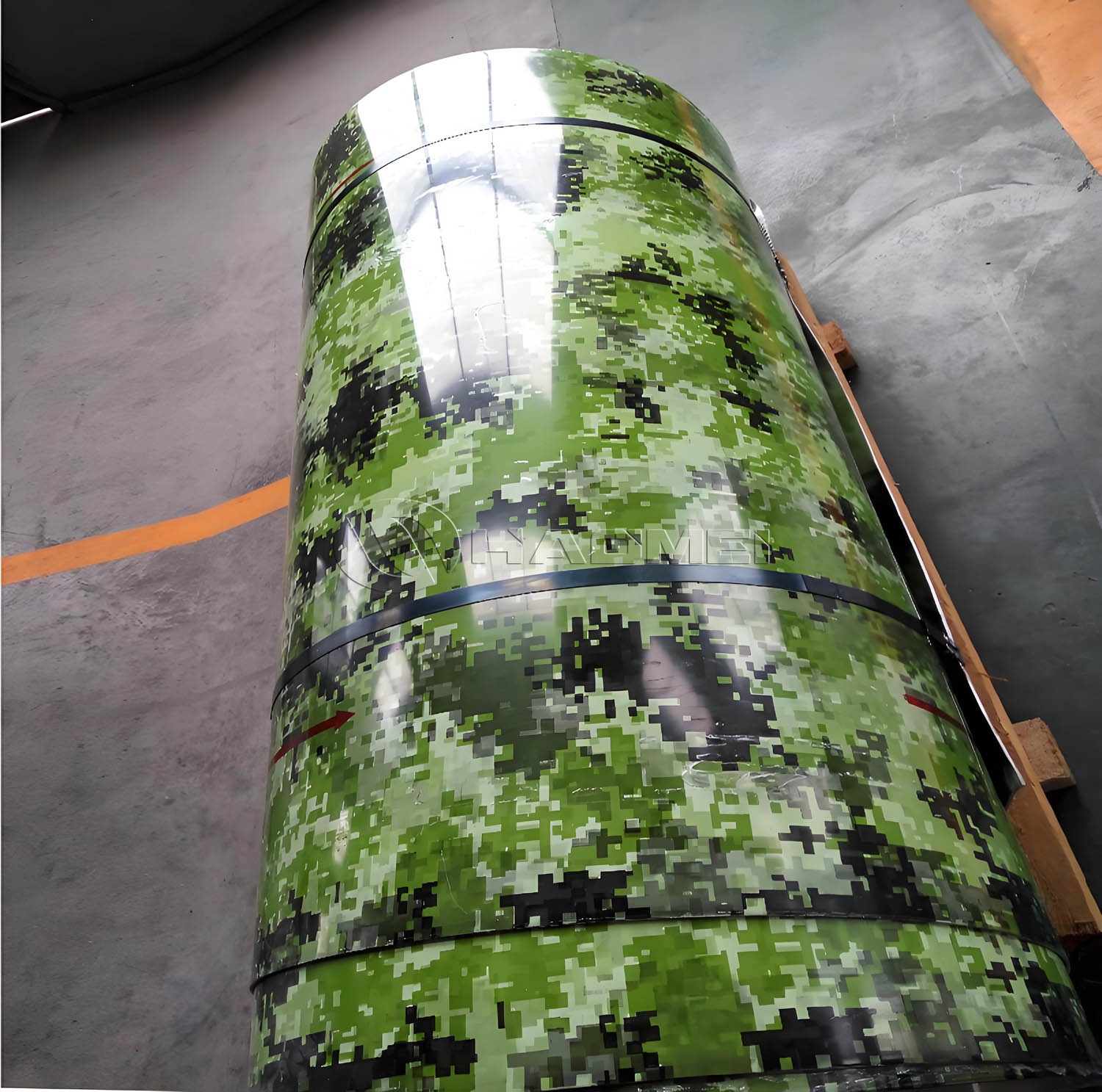
PVDF Camouflage-Coated Aluminum Coils
Explore PVDF camouflage-coated aluminum coils, covering alloys, coating structure, specifications, and exterior use in roofing, facades, and equipment panels.
2026-06-26
-
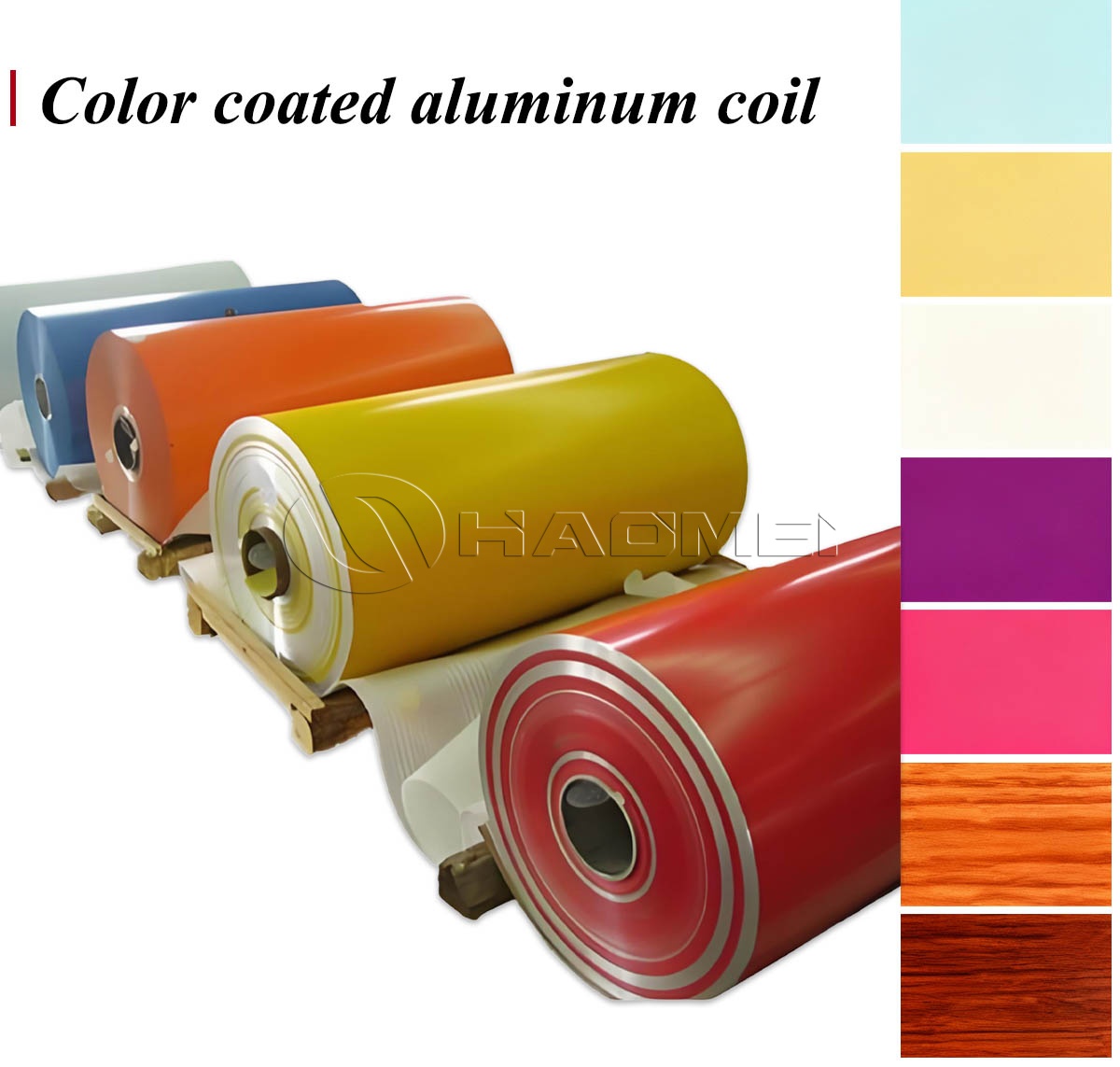
3105 PE Coated Aluminum Coil For Gutters
Explore 3105 PE coated aluminum coil for gutters, including alloy features, coating structure, specifications, forming performance and corrosion resistance.
2026-05-11
Contact Directly
-

ADD: No.14 Waihuan Road, CBD, Zhengzhou, China
-

WhatsApp: +86-18703635966
-

E-MAIL: sales@alummc.com