

News
 By Hermione
0.4mm, 0.6mm, 0.8mm, 1mm Cold-Rolled Color-Coated Aluminum Coil for Building Facades
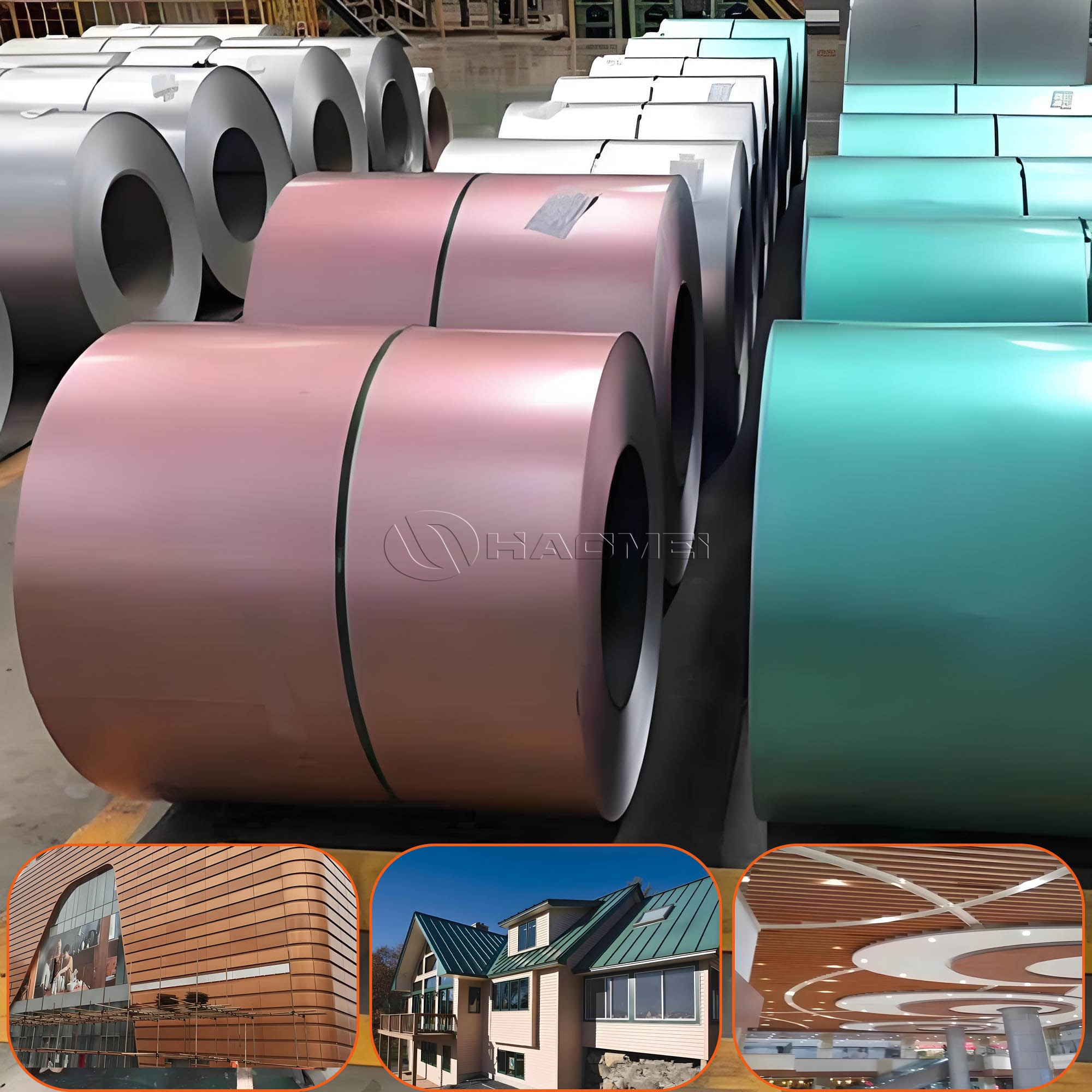
Cold-rolled color-coated aluminum coil is a pre-finished architectural material used for exterior wall cladding, curtain wall panels, fascia boards, soffits, column wraps, aluminum composite panel skins, and insulated sandwich panels. Available in 0.4mm, 0.6mm, 0.8mm, and 1mm thicknesses, it combines low weight, corrosion resistance, forming performance, and stable decorative color for modern building facade systems.
Cold-Rolled Substrate and Pre-Painted Surface
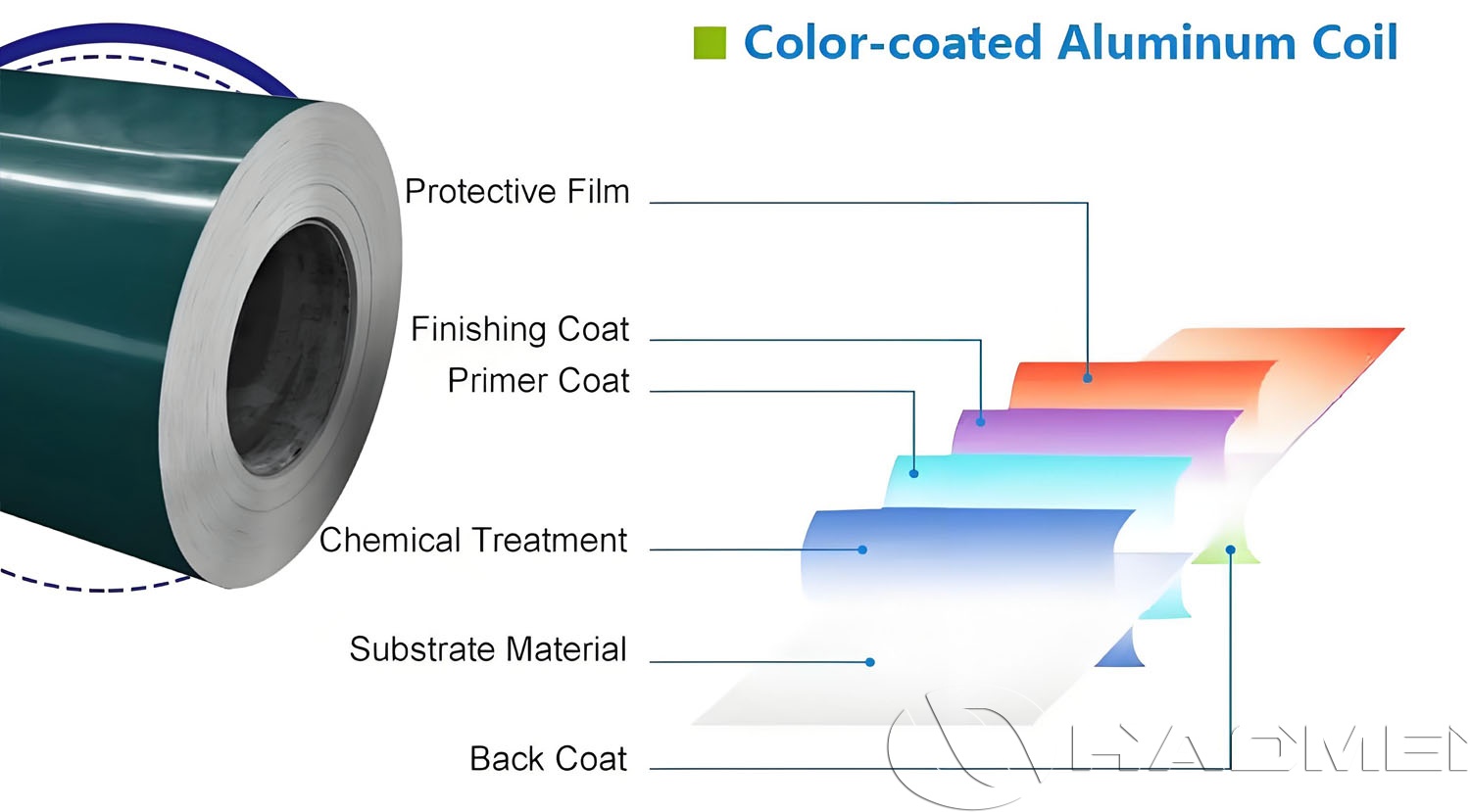
The material begins with aluminum coil processed through cold rolling to achieve controlled thickness, flatness, and surface quality. The coil is then cleaned, chemically pretreated, primed, and continuously coated before curing in a controlled oven. This coil-coating process creates a uniform finish on the face side and, where required, a protective back coating on the reverse side.
A typical pre-painted aluminum structure includes:
Aluminum alloy substrate
Chemical conversion coating for adhesion and corrosion protection
Primer coat
Topcoat in the required color, gloss, or pattern
Back coat for handling and service-side protection
Compared with post-fabrication spray painting, continuous color coating provides more consistent film thickness, color uniformity, curing quality, and coil-to-coil appearance control. Finished coil can be slit, cut, roll formed, bent, stamped, or profiled into facade components within the forming limits of the selected alloy, temper, and coating system.
Core Specifications for Building Facade Color-Coated Aluminum Coil
| Item | Standard Range / Description |
|---|---|
| Product | Cold-rolled color-coated aluminum coil |
| Nominal thickness | 0.4mm, 0.6mm, 0.8mm, 1.0mm |
| Thickness tolerance | Subject to applicable standard, alloy, width, and supply agreement |
| Common alloys | 1100, 1050, 1060, 3003, 3004, 3105, 5005, 5052 |
| Common tempers | O, H14, H16, H18, H24, H26, H32 |
| Coil width | Commonly 600-1600mm, with project-specific slitting available |
| Coil inner diameter | Typically 405mm or 505mm |
| Coil outer diameter | Controlled by coil weight, transport, and processing requirements |
| Coating types | PE, SMP, HDP, PVDF, FEVE, specialty printed finishes |
| Coating thickness | Commonly 18-25μm for PE; typically 25-35μm or higher for PVDF systems |
| Surface finish | Gloss, matte, high gloss, metallic, textured, wood grain, marble, and custom colors |
| Typical facade uses | Wall cladding, curtain wall panels, ceilings, eaves, trims, composite panels, and insulated panels |
Thickness Range and Facade Fabrication Characteristics
0.4mm Color-Coated Aluminum Coil
0.4mm aluminum coil is commonly processed into lightweight profile cladding, ceiling panels, soffit products, flashing, decorative trims, and aluminum composite panel face sheets. Its lower material weight supports efficient roll forming and bending, while panel stiffness is primarily determined by the final profile geometry, backing structure, or composite construction.
0.6mm Color-Coated Aluminum Coil
0.6mm is a widely used thickness for formed facade panels, cassette-style components, roofing and wall profiles, and decorative architectural sheet products. It offers a balanced combination of formability, handling resistance, and finished-panel rigidity for many exterior envelope applications.
0.8mm Color-Coated Aluminum Coil
0.8mm color-coated aluminum coil is commonly used where greater panel stiffness and improved resistance to handling deformation are required. It is suitable for larger-format cladding panels, folded cassettes, column covers, parapet elements, and exterior wall systems with more demanding fabrication geometry.
1mm Color-Coated Aluminum Coil
1mm aluminum coil provides increased section strength for fabricated facade panels, deep folds, broad flat surfaces, and architectural elements subject to higher wind-related design loads. The final structural performance remains dependent on panel dimensions, return folds, fixing arrangement, support spacing, and the complete facade assembly.
Common Aluminum Alloys for Color-Coated Facades
Alloy selection affects strength, bendability, corrosion behavior, and surface appearance after forming. For building facade coil, the most common choices fall within the 1xxx, 3xxx, and 5xxx series.
1xxx Series: 1050, 1060, and 1100
The 1xxx series contains high-purity aluminum and is valued for excellent formability, corrosion resistance, thermal conductivity, and a clean surface finish. These alloys are generally used in applications where deep forming and decorative processing are more significant than structural strength.
For lightweight decorative panels and indoor-to-sheltered architectural components, 1100 Color Coated Aluminum Coil provides good workability and stable coating compatibility. Lower-strength tempers such as O or H14 are often associated with more complex bending or profiling requirements.
3xxx Series: 3003, 3004, and 3105
3xxx series aluminum contains manganese, which improves strength compared with commercially pure aluminum while maintaining good formability and corrosion resistance. This family is widely used for exterior cladding, roof and wall panels, gutter systems, insulated panels, and roll-formed architectural products.
3003 is a well-established facade alloy for general-purpose pre-painted aluminum sheet and coil. 3004 and 3105 provide additional strength options for profiles and panels requiring greater shape retention. 3003 Color Coated Aluminum Coil is frequently specified for architectural applications that require a practical balance between processing performance and panel durability.
5xxx Series: 5005 and 5052
5xxx series alloys contain magnesium and offer higher strength and enhanced corrosion resistance. 5005 is often used for architectural sheet because of its appearance consistency after anodizing or coating, while 5052 provides higher mechanical strength for demanding fabricated elements. These alloys may be used for thicker facade panels, coastal-area components, and structures requiring greater rigidity, subject to forming radius and temper conditions.
Coating Systems for Exterior Exposure
The coating system determines the exterior weathering performance, gloss retention, color stability, chalk resistance, and surface protection of the color-coated aluminum coil.
PE Coating
Polyester, or PE, coating provides an economical decorative finish with good processability and a broad color range. It is commonly used for interior panels, sheltered applications, short-to-medium-term exterior products, and building components with moderate exposure conditions.
PVDF Coating
PVDF coating is widely used for architectural facades exposed to sunlight, rain, humidity, and urban atmospheric contaminants. A high-quality PVDF system offers strong resistance to ultraviolet degradation, fading, chalking, and chemical exposure. PVDF Coated Aluminum Coil is commonly associated with curtain wall panels, exterior cladding, airport buildings, commercial complexes, and high-rise facade systems.
SMP, HDP, and FEVE Coatings
Silicone-modified polyester, high-durability polyester, and FEVE fluoropolymer coatings provide additional performance levels between conventional PE and PVDF systems. Their suitability is determined by the intended exposure environment, color requirements, gloss level, expected service conditions, and project coating specifications.
Surface Appearance and Decorative Options
Building facades frequently require visual consistency across multiple coils, fabrication batches, and elevations. Color-coated aluminum coil can be supplied in solid colors, metallic shades, matte finishes, high-gloss finishes, textured surfaces, and printed patterns such as wood grain or stone effects.
Color control is typically managed through approved color standards, batch comparison, gloss measurement, coating thickness inspection, and visual assessment under defined lighting conditions. Metallic and pearlescent finishes require additional attention to rolling direction and panel orientation because apparent shade can vary with viewing angle.
Processing Considerations for Facade Panels
The coating and aluminum substrate must perform together during fabrication. Bend radius, forming depth, press brake tooling, roll-forming geometry, protective film condition, and coil storage all influence the finished appearance of facade panels.
For folded cassette panels and profiled cladding, coating flexibility is important at bend areas. Excessively sharp bends can create localized stress in the paint film, particularly with thicker coatings or harder tempers. Surface protection films may be applied during fabrication to reduce scratches, but film type, adhesion level, and removal timing must remain compatible with the coating surface.
Quality Control Items for Pre-Painted Aluminum Coil
Color-coated aluminum coil for building facades is commonly evaluated through dimensional, mechanical, coating, and visual inspections. Key control items include:
Thickness, width, camber, and flatness
Alloy composition and temper verification
Coating thickness on face and back sides
Color difference, gloss level, and visual uniformity
Adhesion and bend performance
Pencil hardness and impact resistance, where specified
Solvent resistance and cure condition
Resistance to humidity, salt spray, or accelerated weathering according to the applicable coating specification
Coil edge condition, telescoping control, packaging integrity, and protective film performance
The required inspection scope depends on the facade system, local climate classification, coating type, panel fabrication method, and governing project standards.
-
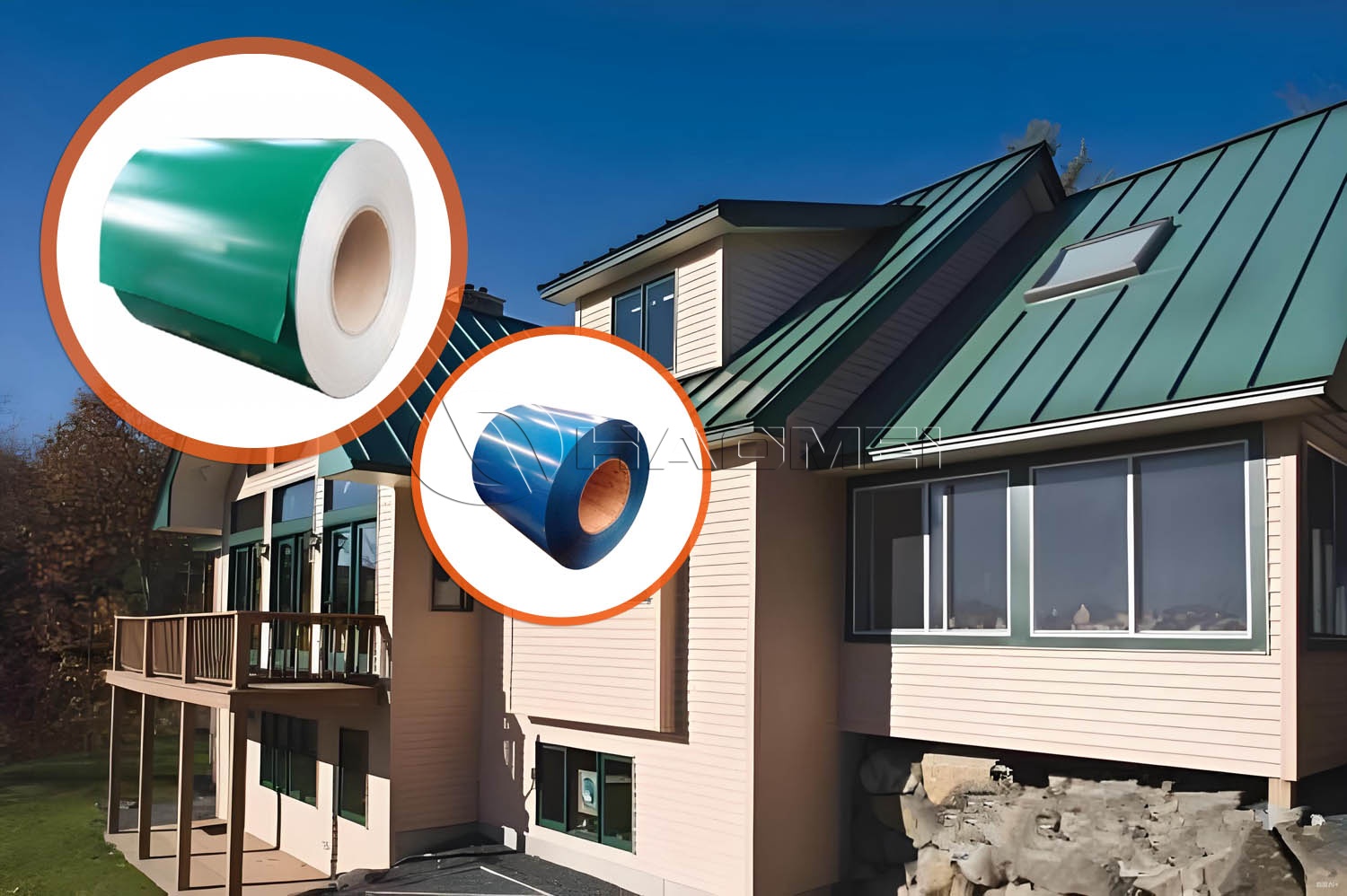
Advantages of 1100 Prepainted Aluminum Coil for Roofing
Explore the advantages of 1100 prepainted aluminum coil for roofing, including corrosion resistance, formability, coating options, and alloy selection.
2026-03-24
-
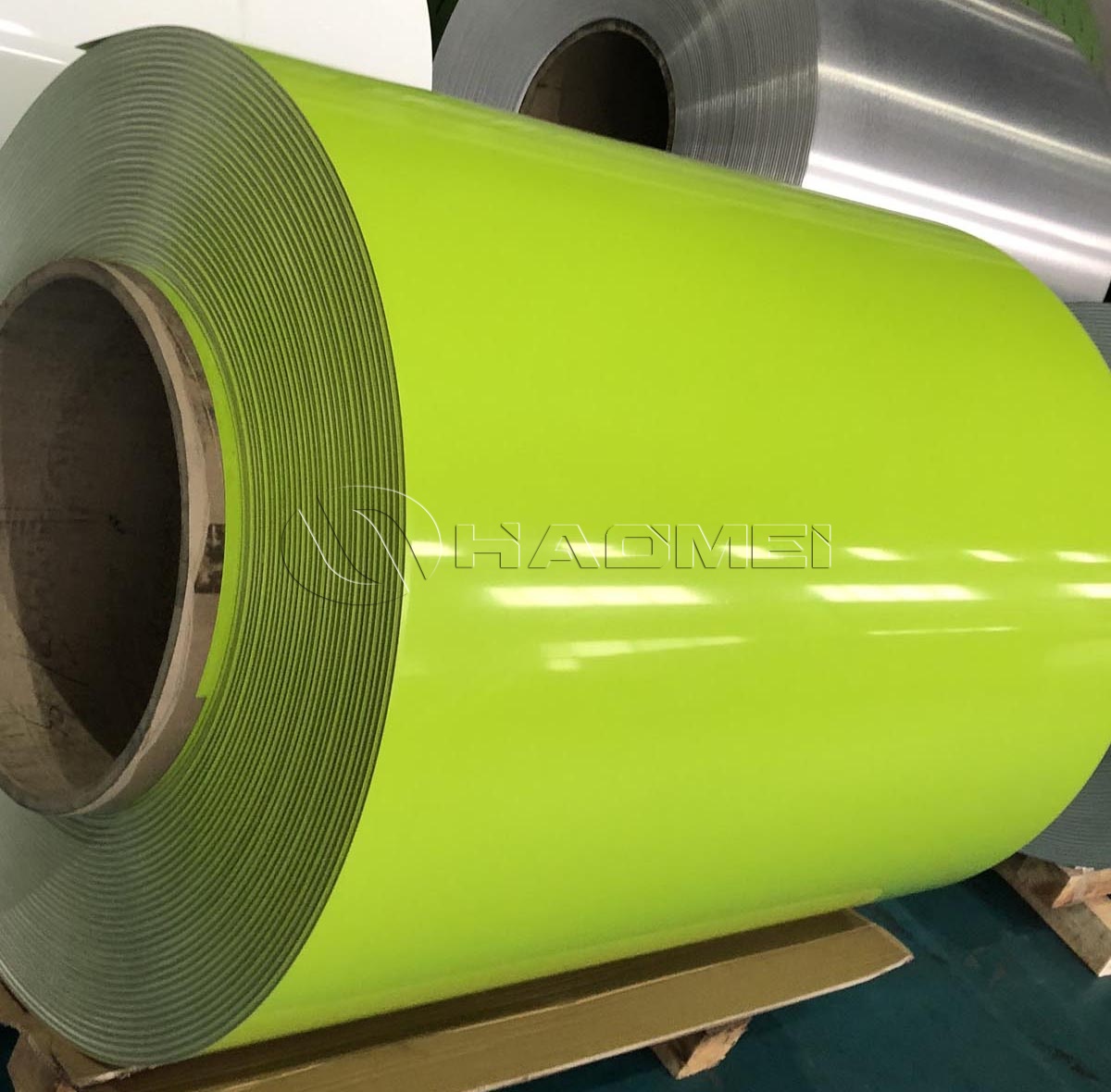
3004 3105 Color Coated Aluminum Coil - Bending, Welding, and Cutting Services Available
3004 and 3105 color coated aluminum coil for roofing, cladding, and panels, with bending, welding, cutting, and coating options.
2026-09-21
-
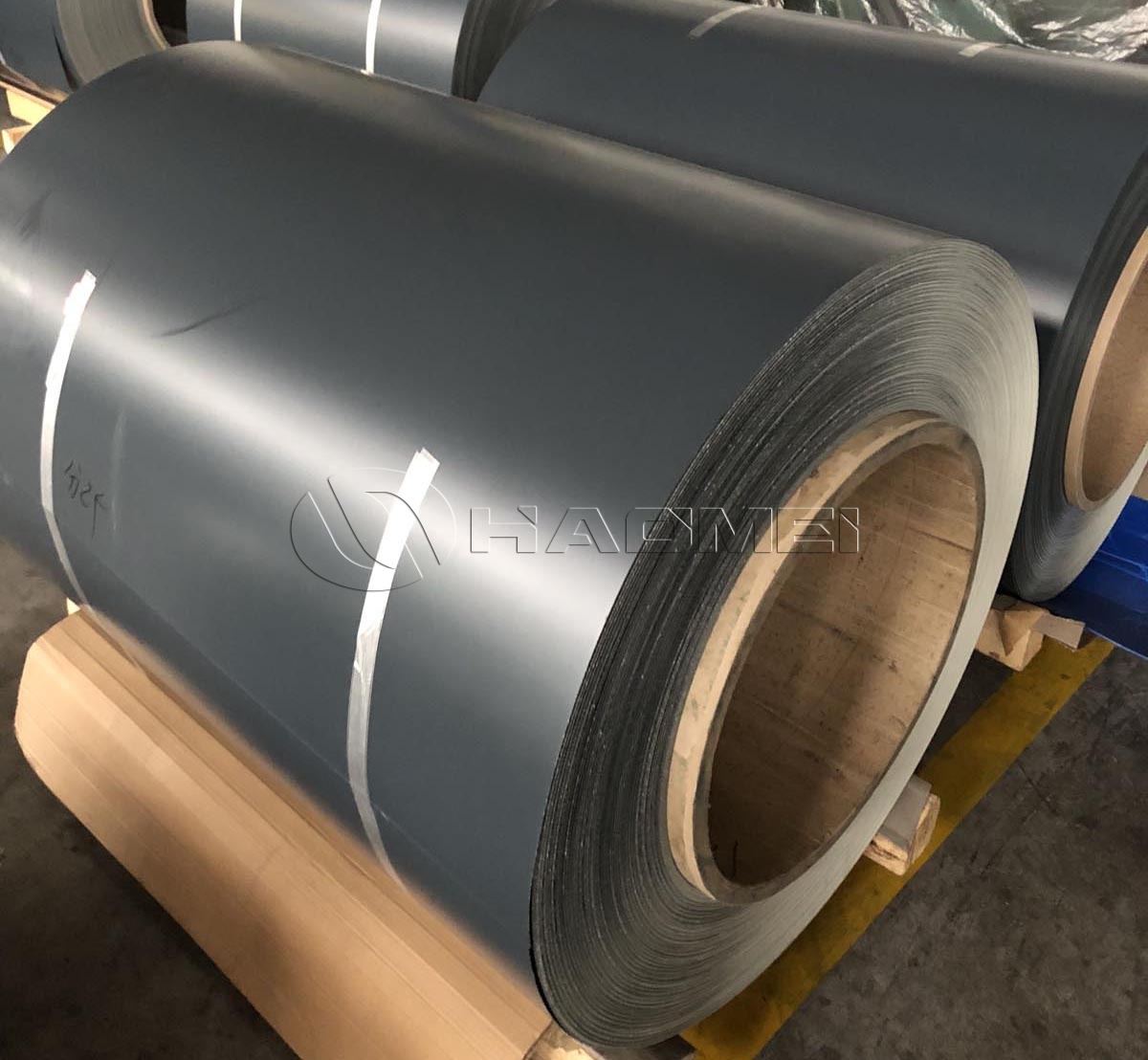
Wholesale 0.4-1.5mm PVDF Coated Aluminum Coils
Wholesale 0.4-1.5mm PVDF coated aluminum coils for roofing, facades, cladding, and ceiling systems, with alloy, coating, and size options.
2026-07-24
Contact Directly
-

ADD: No.14 Waihuan Road, CBD, Zhengzhou, China
-

WhatsApp: +86-18703635966
-

E-MAIL: sales@alummc.com