

News
 By Hermione
Wholesale 0.4-1.5mm PVDF Coated Aluminum Coils
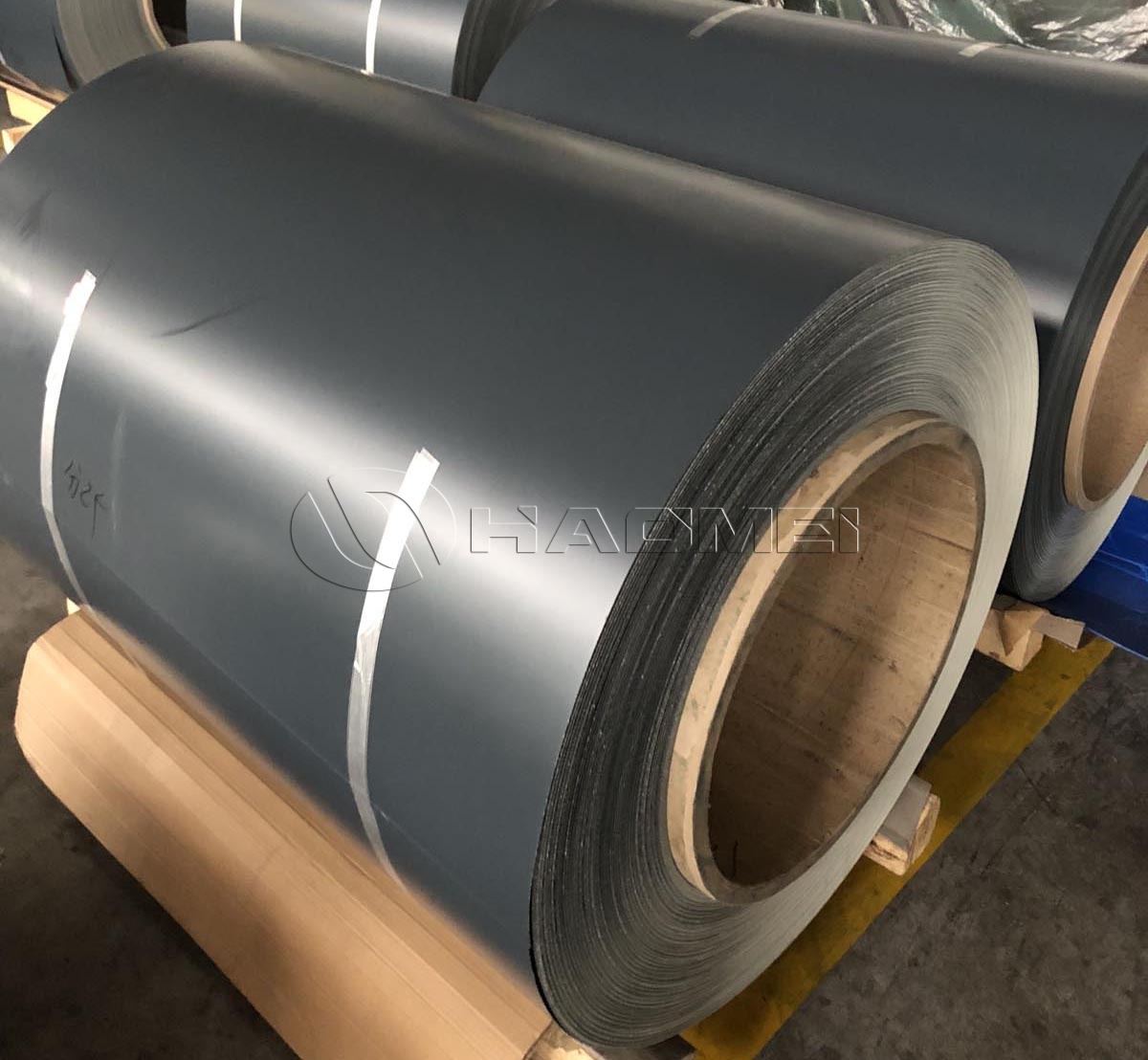
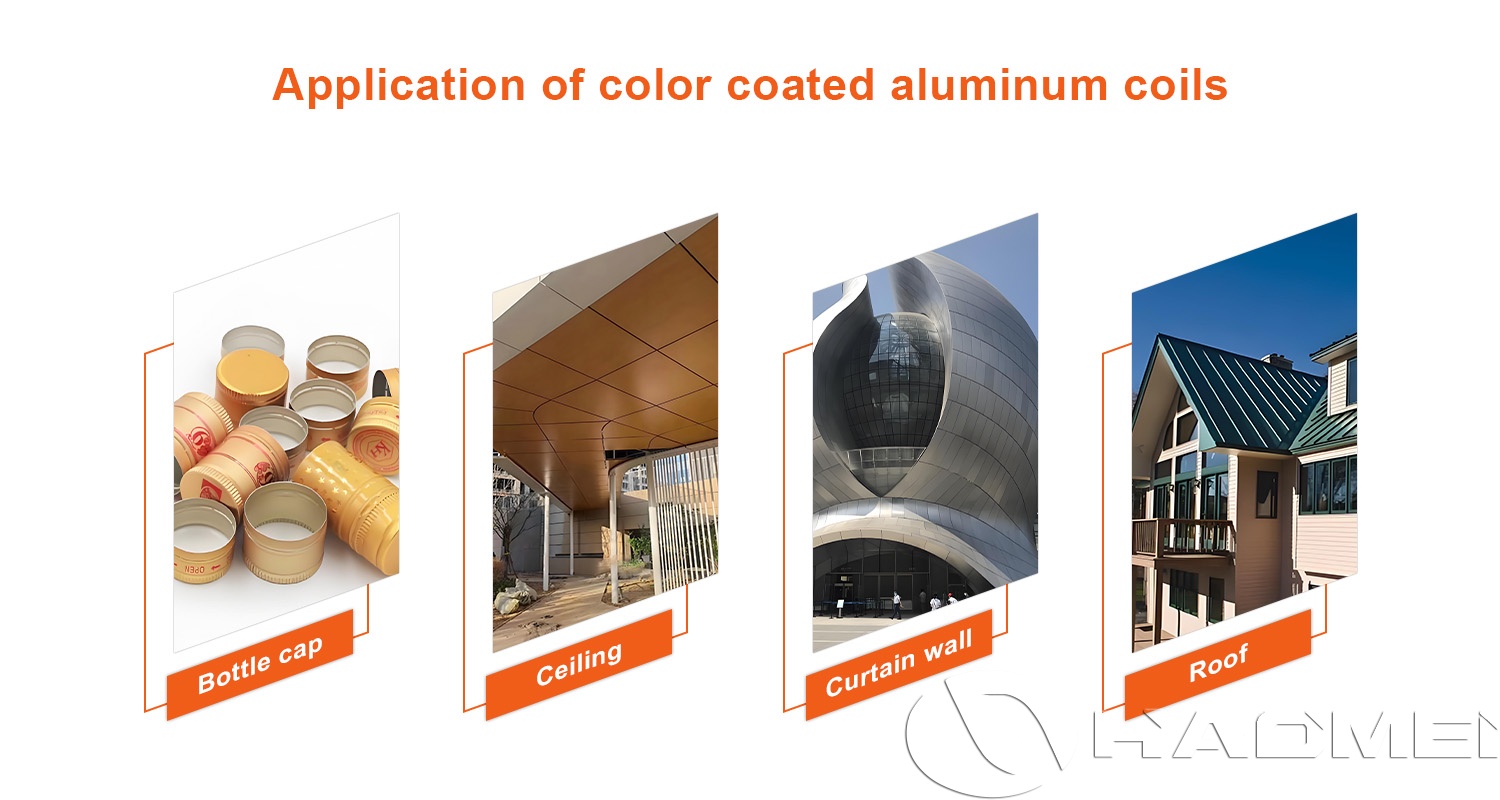
0.4-1.5mm PVDF coated aluminum coils are pre-painted aluminum materials positioned for exterior architectural and industrial applications requiring long-term color retention, weather resistance, formability, and low maintenance. Typical uses include metal roofing, wall cladding, curtain-wall panels, fascia and soffit systems, rainwater goods, insulated sandwich panels, suspended ceilings, and equipment housings exposed to outdoor environments.
PVDF Coating System and Material Structure
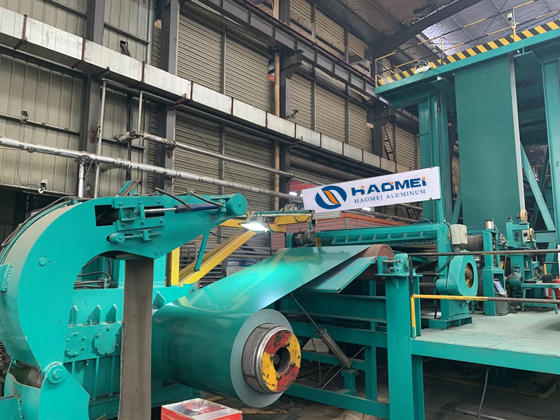
PVDF, or polyvinylidene fluoride, is widely used for premium exterior coil coating systems. A standard PVDF coated aluminum coil is produced through a continuous coil-coating process in which the aluminum strip is cleaned, chemically pretreated, primed, top-coated, and oven cured under controlled conditions.
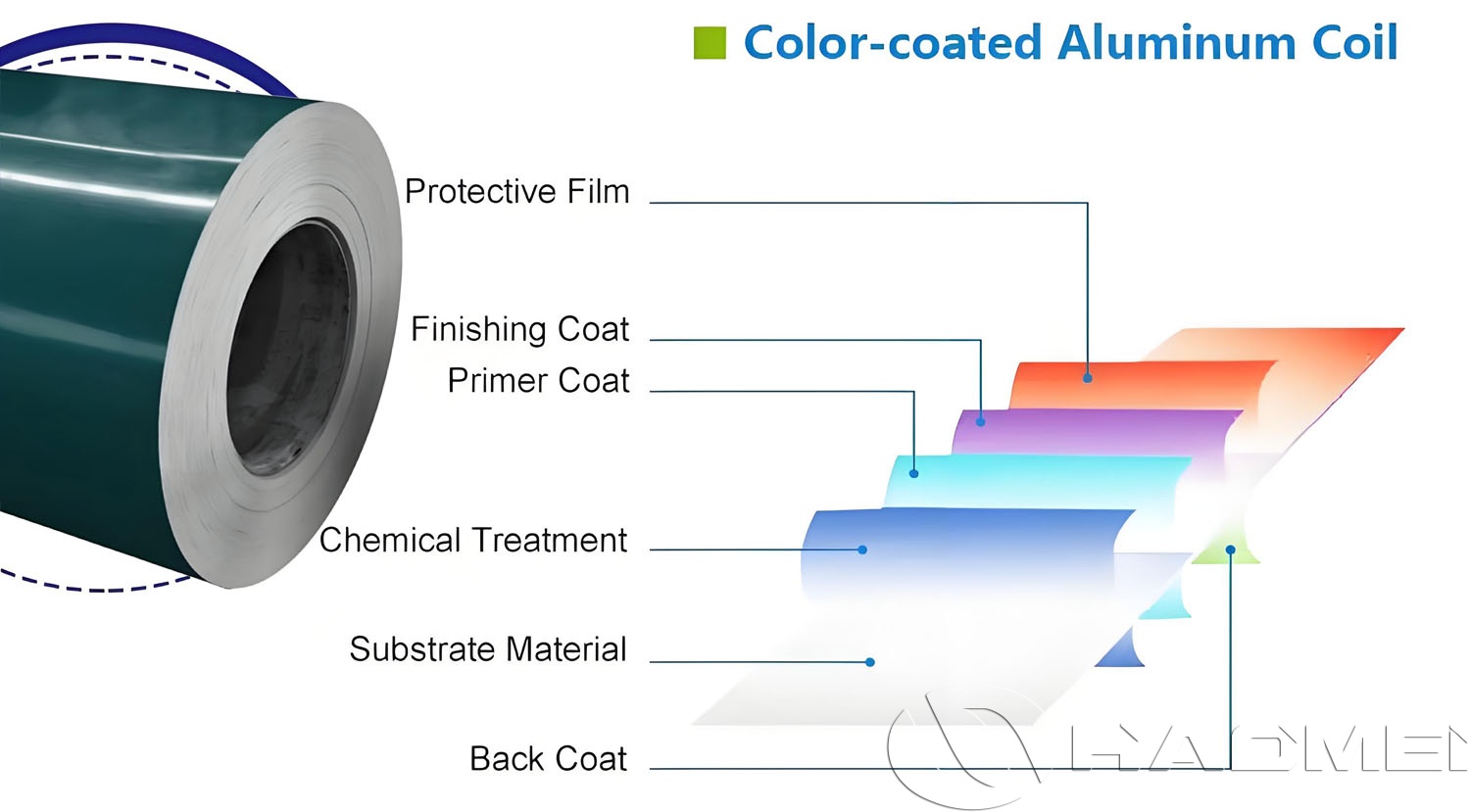
The coating structure commonly includes:
Aluminum substrate
Chemical conversion layer for improved coating adhesion and corrosion resistance
Primer coat
PVDF topcoat, commonly based on a 70% PVDF resin system for demanding exterior exposure
Optional back coat for processing protection, adhesion, or corrosion control
Compared with standard polyester coatings, PVDF systems offer stronger resistance to ultraviolet radiation, chalking, fading, atmospheric pollutants, and moisture. This makes PVDF Coated Aluminum Coil suitable for building envelope components installed in high-sunlight, humid, coastal, urban, or industrial environments.
Core Specifications
| Item | Standard Range / Option |
|---|---|
| Product | PVDF coated aluminum coil |
| Thickness | 0.40-1.50 mm |
| Common widths | 600-1,600 mm |
| Coil inner diameter | 405 mm, 505 mm, or 508 mm |
| Coil outer diameter | Subject to coil weight and handling requirements |
| Common alloys | 1100, 1050, 1060, 3003, 3004, 3105, 5005, 5052 |
| Common tempers | H14, H16, H18, H24, H26, H32, H34, O |
| Top coating | PVDF, typically 20-30 μm or according to project specification |
| Back coating | Typically 5-10 μm, adjustable by application |
| Surface finish | Glossy, matte, high gloss, metallic, textured, or embossed |
| Color options | RAL colors, custom colors, metallic effects, stone and wood-grain patterns |
| Protective film | Optional, selected according to fabrication and installation conditions |
Common Aluminum Alloys
Alloy selection affects coil strength, bending behavior, corrosion resistance, surface flatness, and suitability for the intended fabrication process. The following alloys are commonly used for wholesale color coated aluminum coil supply.
1100 Alloy
1100 aluminum is a commercially pure aluminum alloy with excellent corrosion resistance, high ductility, and stable surface quality. It is suitable for decorative panels, ceiling systems, channel letters, light-gauge cladding, and components requiring deep forming or smooth bending. Its relatively low mechanical strength means it is generally selected for applications where structural stiffness is not the primary requirement.
3003 Alloy
3003 is an aluminum-manganese alloy with higher strength than 1xxx series aluminum while retaining good workability and corrosion resistance. It is frequently used for roofing sheets, wall panels, rainwater systems, appliance shells, and general architectural roll-forming applications. The balance of formability and strength makes 3003 a common choice in the 0.4-1.0 mm thickness range.
3004 Alloy
3004 provides increased strength compared with 3003 and is suitable for applications requiring improved dent resistance or panel rigidity. It can be used for profiled roofing, exterior cladding, and formed components where the coil must withstand more demanding fabrication or service conditions.
3105 Alloy
3105 aluminum is one of the most widely specified alloys for pre-painted architectural coil. Its moderate strength, good roll-forming performance, and reliable coating compatibility make it suitable for metal roofing, siding, gutters, fascia, shutters, and insulated panel facings. 3105 Color Coated Aluminum Coil is commonly supplied in H14, H16, and H24 tempers depending on the profile depth and bending radius.
5005 and 5052 Alloys
5005 and 5052 are aluminum-magnesium alloys used where enhanced corrosion resistance and higher mechanical performance are needed. 5005 is often selected for architectural sheet and decorative façade components because of its favorable anodizing and finishing characteristics. 5052 offers higher strength and is appropriate for marine-adjacent applications, transportation components, equipment enclosures, and heavier-duty formed panels. Material temper and forming radius should be coordinated to prevent stress whitening or cracking during fabrication.
Thickness Selection for 0.4-1.5mm Coils
The appropriate thickness depends on panel geometry, support spacing, wind load, forming method, and appearance requirements.
0.40-0.55 mm: Common for lightweight roofing, rainwater systems, ceilings, shutters, decorative trims, and thin profiled sheets.
0.60-0.80 mm: Frequently used for wall cladding, roofing panels, corrugated profiles, composite panel skins, and architectural accessories.
0.90-1.20 mm: Suitable for cassette panels, façade trays, soffits, stronger roll-formed profiles, and applications needing improved flatness.
1.30-1.50 mm: Used for larger façade panels, deep-formed components, high-rigidity cladding, column covers, and fabricated architectural elements.
Thickness alone does not determine panel stiffness. Alloy, temper, panel profile, return edges, stiffeners, and support spacing all contribute to final system performance.
Surface Appearance and Coating Options
PVDF coated aluminum coil can be supplied in solid colors, metallic finishes, matte colors, high-gloss finishes, and decorative patterns. Color is commonly controlled against approved samples or RAL references, while gloss level is selected according to the intended visual effect and panel orientation.
Metallic and pearlescent finishes require particular attention to batch consistency, coating direction, and fabrication layout. For façade applications, coils from the same production batch are generally used on visually continuous elevations to maintain a uniform appearance under changing light conditions.
Common surface options include:
Solid RAL and custom colors
Metallic silver, champagne, bronze, copper, and gray tones
Matte and low-gloss architectural finishes
High-gloss decorative finishes
Stucco embossed and textured surfaces
Protective films for roll forming, bending, and panel fabrication
Processing Characteristics
PVDF pre-painted aluminum coil is designed for roll forming, press braking, stamping, slitting, shearing, and panel fabrication. Processing performance is influenced by coating flexibility, substrate temper, coating thickness, bend radius, tool condition, and protective film selection.
For formed architectural parts, the minimum bend radius should be matched to the alloy-temper combination and coating system. Tight bends on hard tempers may increase the risk of coating microcracking, edge stress, or visible distortion. Clean tooling and controlled forming pressure help preserve surface appearance, especially on dark, metallic, and high-gloss finishes.
Quality Control Considerations
Quality control for PVDF coated aluminum coils typically includes substrate thickness verification, width measurement, color comparison, gloss measurement, coating thickness measurement, bend testing, adhesion testing, impact resistance testing, pencil hardness testing, solvent resistance checks, and visual surface inspection.
Coils intended for architectural exposure may also be evaluated for accelerated weathering, humidity resistance, neutral salt spray resistance, boiling-water resistance, and resistance to staining or chemical exposure. Test methods and acceptance values should align with the applicable project standard, coating specification, and end-use environment.
-
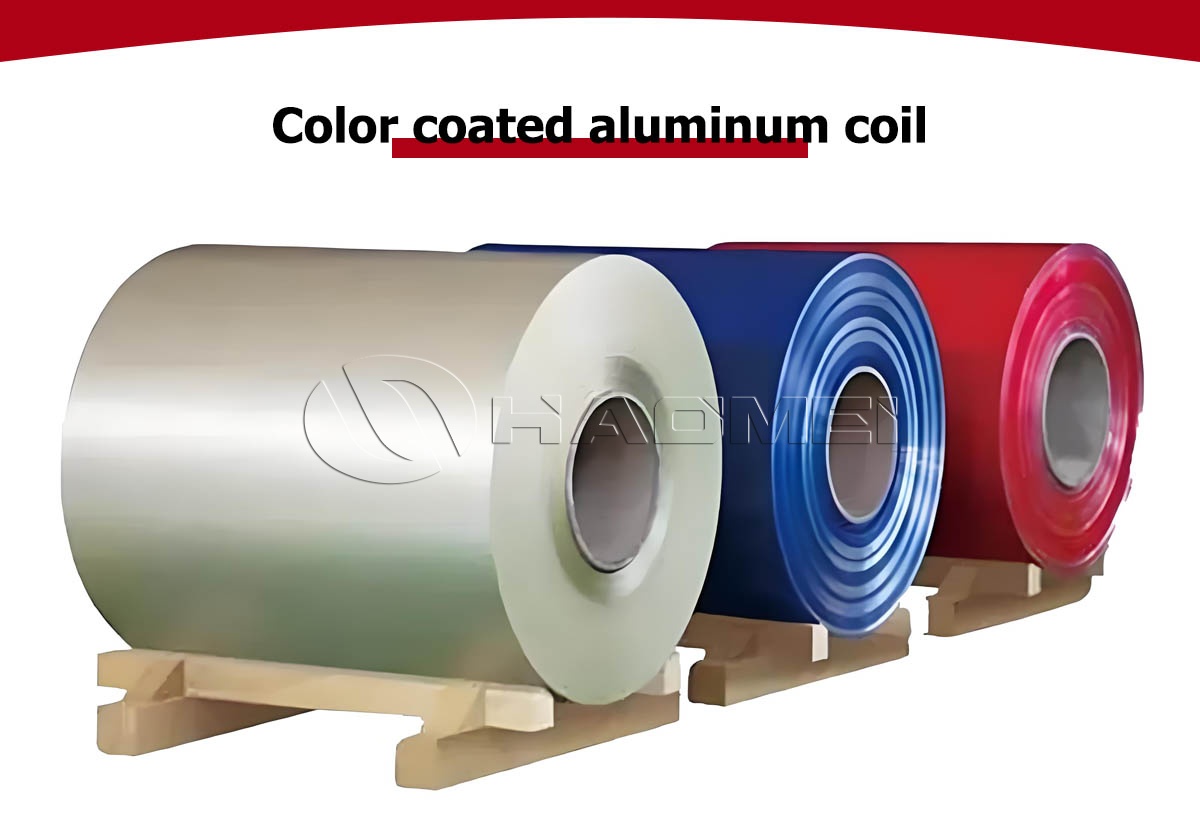
1060 Color-Coated Aluminum Coil (Glossy / Matte) for Architectural Decoration
1060 color-coated aluminum coil in glossy and matte finishes for lightweight architectural cladding, ceilings, trims, and interior panels.
2026-09-30
-
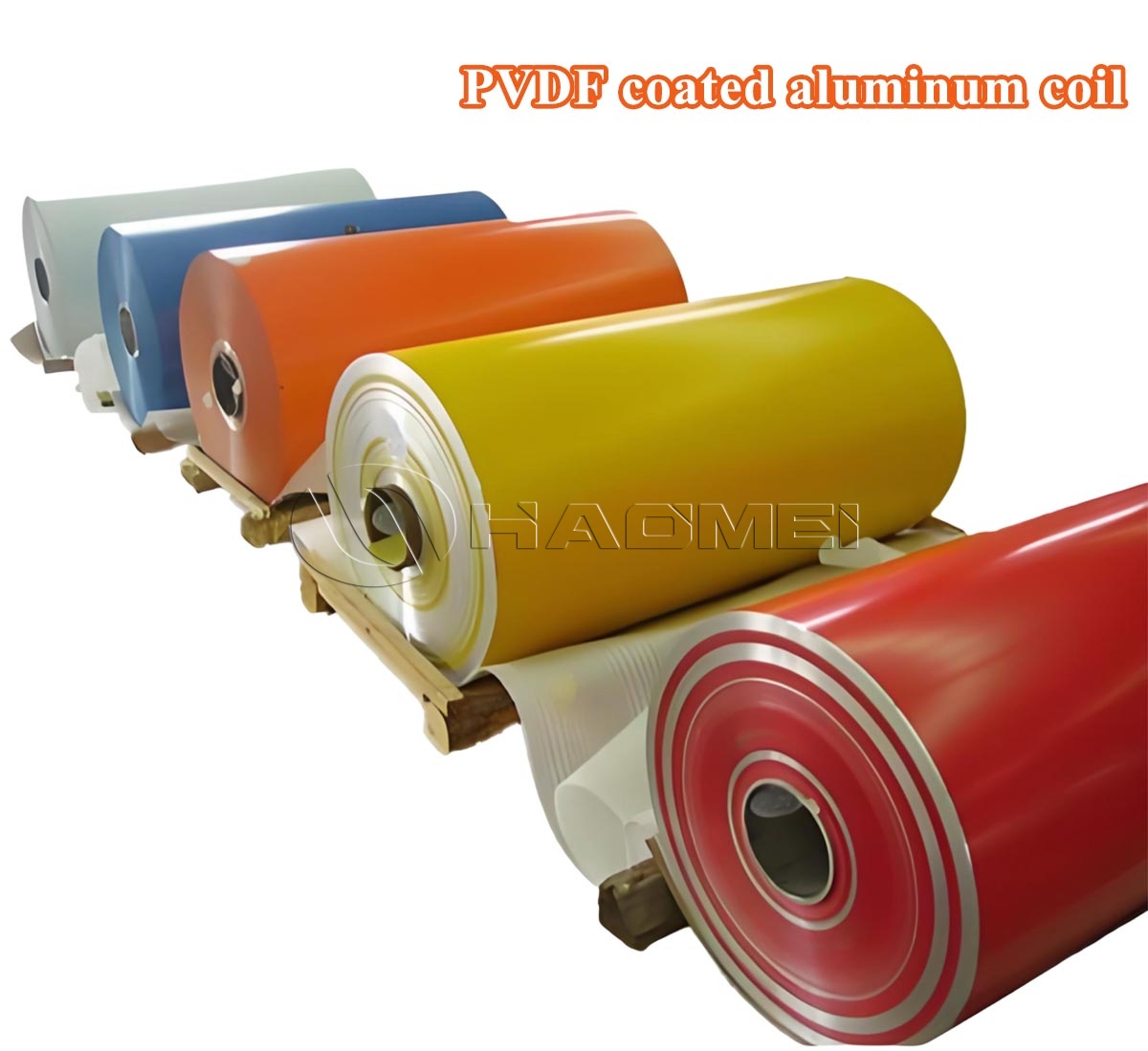
PVDF Coated Aluminum Coil for Aluminum Composite Panels
PVDF coated aluminum coil for aluminum composite panels delivers durable color, weather resistance, adhesion, and forming consistency.
2026-10-09
-
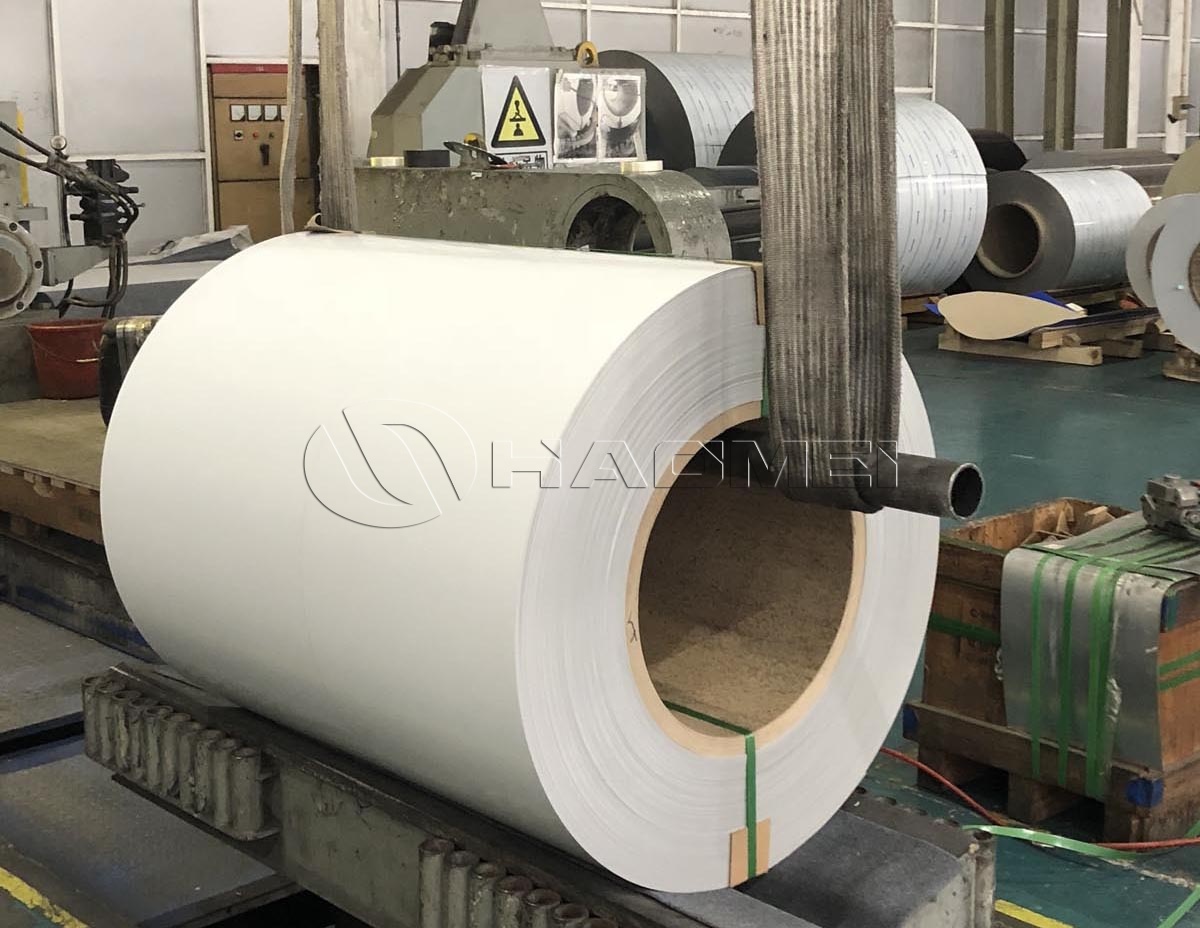
PVDF Coated Aluminum Coil Thickness Range
Explore PVDF coated aluminum coil thickness ranges, alloys, coating structures, and applications for durable architectural panels, roofing, and facades.
2026-07-28
Contact Directly
-

ADD: No.14 Waihuan Road, CBD, Zhengzhou, China
-

WhatsApp: +86-18703635966
-

E-MAIL: sales@alummc.com