

News
 By Hermione
Wood Grain Color-Coated Aluminum Coil for Wall Cladding
Wood grain color-coated aluminum coil is a decorative and functional pre-painted aluminum material designed for exterior and interior wall cladding systems. It provides the visual warmth of natural timber while retaining the light weight, corrosion resistance, formability, and dimensional stability of aluminum. In architectural applications, it is widely used for facade panels, curtain wall infill, soffits, column covers, interior feature walls, ceilings, balcony panels, and commercial exterior renovation projects.
Material Concept and Product Structure
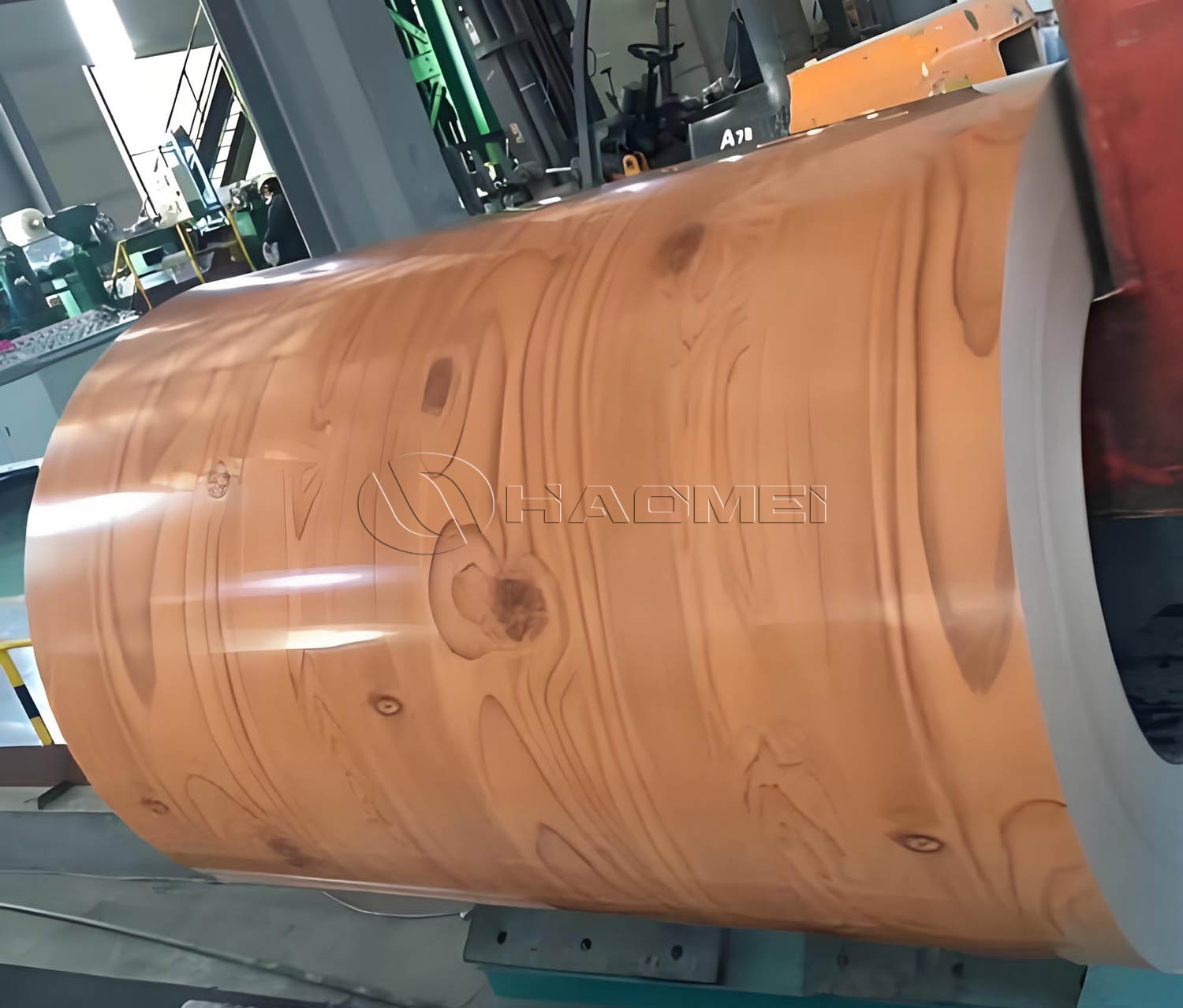
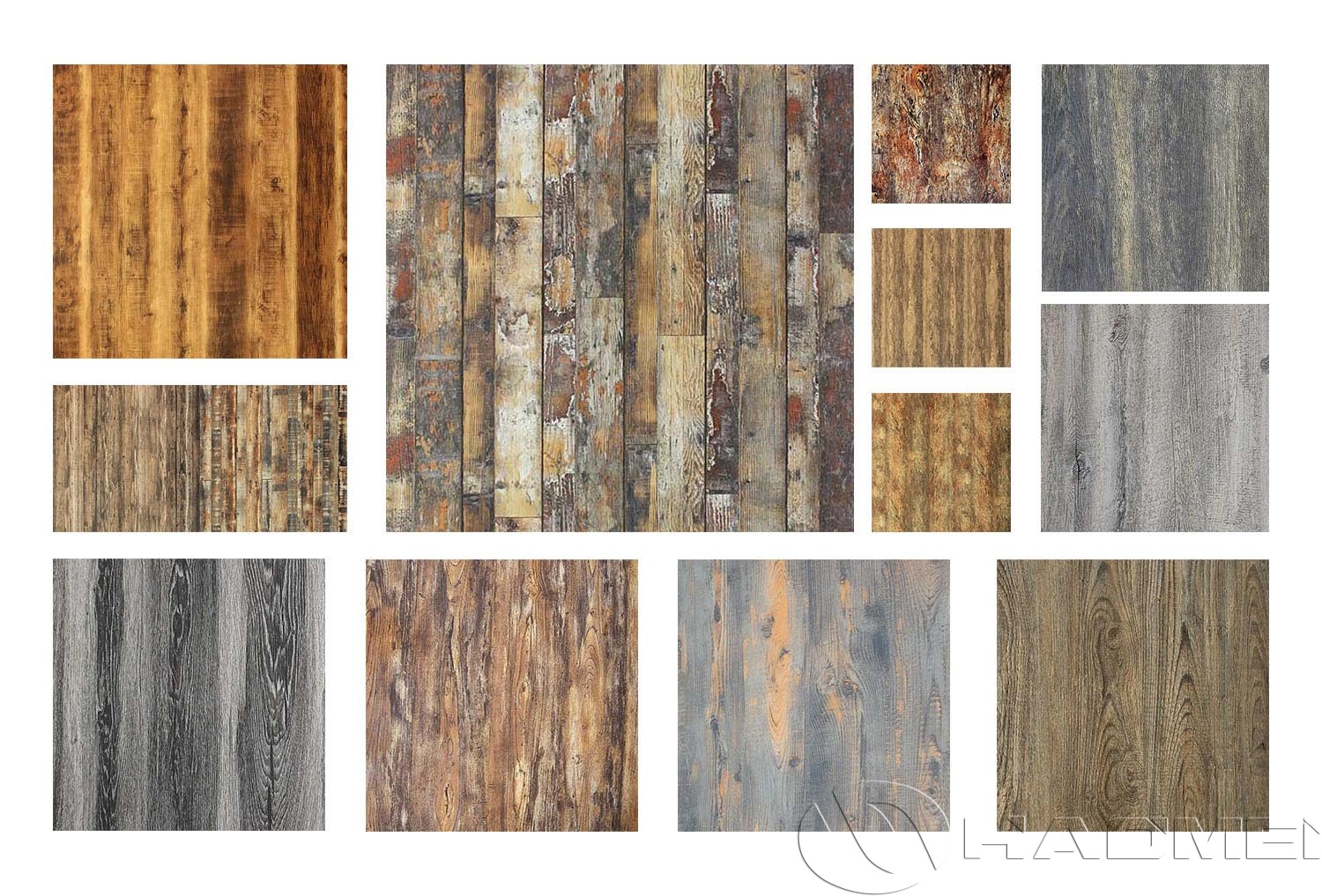
Wood grain color-coated aluminum coil is produced by applying a controlled coating system onto cleaned and chemically pretreated aluminum strip, followed by precision printing or transfer technology to form realistic wood texture. The surface pattern can simulate oak, walnut, teak, cherry, maple, cedar, or customized wood effects while maintaining consistent batch color and repeatable grain appearance.
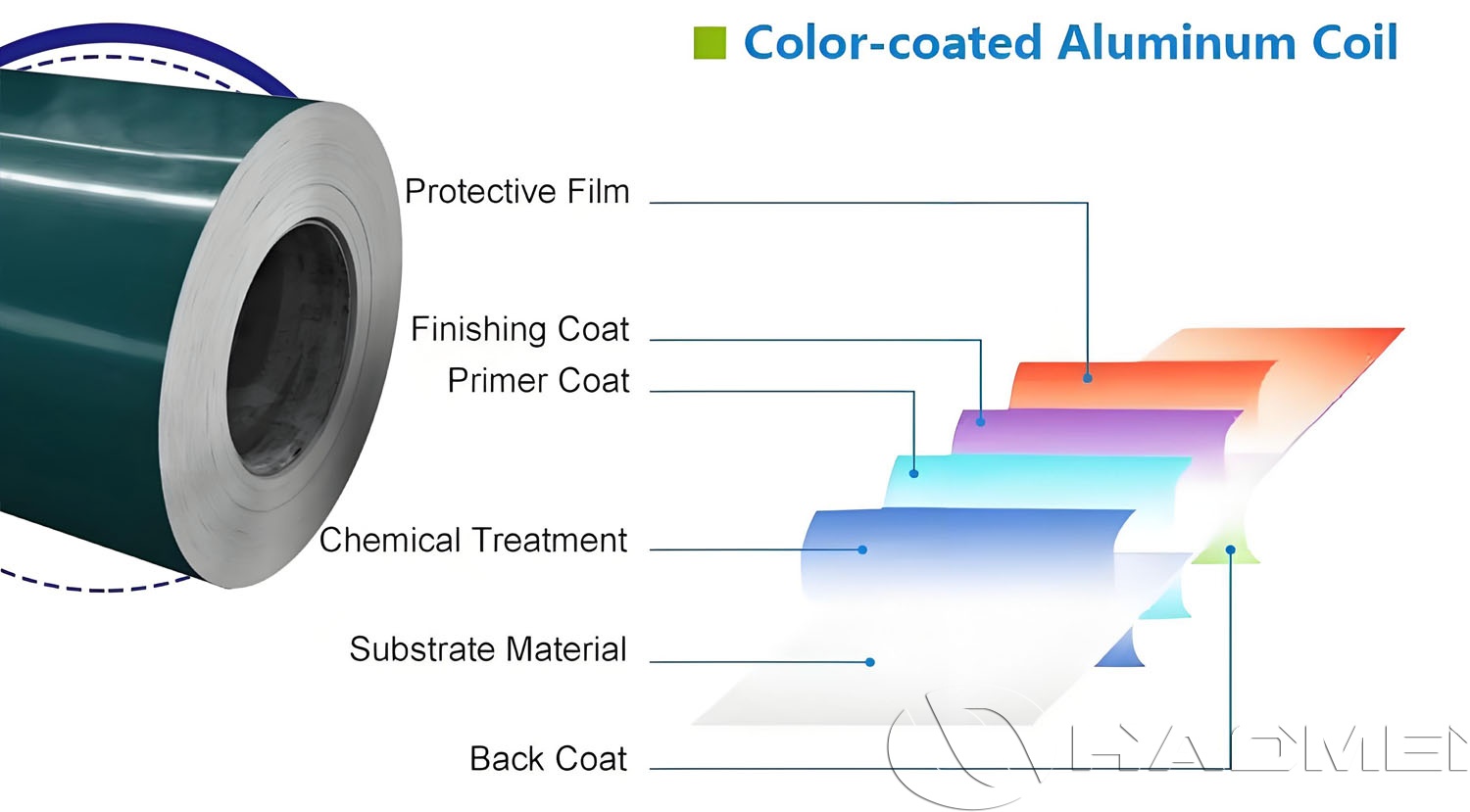
A typical structure includes the aluminum substrate, pretreatment layer, primer, base color coating, printed wood grain layer, and protective topcoat. For wall cladding, the coating system must balance decorative accuracy with outdoor durability, adhesion, flexibility, UV resistance, and resistance to moisture penetration.
Coating Systems for Wall Cladding
The coating selection directly affects weatherability, service life, gloss retention, and color stability.
PVDF coating is commonly used for exterior wall cladding where long-term UV resistance, chalking resistance, and color retention are required. PVDF systems are suitable for high-rise facade panels, commercial building envelopes, coastal environments, and projects exposed to strong sunlight. More information on fluorocarbon coating systems can be found in PVDF Coated Aluminum Coil.
PE coating is often used for interior wall panels, ceilings, decorative partitions, and exterior areas with moderate weather exposure. It offers good flexibility, smooth appearance, and cost-effective decorative performance. For indoor wood grain wall cladding, PE coating can provide stable color and practical processing performance.
For wood grain finishes, the topcoat must protect both the printed grain layer and the base color layer. A properly cured coating improves scratch resistance during slitting, leveling, roll forming, bending, and panel fabrication.
Common Alloys Used for Wood Grain Wall Cladding
The alloy selection should match the forming method, panel size, installation structure, and service environment.
1100 and 1060 aluminum: These commercially pure aluminum grades offer excellent formability, high surface quality, and good corrosion resistance. They are suitable for decorative wall panels, ceilings, and applications requiring deep bending or embossing. However, their strength is lower than 3000 and 5000 series alloys.
3003 aluminum: A widely used Al-Mn alloy with better strength than 1000 series aluminum while retaining good workability and corrosion resistance. It is commonly selected for general architectural cladding, composite panel face sheets, and decorative facade systems. The 3003 Color Coated Aluminum Coil is frequently used where balanced strength and formability are required.
3004 and 3105 aluminum: These alloys provide higher mechanical strength and good coating compatibility. They are suitable for wall cladding panels, roofing accessories, soffit panels, and formed building components.
5005 aluminum: This Al-Mg alloy is often used in architectural applications because of its good surface appearance, corrosion resistance, and medium strength. It is suitable for higher-grade facade panels and exterior decorative cladding.
5052 aluminum: With higher magnesium content, 5052 offers greater strength and excellent corrosion resistance. It is considered for demanding environments or panels requiring improved rigidity, although forming conditions should be controlled more carefully.
Core Specifications of Wood Grain Color-Coated Aluminum Coil
| Specification Item | Common Range or Description |
|---|---|
| Product type | Wood grain color-coated aluminum coil for wall cladding |
| Common alloys | 1060, 1100, 3003, 3004, 3105, 5005, 5052 |
| Temper | O, H14, H16, H24, H26, H32, according to forming requirements |
| Thickness | 0.20-1.50 mm, commonly 0.40-1.00 mm for cladding panels |
| Width | 600-1600 mm, customized according to panel layout |
| Coating system | PE, HDPE, PVDF, or customized architectural coating system |
| Surface finish | Wood grain, matte wood grain, semi-gloss wood grain, embossed wood texture |
| Pattern options | Oak, walnut, teak, cherry, maple, cedar, custom wood grain designs |
| Back coating | Epoxy or polyester back coat for adhesion and corrosion protection |
| Typical applications | Exterior facade panels, interior wall panels, ceilings, soffits, columns, balcony panels |
| Processing methods | Slitting, leveling, shearing, bending, roll forming, laminating, panel fabrication |
Performance Requirements in Wall Cladding Applications
Wall cladding materials are exposed to mechanical processing during fabrication and environmental stress after installation. For this reason, wood grain coated aluminum coil must be evaluated from both decorative and engineering perspectives.
Important performance indicators include coating adhesion, pencil hardness, T-bend flexibility, impact resistance, solvent resistance, boiling water resistance, salt spray resistance, UV aging resistance, and color difference control. For exterior facade use, gloss retention and color stability are especially important because wood grain patterns contain multiple color layers and fine printed details.
Dimensional flatness is also critical. Stable coil tension, controlled leveling, and uniform coating thickness help reduce oil canning, wave marks, and panel deformation. For large-format wall cladding panels, alloy temper and thickness should be matched with the panel reinforcement design and fixing system.
Manufacturing and Quality Control Considerations
The production of wood grain color-coated aluminum coil involves substrate preparation, chemical pretreatment, primer coating, base coating, pattern printing or transfer, top coating, curing, cooling, inspection, and recoiling. Each step influences final appearance and performance.
Pretreatment quality determines coating adhesion and corrosion resistance. Primer compatibility affects flexibility and long-term bond strength. During wood grain printing, pattern registration, color uniformity, grain clarity, and surface cleanliness must be controlled. Curing temperature and line speed must be matched with coating chemistry to ensure complete film formation without overbaking or undercuring.
In coil inspection, color difference is usually controlled by standard color panels or digital color measurement. Surface defects such as scratches, particles, pinholes, roller marks, coating streaks, and uneven gloss must be minimized because wood grain cladding is used in visible architectural areas.
Advantages Compared with Natural Wood Cladding
Compared with natural timber, wood grain aluminum coil offers better resistance to moisture, insects, cracking, warping, and decay. It does not require regular staining or sealing in the same way as wood, and it is suitable for prefabricated panels with consistent size and surface quality. The material is lightweight, reducing load on supporting structures, and can be processed into various cladding profiles, cassette panels, ceiling strips, and decorative trims.
In facade design, wood grain color-coated aluminum coil allows architects and fabricators to combine natural visual texture with modern metal cladding performance. Its non-combustible aluminum substrate, recyclable material base, and stable coating surface make it practical for commercial buildings, public facilities, residential developments, transportation hubs, hotels, schools, and renovation projects.
-
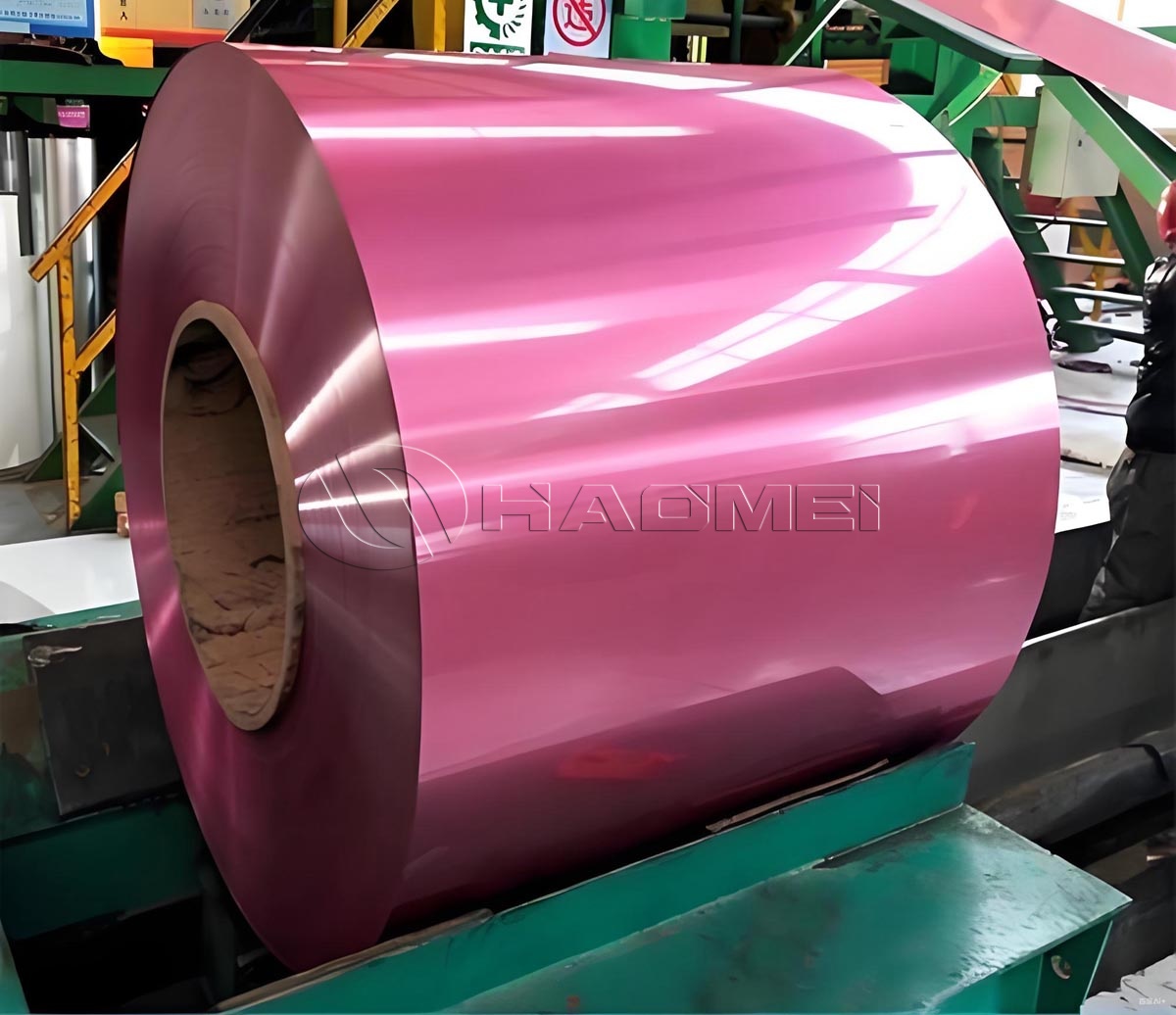
1100 Painted Aluminum Coil Vs 3003 Coated Aluminum Coil
Compare 1100 painted aluminum coil and 3003 coated aluminum coil in strength, formability, coating systems, and typical uses for building and industrial applications.
2026-03-26
-
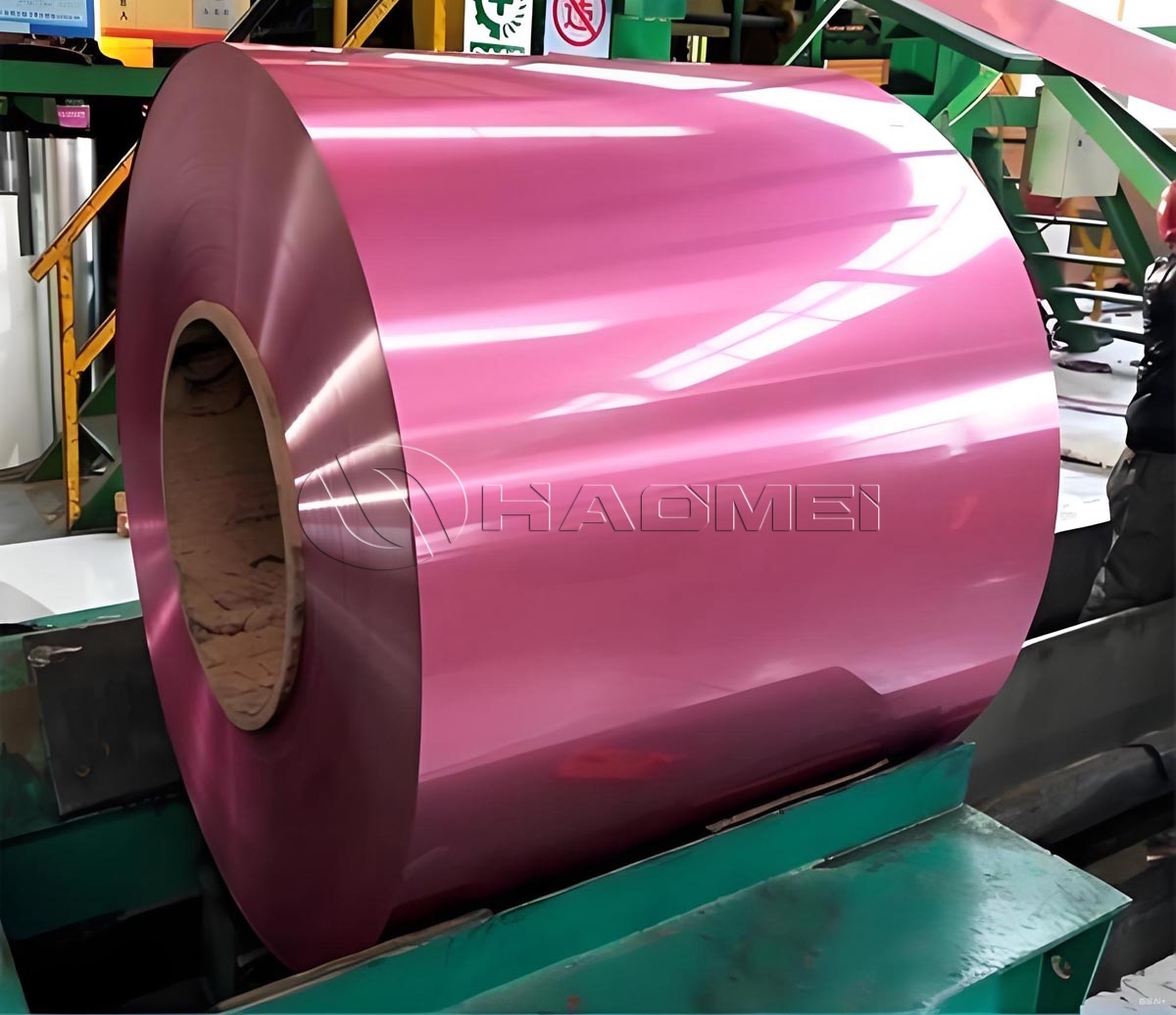
3004 H16 Prepainted Aluminum Coil Price Per Ton
Learn what affects 3004 H16 prepainted aluminum coil price per ton, including alloy, temper, coating, thickness, width, and end-use performance.
2026-04-24
-
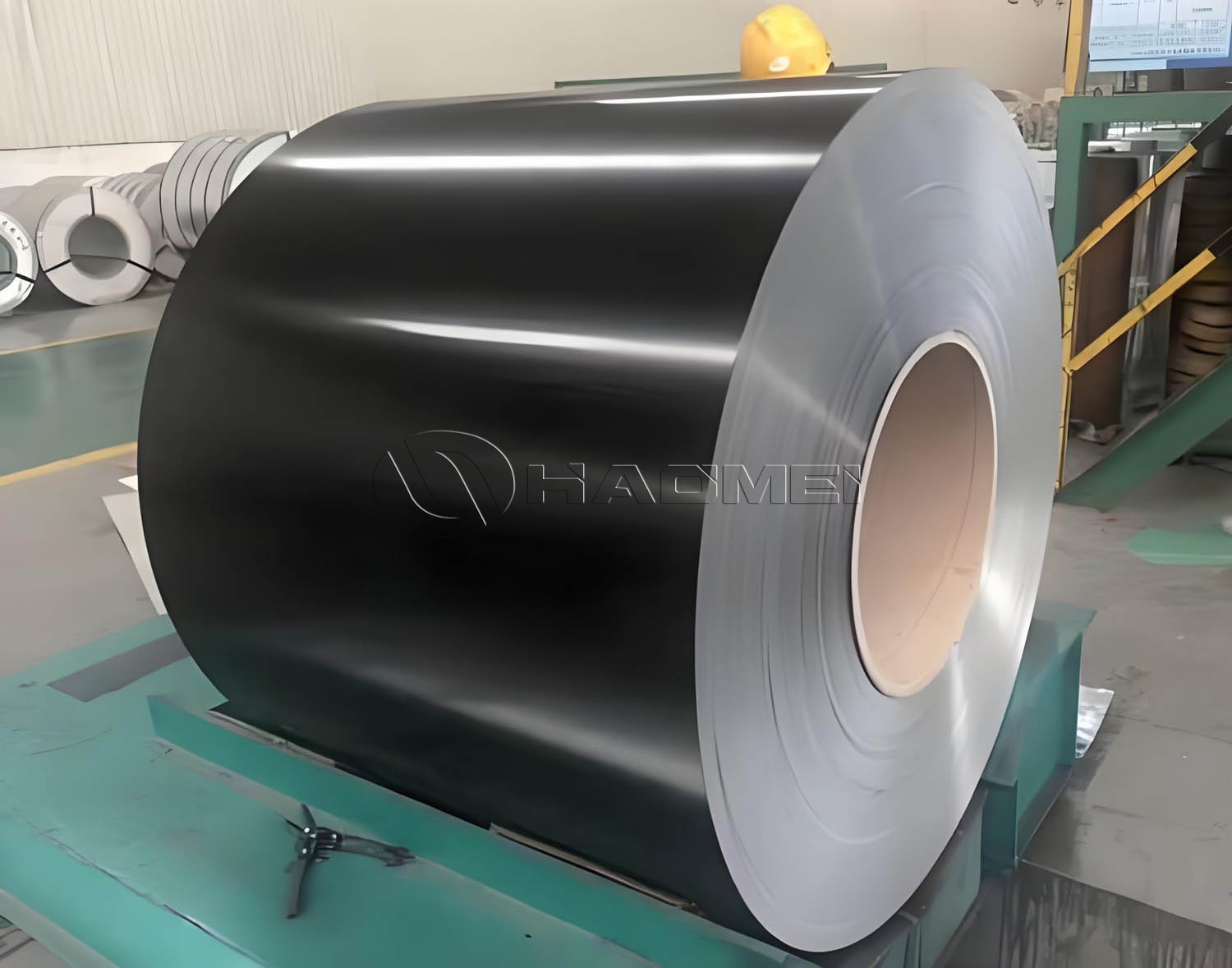
Black 3105 Prepainted Aluminum Coil 0.7mm
Technical overview of black 3105 prepainted aluminum coil 0.7mm, covering alloy, coating systems, specifications, and building applications.
2026-05-15
Contact Directly
-

ADD: No.14 Waihuan Road, CBD, Zhengzhou, China
-

WhatsApp: +86-18703635966
-

E-MAIL: sales@alummc.com