

News
 By Hermione
PVDF Coated Aluminum Coil for Signage
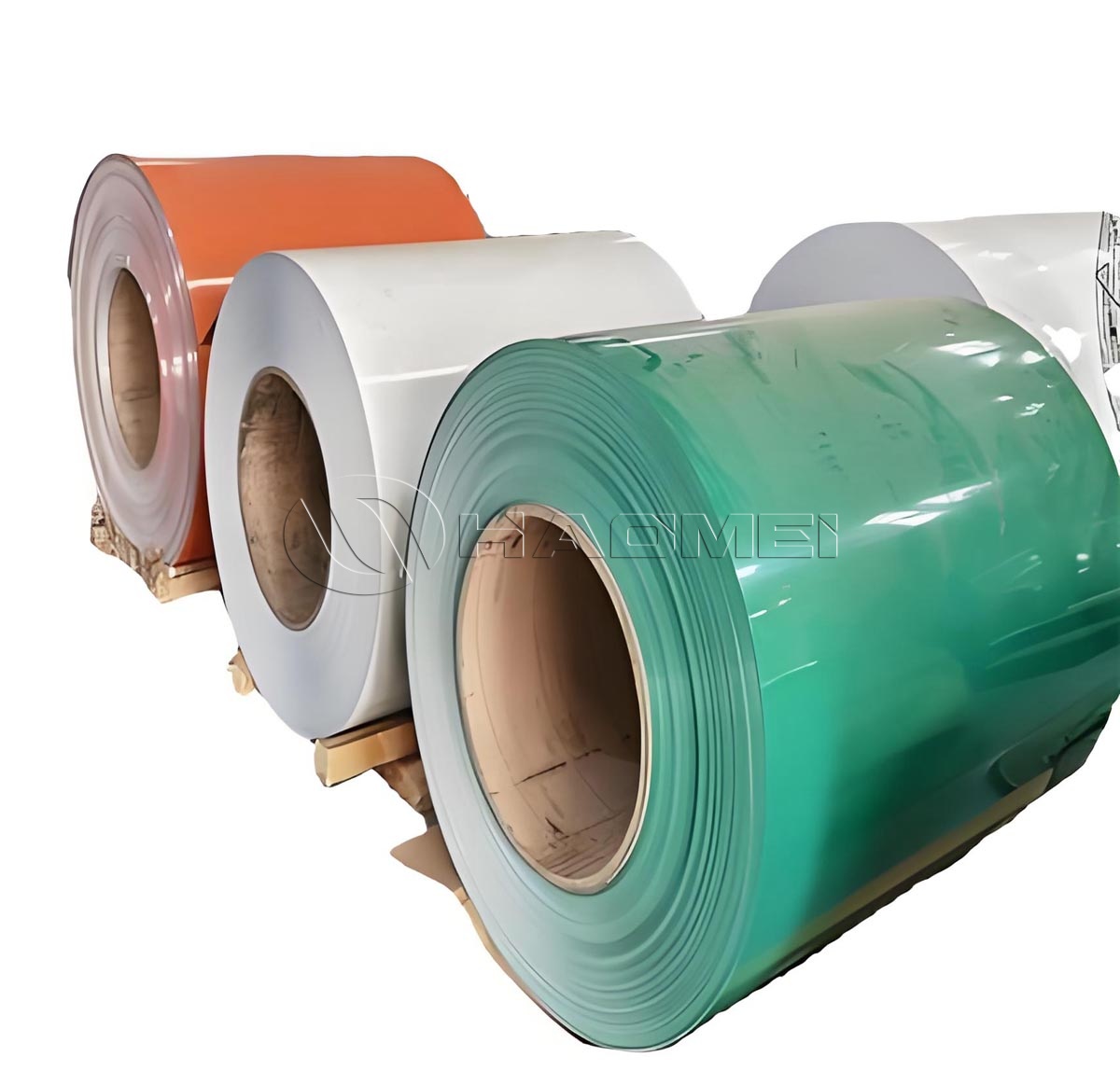
PVDF coated aluminum coil for signage is a pre-painted aluminum material designed for outdoor and indoor sign panels requiring long-term color stability, formability, and weather resistance. It is widely used in shopfront fascia, advertising boards, wayfinding systems, channel letters, totem signs, corporate identity panels, and aluminum composite panel faces.
Material Positioning in Signage Manufacturing
Signage materials must balance visual consistency, lightweight structure, processing efficiency, and outdoor durability. PVDF coated aluminum coil provides a factory-applied fluorocarbon coating on aluminum substrate, allowing sign manufacturers to slit, cut, bend, groove, laminate, and form panels with stable color and surface quality.
Compared with post-painted sheet processing, coil coating improves coating uniformity and production consistency. The material is especially suitable for medium to large batches of signs where flatness, repeatable color, and controlled surface finish are important.
In signage applications, PVDF Coated Aluminum Coil is commonly used for exposed exterior surfaces because the fluorocarbon resin system offers strong resistance to ultraviolet radiation, chalking, atmospheric pollutants, and rainwater erosion.
Performance Advantages of PVDF-Coated Aluminum Coil
1.Excellent Weather Resistance: Resistant to UV radiation, wind, frost, rain, and snow. Suitable for long-term outdoor use with lasting color retention and resistance to fading or chalking.
2.Corrosion Resistance: Resistant to acids, alkalis, and salt spray, making it suitable for complex outdoor environments.
3.Superior Surface Quality: Dense and smooth coating with self-cleaning properties, easy to wipe and clean.
4.Good Processability: Excellent flexibility; resistant to paint peeling during bending, cutting, and forming.
5.Stable Color Performance: Minimal color variation, maintaining a consistent and durable visual appearance, ideal for various signage applications.
6.Self-Cleaning and Stain Resistance: The dense surface makes it difficult for dust and dirt to adhere. Rainwater can help restore a clean appearance, greatly reducing maintenance costs.
7.Mechanical Performance: Strong coating adhesion, wear resistance, and impact resistance. The lightweight aluminum substrate is easy to cut, bend, and shape.
Coating System and Surface Structure
PVDF coating is based on polyvinylidene fluoride resin, typically formulated with high-performance pigments and additives. For signage, the coating system usually includes surface pretreatment, primer, topcoat, and optional back coat. This structure supports adhesion, corrosion resistance, color retention, and processing performance.
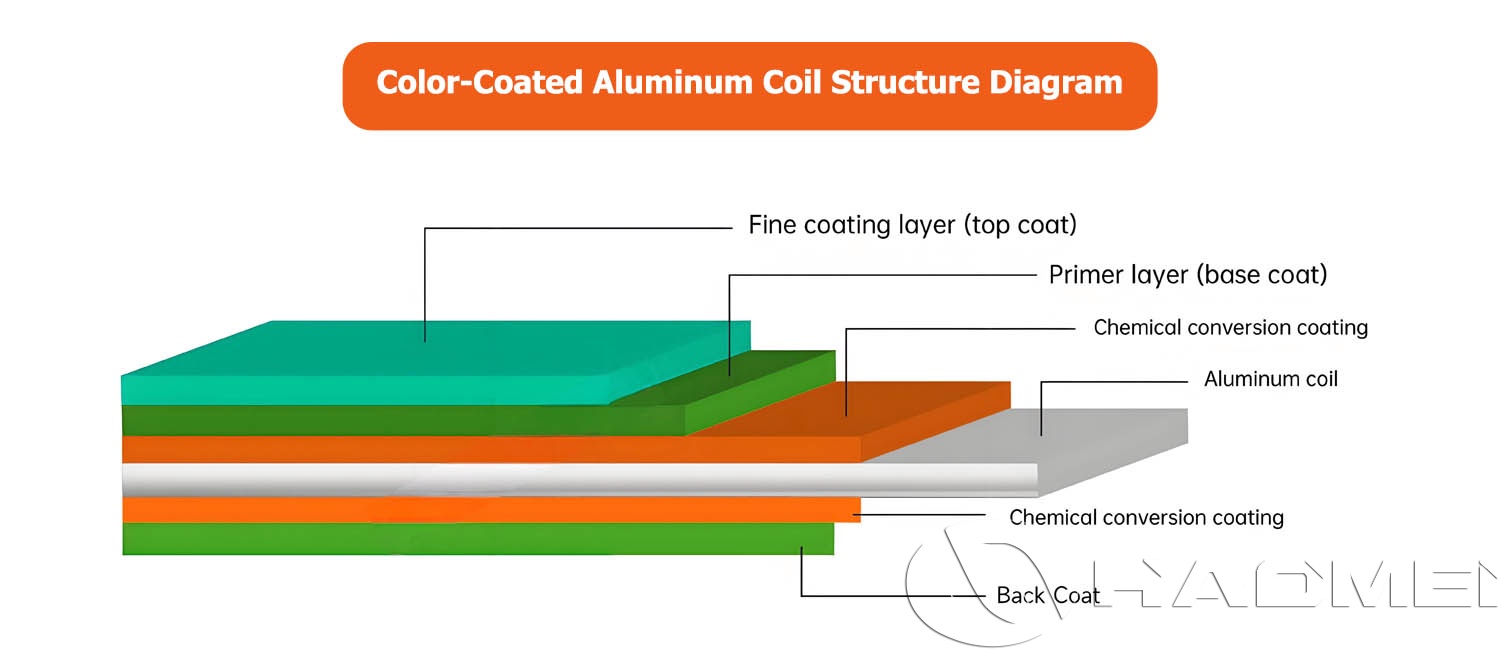
The coating design is not only decorative. It also protects the aluminum substrate during outdoor exposure. For illuminated signs and brand panels, gloss control and color difference control are essential because panels may be viewed under natural light, artificial light, or mixed lighting conditions.
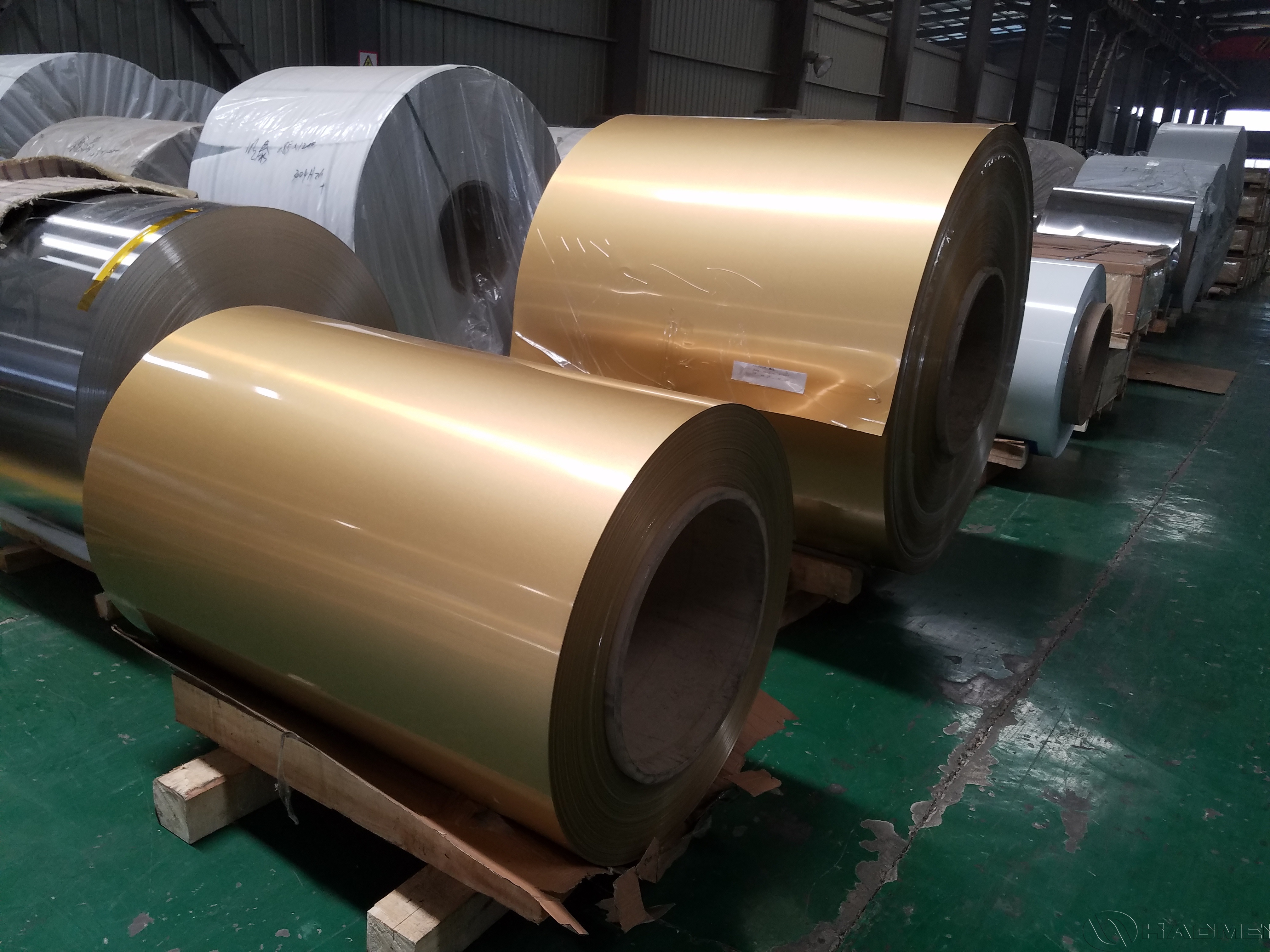
Common surface effects include solid colors, metallic colors, matte finishes, high-gloss finishes, and special decorative textures. Metallic finishes are often used for premium commercial signage, building identification systems, and architectural sign panels.
Core Specifications of PVDF Coated Aluminum Coil for Signage
| Item | Typical Specification |
|---|---|
| Product type | PVDF pre-painted aluminum coil |
| Common alloys | 1060, 1100, 3003, 3004, 3105, 5005 |
| Temper | O, H14, H16, H24, H26, H32, H34 depending on forming needs |
| Thickness range | 0.20 mm to 1.50 mm, with sign panels often using 0.30 mm to 1.20 mm |
| Width range | 600 mm to 1600 mm, subject to production and slitting requirements |
| Coating system | Primer plus PVDF topcoat, optional protective film and back coating |
| Top coating thickness | Typically 20 to 30 microns, depending on project specification |
| Back coating thickness | Typically 5 to 10 microns for protection or bonding compatibility |
| Surface finish | Solid color, metallic, matte, gloss, customized decorative finish |
| Color standard | RAL, Pantone, custom color matching, project color samples |
| Typical applications | Sign faces, fascia panels, channel letters, wayfinding panels, advertising boards |
Commonly Used Alloys for Signage
Different aluminum alloys are selected according to strength, formability, flatness, corrosion resistance, and fabrication method.
1060 and 1100 Aluminum
1060 and 1100 are commercially pure aluminum grades with excellent formability and corrosion resistance. They are suitable for signs requiring bending, stamping, shallow drawing, or simple panel forming. Their relatively soft mechanical properties help reduce cracking risk during edge forming and letter fabrication.
For lightweight sign surfaces and indoor decorative signs, 1100 Color Coated Aluminum Coil is often used when high ductility and stable coating appearance are required.
3003 Aluminum
3003 aluminum contains manganese as the main alloying element. It offers higher strength than 1000 series aluminum while maintaining good workability. In signage, 3003 is frequently used for fascia panels, cabinet sign faces, advertising panels, and formed components that need better dent resistance.
3004 and 3105 Aluminum
3004 and 3105 provide improved strength and good coating compatibility. They are often selected for exterior sign panels, ceiling sign systems, and architectural identification elements. These alloys are suitable for applications where panels need better rigidity, dimensional stability, and resistance to handling deformation.
5005 Aluminum
5005 aluminum has good corrosion resistance and a clean surface quality. It is commonly used in architectural decoration and high-appearance signage. For corporate identity systems and facade-mounted signs, 5005 offers a good balance between appearance, strength, and outdoor durability.
Performance Requirements in Signage Applications
Outdoor signs are exposed to sunlight, temperature changes, humidity, industrial pollution, and cleaning agents. PVDF coated aluminum coil is used because the coating system can maintain surface appearance under these conditions.
Key performance indicators include:
Color retention under UV exposure
Resistance to chalking and gloss loss
Coating adhesion after bending and forming
Corrosion resistance in humid and urban environments
Surface hardness for handling and installation
Film flexibility for folding, grooving, and roll forming
Compatibility with protective film, adhesive lamination, and composite panel production
Processing Characteristics for Signage Panels
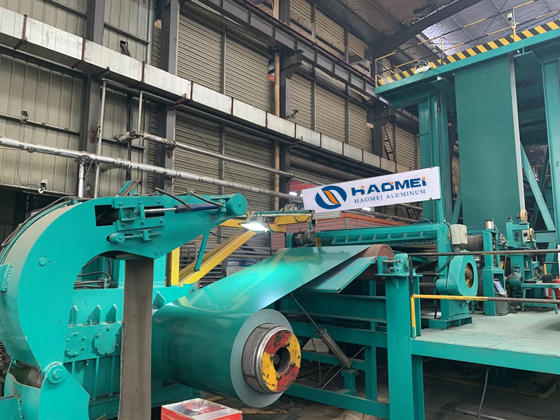
PVDF coated aluminum coil is typically processed by slitting, leveling, cutting, CNC routing, bending, punching, and laminating. During coil coating, curing temperature and line speed must be controlled to ensure coating crosslinking, solvent release, and surface uniformity.
For signage fabrication, bend radius and coating flexibility are important. Excessive deformation may damage the coating film, especially on sharp edges. Proper alloy temper selection helps maintain both panel rigidity and formability. Protective film may be applied to reduce scratches during transportation, cutting, and installation.
For aluminum composite panel production, the back coating or primer side must be compatible with bonding systems. Surface cleanliness, coating adhesion, and tension control during coil processing directly affect lamination quality and panel flatness.
Quality Control and Validation
PVDF coated aluminum coil for signage is usually tested through coating thickness measurement, color difference inspection, gloss measurement, T-bend testing, impact resistance, pencil hardness, solvent resistance, salt spray testing, and accelerated weathering evaluation.
For brand signage and repeated panel production, color consistency between batches is critical. Process control typically focuses on substrate quality, pretreatment concentration, coating viscosity, curing temperature, film thickness, and online surface inspection.
Typical validation items include:
Coating adhesion after forming
Delta E color difference control
Gloss stability across coil width and length
Surface defect inspection for pinholes, scratches, and roll marks
Weather resistance testing for exterior sign exposure
Corrosion resistance testing for coastal or industrial environments
-
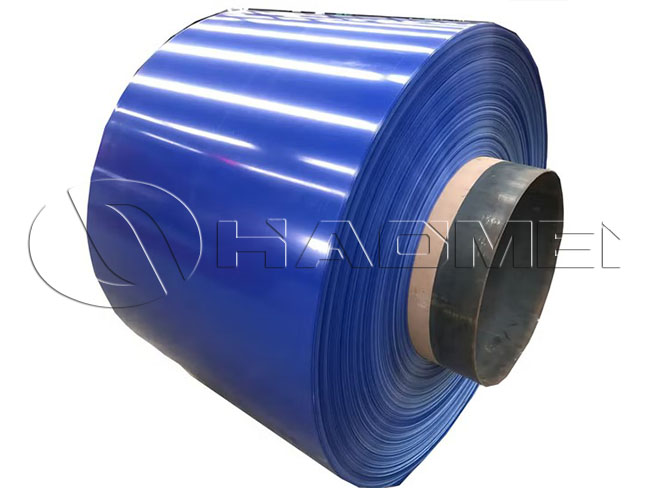
Color-Coated Aluminum Coils for Ceiling Applications
In modern architectural decoration, ceilings are no longer merely functional structures for concealing pipelines. They play a critical role in enhancing overall aesthetics, improving durability, and reducing long-term maintenance costs. From large airport
2025-12-26
-
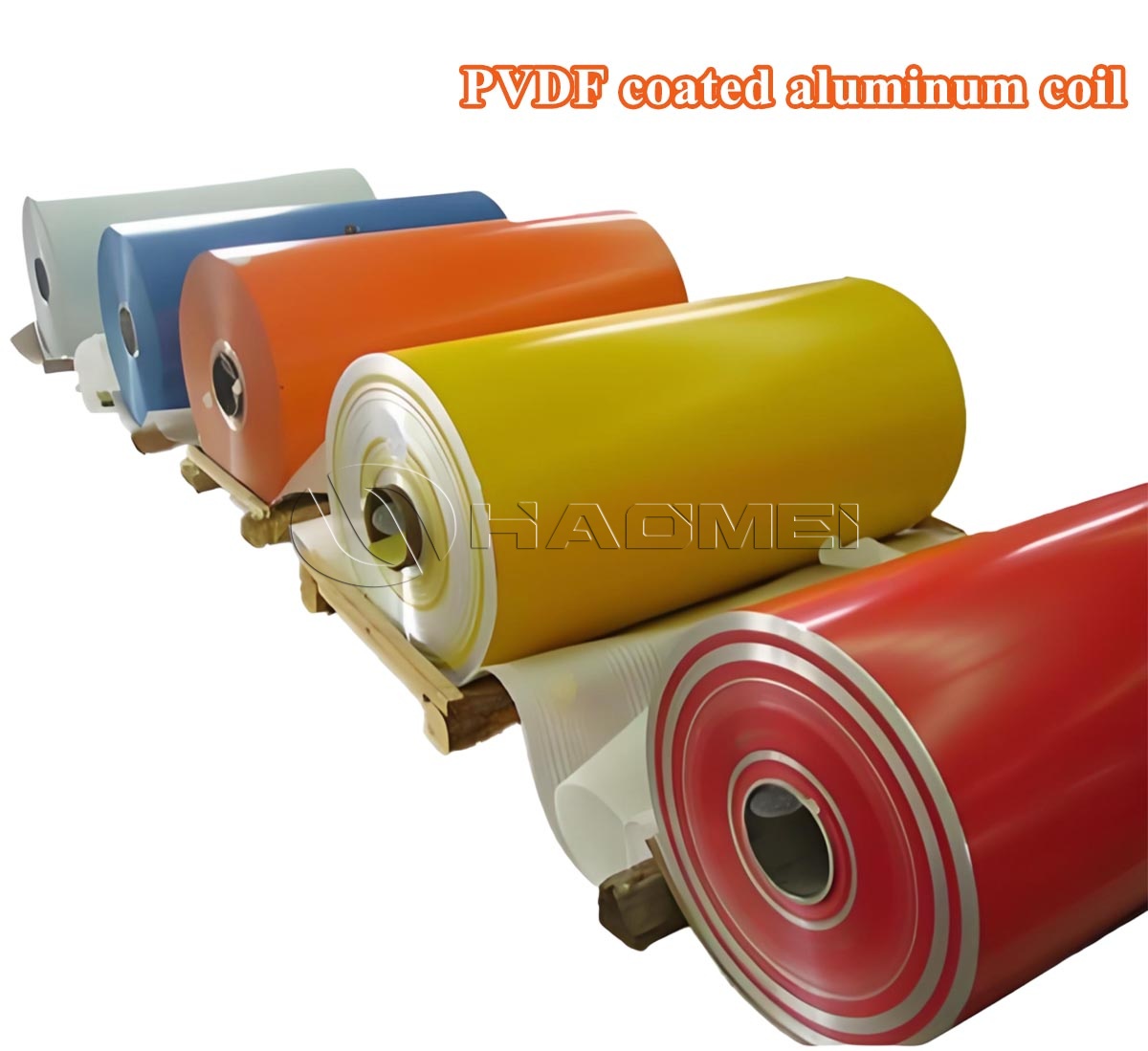
Pvdf Coated Aluminum Coil Coating Lifespan
Learn PVDF coated aluminum coil coating lifespan, fluorocarbon coating systems, coil coating process, and weather resistance performance for façades and roofing.
2026-01-28
-
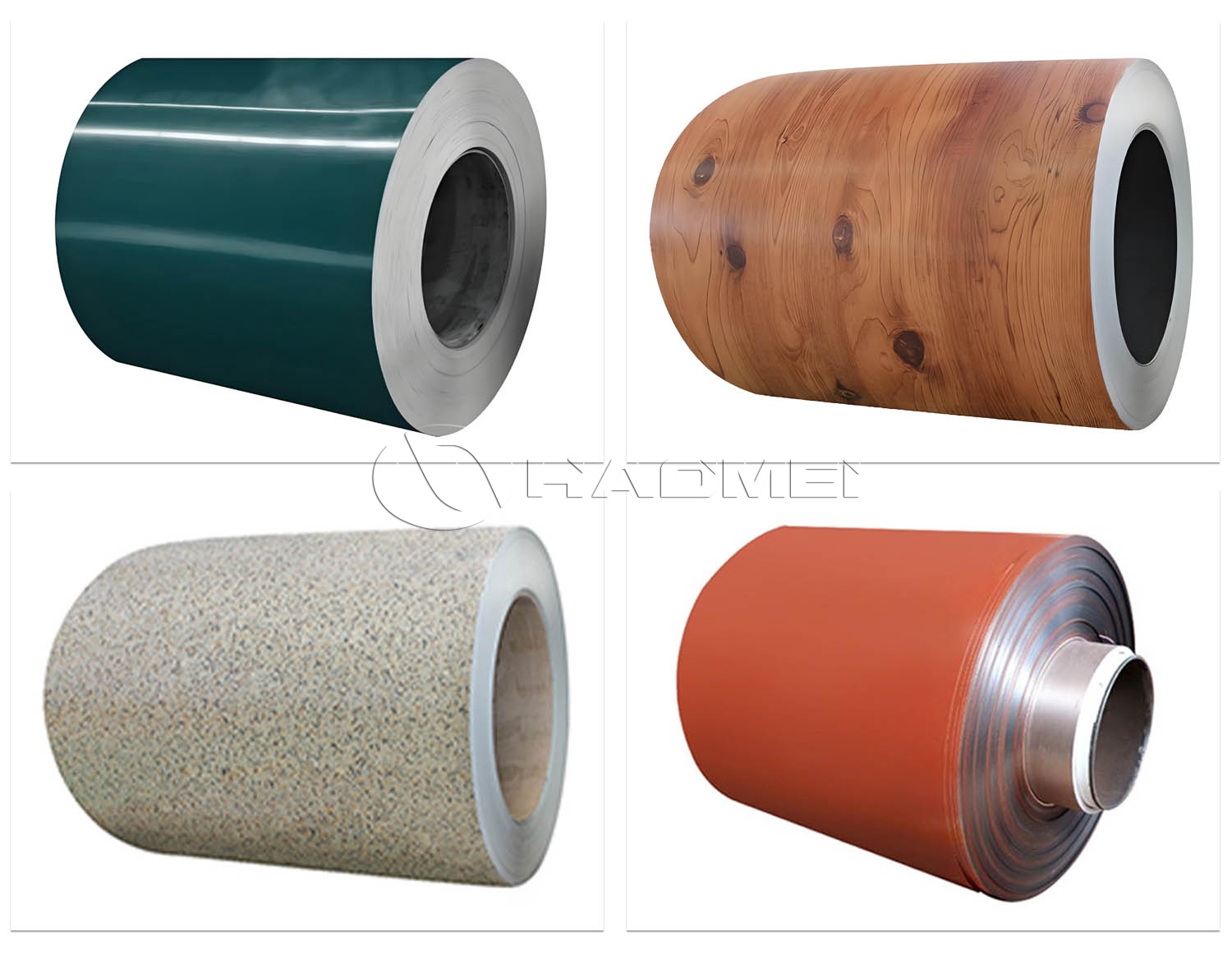
3105 Prepainted Aluminum Coil for Gutters
3105 prepainted aluminum coil for gutters provides formability, corrosion resistance, and PE or PVDF coating performance for durable roof rainwater systems.
2026-04-30
Contact Directly
-

ADD: No.14 Waihuan Road, CBD, Zhengzhou, China
-

WhatsApp: +86-18703635966
-

E-MAIL: sales@alummc.com