


News
 By Hermione
Wholesale Polyester Coated Aluminum Coil Price
Polyester coated aluminum coil, commonly known as PE coated aluminum coil, is a cost-effective pre-painted metal material for roofing sheets, wall panels, ceilings, rainwater systems, roller shutters, insulation cladding, and interior decorative products. The wholesale polyester coated aluminum coil price is influenced by the aluminum substrate, coating grade, coil dimensions, surface finish, order volume, and processing requirements. Its balance of formability, color consistency, corrosion resistance, and economic efficiency makes it widely used in continuous roll-forming and sheet fabrication.
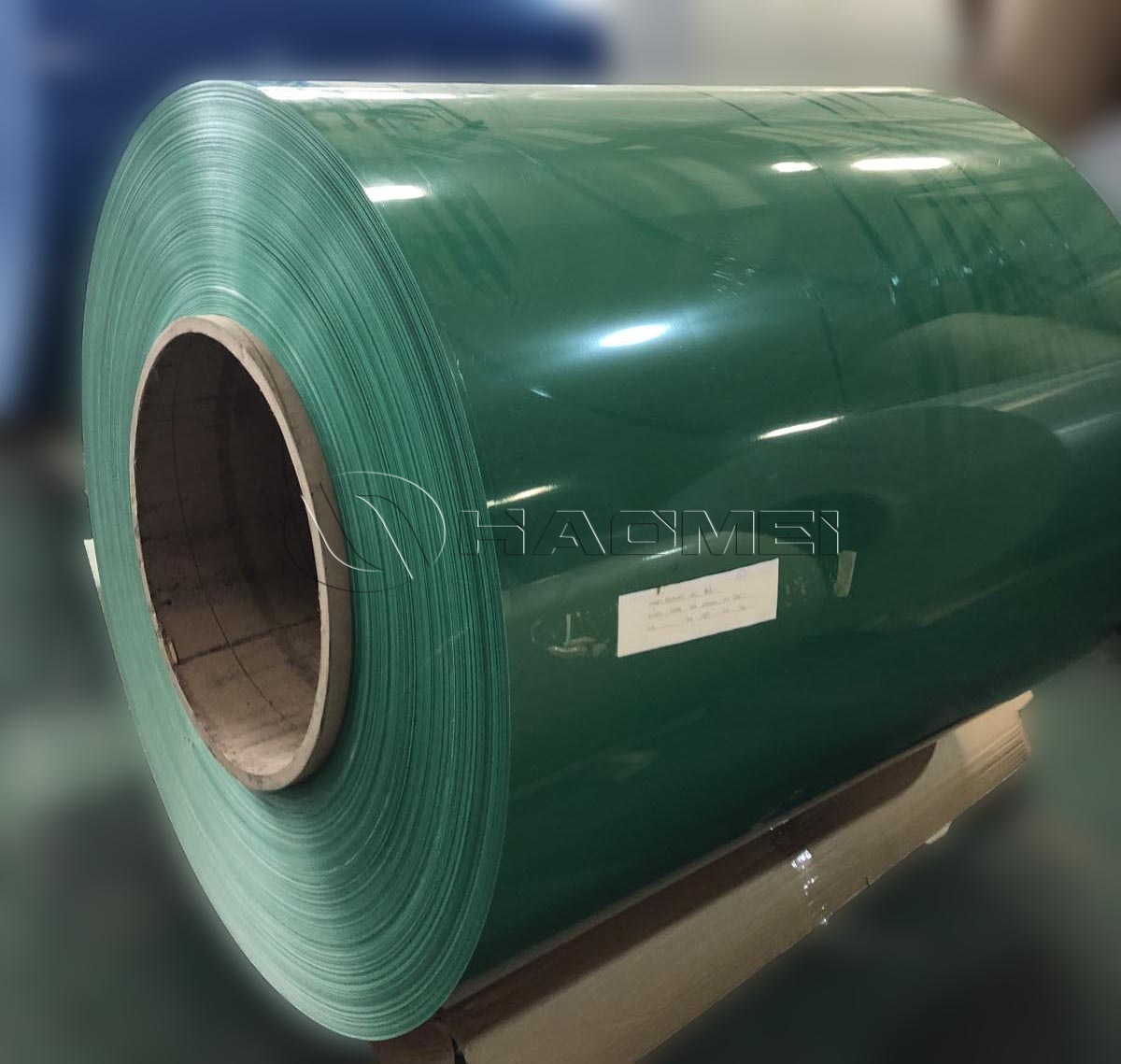
Performance Advantages of PE Coated Aluminum Coils
Excellent Weather Resistance: The polyester coating offers superior UV and aging resistance, making it suitable for long-term indoor and outdoor use.
Strong Corrosion Resistance: The coating effectively blocks moisture, air, and certain corrosive agents, enhancing the aluminum coil's resistance to corrosion.
Rich Color Variety: Available in a wide range of colors and surface finishes to meet diverse design requirements for architectural facades, interior decoration, and more.
Excellent Adhesion: The coating bonds firmly to the aluminum substrate, ensuring it does not easily peel or flake off.
Superior Processability: Exhibits excellent bending, stamping, and forming characteristics, making it ideal for further processing.
Aesthetic Appeal: The coating provides a smooth, uniform surface that enhances the product's decorative quality.
Easy Maintenance: The surface is easy to clean, helping to reduce long-term maintenance costs.
Wide Range of Applications: Commonly used in architectural curtain walls, roofing, ceilings, doors and windows, interior decoration, and signage.
Product Structure and Polyester Coating System
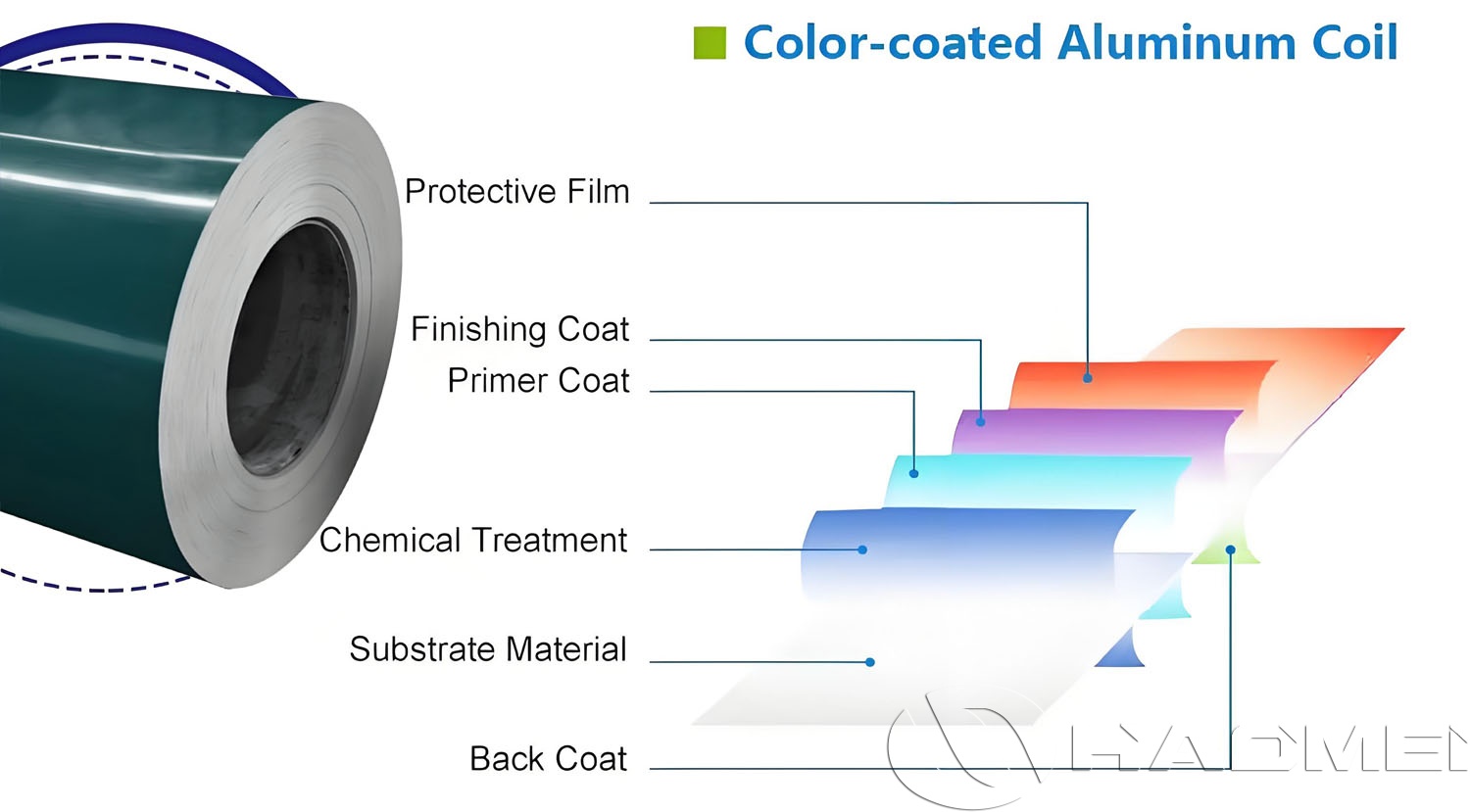
A polyester coated aluminum coil is produced by applying an organic coating to cleaned and chemically pretreated aluminum strip through a continuous coil-coating line. The finished material typically includes the following layers:
Aluminum alloy substrate
Chemical conversion treatment
Primer coating
Polyester topcoat
Back coating on the reverse side
The pretreatment layer improves adhesion between aluminum and paint while helping protect the substrate against under-film corrosion. The primer contributes to coating integrity, and the polyester finish provides the required color, gloss, hardness, flexibility, and weathering performance.
Standard PE coatings are commonly used for general architectural and interior applications. They offer stable appearance, good fabrication performance, and efficient production economics. Higher-durability fluorocarbon systems are used for projects requiring enhanced ultraviolet and weather resistance; these are represented by PVDF Coated Aluminum Coil products.
Core Specifications of Polyester Coated Aluminum Coil
Wholesale Polyester Coated Aluminum Coil Specifications
| Item | Typical Range or Option |
|---|---|
| Base alloy | 1050, 1060, 1100, 3003, 3004, 3105, 5005, 5052, 8011 |
| Temper | O, H12, H14, H16, H18, H19, H24, H26 |
| Thickness | 0.20-1.50 mm, subject to alloy and application |
| Width | 20-1,600 mm |
| Coil inner diameter | 150 mm, 300 mm, 405 mm, 508 mm, or 610 mm |
| Coil weight | Commonly 1-8 metric tons per coil |
| Top coating | Polyester (PE), normally 15-25 μm dry film thickness |
| Back coating | Usually 5-10 μm dry film thickness |
| Surface finish | Glossy, matt, high gloss, textured, embossed, wood grain, or custom color |
| Color reference | RAL, Pantone, sample matching, or custom color standard |
| Protective film | Optional transparent PE protective film |
| Typical applications | Roofing, façade panels, ceilings, shutters, gutters, cladding, appliance panels |
Common Aluminum Alloys and Their Characteristics
The substrate alloy has a direct effect on coil price, mechanical strength, corrosion performance, bending behavior, and finished-product flatness. Different alloy families are used according to forming method and service environment.
1xxx Series: 1050, 1060, and 1100
The 1xxx series is commercially pure aluminum with high aluminum content. These alloys offer excellent corrosion resistance, thermal conductivity, and ductility. They are commonly processed into ceiling panels, decorative sheets, insulation jacketing, signage, and light-duty cladding.
1050 provides strong formability and is often used for general decorative applications.
1060 is widely used where deep drawing, bending, or simple roll forming is required.
1100 has good workability and is suitable for roofing accessories, interior panels, and lighting-related products.
Because of their lower alloying content, 1xxx series coils can provide an economical substrate option where high structural strength is not required.
3xxx Series: 3003, 3004, and 3105
The 3xxx series contains manganese, which improves strength compared with pure aluminum while retaining good corrosion resistance and forming properties. It is one of the most common alloy groups for polyester coated aluminum coil used in building applications.
3003 is frequently used for roofing, gutters, insulation cladding, and general-purpose architectural panels.
3004 provides higher strength and is suitable for formed panels and applications requiring improved dent resistance.
3105 is extensively used for painted siding, roofing sheet, shutters, and roll-formed construction components. 3105 Color Coated Aluminum Coil is particularly associated with pre-painted architectural sheet production because of its balanced strength and coating compatibility.
5xxx Series: 5005 and 5052
The 5xxx series uses magnesium as its primary alloying element. It generally offers higher strength, better marine-atmosphere corrosion resistance, and improved durability in demanding environments.
5005 is often selected for architectural panels, curtain wall components, and decorative metalwork where surface quality and anodizing compatibility are relevant.
5052 has higher strength and good salt-spray resistance, making it suitable for transportation panels, marine-adjacent applications, and durable fabricated parts.
The wholesale polyester coated aluminum coil price for 5xxx alloys is normally higher than for 1xxx and standard 3xxx alloys because of alloy composition and processing requirements.
8xxx Series: 8011
8011 aluminum coil combines workable strength with good corrosion resistance. It is commonly used for bottle caps, packaging-related products, insulation applications, and certain building panel systems. Its pricing depends significantly on thickness, temper, coating demand, and rolling tolerance.
Main Factors Affecting Wholesale Polyester Coated Aluminum Coil Price
Wholesale pricing is generally calculated from the aluminum substrate value plus alloy conversion, coating cost, slitting or cut-to-length processing, packaging, and applicable logistics charges. The final coil price can change with market conditions and technical specifications.
Aluminum Market Value and Alloy Conversion
The base aluminum value is a principal cost component. Market fluctuations affect all alloy grades, while alloy-specific conversion costs vary according to composition, rolling process, temper control, and required flatness. Higher-strength alloys, thin gauges, and tight dimensional tolerances usually involve additional processing cost.
Coil Thickness, Width, and Weight
Thickness strongly affects the net metal content per square meter and total coil mass. Ultra-thin coils require precise rolling and tension control, while wide coils may require dedicated production capability and stricter shape control. Narrow slit coils can generate additional edge-trim loss and slitting charges.
Coating Type, Film Thickness, and Color
Standard solid-color polyester coatings are generally more economical than metallic, textured, high-gloss, matte, printed, or wood-grain finishes. Coating thickness also affects material cost. A higher dry film thickness may improve coverage and barrier protection, but it increases paint consumption and curing control requirements.
Pigment selection is another relevant factor. White, grey, and common architectural colors normally have stable availability, while special metallic colors, deep shades, fluorescent colors, and custom-matched colors may use more complex pigment formulations.
Surface Quality and Performance Requirements
Color-coated coil is evaluated for visual uniformity and functional coating properties. Common controls include:
Color difference and gloss consistency
Coating thickness uniformity
Adhesion after bending or T-bend testing
Pencil hardness and impact resistance
Solvent resistance
Salt-spray or humidity performance where specified
Surface cleanliness, edge condition, and coil shape
Higher inspection frequency, tighter color tolerance, and application-specific testing can affect the total wholesale polyester coated aluminum coil price.
Processing Compatibility and Application Performance
PE coated aluminum coil is designed for downstream operations such as roll forming, bending, stamping, profiling, slitting, and cutting. Coating flexibility must remain compatible with the substrate temper and forming radius. A coil with a hard temper may provide better dent resistance, while a softer temper supports more demanding bending and shaping operations.
For roofing and wall cladding, performance depends on coating integrity at bends, fastener locations, cut edges, and overlapping joints. For ceiling systems and interior panels, color consistency, gloss control, scratch resistance, and panel flatness are often prominent requirements. For rainwater systems, aluminum alloy selection and coating continuity contribute to long-term corrosion resistance.
Quality Control in Coil-Coating Production
Consistent polyester coated aluminum coil quality depends on control of substrate preparation, paint formulation, coating application, oven curing, and finished-coil inspection. Continuous production lines monitor coating weight, wet-film application, peak metal temperature, line speed, and curing conditions.
Chemical pretreatment is particularly important because it supports coating adhesion and corrosion protection. Inadequate cleaning or conversion treatment can lead to blistering, delamination, or reduced resistance at cut edges. Controlled curing is equally important: insufficient curing can reduce hardness and solvent resistance, while excessive curing can affect flexibility and color stability.
Packaging and Coil Identification
Finished coils are typically protected with interleaving paper or film, moisture-resistant wrapping, edge guards, steel or plastic strapping, and wooden pallets or skids where required. Each coil can be identified by alloy, temper, dimensions, net weight, coating color, batch number, and production reference. This traceability supports consistency between coil batches used for large roofing, façade, ceiling, and industrial panel projects.
-
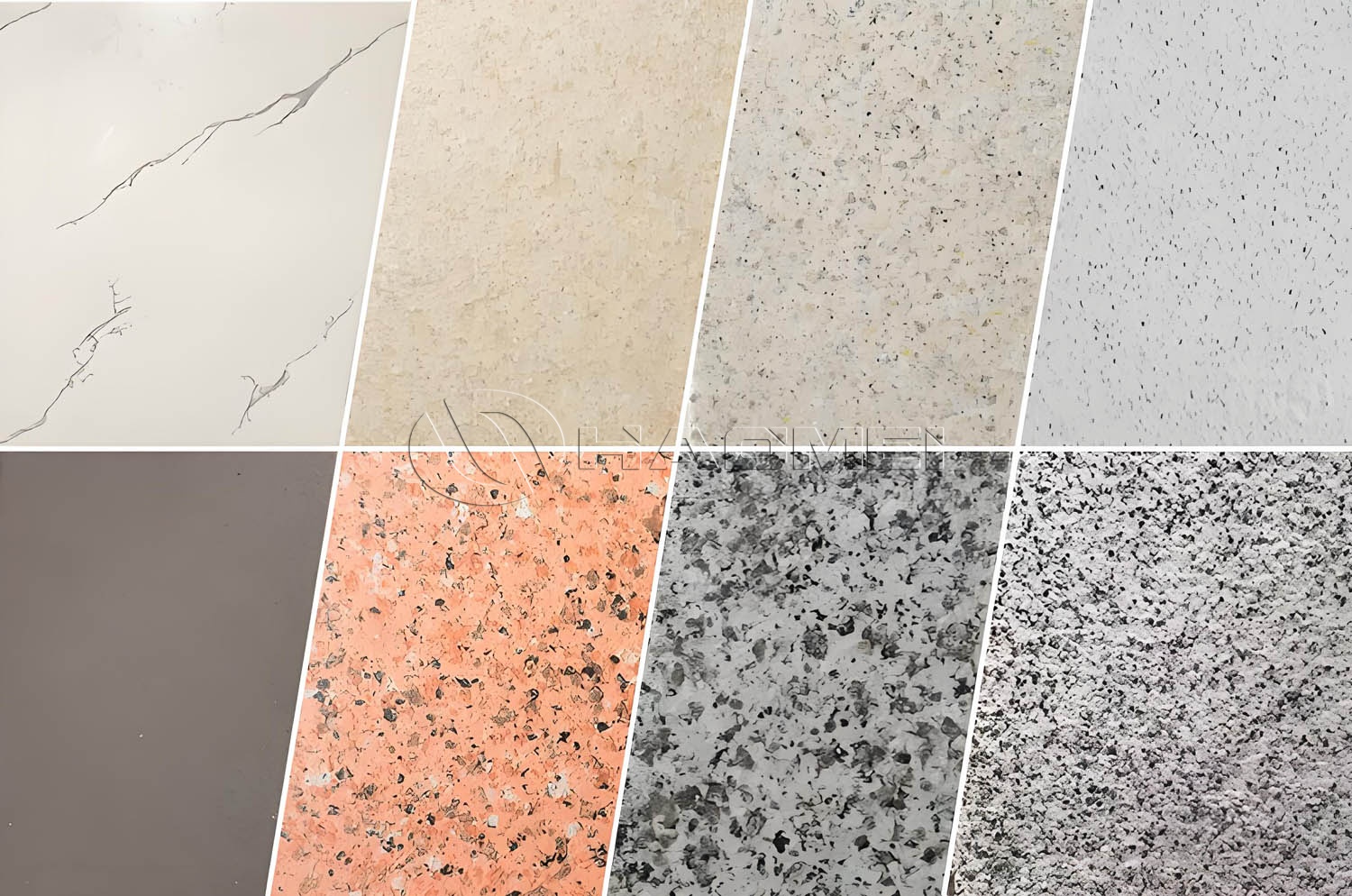
Marble Design PE Coated Aluminum Coil For Walls
Marble design PE coated aluminum coil delivers lightweight, decorative, and formable surfaces for interior wall panels, ceilings, partitions, and cladding.
2026-09-01
-
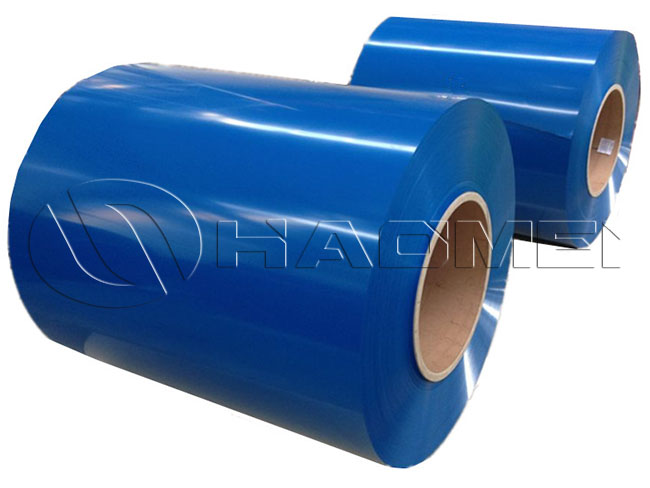
1100 / 3003 Color Coated Aluminum Coil for Signboards and Advertising Boards
1100 / 3003 color-coated aluminum coils are lightweight, weather-resistant, and have good processability, making them suitable for billboards and traffic signs.
2025-12-23
-
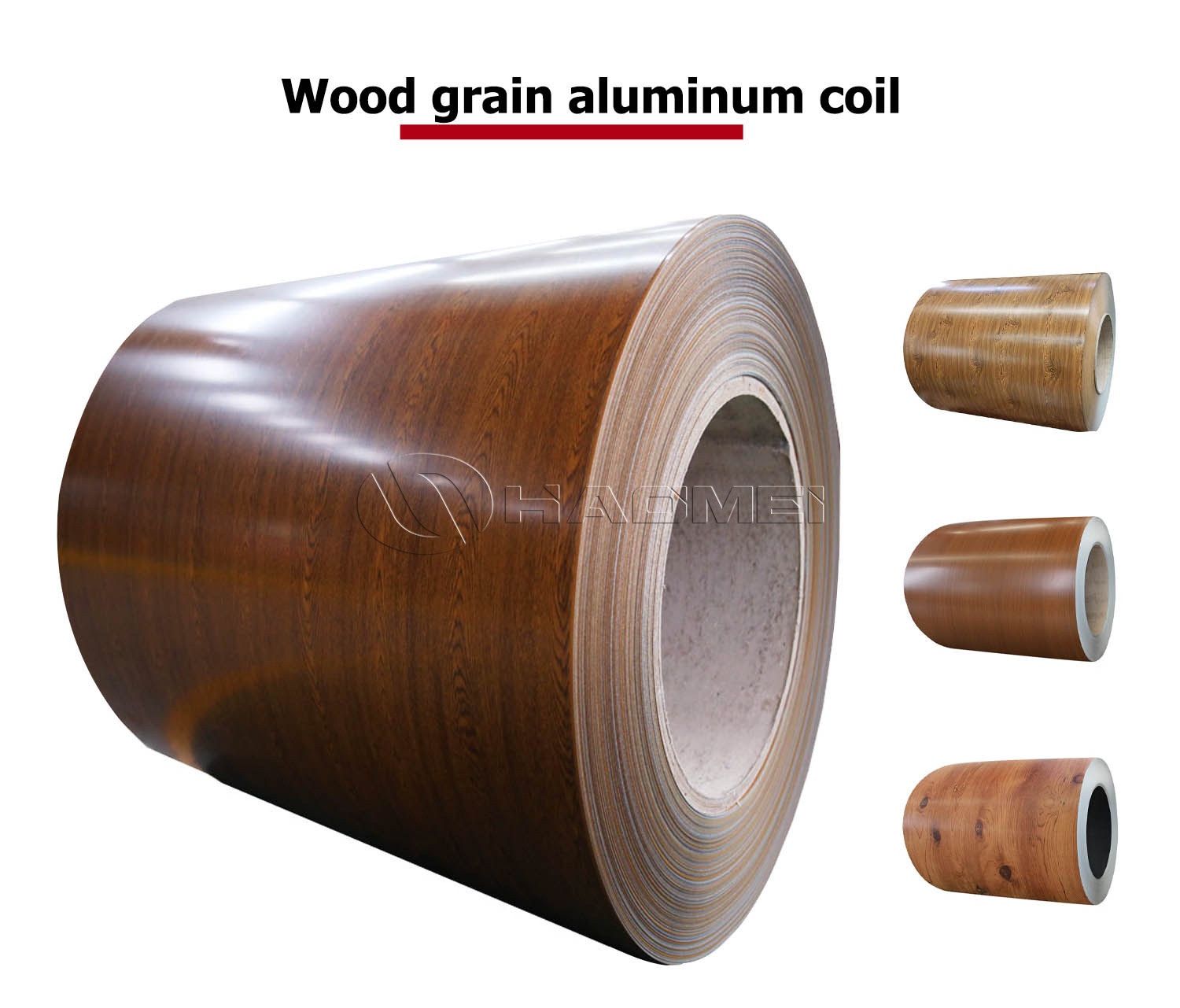
Marine Grade Wood Grain Aluminum Coil
Marine grade wood grain aluminum coil uses PVDF coatings and 5xxx alloys for durable cladding, ceilings, shutters, and coastal facade systems with stable color.
2026-07-06
Contact Directly
-

ADD: No.14 Waihuan Road, CBD, Zhengzhou, China
-

WhatsApp: +86-18703635966
-

E-MAIL: sales@alummc.com
