

News
 By Hermione
Marine Grade Wood Grain Aluminum Coil
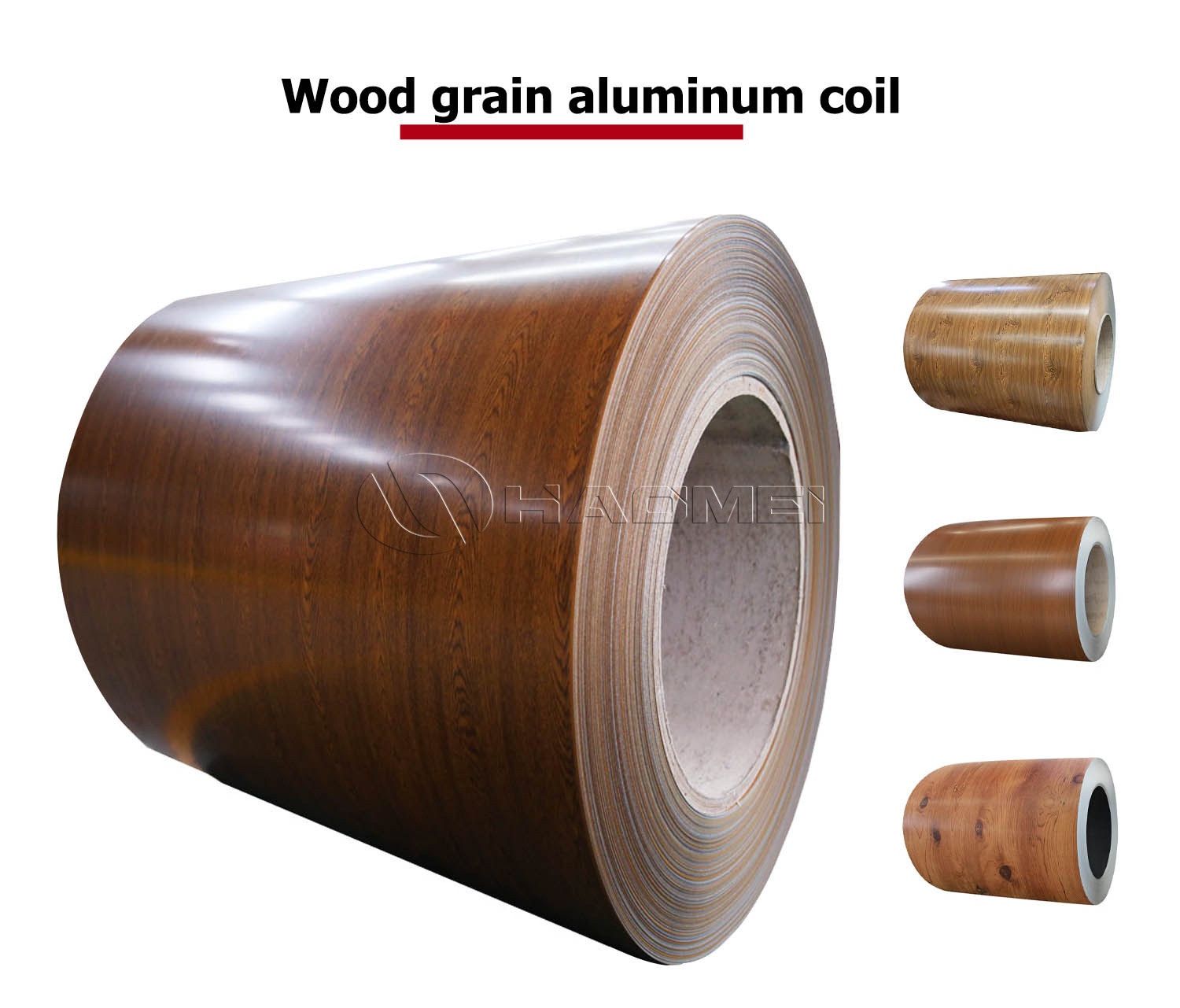
Marine grade wood grain aluminum coil is positioned as a decorative and corrosion-resistant pre-painted aluminum material for coastal buildings, marina facilities, seaside commercial spaces, balcony systems, ceilings, soffits, rolling shutters, and exterior architectural panels. It combines the warm visual effect of natural wood with the lightweight formability and chloride-resistant performance of coated aluminum, making it suitable for environments where timber appearance and long-term exterior durability are required.
Product Structure and Marine Performance Concept
The term marine grade wood grain aluminum coil does not refer to a single alloy only. In practical engineering, it describes a complete material system consisting of a corrosion-resistant aluminum substrate, controlled surface pretreatment, primer, color base coat, wood grain printing or transfer layer, and a durable clear topcoat.
For coastal exposure, the most critical risks are chloride-induced pitting, coating underfilm corrosion, UV degradation, humidity cycling, and edge corrosion after cutting or forming. A marine-oriented coating system normally emphasizes:
Stable substrate corrosion resistance, especially with 5xxx series aluminum alloys.
Uniform chemical conversion or passivation layer for coating adhesion.
High-weatherability topcoat, commonly based on PVDF or FEVE resin chemistry.
Controlled curing temperature to ensure solvent release, film continuity, and adhesion.
Wood grain pattern stability under UV, humidity, and salt spray conditions.
The decorative principle is similar to Wooden Grain Color Coated Aluminum Coil, while marine-grade versions place greater emphasis on salt resistance, topcoat durability, and edge performance.
Product Features
1.Excellent Corrosion and Weather Resistance:
Marine environments are characterized by high salinity and humidity. These aluminum coils are treated with special fluorocarbon coating or transfer printing processes, effectively resisting seawater corrosion, acid rain, UV rays, and air pollution. Their color retention can last for more than ten years.
2.Lightweight and High Strength:
Aluminum alloy has a high strength-to-weight ratio, which can significantly reduce the structural weight of ships or cabins and improve sailing speed, while also offering excellent impact resistance.
3.Fire Resistance and Safety:
Compared with solid wood, wood-grain aluminum coils are non-combustible and can typically achieve a fire rating of Class A or A2. In the event of a marine accident, they can effectively inhibit flame spread without releasing toxic gases.
4.Outstanding Processing Performance:
With stable mechanical properties, the material can be easily cut, stamped, bent, and further processed into complex shapes, perfectly adapting to the irregular cabin designs inside ships.
5.Eco-Friendly, Moisture-Proof, and Easy to Maintain:
The surface offers the natural beauty of real wood while completely overcoming the drawbacks of traditional wood, such as moisture absorption, mildew, flammability, and insect damage. Daily cleaning requires only wiping with water to maintain its gloss. The material is also 100% recyclable, fully meeting modern green environmental standards.
Core Specifications for Marine Grade Wood Grain Aluminum Coil
| Specification Item | Typical Range or Options | Technical Notes |
|---|---|---|
| Aluminum alloys | 3003, 3004, 3105, 5005, 5052, 5754 | 5xxx alloys are preferred for stronger coastal corrosion resistance |
| Temper | O, H14, H16, H24, H26, H32, H34 | Selected according to bending, roll forming, and panel rigidity requirements |
| Thickness | 0.20-2.00 mm | Common facade, ceiling, shutter, and trim applications vary by forming method |
| Width | 600-1600 mm | Wider coils require stricter flatness and coating uniformity control |
| Coating system | PVDF, FEVE, super durable polyester | PVDF and FEVE are commonly used for exterior marine exposure |
| Front coating thickness | 25-35 microns typical | Higher-build systems may be specified for severe environments |
| Back coating thickness | 5-15 microns typical | Back coat supports corrosion protection and handling performance |
| Wood grain method | Roller coating, printing, heat transfer | Pattern depth, repeatability, and color matching depend on process control |
| Gloss | 10-80 GU at 60 degrees | Matte and low-gloss wood finishes are commonly used for architectural surfaces |
| Coil ID | 405 mm, 508 mm | Determined by downstream unwinding and processing equipment |
| Performance tests | Salt spray, humidity, adhesion, T-bend, impact, UV aging | Typical references include ASTM B117, ASTM D3359, ASTM G154, and related standards |
Commonly Used Alloys
5052 Aluminum Alloy
5052 is one of the most widely used aluminum alloys for marine-grade coated coil because of its magnesium content, good resistance to seawater atmosphere, moderate strength, and excellent formability. It is suitable for coastal ceilings, curtain wall trims, shutters, soffit panels, and decorative cladding where both corrosion resistance and processing stability are important.
5754 Aluminum Alloy
5754 offers higher strength than many 3xxx alloys and strong resistance to marine atmosphere. It is often used where exterior durability, dent resistance, and structural stability are required. In wood grain coated coil, 5754 is suitable for facade panels, transport-related decoration, marine facility interiors, and coastal building envelopes.
5005 Aluminum Alloy
5005 provides good surface quality, moderate strength, and good corrosion resistance. It is commonly used for architectural decorative panels and flat sheet applications. When combined with a high-performance coating system, it provides a stable base for wood grain finishes in coastal commercial and residential projects.
3003, 3004, and 3105 Aluminum Alloys
3003, 3004, and 3105 are widely used in architectural color coated aluminum coil due to their formability, availability, and balanced mechanical properties. They are suitable for ceilings, interior coastal decoration, roll-formed products, and general exterior components when protected by a suitable coating system. In more aggressive salt-air exposure, coating specification and edge protection become more critical than in inland environments.
1060 and 1100 Aluminum Alloys
1060 and 1100 have high aluminum purity and excellent workability, but lower mechanical strength. They are mainly used for lightweight decorative parts, ceiling strips, and interior trim. For severe marine exterior conditions, they are generally selected only when the design load is low and coating protection requirements are well controlled.
Coating System Design
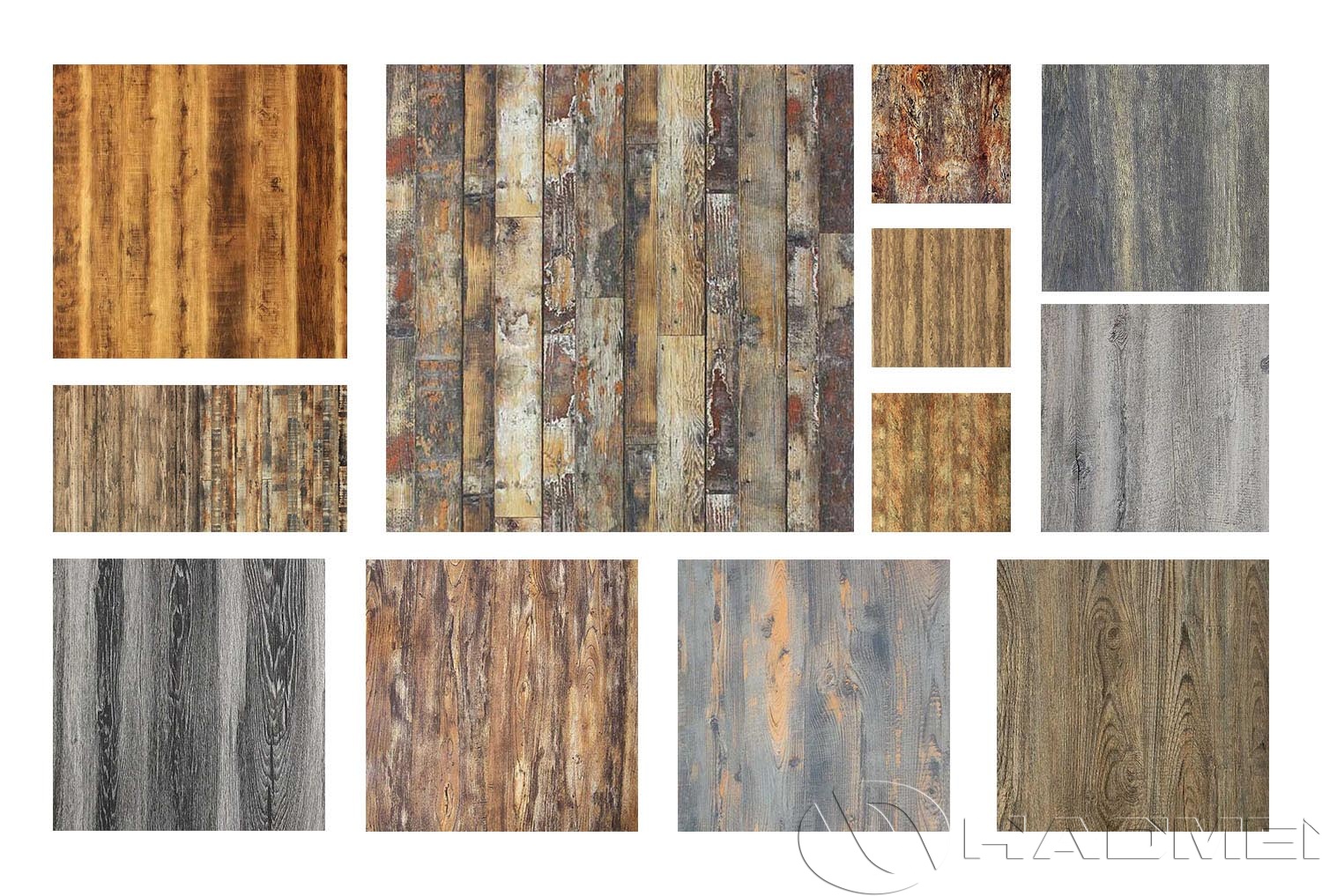
A marine-grade wood grain surface is built through multiple functional layers. The primer promotes adhesion and improves corrosion resistance. The base coat provides background color and opacity. The wood grain layer creates the natural texture effect, while the clear topcoat protects the printed pattern from UV radiation, salt mist, abrasion, and moisture.
For exterior coastal use, PVDF Coated Aluminum Coil technology is commonly applied because PVDF resin offers strong weatherability, color retention, chalking resistance, and chemical stability. PE coating is more often used for interior decoration or mild environments, while PVDF, FEVE, or super durable polyester systems are more suitable for long-term outdoor exposure.
Manufacturing and Process Control
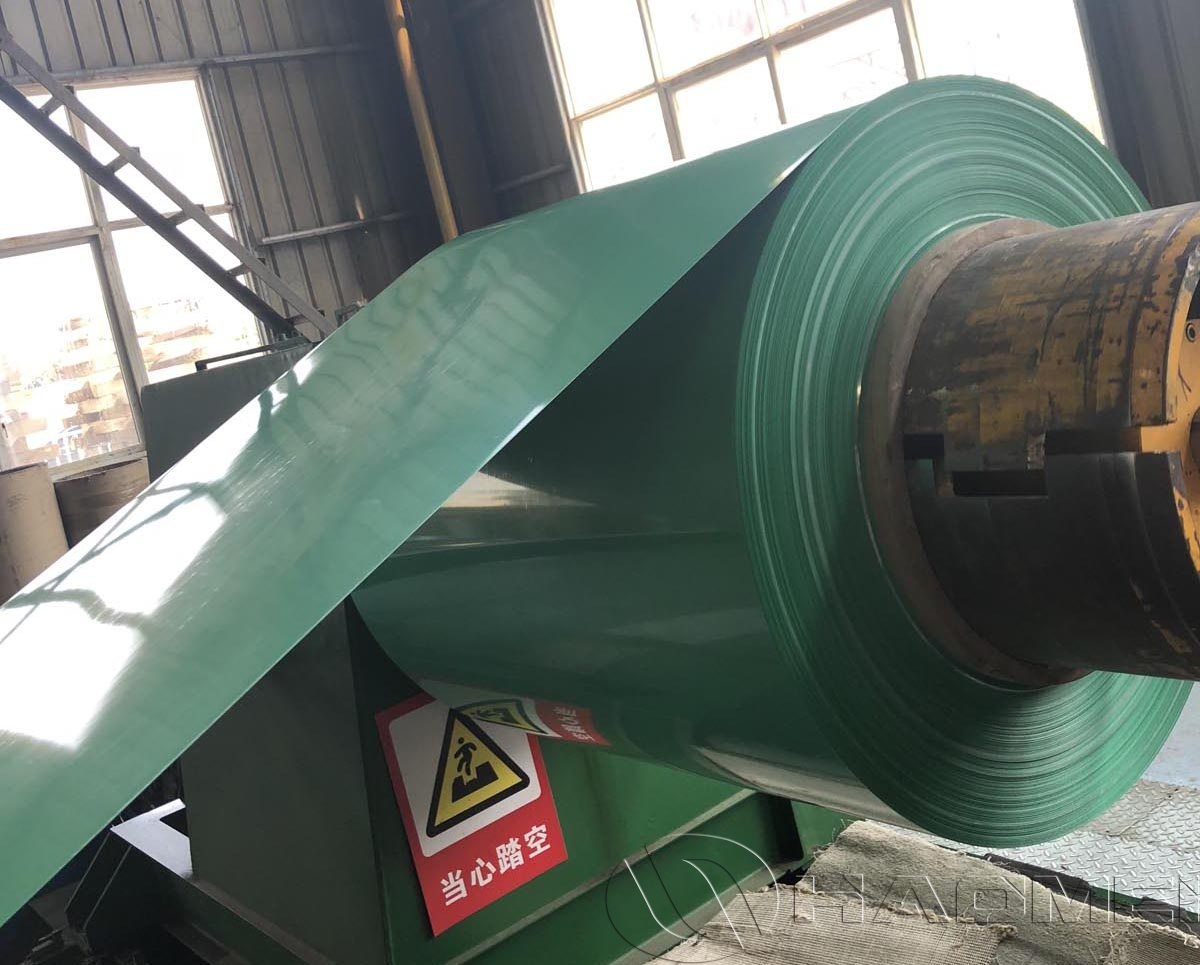
Marine grade wood grain aluminum coil requires precise coil coating control from raw strip preparation to final winding. Key process stages include alkaline cleaning, rinsing, chemical conversion, primer coating, curing, base coating, pattern forming, clear coating, final curing, cooling, inspection, and recoiling.
Important process control points include:
Surface cleanliness before pretreatment to avoid coating pinholes and adhesion loss.
Conversion film uniformity for corrosion resistance and wet adhesion.
Coating viscosity, line speed, and roller gap for stable film thickness.
Oven temperature and peak metal temperature for complete curing.
Pattern alignment, color difference control, and repeatability of wood grain texture.
Coil tension control to reduce scratches, telescoping, and surface marking.
Performance Validation for Coastal Applications
Marine-grade coated coil is usually evaluated through a combination of corrosion, weathering, mechanical, and processing tests. Salt spray testing helps compare coating integrity and edge resistance, but it is not a direct service-life prediction. UV aging, humidity resistance, boiling water adhesion, cross-cut adhesion, T-bend performance, pencil hardness, impact resistance, and solvent rub resistance provide a more complete understanding of long-term performance.
A technically balanced marine wood grain coil should maintain adhesion after forming, resist coating cracks at bends, limit underfilm corrosion at cut edges, and keep the wood grain color stable under sunlight and salt-air exposure. For exterior use, the coating system and alloy selection should be considered together rather than evaluated as separate factors.
Application Characteristics
Marine grade wood grain aluminum coil is used where natural wood appearance must be combined with lower weight, better dimensional stability, and reduced maintenance compared with real timber. Typical applications include:
Coastal building facades and decorative wall panels.
Marina ceilings, soffits, and canopy systems.
Balcony panels, sunshade components, and exterior trims.
Rolling shutter doors and garage door slats near coastal areas.
Interior decoration of seaside hotels, commercial spaces, and transport facilities.
Marine facility partitions, ceiling strips, and non-hull decorative components.
In fabricated parts, drainage design, compatible fasteners, sealed joints, and controlled cutting quality help reduce long-term corrosion risk. Bending radius, forming direction, and coating flexibility should match the selected alloy temper and coating thickness.
-
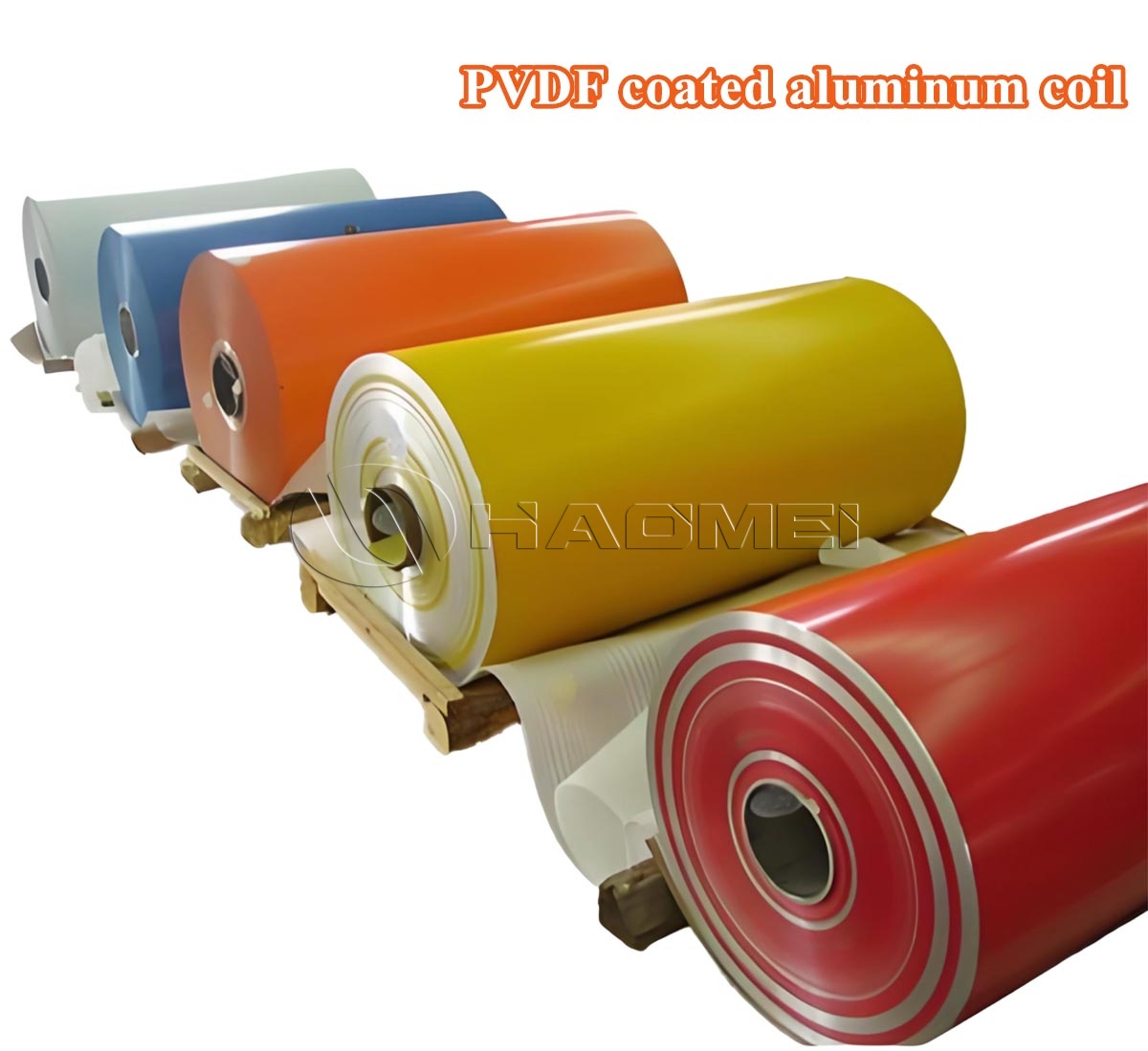
PVDF Coated Aluminum Coil for Aluminum Composite Panels
PVDF coated aluminum coil for aluminum composite panels delivers durable color, weather resistance, adhesion, and forming consistency.
2026-10-09
-
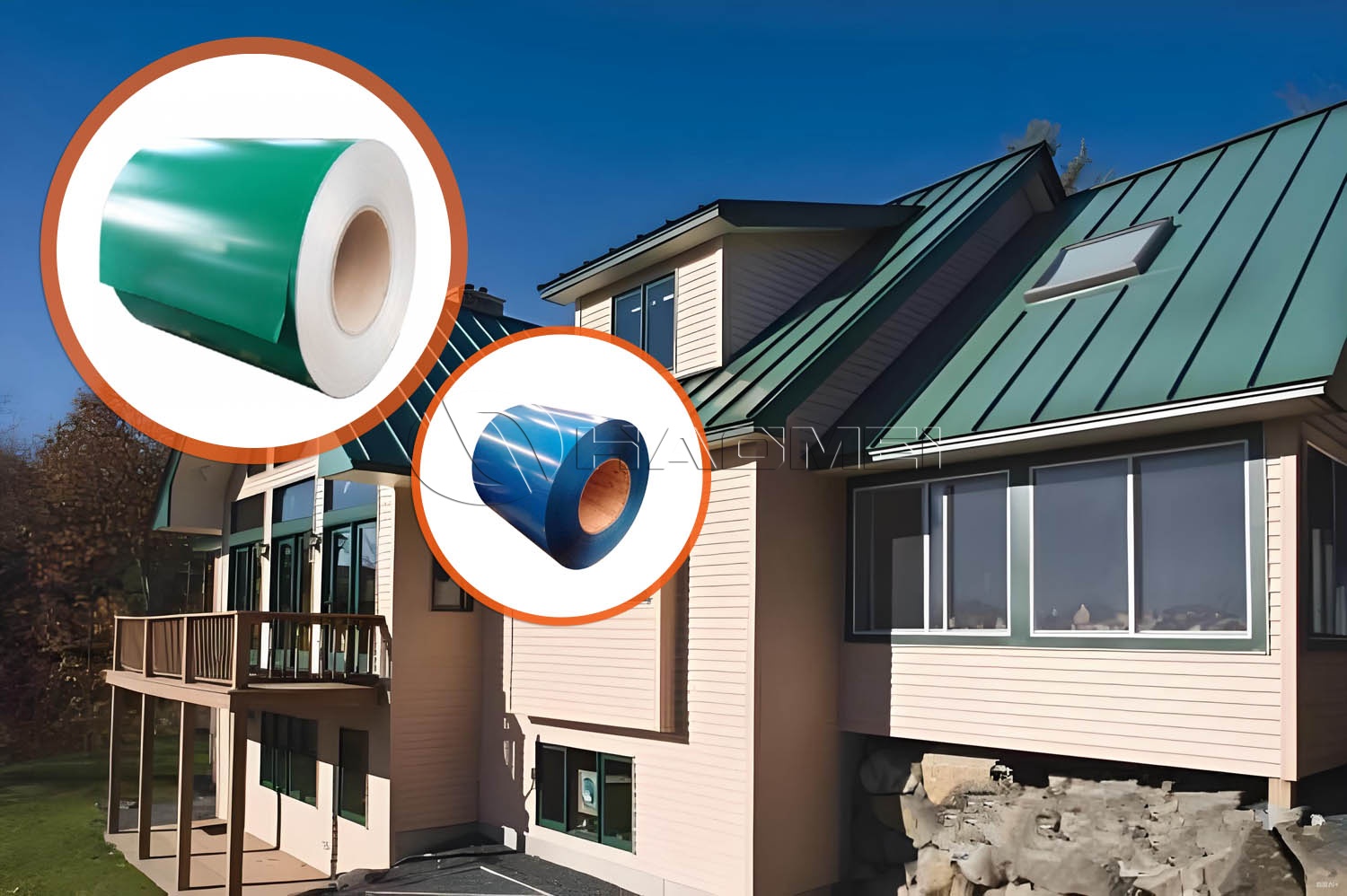
Advantages of 1100 Prepainted Aluminum Coil for Roofing
Explore the advantages of 1100 prepainted aluminum coil for roofing, including corrosion resistance, formability, coating options, and alloy selection.
2026-03-24
-
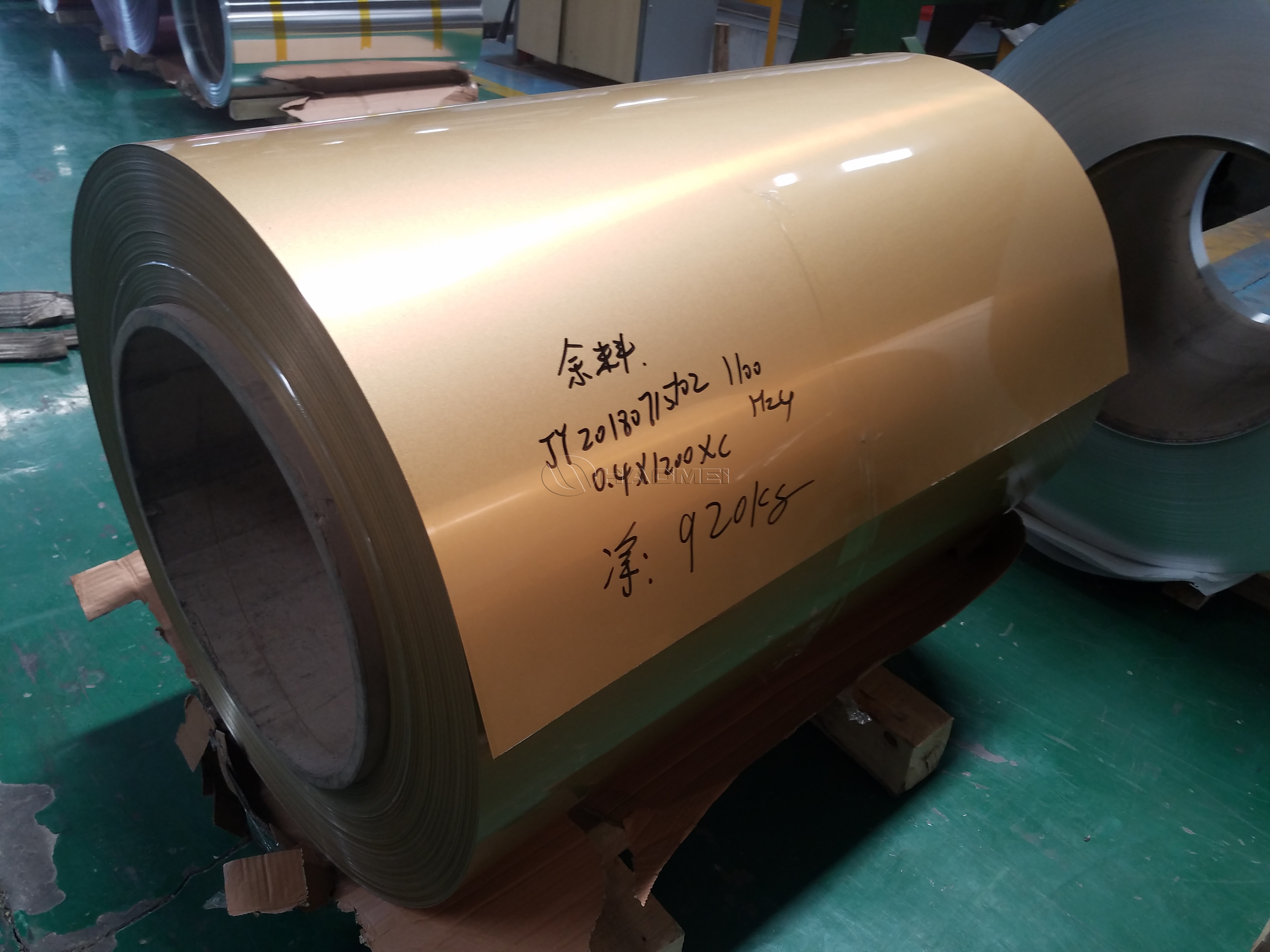
PE Coated Aluminum Coil 1000 Series for Electronics
PE coated aluminum coil in 1000 series provides clean surfaces, easy forming, and stable color for electronics housings, panels, enclosures, and trim.
2026-09-07
Contact Directly
-

ADD: No.14 Waihuan Road, CBD, Zhengzhou, China
-

WhatsApp: +86-18703635966
-

E-MAIL: sales@alummc.com