

News
 By Hermione
PVDF Coated Aluminum Coil Thickness Range
PVDF coated aluminum coil is a pre-painted aluminum material designed for applications that require long-term color retention, weather resistance, and corrosion protection. It is widely used in architectural roofing, wall cladding, curtain-wall panels, composite panels, ceilings, shutters, transportation components, and exterior decorative systems. The aluminum substrate thickness is a key factor affecting forming behavior, panel rigidity, load-bearing performance, and finished-product durability.
Standard PVDF Coated Aluminum Coil Thickness Range
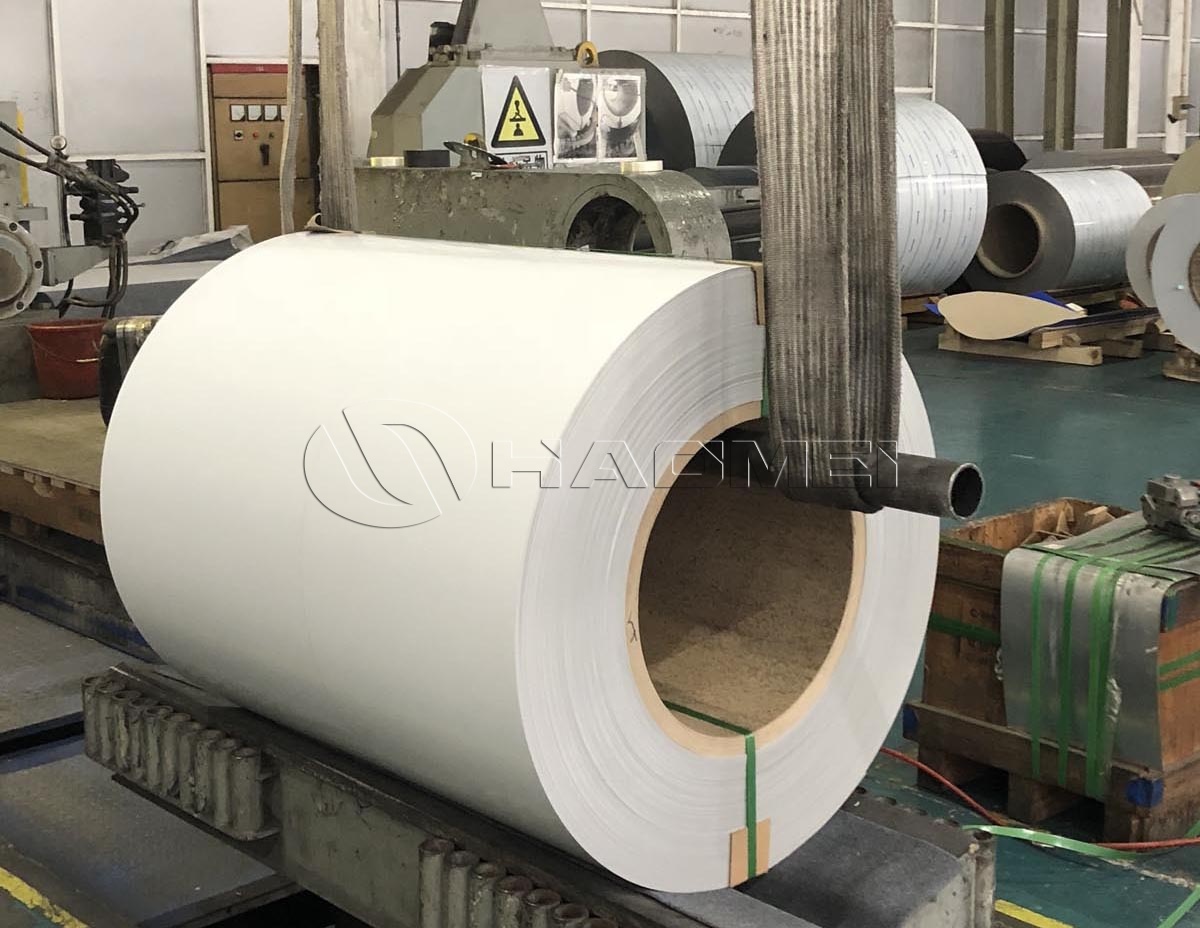
PVDF coated aluminum coil is commonly produced from 0.20 mm to 3.00 mm in substrate thickness. The most frequently used thicknesses for architectural color-coated aluminum applications are 0.30 mm, 0.40 mm, 0.50 mm, 0.60 mm, 0.70 mm, 0.80 mm, 1.00 mm, 1.20 mm, 1.50 mm, and 2.00 mm.
Thinner coils are generally used for lightweight profiled sheets, insulation cladding, ceiling systems, and composite panel skins. Medium and heavier gauges provide improved flatness, dent resistance, and structural stability for façade panels, solid aluminum cladding, roofing systems, and formed architectural components.
Core Specifications of PVDF Coated Aluminum Coil
| Specification Item | Typical Range or Option |
|---|---|
| Aluminum substrate thickness | 0.20-3.00 mm |
| Common architectural thickness | 0.50-2.00 mm |
| Standard coil width | 300-1,600 mm |
| Common width | 1,000 mm, 1,200 mm, 1,250 mm, 1,500 mm |
| Alloy grades | 1050, 1060, 1100, 3003, 3004, 3105, 5005, 5052 |
| Temper | O, H14, H16, H18, H24, H26, H32, H34 |
| PVDF top-coat thickness | Typically 20-35 μm |
| Back-coat thickness | Typically 5-10 μm |
| Coating structure | Two-coat, three-coat, or high-performance multi-coat system |
| Surface finish | Glossy, matte, metallic, solid color, textured, embossed, printed |
| Typical applications | Roofing, façade cladding, ACP skin, ceilings, shutters, signage, transportation |
Thickness Categories and Application Characteristics
0.20-0.40 mm: Lightweight Coated Coil
PVDF aluminum coil from 0.20 mm to 0.40 mm is suitable for applications where low weight and continuous roll forming are important. Typical uses include lightweight roof sheets, insulation jacketing, interior and exterior ceiling panels, rainwater systems, and selected composite panel skins.
At this thickness level, substrate flatness, coating flexibility, and bending performance are especially important. The coating system must remain intact during profiling, hemming, roll forming, and moderate-radius bending. The final rigidity of the finished part is often supported by corrugation, backing material, honeycomb structures, or composite construction.
0.45-0.80 mm: General Architectural Thickness
The 0.45-0.80 mm range is widely used for roofing sheets, wall panels, roll-formed profiles, aluminum composite panel facing, soffits, shutters, and decorative building products. It provides a practical balance between formability, weight, handling efficiency, and surface stability.
For exterior architectural uses, 0.50 mm and 0.60 mm are common thicknesses where weather exposure, forming operations, and visual flatness must be considered together. Alloys in the 3000 series, particularly 3003 and 3105, are frequently used in this category because they provide higher strength than pure aluminum grades while retaining good workability.
0.90-1.50 mm: High-Rigidity Architectural Coil
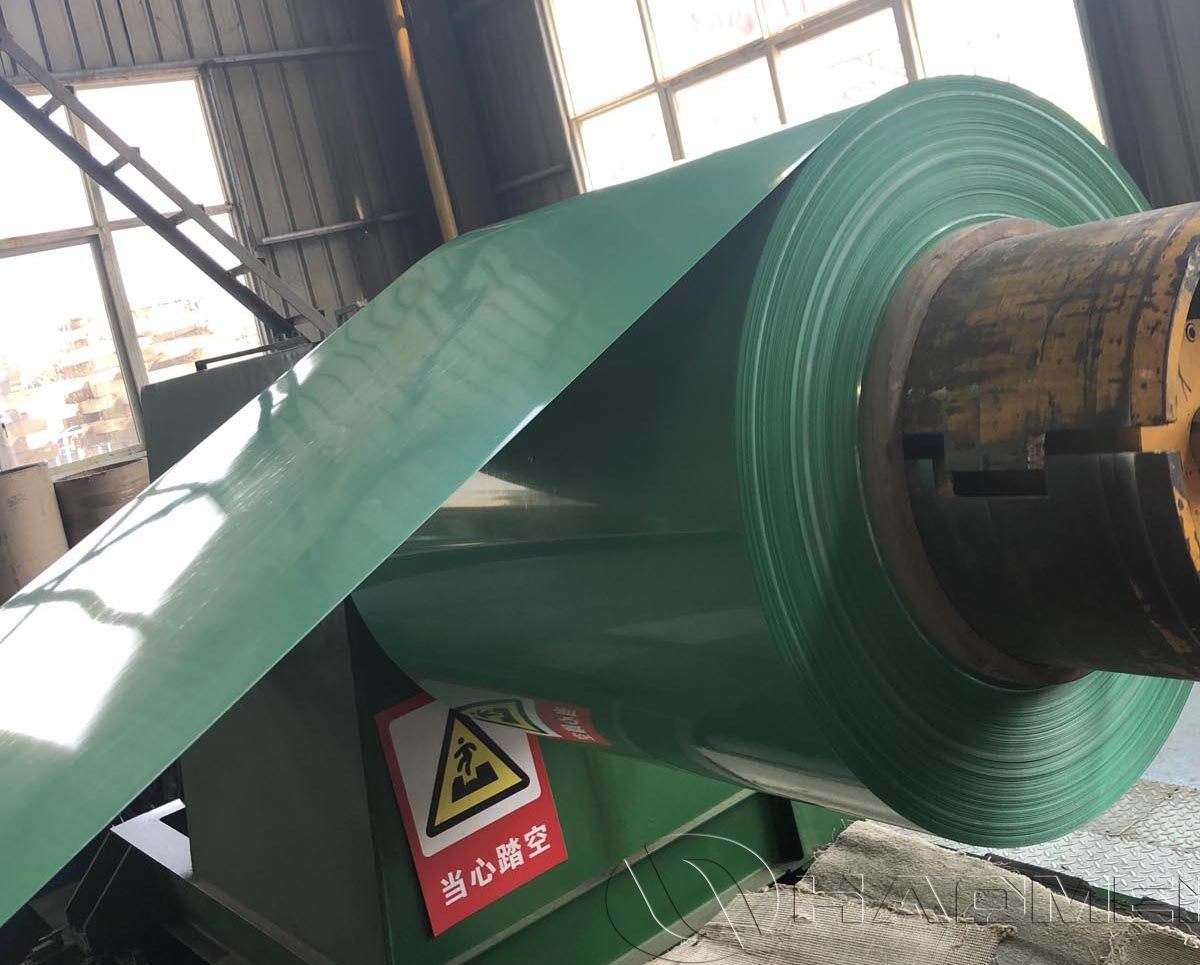
PVDF coated aluminum coil between 0.90 mm and 1.50 mm is commonly applied in solid aluminum panels, large-format wall cladding, folded cassette panels, column covers, canopy elements, and high-end façade systems. The increased thickness improves impact resistance and reduces the risk of visible waviness after fabrication and installation.
This thickness range is also suitable for fabrication processes such as bending, folding, punching, routing, and edge forming, provided that the alloy, temper, coating flexibility, and minimum bend radius are matched to the component design.
1.50-3.00 mm: Heavy-Gauge PVDF Aluminum Coil
Heavy-gauge PVDF aluminum coil is used for applications requiring greater panel strength, dimensional stability, and resistance to deformation. Common examples include solid aluminum curtain-wall panels, large decorative sheets, transportation body panels, equipment enclosures, and heavy-duty exterior architectural components.
At thicknesses above 1.50 mm, coil weight, internal diameter, allowable coil mass, and processing equipment capacity become increasingly relevant to handling and fabrication. Heavy-gauge material may also be supplied in narrower widths depending on rolling capability and finished-panel requirements.
Common Aluminum Alloys for PVDF Coated Coil
The alloy determines the mechanical behavior, corrosion resistance, forming response, and practical thickness range of a PVDF coated aluminum coil.
1000 Series: 1050, 1060, and 1100
The 1000 series contains commercially pure aluminum with high aluminum content. These grades offer excellent corrosion resistance, good thermal conductivity, and strong formability. They are commonly used for decorative panels, insulation cladding, ceilings, lighting reflectors, and light-duty architectural applications.
1050: Suitable for formed decorative products and general color-coated sheet applications.
1060: Offers good ductility and is widely used for lightweight panels and coated aluminum products. See 1060 Color Coated Aluminum Coil for this alloy category.
1100: Commonly used where deep drawing, bending, and corrosion resistance are prioritized over mechanical strength.
Because 1000 series aluminum has relatively low strength, it is generally more suitable for applications supported by profiles, backing materials, frames, or composite structures.
3000 Series: 3003, 3004, and 3105
The 3000 series is among the most widely used alloy groups for PVDF coated aluminum coil. Manganese additions improve strength compared with pure aluminum while preserving good corrosion resistance and roll-forming performance.
3003: A general-purpose aluminum-manganese alloy used for roofing, cladding, ceiling panels, and architectural sheet products.
3004: Provides higher strength than 3003 and is suitable for formed panels and applications requiring improved dent resistance.
3105: Widely used for pre-painted roofing and wall cladding because of its combination of strength, formability, and coating compatibility. 3105 Color Coated Aluminum Coil is commonly supplied for roll-formed architectural systems.
For coil thicknesses from approximately 0.40 mm to 1.20 mm, 3003 and 3105 are frequently specified for exterior building envelopes and continuous forming processes.
5000 Series: 5005 and 5052
The 5000 series contains magnesium, providing higher strength and improved corrosion resistance. These alloys are often used in thicker architectural panels, coastal-area applications, transportation components, and products exposed to more demanding environments.
5005: Commonly used for architectural sheet and façade panels because it provides good surface quality, anodizing response, and moderate strength.
5052: Offers higher strength and stronger resistance to marine and industrial atmospheres, making it suitable for heavy-duty cladding and formed exterior components.
Compared with 1000 and 3000 series grades, 5000 series alloys may require more careful control of temper and bend radius during fabrication, particularly for heavier-gauge PVDF coated aluminum coil.
PVDF Coating Structure and Thickness Relationship
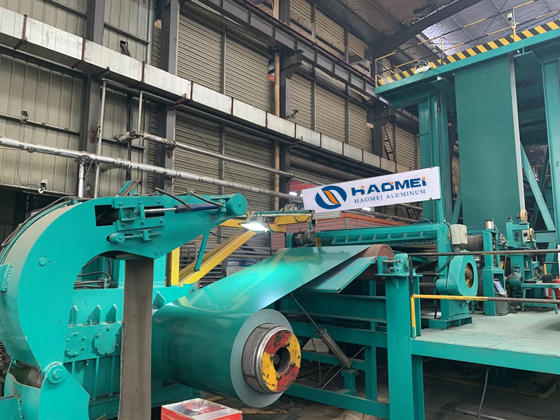
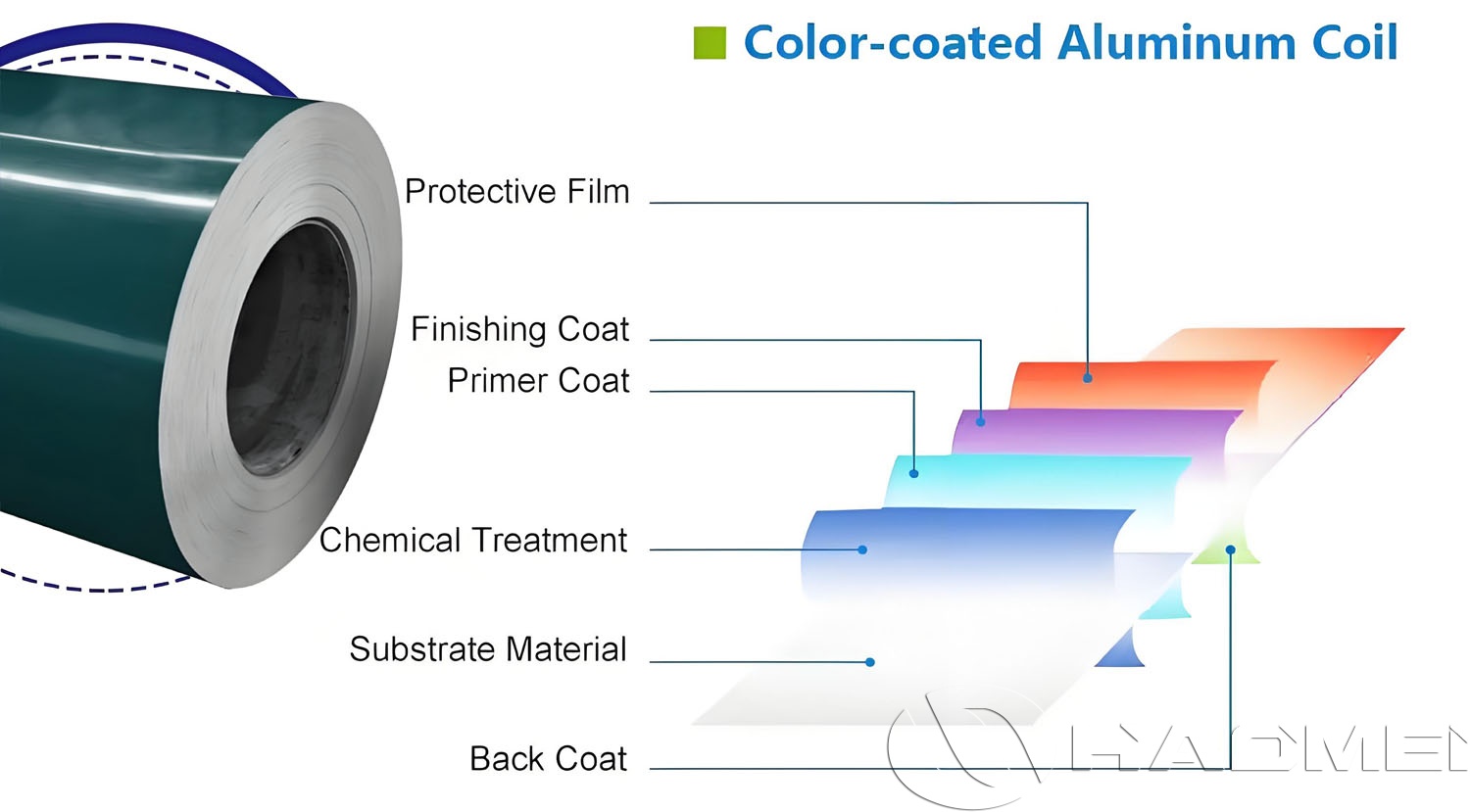
A PVDF coating system is applied to the aluminum strip through continuous coil coating. The substrate is cleaned, chemically pretreated, primed, top-coated, and cured under controlled conditions. This process provides more uniform film thickness and color consistency than post-fabrication painting.
A typical PVDF coating structure includes:
Aluminum substrate
Chemical conversion coating
Primer coat
PVDF top coat
Optional clear coat, metallic protective layer, or back coat
For standard exterior construction use, the PVDF top-coat thickness is often around 20-30 μm. Higher-performance systems may use approximately 30-35 μm or a multi-coat structure to support deeper colors, metallic finishes, enhanced weathering resistance, or more demanding outdoor exposure conditions.
The coating thickness should not be confused with aluminum substrate thickness. For example, a 0.60 mm PVDF coated aluminum coil generally refers to the nominal aluminum base thickness, while the cured paint film is measured separately in microns.
Thickness Tolerance and Dimensional Consistency
Thickness tolerance affects forming precision, final panel flatness, weight calculation, and structural consistency. Tolerance requirements vary according to nominal thickness, alloy, temper, width, and applicable supply standard.
For pre-painted aluminum coil, dimensional consistency is controlled through substrate rolling quality, tension leveling, coating-line tension, curing conditions, and recoiling practices. In addition to thickness, the following factors influence finished-product quality:
Width tolerance and edge condition
Coil camber and telescoping control
Surface flatness and waviness
Color uniformity between coils
Gloss consistency
Coating adhesion and flexibility
Pencil hardness and impact resistance
Salt spray, humidity, and accelerated weathering performance
A stable substrate thickness supports more predictable bending and profiling. It also helps maintain a uniform appearance after installation, particularly on broad architectural panels exposed to directional sunlight.
Thickness, Temper, and Forming Performance
The proper combination of thickness and temper is essential for fabrication. A softer temper, such as O or H14, generally provides better bendability and is suitable for deep drawing, curved panels, and tight-radius forming. Harder tempers, such as H24, H26, H32, or H34, provide improved strength and dent resistance but may require a larger bend radius.
For roll-formed roofing and wall cladding, temper selection must account for profiling depth, rib geometry, bending angle, and production speed. For folded cassette panels, the coating must retain adhesion and visual integrity along bends, corners, and routed edges.
PVDF coatings are formulated for flexibility, but excessive deformation or very tight bends can stress the coating film. Forming performance is therefore evaluated using bend tests, T-bend tests, impact tests, adhesion tests, and visual inspection after shaping.
Typical Thickness by Application
| Application | Common Aluminum Thickness | Typical Alloy Options |
|---|---|---|
| Aluminum composite panel skin | 0.20-0.50 mm | 1100, 3003, 3105 |
| Roll-formed roofing sheet | 0.40-0.80 mm | 3003, 3105 |
| Wall cladding and corrugated panels | 0.45-1.00 mm | 3003, 3105, 5005 |
| Ceiling and soffit panels | 0.30-0.80 mm | 1060, 1100, 3003 |
| Shutters and decorative profiles | 0.40-1.00 mm | 3003, 3105, 5052 |
| Solid aluminum façade panels | 1.50-3.00 mm | 3003, 5005, 5052 |
| Transportation and equipment panels | 1.00-3.00 mm | 3004, 5052, 5754 |
Performance Considerations for Exterior PVDF Coated Aluminum
PVDF coated aluminum coil is primarily valued for its resistance to ultraviolet radiation, moisture, temperature cycling, and atmospheric pollutants. The coating system is particularly effective for exterior façades and roofing where color stability and surface durability are important over extended service periods.
Material performance depends on the complete system rather than coating chemistry alone. The alloy, thickness, temper, pretreatment, primer, PVDF formulation, curing profile, and fabrication conditions collectively affect final durability. For example, a 0.50 mm 3105 aluminum substrate with a properly cured PVDF coating can perform effectively in roll-formed wall cladding, while a 2.00 mm 5005 or 5052 substrate provides greater stiffness for fabricated façade panels.
Darker colors, metallic finishes, and highly exposed building elevations may place greater demands on coating quality, gloss retention, film integrity, and thermal expansion management. These factors are assessed through standardized coating and substrate performance testing during production and project qualification.
-
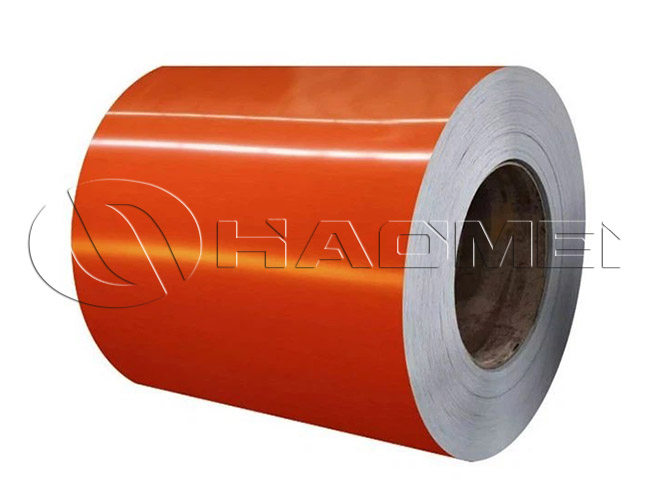
Cold Rolled 1050 1060 1070 1100 1200 Color-Coated Decorative Aluminum Coils
In architectural decoration, home appliance housings, advertising signage, and industrial decoration, cold rolled color-coated aluminum coils are gradually replacing traditional steel materials due to their attractive appearance, excellent processability,
2025-12-30
-
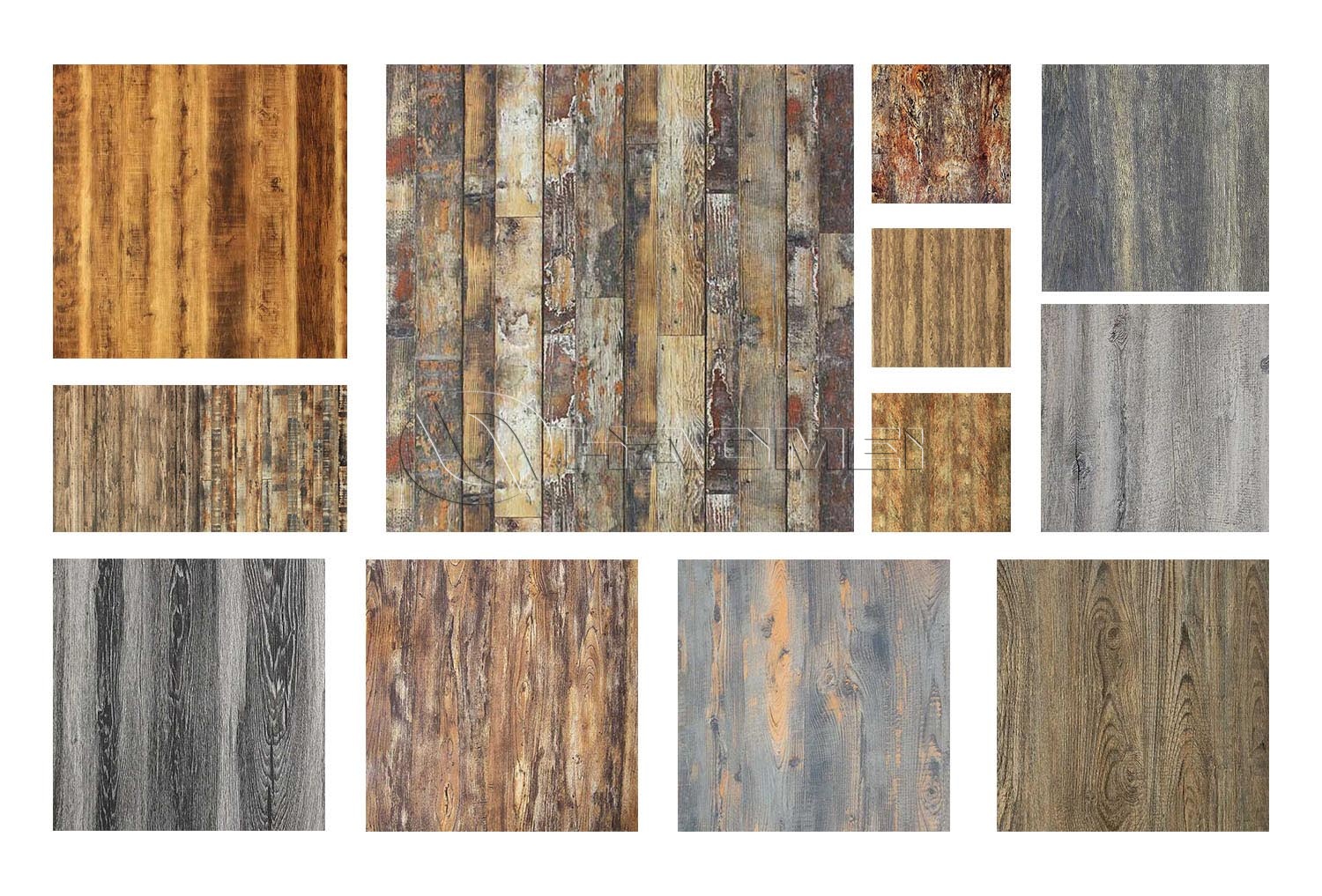
Custom Wood Grain Patterns for Aluminum Coils
Custom wood grain aluminum coil with PE or PVDF coating and transfer printing for stable color, corrosion resistance, and consistent patterns in cladding, ceilings, and shutters.
2026-02-27
-
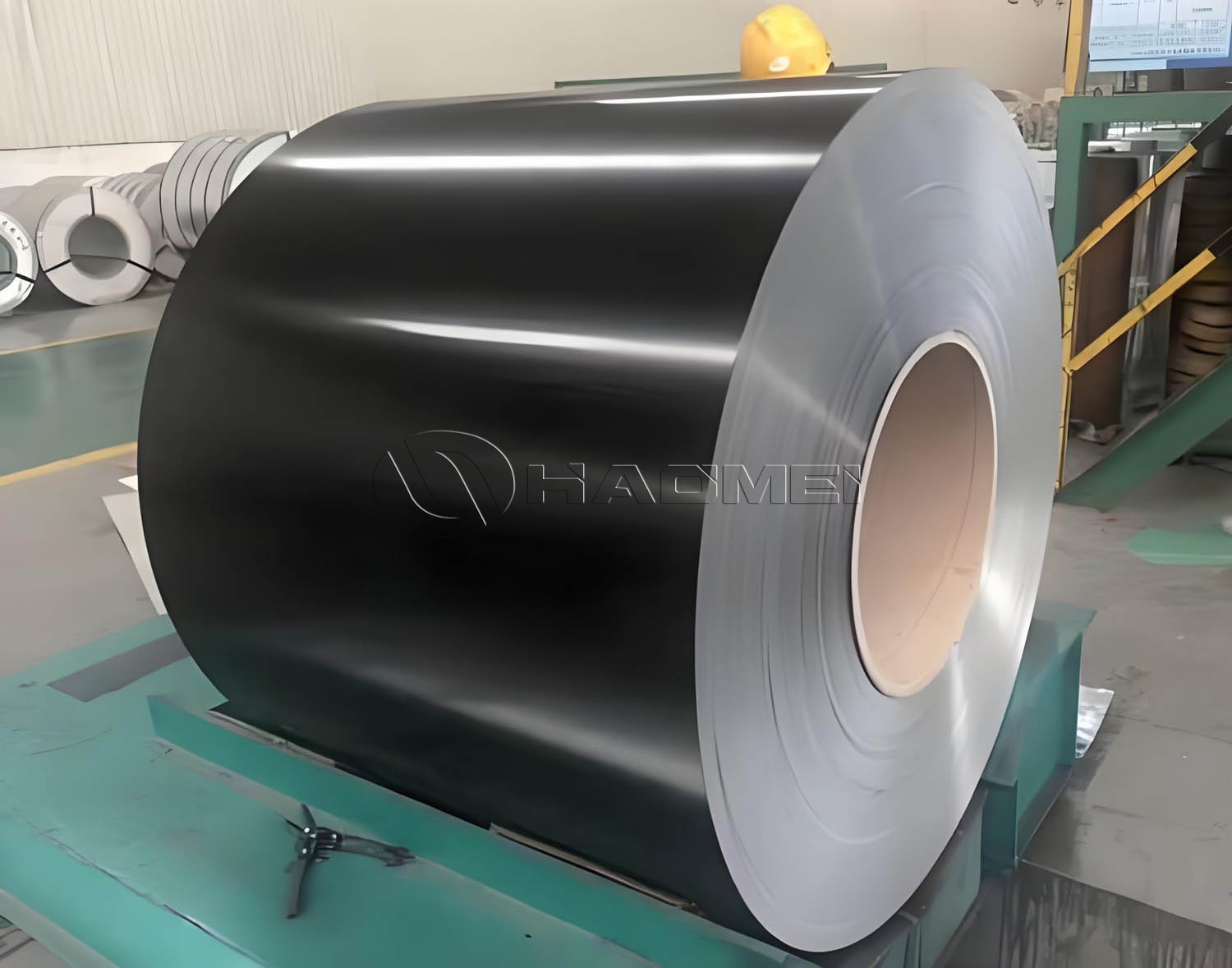
Black 3105 Prepainted Aluminum Coil 0.7mm
Technical overview of black 3105 prepainted aluminum coil 0.7mm, covering alloy, coating systems, specifications, and building applications.
2026-05-15
Contact Directly
-

ADD: No.14 Waihuan Road, CBD, Zhengzhou, China
-

WhatsApp: +86-18703635966
-

E-MAIL: sales@alummc.com