

News
 By Hermione
PVDF vs PE Coating for Aluminum Coil Longevity
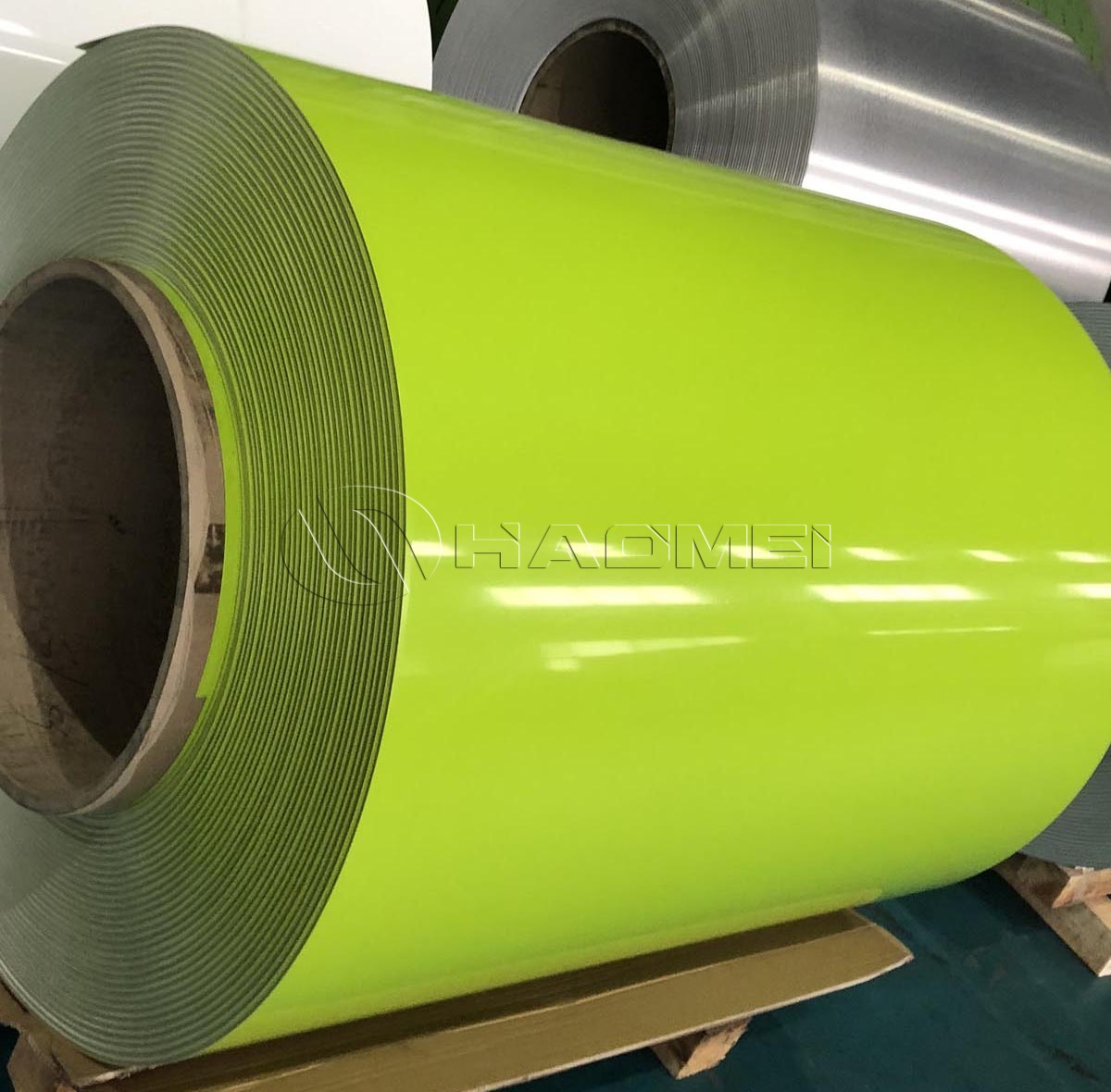
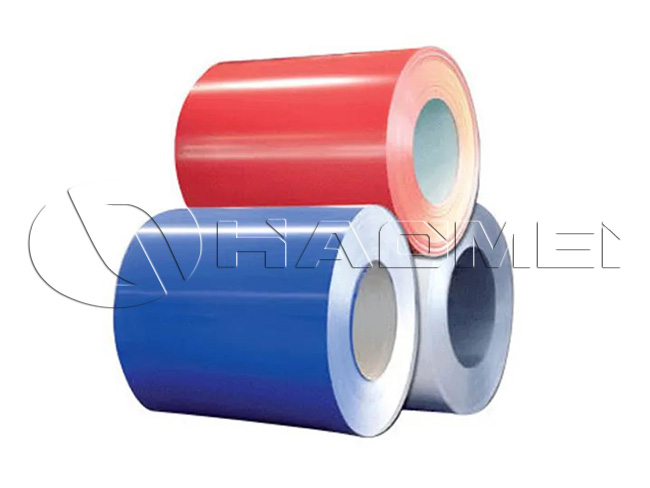
Color coated aluminum coil is positioned as a pre-finished metal material for applications that require lightweight structure, stable appearance, corrosion resistance, and efficient downstream forming. It is widely used in building facades, roofing systems, ceiling panels, aluminum composite panels, rolling shutters, gutters, interior decoration, transportation components, and general industrial sheet products.
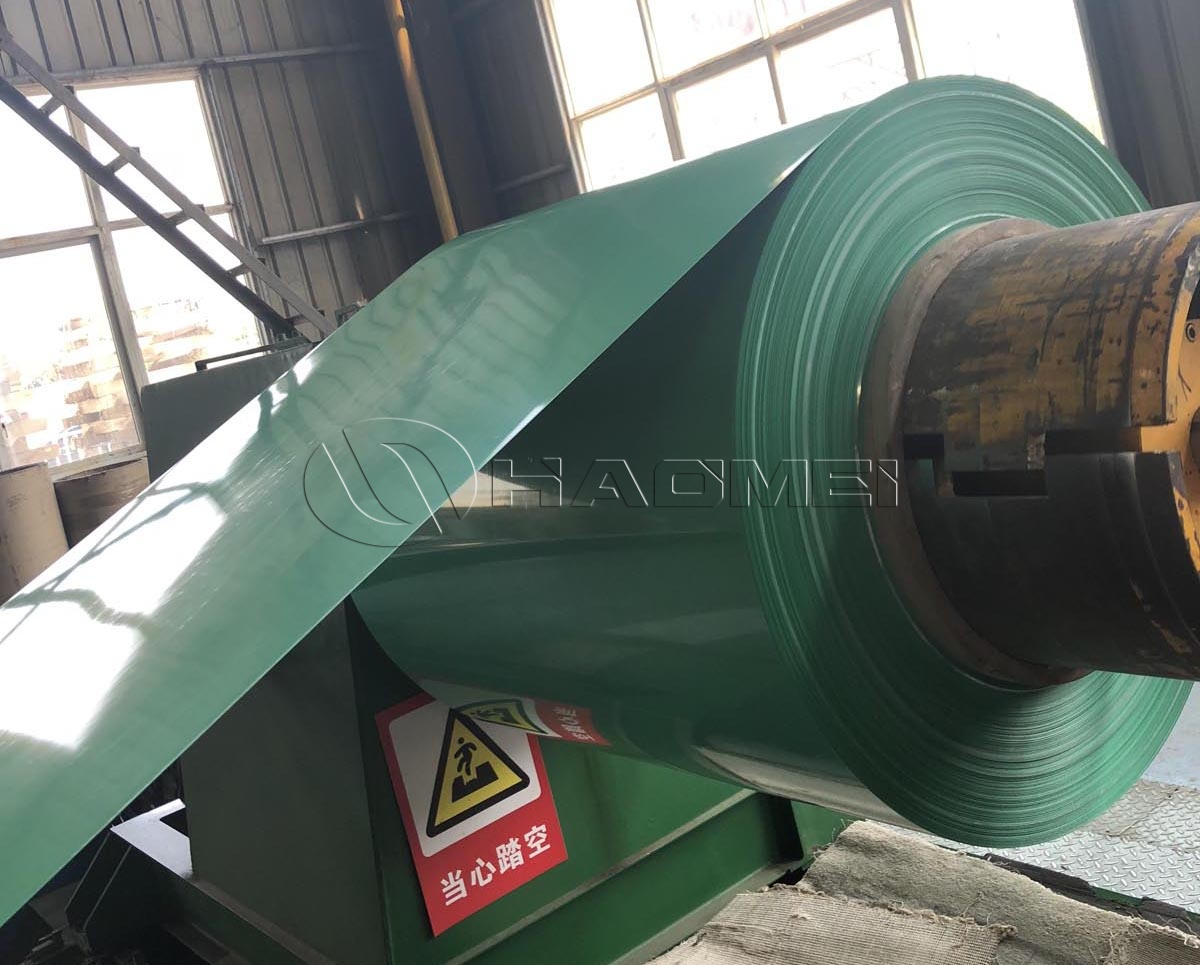
In the coating system of pre-painted aluminum coil, PVDF coating and PE coating are two of the most commonly used finishes. Their difference is not only in surface appearance, but also in resin chemistry, weathering resistance, processing flexibility, cost structure, and expected service life. Understanding these differences is essential when evaluating aluminum coil longevity in exterior and interior environments.
Coating Structure of Color Coated Aluminum Coil
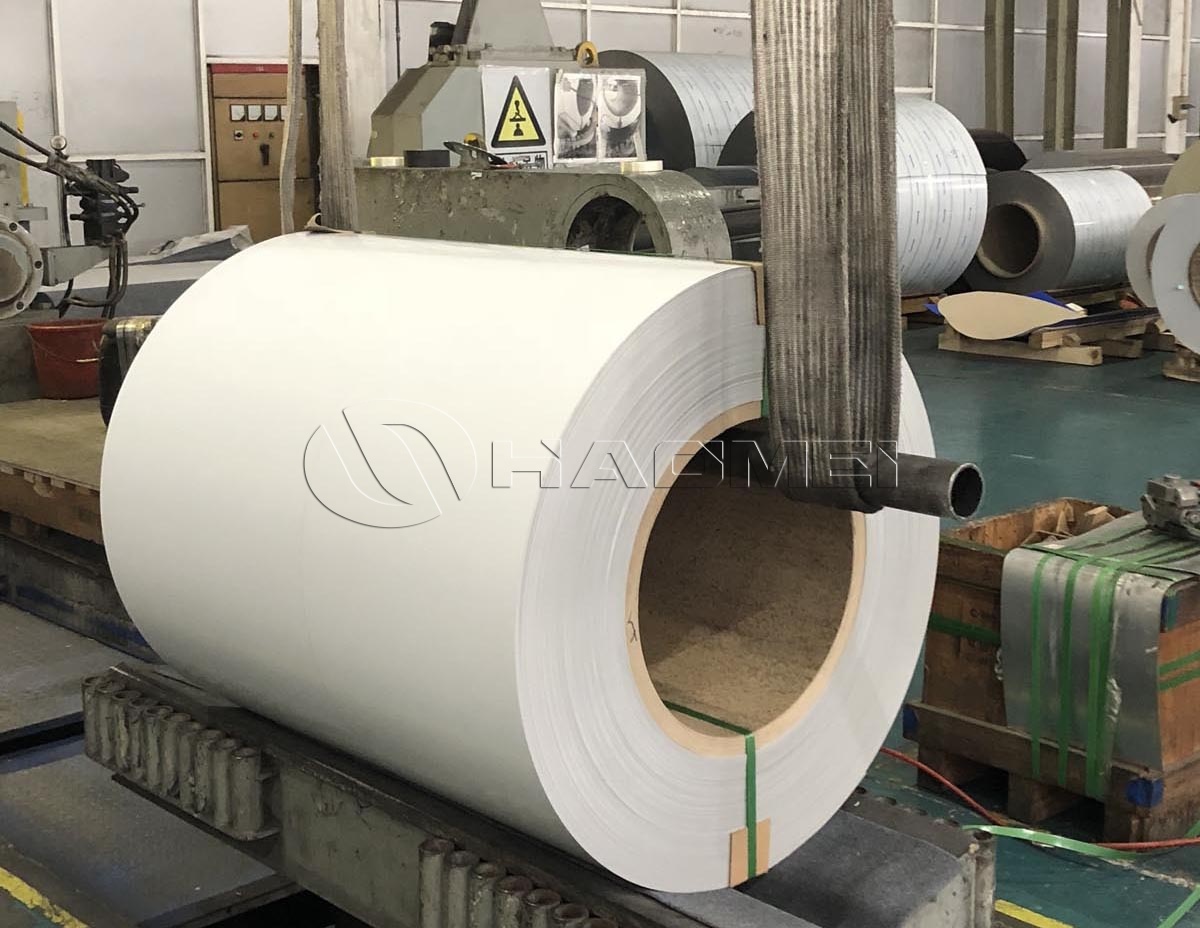
A typical color coated aluminum coil is produced through continuous coil coating. The substrate is cleaned, chemically pretreated, primed, top-coated, and baked under controlled line conditions. The final performance depends on the combined effect of aluminum alloy, pretreatment quality, primer adhesion, topcoat resin, pigment stability, film thickness, and curing accuracy.
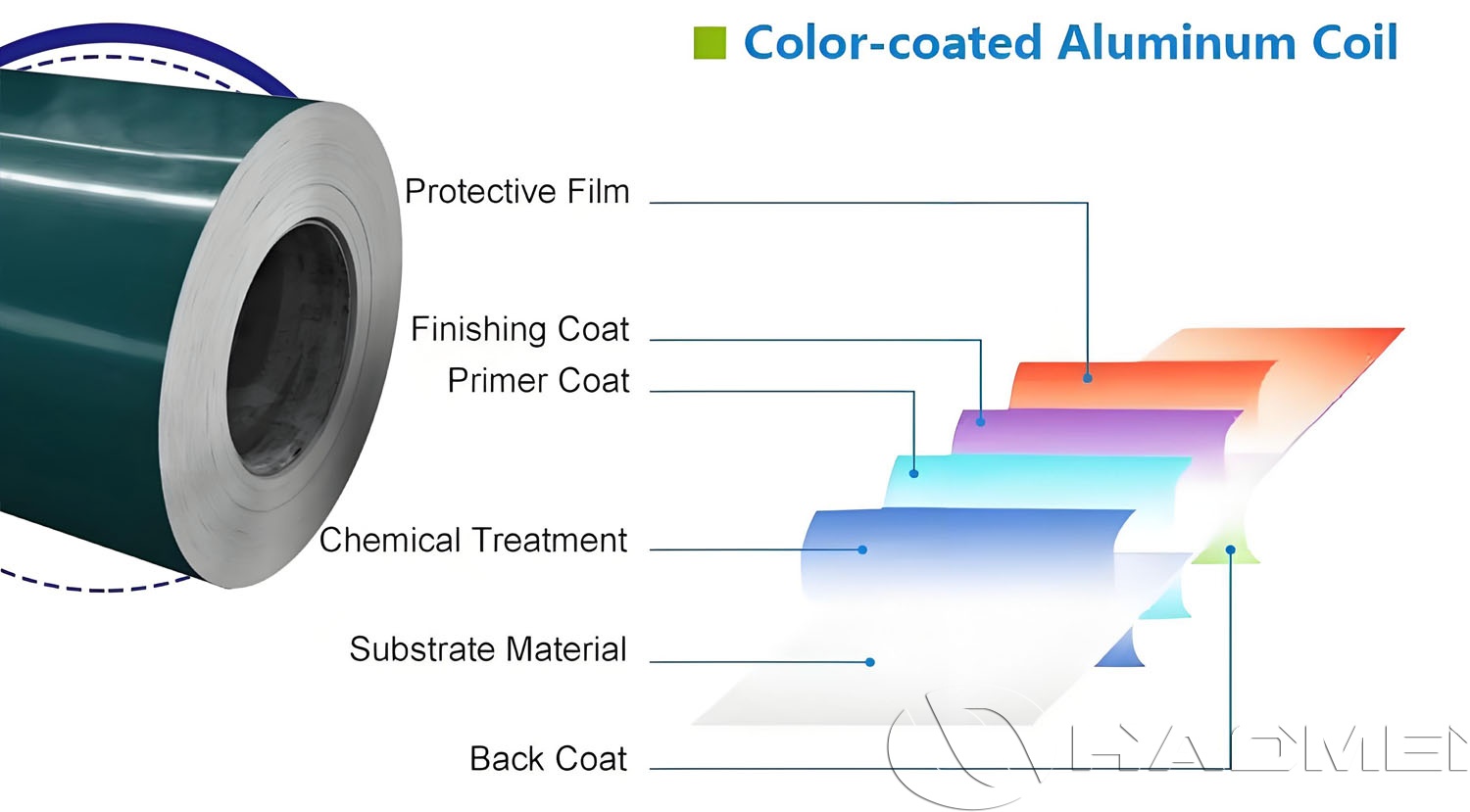
The standard coating structure usually includes:
Aluminum substrate
Chemical conversion layer or chrome-free pretreatment layer
Primer coating for adhesion and corrosion resistance
Top coating for color, gloss, UV resistance, and surface durability
Optional back coating for protection during fabrication and use
For exterior cladding and roofing, coating durability is mainly determined by UV resistance, chalking resistance, color retention, salt spray resistance, humidity resistance, and film integrity after forming.
What Is PE Coated Aluminum Coil?
PE Coated Aluminum Coil uses polyester resin as the main film-forming material. PE coating has good adhesion, flexible processing performance, rich color options, and balanced cost efficiency. It is commonly used for interior ceilings, partition panels, signage, appliance panels, decorative sheets, and building components in mild environments.
PE coating performs well where severe ultraviolet exposure, coastal salt atmosphere, industrial pollution, or long-term outdoor weathering is not the primary design requirement. In indoor or sheltered applications, PE coated aluminum coil can provide stable decorative performance with good workability during slitting, bending, roll forming, and stamping.
What Is PVDF Coated Aluminum Coil?
PVDF Coated Aluminum Coil is based on polyvinylidene fluoride resin, usually formulated with high-performance inorganic or ceramic pigments. PVDF resin has a strong carbon-fluorine bond, which gives the coating excellent resistance to ultraviolet degradation, chalking, fading, chemical attack, and outdoor aging.
PVDF coating is widely used for high-rise curtain walls, aluminum composite panels, roofing, exterior ceilings, transportation facilities, airport terminals, stadiums, and other projects exposed to long-term weathering. For severe outdoor environments, PVDF coating generally provides longer color and gloss retention than PE coating.
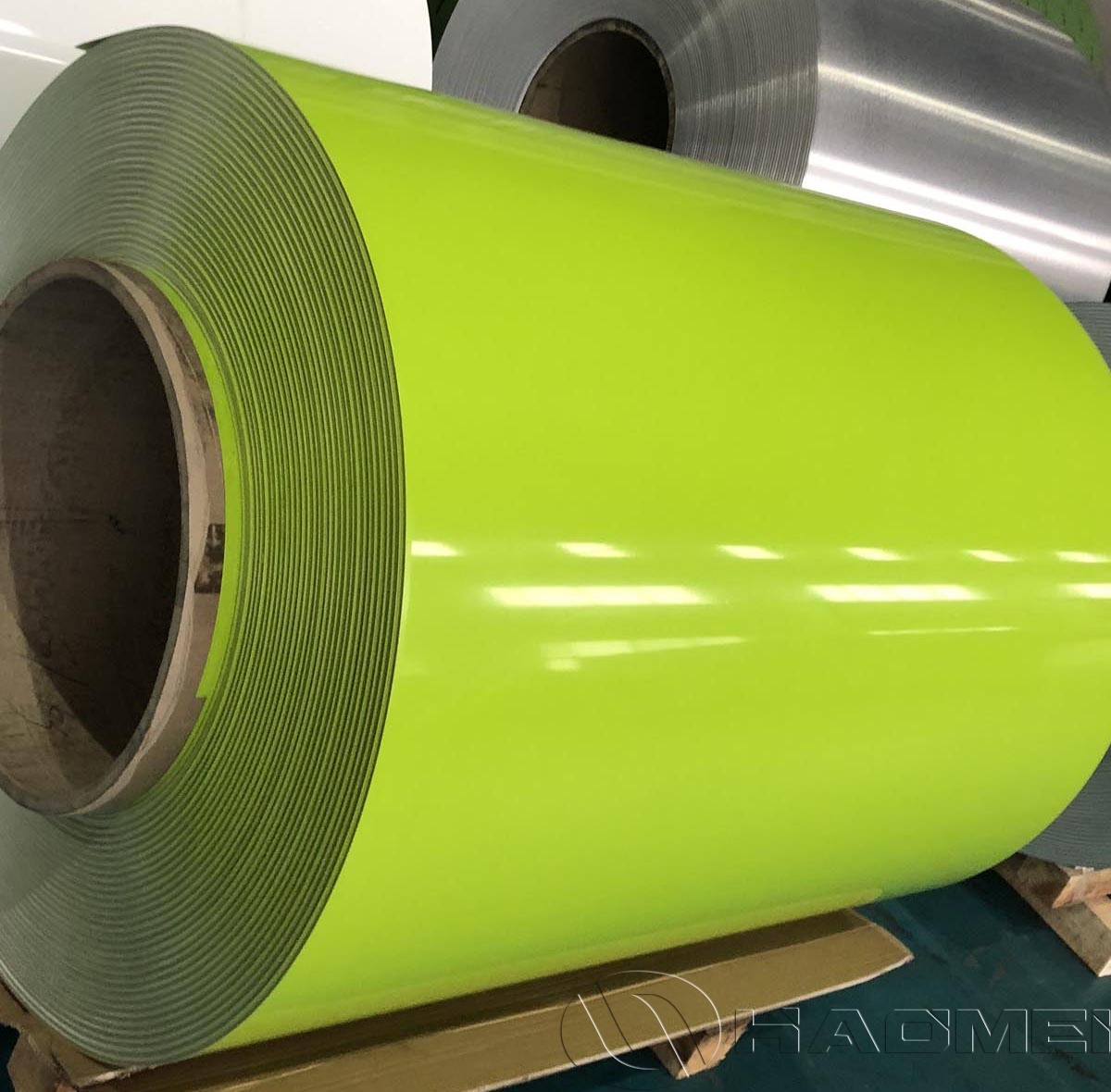
PVDF vs PE Coating: Longevity Factors
The longevity of coated aluminum coil is not defined by coating type alone. It is the result of material design and process control. However, under similar substrate, pretreatment, and film thickness conditions, PVDF coating normally has a longer outdoor service period than PE coating.
1. UV Resistance
PVDF coating has superior resistance to ultraviolet radiation because of its stable fluorocarbon resin structure. It slows the breakdown of the coating film, reducing chalking and color fading over time. PE coating is more sensitive to UV exposure, especially in high-sunlight regions or dark colors with high heat absorption.
2. Color and Gloss Retention
For architectural exterior panels, color consistency over many years is a key quality indicator. PVDF coating provides stronger long-term color retention, especially when combined with weather-resistant pigments. PE coating offers excellent initial appearance and color diversity, but gloss loss and slight fading can occur faster outdoors.
3. Corrosion Resistance
Both PE and PVDF systems require proper pretreatment and primer design to protect the aluminum substrate. PVDF coating is often selected for coastal, humid, or industrial environments because its dense film has better chemical and atmospheric resistance. PE coating is suitable for normal indoor or light-duty outdoor use when corrosion stress is moderate.
4. Formability and Fabrication
PE coating usually has very good flexibility and is easy to process in decorative and general-purpose forming applications. PVDF coating also supports bending and roll forming when correctly cured, but coating formulation and film thickness must be controlled to avoid micro-cracking on tight bends.
5. Expected Service Life
In typical industry practice, PE coated aluminum coil is often used for medium-term decorative service, while PVDF coated aluminum coil is specified for long-term outdoor architectural exposure. Actual service life depends on environment, color, coating thickness, maintenance condition, and fabrication quality.
Core Specifications of PVDF and PE Coated Aluminum Coil
| Specification Item | PE Coated Aluminum Coil | PVDF Coated Aluminum Coil |
|---|---|---|
| Main resin system | Polyester | Polyvinylidene fluoride fluorocarbon |
| Typical topcoat thickness | 15-20 μm | 20-30 μm |
| Total coating thickness | 18-25 μm | 25-35 μm |
| Common substrate thickness | 0.20-3.00 mm | 0.30-3.00 mm |
| Common width range | 600-1600 mm | 600-1600 mm |
| Typical gloss range | Matte, semi-gloss, high gloss | Matte, low gloss, semi-gloss |
| Typical applications | Interior panels, ceilings, signage, appliances, light exterior use | Curtain walls, roofing, facades, ACP, exterior architectural panels |
| Weathering resistance | Good for indoor and mild environments | Excellent for long-term outdoor exposure |
| Color retention | Good in controlled environments | Excellent under UV and weathering exposure |
| Common tests | T-bend, MEK, adhesion, impact, salt spray | T-bend, MEK, adhesion, impact, salt spray, accelerated weathering |
Commonly Used Aluminum Alloys
The aluminum substrate affects strength, formability, corrosion behavior, and final application suitability. Common alloys for PVDF and PE coated aluminum coil include 1000 series, 3000 series, 5000 series, and some 8000 series materials.
1000 Series: 1050, 1060, 1100
1000 series aluminum has high aluminum purity, excellent ductility, good corrosion resistance, and high formability. It is suitable for ceilings, decorative panels, lighting components, and general indoor sheet applications. 1100 is widely used when good forming performance and stable coating appearance are required.
3000 Series: 3003, 3004, 3105
3000 series aluminum contains manganese as the main alloying element, providing higher strength than pure aluminum while maintaining good workability. 3003 and 3105 are common choices for roofing, wall panels, gutters, and exterior decorative products. 3004 offers improved strength and is often used where better mechanical performance is needed.
5000 Series: 5005, 5052, 5754
5000 series aluminum contains magnesium and provides higher strength and better corrosion resistance, especially in marine or humid environments. 5005 is often used for architectural panels where surface quality is important. 5052 and 5754 are suitable for applications requiring stronger mechanical properties and better resistance to environmental corrosion.
8000 Series: 8011 and Related Alloys
8000 series aluminum is commonly used in packaging, closures, insulation, and specialized thin-gauge products. When coated, it can provide functional surface protection and decorative performance for selected industrial applications.
How Coating Selection Affects Aluminum Coil Longevity
For interior decoration, appliance panels, ceilings, and sheltered products, PE coating provides practical durability, color flexibility, and economical processing performance. For exterior envelopes, curtain walls, roofing, and projects exposed to strong sunlight, rain, wind, humidity, and pollution, PVDF coating provides a higher level of long-term weatherability.
The coating comparison can be summarized by application environment:
| Environment | PE Coating Performance | PVDF Coating Performance |
|---|---|---|
| Indoor dry environment | Very suitable | Suitable but often above required performance level |
| Interior ceiling and decorative panel | Very suitable | Suitable |
| Mild outdoor exposure | Suitable with proper specification | Very suitable |
| High UV region | Moderate | Excellent |
| Coastal or industrial atmosphere | Limited unless specially designed | Stronger long-term resistance |
| High-rise facade and curtain wall | Limited | Commonly used |
| Long-term color retention requirement | Moderate | Excellent |
Process Control Points Behind Long Service Life
Even a high-grade coating system can underperform if process control is weak. In continuous coil coating production, the following factors are critical:
Stable substrate cleaning to remove oil, oxide, and rolling residue
Uniform chemical pretreatment for adhesion and corrosion protection
Correct primer selection for the alloy and service environment
Accurate wet film and dry film thickness control
Proper oven temperature and peak metal temperature control
Controlled cooling, winding tension, and surface protection
Batch testing for adhesion, hardness, flexibility, solvent resistance, and color difference
For PVDF coating, curing control is especially important because under-curing can reduce solvent resistance and adhesion, while over-curing may affect flexibility. For PE coating, resin formulation and pigment selection are important for balancing cost, color stability, and fabrication behavior.
Testing Indicators Related to Longevity
Performance validation for coated aluminum coil normally includes both mechanical and environmental tests. Common testing items include:
T-bend test for coating flexibility
Cross-hatch adhesion test for coating bonding strength
Impact resistance test for film integrity
Pencil hardness test for surface resistance
MEK rubbing test for curing degree
Salt spray test for corrosion resistance
Humidity resistance test for blistering evaluation
Accelerated weathering test for color and gloss retention
Color difference measurement using ΔE values
PVDF systems are more often evaluated under long-term weathering and severe exterior durability standards, while PE systems are commonly assessed for decoration, forming, and general corrosion resistance depending on final use.
Practical Comparison in Product Design
When product design focuses on long-term exterior appearance, PVDF coating has a clear technical advantage in weathering durability. It is especially relevant for architectural aluminum coil used in curtain walls, roofing, soffits, and facade panels. When product design focuses on indoor decoration, controlled environments, and cost-balanced finishing, PE coating remains a widely used and technically suitable option.
The final longevity of color coated aluminum coil is determined by the complete system: alloy selection, pretreatment, primer, topcoat resin, pigment durability, coating thickness, forming method, installation environment, and maintenance exposure.
-
Pvdf Coated 3003 Aluminum Coil Price
Explore PVDF coated 3003 aluminum coil price factors, alloy options, coating specs, and common uses in facade, roofing, and cladding applications.
2026-04-16
-
5052 H32 Color Coated Aluminum Coil for Sale
The 5052 H32 aluminum coil uses a color coating process that involves continuously rolling a polyester (PE), fluorocarbon (PVDF), or other coatings onto the aluminum coil substrate and then baking and curing it.
2025-12-05
-
ASTM B209 3105-H14 PVDF Color-Coated Aluminum Coil for Building Roofing and Curtain Walls
ASTM B209 3105-H14 PVDF color-coated aluminum coil provides durable, weather-resistant finishes for architectural roofing and curtain wall systems.
2026-09-16
Contact Directly
-

ADD: No.14 Waihuan Road, CBD, Zhengzhou, China
-

WhatsApp: +86-18703635966
-

E-MAIL: sales@alummc.com