

News
 By Hermione
5052 Color Coated Aluminum Coil for Shipbuilding
In modern shipbuilding, lightweight design, high strength, and corrosion resistance are the primary criteria for material selection. Compared with traditional steel, aluminum materials can reduce vessel weight by up to 50%. When combined with advanced coating systems, 5052 color coated aluminum coil not only preserves this lightweight advantage but also delivers long-term corrosion protection and enhanced aesthetic value, making it an ideal solution for marine applications.
Introduction to 5052 Coated Aluminum Coil
5052 aluminum alloy is a typical Al-Mg marine-grade aluminum alloy, with aluminum (Al) and magnesium (Mg) as its main alloying elements. It is well known for its excellent corrosion resistance and good formability.
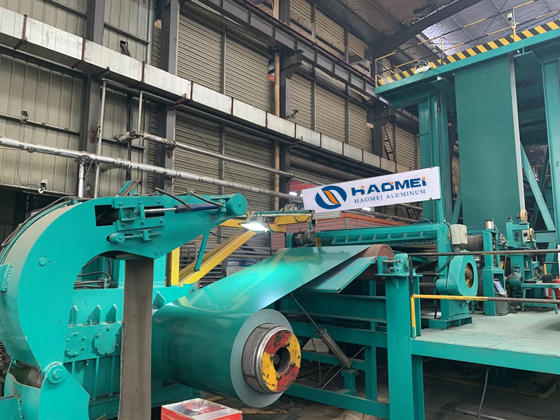
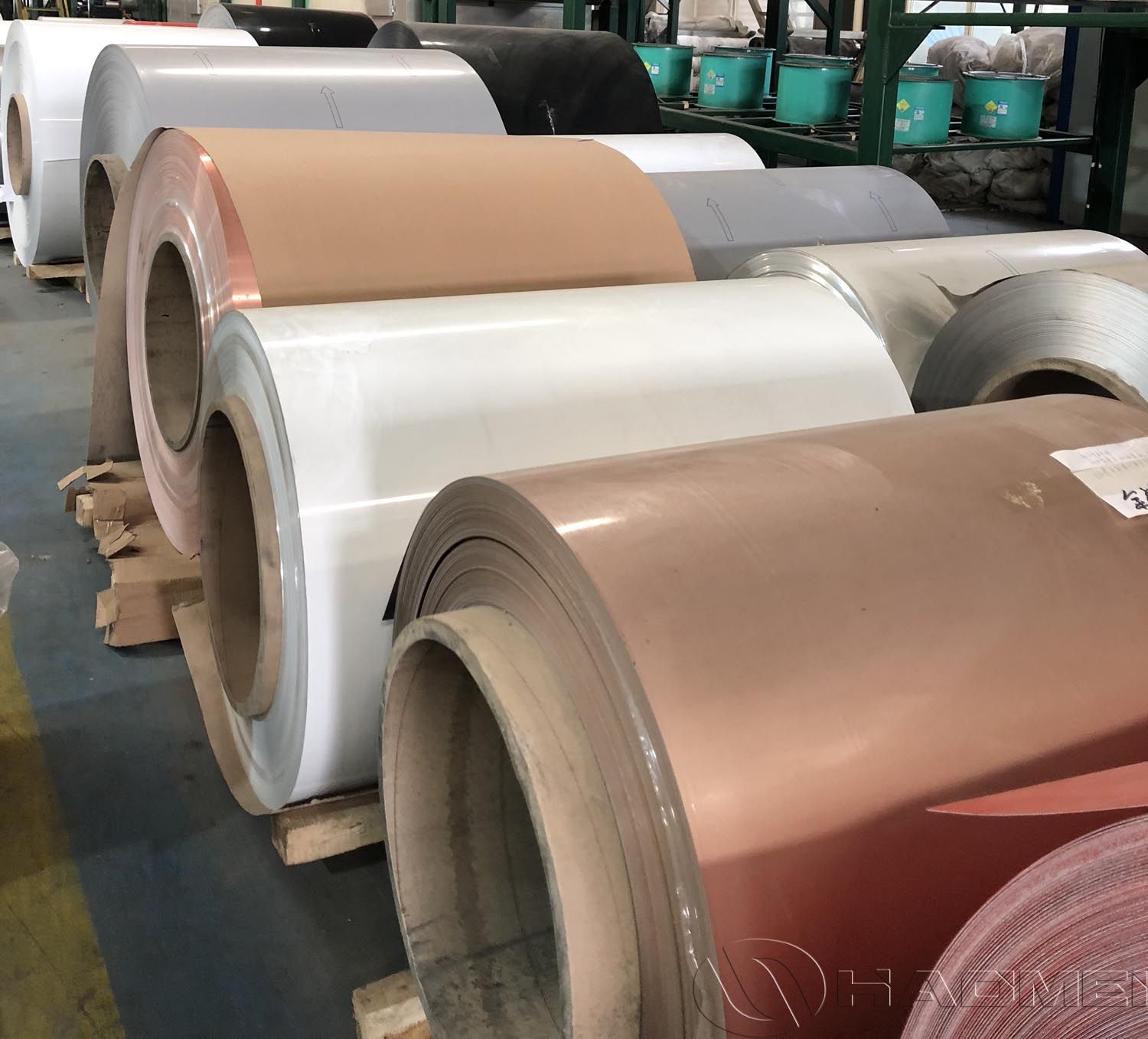
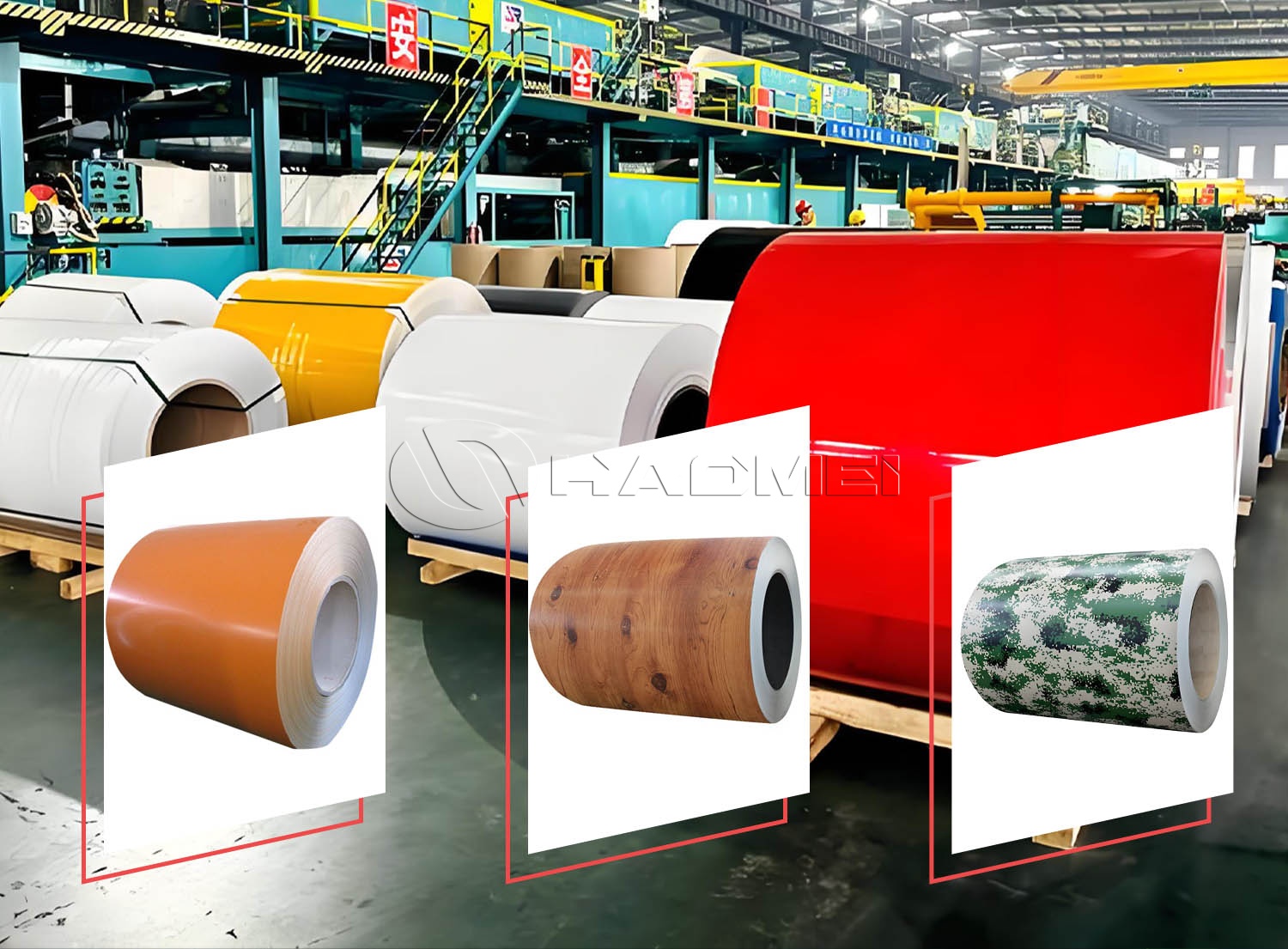
Color coated aluminum coil is produced by applying surface treatments, including cleaning, chemical pretreatment, anti-corrosion primer, and decorative color coating onto 5052 aluminum coil. This process maintains the alloy's mechanical properties while significantly improving surface protection and visual appearance.
Temper Conditions
5052-O (Annealed): Excellent formability, suitable for components with complex curves.
5052-H32: A balanced combination of strength and formability; the preferred choice for most hull plates and structural components.
5052-H34: Higher strength, suitable for areas subjected to greater mechanical stress.
Why Choose 5052 Aluminum Alloy?
Outstanding Salt Spray Resistance
In high-salinity and high-humidity marine environments, 5052 forms a dense and stable oxide layer that effectively resists chloride ion attack, outperforming common 1xxx and 3xxx series alloys.No Stress Corrosion Cracking (SCC)
This is a critical advantage for marine structures, ensuring reliability under combined tensile stress and corrosive conditions without sudden brittle failure.Energy Efficiency
Aluminum has only one-third the density of steel. Reducing vessel weight directly lowers fuel consumption while increasing speed and payload capacity.Excellent Fabrication Performance
5052 marine aluminum offers good cold workability and formability. It performs well in bending, stamping, and welding, meeting the demands of complex ship structures and interior designs.
Technical Specifications of 5052 Coated Aluminum Coil
| Alloy | 5052 |
| Temper | O, H32, H34, H38, etc. |
| Thickness | 0.3-6.0 mm |
| Width | 100-2650 mm |
| Length | 1000-16000 mm |
| Coating | PE, PVDF, etc. |
| Certification | ABS, DNV, CCS and other classification societies |
| MOQ | 1-3 tons |
Mechanical Properties
| Temper | Tensile Strength (MPa) | Yield Strength (MPa) | Elongation (%) | Typical Applications |
| O | 193 | 90 | 22-30 | Deep-formed complex components |
| H32 | 228 | 193 | 12-18 | Hull plating, deck panels |
| H34 | 262 | 214 | 10-14 | Higher-strength structural areas |
| H38 | 290 | 225 | 7-8 | High-stress zones |
Performance Advantages of 5052 Prepainted Aluminum Coil
Superior Corrosion Resistance
The high magnesium content provides natural seawater resistance. Combined with protective coatings, long-term durability in marine environments is ensured.Excellent Workability
Good ductility and flexibility allow cold bending, stamping, forming, and welding for structural and decorative ship components.Lightweight with Adequate Strength
Mechanical properties support lightweight ship design, improving fuel efficiency and operational performance.Decorative Appeal
Multiple color options and surface finishes meet both exterior styling and interior design requirements.Weather Resistance
PVDF and high-quality PE coatings offer UV resistance, oxidation resistance, and color stability in harsh marine conditions.Environmental Sustainability
Aluminum is 100% recyclable, aligning with green shipbuilding and sustainable development goals.
Coated Aluminum Coil Details
1. Coating Types
| Coating Type | Features | Typical Applications |
| Polyester (PE) | Wear-resistant, scratch-resistant, cost-effective | Interior structures, non-load-bearing parts |
| Polyurethane (PU) | High temperature and chemical resistance, excellent color stability | Hulls, bridges, decks |
| PVDF | Ultra-durable, UV-resistant, 20+ years color retention | Luxury yachts, naval vessels |
| Quartz Coating | Ultra-high temperature resistance (>200°C) | Industrial and chemical vessels |
2. Core Value of Prepainted Coatings
Aesthetic Appeal: Over 100 color options for customized vessel branding.
Protection: Prevents oxidation, corrosion, and surface degradation, extending service life.
Cost Efficiency: Typical coating thickness of 20-25 μm reduces costs by approximately 30% compared with traditional spray painting.
Application Areas
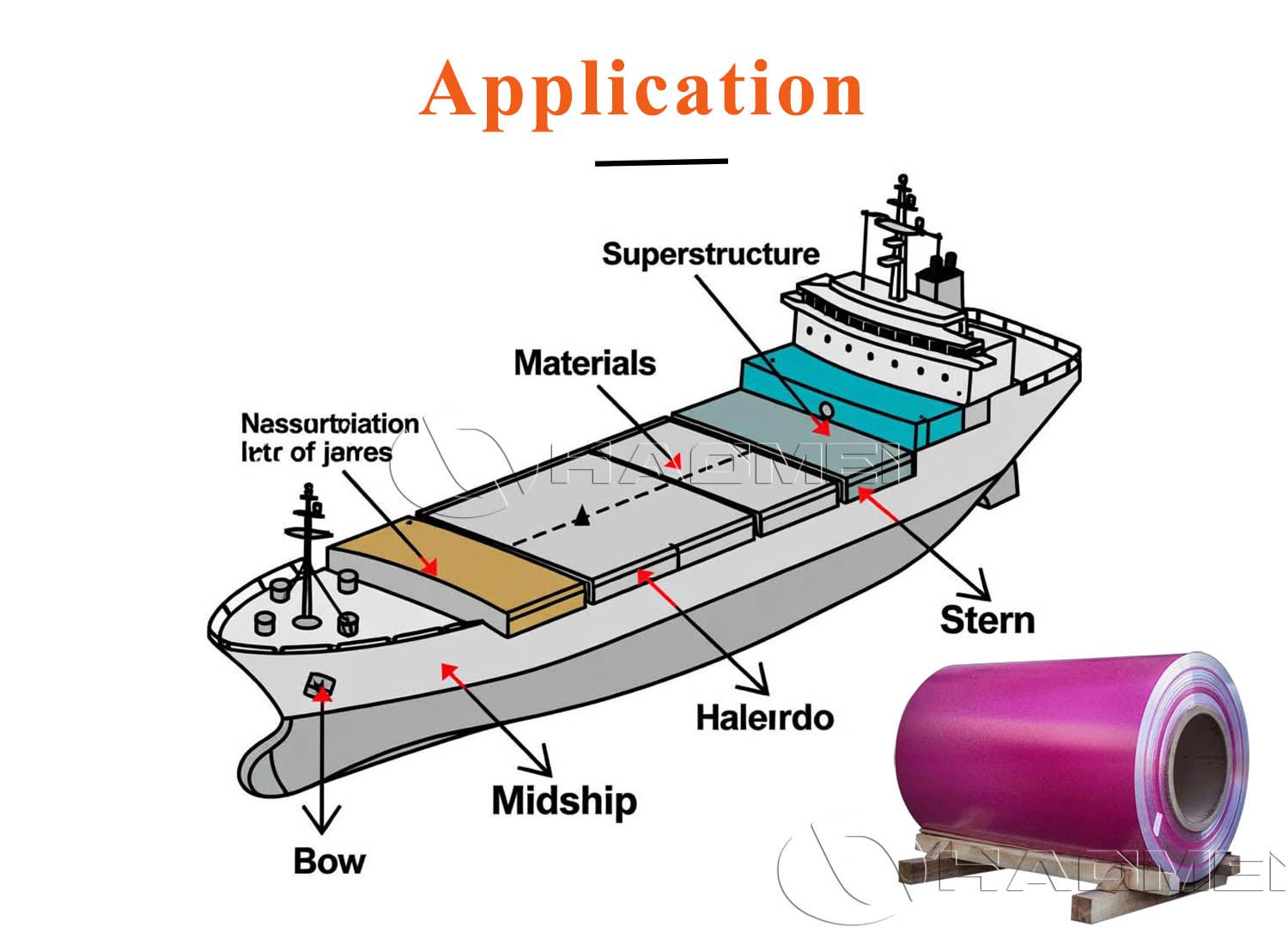
Hull Structures and Outer Shells:
H32 or H34 prepainted 5052 aluminum coil reduces vessel weight, increases cruising speed, and lowers fuel consumption.Interior Bulkheads, Ceilings, and Decorative Panels:
O or H32 temper offers excellent formability for curved designs, while coatings provide fire resistance, mildew resistance, and easy cleaning.Superstructures:
Wheelhouses, cabins, and accommodation areas benefit from weight reduction, lowering the vessel's center of gravity and improving stability.Marine Interiors:
Various colors and textures help create comfortable, modern onboard environments.
Comparison with Other Materials in Shipbuilding
| Material | Advantages | Disadvantages |
| Stainless Steel Plate | Higher strength | Heavy, expensive, difficult to form |
| Standard Aluminum Plate | Lower cost | Limited corrosion resistance, lower strength |
| Carbon Fiber Panels | Ultra-lightweight | Extremely high cost, unsuitable for large structures |
-
1000 Series Aluminum Coil With PVDF Coating
1000 series PVDF coated aluminum coil delivers corrosion resistance, UV stability and smooth formability for cladding, roofing and signage using 1050/1060/1100 alloys.
2026-01-12
-
PE Coated Aluminum Coil for Ceiling Tiles
PE coated aluminum coil for ceiling tiles offers lightweight forming, stable color, corrosion resistance, and clean finishes for modern interior ceilings.
2026-05-07
-
1100 Color Coated Aluminum Coil For Automotive Parts
1100 color coated aluminum coil for automotive parts offers high formability with PE or PVDF coating, stable color, and controlled coil-coating specs for trims and shields.
2026-03-16
Contact Directly
-

ADD: No.14 Waihuan Road, CBD, Zhengzhou, China
-

WhatsApp: +86-18703635966
-

E-MAIL: sales@alummc.com