

News
 By Hermione
Camouflage Color-Coated Aluminum Coil for Roofing Thickness 0.3mm-1.2mm
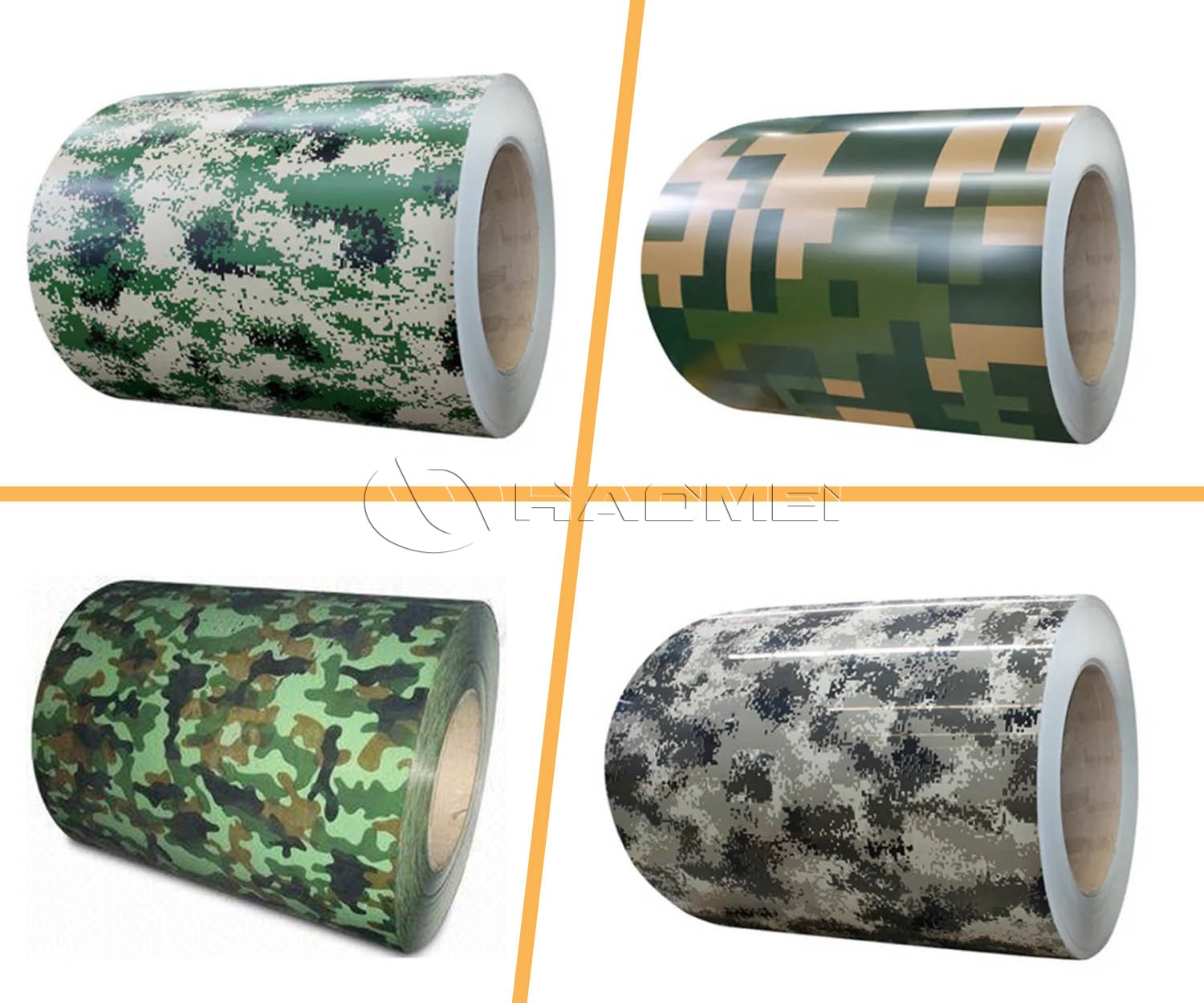
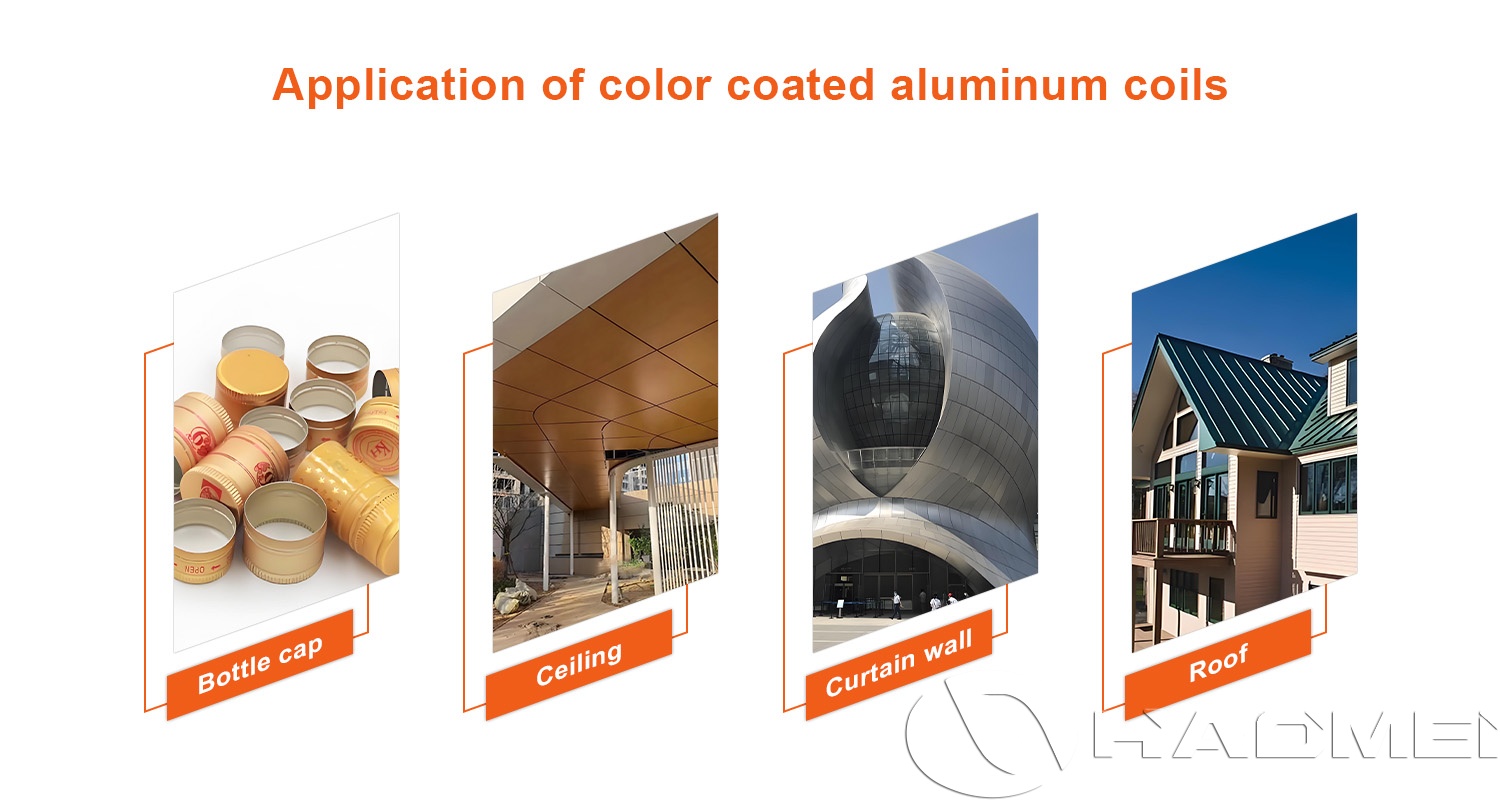
Camouflage color-coated aluminum coil is a pre-painted aluminum material designed for roofing systems that require both protective performance and a distinctive patterned surface. With a typical thickness range of 0.3mm-1.2mm, it is widely used in metal roofing sheets, military-style buildings, temporary structures, agricultural roofing, industrial sheds, resorts, outdoor facilities, and decorative architectural envelopes where lightweight corrosion resistance and camouflage aesthetics are required.
Product Structure and Surface Design
Camouflage roofing coil is manufactured by applying a controlled coating system onto aluminum substrate, followed by color printing or pattern coating to form a multi-tone camouflage appearance. Compared with post-painted roofing sheets, coil coating provides better thickness uniformity, stable color control, and more efficient downstream roll forming.
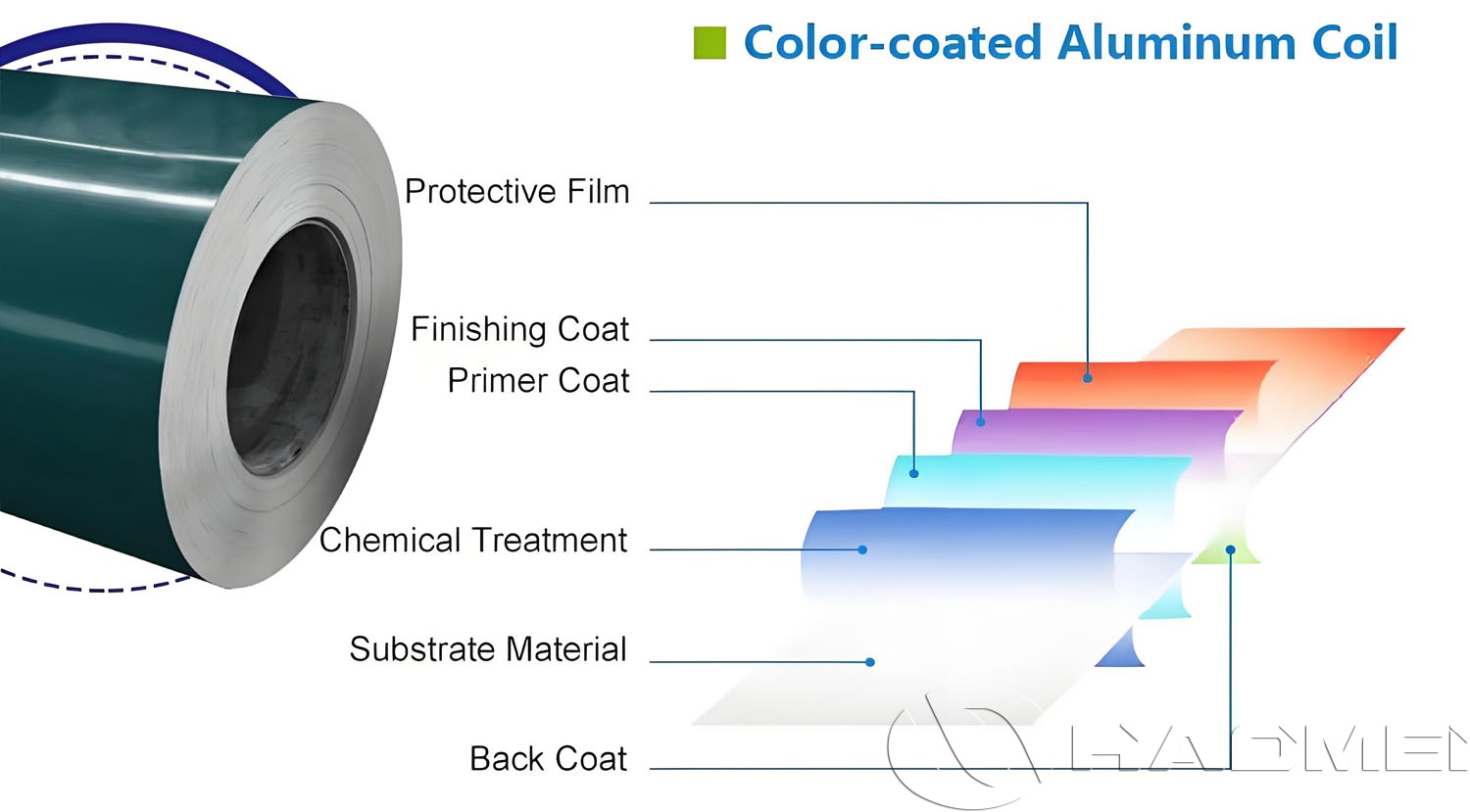
A typical coating structure includes aluminum substrate, chemical pretreatment layer, primer, camouflage color layer, and protective topcoat. For roofing applications exposed to sunlight, rain, humidity, and temperature fluctuation, the coating must balance adhesion, flexibility, weather resistance, and surface hardness.
Common coating systems include PE, HDP, SMP, and PVDF. PE coating is often used for general architectural roofing and interior-exterior decorative panels. For higher weatherability requirements, PVDF Coated Aluminum Coil provides stronger UV resistance, better chalking resistance, and longer color retention under outdoor exposure.
Core Specifications of Camouflage Roofing Aluminum Coil
| Specification Item | Common Range or Option |
|---|---|
| Product Name | Camouflage Color-Coated Aluminum Coil for Roofing |
| Thickness | 0.3mm-1.2mm |
| Width | Commonly 600mm-1600mm, customizable by production capability |
| Alloy | 1060, 1100, 3003, 3004, 3105, 5052 |
| Temper | O, H14, H16, H18, H24, H26, H32, H34 |
| Coating Type | PE, HDP, SMP, PVDF |
| Surface Pattern | Camouflage pattern, multi-color printed pattern, matte or gloss finish |
| Coating Thickness | Typically 15-35 microns per side, according to coating system |
| Back Coating | Service coating or primer coating for roofing forming and installation |
| Coil ID | 405mm, 505mm, 508mm |
| Main Applications | Roofing sheets, corrugated panels, standing seam panels, outdoor shelters, decorative roofs |
Commonly Used Alloys for Roofing Applications
The alloy selection affects formability, strength, roof panel stiffness, corrosion resistance, and processing stability. For camouflage color-coated roofing coil, the following alloys are commonly used:
1060 and 1100 Aluminum
1060 and 1100 are commercially pure aluminum grades with excellent corrosion resistance and high ductility. They are suitable for light-duty roofing, decorative roof panels, and applications where easy forming is more important than high structural strength. The surface quality of these alloys is stable, which supports uniform coating appearance and clear camouflage pattern transfer.
3003 Aluminum
3003 aluminum is one of the most common roofing coil alloys due to its balanced strength, formability, and corrosion resistance. Manganese addition improves mechanical performance compared with pure aluminum while maintaining good roll-forming behavior. For general roofing sheets and corrugated panels, 3003 Color Coated Aluminum Coil is frequently selected.
3004 and 3105 Aluminum
3004 and 3105 provide higher strength than 3003 and are commonly used where roofing panels require improved dent resistance and dimensional stability. They perform well during continuous roll forming, trapezoidal profiling, and corrugation. These alloys are suitable for larger roof spans, industrial buildings, and outdoor structures exposed to wind load and handling stress.
5052 Aluminum
5052 aluminum contains magnesium and offers better corrosion resistance, especially in humid, coastal, or chemically aggressive environments. It also has higher strength than 3xxx series alloys. For roofing systems that need enhanced durability, 5052 can be used with PVDF or other high-weatherability coatings.
Thickness Range and Roofing Performance
The 0.3mm-1.2mm thickness range covers both lightweight decorative roofing and higher-strength functional roof panels. Thin gauges such as 0.3mm-0.5mm are often used for small-span roofing sheets, ceiling-roof integrated panels, and decorative coverings. Medium gauges from 0.6mm-0.8mm provide improved rigidity and are common in corrugated roofing and profiled sheets. Thicker options from 0.9mm-1.2mm are used where higher mechanical strength, impact resistance, and panel flatness are required.
In roofing fabrication, coating flexibility is critical. During roll forming, bending, and rib forming, the camouflage coating should maintain adhesion without cracking, peeling, or obvious whitening at the bend area. Proper primer selection, curing temperature control, and substrate temper matching are important for stable processing.
Coating System Requirements
For camouflage roofing aluminum coil, the coating is not only decorative but also protective. The primer supports adhesion and corrosion resistance, while the topcoat determines weatherability, color stability, stain resistance, and gloss retention.
PE coatings provide good processability and economic performance for moderate outdoor conditions. SMP and HDP coatings improve weather resistance and surface durability. PVDF coatings are used for demanding roofing environments because fluorocarbon resin has excellent resistance to ultraviolet radiation, acid rain, and long-term outdoor aging.
The camouflage pattern is usually formed through precise color matching and controlled coating or printing technology. Pattern consistency depends on paint viscosity, coating thickness, curing profile, line speed, and surface tension control. For roofing panels installed over large areas, stable batch-to-batch color difference control is essential.
Manufacturing and Quality Control Focus
Production of camouflage color-coated aluminum coil requires strict control from substrate preparation to final coiling. Key process points include degreasing, chemical pretreatment, primer coating, pattern coating, topcoat application, curing, cooling, tension leveling, inspection, and packaging.
Typical quality control items include:
Coating thickness and surface uniformity
Color difference and camouflage pattern consistency
Pencil hardness and scratch resistance
T-bend flexibility and impact resistance
Cross-cut adhesion
Gloss and surface appearance
Salt spray resistance for corrosion evaluation
UV aging or accelerated weathering for outdoor durability
Coil flatness, edge quality, and roll-forming stability
For roofing use, the finished coil should maintain a clean surface, stable mechanical properties, and coating integrity after slitting, profiling, cutting, fastening, and installation-related forming operations.
-
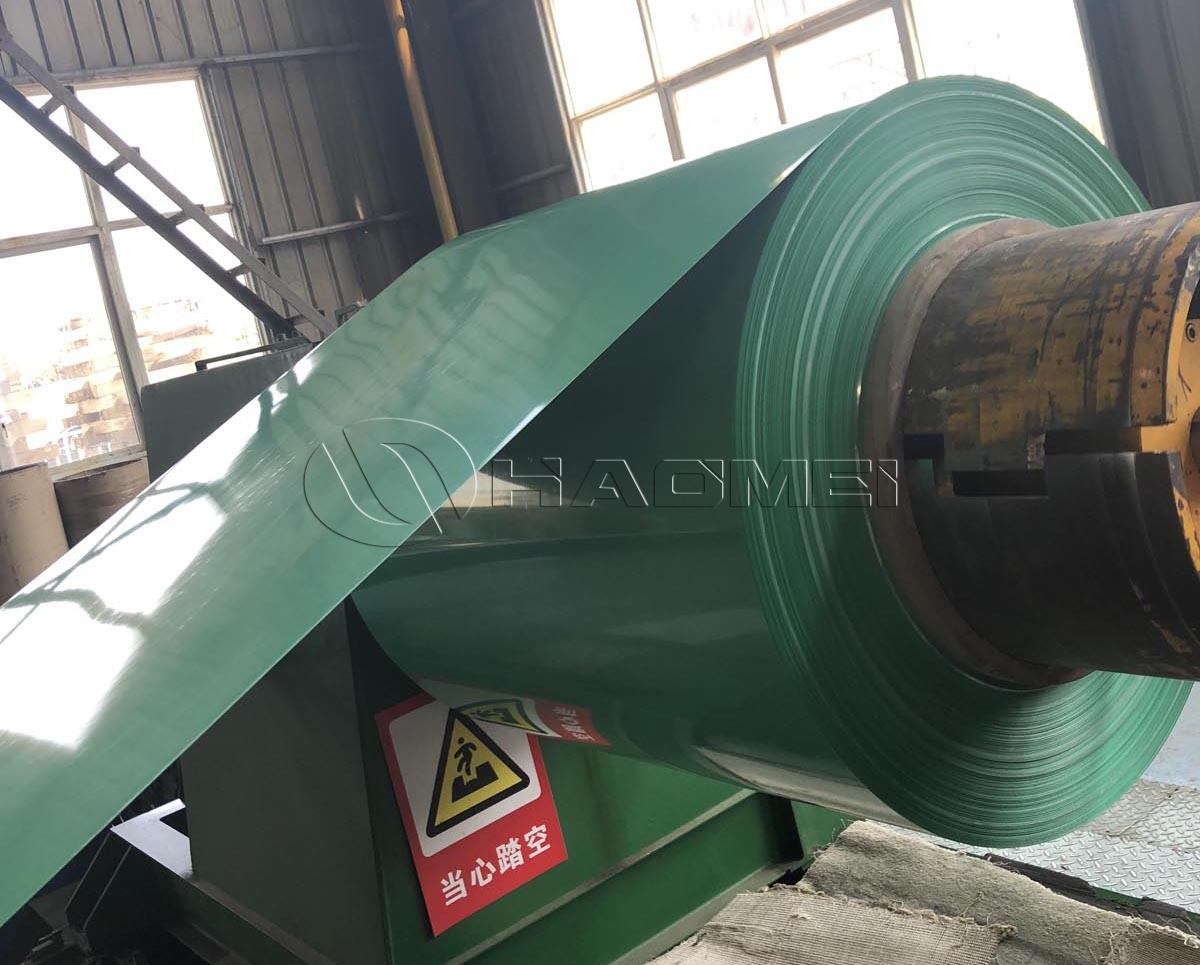
Color Coated 1100 Aluminum Coil for Rain Gutters
Color coated 1100 aluminum coil for rain gutters offers good formability, stable coating performance, and clean appearance in PE and PVDF systems.
2026-03-20
-
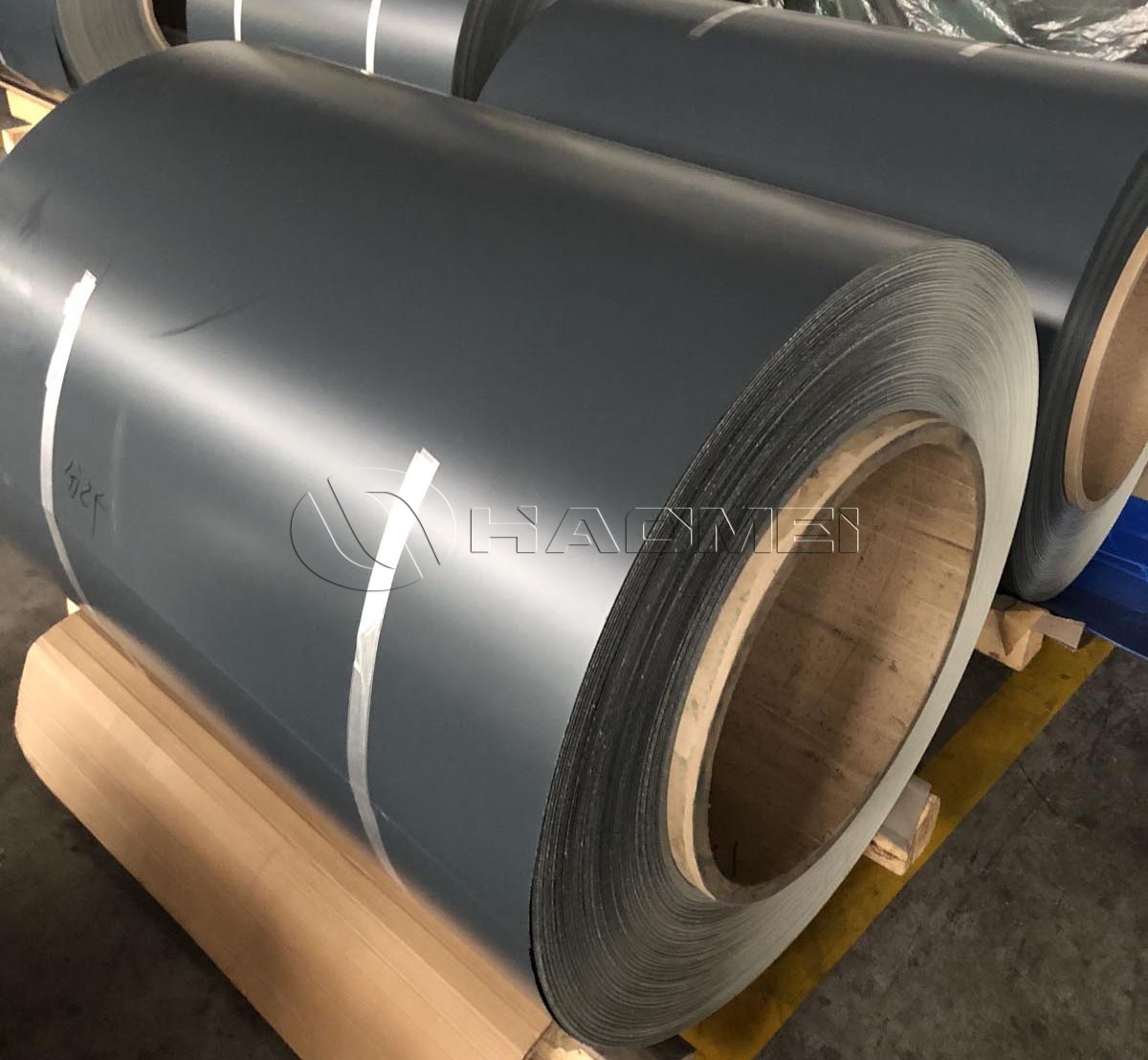
5052 H34 Color Coated Aluminum Coil Inventory
5052 H34 color coated aluminum coil with PVDF or PE finishes, marine-grade corrosion resistance, stable formability, and specs for facade, roofing and trim.
2026-01-21
-
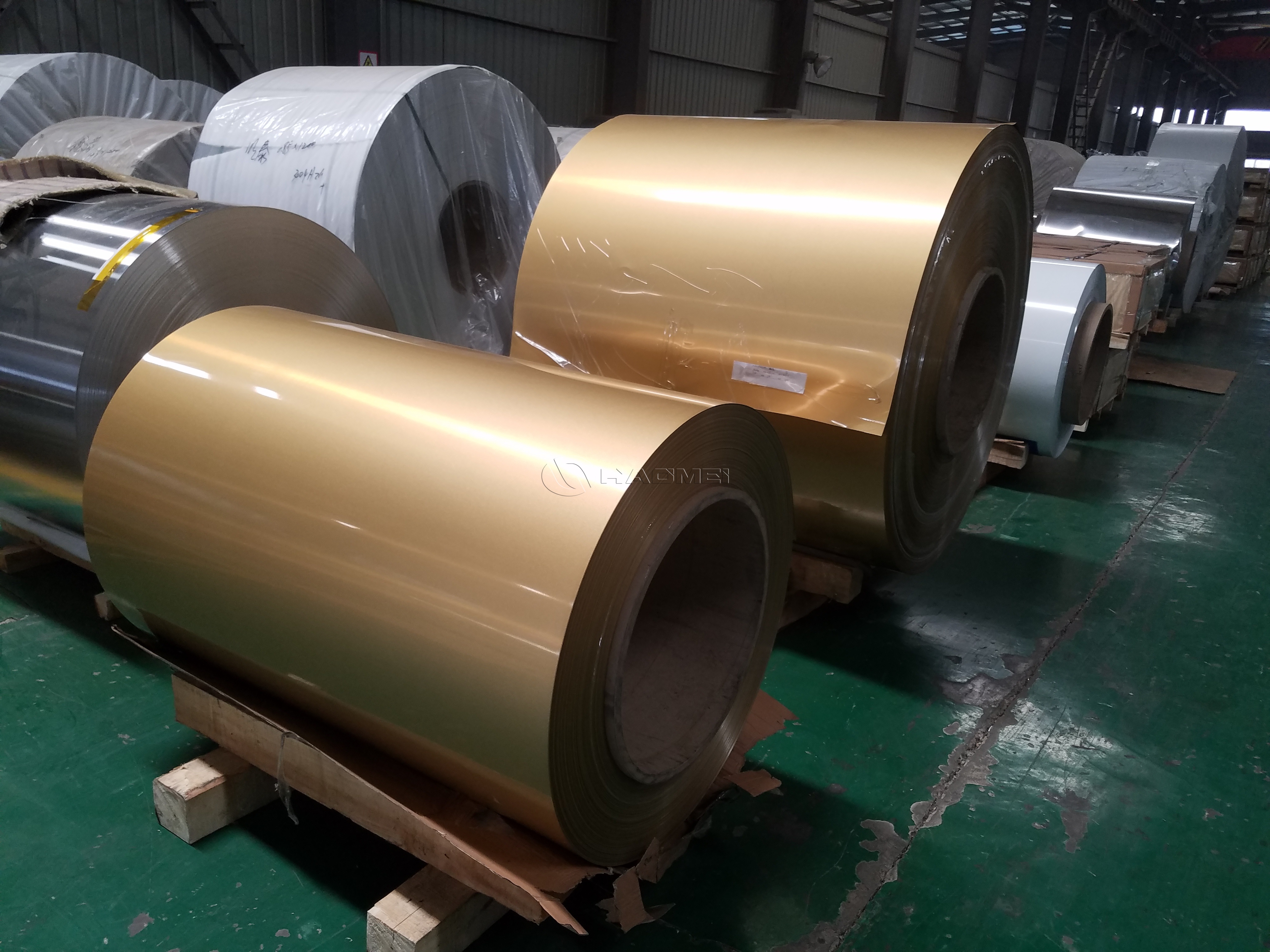
PVDF Coated Aluminum Coil For Industrial Roofing
PVDF coated aluminum coil for industrial roofing delivers long-term color stability, corrosion resistance and reliable coil coating quality for harsh climates.
2026-02-03
Contact Directly
-

ADD: No.14 Waihuan Road, CBD, Zhengzhou, China
-

WhatsApp: +86-18703635966
-

E-MAIL: sales@alummc.com