


News
 By Hermione
PVDF Coated Aluminum Coils Are Suitable for Coastal Buildings
PVDF coated aluminum coils are pre-painted architectural materials designed for exterior environments requiring long-term weatherability, color retention, and corrosion resistance. In coastal buildings, they are widely used for metal roofing, wall cladding, curtain-wall panels, soffits, fascias, rainwater systems, ceiling systems, rolling shutters, and decorative architectural profiles exposed to salt-laden air, high humidity, intense sunlight, and frequent rainfall.
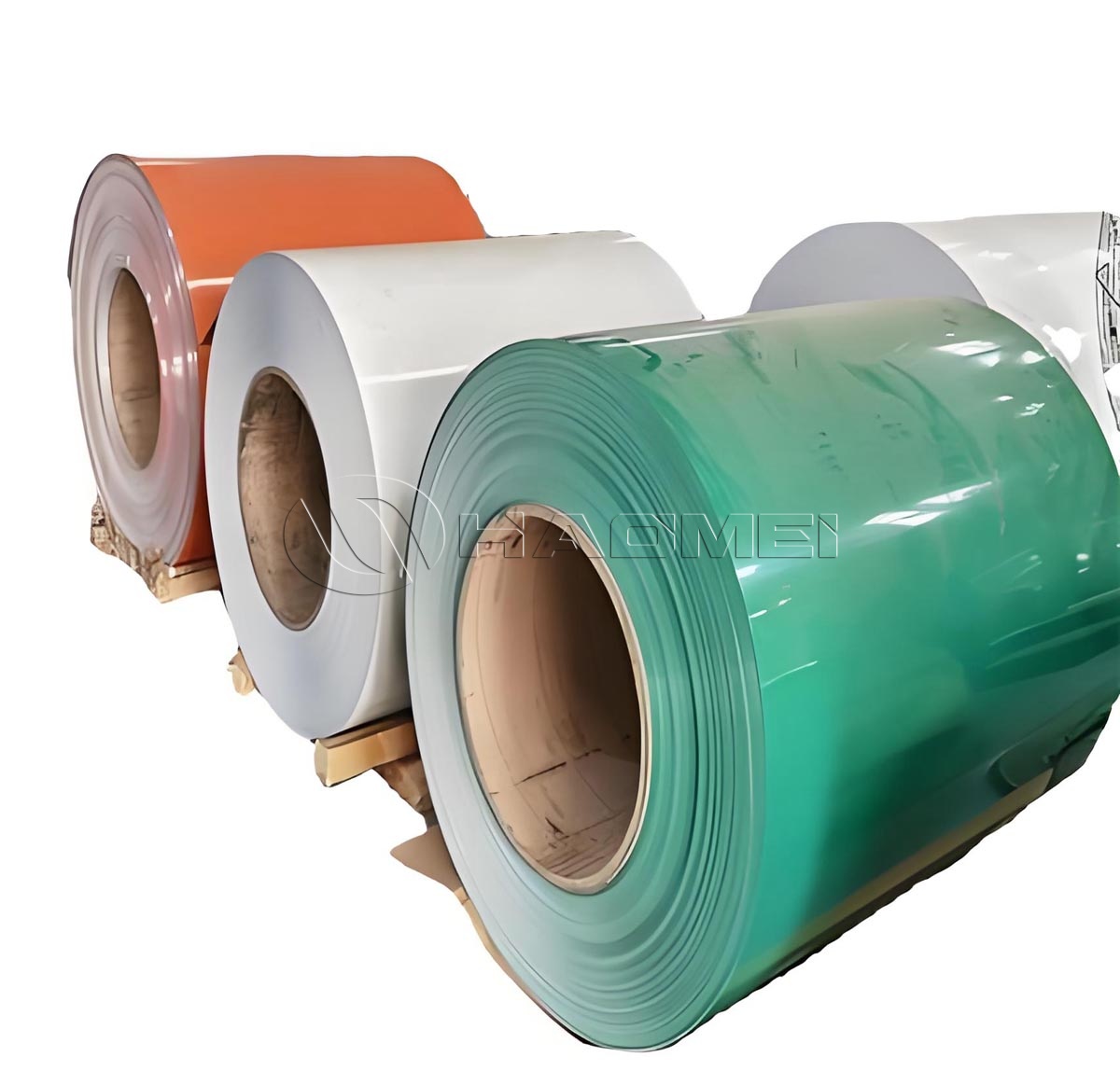
Coastal exposure creates a demanding service environment. Airborne chlorides can settle on building surfaces and remain active in the presence of moisture, while ultraviolet radiation and temperature cycling gradually stress conventional organic coatings. A properly designed PVDF coating system, combined with an appropriate aluminum alloy and suitable fabrication control, provides a stable surface solution for these conditions.
Why Coastal Environments Require Higher-Performance Coatings
Buildings near the sea are exposed to several degradation factors at the same time:
Salt spray and chloride deposition from marine air
High relative humidity and prolonged wet-dry cycles
Strong UV radiation, particularly in tropical and subtropical coastal regions
Wind-driven rain and windborne particulates
Thermal expansion and contraction of exterior metal panels
Potential galvanic corrosion at interfaces with dissimilar metals
The coating on an exterior aluminum coil is not only decorative. It forms a protective barrier that limits direct exposure of the substrate to moisture and contaminants. For coastal architectural applications, coating continuity at panel edges, bends, fastener areas, overlaps, and formed profiles is particularly important.
PVDF Coating Performance in Marine Atmospheres
PVDF, or polyvinylidene fluoride, is a fluoropolymer coating technology commonly specified for high-performance exterior architecture. It is valued for its chemical stability, low surface energy, resistance to UV degradation, and long-term appearance retention.
A typical PVDF coated aluminum coil system includes a chemically treated aluminum substrate, primer coat, PVDF topcoat, and reverse-side protective coating. The primer improves adhesion between the aluminum and finish layer, while the PVDF finish provides color, gloss, and weather protection.
Key performance characteristics include:
UV resistance: PVDF resins retain color and gloss more effectively than standard polyester systems in long-term outdoor exposure.
Salt-spray resistance: The coating system helps reduce chloride contact with the aluminum substrate when the film remains intact.
Humidity resistance: Multi-layer coatings provide protection during repeated condensation and high-humidity exposure.
Chemical resistance: PVDF finishes maintain stability against many airborne pollutants and environmental contaminants.
Formability: Architectural-grade PVDF coatings can accommodate roll forming, bending, and profiling within defined processing limits.
Surface cleanliness: The relatively low surface energy of fluoropolymer coatings can reduce dirt adhesion and support a cleaner exterior appearance.
For projects requiring higher exterior durability, PVDF Coated Aluminum Coil products are typically produced with a coating architecture tailored to the required film thickness, gloss level, color, and forming process.
Structure of a PVDF Coated Aluminum Coil
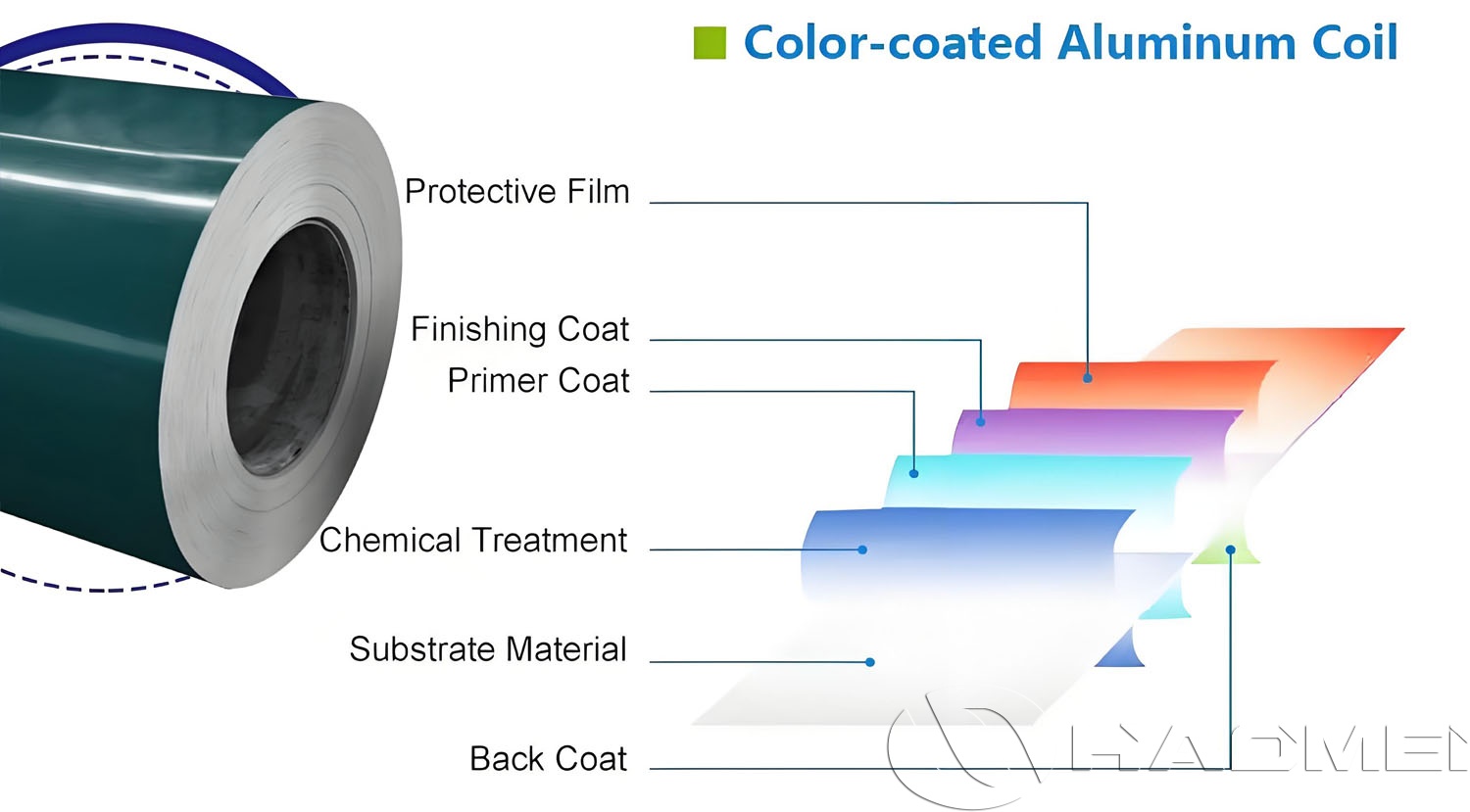
The performance of pre-painted aluminum depends on the complete coil-coating system rather than the topcoat alone. A common construction includes the following layers:
Aluminum substrate: Provides low weight, formability, and inherent corrosion resistance.
Chemical conversion treatment: Improves coating adhesion and enhances corrosion protection at the metal-coating interface.
Primer coating: Supports adhesion, flexibility, and moisture resistance.
PVDF topcoat: Delivers the visible color, weatherability, UV stability, and environmental resistance.
Back coating: Protects the reverse side during fabrication and service, especially where condensation or enclosed-space humidity may occur.
Coating quality is influenced by substrate cleanliness, conversion-coating uniformity, primer compatibility, curing conditions, dry-film thickness, and coil-coating line control. In coastal service, insufficient curing, thin coating films, exposed cut edges, or damage during fabrication can reduce the system's protective value.
Common Aluminum Alloys for Coastal Architectural Coil
The aluminum alloy should be selected according to the required panel geometry, mechanical strength, forming method, exposure condition, and structural design. Common alloys for PVDF coated aluminum coils include 1100, 3003, 3004, 3105, 5005, and 5052.
1100 Alloy
1100 is commercially pure aluminum with excellent workability and corrosion resistance. It is suitable for decorative trim, ceilings, light-duty cladding, and applications where deep forming or soft temper material is required. Its relatively low strength makes it less suitable for panels requiring greater stiffness or impact resistance.
3003 Alloy
3003 is an aluminum-manganese alloy offering improved strength over 1100 while retaining good formability and corrosion resistance. It is widely used for roofing sheets, wall cladding, gutters, soffits, and general architectural roll-formed products. 3003 Color Coated Aluminum Coil is commonly used where balanced formability and mechanical performance are needed.
3004 and 3105 Alloys
3004 and 3105 provide higher strength than 3003 in many tempers and are frequently used for profiled roofing, corrugated sheets, metal siding, and formed building components. Their mechanical properties support applications where panel rigidity and roll-forming performance are important.
5005 Alloy
5005 is a magnesium-containing aluminum alloy known for good corrosion resistance, smooth surface quality, and favorable anodizing response. In coated architectural applications, it is often used for facade panels, composite panel skins, and decorative exterior surfaces where appearance consistency is important.
5052 Alloy
5052 provides higher strength and strong corrosion resistance due to its magnesium content. It is suitable for coastal architectural components subject to more demanding environmental exposure, including formed panels, marine-adjacent structures, flashing, and rainwater management elements. Its selection is especially relevant where mechanical performance and environmental resistance must be considered together.
Core Specifications of PVDF Coated Aluminum Coil
PVDF Coated Aluminum Coil Specifications
| Item | Typical Range or Option |
|---|---|
| Aluminum alloy | 1100, 3003, 3004, 3105, 5005, 5052, 5754 |
| Temper | O, H14, H16, H18, H24, H26, H32, or as specified |
| Thickness | 0.20 mm to 2.00 mm, depending on application |
| Width | 20 mm to 1,600 mm |
| Coil inner diameter | 150 mm, 300 mm, 405 mm, 505 mm, or 508 mm |
| Coil weight | Commonly 1 to 5 metric tons, subject to dimensions and handling requirements |
| Coating type | PVDF fluorocarbon coating system |
| Topcoat dry-film thickness | Commonly 20 to 30 μm; higher-build systems available for specific applications |
| Back-coat dry-film thickness | Commonly 5 to 10 μm, with enhanced back coatings available |
| Surface finish | Glossy, semi-gloss, matte, textured, metallic, solid color, or custom pattern |
| Color | Standard colors and custom color matching options |
| Main applications | Roof panels, facade cladding, soffits, gutters, shutters, composite panels, and exterior trim |
Coating Thickness and Edge Protection
For coastal building envelopes, topcoat thickness is one of several factors affecting long-term performance. A typical architectural PVDF coating system uses a primer and a PVDF finish coat with a combined dry-film thickness appropriate for exterior exposure. Higher coating build may be applied where project standards specify enhanced barrier protection or where the design includes aggressive forming requirements.
Cut edges, drilled holes, lap joints, folds, and fastener penetrations require particular attention because they may expose untreated aluminum edges or create moisture-retaining crevices. Aluminum itself develops a natural oxide layer, but chloride-rich moisture can challenge exposed areas over time. A well-engineered panel design limits standing water, allows drainage, and avoids contamination traps.
Fabrication Considerations for PVDF Coated Coil
PVDF coated aluminum coil is commonly processed by slitting, shearing, bending, stamping, roll forming, and press braking. During fabrication, the coating system must retain adhesion and flexibility without cracking, delamination, or excessive surface marring.
Important processing factors include:
Matching alloy temper to the required bend radius and profile depth
Maintaining clean forming rolls and handling surfaces
Controlling protective-film application and removal where used
Avoiding contact with incompatible sealants, adhesives, or plasticizers
Preventing abrasion during coil transport, stacking, and panel installation
Maintaining separation from dissimilar metals that can create galvanic corrosion risks in the presence of moisture
The combination of alloy, temper, coating thickness, and forming geometry should be coordinated at the product-design stage. A high-strength alloy with an unsuitable temper can limit bend performance, while a very soft alloy may not provide the stiffness needed for long-span cladding or roofing profiles.
Appearance Retention for Coastal Facades and Roofing
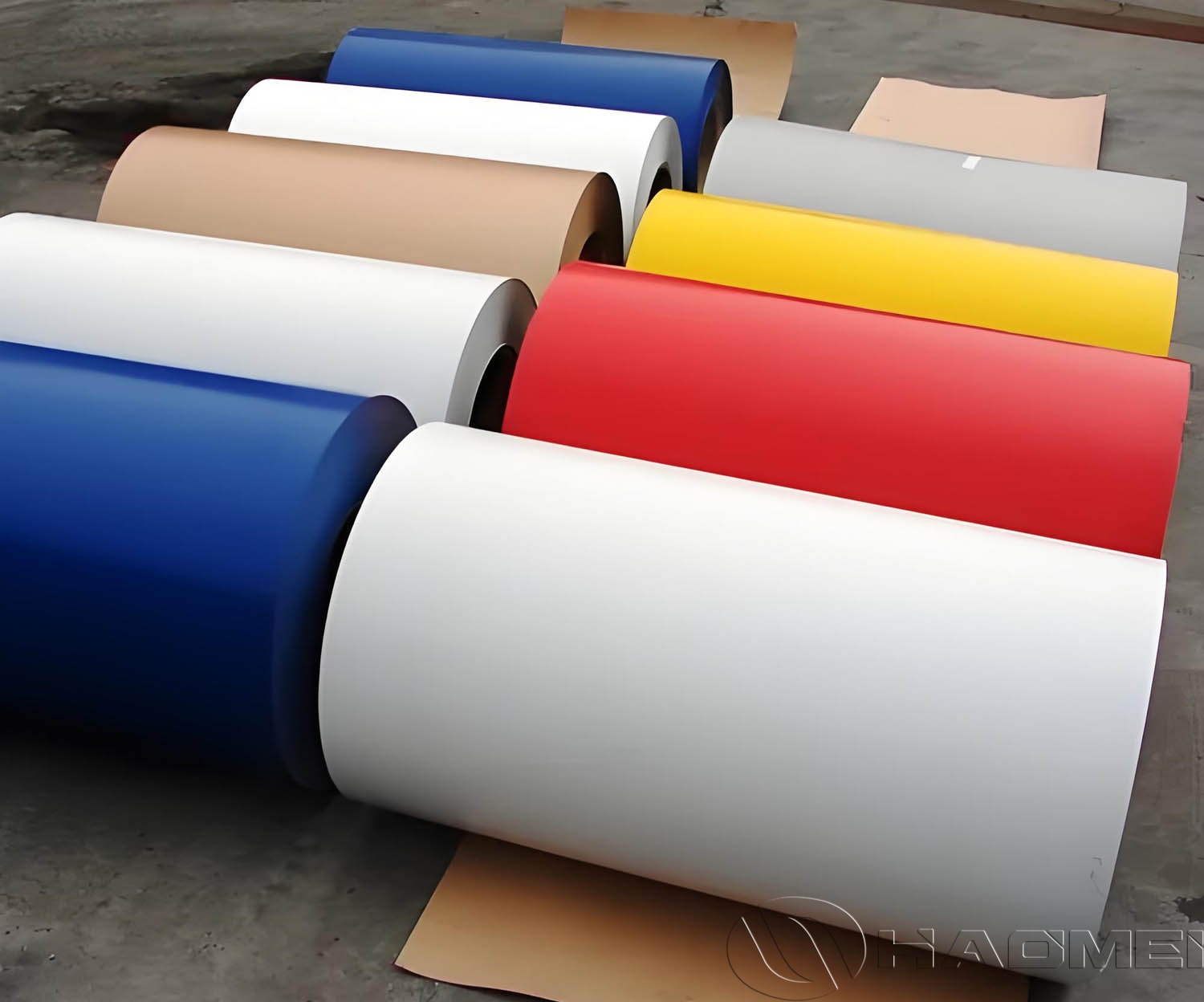
A coastal building's visual performance is closely related to resistance against color fading, chalking, gloss loss, staining, and surface erosion. PVDF coatings are widely associated with long-term exterior color stability because fluoropolymer chemistry withstands UV exposure more effectively than conventional PE coating systems.
Color selection also affects visible aging. Light and medium shades generally show less surface heat buildup than very dark colors, while metallic and special-effect finishes require controlled pigment selection and coating application to maintain visual consistency between coils and panels. For large facade elevations, coil-to-coil color control and gloss uniformity are important to achieving a consistent architectural appearance.
Quality Control for Coastal-Grade PVDF Coated Aluminum
Quality control for PVDF coated aluminum coil covers both the aluminum substrate and the finished coating system. Typical verification items include coating thickness, gloss, color difference, pencil hardness, adhesion, flexibility, impact resistance, solvent resistance, and resistance to humidity or salt-spray exposure.
Substrate inspection may include alloy verification, thickness tolerance, width tolerance, flatness, surface cleanliness, and mechanical-property control. Coating-line parameters such as pretreatment condition, oven temperature profile, line speed, and cure response are also critical because they affect adhesion and long-term environmental performance.
For coastal buildings, the value of PVDF coated aluminum coil lies in the integration of a corrosion-resistant aluminum substrate, a durable fluoropolymer coating system, controlled fabrication quality, and envelope details that manage moisture, salt deposition, and dissimilar-metal contact.
-
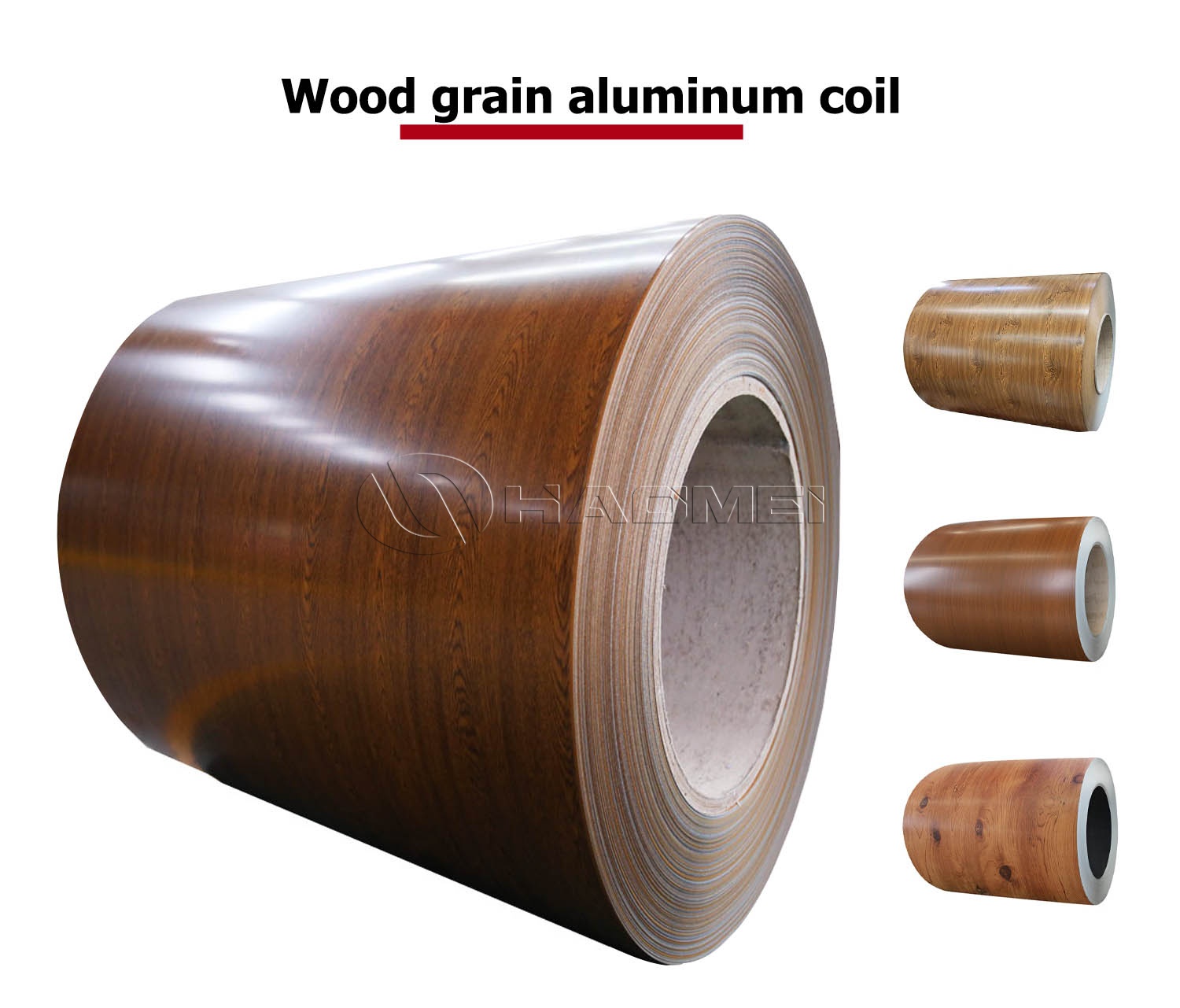
PE Coated Wood Grain Aluminum Coil Price
Explore PE coated wood grain aluminum coil price drivers, coating system design, aluminum alloy choices, coil coating process, and typical architectural decoration uses.
2026-03-03
-
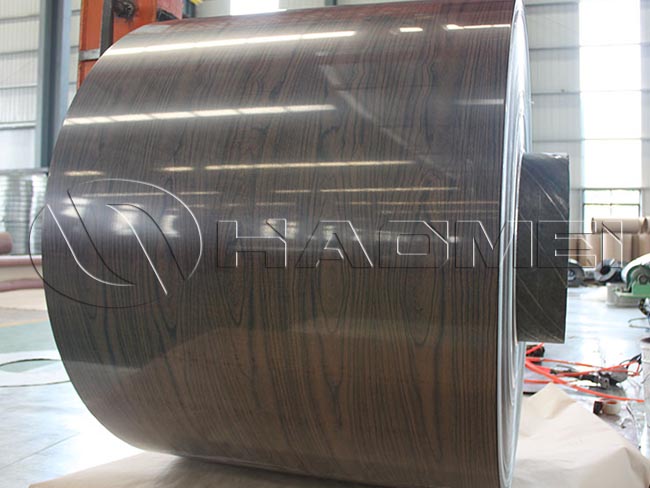
Color coated Aluminum Coils for Roofing, Ceiling, and Wall Systems
Color-coated aluminum coil is widely used in roofing, ceiling, and wall systems, offering advantages such as lightweight construction, excellent weather resistance, strong decorative appeal, and easy processing.
2026-01-04
-
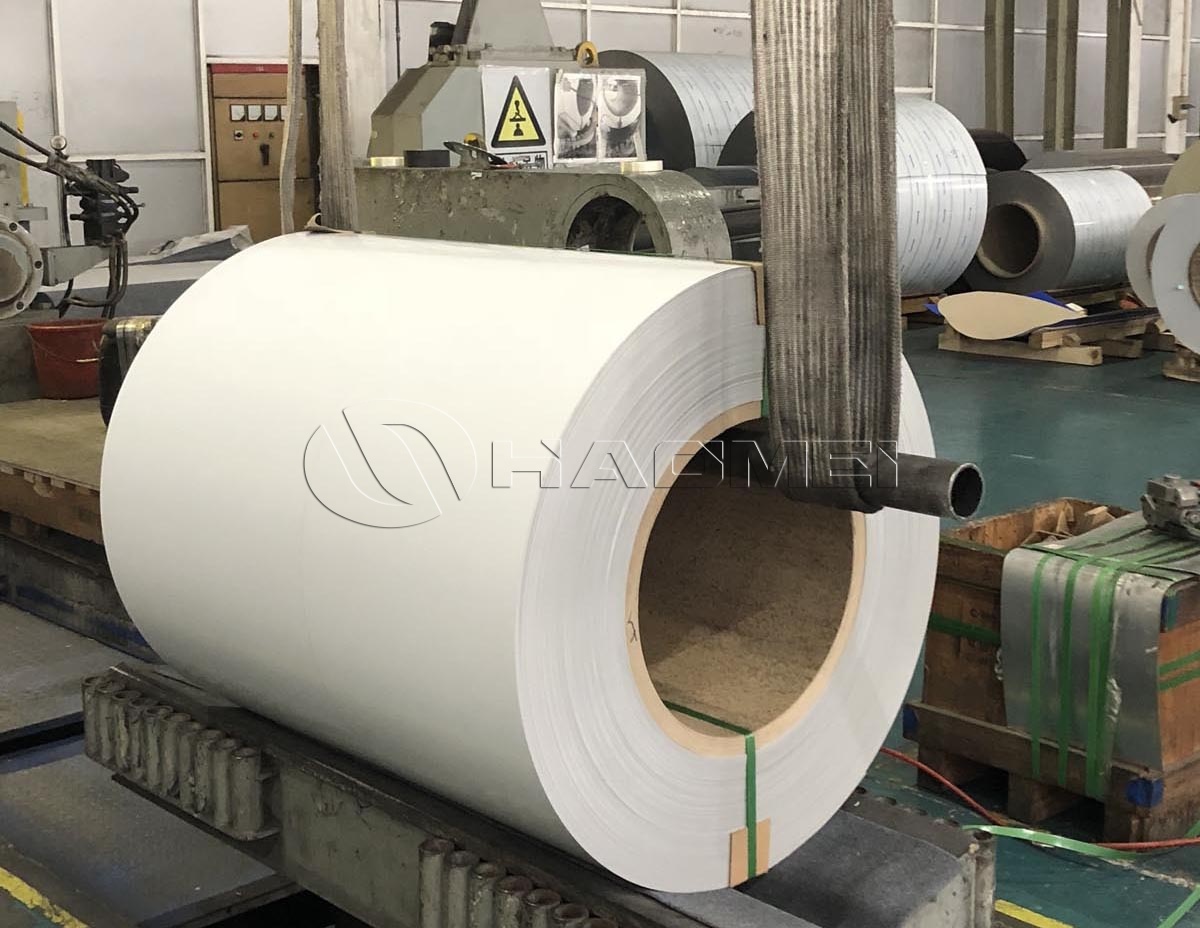
PVDF Coated Aluminum Coil Thickness Range
Explore PVDF coated aluminum coil thickness ranges, alloys, coating structures, and applications for durable architectural panels, roofing, and facades.
2026-07-28
Contact Directly
-

ADD: No.14 Waihuan Road, CBD, Zhengzhou, China
-

WhatsApp: +86-18703635966
-

E-MAIL: sales@alummc.com
