

News
 By Hermione
PE Coated Wood Grain Aluminum Coil Price
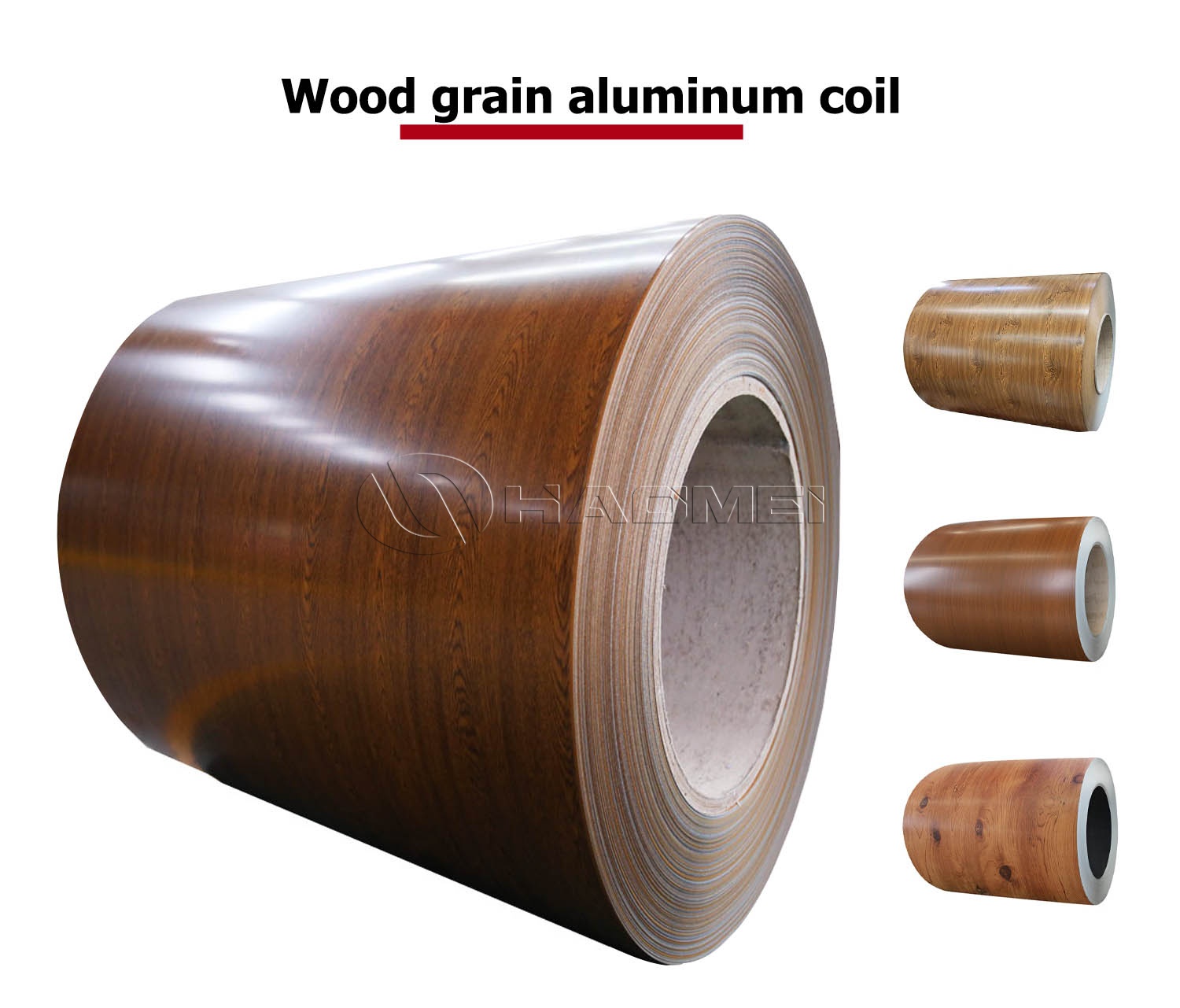
PE coated wood grain aluminum coil is positioned as a cost-effective pre-painted aluminum coil solution that delivers a warm timber appearance with the productivity of coil processing. It is widely used in architectural decoration where consistent pattern, light weight, and fast fabrication matter, such as ceilings, interior wall cladding, fascia, roller shutter slats, and furniture panels.
Understanding PE coated wood grain aluminum coil price
When discussing PE coated wood grain aluminum coil price, it is helpful to connect cost directly to performance targets. Unlike commodity solid colors, wood grain requires stable print definition and controlled gloss, and the coating must tolerate forming without pattern break or whitening. The final price typically reflects four linked factors: the aluminum substrate (alloy, temper, thickness), the wood grain coating system (resin and layer design), the manufacturing process (pretreatment, curing, printing), and specification details (width, coil ID/OD, protective film, and order quantity).
From an engineering standpoint, wood grain is not only an aesthetic layer. It is a functional surface engineered for adhesion, flexibility, abrasion resistance, and color stability. Selecting the right PE coating system is therefore the core lever for balancing cost and service life.
Substrate selection: alloy, temper, and how they affect forming and cost
Wooden grain color coated aluminum coils are commonly produced on 1xxx and 3xxx series aluminum due to their surface quality and formability. For trims and ceiling panels, softer tempers improve bending without cracking at the coating layer. For shutter slats and formed profiles, strength and springback become more important.
Typical substrate considerations that influence both performance and price:
Alloy: 1060/1100 for excellent surface and forming; 3003/3105 for higher strength and dent resistance.
Temper: O and H24 are common for forming; higher H tempers raise stiffness but may require larger bending radii.
Thickness: thicker metal increases material cost directly and can also reduce oil canning for wide panels.
In product documentation, this is generally categorized under PE Coated Aluminum Coil families, with wood grain treated as a specialized finish on top of the same coil-coating fundamentals.
Coating system design: why wood grain is more than "paint + print"
A stable wood appearance comes from controlled layer interactions. A practical PE wood grain system is typically built around:
A conversion pretreatment and primer that ensure adhesion and corrosion resistance.
A PE basecoat that defines background tone and provides flexibility.
A wood grain printing layer (transfer/printing ink) that creates pattern fidelity.
A clear PE topcoat that protects the print, controls gloss, and improves abrasion resistance.
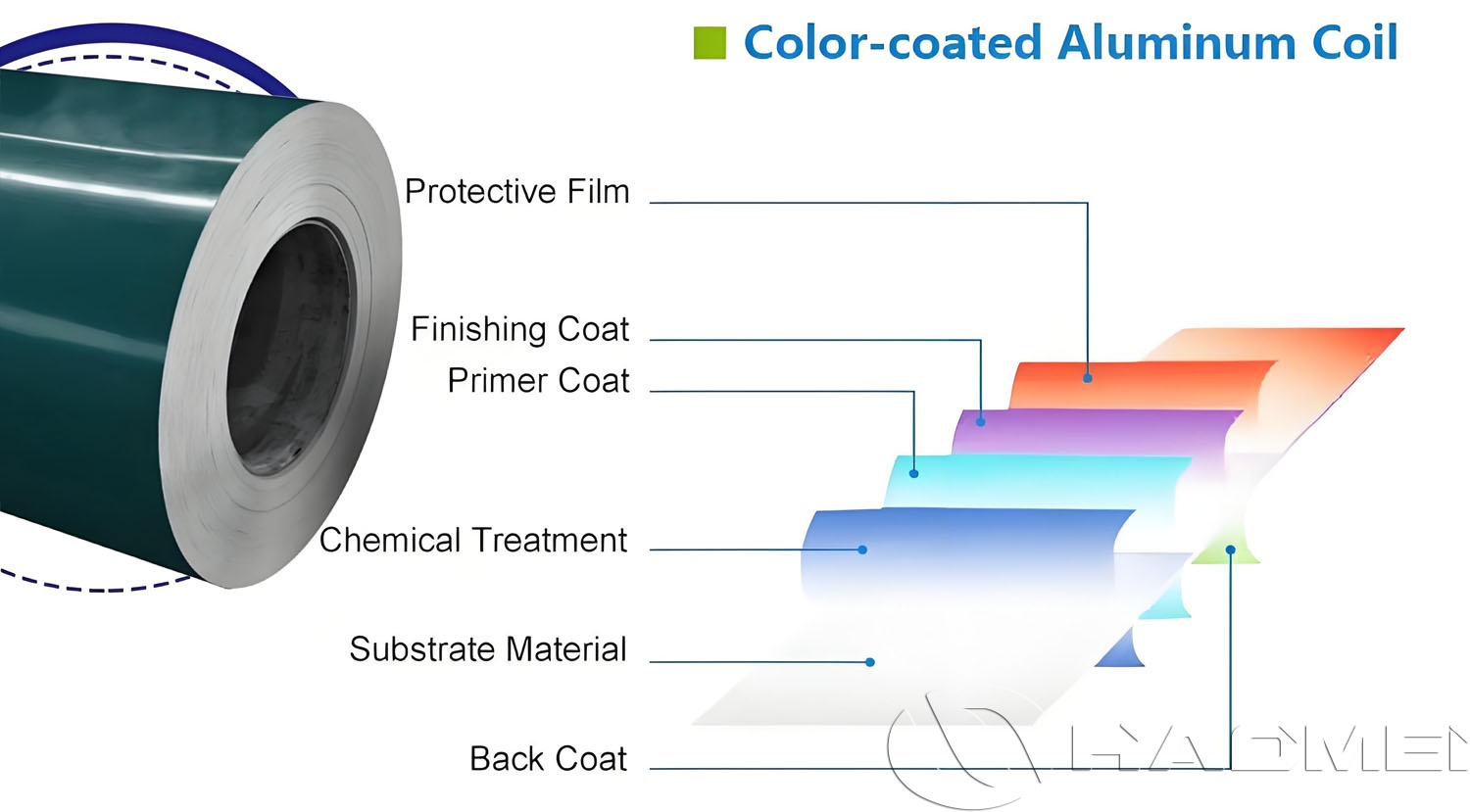
Because PE is a thermoplastic/thermoset resin family optimized for interior and moderate exterior exposure, its cost structure is usually favorable compared with PVDF. However, wood grain quality often requires tighter controls on cure window, ink compatibility, and topcoat hardness. This is why two PE wood grain coils of the same thickness can differ meaningfully in price: the coating architecture (and its process stability) can be different even when both are labeled "PE."
Key performance properties typically targeted for PE wood grain applications include:
Coating flexibility for roll forming and bending (minimizing micro-cracks at edges)
Adhesion retention after humidity/boiling water tests
Scratch/abrasion resistance tuned by clearcoat design
Gloss consistency (wood grain often targets matte or silk gloss to mimic timber)
Color and pattern repeat stability across coils and lots
Manufacturing process: coil coating, wood grain patterning, and cure control
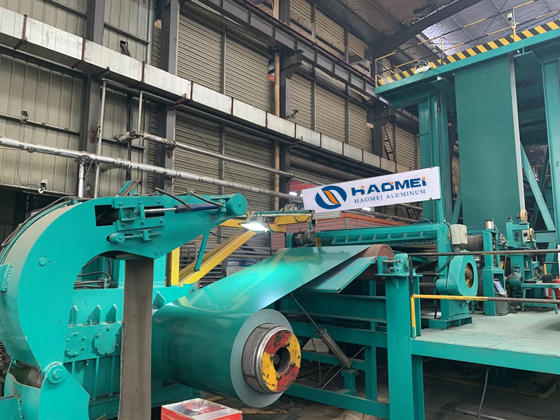
PE wood grain aluminum coil is produced through a continuous coil coating line. The process steps are engineered to ensure that the print layer and clearcoat remain stable during forming and service.
Surface preparation: degreasing and chemical conversion treatment create a uniform, reactive surface. This stage strongly affects long-term adhesion and corrosion behavior at cut edges.
Primer and basecoat application: roll coating with controlled wet film thickness, followed by oven curing. Cure quality influences hardness, solvent resistance, and intercoat adhesion.
Wood grain patterning: typically achieved by printing or transfer methods. Consistent tension control and registration are important to avoid pattern distortion.
Clear topcoat: applied and cured to lock in the grain, set gloss, and provide abrasion protection.
Protective film and rewinding: film type and adhesion level are selected based on fabrication method (laser cutting, punching, roll forming) to prevent film lift or adhesive residue.
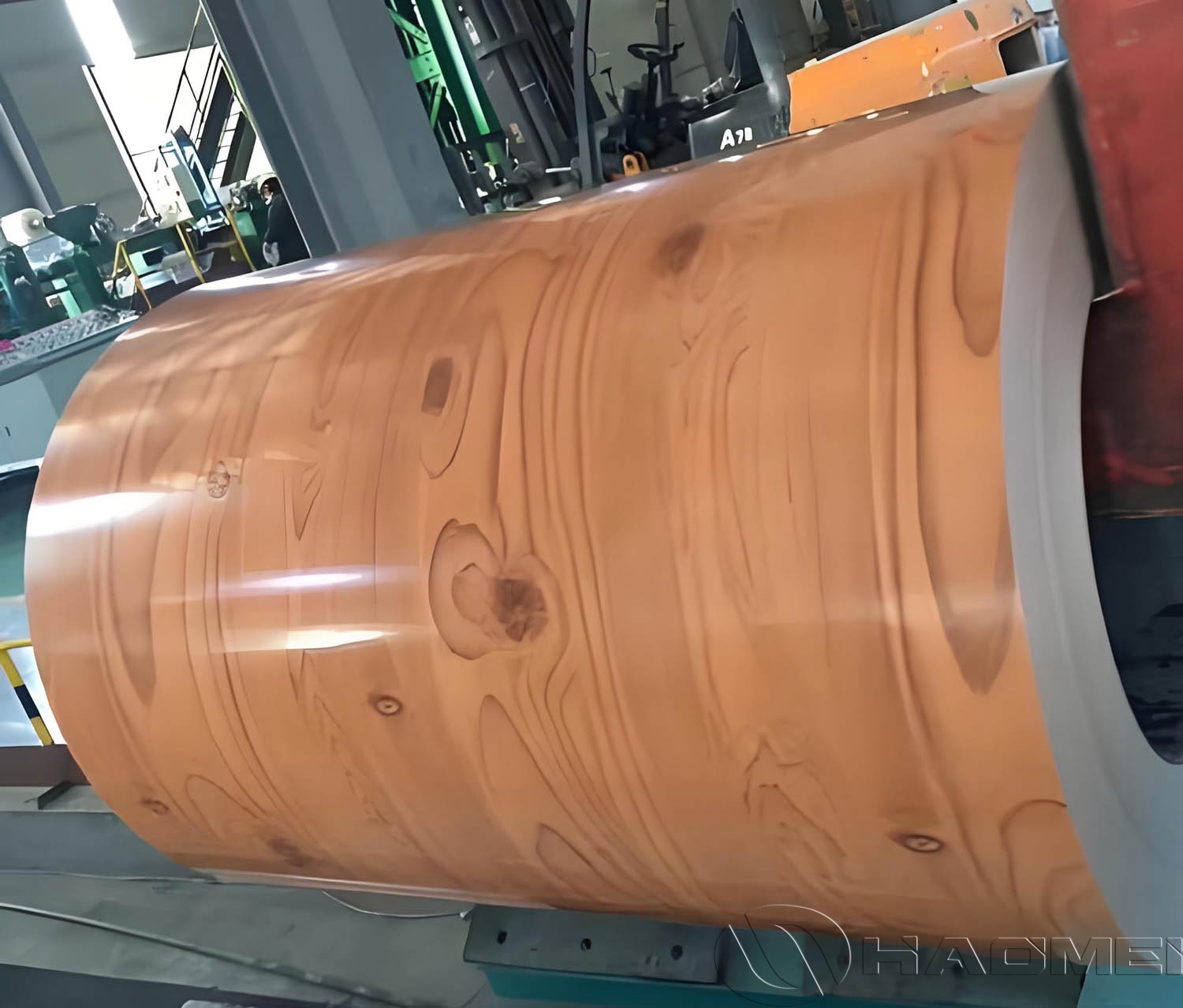
In practical pricing terms, the wood grain step adds process complexity: tighter process windows, more quality inspection points, and higher sensitivity to contamination or roll marks. These manufacturing realities commonly show up as a premium compared with standard PE solid colors.
Core specifications (typical range)
Table: Core Specifications for PE Wood Grain Pre-Painted Aluminum Coil
| Item | Typical Options / Range |
|---|---|
| Substrate alloy | 1050, 1060, 1100, 3003, 3105 (others on request) |
| Temper | O, H14, H16, H24 (selected by forming needs) |
| Thickness | 0.20–1.20 mm (common decorative range); wider range available by line capability |
| Width | 30–1600 mm (slitting available) |
| Coating type | PE wood grain system (primer + basecoat + print + clearcoat) |
| Coating thickness (dry film) | Topcoat 12–20 μm typical; back coat 5–10 μm typical (system-dependent) |
| Surface finish | Matte, silk, or semi-gloss wood grain; pattern repeat per design |
| Protective film | PE film optional (low/medium tack based on fabrication) |
| Coil ID | 150 / 300 / 405 / 508 mm |
| Standards reference | Commonly aligned to EN/ASTM internal control plans; test methods by agreement |
Practical applications: matching performance to real environments
PE wood grain coils are frequently selected where the design requires a natural look but the project benefits from aluminum's dimensional stability and productivity.
Ceilings and interior wall systems: PE performs well in controlled interior environments, offering consistent gloss and pattern uniformity across large areas.
Roller shutters and formed profiles: substrate temper and clearcoat flexibility are critical. A tougher clearcoat improves scratch resistance during roll forming and installation.
Fascia, soffits, and sheltered exterior trims: PE can be suitable when UV and weather exposure are moderate, such as under eaves or in shaded façades.
Furniture and display panels: wood grain coils provide stable color matching and batch consistency for industrial production.
For product classification and pattern options, wood grain coils are typically supplied as a dedicated category.
How specification choices move the price point
Within the same PE wood grain category, pricing usually shifts with engineering requirements:
Thicker substrate or higher-strength alloy increases metal cost and can improve dent resistance.
Higher coating build or upgraded clearcoat increases material usage and may reduce scratch visibility and enhance cleanability.
Tighter color and grain control (delta limits, pattern alignment, gloss tolerance) raises inspection intensity and process discipline.
Protective film type and special packaging (export seaworthy, edge protectors, desiccant) add cost but reduce transit damage.
Small order quantities and multiple pattern SKUs reduce line efficiency; larger lots typically stabilize unit cost.
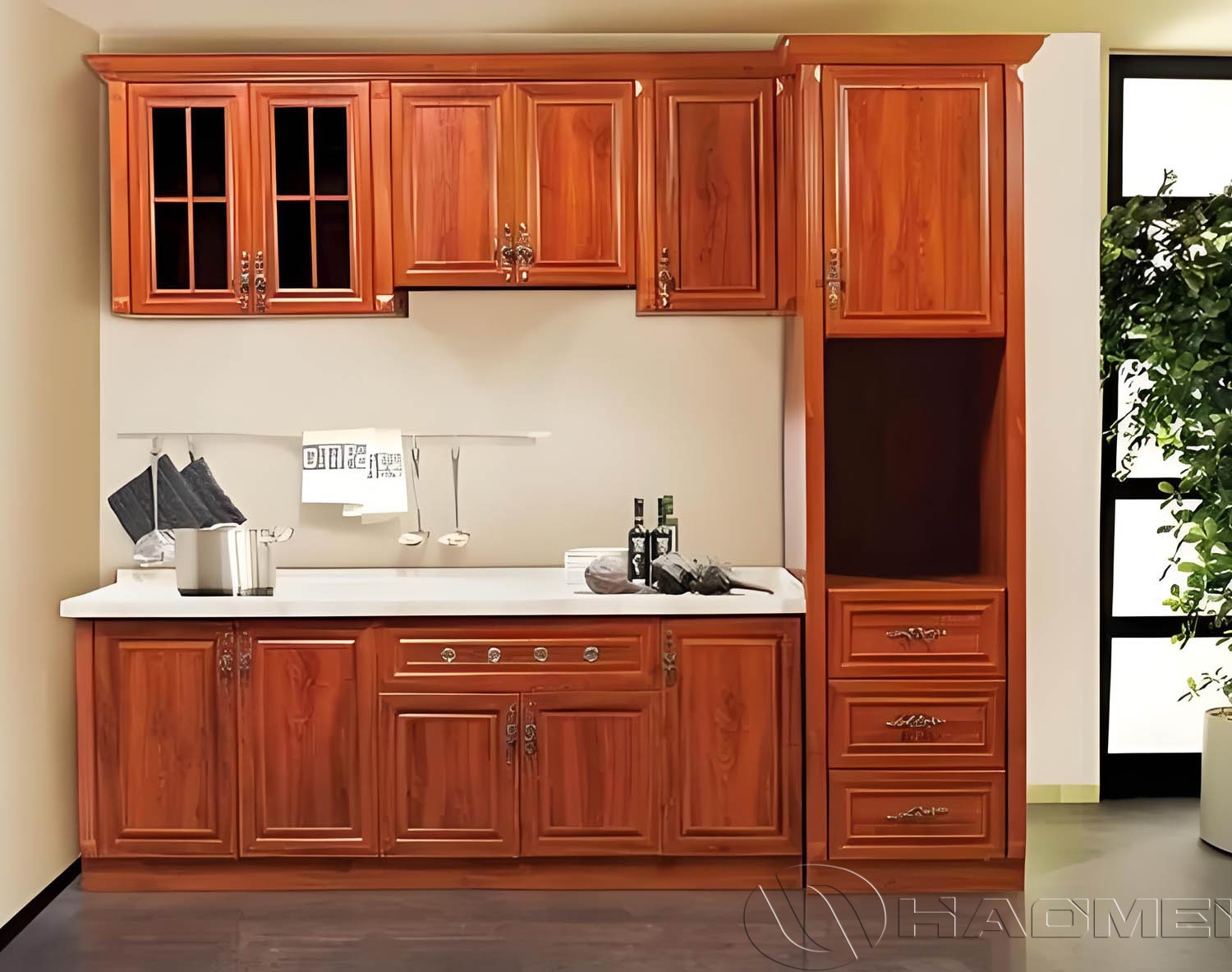
In engineering terms, the most cost-effective way to control PE coated wood grain aluminum coil price is to specify performance-based requirements (forming radius, gloss range, abrasion resistance, exposure condition) rather than over-constraining every parameter, allowing the coating system and process window to be optimized without sacrificing end-use reliability.
-
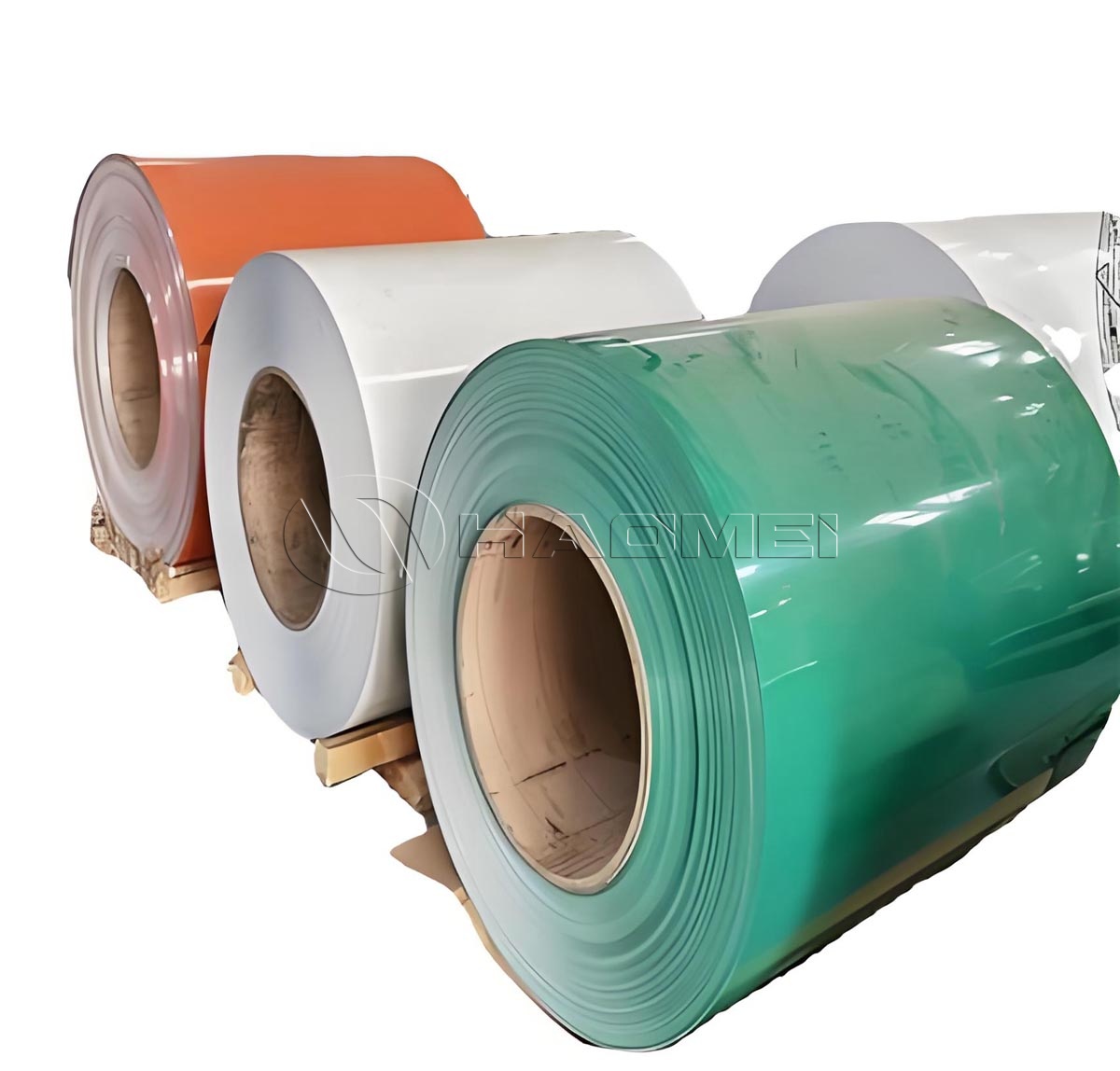
Customized 1100 Double-Layer Color-Coated Aluminum Coil
Overview of customized 1100 double-layer color-coated aluminum coil with PVDF/PE options, core specs, common alloys, and performance for roofing and cladding.
2026-03-19
-
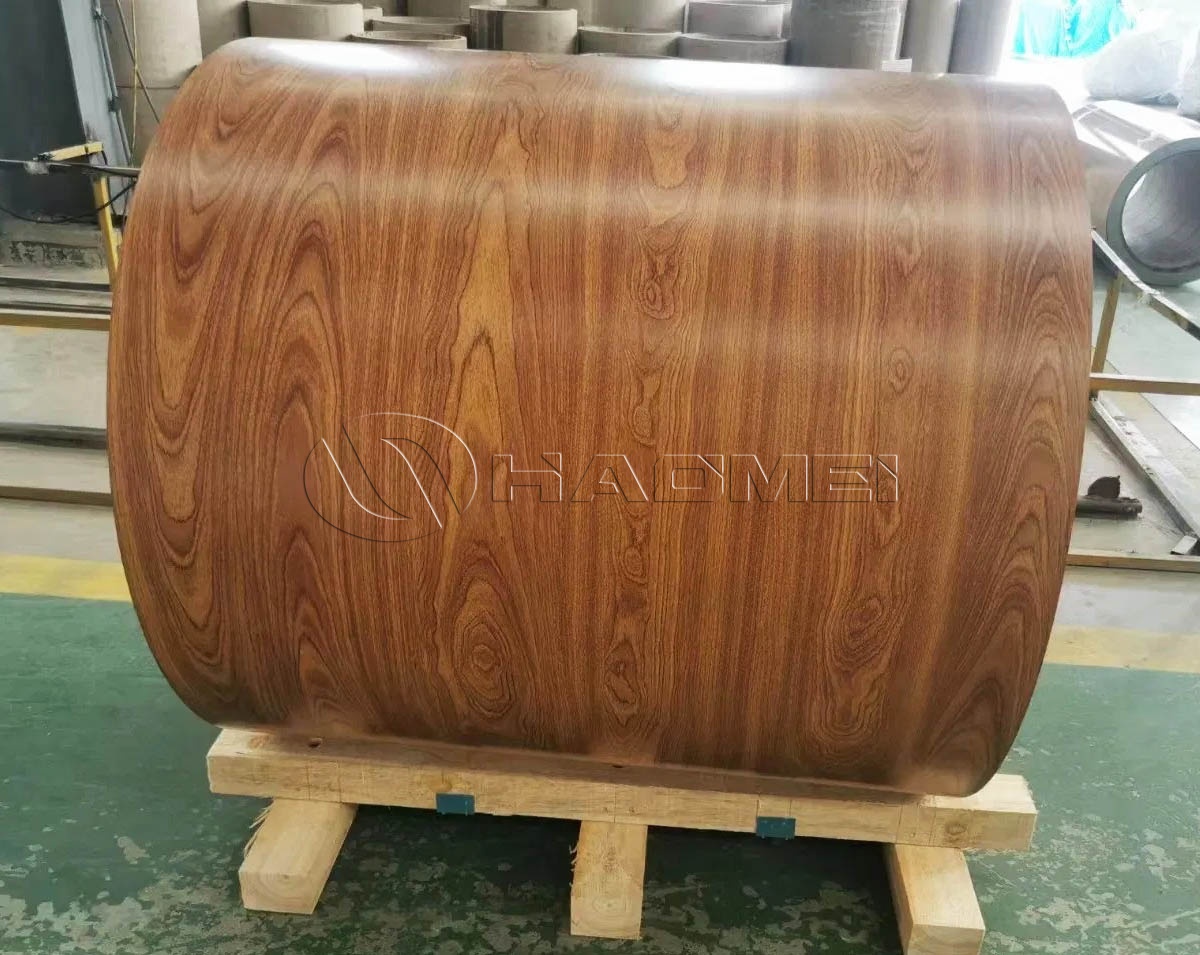
Wood Grain Aluminum Coil For Interior Decoration
Wood grain aluminum coil for interior decoration combines PE/PVDF coatings with stable alloys like 3003/3105/5052 to deliver consistent color, formability, and durability.
2026-03-11
-
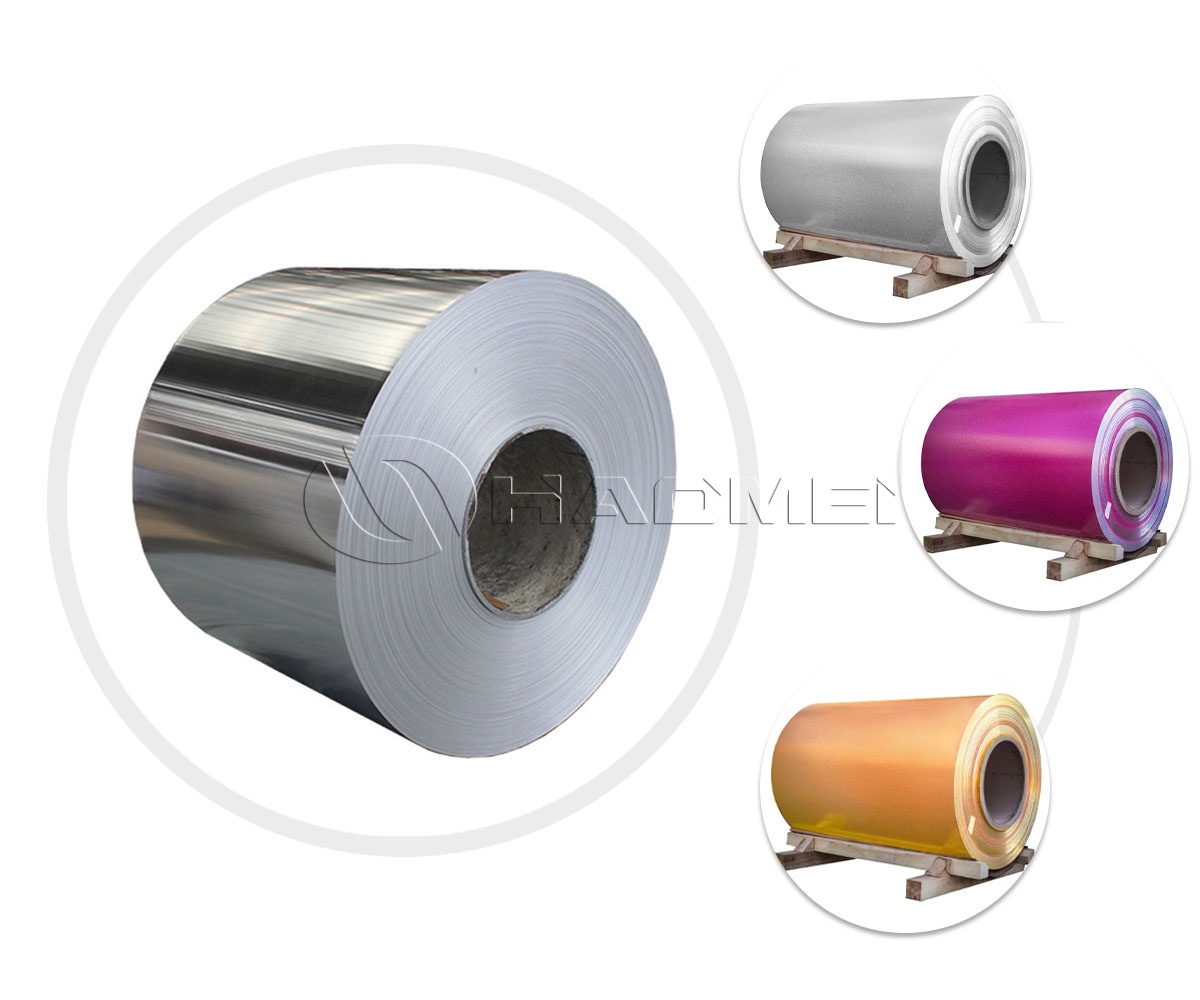
Pe Coated 3004 Aluminum Coil For Cladding
PE coated 3004 aluminum coil for cladding offers formability, surface flatness, and stable coating performance for architectural panels.
2026-04-14
Contact Directly
-

ADD: No.14 Waihuan Road, CBD, Zhengzhou, China
-

WhatsApp: +86-18703635966
-

E-MAIL: sales@alummc.com