

News
 By Hermione
Black 3105 Prepainted Aluminum Coil 0.7mm
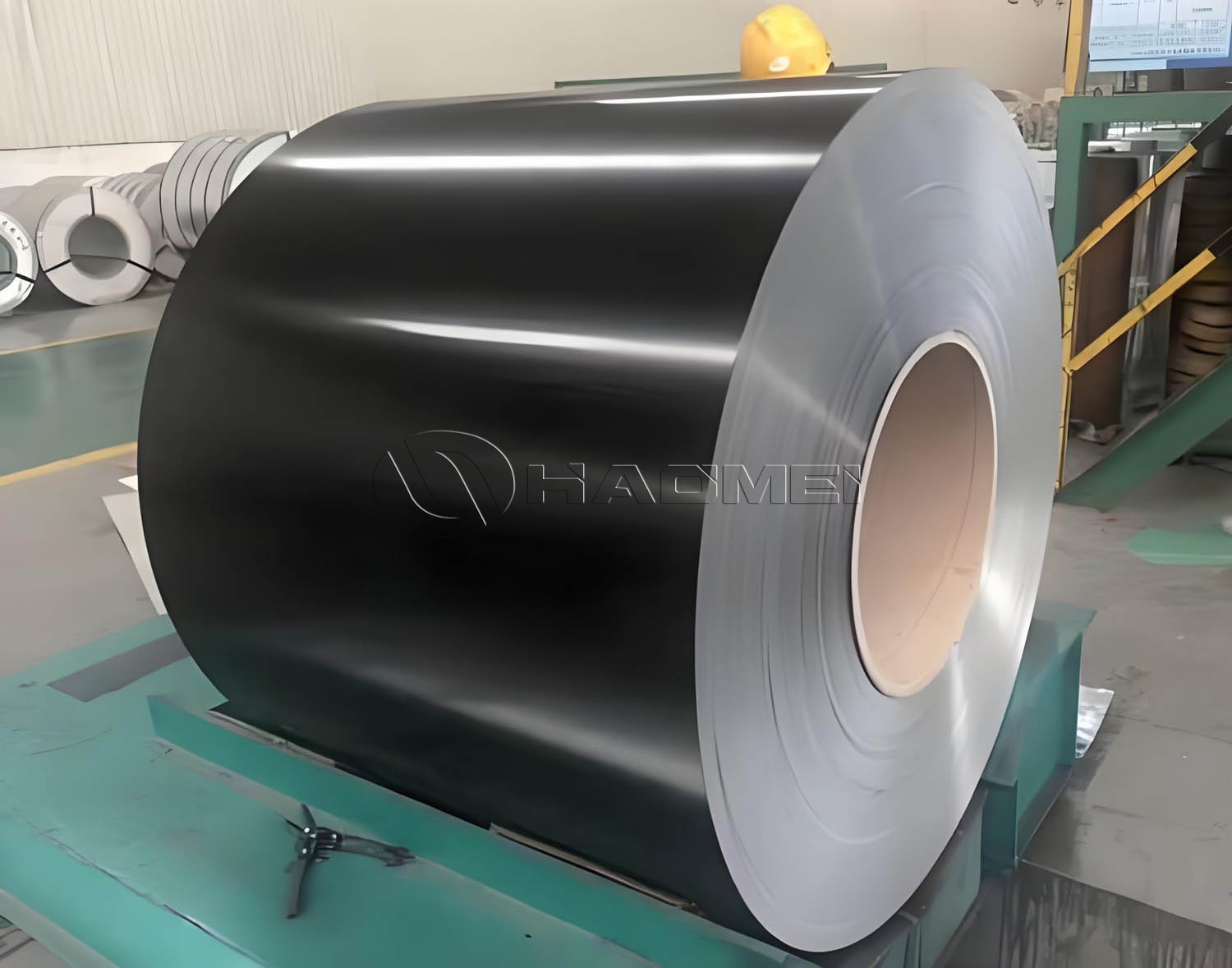
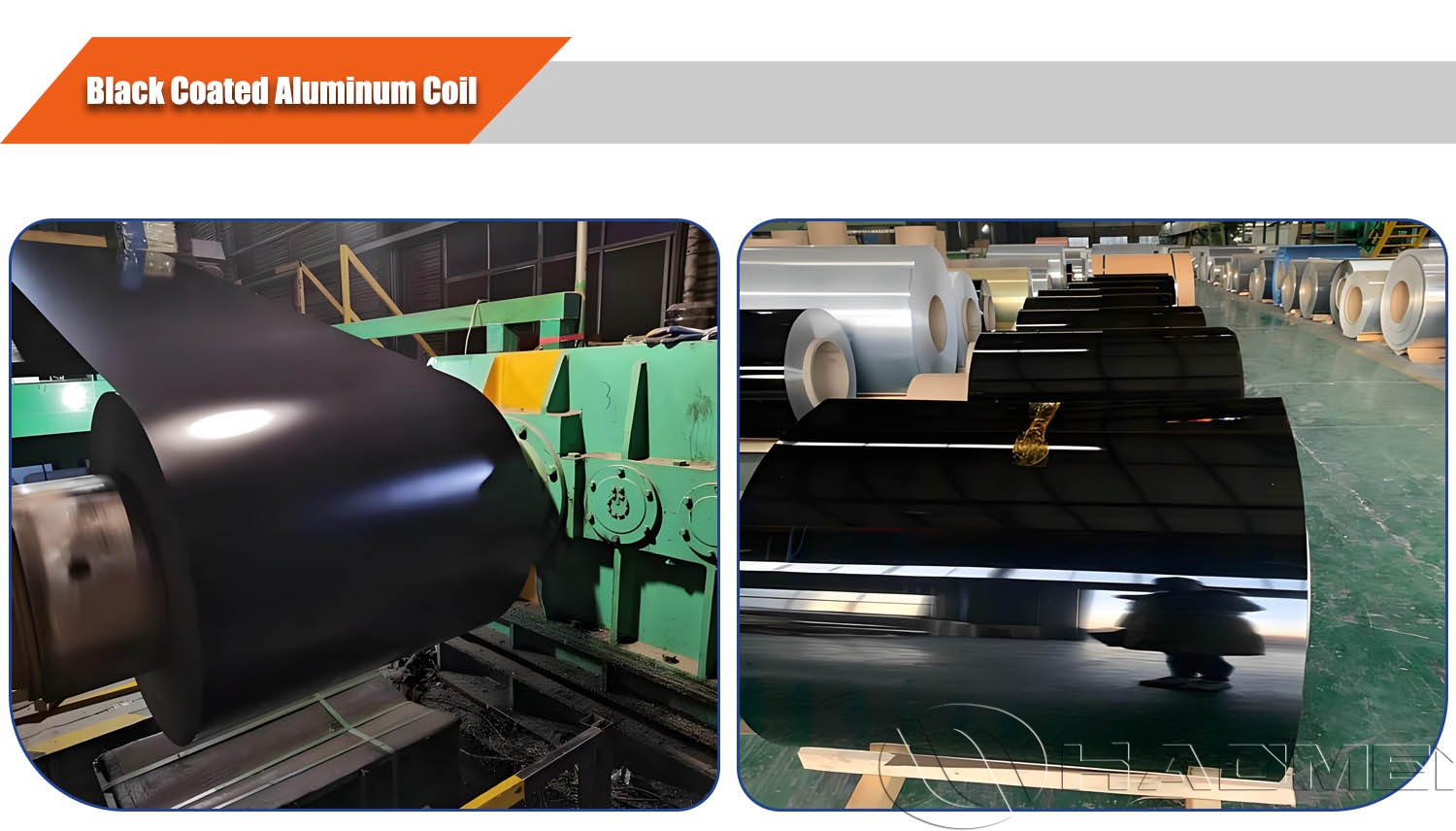
Black 3105 prepainted aluminum coil 0.7mm is positioned as a medium-gauge, formable, corrosion-resistant decorative metal material for building envelope and industrial panel applications. With a stable black coating surface and the balanced mechanical properties of 3105 aluminum alloy, it is widely used for facade panels, roofing accessories, curtain wall back panels, ceiling systems, sign boards, interior decorative panels, and general sheet metal fabrication where appearance and durability must be controlled together.
Product Characteristics
The base metal of this product is 3105 aluminum alloy, an Al-Mn series alloy with moderate strength, good elongation, and reliable corrosion resistance. Compared with pure aluminum grades, 3105 offers better mechanical stability during leveling, slitting, roll forming, punching, and bending. At 0.7mm thickness, the coil has enough rigidity for panel fabrication while still maintaining good workability.
In the broader family of 3105 Color Coated Aluminum Coil, the black 0.7mm specification is commonly used where a clean, modern visual effect is required. The black surface can be produced in different gloss levels, from matte and low-gloss architectural finishes to higher-gloss decorative finishes, depending on the final application and coating system.
Core Specifications of Black 3105 Prepainted Aluminum Coil 0.7mm
| Item | Typical Specification |
|---|---|
| Product name | Black 3105 prepainted aluminum coil |
| Alloy | 3105 aluminum alloy |
| Thickness | 0.7mm |
| Temper | H24, H26, H44, or customized according to forming requirements |
| Width range | Commonly 800-1600mm, subject to production capability |
| Coating type | PE, HDPE, SMP, or PVDF coating system |
| Surface color | Black, matte black, gloss black, or customized black tone |
| Coating thickness | PE commonly 18-25 microns; PVDF commonly 25-35 microns |
| Back coating | Service coating, epoxy back coat, or primer back coat |
| Surface finish | Smooth, embossed, textured, or protective film laminated |
| Typical applications | Facade panels, roofing parts, ceilings, signage, decorative panels |
| Processing compatibility | Slitting, leveling, bending, roll forming, punching, shearing |
Alloy Selection and Common Grades
For color coated aluminum coil, alloy selection affects formability, panel flatness, strength, corrosion resistance, and processing stability. Several alloys are commonly used in the industry:
3105 aluminum alloy: A preferred choice for prepainted aluminum coil used in architectural panels, roofing components, and decorative sheet metal. It provides better strength than 1100 or 1060 while keeping good bending performance.
3003 aluminum alloy: Another Al-Mn alloy with good corrosion resistance and formability. It is often used for roofing, cladding, insulation jacketing, and general coated sheet applications.
3004 aluminum alloy: Higher strength than 3003 and often used where better rigidity is required, including building panels and formed components.
1100 and 1060 aluminum alloys: Commercially pure aluminum grades with excellent ductility and high corrosion resistance, suitable for simpler forming parts, ceilings, and decorative surfaces where high strength is not the main requirement.
5005 aluminum alloy: Often selected for architectural applications requiring good anodizing or coating appearance, stable surface quality, and moderate strength.
5052 aluminum alloy: A higher-strength Al-Mg alloy with better marine and industrial corrosion resistance, used where mechanical performance is more demanding.
Among these options, 3105 is well suited to black prepainted coil in 0.7mm because it balances coating line processability, panel forming performance, and structural stability after fabrication.
Coating System Structure
A prepainted aluminum coil is not only a painted metal sheet. Its performance depends on surface pretreatment, primer adhesion, topcoat weatherability, back coating design, and curing control. The typical structure includes aluminum substrate, chemical conversion layer, primer, topcoat, and optional protective film.
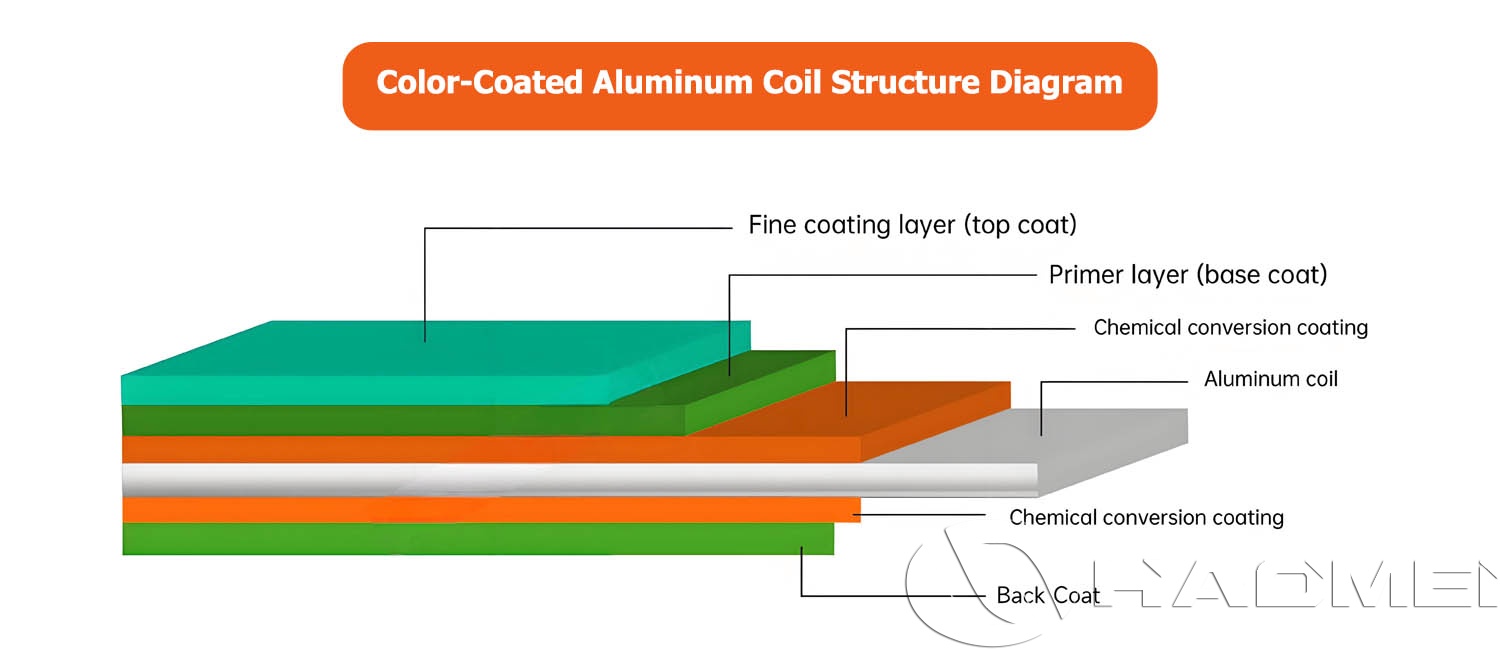
For indoor decorative panels and general sheet metal products, PE coating is often used because it provides good color uniformity, smooth appearance, and economical processing performance. For exterior facades, roofing, and long-term weather exposure, PVDF Coated Aluminum Coil offers stronger UV resistance, chalking resistance, and color retention.
Black coatings require careful control of pigment dispersion, gloss stability, curing temperature, and film thickness. Since black surfaces absorb more solar radiation than lighter colors, coating resin quality and outdoor weathering performance are especially important for exterior applications.
Manufacturing Process Control
The production of black 3105 prepainted aluminum coil 0.7mm generally includes substrate inspection, degreasing, chemical pretreatment, primer coating, top coating, curing, cooling, inspection, recoiling, and packaging. Each step influences final product performance.
Key process control points include:
Substrate flatness and surface cleanliness before coating
Chemical pretreatment uniformity to improve coating adhesion
Primer compatibility with both aluminum substrate and topcoat resin
Topcoat thickness control for stable color depth and weather resistance
Oven temperature and dwell time to ensure full curing
Coil tension control to reduce wave, scratch, or telescoping risk
Online color difference inspection for black surface consistency
For 0.7mm material, tension and leveling settings are important because excessive stress may affect coil flatness, while insufficient control may lead to poor winding quality or processing instability during downstream fabrication.
Application Performance
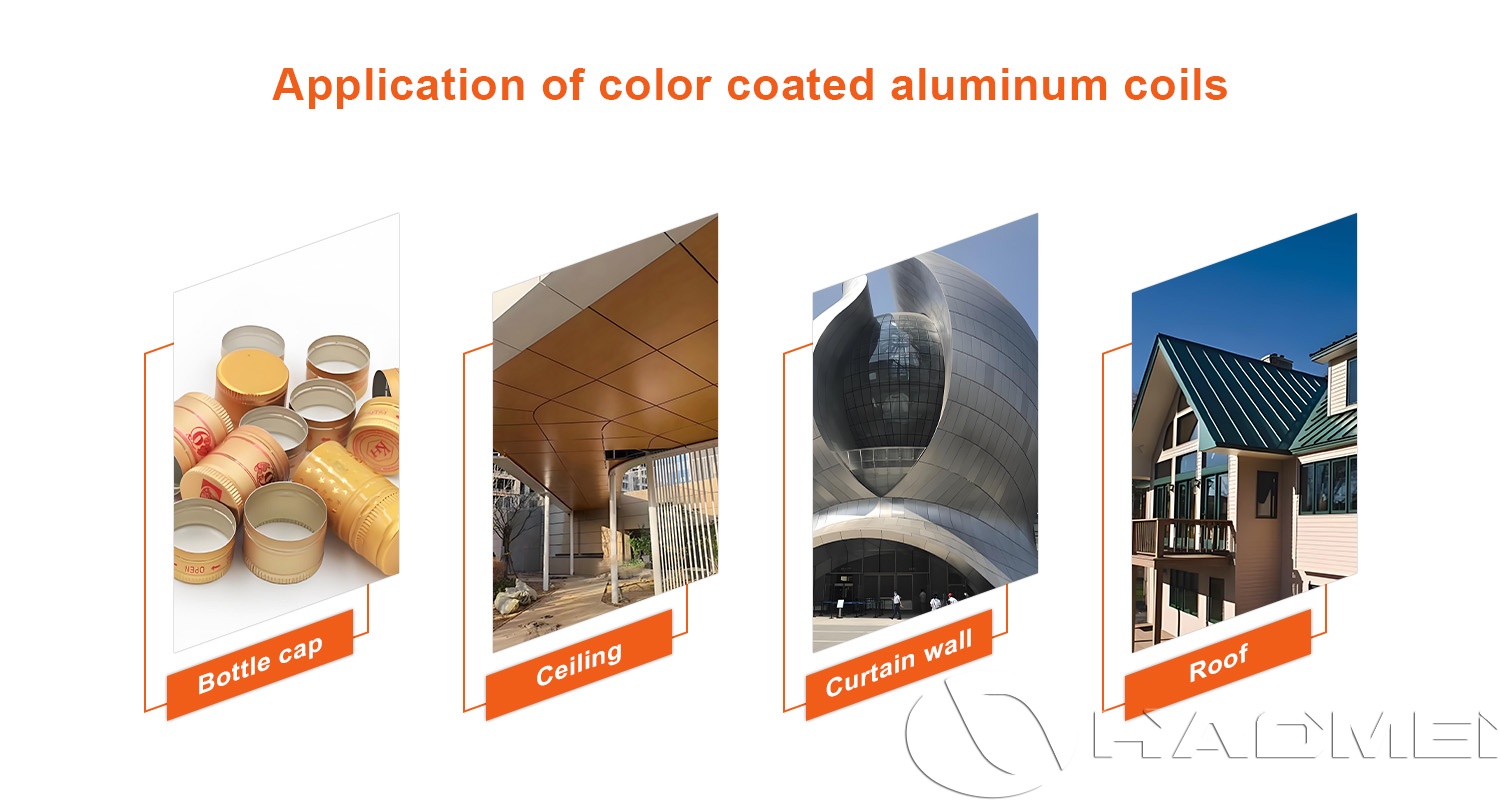
Black 3105 prepainted aluminum coil 0.7mm is frequently processed into flat sheets, profiled panels, cassettes, trims, and decorative components. In architectural use, the material provides a lightweight alternative to coated steel while offering strong corrosion resistance and good edge workability.
Typical performance advantages include:
Lightweight structure compared with steel panels of similar area
Good bending and roll forming behavior for panel production
Stable black appearance for modern architectural design
Excellent corrosion resistance from aluminum substrate and coating barrier
Good compatibility with slitting, shearing, punching, and forming processes
Optional PE or PVDF coating depending on indoor or outdoor exposure conditions
Quality Validation Items
| Test Item | Purpose |
|---|---|
| Coating thickness test | Verifies primer and topcoat film build |
| Color difference test | Controls black shade consistency between coils and batches |
| Gloss test | Confirms matte, satin, or gloss surface requirements |
| T-bend test | Evaluates coating flexibility during bending |
| Cross-cut adhesion test | Checks coating adhesion to the aluminum substrate |
| MEK rubbing test | Assesses curing degree of the coating film |
| Pencil hardness test | Measures surface scratch resistance level |
| Salt spray test | Evaluates corrosion resistance in aggressive environments |
| Accelerated weathering test | Reviews UV resistance, chalking resistance, and color retention |
-
1100 Color-Coated Aluminum Coils for Automotive Interior Decoration
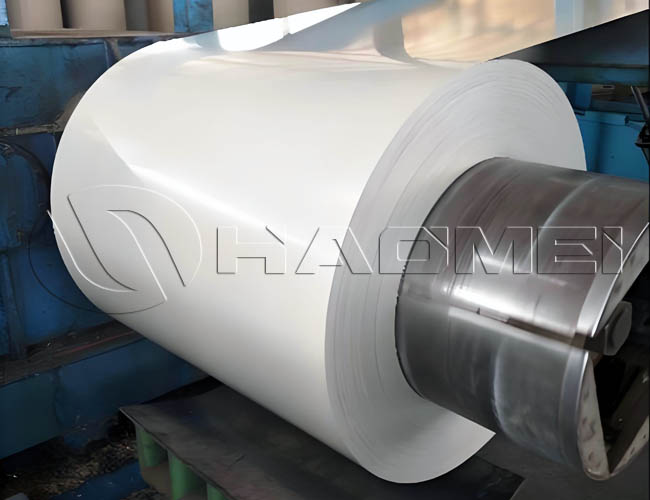
1100 PE / PVDF coated aluminum coils not only retain the physical properties of aluminum but also provide a wide range of color options, making them widely used in various automotive interior components.
2025-12-19
-
3003 Prepainted Aluminum Coil Vs 5052
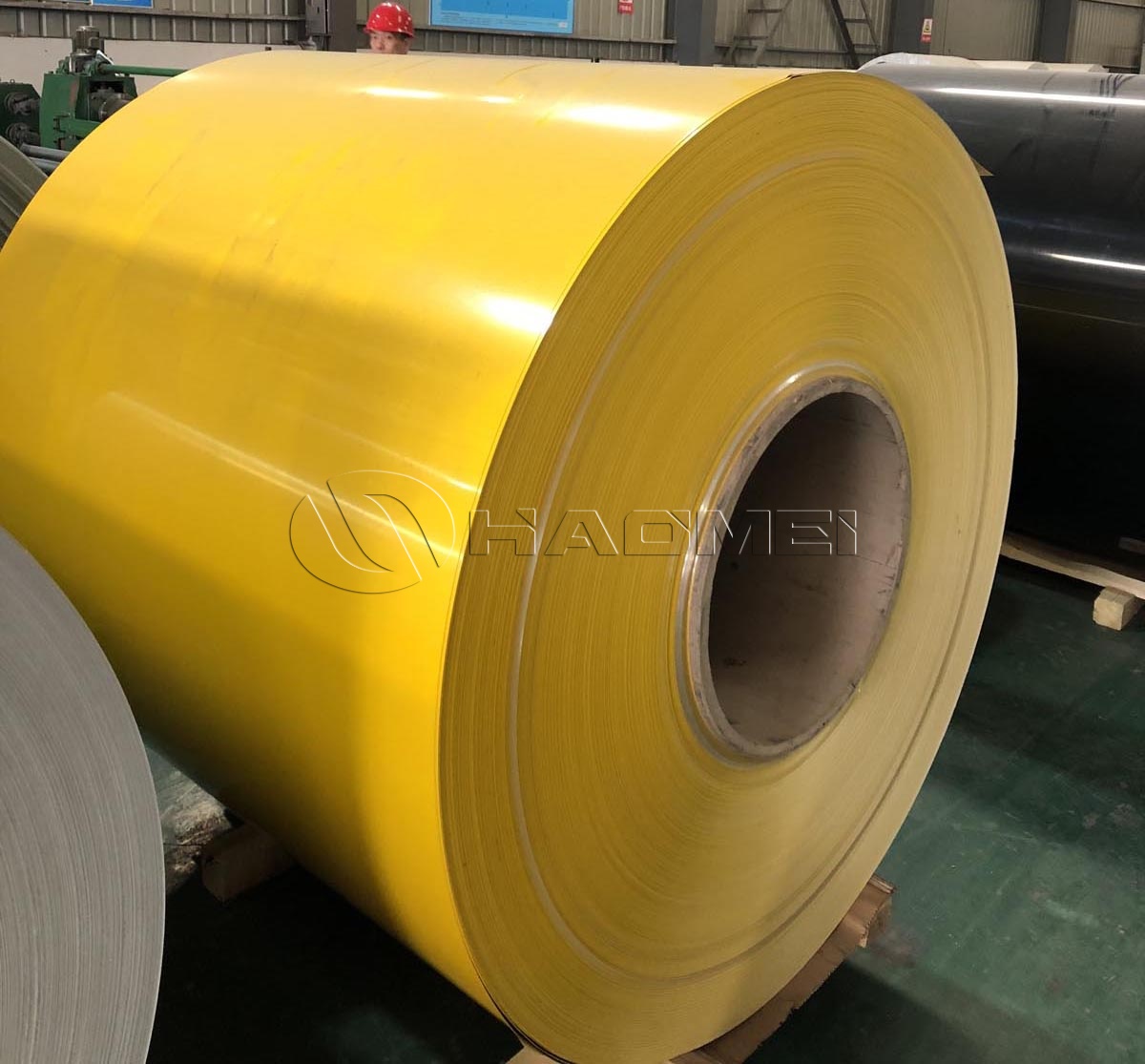
Compare 3003 prepainted aluminum coil vs 5052 in strength, formability, corrosion resistance, coating systems, and common uses.
2026-04-10
-
Marble Design PE Coated Aluminum Coil For Walls
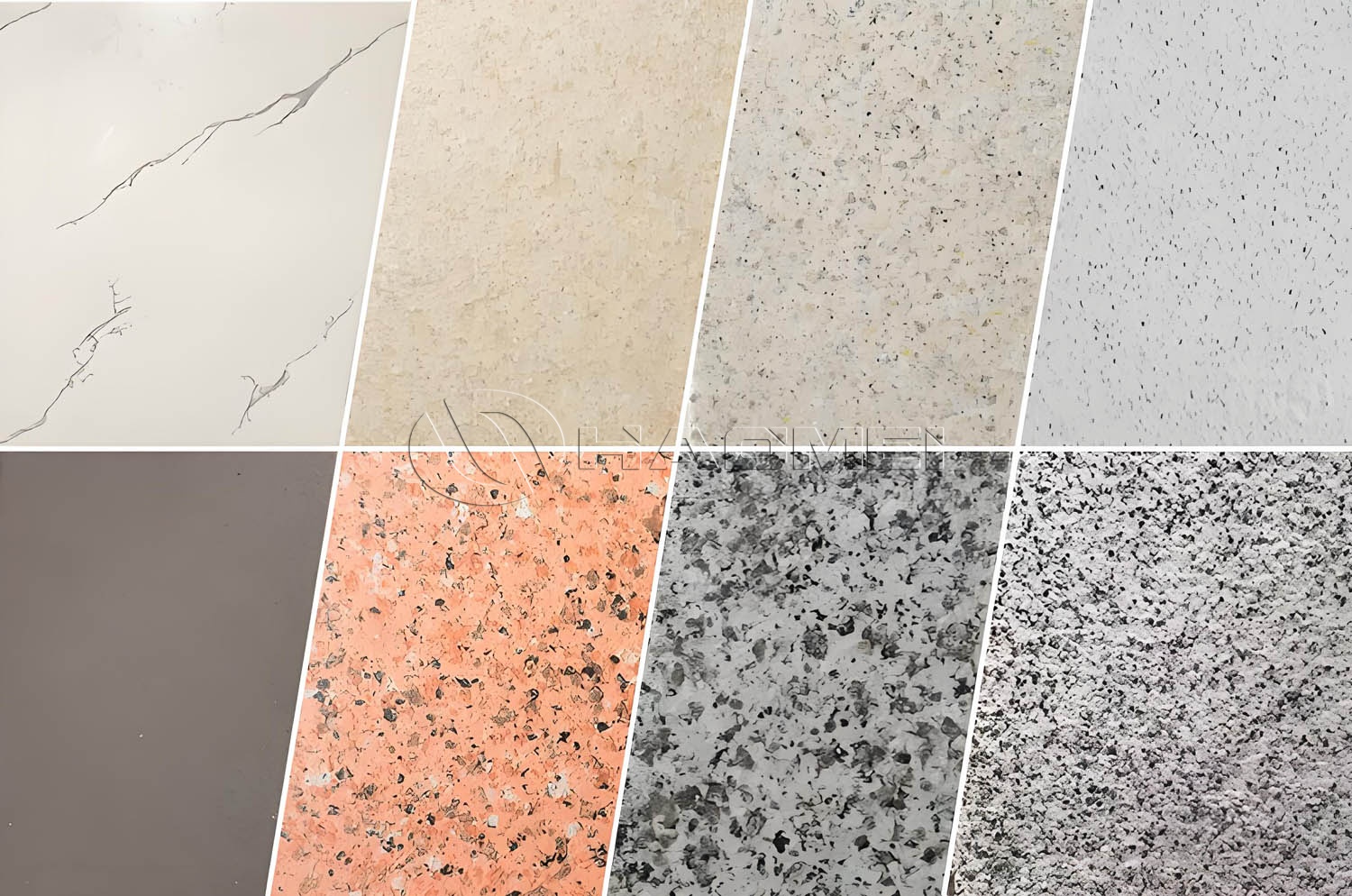
Marble design PE coated aluminum coil delivers lightweight, decorative, and formable surfaces for interior wall panels, ceilings, partitions, and cladding.
2026-09-01
Contact Directly
-

ADD: No.14 Waihuan Road, CBD, Zhengzhou, China
-

WhatsApp: +86-18703635966
-

E-MAIL: sales@alummc.com