

News
 By Hermione
PVDF Coated Aluminum Coil Price Per Ton
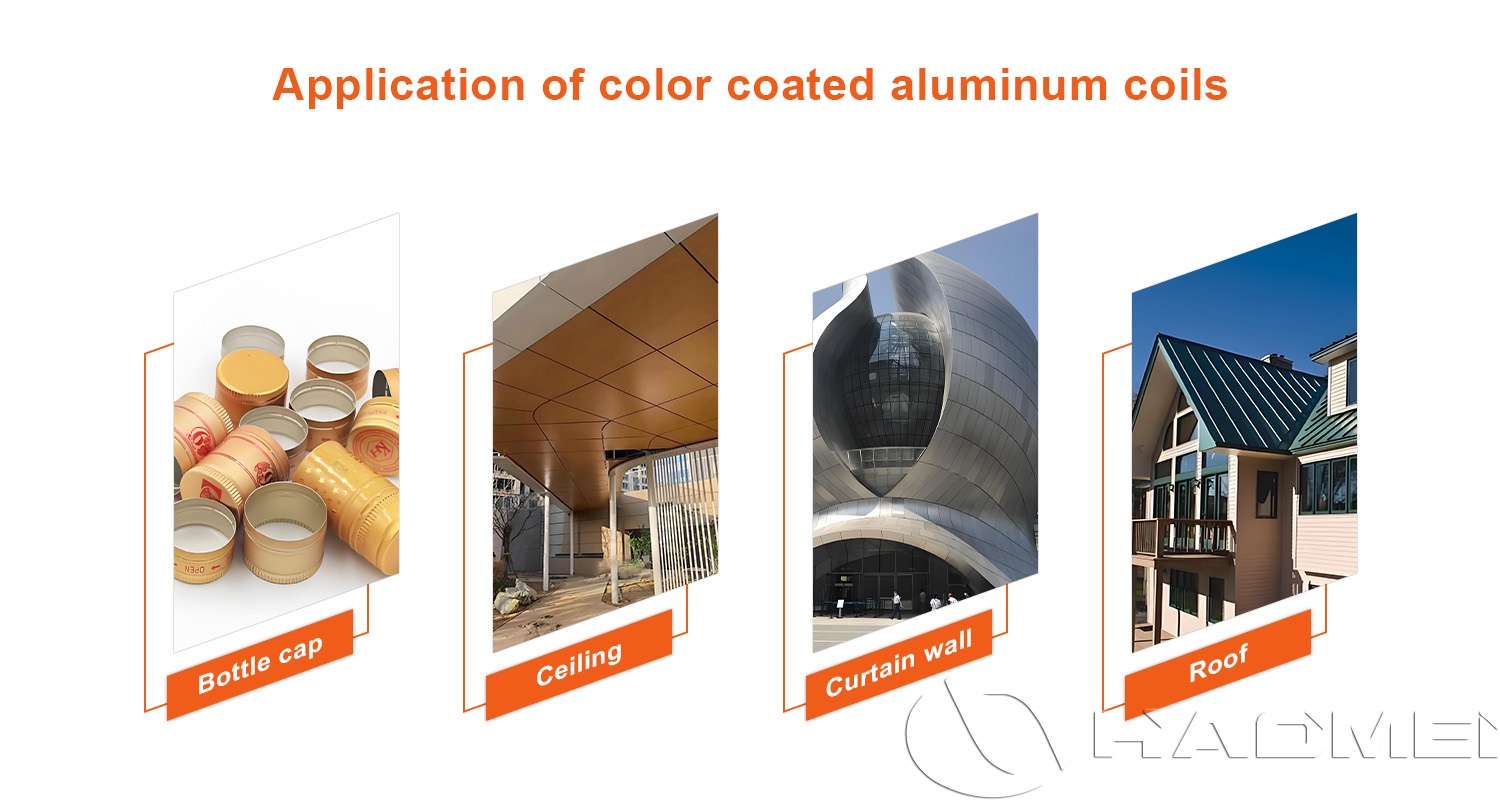
PVDF coated aluminum coil is positioned as a high-durability pre-painted aluminum material for exterior and demanding industrial applications. It is widely used in aluminum composite panels, curtain wall systems, roofing, ceilings, gutters, roller shutters, signage, and architectural decoration where long-term color retention, weather resistance, and formability are required.
What PVDF Coated Aluminum Coil Means
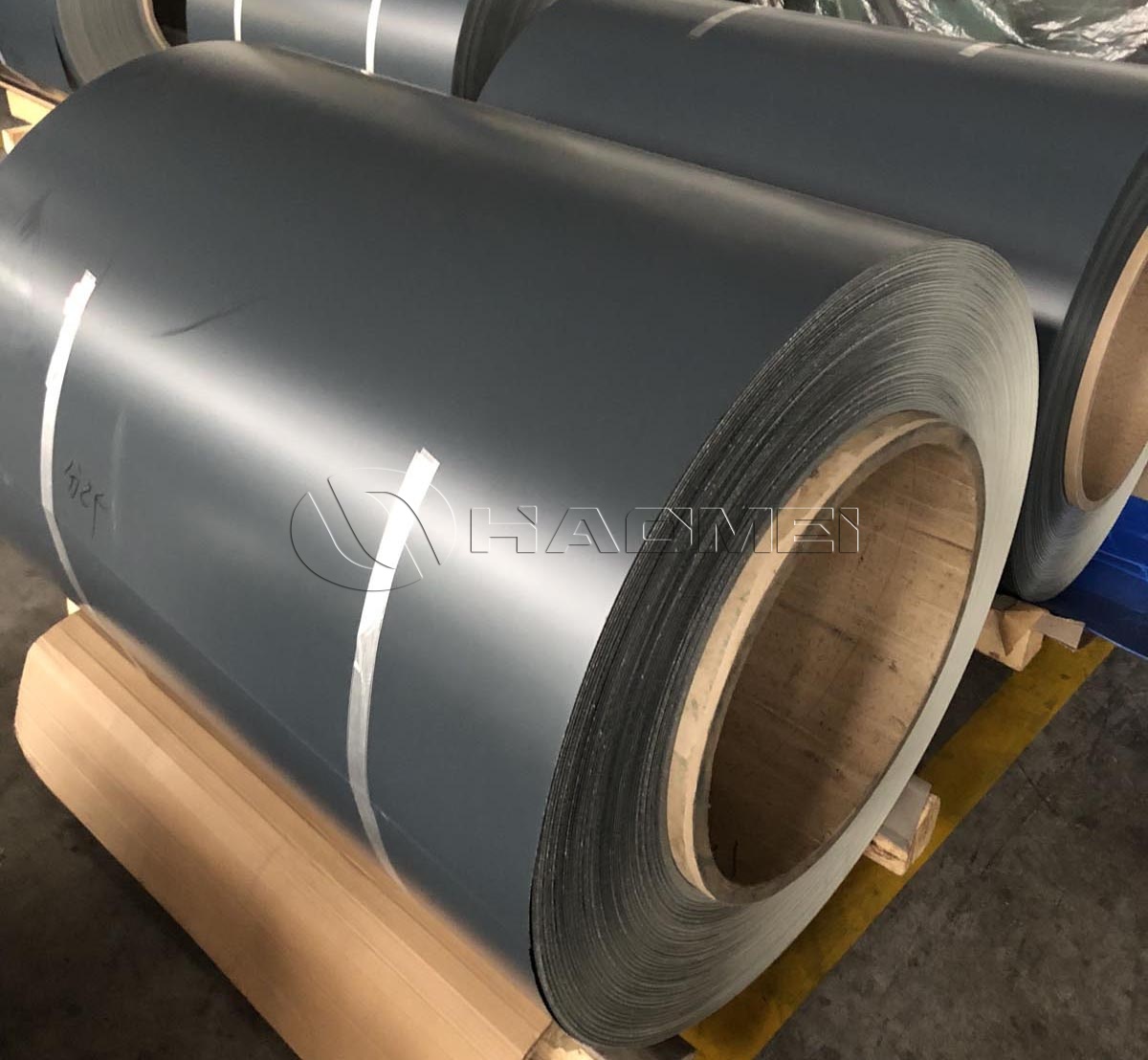
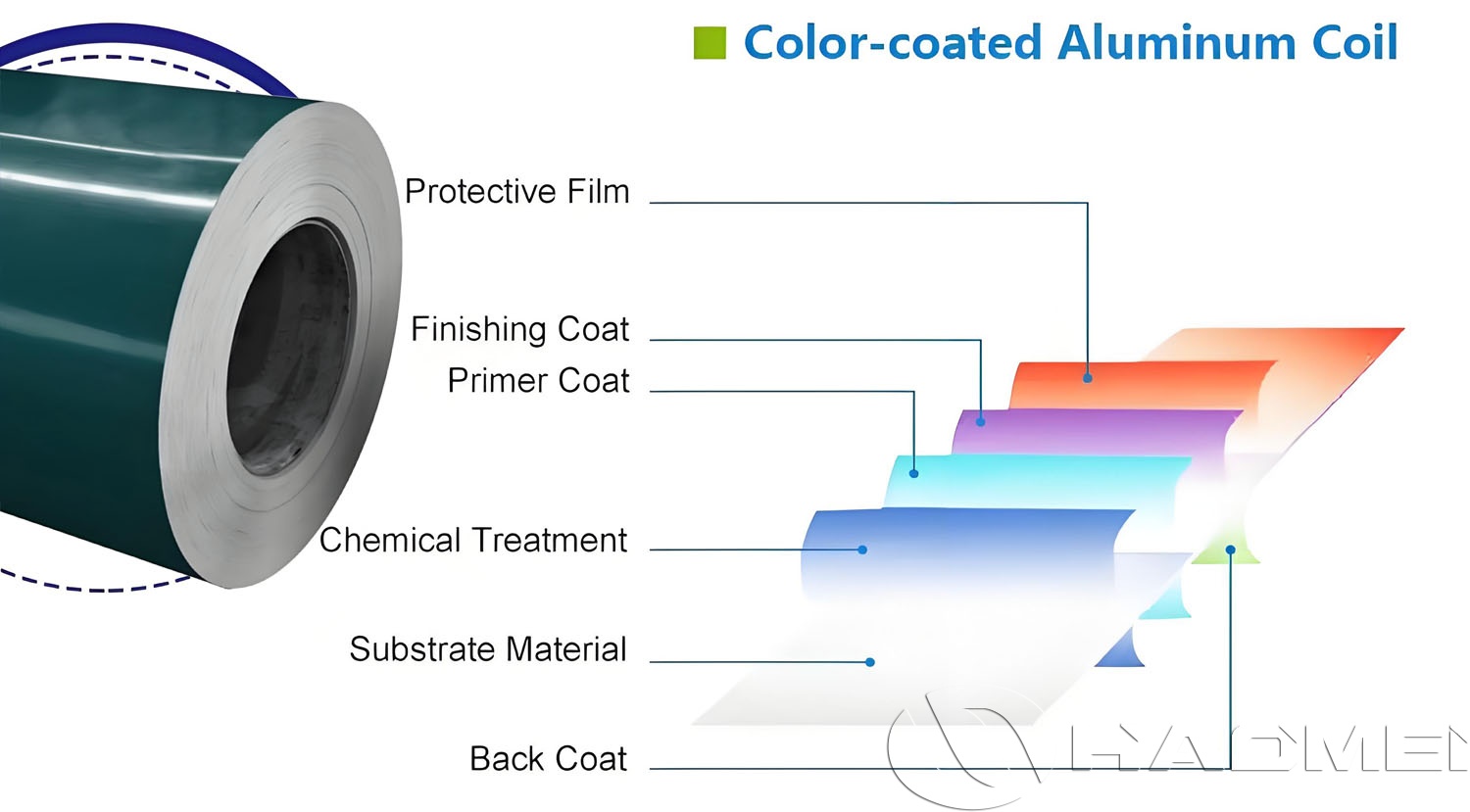
PVDF refers to polyvinylidene fluoride, a fluorocarbon resin known for excellent UV resistance, chemical stability, and outdoor durability. In a typical coil coating line, aluminum strip is cleaned, chemically pre-treated, primed, coated with PVDF paint, and baked under controlled temperature conditions. The finished material combines the lightweight and corrosion-resistant nature of aluminum with a protective decorative coating.
Compared with general polyester coatings, PVDF coated aluminum coil is usually selected for projects requiring better chalking resistance, gloss retention, color stability, and service life in outdoor environments. The coating system may be two-coat, three-coat, or four-coat depending on color, gloss, metallic effect, weathering class, and project specification.
The product category is commonly represented by PVDF Coated Aluminum Coil, especially for facade panels, roofing sheets, ACP skins, and exterior cladding materials.
PVDF Coated Aluminum Coils Performance Advantages
Superior Weather Resistance and Aging Resistance: The surface coating provides long-term protection against UV rays, acid rain, and sun exposure. Outdoor color and gloss retention can last for 15-20 years or more, and it is not prone to chalking or peeling.
Excellent Corrosion Resistance: It has extremely strong resistance to acids, alkalis, salt spray, and other chemicals, making it ideal for harsh corrosive environments such as coastal areas and heavy industry.
Excellent Self-Cleaning Properties: The dense and smooth surface does not easily attract dust; rainwater can easily restore its original appearance, resulting in extremely low maintenance costs.
Outstanding Decorative Properties: The paint film is full, with a rich selection of colors and uniform gloss, perfectly meeting the aesthetic design requirements of various modern buildings.
Lightweight, High-Strength, and Easy to Process: Combining the lightweight and high-strength characteristics of aluminum, it is easy to cut, bend, and shape, and the coating is not prone to cracking or peeling.
Core Specifications of PVDF Coated Aluminum Coil
| Specification Item | Common Range or Description |
|---|---|
| Base material | Aluminum alloy coil |
| Common alloys | 1050, 1060, 1100, 3003, 3004, 3105, 5005, 5052 |
| Temper | O, H14, H16, H18, H24, H26, H32, H34 |
| Thickness | 0.20 mm to 3.00 mm, depending on application |
| Width | 600 mm to 1600 mm, custom slitting available by production capability |
| Coating type | PVDF fluorocarbon coating |
| Coating structure | Primer + top coat, or primer + top coat + clear coat |
| Front coating thickness | Commonly 20-35 μm, project dependent |
| Back coating | Epoxy, polyester, or service coating |
| Surface finish | Solid color, metallic color, matte, high gloss, wood grain, stone pattern |
| Color system | RAL, Pantone, custom color matching |
| Inner diameter | 405 mm, 505 mm, or 508 mm |
| Main applications | ACP, curtain wall, roofing, ceiling, signage, decoration, shutter systems |
Factors Affecting PVDF Coated Aluminum Coil Price Per Ton
The PVDF coated aluminum coil price per ton is not determined only by the aluminum ingot price. It is a combined result of base metal cost, alloy grade, coating system, paint type, processing route, order quantity, color complexity, packaging, and logistics.
1. Aluminum Base Metal Price
Aluminum coil pricing is strongly linked to the market price of primary aluminum. Since aluminum accounts for a large proportion of the total material cost, fluctuations in LME aluminum price or regional aluminum ingot price directly influence the final price per ton.
For the same coating system, thicker coils normally have a lower coating-cost ratio per ton, while very thin coils may have a higher processing and coating-cost proportion because each ton covers a larger surface area.
2. Alloy Grade and Mechanical Requirements
Different alloys have different base costs and processing characteristics. For example, 1xxx series aluminum has high purity and good workability, while 3xxx and 5xxx series alloys provide better strength or corrosion performance for construction and transportation applications.
A tighter requirement for tensile strength, elongation, flatness, or deep drawing performance may increase production control requirements and influence cost.
3. PVDF Coating Thickness and Paint System
The coating system is one of the most important price factors. A standard two-coat PVDF system is generally more economical than a three-coat metallic or clear-coated system. Metallic colors, pearlescent finishes, high-weatherability pigments, and special textures require more complex paint formulation and process control.
Coating thickness also matters. Higher film thickness improves protection and coverage but increases paint consumption per square meter. Since PVDF resin is more expensive than standard polyester resin, coating design has a clear impact on price per ton.
4. Color, Gloss, and Surface Appearance
Common solid colors are usually easier to produce with stable repeatability. Metallic silver, champagne, bronze, black, dark gray, and customized architectural colors may require stricter color difference control. Low-gloss or matte surfaces also need careful process control to maintain consistent appearance across batches.
For wood grain, stone pattern, and special decorative effects, the cost structure includes not only base coating but also pattern transfer or additional surface processing.
5. Coil Width, Thickness, and Order Size
Standard widths and thicknesses usually support higher production efficiency. Narrow slitting, non-standard widths, small batch production, and frequent color changes increase setup time, yield loss, and packaging complexity. Therefore, order size and specification regularity influence the final PVDF aluminum coil price.
6. Quality Control and Performance Testing
Architectural-grade PVDF coated aluminum coil often involves strict testing, including coating thickness, color difference, gloss, pencil hardness, T-bend, impact resistance, MEK rub resistance, salt spray resistance, boiling water adhesion, and accelerated weathering. Higher testing requirements increase quality assurance costs but support more stable long-term performance.
Commonly Used Alloys for PVDF Coated Aluminum Coil
1050 and 1060 Aluminum
1050 and 1060 are high-purity aluminum alloys with excellent ductility, corrosion resistance, and processability. They are often used for ceilings, decorative panels, signs, and applications where high formability is more important than structural strength. Their relatively simple alloy composition can support stable coating appearance.
1100 Aluminum
1100 aluminum is another widely used commercial pure aluminum alloy. It provides good corrosion resistance, thermal conductivity, and workability. In coated coil applications, it is suitable for general decoration, roofing accessories, interior panels, and some formed components. Products such as 1100 Color Coated Aluminum Coil are commonly associated with decorative and light forming applications.
3003 Aluminum
3003 aluminum contains manganese, giving it higher strength than 1xxx series aluminum while maintaining good formability and corrosion resistance. It is one of the most common alloys for color coated aluminum coil used in roofing, wall cladding, ACP skins, ceiling panels, and building envelope products.
3004 and 3105 Aluminum
3004 and 3105 provide improved strength and good coating compatibility. They are frequently used in roofing sheets, gutter systems, facade panels, and pre-painted aluminum building materials. Their balance between strength, forming performance, and corrosion resistance makes them suitable for many outdoor PVDF coating systems.
5005 and 5052 Aluminum
5005 and 5052 belong to the 5xxx series aluminum-magnesium alloys. They offer higher strength and better corrosion resistance, especially where marine atmosphere or stronger mechanical performance is required. 5005 is often used for architectural panels, while 5052 is suitable for applications requiring enhanced durability and forming strength.
Typical Price Structure by Application
For architectural exterior panels, the price per ton is usually higher than general interior decorative coil because the coating must meet stronger UV resistance and color stability requirements. Curtain wall and ACP applications often require consistent color difference control from coil to coil, especially for metallic and dark colors.
For roofing and gutter systems, price is affected by alloy temper, coating flexibility, corrosion resistance, and forming requirements. A coil used for roll forming must have a coating that can withstand bending without cracking or losing adhesion.
For signage and decorative applications, color accuracy, surface smoothness, gloss level, and batch consistency are important cost elements. If the finished product requires a specific RAL color or custom corporate color, laboratory color matching and trial coating may be included in the production cost.
PVDF vs PE Coated Aluminum Coil Cost Difference
PVDF coated aluminum coil generally has a higher price per ton than PE coated aluminum coil because PVDF resin, weather-resistant pigments, and coating process requirements are more demanding. PE coating is often used for interior decoration, ceiling panels, and applications with moderate environmental exposure. PVDF coating is more suitable for long-term outdoor exposure, especially in architectural facades and roofing systems.
The cost difference is also related to service expectations. A PVDF coating system is designed for better resistance to ultraviolet radiation, acid rain, temperature variation, and industrial atmosphere. This makes the coating cost higher, but it also provides a different performance level from ordinary polyester coating.
Manufacturing Control Points Related to Price and Performance
Stable PVDF coated aluminum coil production depends on multiple process-control points. The pretreatment layer must be uniform to ensure coating adhesion. Primer curing and topcoat baking temperature must be controlled precisely to achieve solvent release, resin crosslinking, hardness, and flexibility.
Line speed, coating viscosity, roller pressure, oven temperature profile, and cooling conditions all affect film thickness uniformity and surface appearance. For metallic colors, aluminum flake orientation in the coating film has a strong influence on visual consistency. This is why process stability is closely connected with both product quality and production cost.
Reference Price Considerations
In commercial practice, PVDF coated aluminum coil price per ton is commonly calculated using the aluminum base price plus processing cost, coating cost, alloy premium, packaging cost, and freight-related charges. The final price may vary significantly between standard solid color coils and high-end architectural metallic PVDF coils.
A simplified cost structure usually includes:
Aluminum ingot or aluminum coil base price
Alloy and temper processing premium
PVDF primer, topcoat, and optional clear coat cost
Coating line processing cost
Color matching and appearance control cost
Slitting, packaging, and handling cost
Export packing, container loading, and logistics-related cost
For the same alloy and thickness, a standard white or gray PVDF coil may have a different price level from metallic silver, champagne, dark bronze, or custom matte finishes. For thin-gauge aluminum, coating consumption per ton is higher because the total coated surface area is larger, which can raise the price per ton compared with thicker material.
-
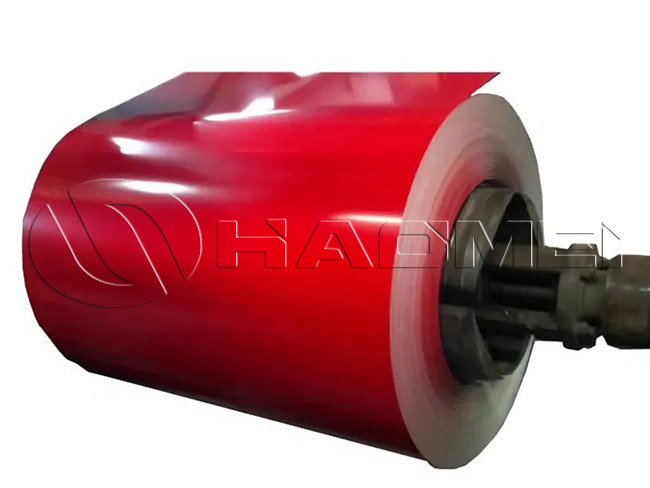
China 1050 / 1100 / 1200 / 3003 / 3004 Color Coated Aluminum Coil for Roofing
1050, 1100, 1200, 3003, and 3004 color coated aluminum coils are widely used in roofing panels, wall panels, corrugated roofing sheets, and architectural façade decoration.
2025-12-29
-
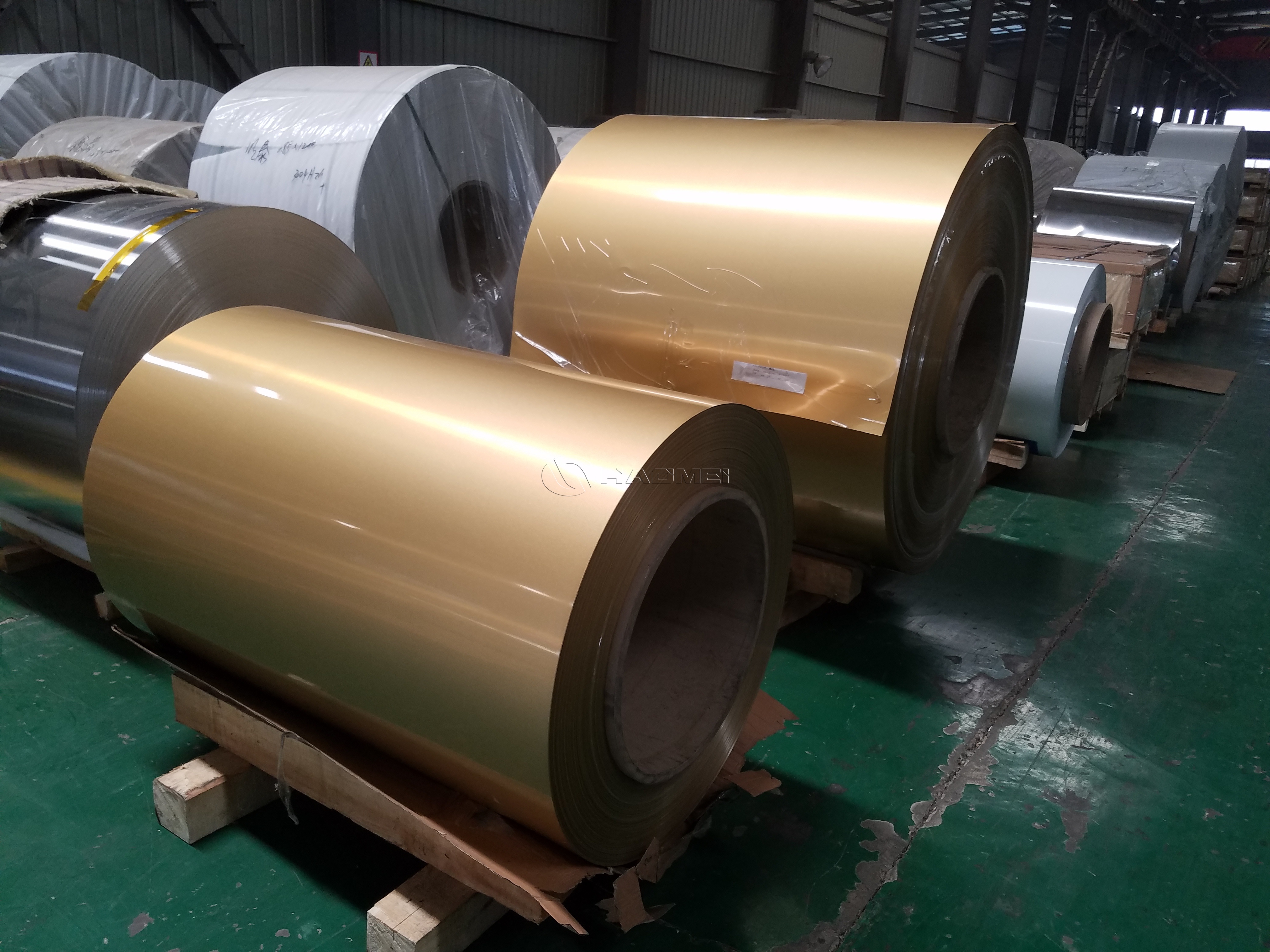
Anti-Corrosion 3003 Color Coated Aluminum Coil
Anti-corrosion 3003 color coated aluminum coil combines Mn-alloy strength, coating durability, and formability for roofing, facades, ceilings, and cladding.
2026-04-17
-
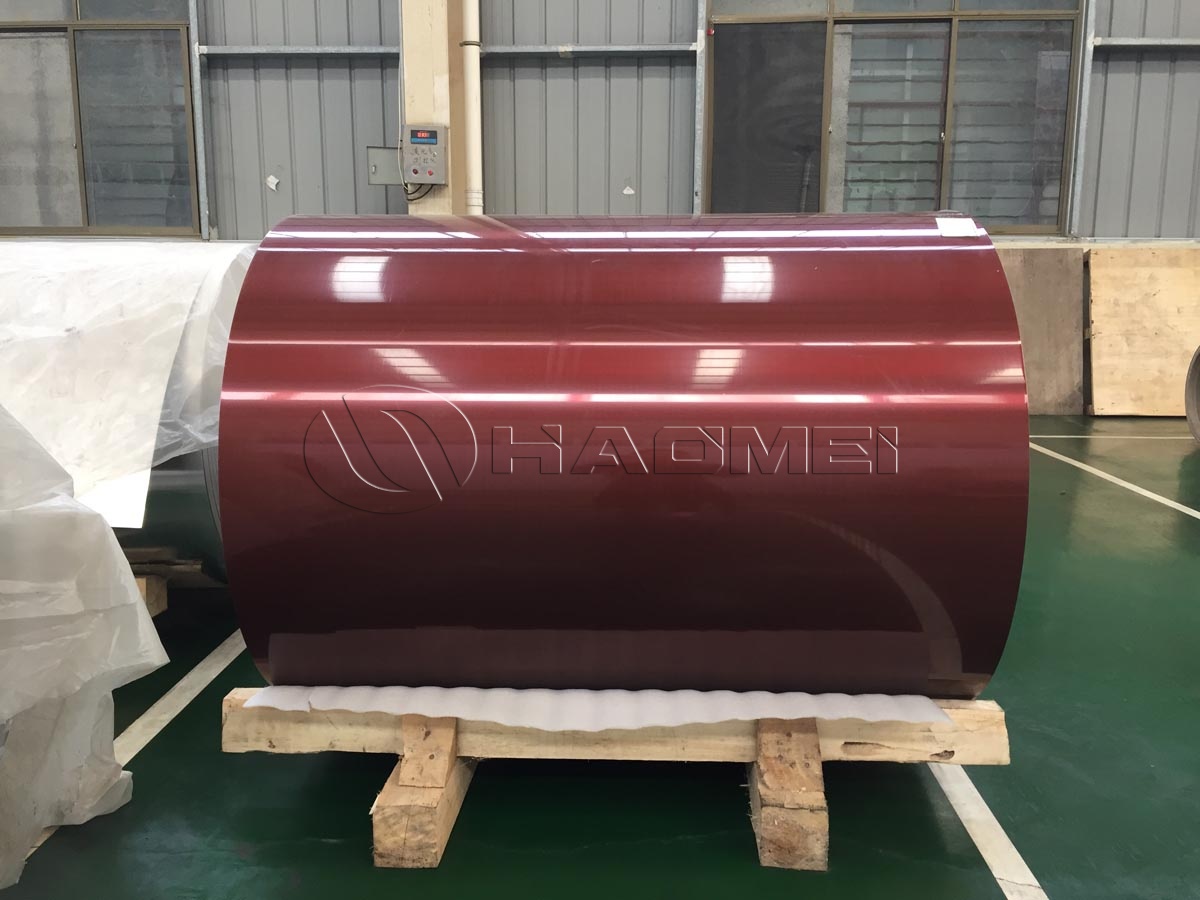
3003 H26 Color Coated Aluminum Coil Suppliers
Explore 3003 H26 color coated aluminum coil suppliers, key specs, coating systems, alloy options, and applications in roofing, facades, ceilings, and trims.
2026-04-08
Contact Directly
-

ADD: No.14 Waihuan Road, CBD, Zhengzhou, China
-

WhatsApp: +86-18703635966
-

E-MAIL: sales@alummc.com