

News
 By Hermione
1100-H12 Color Coated Aluminum Coil Roofing Sheet
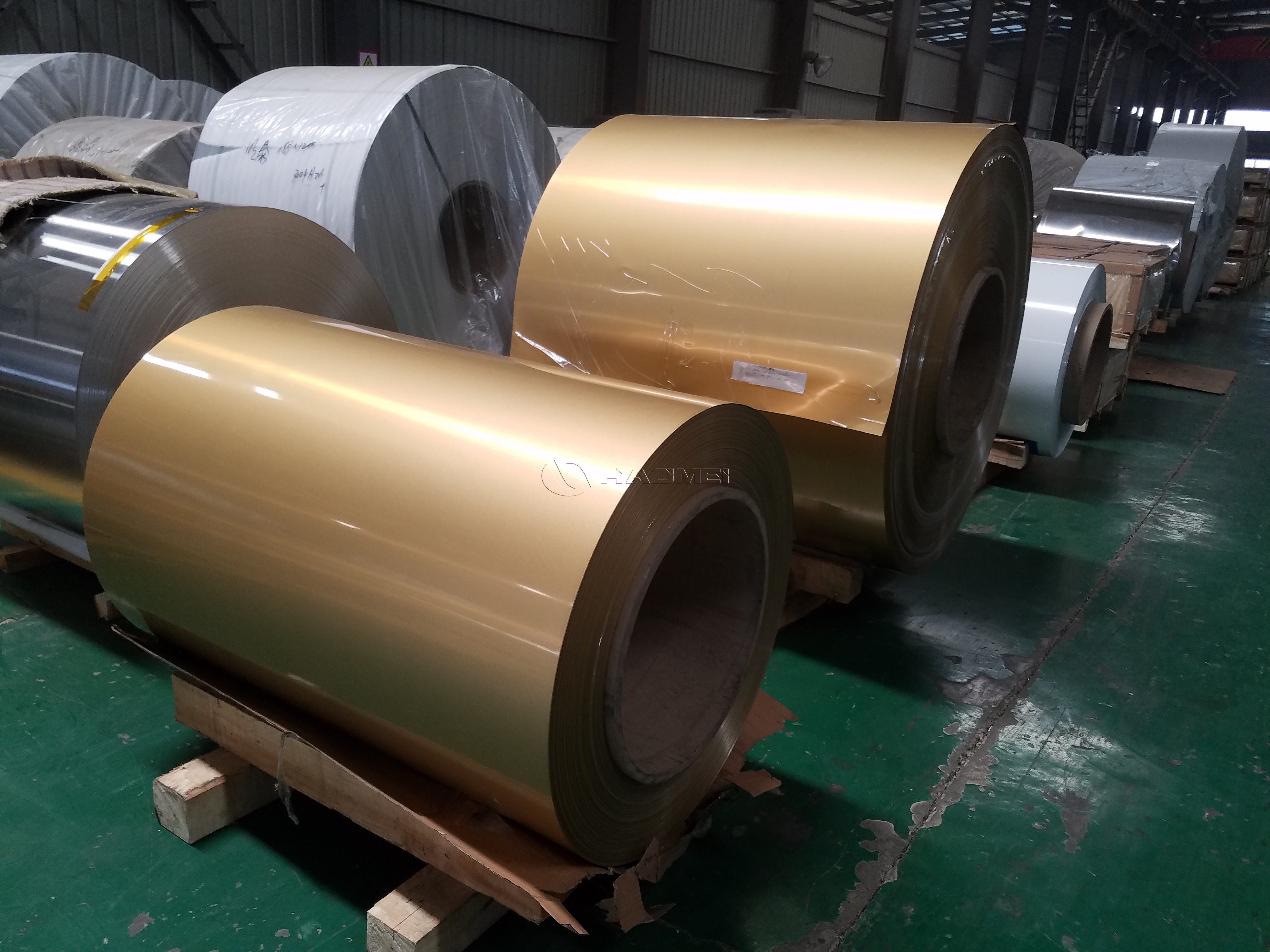
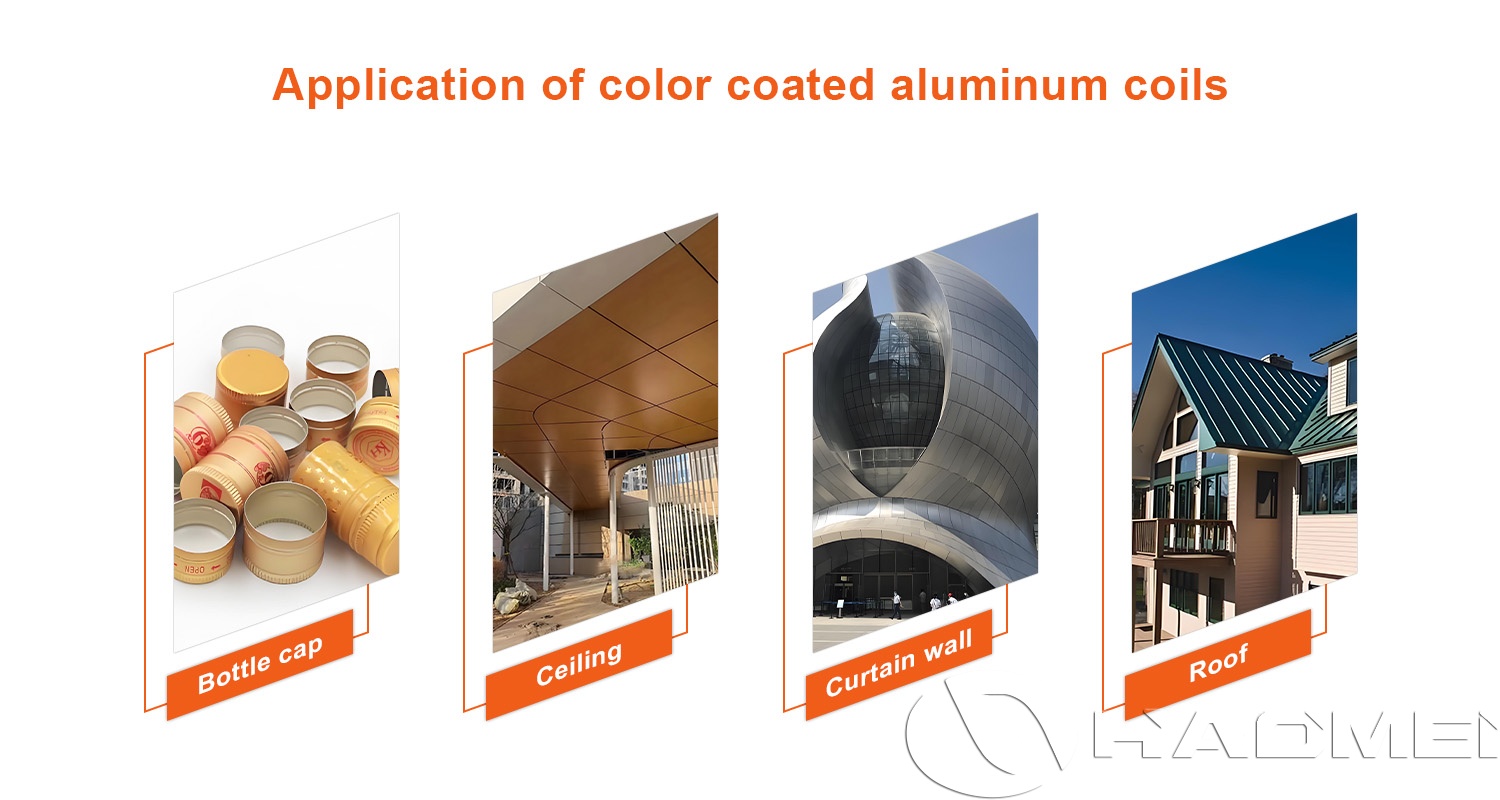
1100-H12 color coated aluminum coil roofing sheet is positioned as a cost-effective, corrosion-resistant prepainted aluminum coil solution designed for high-throughput roll forming roofing lines. It is widely used in industrial and commercial roofs, canopies, logistics warehouses, agricultural buildings, light-gauge steel structures, and renovation projects where low weight, consistent appearance, and stable processing are required.
Why 1100-H12 for roofing sheet stock
1100 aluminum belongs to the 1xxx series (commercially pure aluminum, typically 99.0% min). For roofing panels made by roll forming, 1100 provides:
High corrosion resistance in most atmospheric exposures, supporting long service life when paired with a suitable coating system.
Excellent ductility and bending performance, reducing the risk of micro-cracking on tight radii, hems, or stiffener ribs.
Stable surface quality for coil coating, enabling uniform gloss and color consistency.
The H12 temper indicates strain hardening to a quarter-hard condition. In practical terms, H12 offers a balance of:
Improved handling stiffness versus fully soft temper, helping reduce oil-canning tendency in certain panel geometries.
Good formability for common roofing profiles.
For projects that emphasize appearance and corrosion performance over structural load capacity, 1100-H12 color coated aluminum coil is a frequent selection.
Coating system design: PE vs PVDF
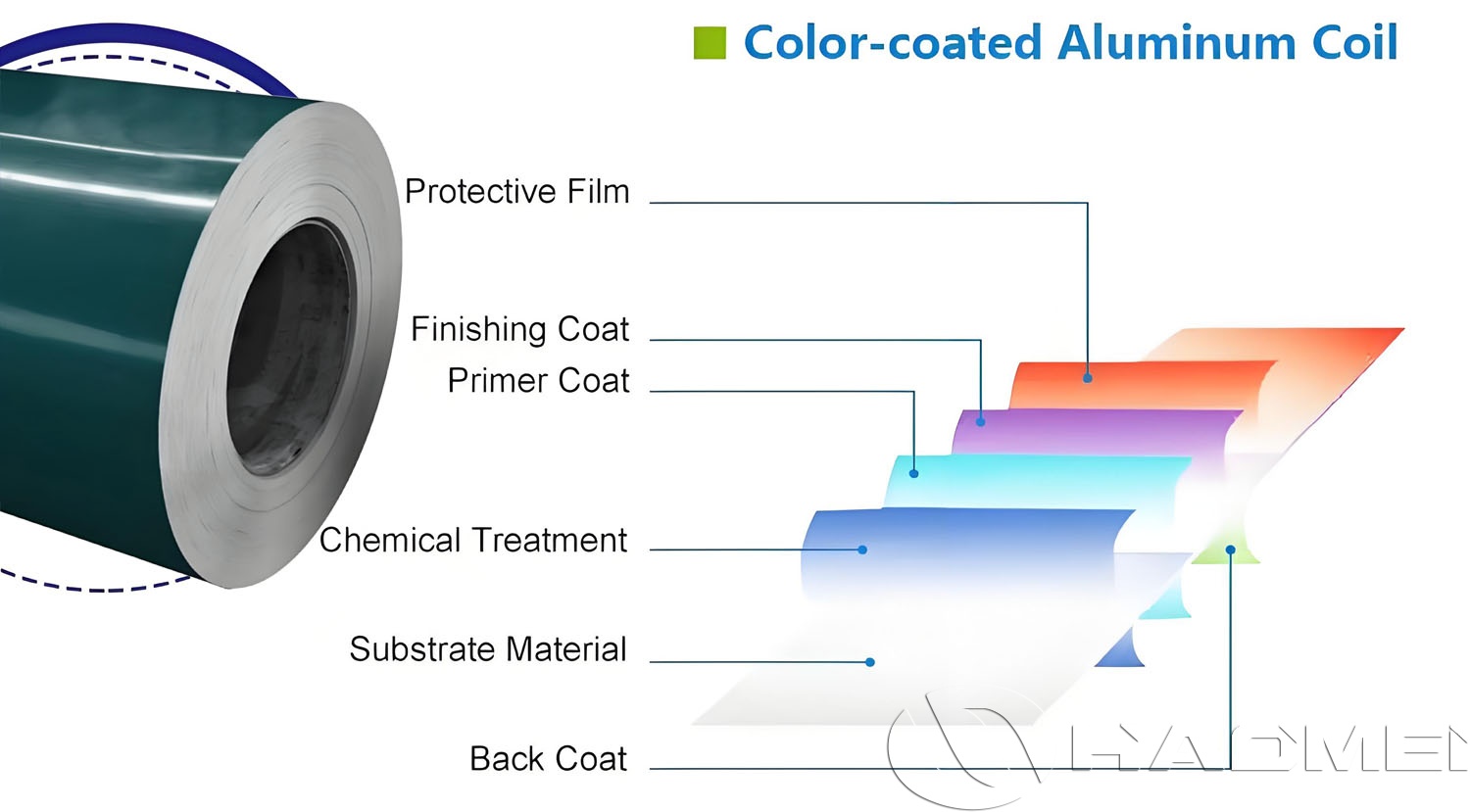
A roofing sheet is a system: aluminum substrate + pretreatment + primer + topcoat + back coat. The coil coating choice should follow the exposure environment and durability target.
PE (polyester): economical, good color range, suitable for general inland roofs and standard industrial facilities.
PVDF (fluorocarbon): superior chalking resistance, color retention, and weathering performance for high-UV regions, coastal atmospheres, and long-life architectural roofs.
Key technical elements that influence roof durability include:
Pretreatment type (chromate-free or chromate conversion) and coating adhesion control.
Primer chemistry matched to forming severity.
Topcoat thickness and resin quality (not only "PVDF" vs "PE" but also resin ratio, pigment selection, and cure window).
Back coat selection to reduce galvanic staining against fasteners and improve handling resistance.
Core specifications (1100-H12 color coated aluminum coil roofing sheet)
Table 1. Core Specifications for 1100-H12 Prepainted Roofing Coil
| Item | Typical Options / Range |
|---|---|
| Alloy / Temper | 1100-H12 |
| Coil thickness (base metal) | 0.30–1.20 mm (common roofing: 0.40–0.90 mm) |
| Coil width | 600–1250 mm (slit widths per roll-forming design) |
| Coating system | PE / SMP (optional) / PVDF |
| Top coat thickness (guide) | PE: 15–25 μm; PVDF: 20–30 μm |
| Back coat thickness (guide) | 5–12 μm (single or service coating) |
| Surface finish | Gloss/matte, solid colors; metallic on request |
| Film cure | Continuous coil coating oven cure; controlled peak metal temperature |
| Protective film | Optional, based on profiling and transport needs |
| Standards / inspection | Visual appearance, coating thickness, gloss, adhesion (T-bend), impact, MEK rub, color difference (ΔE), salt spray as specified |
Note: Final selection should be aligned with the panel profile, forming radius, expected service temperature, and local wind uplift design.
Performance Advantages of 1100 Prepainted Aluminum Coil
Excellent formability: The 1100 alloy is relatively soft and offers outstanding bending and stamping performance, making it suitable for forming various complex roofing tile profiles.
Strong corrosion resistance: Pure aluminum naturally forms a dense oxide film on its surface. Combined with the prepainted coating, it effectively resists atmospheric pollution, acid rain, and salt-spray corrosion.
Lightweight: With a density of about 2.7 g/cm³, it significantly reduces the load on building structures.
Thermal conductivity & temperature resistance: It has good thermal conductivity, a melting point of around 643–657°C, and is not prone to fading.
Low noise + environmentally friendly: Rain noise is much lower than that of color-coated steel; it is 100% recyclable, contains no harmful substances such as asbestos, and an all-electric coating line can achieve low VOC emissions.
Processing behavior in roll forming and roofing fabrication
For roll forming roofing profiles (trapezoidal, corrugated, standing seam, snap lock), 1100 color coated aluminum coil is typically evaluated for:
Forming safety margin: coating flexibility (T-bend performance) and edge crack resistance depend on primer/topcoat balance and cure control.
Dimensional stability: consistent base thickness and flatness help maintain panel geometry and reduce camber.
Fastener and cut-edge performance: while aluminum naturally forms a protective oxide, cut-edge durability is improved by correct coating wrap, back coat choice, and avoiding damage during profiling.
Common fabrication operations include shearing, punching, notching, and end-lapping. Tooling should be kept clean to prevent coating pickup and surface marring.
Commonly used alloys for color coated roofing coil (and when to use them)
While 1100-H12 is a strong fit for many roofing sheet applications, other alloys are also widely used to tune strength, formability, and cost.
1xxx series (1050/1060/1100/1200)
Characteristics: very high aluminum purity, excellent corrosion resistance and formability.
Typical use: decorative roofs, general industrial roofs, insulation jacketing, trims, flashings.
Selection note: choose 1100 when you want a mature, widely available grade with stable coating quality and good forming behavior.
3xxx series (3003/3004/3105)
Characteristics: Al-Mn alloys with higher strength than 1xxx, good workability.
Typical use: roofing and siding needing better dent resistance or spanning stiffness; widely adopted in architectural coil.
Selection note: often preferred for wider spans or harsher handling conditions; coating flexibility must be matched to higher yield strength.
5xxx series (5005/5052/5754)
Characteristics: Al-Mg alloys with higher strength and improved marine corrosion resistance; good fatigue behavior.
Typical use: coastal buildings, transport-related panels, high-durability envelopes.
Selection note: higher strength can increase forming loads; temper and coating flexibility should be verified for tight radii.
Performance considerations specific to roofing exposure
Roofing environments stress coatings differently than facades due to higher thermal cycling, UV load, and potential standing water at laps.
Color retention and chalking: PVDF systems typically perform better in intense UV climates.
Thermal movement: aluminum expands more than steel; panel design should allow for movement at fasteners and clips.
Corrosion risk points: cut edges, scratches, lap joints, and fastener zones. Proper sealant compatibility and avoiding dissimilar-metal contact are important.
Gloss and appearance stability: metallic and dark colors can show handling marks more easily; protective film and controlled packaging reduce transit damage.
-
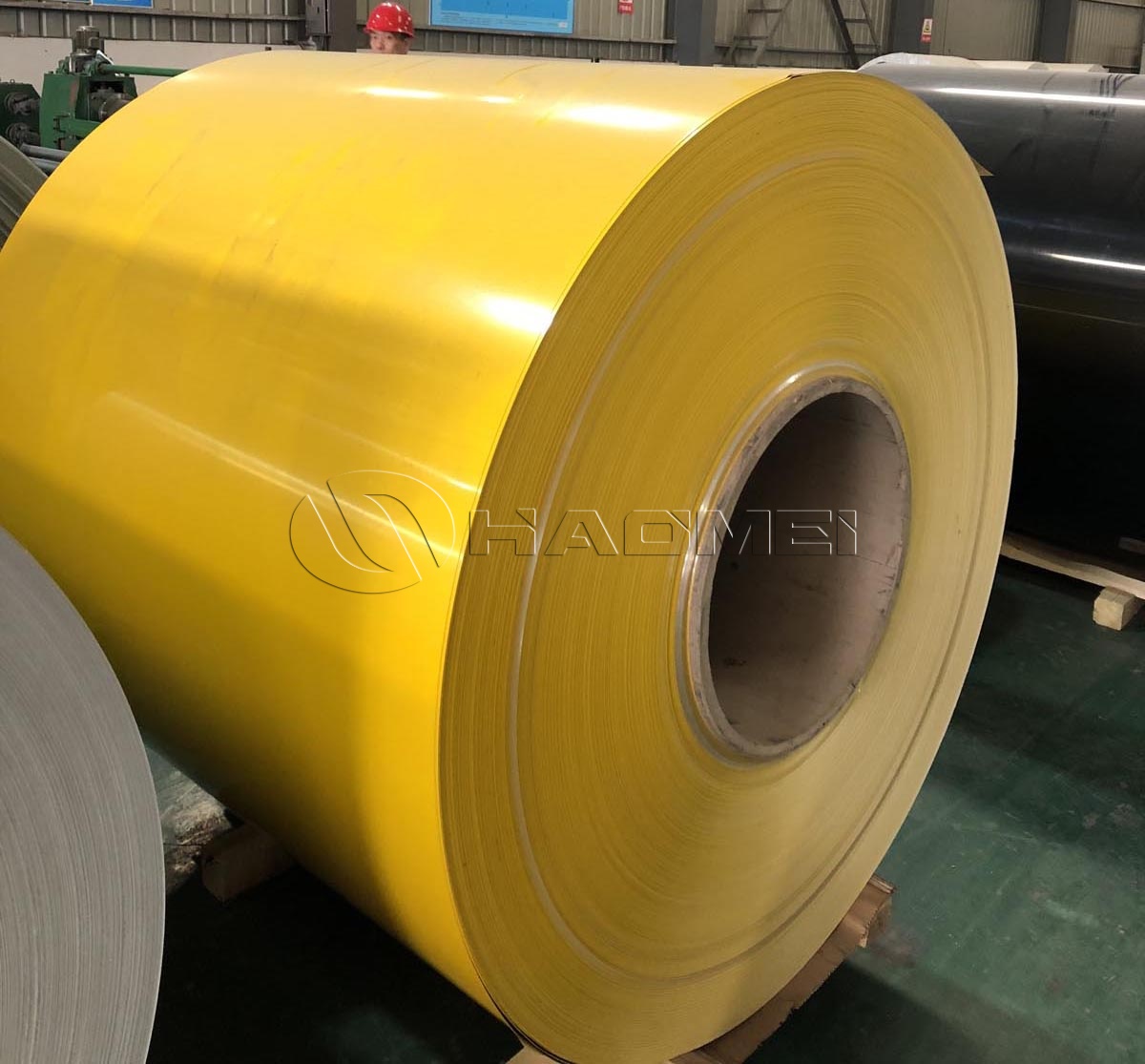
5052 Color Coated Aluminum Coil For Marine Use
5052 color coated aluminum coil for marine use delivers salt spray resistance and durability with PVDF/PE systems, controlled coil coating process, and stable H32 properties.
2026-01-23
-
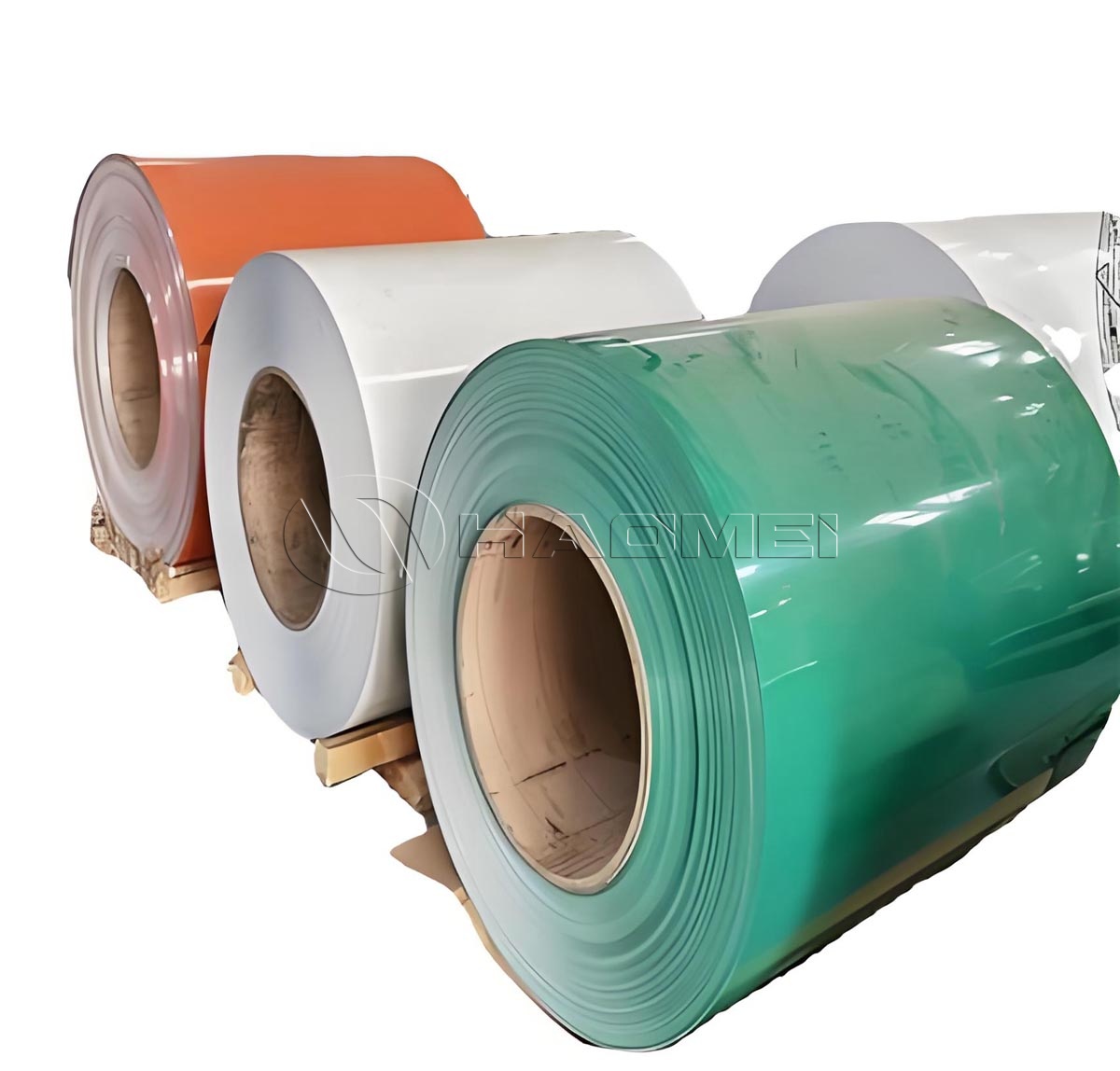
Customized 1100 Double-Layer Color-Coated Aluminum Coil
Overview of customized 1100 double-layer color-coated aluminum coil with PVDF/PE options, core specs, common alloys, and performance for roofing and cladding.
2026-03-19
-
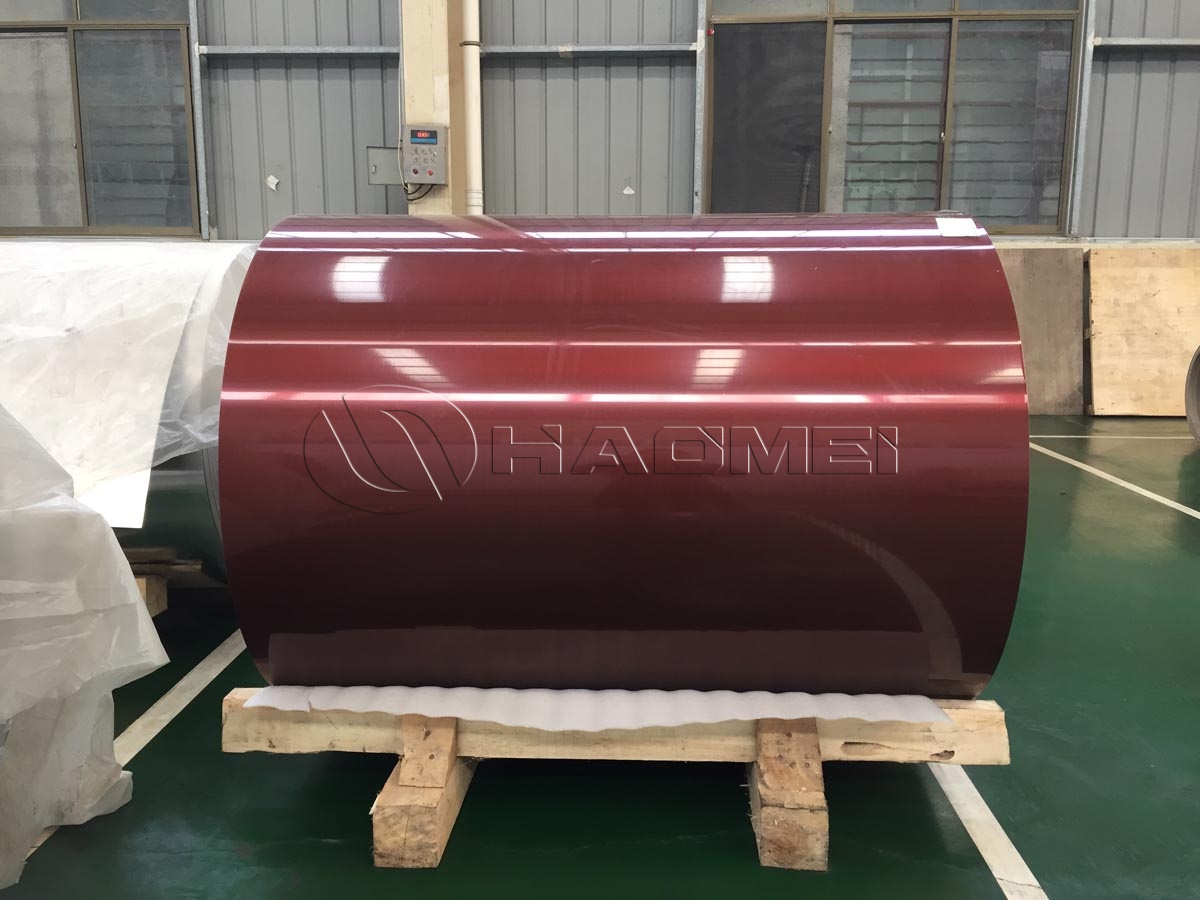
PE Coated Aluminum Coil for Interior Wall Panels
PE coated aluminum coil for interior wall panels, covering alloys, coating structure, specifications, color options, and fabrication performance for projects.
2026-05-09
Contact Directly
-

ADD: No.14 Waihuan Road, CBD, Zhengzhou, China
-

WhatsApp: +86-18703635966
-

E-MAIL: sales@alummc.com