

News
 By Hermione
3000 Series Aluminum Coil With Wood Grain Finish
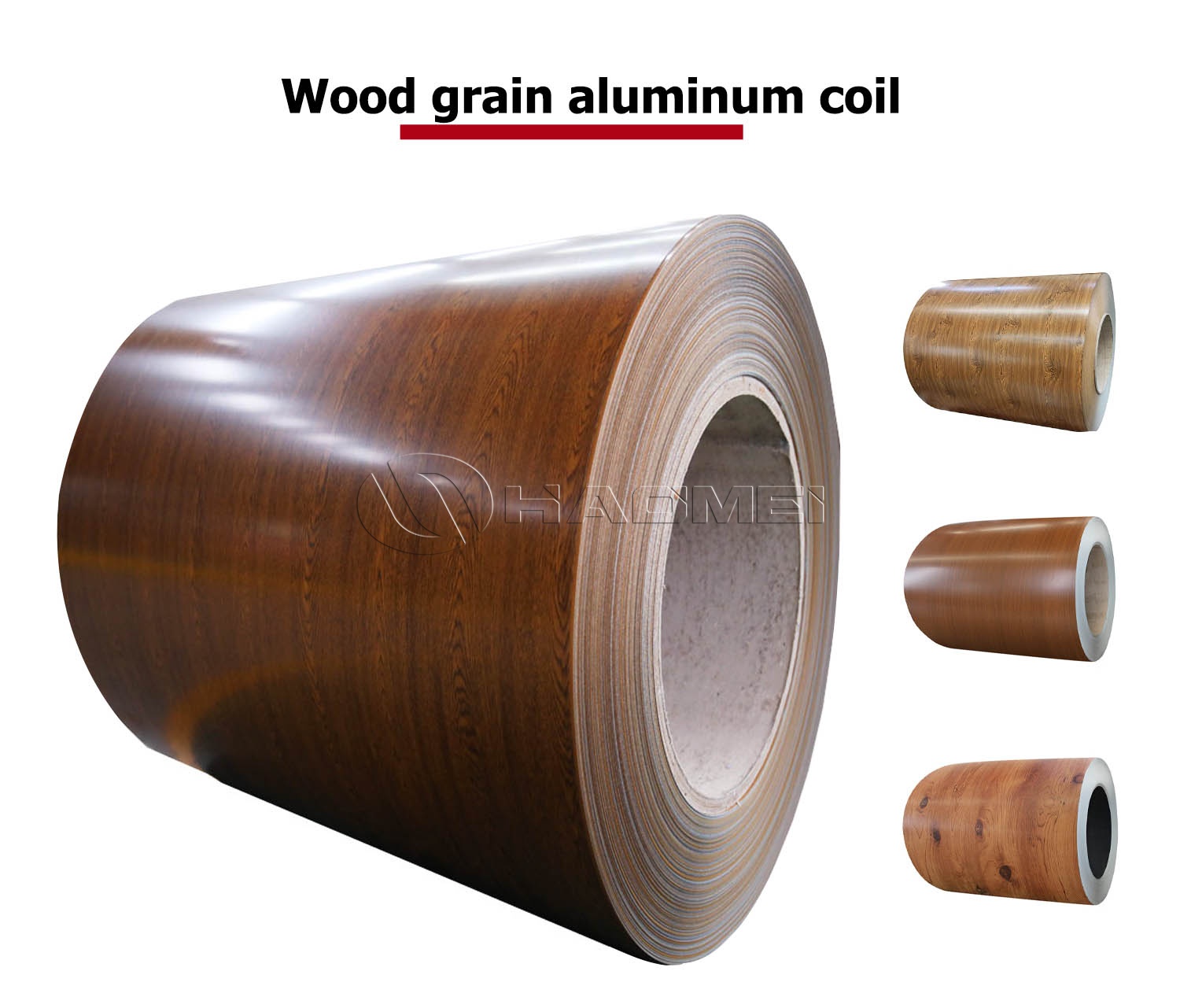
3000 Series Aluminum Coil With Wood Grain Finish is a decorative pre-painted aluminum material based on aluminum-manganese alloy substrates. It combines the warm visual texture of natural wood with the lightweight, corrosion-resistant, and formable characteristics of aluminum coil. This product is widely used in architectural facade panels, ceilings, soffits, rolling shutter doors, interior wall systems, furniture panels, door skins, and other decorative building components.
Product Positioning and Material Characteristics
Compared with solid wood or laminated steel sheets, wood grain aluminum coil offers a balanced solution for applications requiring decorative appearance, dimensional stability, weather resistance, and lower maintenance. The 3000 series substrate provides higher strength than pure aluminum grades while retaining good roll forming, bending, stamping, and shearing performance.
The wood grain effect is normally produced through a multi-layer coating and pattern transfer process. A typical system includes chemical pretreatment, primer, base color coat, wood grain printing or transfer layer, and a protective clear topcoat. Depending on the service environment, the coating can be designed with polyester, high-durability polyester, or fluorocarbon systems. For decorative pattern products, Wooden Grain Color Coated Aluminum Coil is commonly specified when a stable timber-like appearance is required on aluminum components.
Common 3000 Series Alloys
The 3000 series belongs to Al-Mn alloy aluminum. Manganese improves mechanical strength and corrosion resistance without significantly reducing workability, making these alloys suitable for coated coil production and downstream forming.
3003 Aluminum Coil
3003 is one of the most widely used 3000 series alloys for color coating. It provides moderate strength, excellent corrosion resistance, and reliable formability. In wood grain finish applications, 3003 Color Coated Aluminum Coil is often used for ceilings, interior panels, decorative strips, furniture panels, and light exterior cladding.
3004 Aluminum Coil
3004 contains manganese and magnesium, giving it higher strength than 3003. It is suitable for products that require better deformation resistance, such as roofing accessories, roller shutter slats, facade elements, and components exposed to repeated handling or forming. The alloy maintains good coating adhesion when proper pretreatment and curing control are applied.
3105 Aluminum Coil
3105 has good strength, corrosion resistance, and surface processing adaptability. It is frequently used for building decoration, gutters, downspouts, ceilings, partitions, and other formed parts. For wood grain coating, 3105 is valued for its stable surface quality and balanced mechanical properties in H14, H24, and similar tempers.
Core Specifications of 3000 Series Wood Grain Aluminum Coil
| Alloy | 3003, 3004, 3105 |
| Temper | H14, H16, H18, H24, H26, H44, depending on forming requirements |
| Thickness | 0.20-2.00 mm, with common architectural ranges from 0.30-1.20 mm |
| Width | 600-1600 mm, subject to coil line capability and pattern requirements |
| Coil ID | 405 mm, 505 mm, 508 mm |
| Surface Finish | Wood grain, walnut, oak, teak, rosewood, maple, customized timber patterns |
| Coating System | PE, HDP, PVDF, or clear protective topcoat over wood grain layer |
| Front Coating Thickness | Commonly 18-35 μm, depending on coating type and durability grade |
| Back Coating | Service coat, primer, or back paint according to application |
| Gloss | Matt, semi-matt, or customized gloss level |
| Protective Film | Optional, used for fabrication and installation protection |
| Typical Applications | Facade panels, ceilings, soffits, shutters, door panels, furniture, decorative trims |
Coating Structure and Wood Grain Formation
The performance of a wood grain aluminum coil depends not only on the alloy, but also on pretreatment quality, coating formulation, print accuracy, curing control, and topcoat protection. A stable coating structure generally improves adhesion, color retention, stain resistance, and forming reliability.
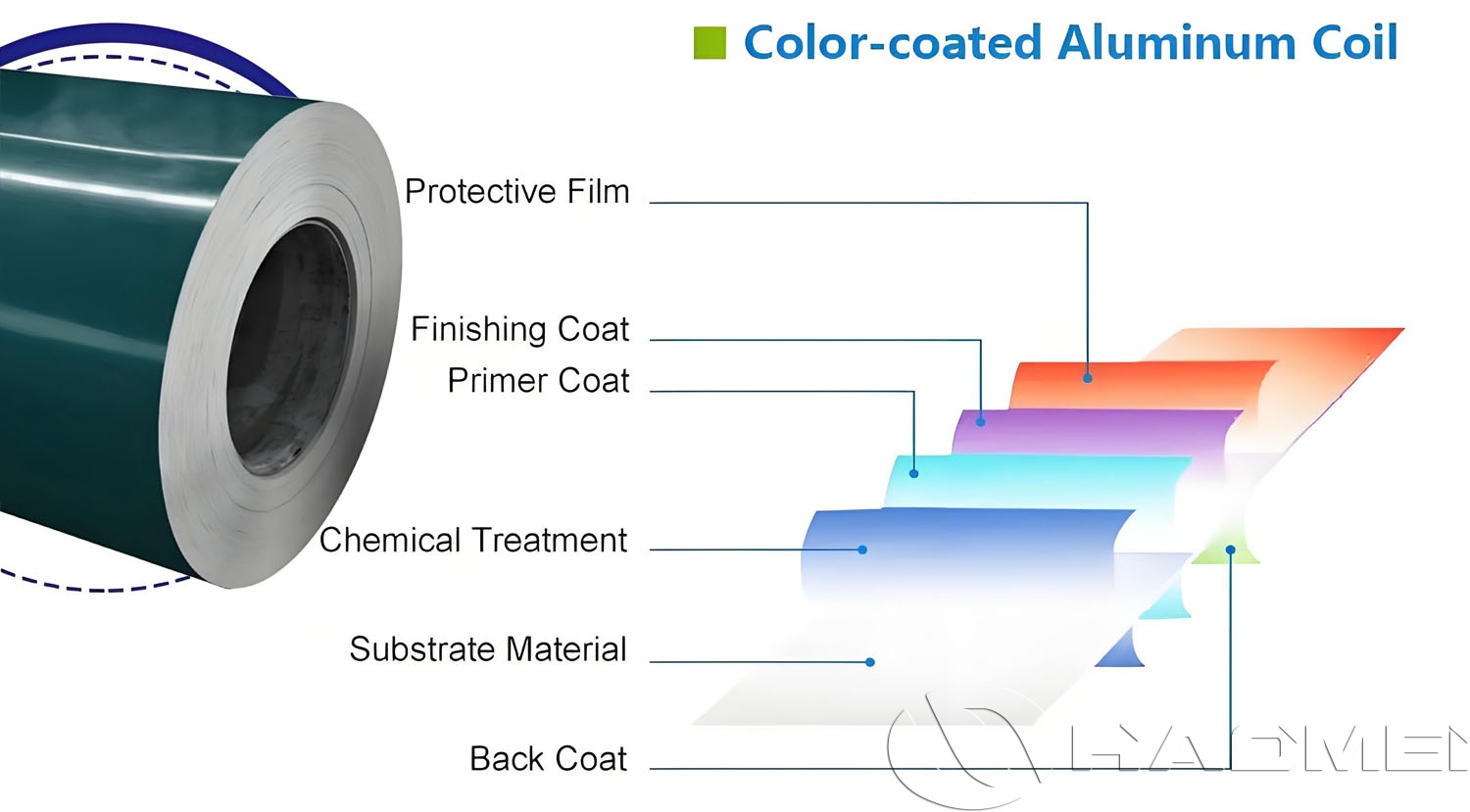
A typical coating system includes:
Aluminum substrate: 3003, 3004, or 3105 coil with controlled flatness and surface cleanliness.
Pretreatment layer: Chromium-free or conventional conversion treatment to improve corrosion resistance and paint adhesion.
Primer: Provides bonding between substrate and finish coating.
Base color coat: Establishes the background tone for the selected wood pattern.
Wood grain layer: Applied by printing or transfer technology to create natural texture effects.
Clear topcoat: Improves abrasion resistance, weatherability, gloss stability, and stain resistance.
For exterior applications, PVDF or high-durability polyester systems are often used because they provide better resistance to ultraviolet exposure, chalking, and color fading. For interior ceilings, furniture panels, and decorative trims, PE coating is commonly selected because of its good appearance, processability, and cost efficiency.
Application Scenarios
3000 series wood grain coated aluminum coil is suitable for both interior and exterior decorative systems. Its lower density compared with steel helps reduce structural load, while the pre-painted surface eliminates many secondary finishing steps after fabrication.
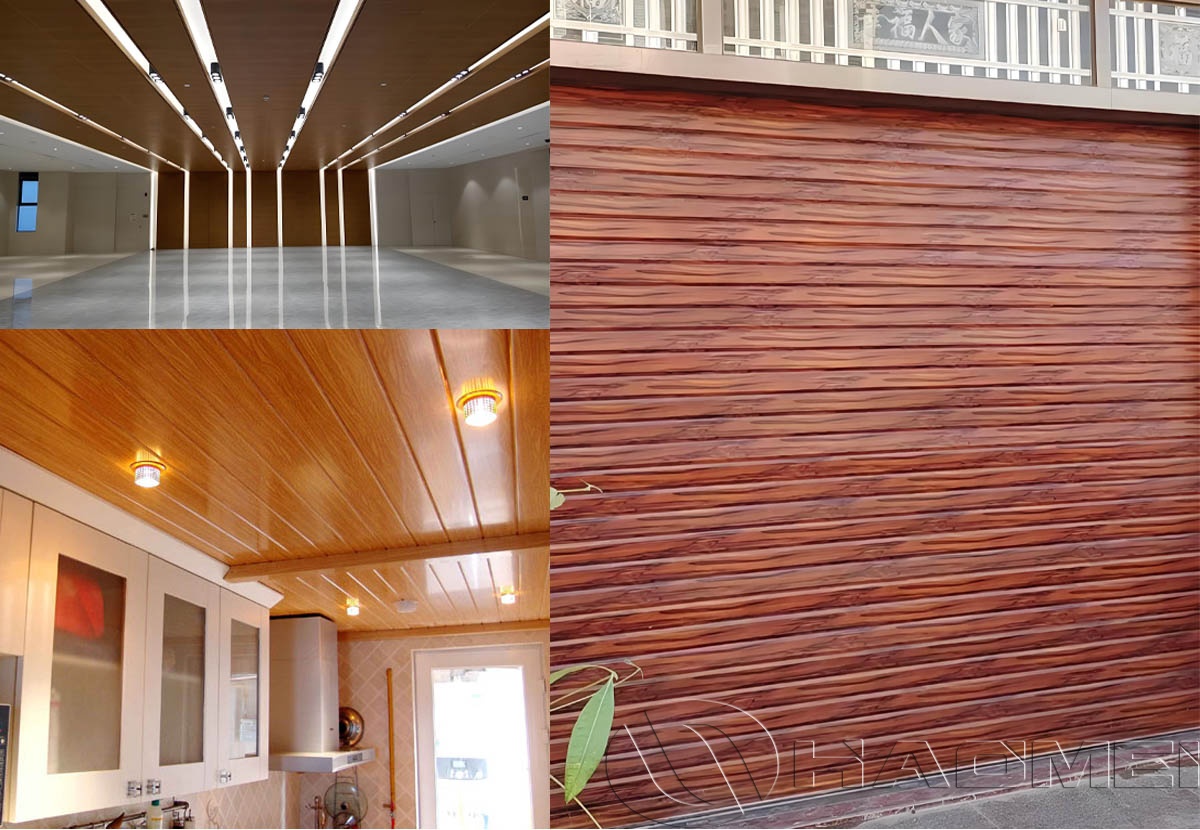
Common application areas include:
Architectural facades and curtain wall decoration: Used for aluminum composite panels, solid aluminum panels, and decorative cladding strips.
Ceilings and soffits: Provides a timber-like appearance with better moisture resistance and dimensional stability than natural wood.
Rolling shutter doors and garage doors: 3004 and 3105 substrates support continuous roll forming and repeated opening cycles.
Furniture and cabinet panels: Offers consistent color, texture, and easy-clean surface performance.
Door skins and interior partitions: Combines decorative texture with lightweight sheet processing.
Gutters, trims, and exterior accessories: Uses corrosion-resistant aluminum alloy with a weatherable coating finish.
Manufacturing and Process Control
Stable production of wood grain aluminum coil requires precise control at each processing stage. The aluminum substrate should have uniform thickness, controlled crown, clean surface condition, and suitable mechanical properties. Before coating, degreasing and pretreatment must remove rolling oil and oxide contamination, allowing the primer to bond consistently to the metal surface.
During coating, viscosity, coating weight, oven temperature, line speed, and curing time directly affect film integrity and adhesion. For wood grain transfer or printing, pattern registration, base color uniformity, and topcoat transparency must be controlled to avoid color deviation, blurred grain, or uneven gloss. Coil winding tension is also important because excessive tension can cause surface marks, edge waves, or blocking between layers.
Performance Validation
A qualified 3000 series aluminum coil with wood grain finish is usually evaluated through both substrate and coating tests. Key performance items include:
Coating adhesion after cross-cut or tape testing.
T-bend and impact resistance for roll forming and panel fabrication.
Pencil hardness and abrasion resistance for surface durability.
Salt spray resistance for corrosion performance assessment.
Color difference and gloss consistency between batches.
UV aging, chalking resistance, and gloss retention for exterior grades.
Solvent resistance and stain resistance for cleaning performance.
Coil flatness, edge quality, and dimensional tolerance for downstream processing.
-
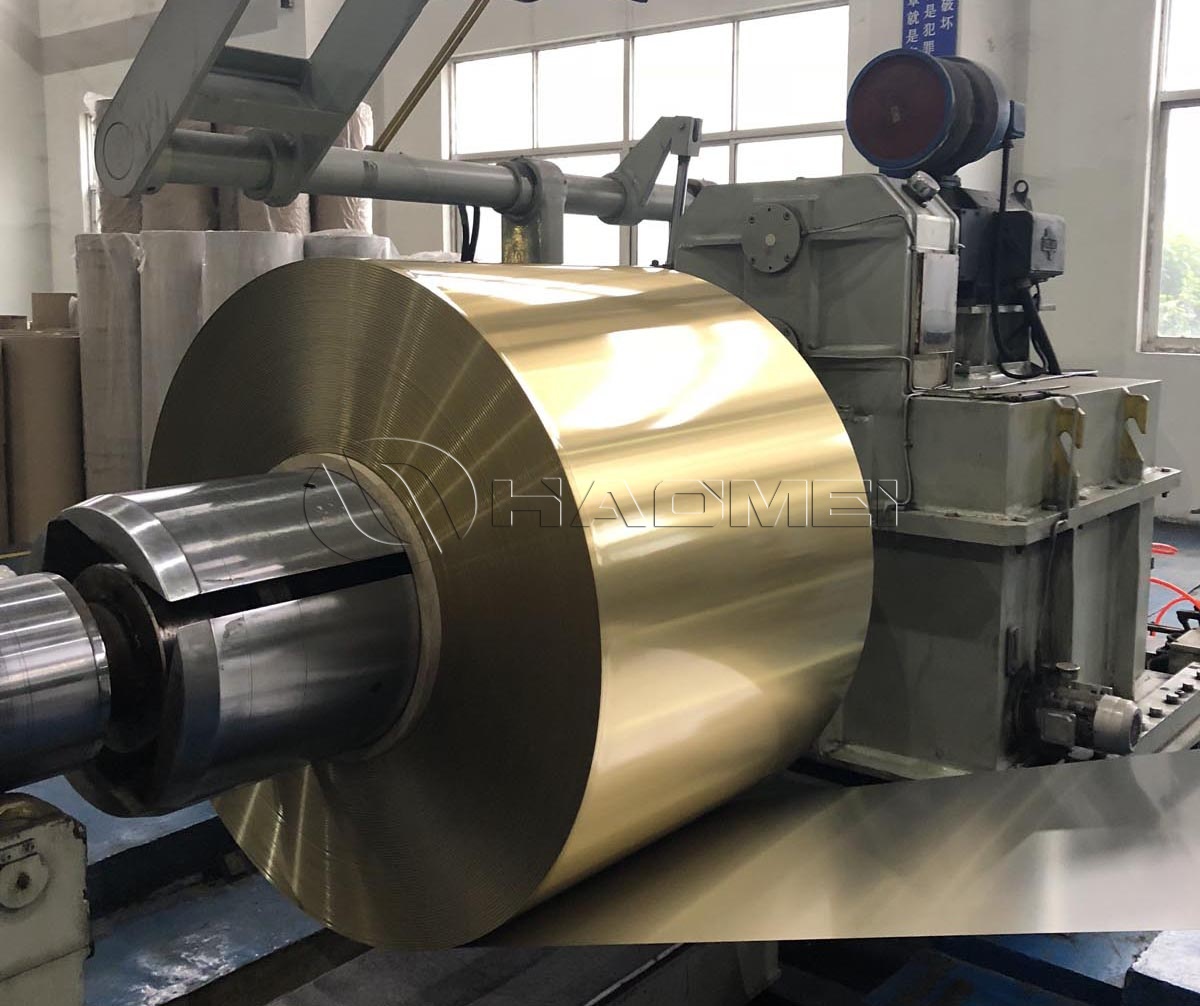
5000 Series Color Coated Aluminum Coil for Signage
Explore 5000 series color coated aluminum coil for signage, including 5005 and 5052 alloys, coating options, dimensions, fabrication, and durability.
2026-09-14
-
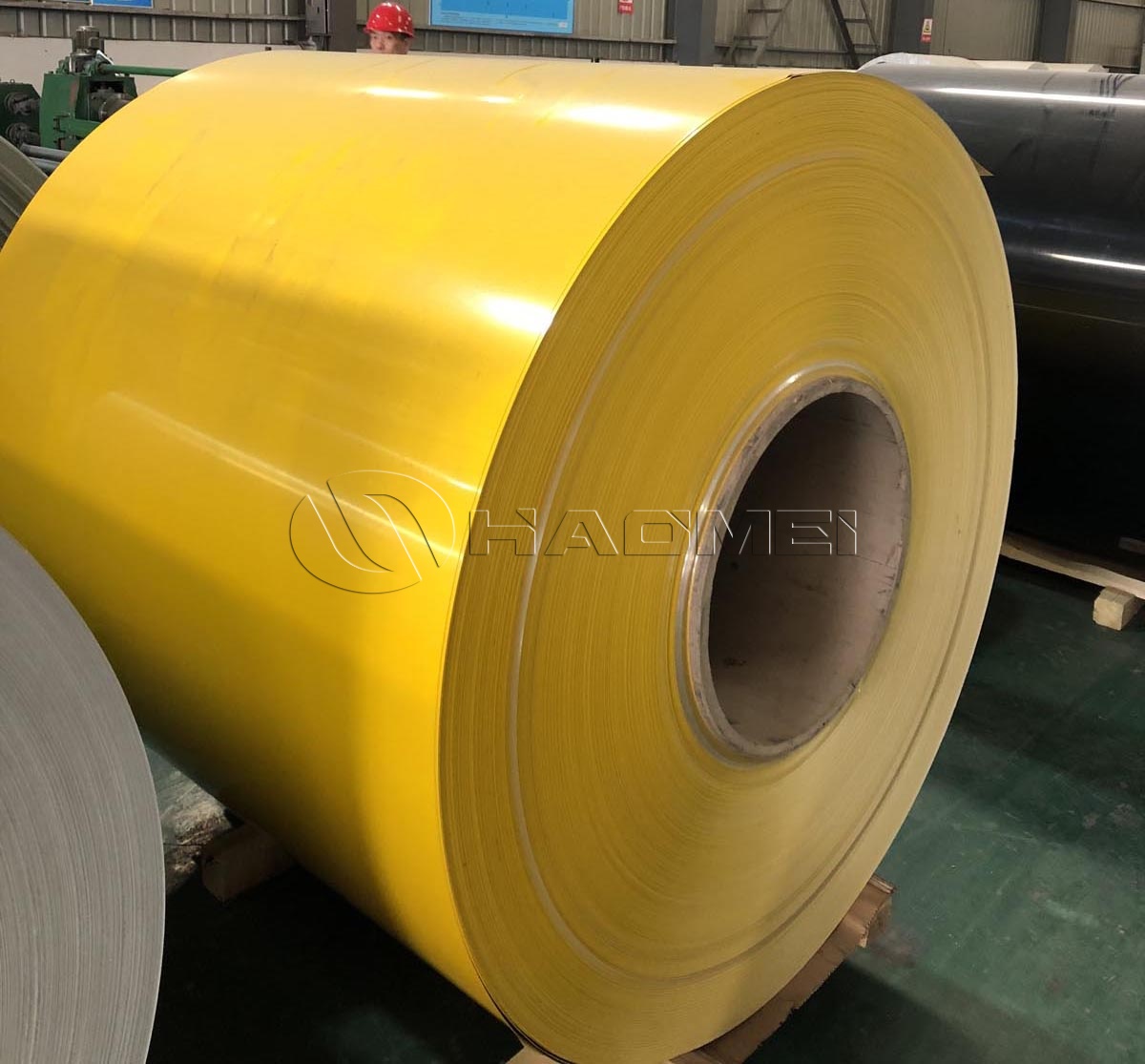
1000 Series Color Coated Aluminum Coil For Roofing
1000 Series color coated aluminum coil for roofing is positioned as a lightweight, high-corrosion-resistance roof stock for roll-formed panels, corrugated sheets, ridge caps, flashings, and rainwater systems.
2026-01-19
-
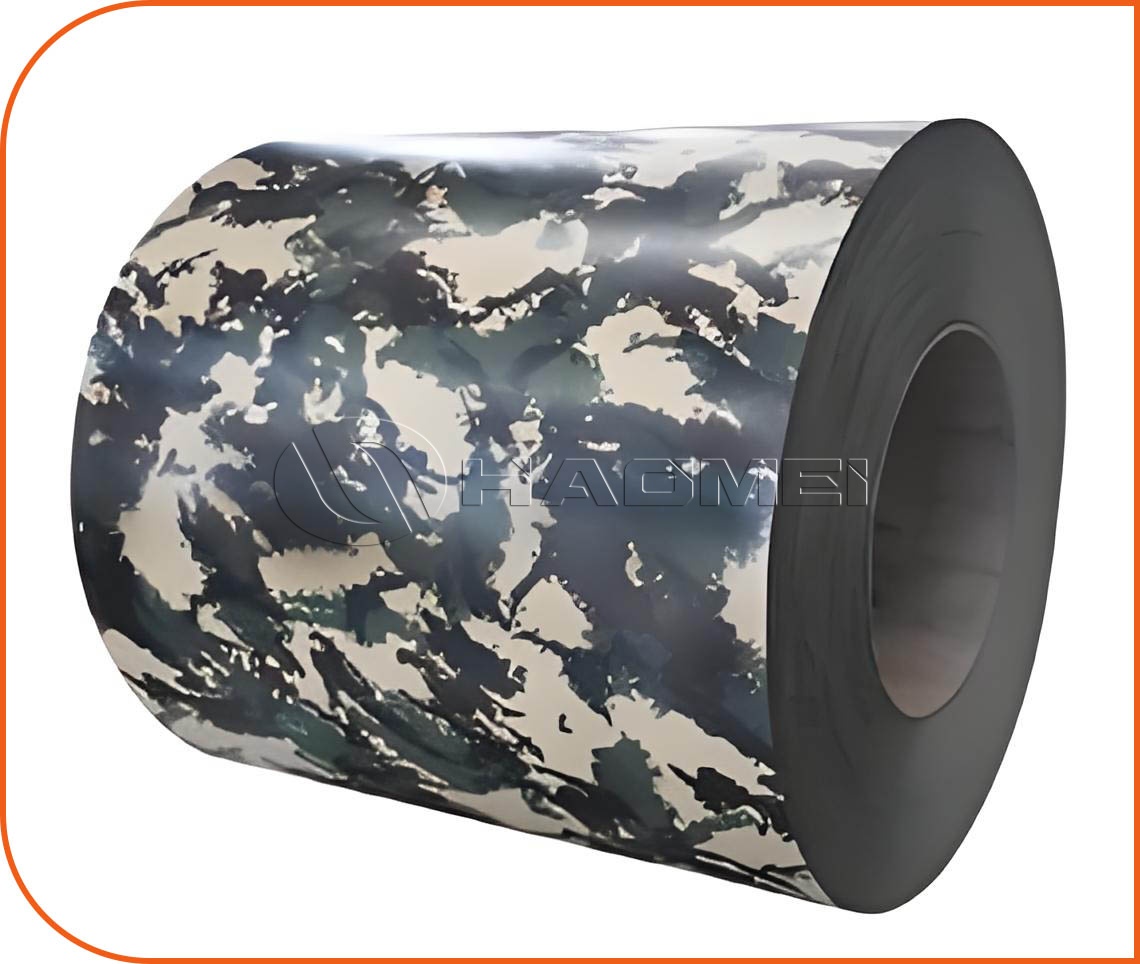
Service Life of Camouflage-Coated Aluminum Coils
Explore camouflage-coated aluminum coil service life, PVDF and PE coating systems, common alloys, core specifications, and outdoor durability factors.
2026-06-29
Contact Directly
-

ADD: No.14 Waihuan Road, CBD, Zhengzhou, China
-

WhatsApp: +86-18703635966
-

E-MAIL: sales@alummc.com